Tenant Improvement Lease
What is this form?
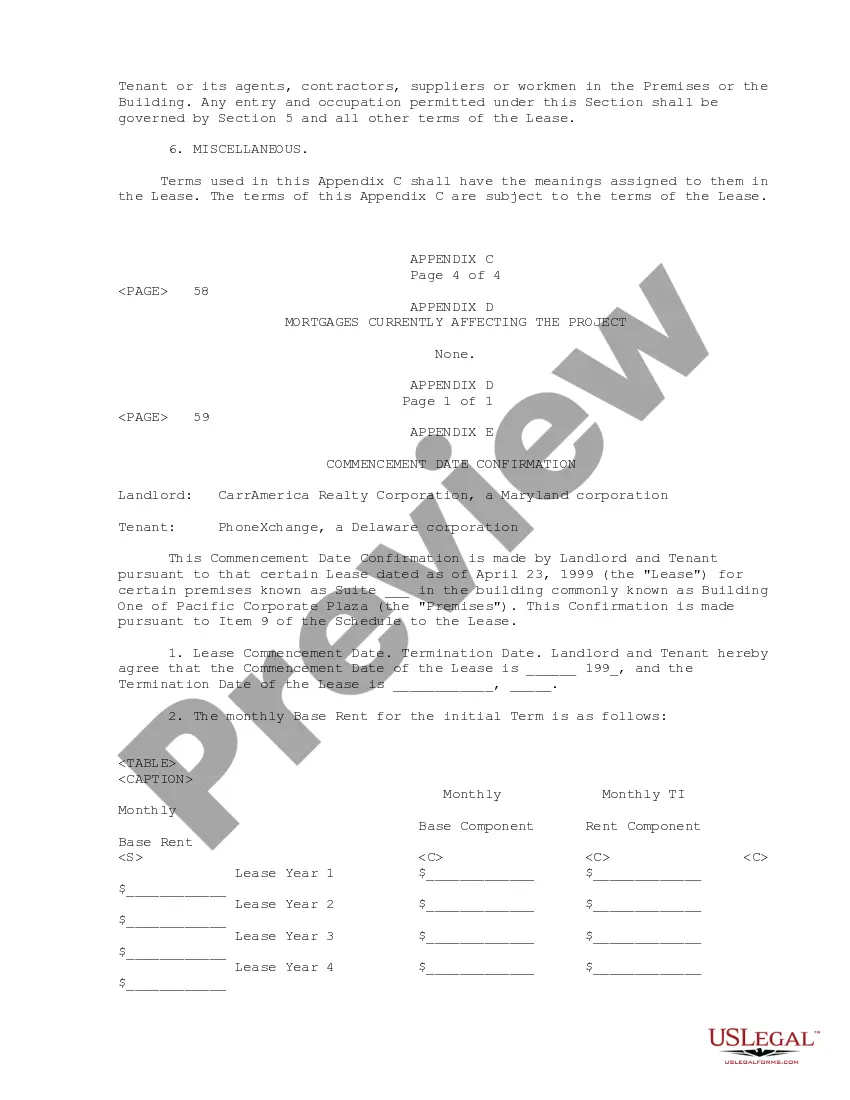
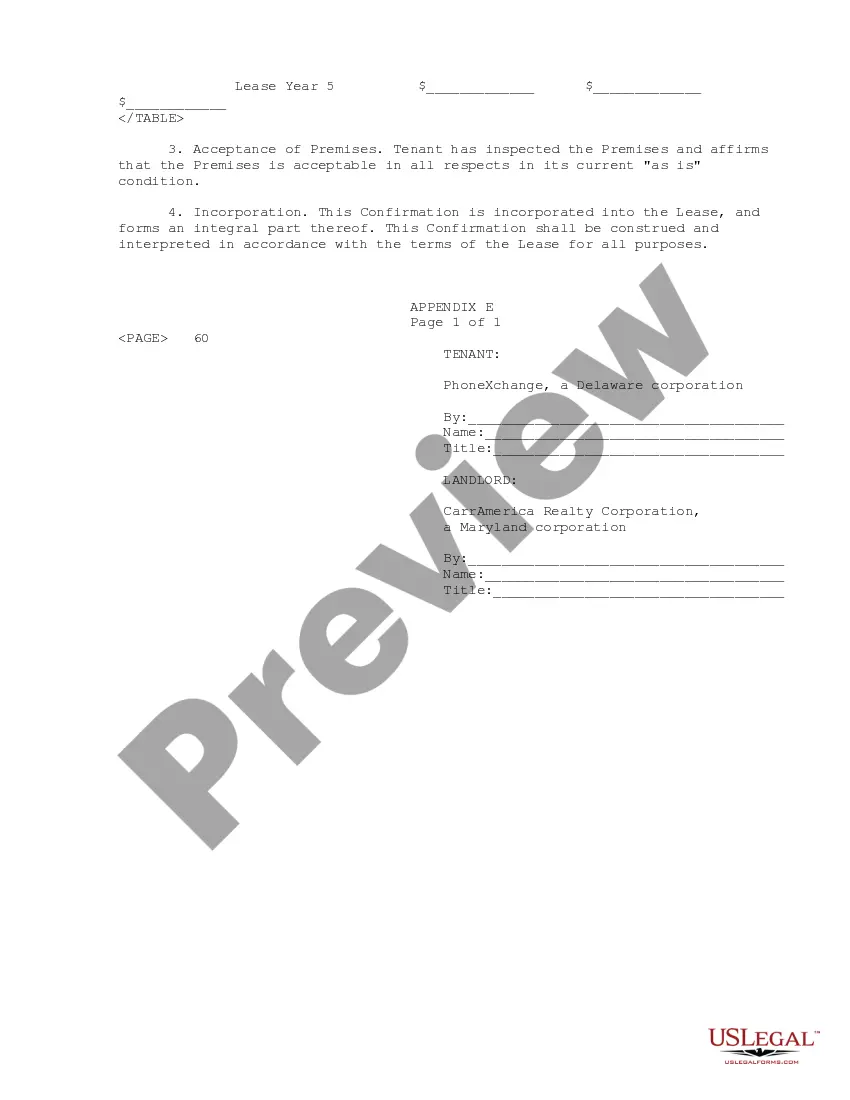
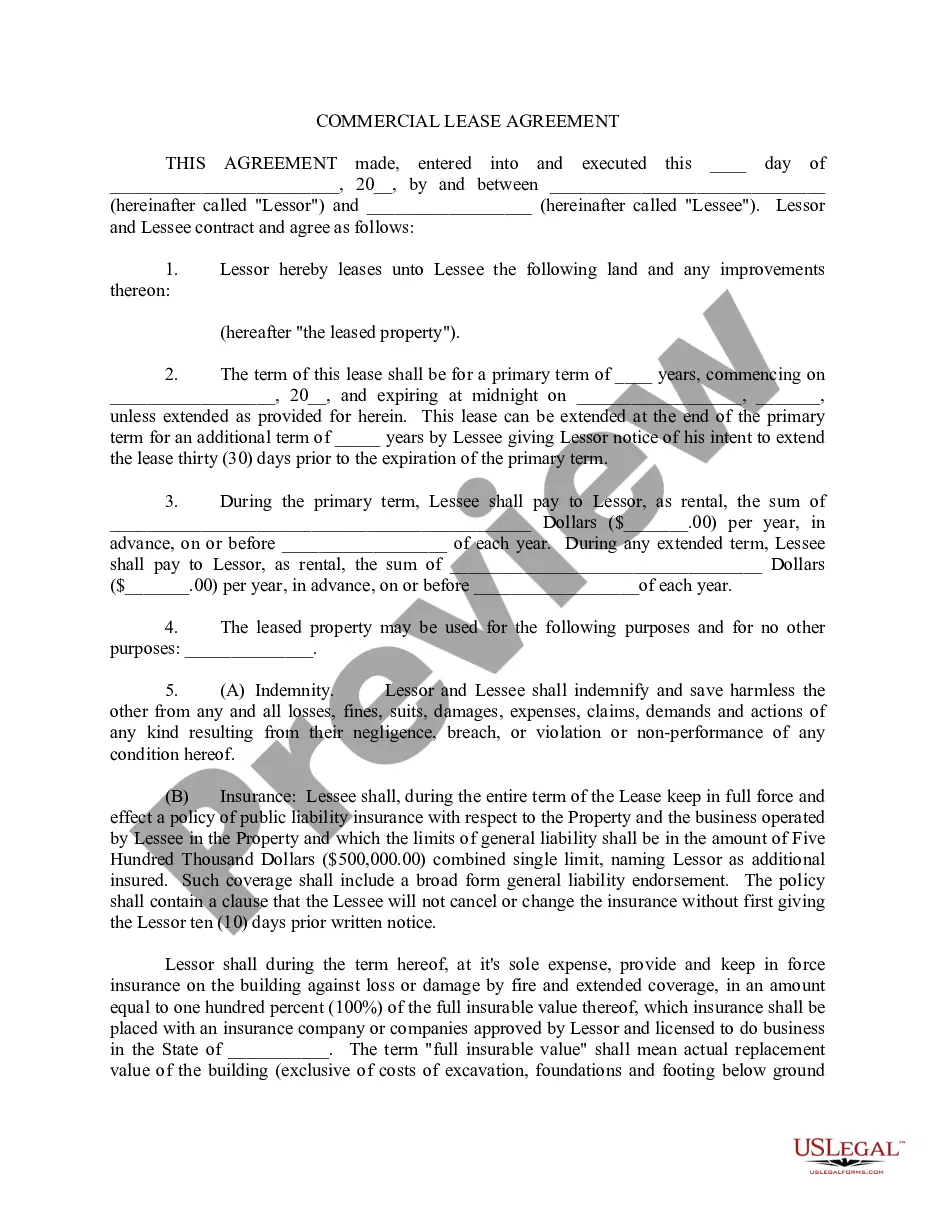
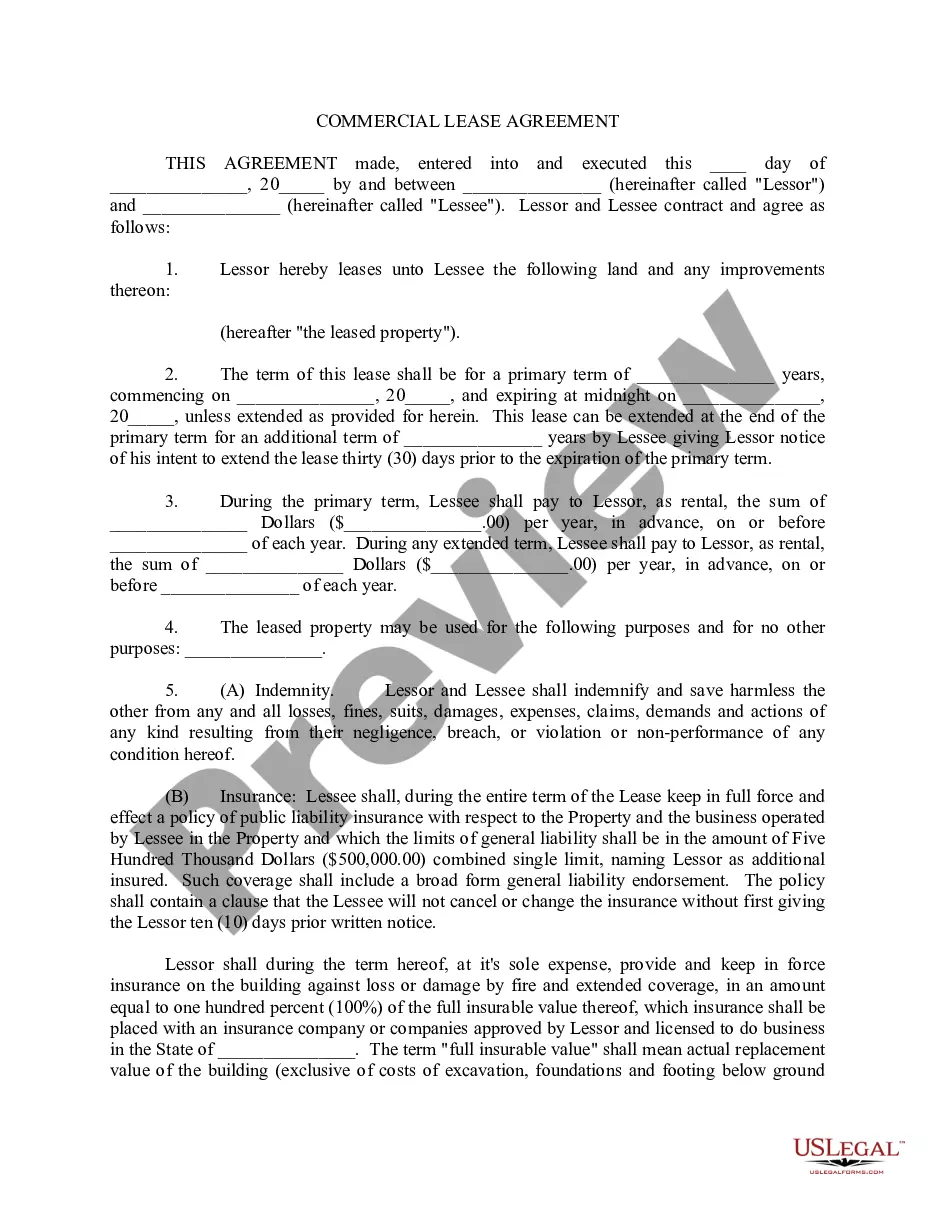
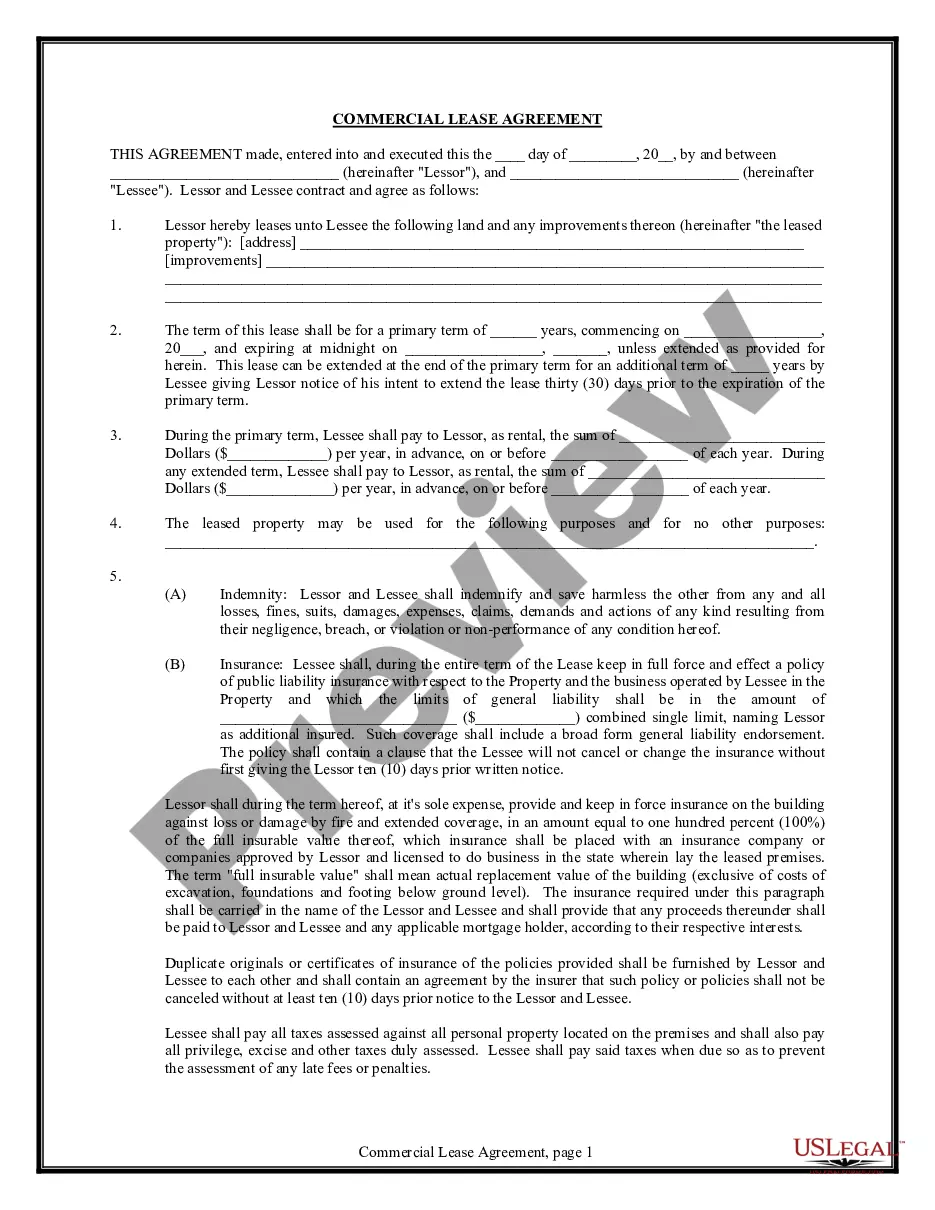
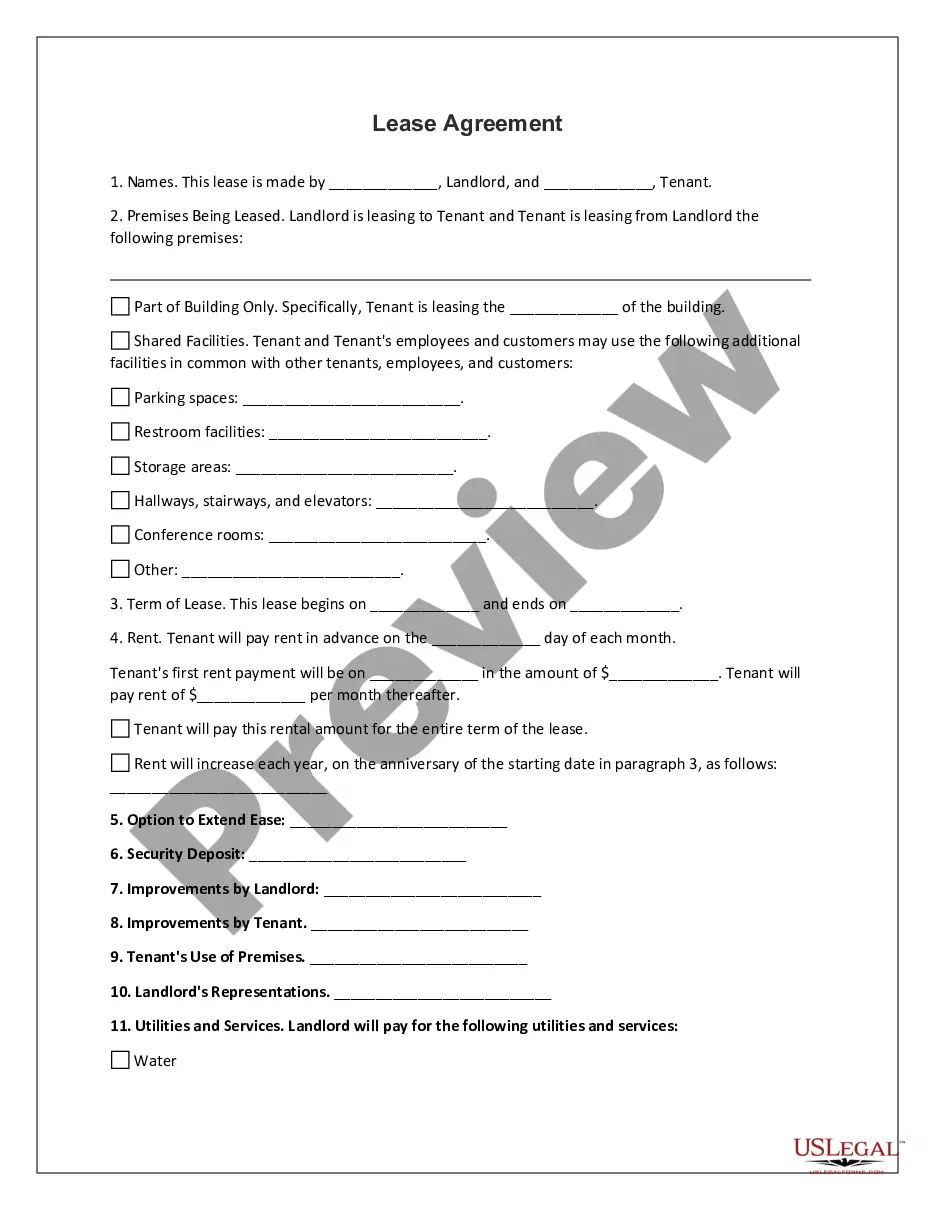
The Tenant Improvement Lease is a legal document that outlines the agreement between a landlord and tenant regarding improvements made to a leased property. This form specifies the rights and responsibilities of both parties related to construction and alterations within the premises. Unlike standard lease agreements, this form focuses specifically on the modifications and enhancements that a tenant may request or require, ensuring that both parties agree on costs, timelines, and specifications for such improvements.
Form components explained
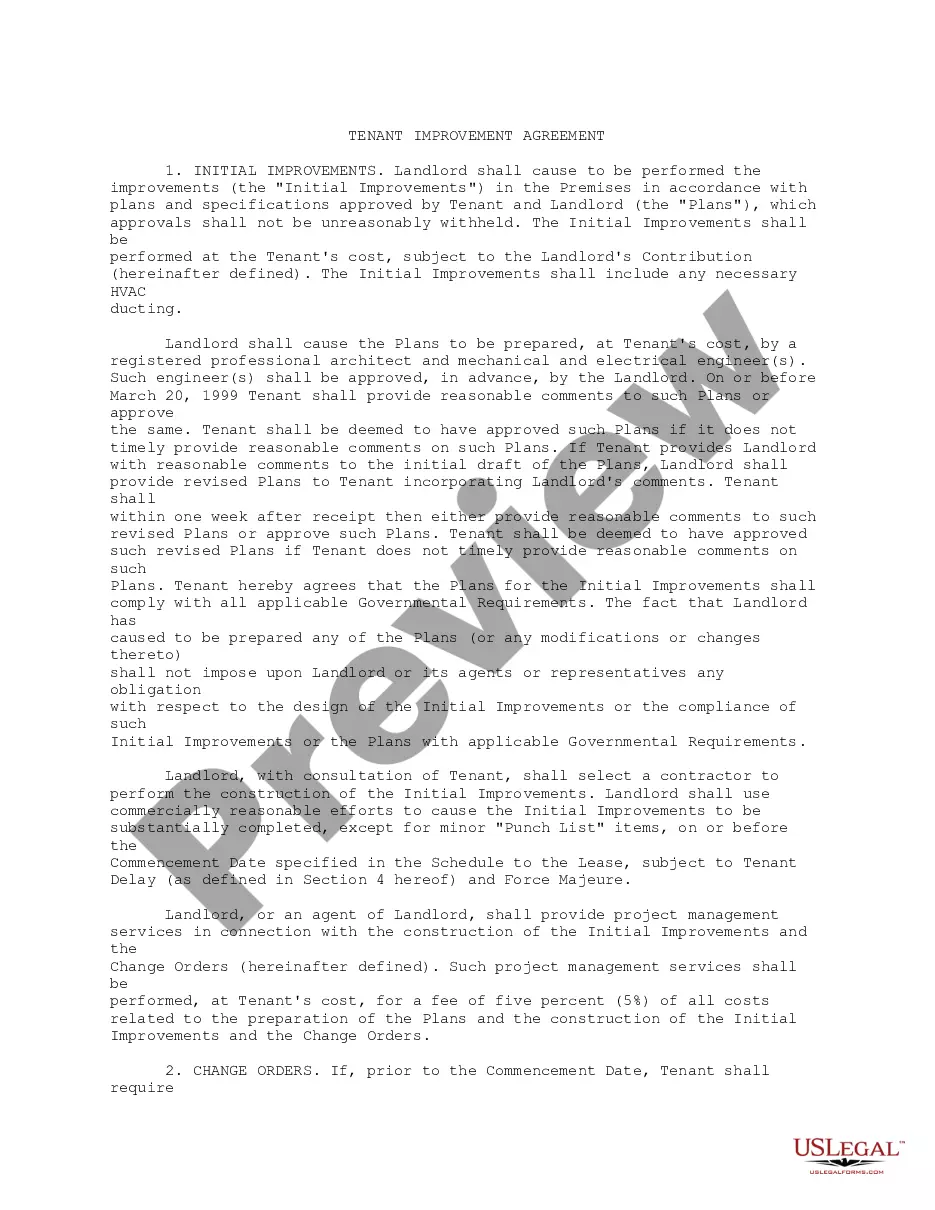
- Initial Improvements: Details the responsibilities of the landlord to perform specified improvements at the tenant's expense.
- Change Orders: Outlines the procedure for requesting modifications to the Initial Improvements before the lease commencement date.
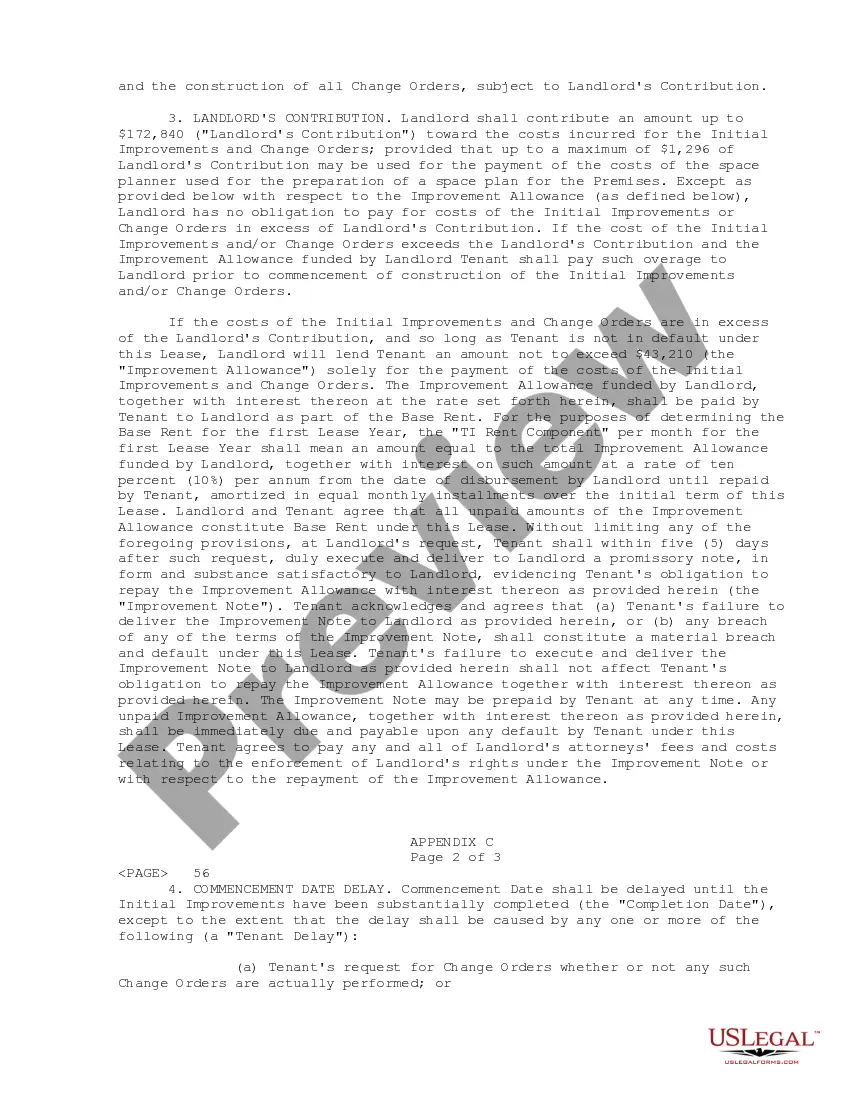
- Landlord Contribution: Specifies the financial limits of the landlord's contribution towards improvement costs and stipulations for excess costs.
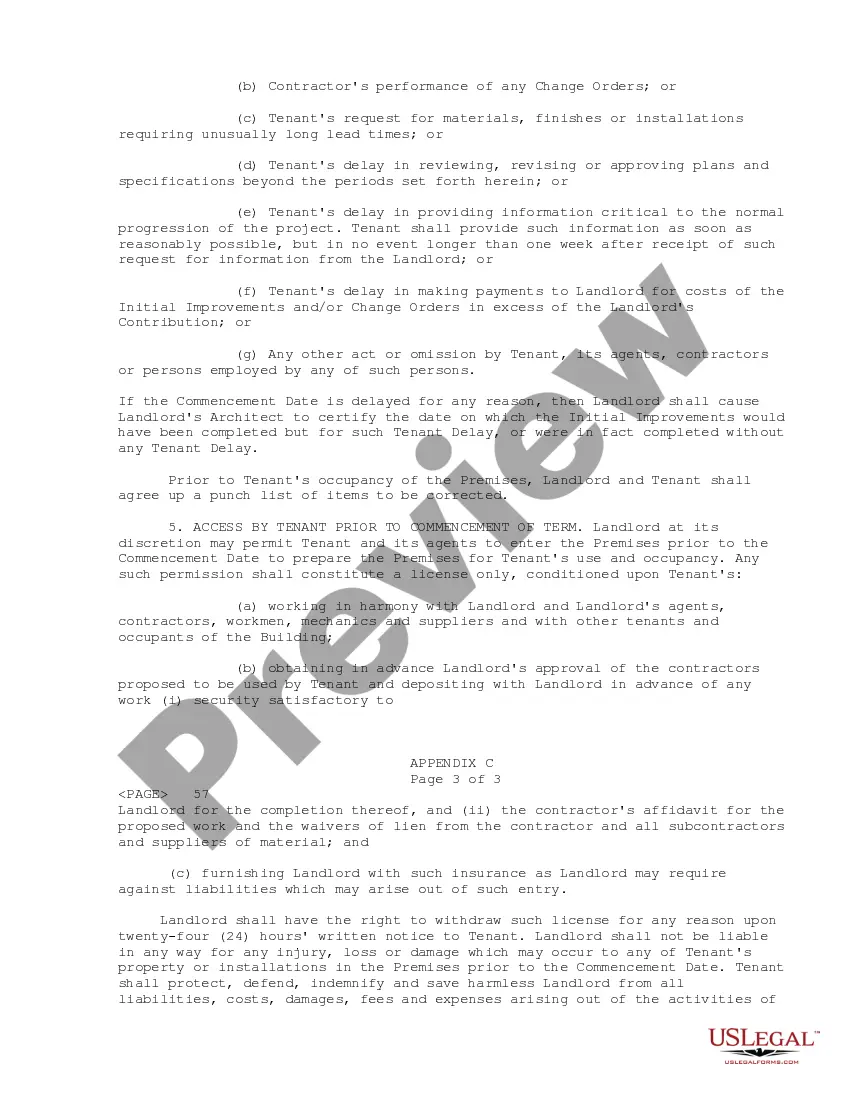
- Commencement Date Delay: Defines conditions under which the start date of the lease may be delayed due to tenant actions or requests.
- Access Prior to Term: Describes conditions under which the tenant may access the property before the official lease start date for setup.
When to use this document
This Tenant Improvement Lease is essential when a tenant intends to make alterations or improvements to a rented commercial space. It is particularly useful for businesses looking to customize their environment to fit operational needs, such as installing specific equipment, adjusting layouts, or enhancing the overall look of the location. It provides clear guidelines on how improvements will be funded, scheduled, and executed, thereby protecting the interests of both the landlord and the tenant.
Intended users of this form
- Commercial tenants seeking to make improvements to their leased space.
- Landlords who need to outline the terms under which improvements will be made by the tenant.
- Business owners looking for clarity in the responsibilities and costs associated with property modifications.
- Real estate professionals involved in drafting or negotiating commercial leases.
Steps to complete this form
- Identify the parties involved: Clearly state the names and addresses of the landlord and tenant.
- Specify the property: Include the precise address and description of the leased premises.
- Outline the Initial Improvements: Detail the improvements to be conducted, including any architectural specifications.
- Document the financial agreements: Clearly define the landlord's contribution and any costs that will be borne by the tenant.
- Sign and date: Ensure both parties review and sign the agreement to finalize the terms.
Does this document require notarization?
Notarization is not commonly needed for this form. However, certain documents or local rules may make it necessary. Our notarization service, powered by Notarize, allows you to finalize it securely online anytime, day or night.
Get your form ready online
Our built-in tools help you complete, sign, share, and store your documents in one place.
Make edits, fill in missing information, and update formatting in US Legal Forms—just like you would in MS Word.
Download a copy, print it, send it by email, or mail it via USPS—whatever works best for your next step.
Sign and collect signatures with our SignNow integration. Send to multiple recipients, set reminders, and more. Go Premium to unlock E-Sign.
If this form requires notarization, complete it online through a secure video call—no need to meet a notary in person or wait for an appointment.
We protect your documents and personal data by following strict security and privacy standards.

Make edits, fill in missing information, and update formatting in US Legal Forms—just like you would in MS Word.

Download a copy, print it, send it by email, or mail it via USPS—whatever works best for your next step.

Sign and collect signatures with our SignNow integration. Send to multiple recipients, set reminders, and more. Go Premium to unlock E-Sign.

If this form requires notarization, complete it online through a secure video call—no need to meet a notary in person or wait for an appointment.

We protect your documents and personal data by following strict security and privacy standards.
Typical mistakes to avoid
- Failing to specify the exact improvements, leading to misunderstandings.
- Neglecting to outline the timeline for the completion of improvements.
- Not addressing the financial responsibilities of both parties clearly.
- Overlooking local regulations that could impact the legality of the changes.
- Not obtaining necessary approvals from both parties before proceeding with alterations.
Why use this form online
- Convenient access to templates that can be easily downloaded and printed.
- Editability allows for customization to meet specific tenant or landlord needs.
- Reliability of having a legally vetted template drafted by licensed attorneys.
- Quick processing to ensure timely agreements and project setups.
Looking for another form?
Form popularity
FAQ
If the tenant pays for leasehold improvements, the capital expenditure is recorded as an asset on the tenant's balance sheet. Then the expense is recorded on income statements as amortization over either the life of the lease or the useful life of the asset, whichever is shorter.
Accounting for tenant improvement allowances when a lease renews. As discussed above, a tenant improvement allowance is recorded as a liability which is amortized (as a reduction to rent expense) over the life of the lease.
In cases like this, landlords are entitled to deduct the remaining tax basis in capitalized leasehold improvements made for a particular tenant upon termination of the lease if such improvements are irrevocably disposed of or abandoned and won't be used by a subsequent tenant.
Most leases and rental agreements contain a provision that prevents a tenant from making improvements or alterations to a rental unit without getting the written consent of the landlord. If you make an improvement or alteration without consent, it generally becomes the property of the landlord if you leave.
The cash allowance for tenant improvements would be treated as a lease acquisition cost to the landlord, who would amortize this cost, along with other lease acquisition costs, ratably over the term of the lease.
Leasehold improvements are any changes made to a rental property in order to customize it for the particular needs of a tenant. These can include alterations such as painting, installing partitions, changing the flooring, or putting in customized light fixtures.
Often, landlords will provide a 'leasehold improvement allowance' for their tenants which is merely a set amount they agree to pay for. If the improvements you want cost more than the allowance, you will be responsible for those extra costs.
Tenant can claim for: Necessary improvements to protect or preserve the property (costs expended),The claim arises only once the lease is terminated and lessee returned the property. The court has discretion to disallow a claim for useful improvements.
The options are: Lessee owns the improvements. If the lessee owns the improvements, then the lessee initially records the allowance as an incentive (which is a deferred credit), and amortizes it over the lesser of either the term of the lease or the useful life of the improvements, with no residual value.