Letter regarding trust money
Understanding this form
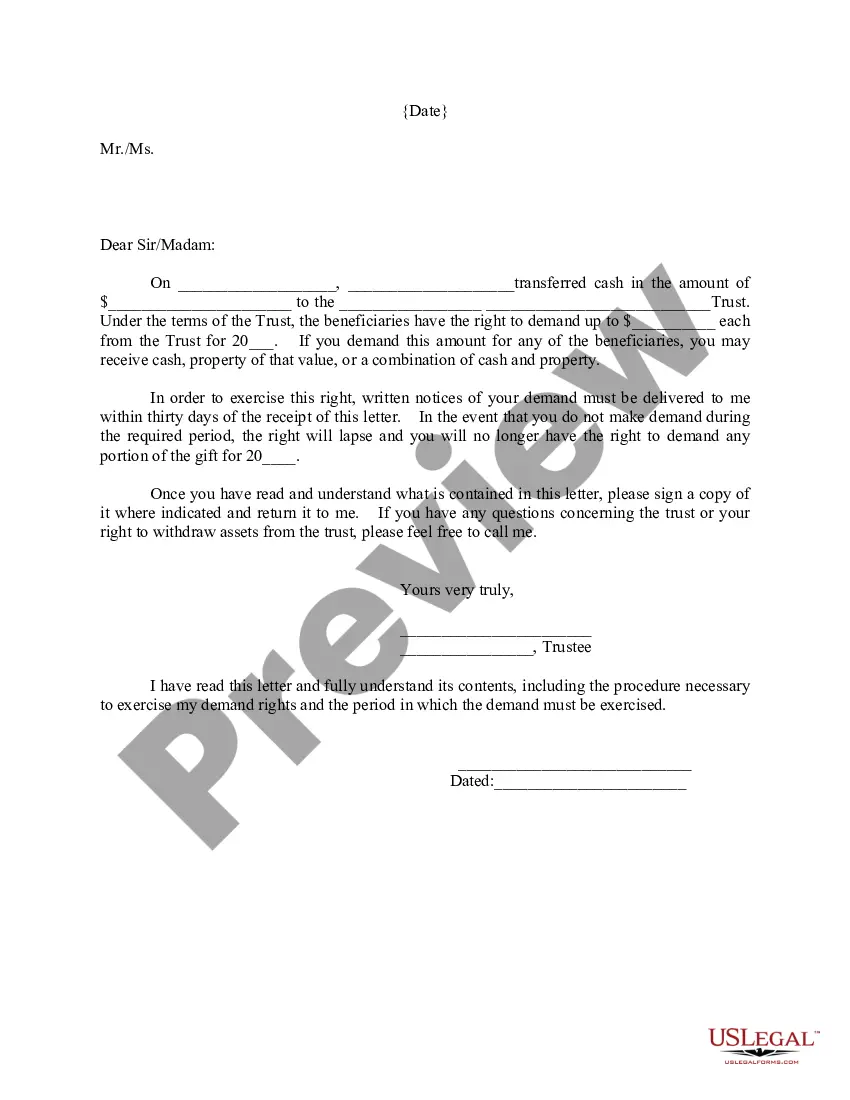
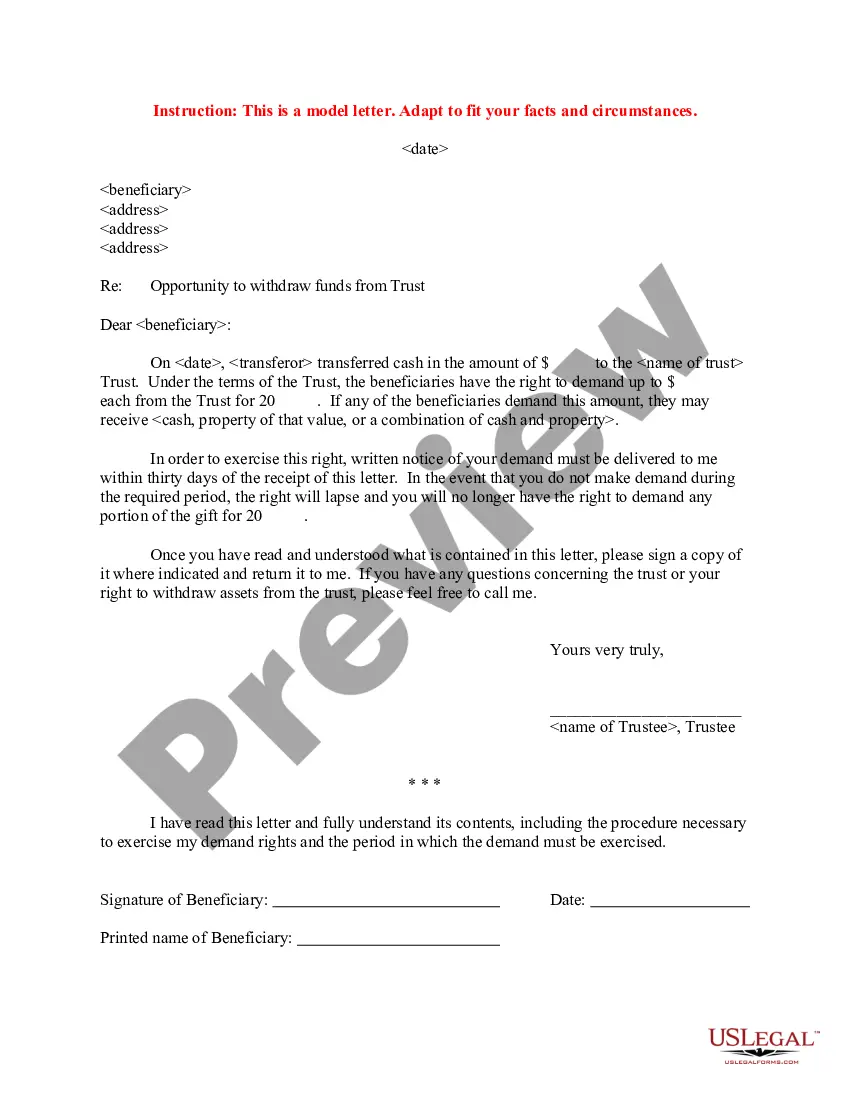
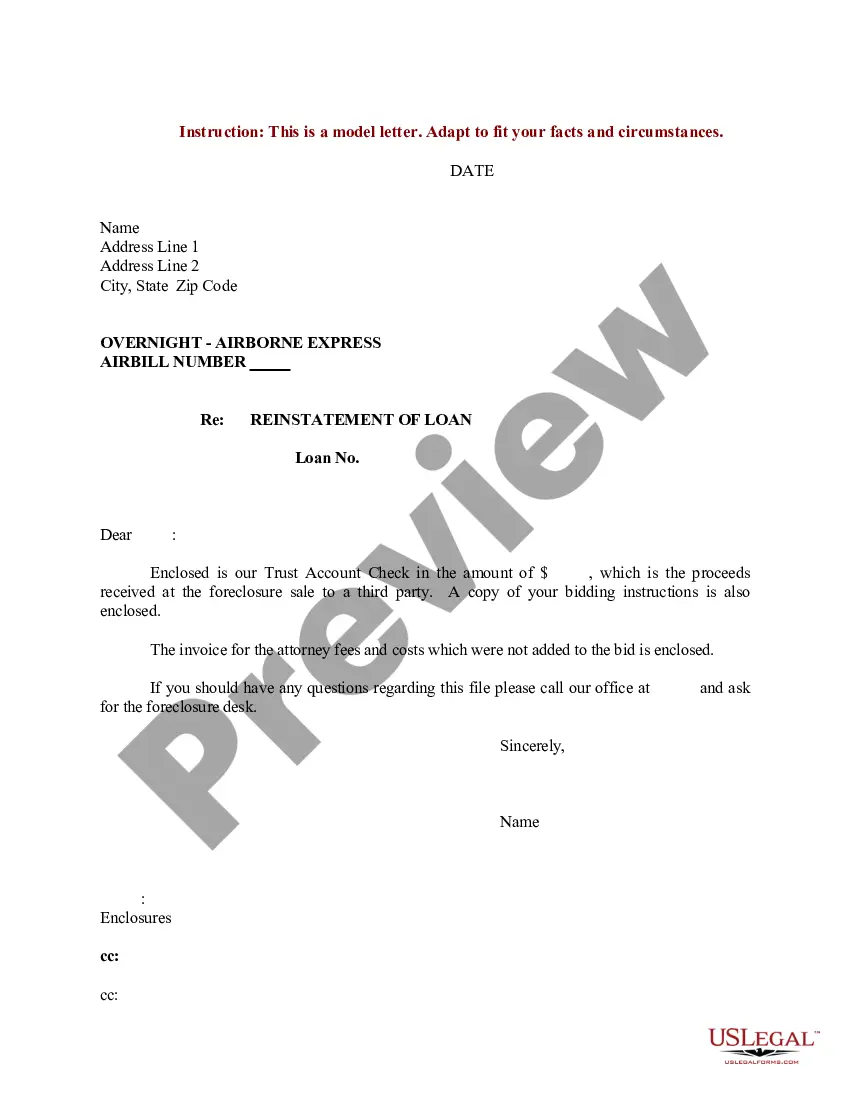
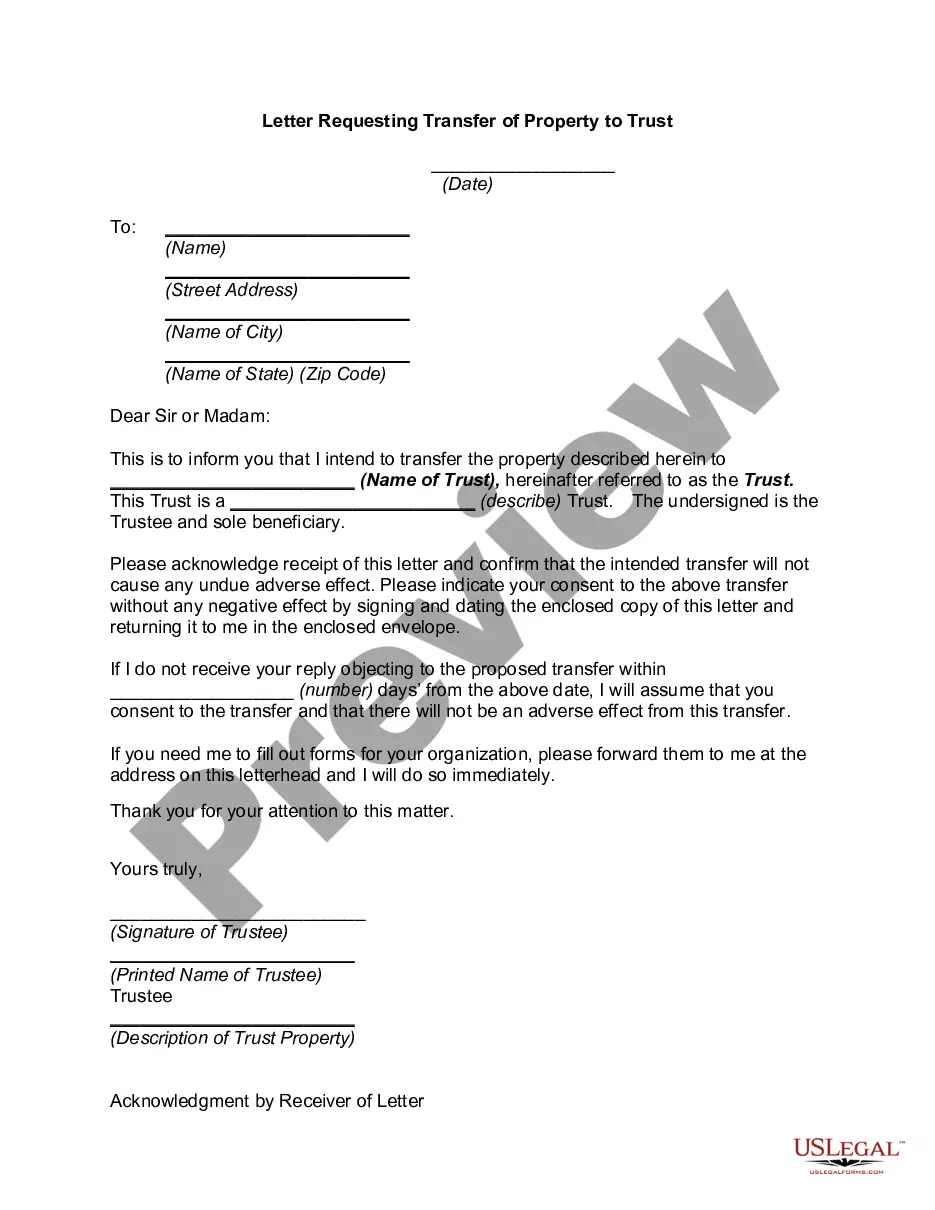
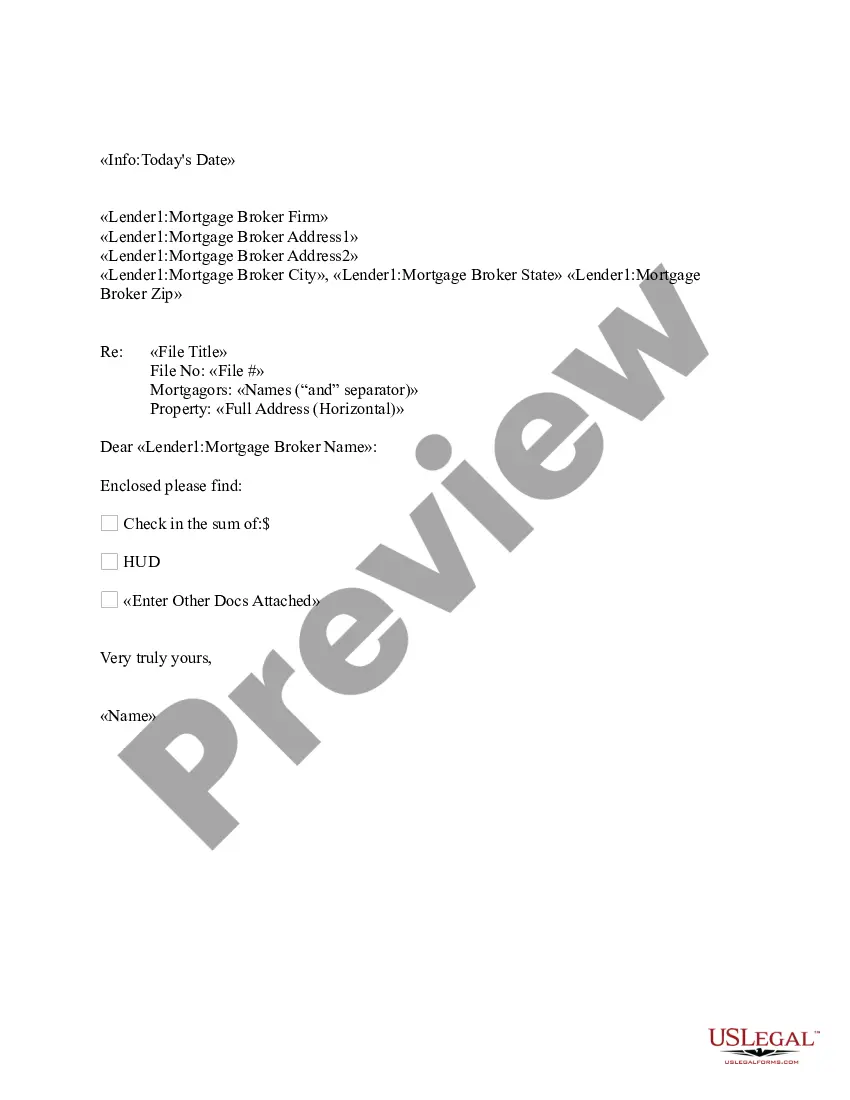
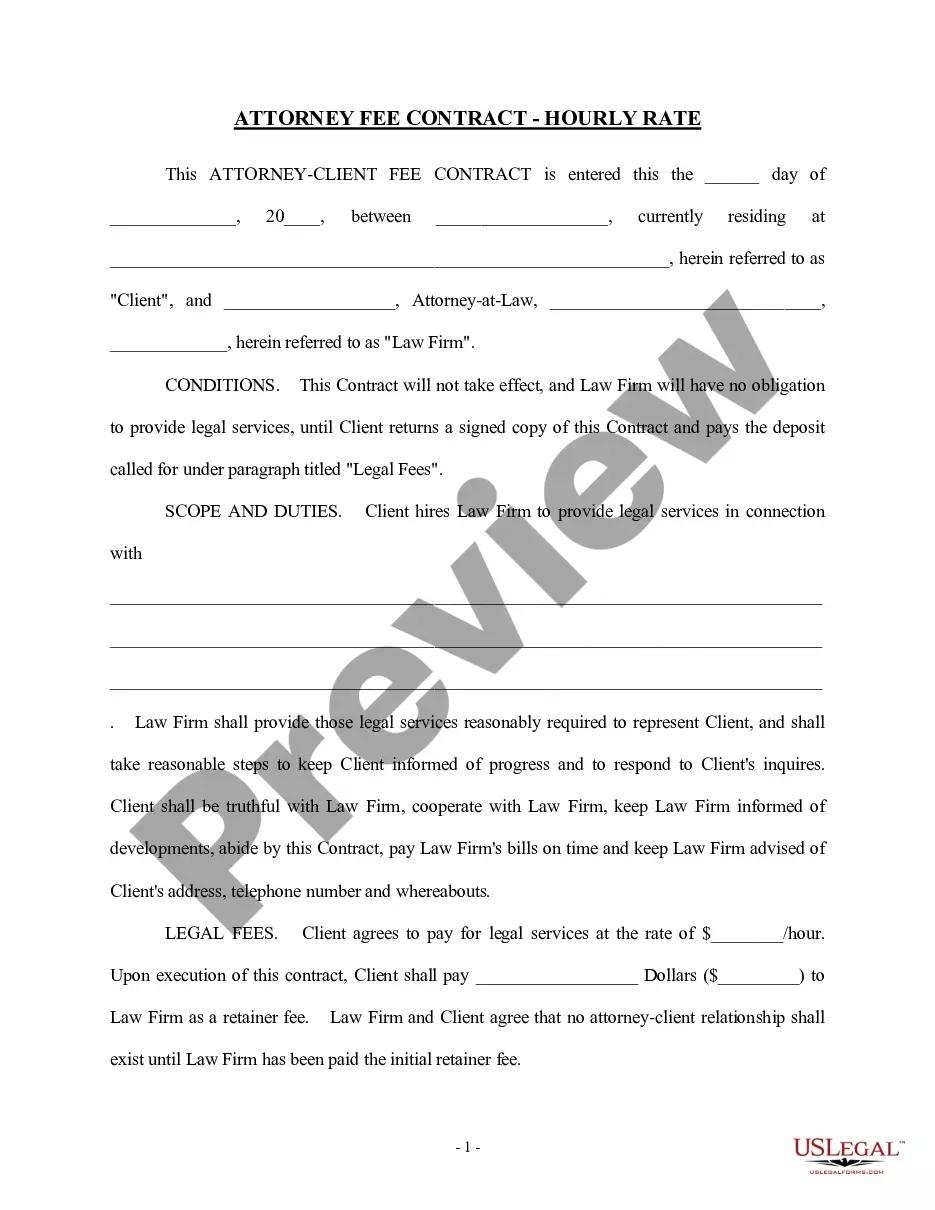
The Letter Regarding Trust Money is a formal communication from a trustee to a trustor. This document informs the trustor about their entitlement to request a specified amount of funds from the trust for the current year. Unlike other trust-related forms, this letter not only highlights the right to withdraw money but also outlines the procedure for making such a demand, which can include cash, property, or both. This ensures that trustors understand their rights regarding the trust's assets effectively.
What’s included in this form
- Date of the letter
- Details of the cash transfer to the trust
- Amount beneficiaries can demand from the trust
- Deadline for submitting withdrawal notices
- Signature line for the trustorâs acknowledgment
When to use this document
This form is useful in scenarios where a trustor wishes to remind beneficiaries of their right to withdraw funds from the trust. It is appropriate after a trustee has received funds that are available for distribution or when beneficiaries need to know their rights regarding the trust's assets. Using this letter can help prevent confusion about withdrawal rights and deadlines.
Who needs this form
This form is intended for:
- Trustees managing a trust
- Trustors who want to inform beneficiaries about their withdrawal rights
- Beneficiaries looking to understand their rights regarding access to trust funds
How to complete this form
- Enter the date of the letter at the top.
- Fill in details about the cash transfer, including the amount and the trust's name.
- Specify the maximum amount beneficiaries can demand from the trust.
- Include clear instructions for how and when beneficiaries should submit their withdrawal demands.
- Sign and date the letter at the bottom, and ensure the trustor acknowledges receipt with their signature.
Is notarization required?
This form does not typically require notarization unless specified by local law. However, itâs advisable to consult local regulations to ensure compliance with any specific requirements your jurisdiction may impose.
Get your form ready online
Our built-in tools help you complete, sign, share, and store your documents in one place.
Make edits, fill in missing information, and update formatting in US Legal Forms—just like you would in MS Word.
Download a copy, print it, send it by email, or mail it via USPS—whatever works best for your next step.
Sign and collect signatures with our SignNow integration. Send to multiple recipients, set reminders, and more. Go Premium to unlock E-Sign.
If this form requires notarization, complete it online through a secure video call—no need to meet a notary in person or wait for an appointment.
We protect your documents and personal data by following strict security and privacy standards.

Make edits, fill in missing information, and update formatting in US Legal Forms—just like you would in MS Word.

Download a copy, print it, send it by email, or mail it via USPS—whatever works best for your next step.

Sign and collect signatures with our SignNow integration. Send to multiple recipients, set reminders, and more. Go Premium to unlock E-Sign.

If this form requires notarization, complete it online through a secure video call—no need to meet a notary in person or wait for an appointment.

We protect your documents and personal data by following strict security and privacy standards.
Common mistakes to avoid
- Failing to include the specific deadline for withdrawal requests.
- Not clearly stating the amount beneficiaries can demand from the trust.
- Neglecting to keep a signed copy for record-keeping.
- Using vague language that may confuse beneficiaries about their rights.
Benefits of completing this form online
- Easy access to a professionally drafted template.
- Convenient and quick download for immediate use.
- Ability to customize the form to meet specific needs.
- Reduced risk of errors through clear and concise language.
Quick recap
- The Letter regarding trust money informs beneficiaries of their withdrawal rights from the trust.
- Itâs essential to specify amounts and deadlines to minimize misunderstandings.
- Filling out the letter accurately supports effective communication between trustees and beneficiaries.
Looking for another form?


Form popularity
FAQ
Letters of trust means the written instrument which describes the trust property, the trustee and the beneficiary.
A letter of wishes is a document drawn up to accompany your will. Unlike a will, it is not legally binding, but it provides guidance for the people dealing with your estate and/or any trusts that are to be set up after you die.
Only the trustee not the beneficiaries can access the trust checking account. They can write checks or make electronic transfers to a beneficiary, and even withdraw cash, though that could make it more difficult to keep track of the trust's finances. (The trustee must keep a record of all the trust's finances.)
Identify yourself as a beneficiary of the irrevocable trust in the body of the letter. State that you are requesting money from the trust, and the reason for the request. Include supporting documentation. For example, if you are requesting money to pay medical bills, enclose copies of the bills.
Reference the name of the irrevocable trust, and the trust account number if applicable. Write a salutation followed by a colon. Identify yourself as a beneficiary of the irrevocable trust in the body of the letter. State that you are requesting money from the trust, and the reason for the request.
A trustee is required by law to notify beneficiaries of a trust upon the settlor's death. The settlor is the person who created the trust. The trustee has 60 days from the settlor's death to provide the notification to the beneficiaries.The name, address, and telephone number of the trustee.
The short answer to the question, Can you withdraw cash from a trust account? is Yes, but there are some caveats.If you have created a revocable trust and have appointed someone else as trustee, you will have to request the cash withdrawal from the person you appointed as the trustee.
What is a Notice of Trust? A notice of trust is a document that must be filed after someone's passing. This document must be filed in the probate court in the county where the deceased person lived at the time of their death.
Distribute trust assets outright The grantor can opt to have the beneficiaries receive trust property directly without any restrictions. The trustee can write the beneficiary a check, give them cash, and transfer real estate by drawing up a new deed or selling the house and giving them the proceeds.