Sample Letter to Beneficiaries regarding Trust Money
Overview of this form
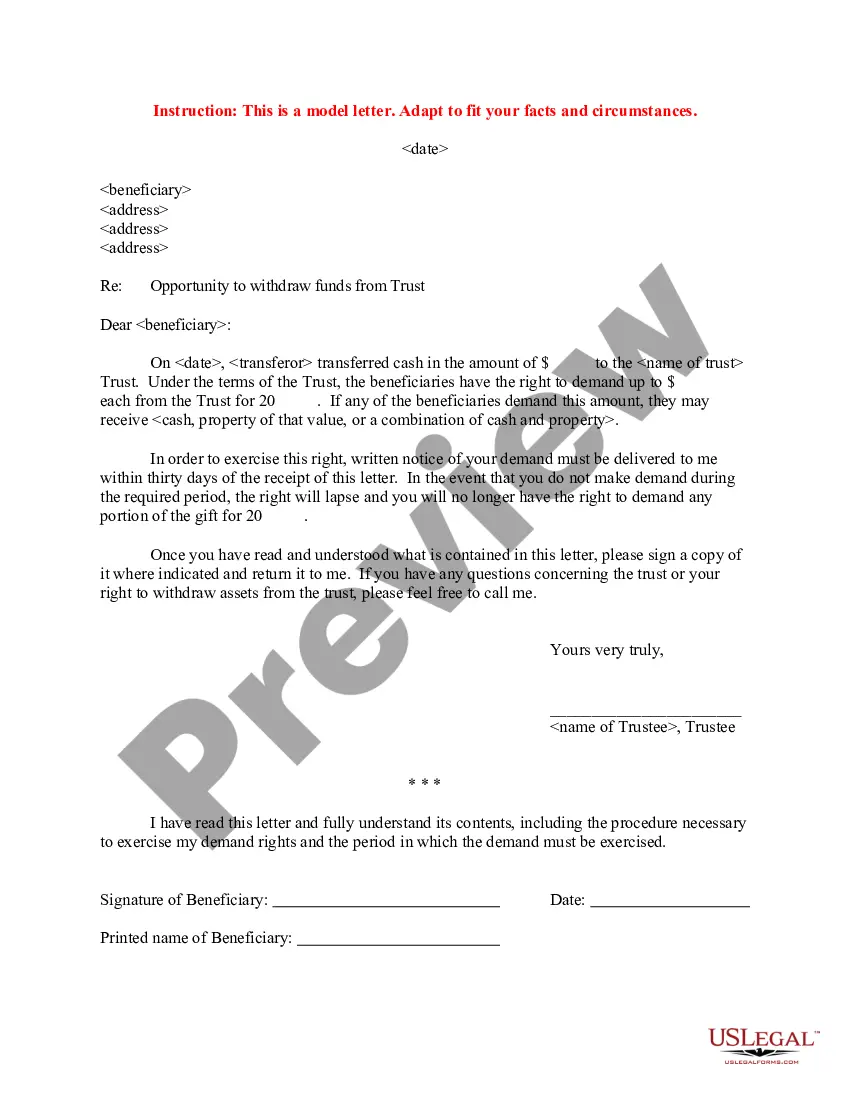
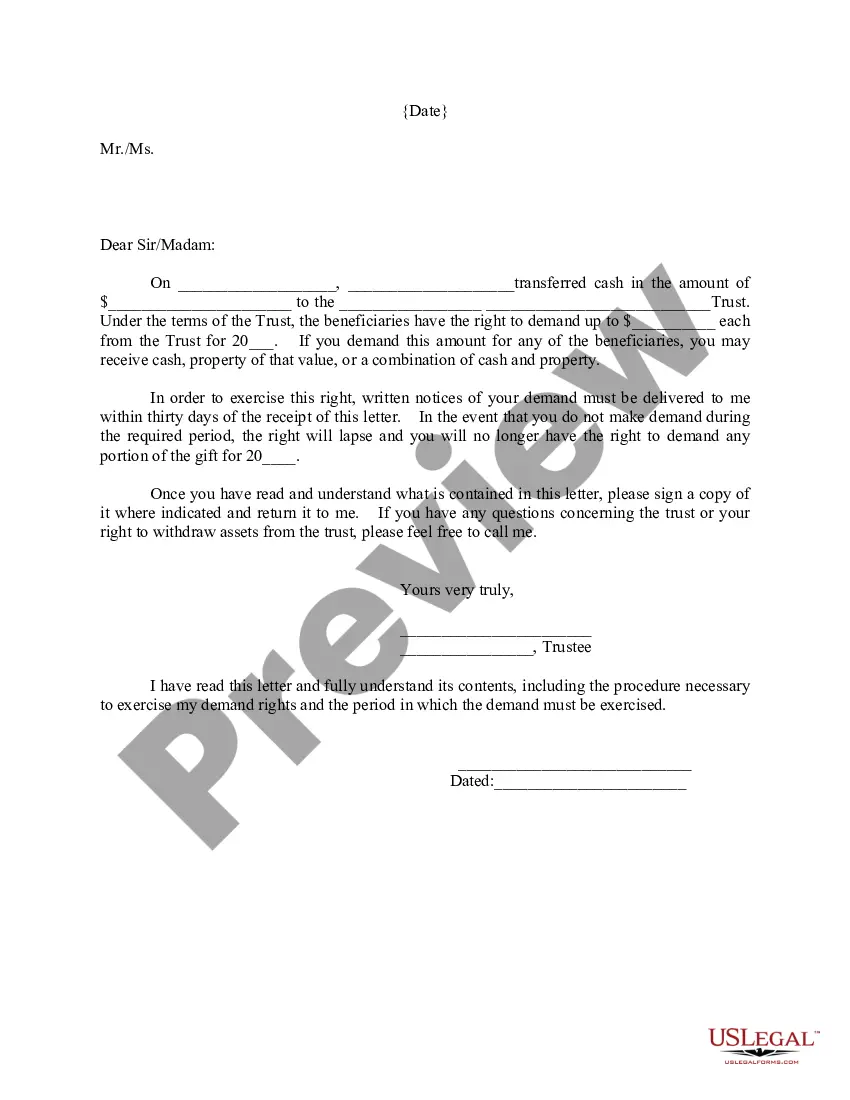
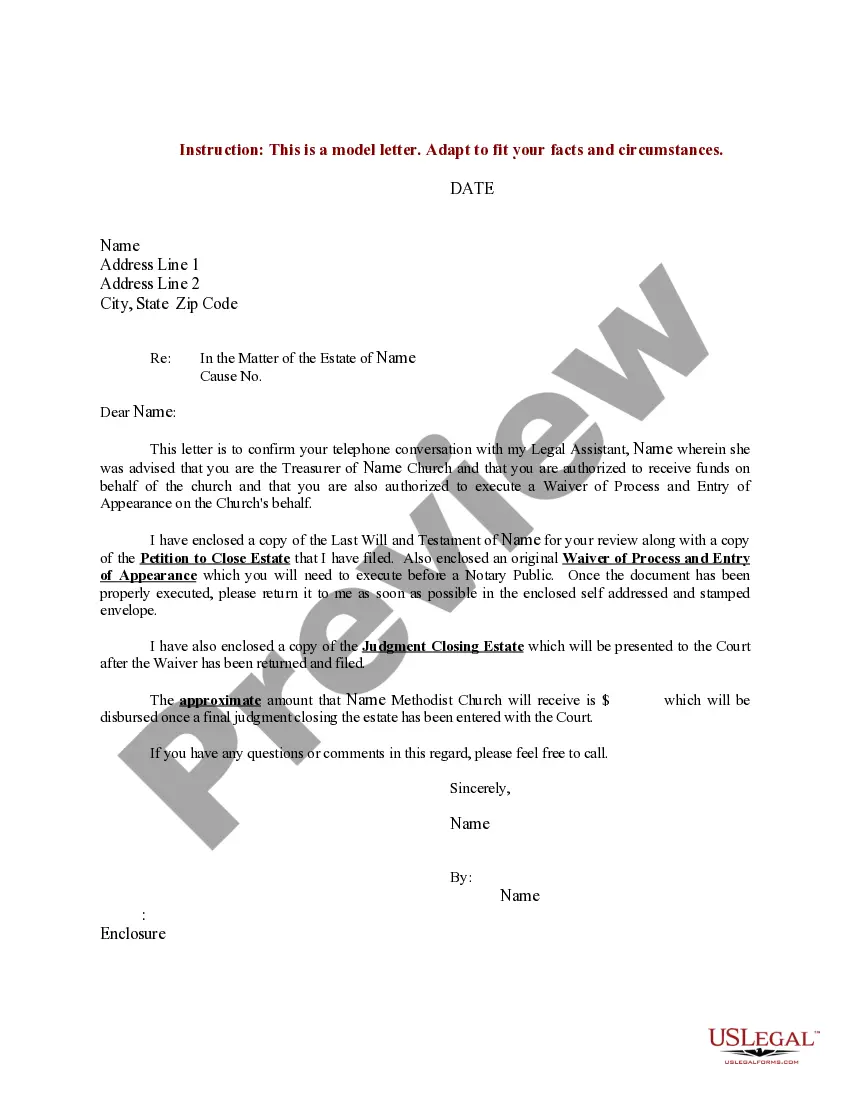
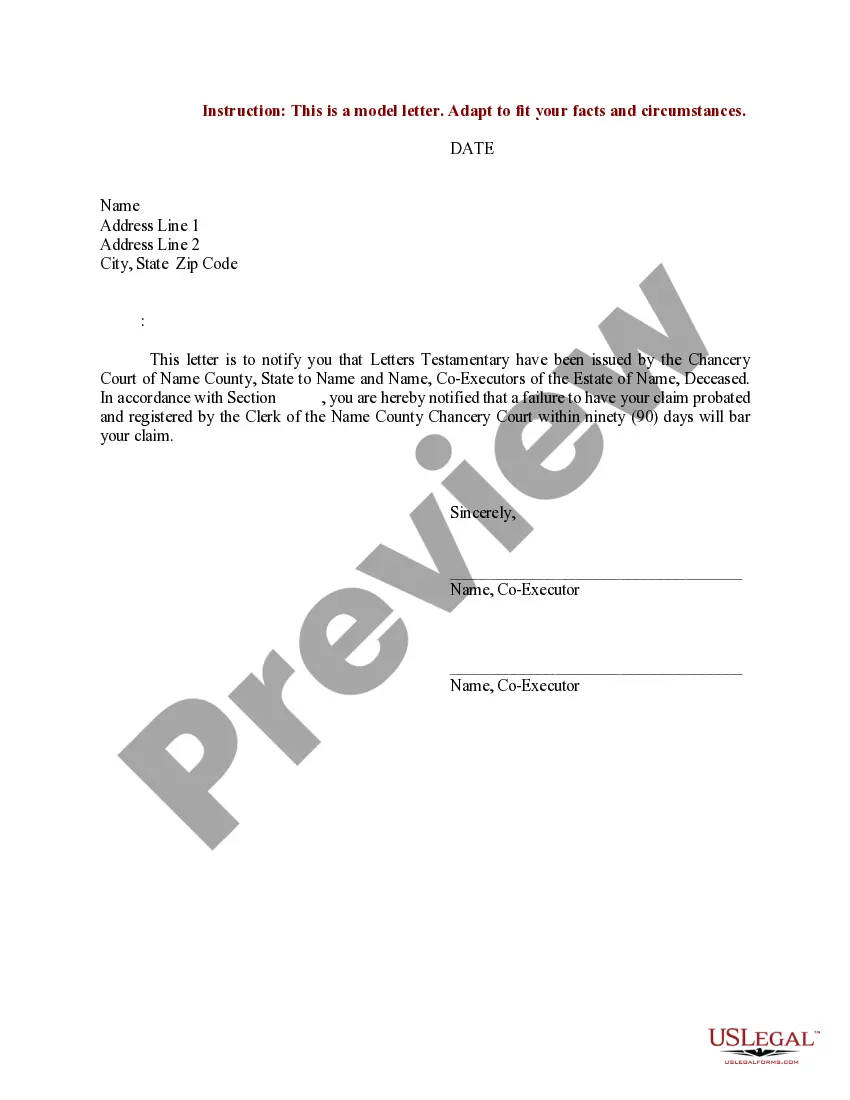
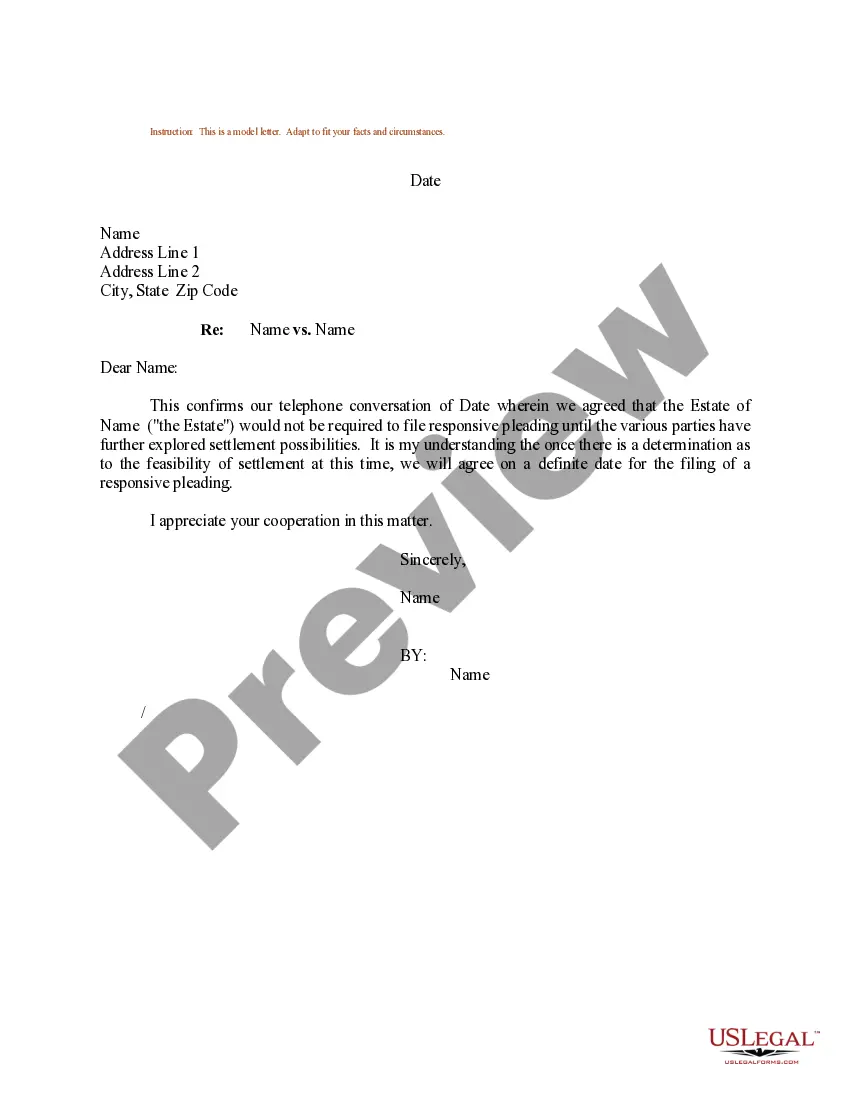
This form is a Sample Letter to Beneficiaries regarding Trust Money. It serves to inform beneficiaries about their opportunity to withdraw funds from a trust. Unlike other forms, this document is structured as a template letter, allowing you to customize it for your specific situation. This letter is important for clear communication regarding trust disbursements.
Key parts of this document
- Date of the letter.
- Recipient's name and address.
- Subject line regarding the withdrawal opportunity.
- Greeting and salutation to the beneficiary.
- Body of the letter detailing trust fund availability.
- Closing and signature line.
When to use this document
This letter is used when a trustee needs to notify the beneficiaries of a trust about their rights to withdraw funds. It is applicable during trust administration, especially when distributions are approved or when a trust is nearing completion. Beneficiaries should receive this letter to ensure they are informed and can exercise their rights promptly.
Who can use this document
This form is intended for:
- Trustees managing a trust that has funds available for beneficiaries.
- Trust administrators responsible for communications with beneficiaries.
- Attorneys representing trustees or beneficiaries regarding trust matters.
How to prepare this document
- Enter the date at the top of the letter.
- Fill in the beneficiary's name and complete address.
- Write a clear subject line stating the purpose of the letter.
- Customize the body of the letter to explain the withdrawal details.
- Add a closing statement and sign the document.
Notarization guidance
This form does not typically require notarization to be legally valid. However, some jurisdictions or document types may still require it. US Legal Forms provides secure online notarization powered by Notarize, available 24/7 for added convenience.
Get your form ready online
Our built-in tools help you complete, sign, share, and store your documents in one place.
Make edits, fill in missing information, and update formatting in US Legal Forms—just like you would in MS Word.
Download a copy, print it, send it by email, or mail it via USPS—whatever works best for your next step.
Sign and collect signatures with our SignNow integration. Send to multiple recipients, set reminders, and more. Go Premium to unlock E-Sign.
If this form requires notarization, complete it online through a secure video call—no need to meet a notary in person or wait for an appointment.
We protect your documents and personal data by following strict security and privacy standards.

Make edits, fill in missing information, and update formatting in US Legal Forms—just like you would in MS Word.

Download a copy, print it, send it by email, or mail it via USPS—whatever works best for your next step.

Sign and collect signatures with our SignNow integration. Send to multiple recipients, set reminders, and more. Go Premium to unlock E-Sign.

If this form requires notarization, complete it online through a secure video call—no need to meet a notary in person or wait for an appointment.

We protect your documents and personal data by following strict security and privacy standards.
Mistakes to watch out for
- Failing to include the date or the beneficiary's address.
- Not specifying the exact amount of funds available for withdrawal.
- Using vague language that may confuse beneficiaries about their rights.
- Forgetting to sign the letter, which may invalidate the communication.
Benefits of using this form online
- Immediate access to a customizable letter template.
- Editable format allows for quick adjustments based on individual needs.
- Drafted by licensed attorneys to ensure legal compliance and clarity.
Summary of main points
- This form is specifically designed to notify beneficiaries about trust fund withdrawals.
- Completing the form accurately ensures proper communication between trustees and beneficiaries.
- Using an online template can enhance the efficiency and legality of the document preparation process.
Looking for another form?

Form popularity
FAQ
The short answer to the question, Can you withdraw cash from a trust account? is Yes, but there are some caveats.If you have created a revocable trust and have appointed someone else as trustee, you will have to request the cash withdrawal from the person you appointed as the trustee.
Identify yourself as a beneficiary of the irrevocable trust in the body of the letter. State that you are requesting money from the trust, and the reason for the request. Include supporting documentation. For example, if you are requesting money to pay medical bills, enclose copies of the bills.
A trustee has a duty to report and account to the trust beneficiaries. If you are a trust beneficiary, you have a right to information about the trust, your interest in the trust, and the various assets of the trust and how they are being administered, invested and distributed.
Generally speaking, a letter of intent, also known as a side letter is a letter from the grantor to the trustee that provides guidance to the trustee in the exercise of some discretionary power.
There are three main ways for a beneficiary to receive an inheritance from a trust: Outright distributions. Staggered distributions. Discretionary distributions.
Give the letter a personal touch and address each of your heirs and beneficiaries personally. Tell them any last wishes you may have or any hopes you have for their future. Write as clearly as possible. Use specific details and avoid using shorthand.
Most Trusts take 12 months to 18 months to settle and distribute assets to the beneficiaries and heirs. What determines how long a Trustee takes will depend on the complexity of the estate where properties and other assets may have to be bought or sold before distribution to the Beneficiaries.
On headed paper. Addressed personally to the named contact for the funding body. Short and to the point. Keep your letter to two sides of A4. Written in plain language. Do not use jargon or abbreviations. Signed by a member of your group who can be contacted for further information.
If you inherit from a simple trust, you must report and pay taxes on the money. By definition, anything you receive from a simple trust is income earned by it during that tax year.Any portion of the money that derives from the trust's capital gains is capital income, and this is taxable to the trust.