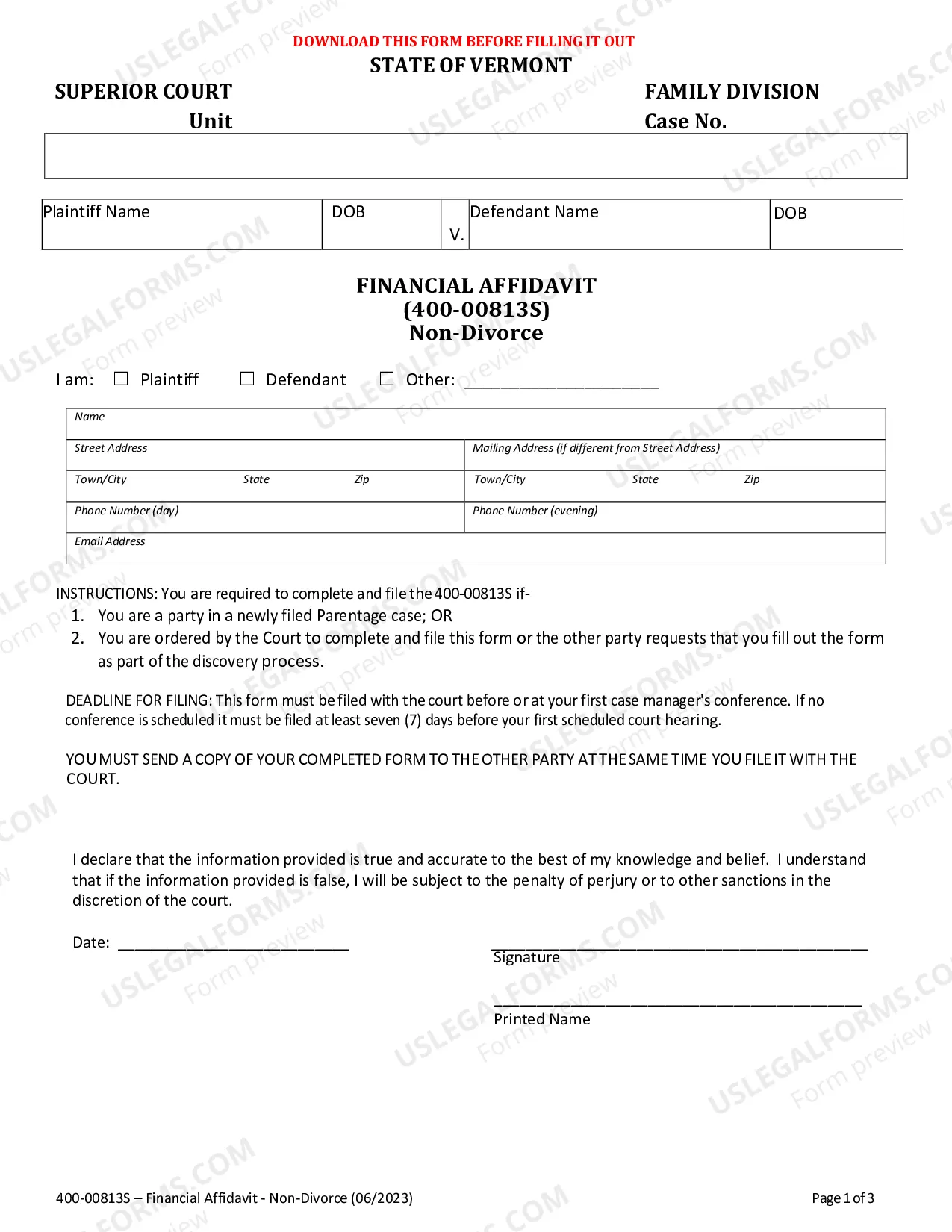
Lis Pendens Notice

What this document covers
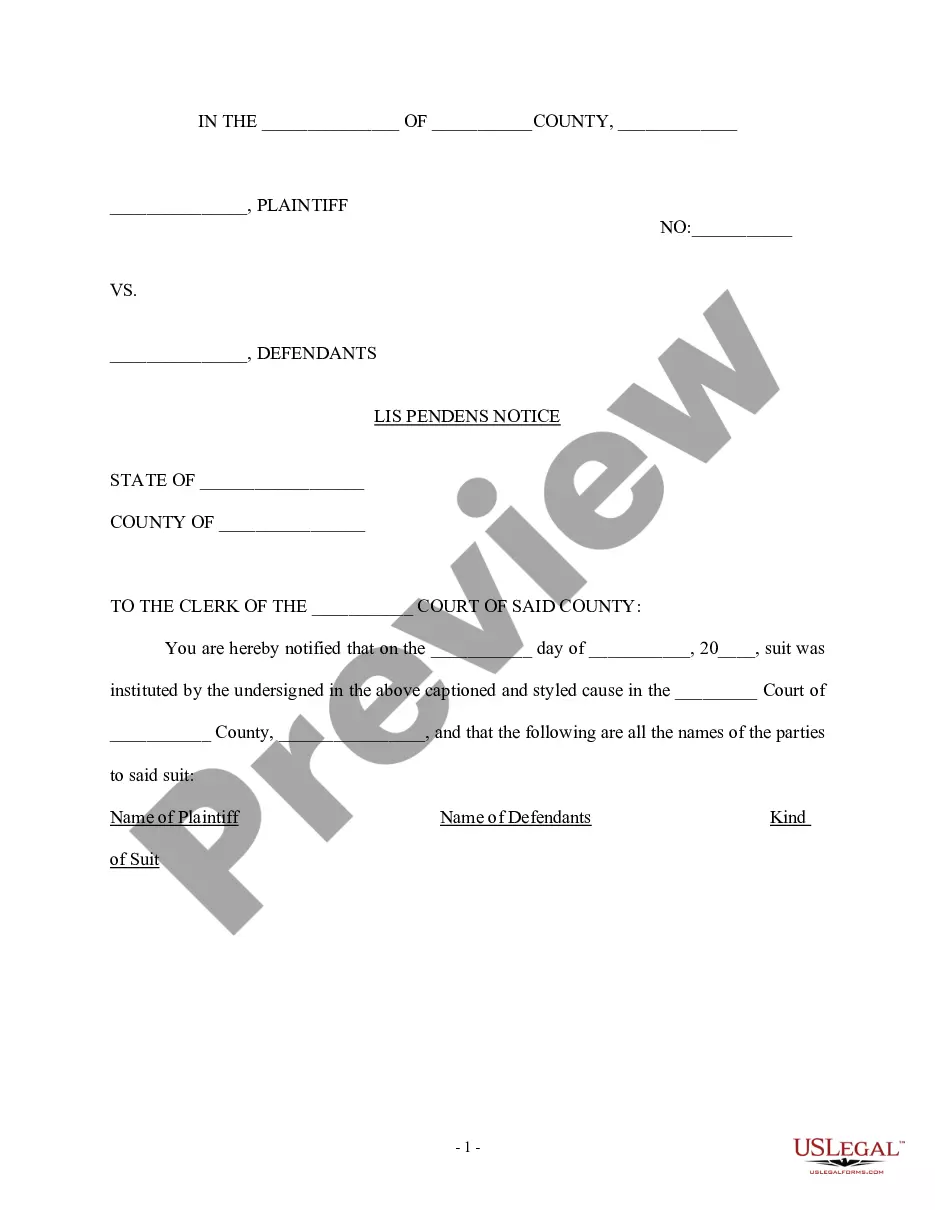
A lis pendens notice is a legal document that serves as a warning to potential buyers or creditors that a lawsuit has been filed involving a property. This notice indicates that a lien is being sought, which may affect any legal claim to the property. By filing this notice, the plaintiff informs the defendant of the impending legal action and establishes a public record of the dispute, distinguishing it from other legal notifications.
Key components of this form
- Case caption: Identifies the parties involved in the lawsuit.
- Date of filing: Specifies when the lawsuit was instituted.
- Parties' names: Provides the names of both the plaintiff and defendants.
- Kind of suit: Indicates the nature of the lawsuit relevant to the property.
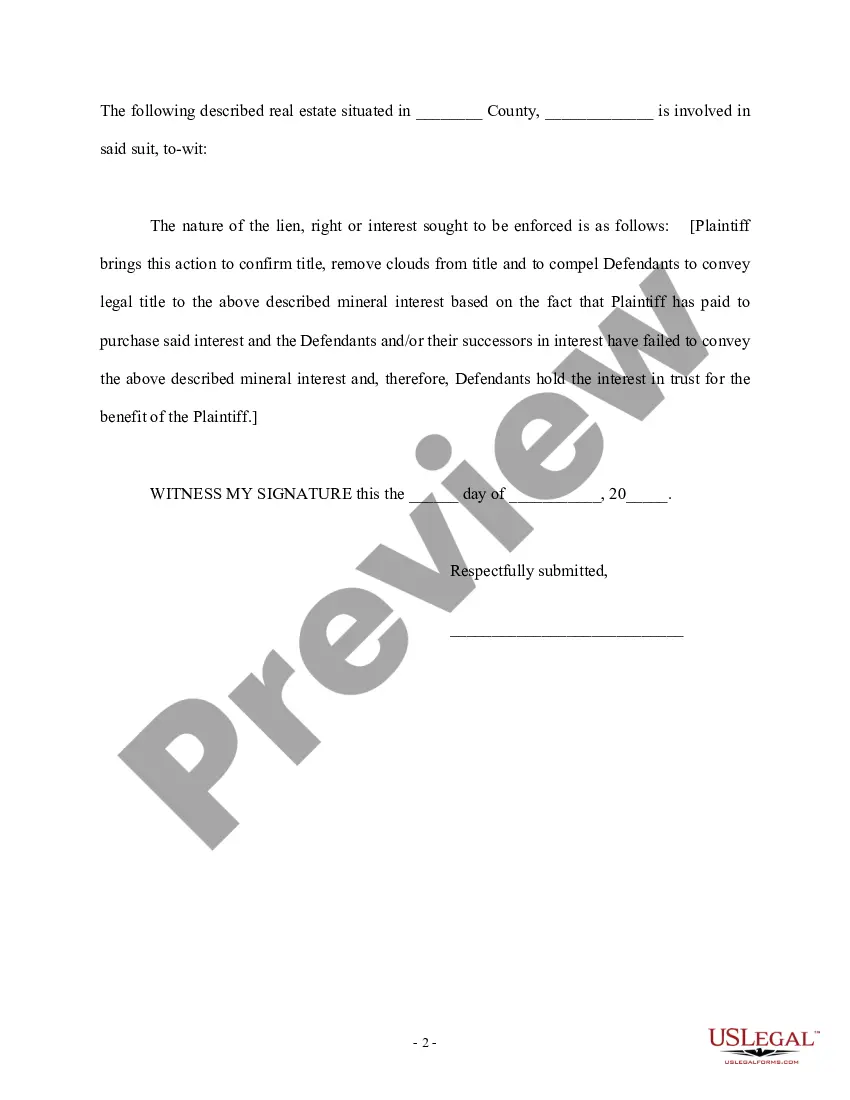
- Signature: Requires the signature of the plaintiff or their attorney.
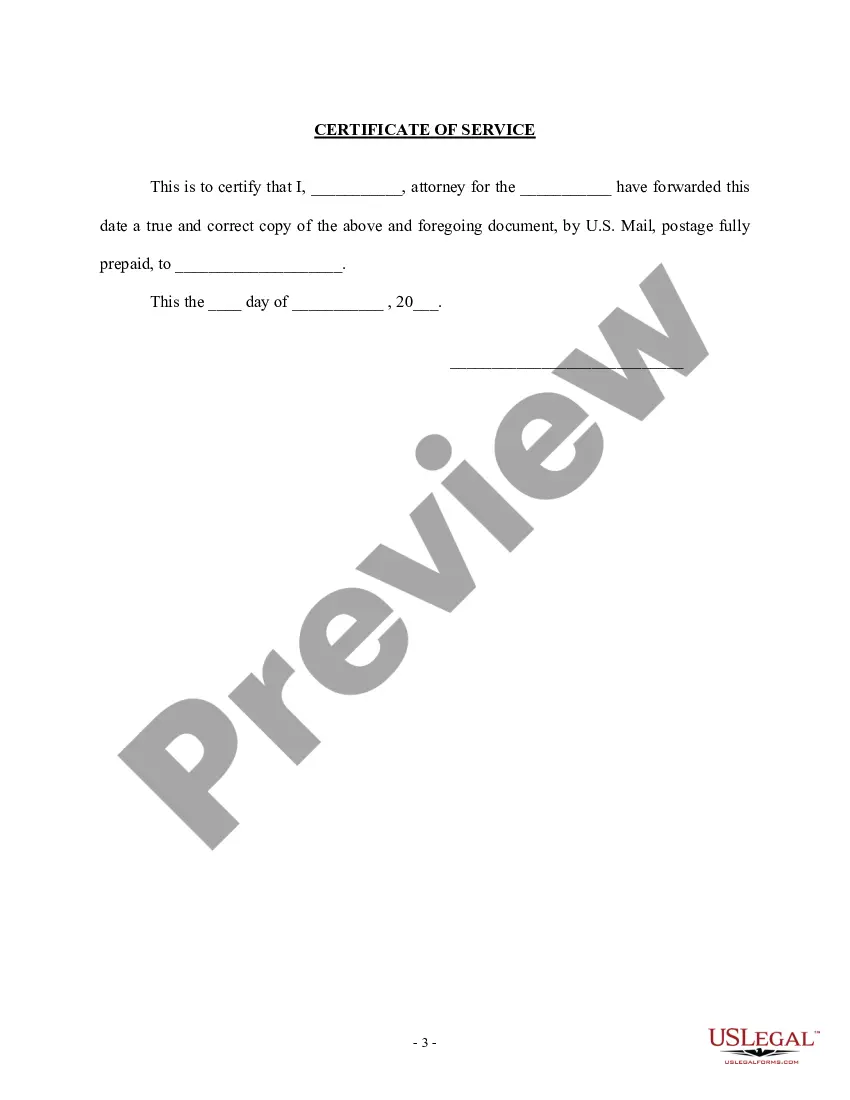
- Certificate of service: Confirms that a copy of the notice has been mailed to involved parties.
When to use this document
This form is typically used in situations where a lawsuit involves a specific piece of property. Common scenarios include disputes over real estate sales, divorce proceedings affecting property division, or claims for unpaid debts secured by property. Filing a lis pendens is essential to protect the plaintiff's interest and to inform third parties about the pending legal action.
Who this form is for
- Individuals or entities who are plaintiffs in a lawsuit concerning real property.
- Attorneys representing clients involved in property disputes.
- Real estate professionals seeking to inform buyers of legal issues affecting a property.
Steps to complete this form
- Identify the parties involved: Enter the names of the plaintiff and defendants in the designated fields.
- Specify the nature of the lawsuit: Describe the kind of suit being filed.
- Enter the filing date: Include the date the lawsuit was initiated.
- Sign the document: The plaintiff or their attorney must sign the notice.
- Complete the certificate of service: Fill in the name of the party to whom a copy was sent and the date of mailing.
Is notarization required?
This form does not typically require notarization unless specified by local law. Be sure to check your jurisdiction for any additional requirements that may apply.
Get your form ready online
Our built-in tools help you complete, sign, share, and store your documents in one place.
Make edits, fill in missing information, and update formatting in US Legal Forms—just like you would in MS Word.
Download a copy, print it, send it by email, or mail it via USPS—whatever works best for your next step.
Sign and collect signatures with our SignNow integration. Send to multiple recipients, set reminders, and more. Go Premium to unlock E-Sign.
If this form requires notarization, complete it online through a secure video call—no need to meet a notary in person or wait for an appointment.
We protect your documents and personal data by following strict security and privacy standards.

Make edits, fill in missing information, and update formatting in US Legal Forms—just like you would in MS Word.

Download a copy, print it, send it by email, or mail it via USPS—whatever works best for your next step.

Sign and collect signatures with our SignNow integration. Send to multiple recipients, set reminders, and more. Go Premium to unlock E-Sign.

If this form requires notarization, complete it online through a secure video call—no need to meet a notary in person or wait for an appointment.

We protect your documents and personal data by following strict security and privacy standards.
Common mistakes
- Failing to include all partiesâ names accurately.
- Neglecting to sign the document before filing.
- Not providing the correct filing date.
- Omitting the certificate of service.
Benefits of using this form online
- Convenient download: Access the form instantly from any device.
- Editability: Customize the form easily to suit your specific situation.
- Reliability: Ensure that you are using a form that reflects current legal standards as drafted by licensed attorneys.
Legal use & context
- A lis pendens notice must be filed with the appropriate court to be effective.
- This notice can impact the ability to sell or refinance property until the court case is resolved.
- It serves as public notice of legal claims against the property, thereby protecting the plaintiff's interests.
Summary of main points
- A lis pendens notifies others of a pending lawsuit involving property.
- Use this form to protect your rights if you are in a legal dispute over property.
- Ensure all information is accurately completed to avoid complications.
Looking for another form?


Form popularity
FAQ
Once the lis pendens is filed, it will become part of the public record because it is a constructive notice. This also means that if you didn't receive notification directly (perhaps you were sent a letter that got lost in the mail), the lis pendens still remains in effect.
Lis pendens is nothing more or less than an official public notice that a lawsuit has been filed that involves a claim on a property.One party is using lis pendens as a way to protect its claim, and in the process, create hurdles for selling the property. It won't prevent the sale, but most buyers will steer clear.
Lis pendens provides constructive notice, or a warning, to prospective homebuyers that the ownership of a property is in dispute and there is litigation pending. Lis pendens can only be filed if a claim is related specifically to the property.
The doctrine of lis pendens literally means pending suit, and lis pendens notices are the machinery whereby a party with an unrecorded or unperfected claim to real property can put third persons interested in the property on notice of the claim or interest.
The homeowner can enter into a contract to sell the property, but the claim of the person who has filed the lis pendens has to be paid or settled before title can pass free and clear to the buyer. If the house closes, the buyer would ultimately have to accept the outcome of the pending litigation.
The recording of a lis pendens creates a cloud on title which notifies interested parties of the pending claims against the subject property. The presence of a recorded lis pendens can make it nearly impossible to finance, refinance or sell the subject property until the lis pendens has been removed.
Lenders are usually unwilling to finance a mortgage until the lis pendens has been removed from the title. In addition, while a property can still be sold while there is a lis pendens, title companies will not insure the property, and that alone should be a deterrent to purchasing.
The homeowner can enter into a contract to sell the property, but the claim of the person who has filed the lis pendens has to be paid or settled before title can pass free and clear to the buyer. If the house closes, the buyer would ultimately have to accept the outcome of the pending litigation.
How long it takes for your home to foreclose once you receive notice of lis pendens will depend on the state. In California, it might take a minimum of 120 days, and 180 days in Florida, while in New York it can take as long as 15 months after the notice is filed.