Employment Application for Realtor
Understanding this form
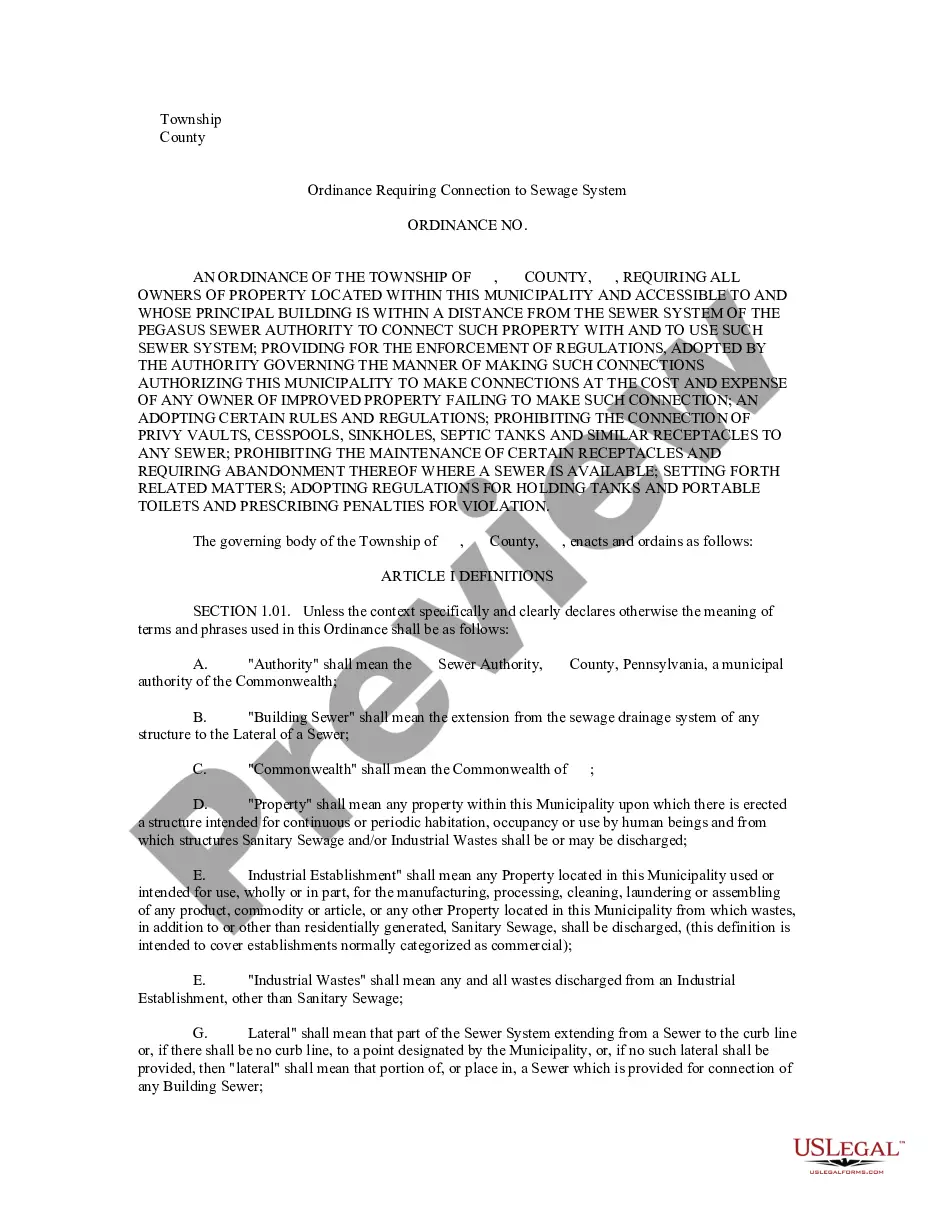
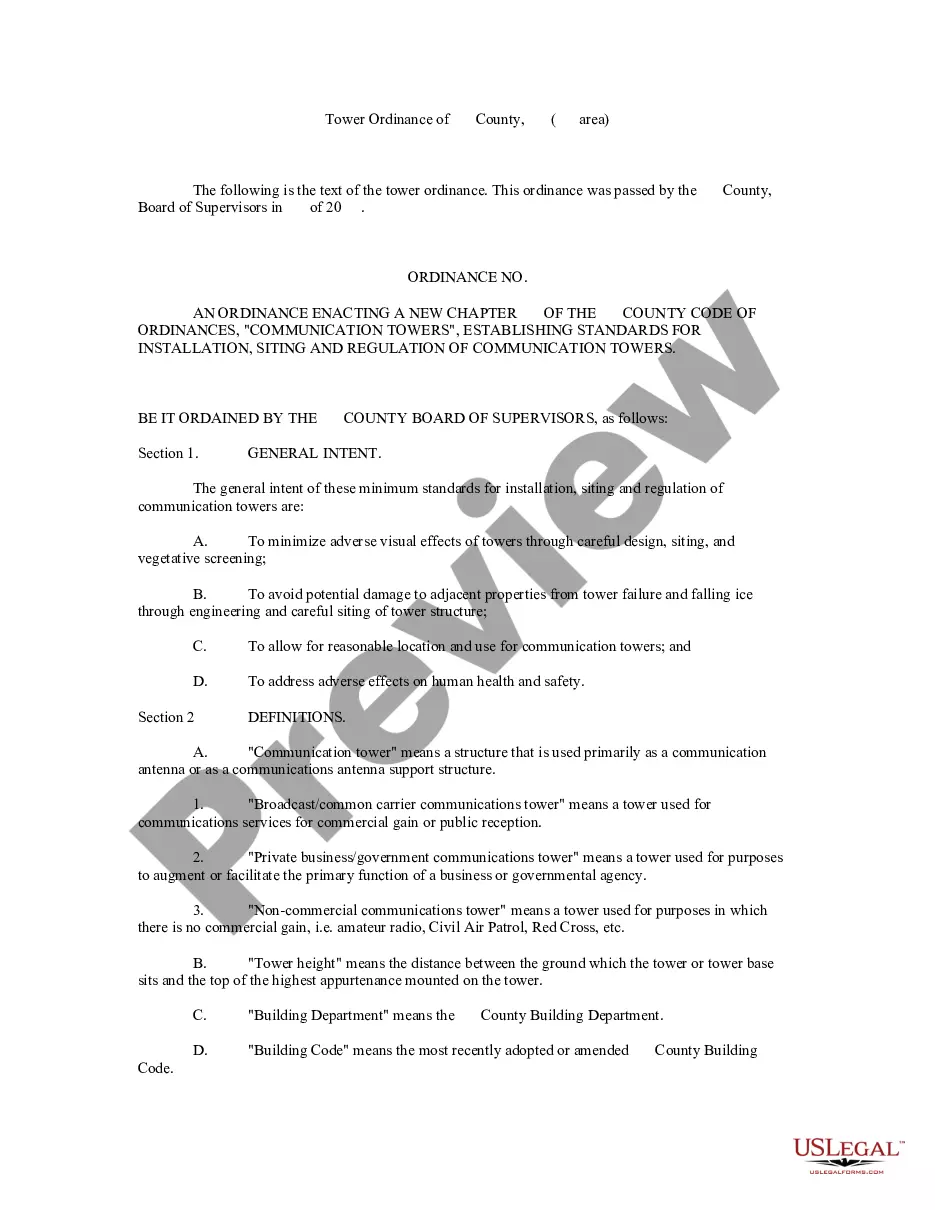
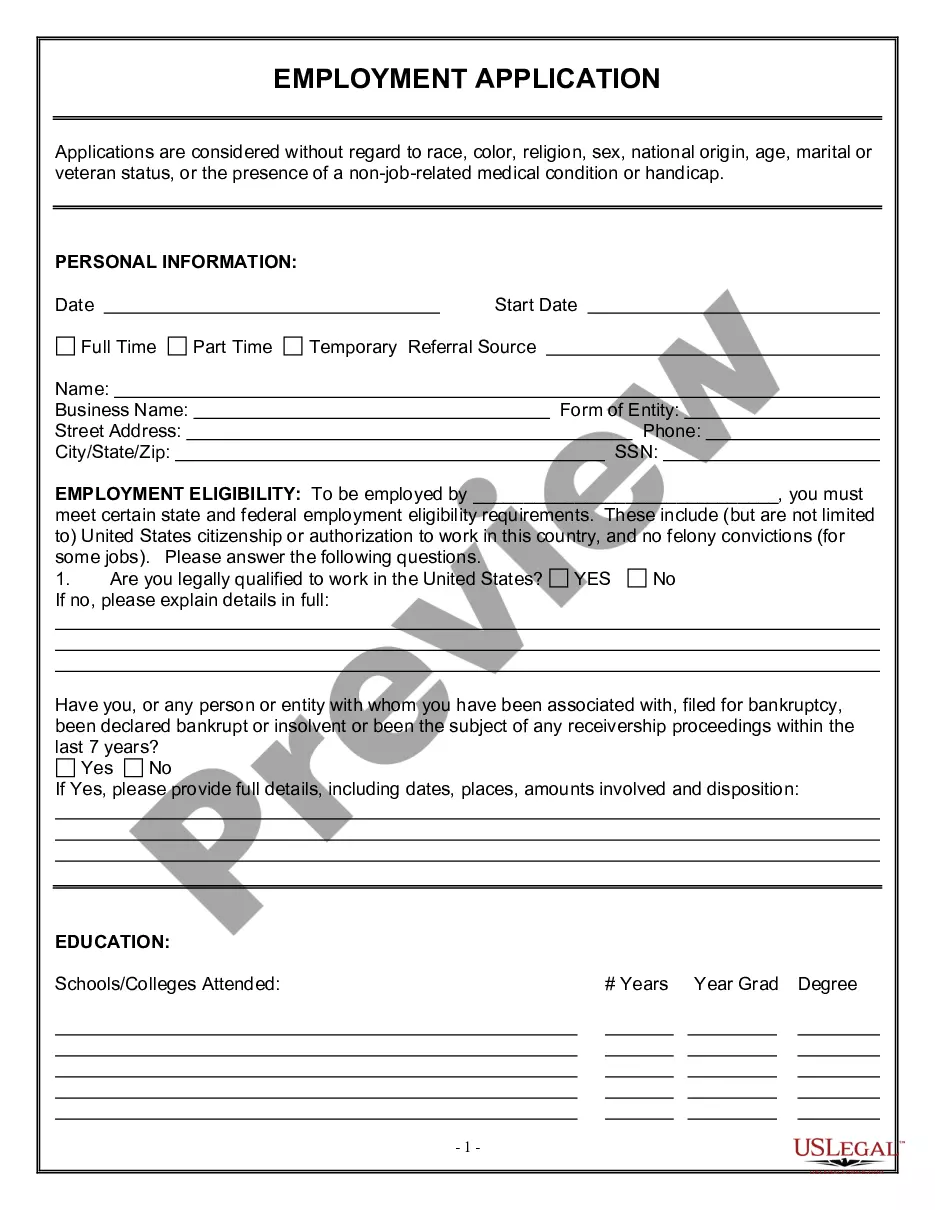
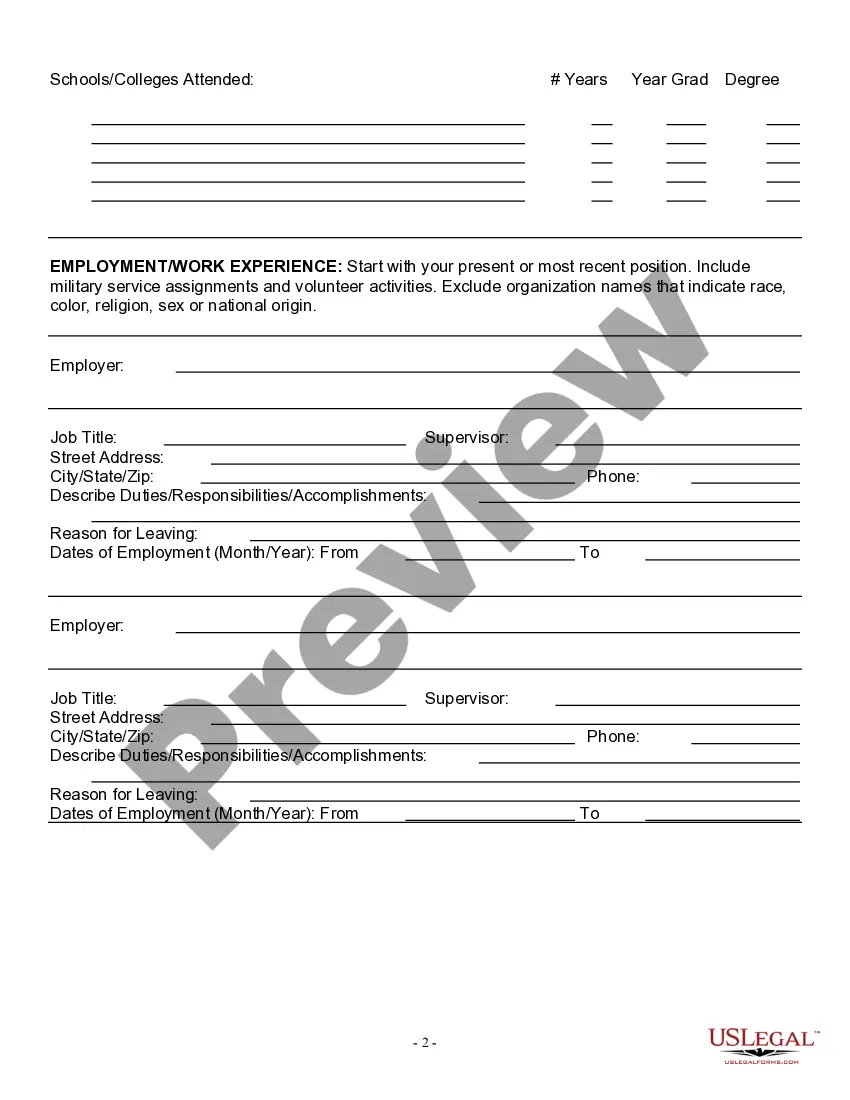
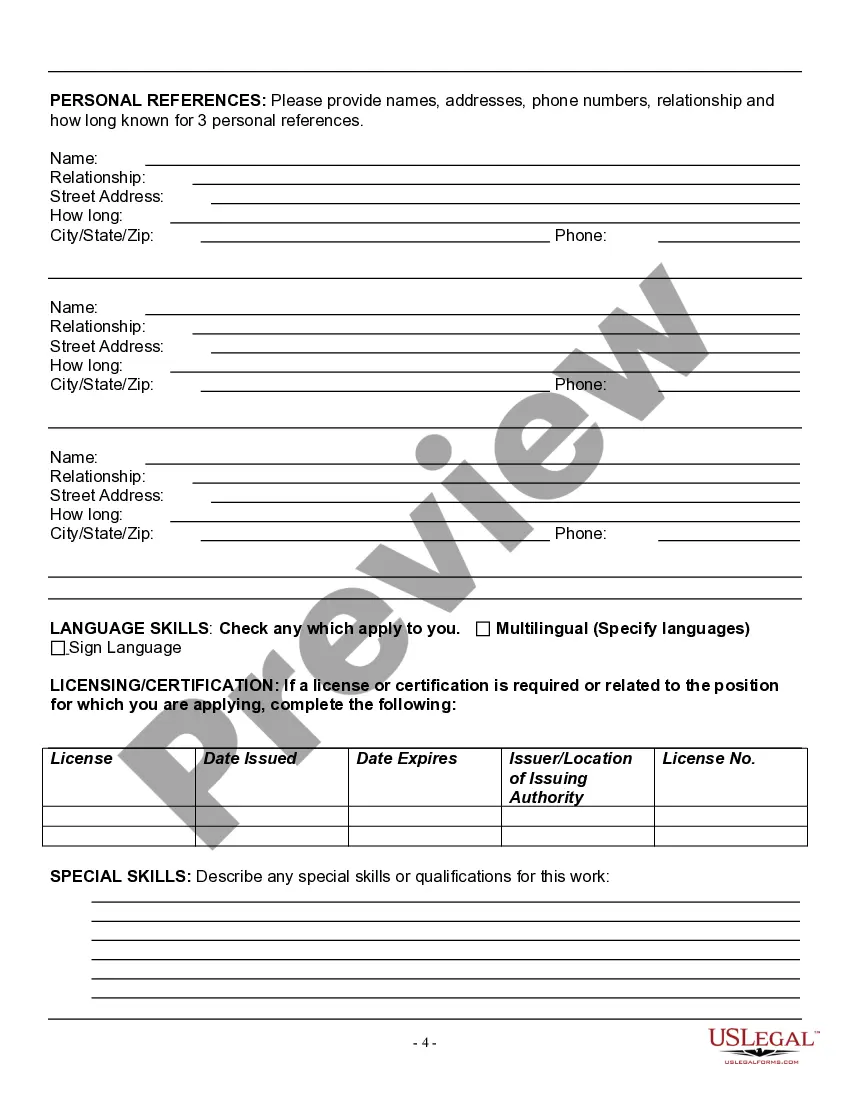
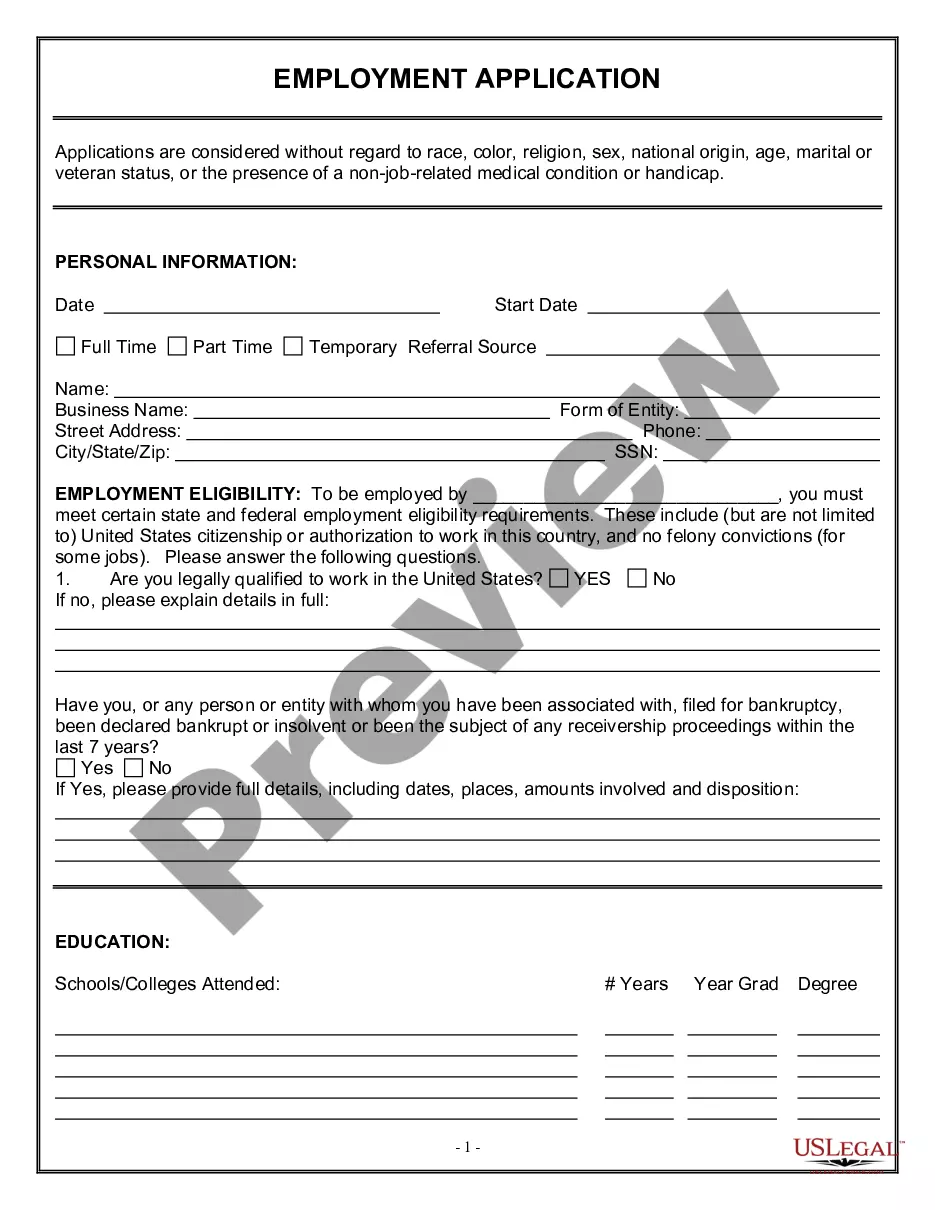
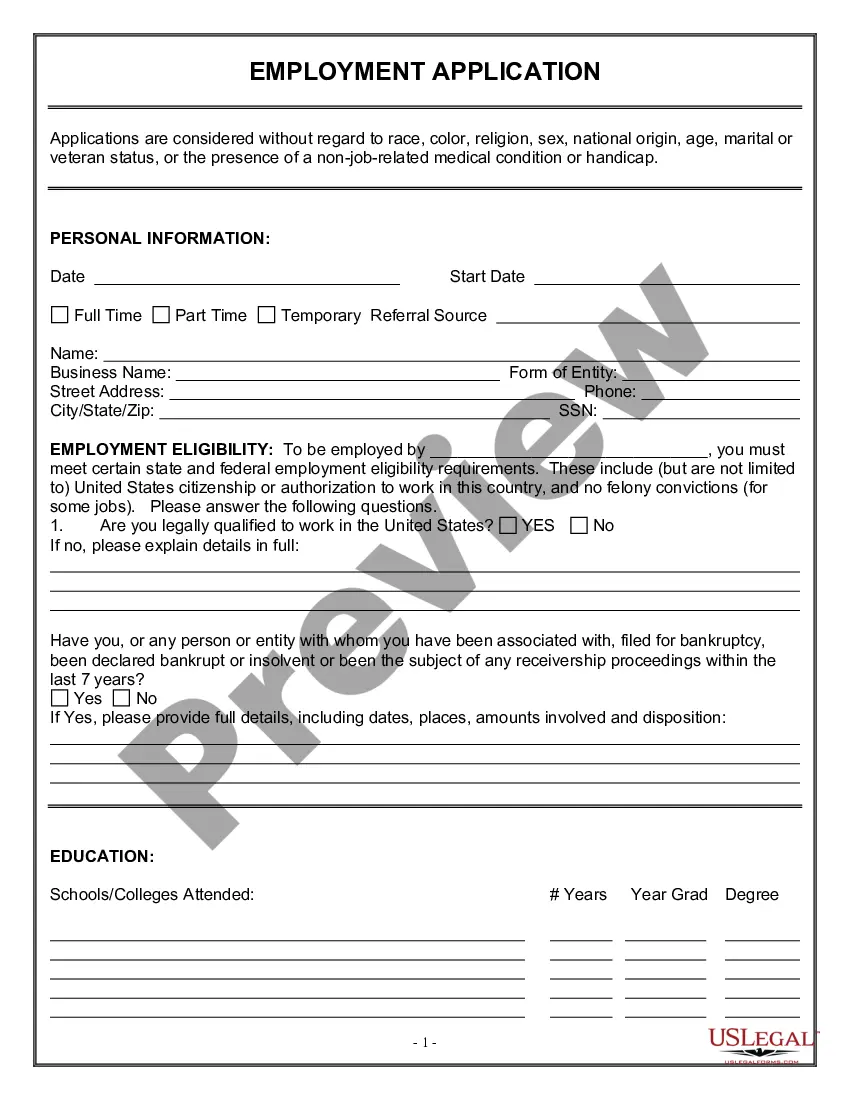
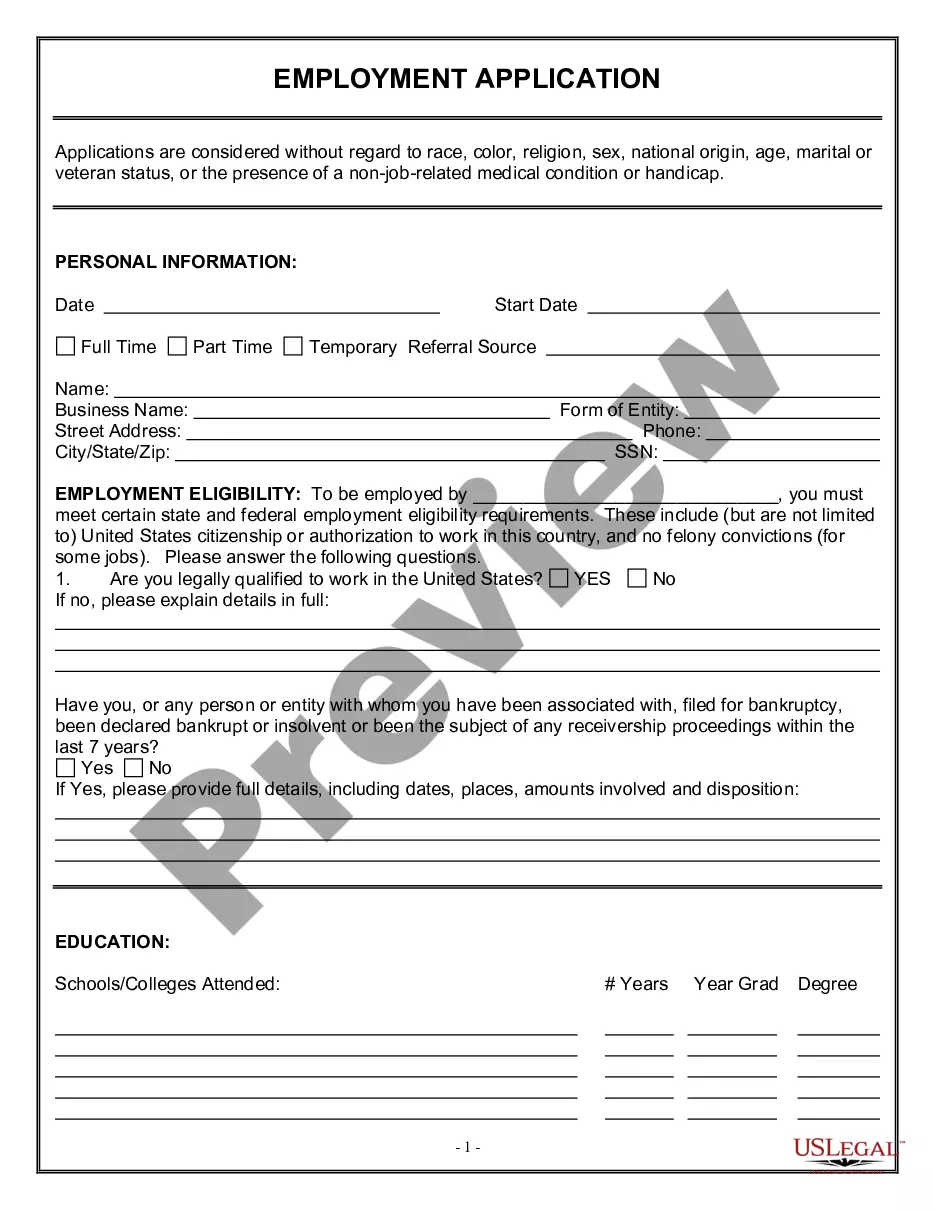
The Employment Application for Realtor is a legal document used by real estate agencies to screen potential candidates for realtor positions. This form collects essential personal and professional information while ensuring compliance with equal opportunity employment laws. Unlike generic job applications, this form is specifically tailored to the real estate industry, allowing employers to understand an applicant's qualifications relevant to the role of a realtor.
What’s included in this form
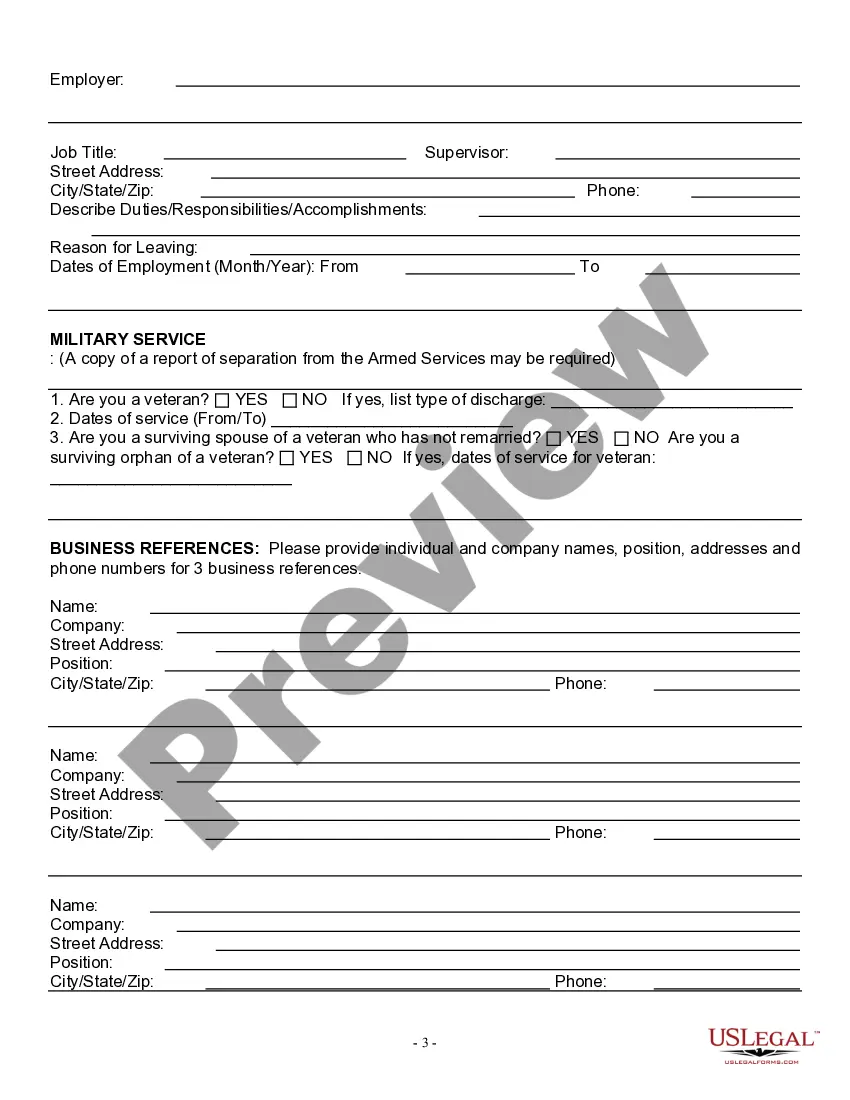
- Personal information section to verify the applicant's legal ability to work in the United States.
- Questions related to military service and veteran status.
- Fields for previous employment history relevant to real estate roles.
- Equal employment opportunity statement ensuring non-discrimination.
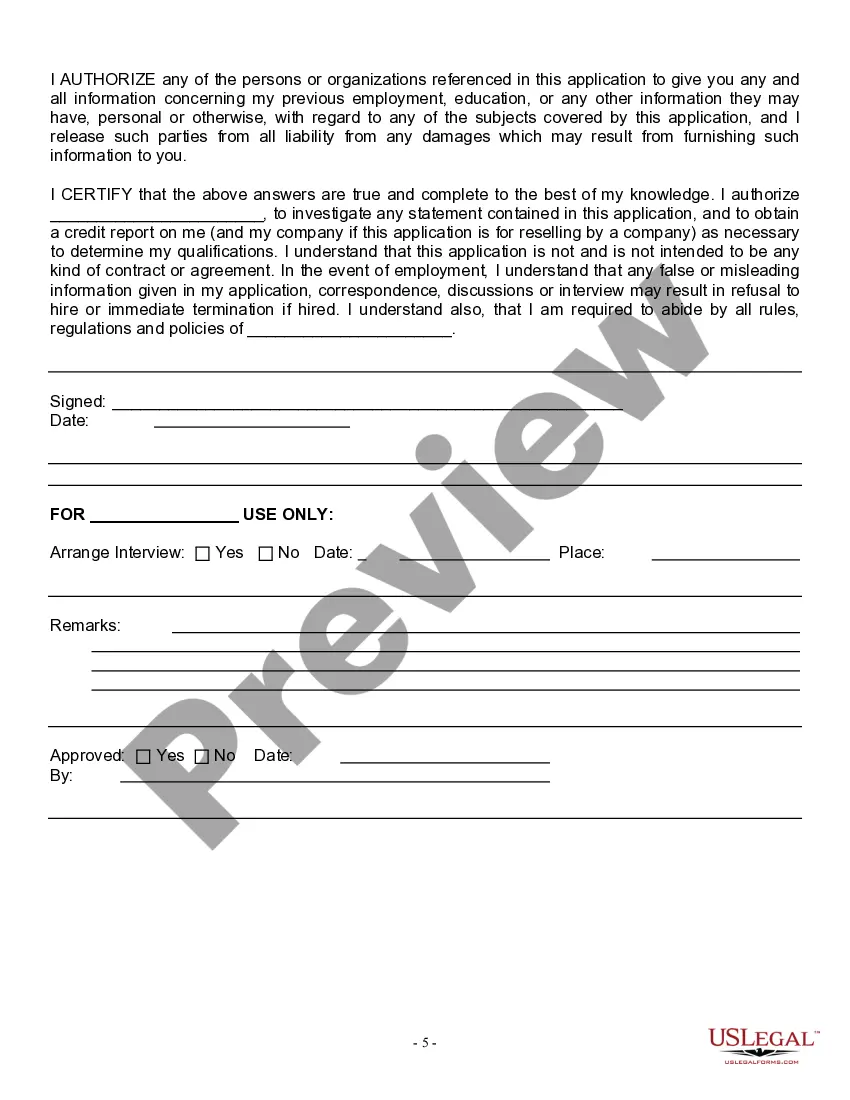
- Consent for the employer to check references and complete a background check.

Situations where this form applies
This form is necessary for real estate companies hiring new realtors. Use this application when seeking to compile and evaluate applications from candidates interested in realtor positions, ensuring that your hiring process is standardized and compliant with employment laws.
Who this form is for
This form is intended for:
- Real estate agencies looking to hire licensed realtors.
- Job seekers applying for realtor positions within the real estate sector.
- Human resource professionals managing recruiting processes for real estate firms.
Instructions for completing this form
- Start by filling in your personal information, including your name, address, and contact details.
- Indicate whether you are legally qualified to work in the United States by selecting "Yes" or "No," and provide an explanation if necessary.
- Provide details regarding military service, if applicable, including dates and relation to veteran status.
- List your previous employment history, emphasizing roles that are relevant to real estate.
- Read and acknowledge the equal employment opportunity statement included in the form.
Is notarization required?
This form does not typically require notarization unless specified by local law. Ensure you review your specific state regulations to determine if notarization is necessary for your application.
Get your form ready online
Our built-in tools help you complete, sign, share, and store your documents in one place.
Make edits, fill in missing information, and update formatting in US Legal Forms—just like you would in MS Word.
Download a copy, print it, send it by email, or mail it via USPS—whatever works best for your next step.
Sign and collect signatures with our SignNow integration. Send to multiple recipients, set reminders, and more. Go Premium to unlock E-Sign.
If this form requires notarization, complete it online through a secure video call—no need to meet a notary in person or wait for an appointment.
We protect your documents and personal data by following strict security and privacy standards.

Make edits, fill in missing information, and update formatting in US Legal Forms—just like you would in MS Word.

Download a copy, print it, send it by email, or mail it via USPS—whatever works best for your next step.

Sign and collect signatures with our SignNow integration. Send to multiple recipients, set reminders, and more. Go Premium to unlock E-Sign.

If this form requires notarization, complete it online through a secure video call—no need to meet a notary in person or wait for an appointment.

We protect your documents and personal data by following strict security and privacy standards.
Common mistakes to avoid
- Failing to sign and date the application.
- Omitting crucial personal information such as contact details.
- Incorrectly answering questions related to eligibility to work in the U.S.
- Not providing clear information about previous employment experience.
Why complete this form online
- Convenience of accessing and completing the form from any location.
- Editability allows for easy corrections and updates to your application.
- Reliability of a professionally drafted document, ensuring legal compliance.
- Speed of submission, facilitating a timely hiring process for agencies.
Looking for another form?

Form popularity
FAQ
REALTOR. A real estate professional who is a member of the National Association of REALTORS® (NAR). REALTORS include agents who work as residential and commercial real estate brokers, salespeople, property managers, appraisers, counselors, and other real estate professionals.
There will be a continued demand for real estate brokers and sales agents, because people turn to these workers when looking for a new home, relocating, or purchasing property for a business, among other reasons. Employment is projected to grow along with the real estate market.
It takes hard work, dedication, and perseverance to become a successful real estate agent. To become an agent, you must take classes, pass a test, and find a broker to work for. Once you get your license, the work is not over. You must learn to sell houses, which they do not teach in real estate school.
Licensed real estate agents are statutory nonemployees and are treated as self-employed for all Federal tax purposes, including income and employment taxes, if: Substantially all payments for their services as real estate agents are directly related to sales or other output, rather than to the number of hours worked.
Operate real estate office, or work for commercial real estate firm, overseeing real estate transactions. Other duties usually include selling real estate or renting properties and arranging loans.
Job outlook: a statement that conveys the projected rate of growth or decline in employment in an occupation over the next 10 years; also compares the projected growth rate with that projected for all other occupations; see Growth rate.
It takes hard work, dedication, and perseverance to become a successful real estate agent. To become an agent, you must take classes, pass a test, and find a broker to work for. Once you get your license, the work is not over. You must learn to sell houses, which they do not teach in real estate school.
The short answer is no. In fact, the future of real estate agents looks fairly promising. Regardless of how advanced real estate tools and predictive analytics get, buyers and sellers will always turn to agents for professional guidance.
Step 1: Ask about the commission split. Step 2: Evaluate the brokerage culture. Step 3: Decide between a franchise or independent brokerage. Step 4: Learn its reputation and niche. Step 5: Make sure it will offer support.