Virginia Forest Products Timber Sale Contract
What this document covers
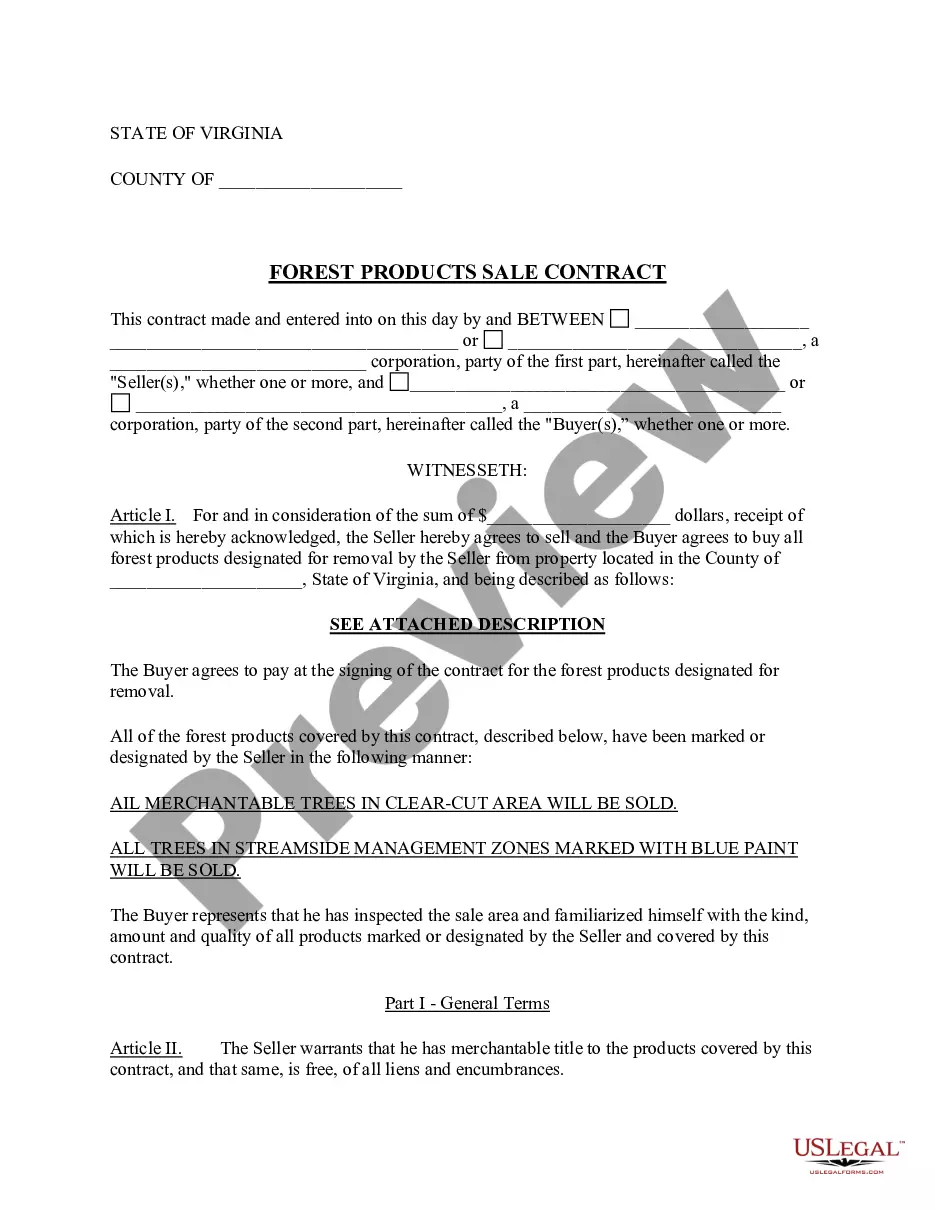
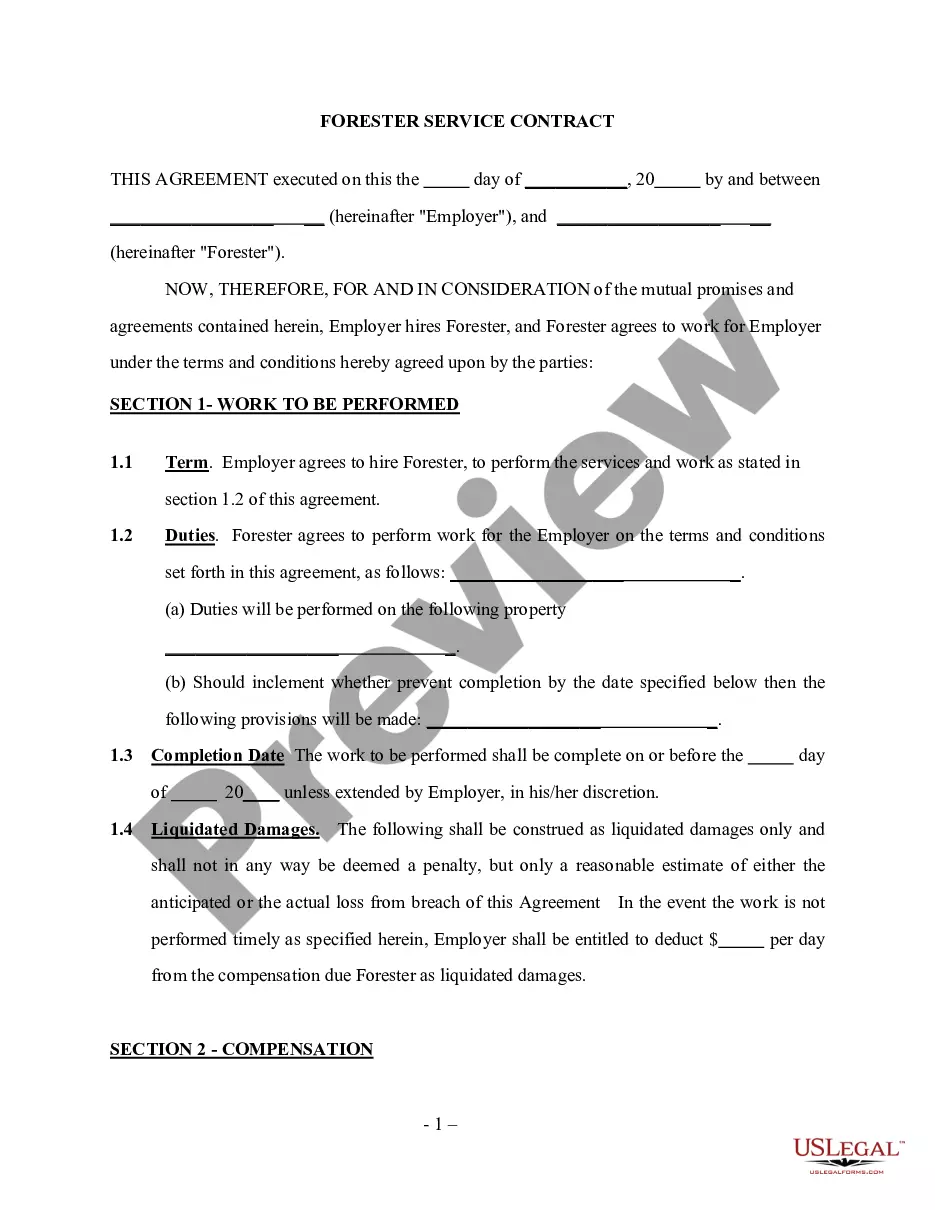
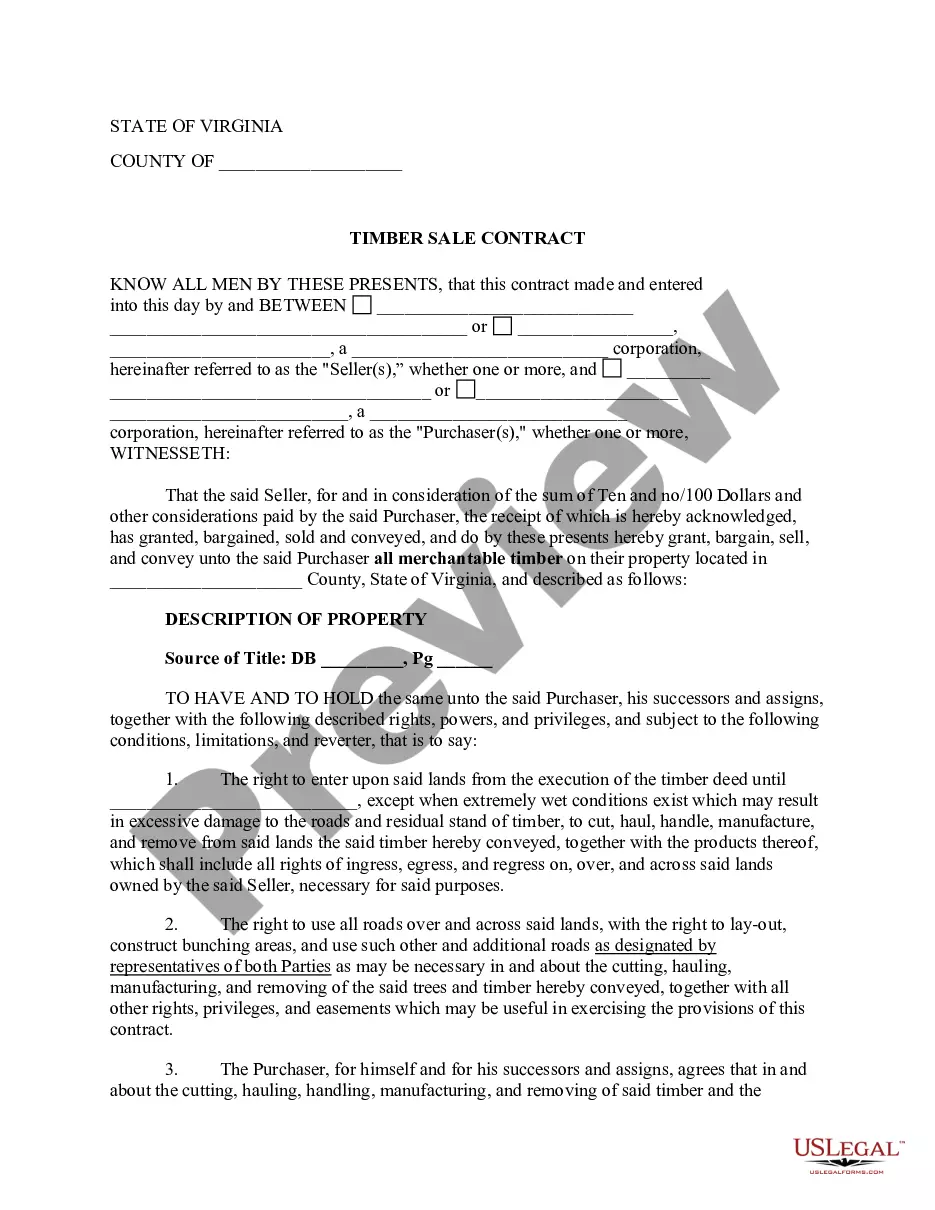
The Virginia Forest Products Timber Sale Contract is a legally binding agreement between a timber seller and a buyer for the sale of timber designated for removal from the sellerâs property. This contract outlines the terms of the sale, including payment, rights of access, and responsibilities concerning the harvesting of timber. Unlike other sales contracts, this document specifically addresses the unique aspects of timber transactions, ensuring both parties understand their obligations.
Key parts of this document
- Identification of the seller and buyer, including their legal status.
- Description of the timber to be sold, including marked trees and location specifics.
- Payment terms and conditions for the forest products.
- Grant of ingress and egress rights for the buyer to remove timber.
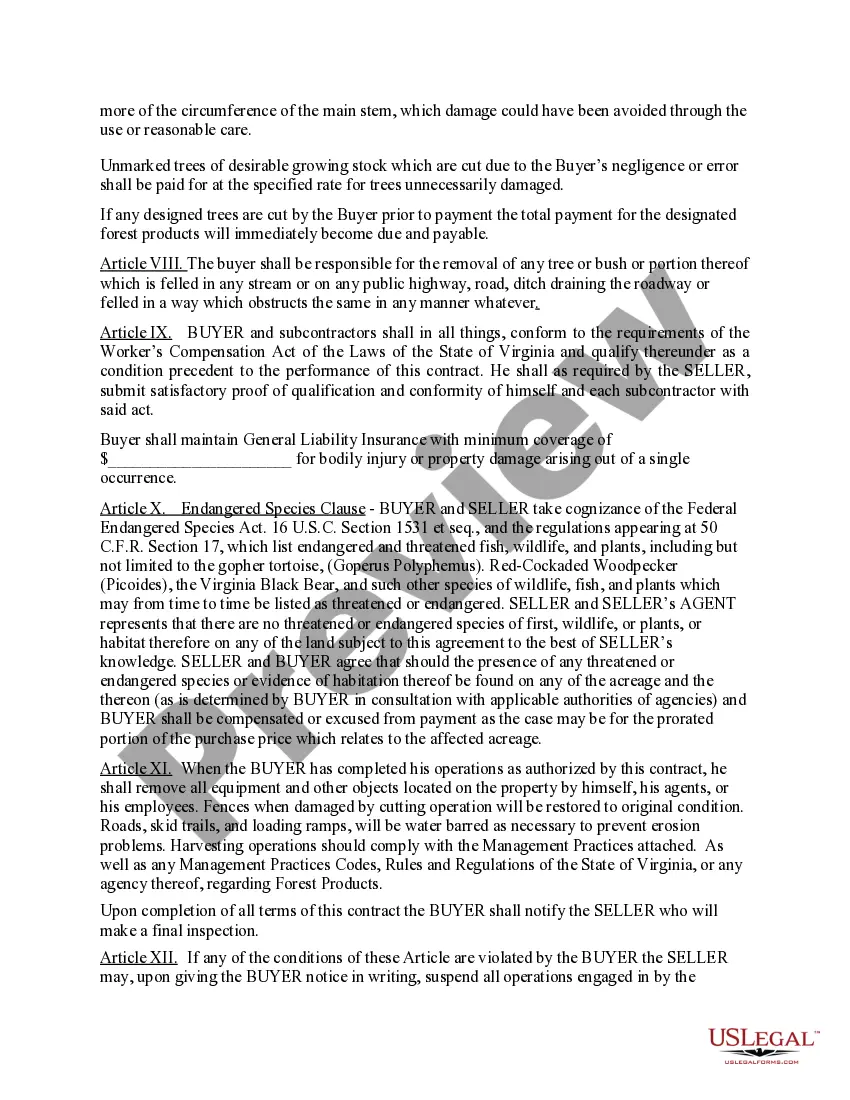
- Warranties regarding the title of the timber and insurance requirements.
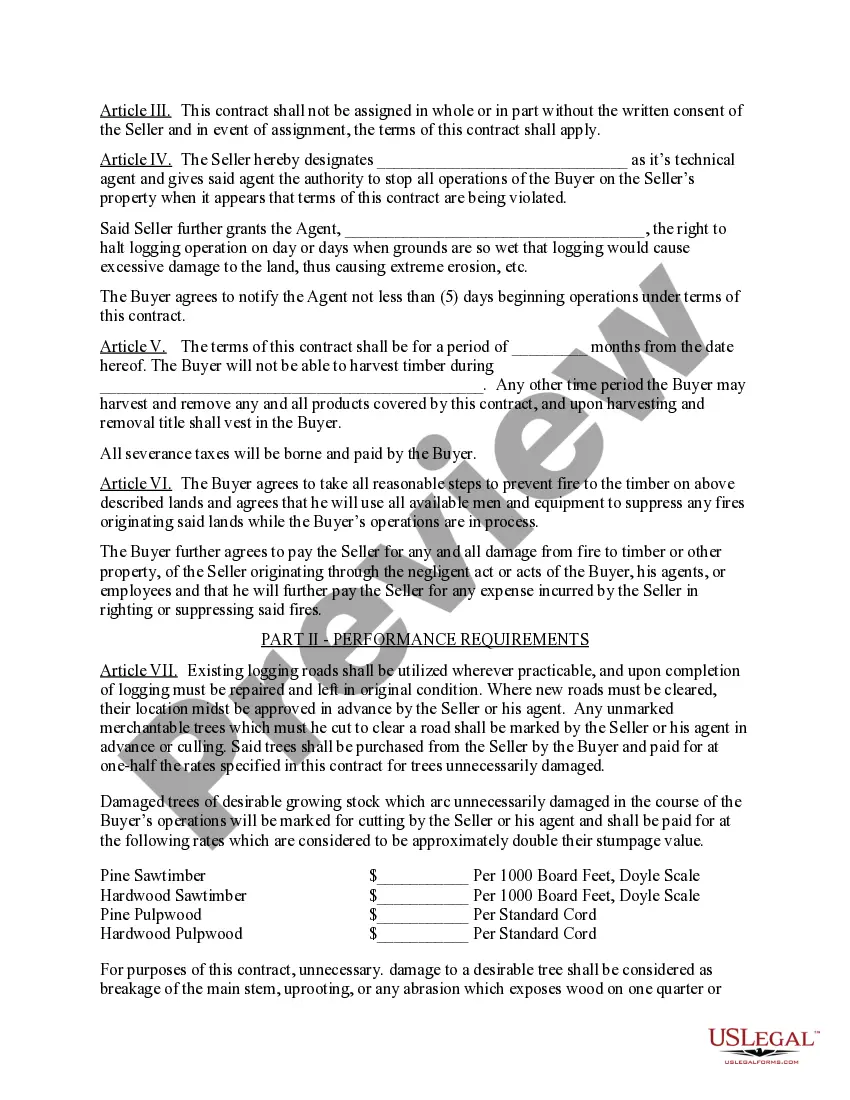
- Provisions for fire prevention and damage responsibilities.
- Termination conditions if contract terms are violated.
When this form is needed
This form is necessary when a landowner in Virginia wishes to sell timber from their property and needs a legally binding agreement to ensure the sale is conducted fairly and efficiently. It is particularly useful in scenarios involving large tracts of land where multiple trees are sold at once, or when specific management practices are required during timber harvesting.
Who this form is for
This form is intended for:
- Landowners looking to sell timber from their property.
- Timber buyers, including individuals or companies interested in purchasing timber for commercial purposes.
- Forestry agents acting on behalf of either party in the timber sale.
Steps to complete this form
To complete the Virginia Forest Products Timber Sale Contract, follow these steps:
- Identify and enter the names and legal status of both the seller and buyer at the beginning of the contract.
- Describe the property and the specific timber designated for sale, including methods of marking.
- Specify the payment amount for the timber and the terms of payment.
- Outline any additional responsibilities regarding access rights and environmental considerations.
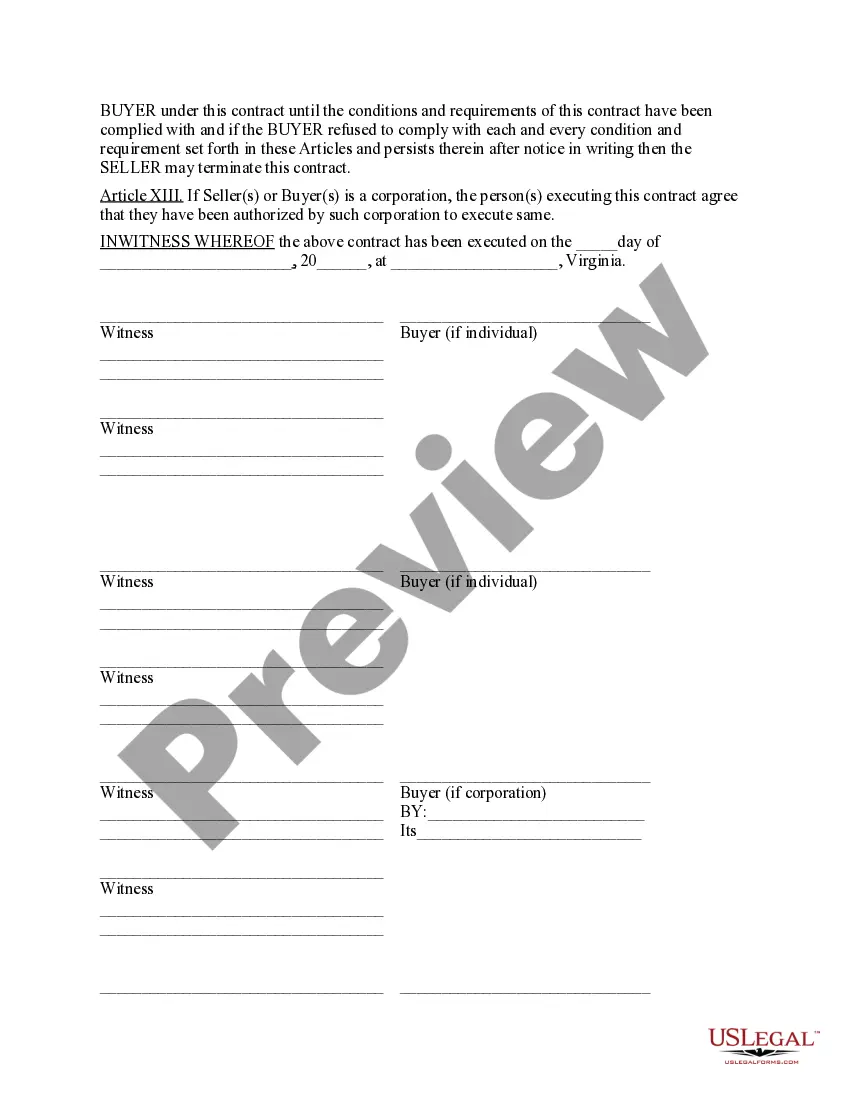
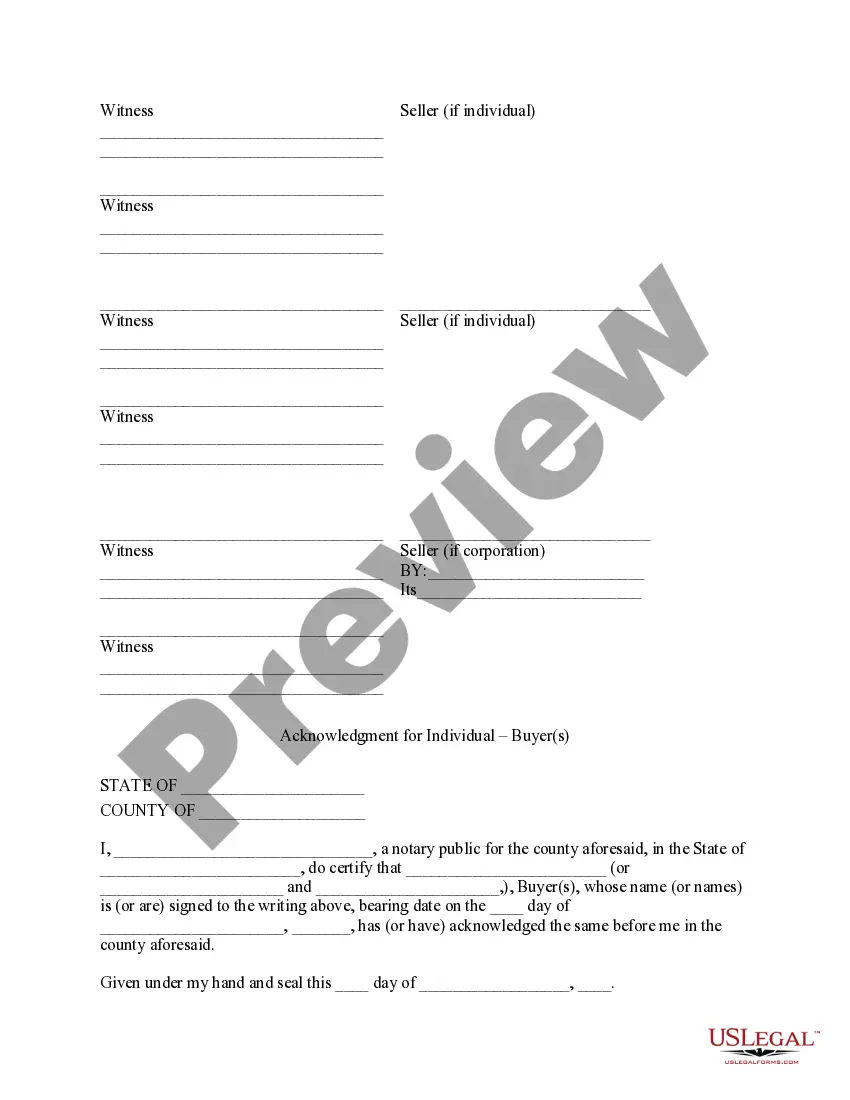
- Ensure that both parties sign and date the agreement, including witnesses or notary as required.
Notarization requirements for this form
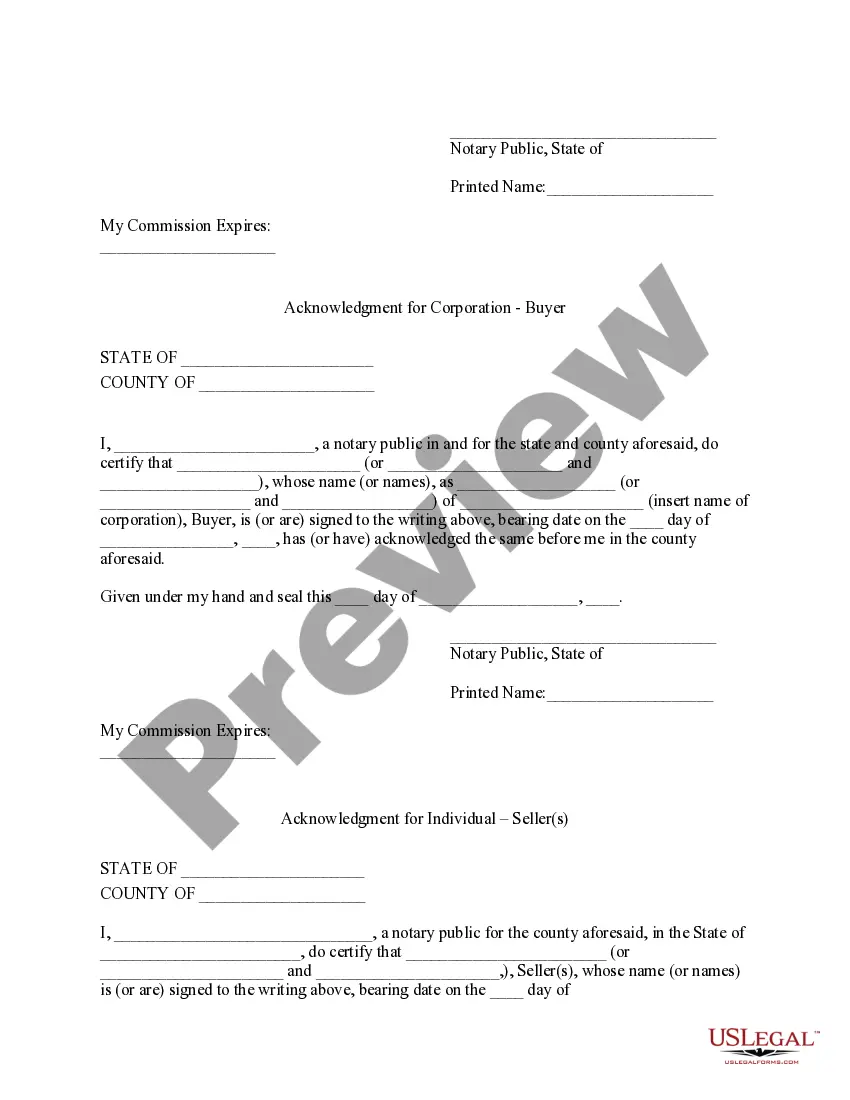
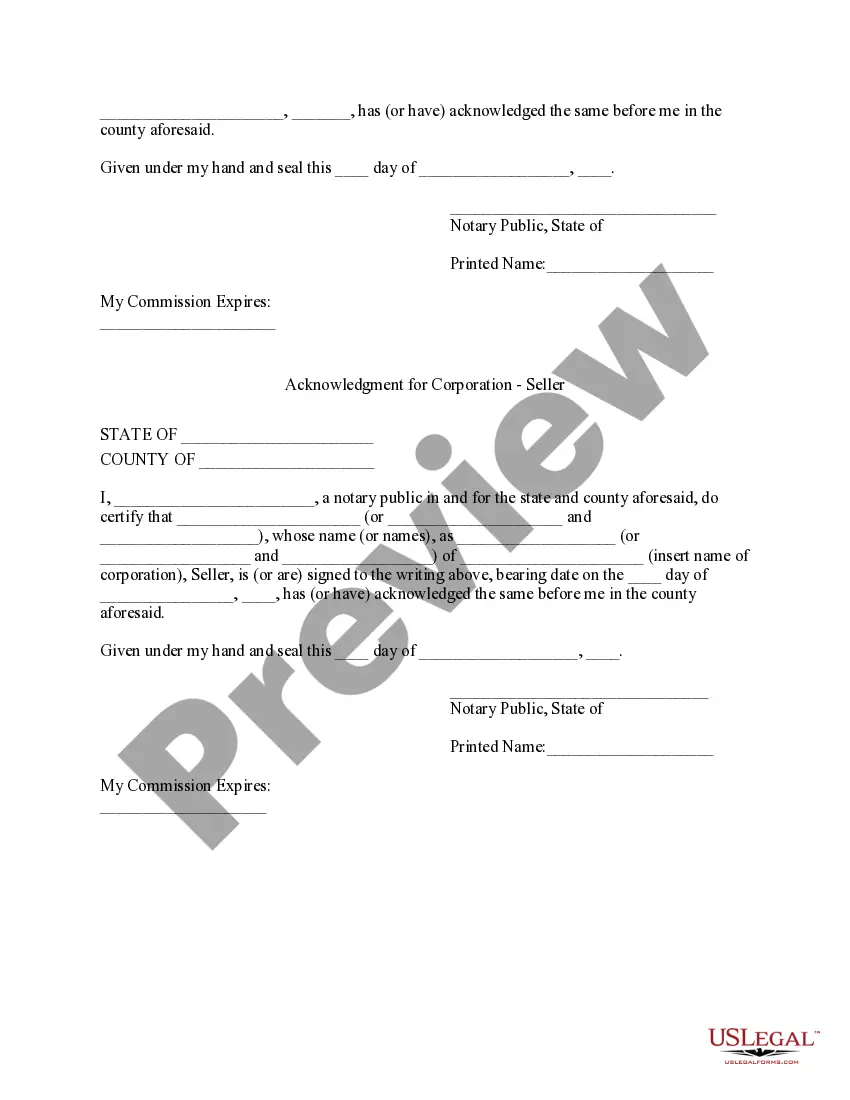
Yes, this form must be notarized to be legally valid. This ensures that the identities of the parties are verified and adds an extra layer of authenticity to the agreement. US Legal Forms offers integrated online notarization services, allowing you to complete this process securely via video call at any time.
Get your form ready online
Our built-in tools help you complete, sign, share, and store your documents in one place.
Make edits, fill in missing information, and update formatting in US Legal Forms—just like you would in MS Word.
Download a copy, print it, send it by email, or mail it via USPS—whatever works best for your next step.
Sign and collect signatures with our SignNow integration. Send to multiple recipients, set reminders, and more. Go Premium to unlock E-Sign.
If this form requires notarization, complete it online through a secure video call—no need to meet a notary in person or wait for an appointment.
We protect your documents and personal data by following strict security and privacy standards.

Make edits, fill in missing information, and update formatting in US Legal Forms—just like you would in MS Word.

Download a copy, print it, send it by email, or mail it via USPS—whatever works best for your next step.

Sign and collect signatures with our SignNow integration. Send to multiple recipients, set reminders, and more. Go Premium to unlock E-Sign.

If this form requires notarization, complete it online through a secure video call—no need to meet a notary in person or wait for an appointment.

We protect your documents and personal data by following strict security and privacy standards.
Typical mistakes to avoid
- Failing to accurately describe the timber being sold, leading to disputes over the sale.
- Not specifying the payment terms clearly, which can result in confusion later.
- Neglecting to include rights of ingress and egress for the buyer.
- Omitting witness or notary signatures where applicable, making the contract potentially unenforceable.
Benefits of completing this form online
- Convenient access to a legally vetted form drafted by licensed attorneys.
- Editable template that can be tailored to specific transaction details.
- Immediate download for prompt use in legal proceedings.
- Clarity in legal obligations helps prevent potential disputes between parties.
Summary of main points
- The Virginia Forest Products Timber Sale Contract is essential for legally transferring timber ownership.
- Clear terms help prevent misunderstandings and protect the interests of both parties.
- Compliance with Virginia-specific laws is crucial for enforceability.
- Obtaining notarization seals the legal agreement, confirming all parties are aware of their rights and obligations.
Looking for another form?
Form popularity
FAQ
Depending on the type of trees and the market when the timber is sold, you could earn $500 to $2000 per acre (at $1500, you would be looking at $60 per year in income if you were to annualize it over 25 years).
For these reasons, it's not uncommon for a tree grower to net $40,000 to $60,000 per acre every year producing high quality trees that are healthy and bring premium prices in the marketplace.
To estimate the value of your timber, take the volume, divided by 1,000, and multiply it by the price quoted in your states standing timber stumpage report.
Step 1: Get helP. Step 2: Get a plaN. Step 3: Get to know your timber. Step 4: Set your limits. Step 5: Find your buyers. Step 6: Start selling. Step 7: Put it in writing. Step 8: Check in on harvest day.
The value of this tree would be $195.00 for an average of $866.00 per thousand board feet. A fourteen inch Red Oak with a grade 3 rating would be worth $12.00 for an average price per thousand board feet of $265.00.
Depending on the type of trees and the market when the timber is sold, you could earn $500 to $2000 per acre (at $1500, you would be looking at $60 per year in income if you were to annualize it over 25 years).
The average stumpage price is $300/MBF, or $1,800 per acre total value.
The seller should have a professional forester develop a management plan and determine if it is ready to harvest. Generally, a private consulting forester should review (cruise) the timber and handle the timber sale. The seller should get a written contract.
Timber has been one of the most consistent investments over time, and a great hedge against inflation. According to value investor Jeremy Grantham, it's risen 3% more than inflation for more than 90 years. Timberland has also beaten the stock market over the long run, and with less volatility.