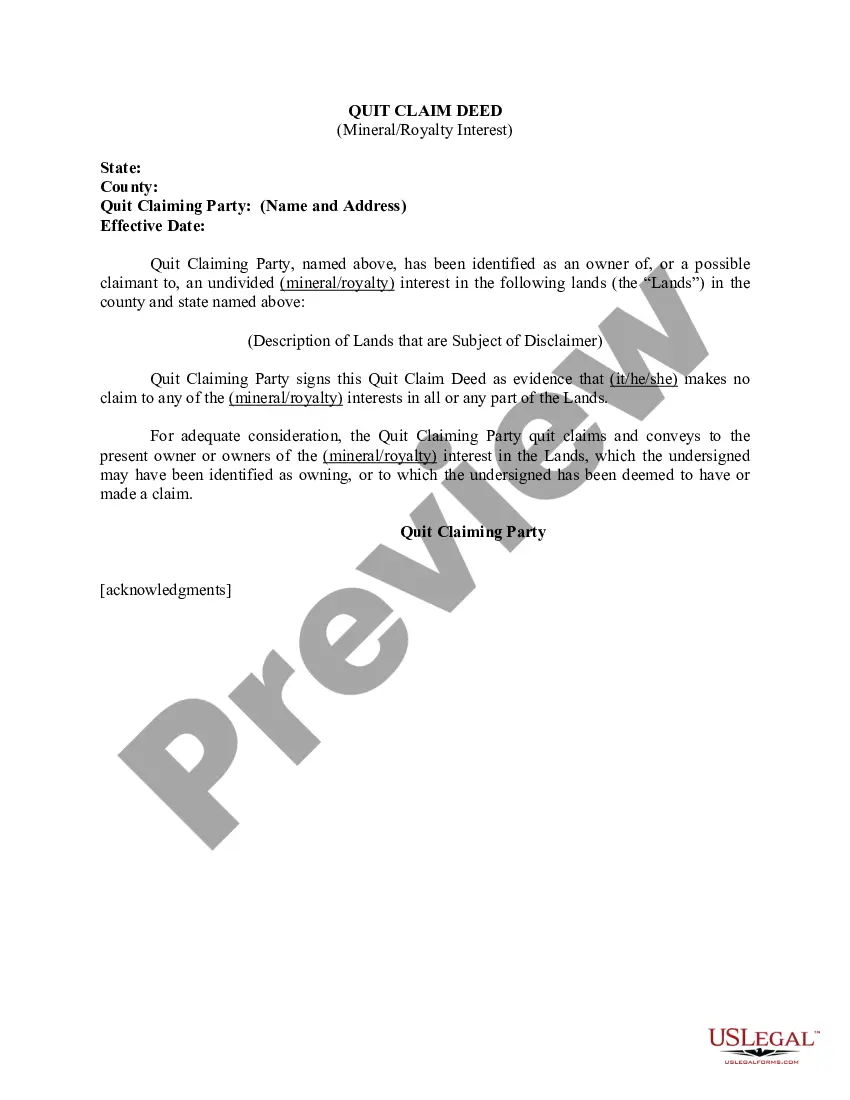
Employment Application for Author
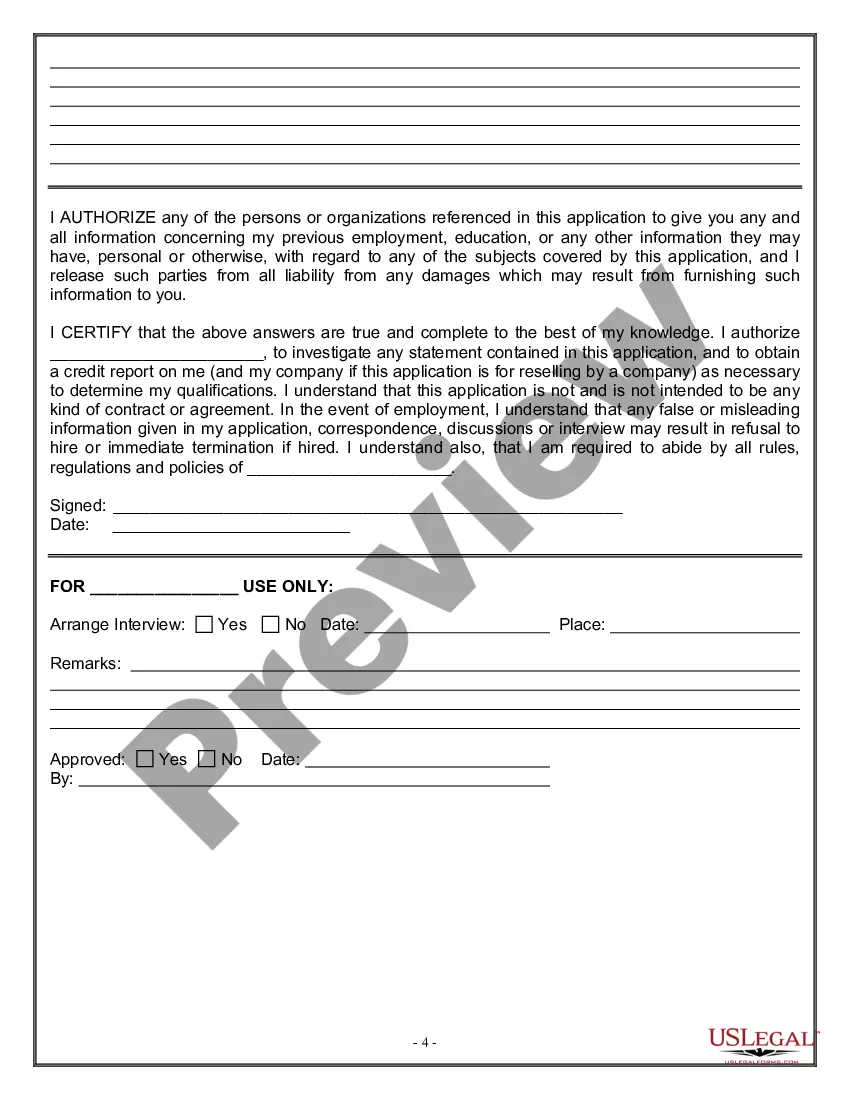
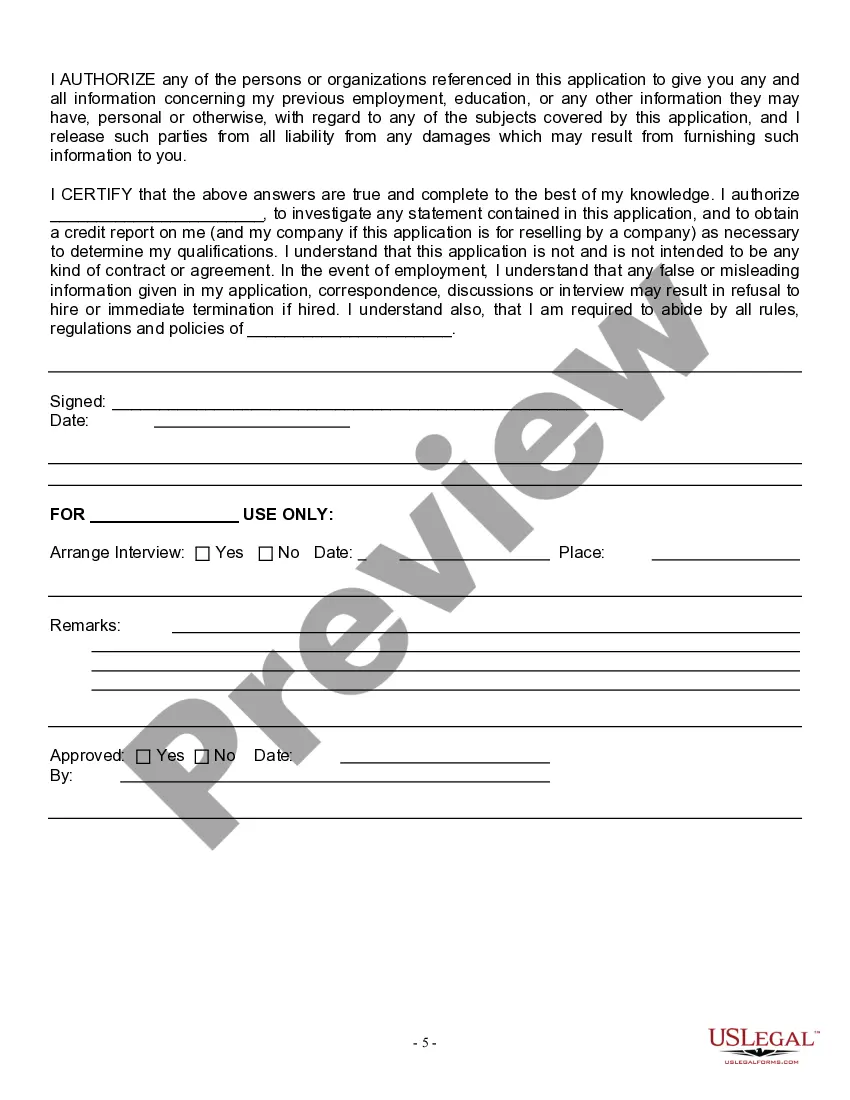
About this form
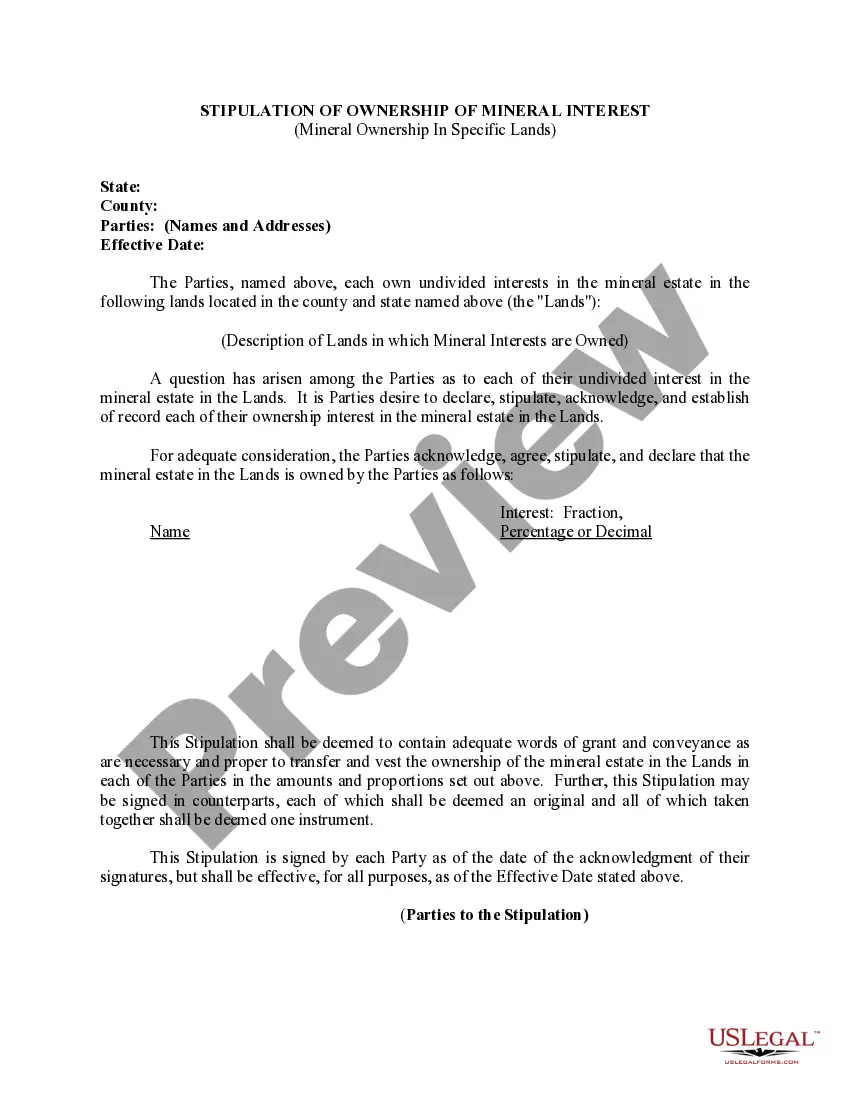
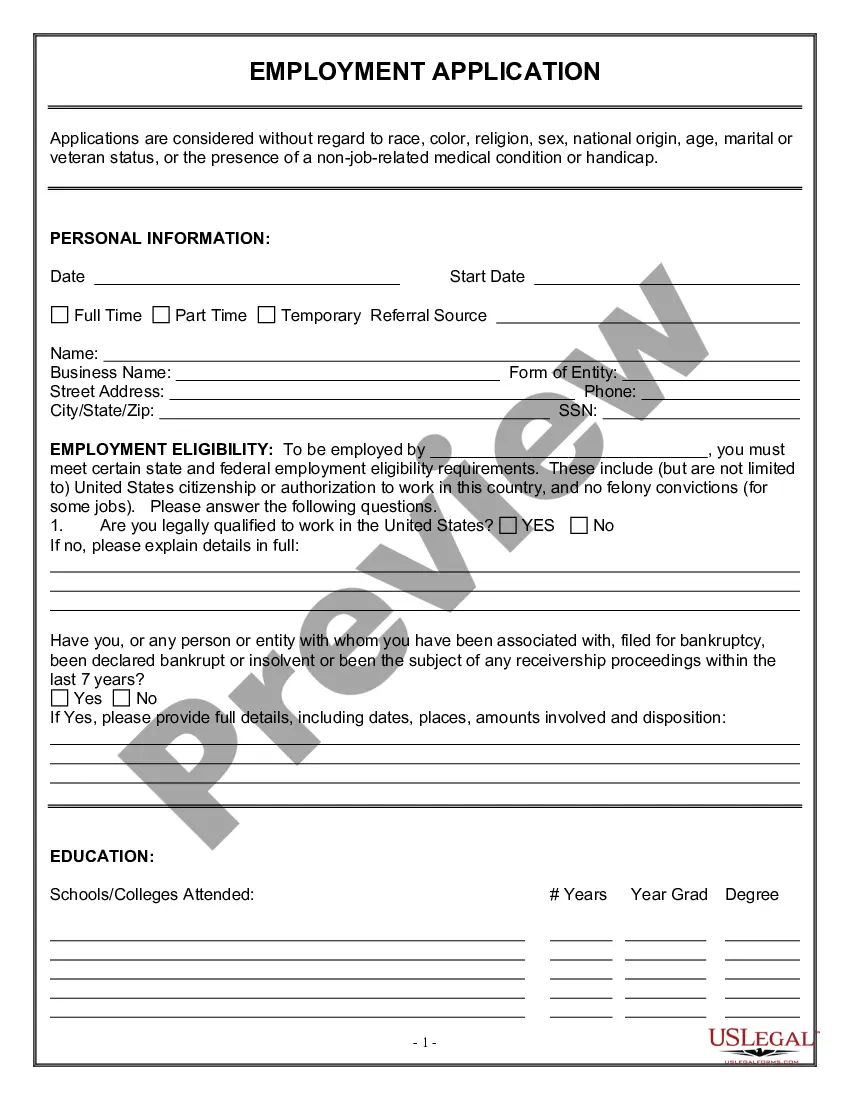
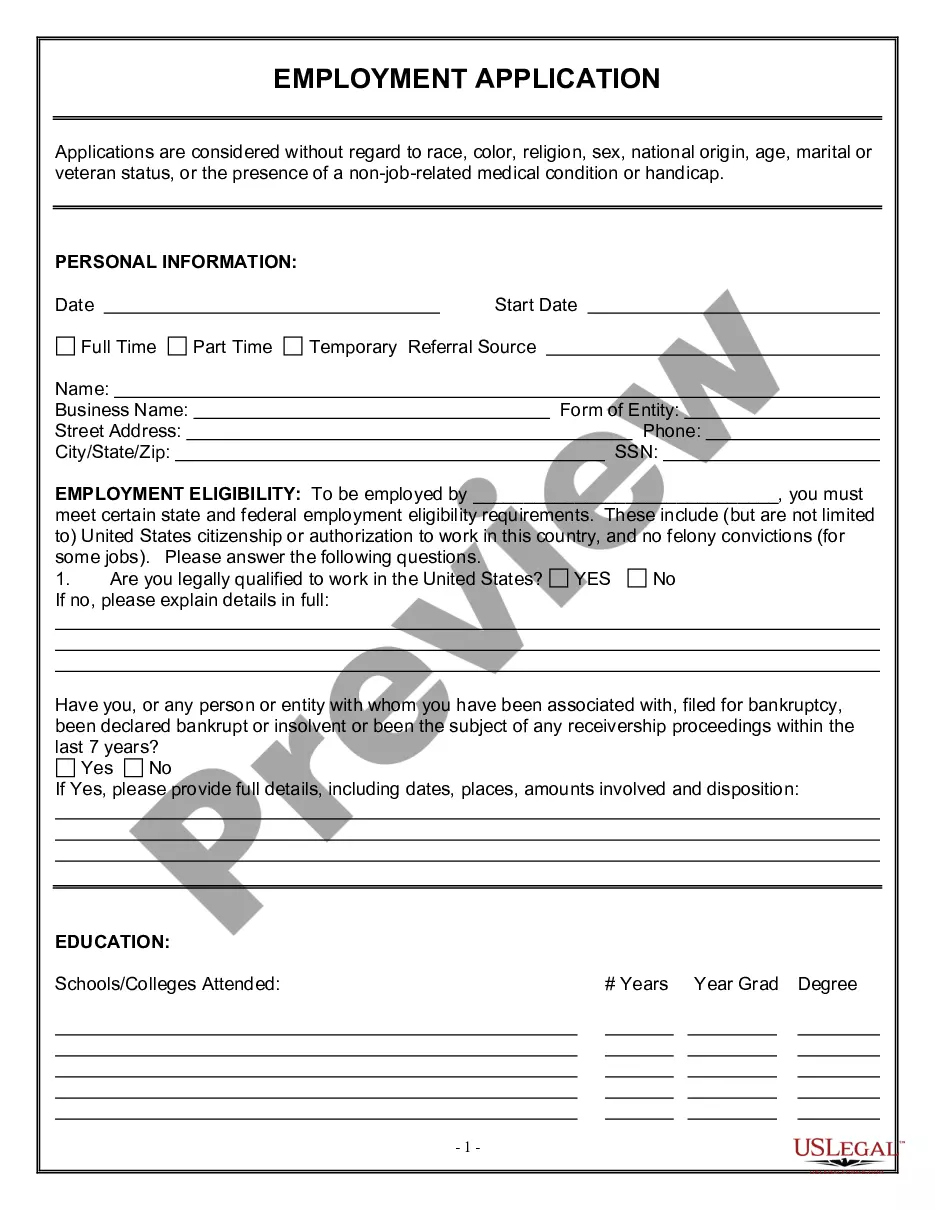
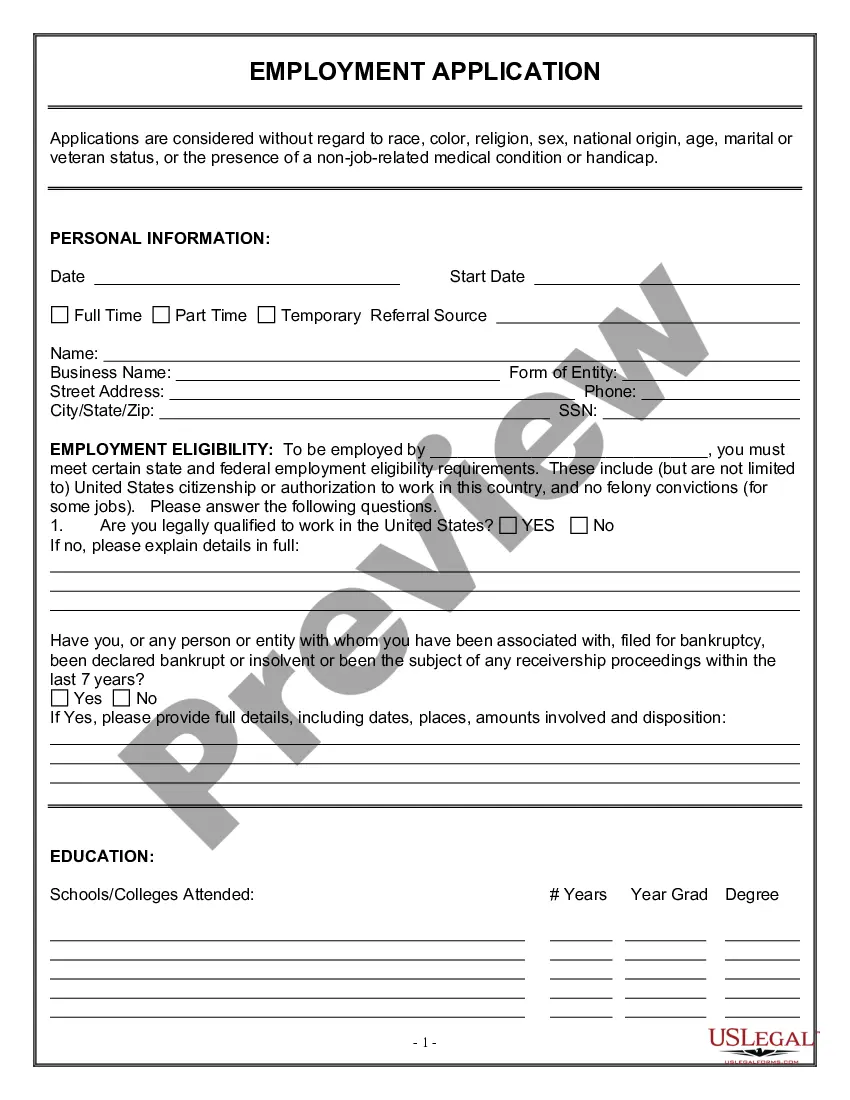
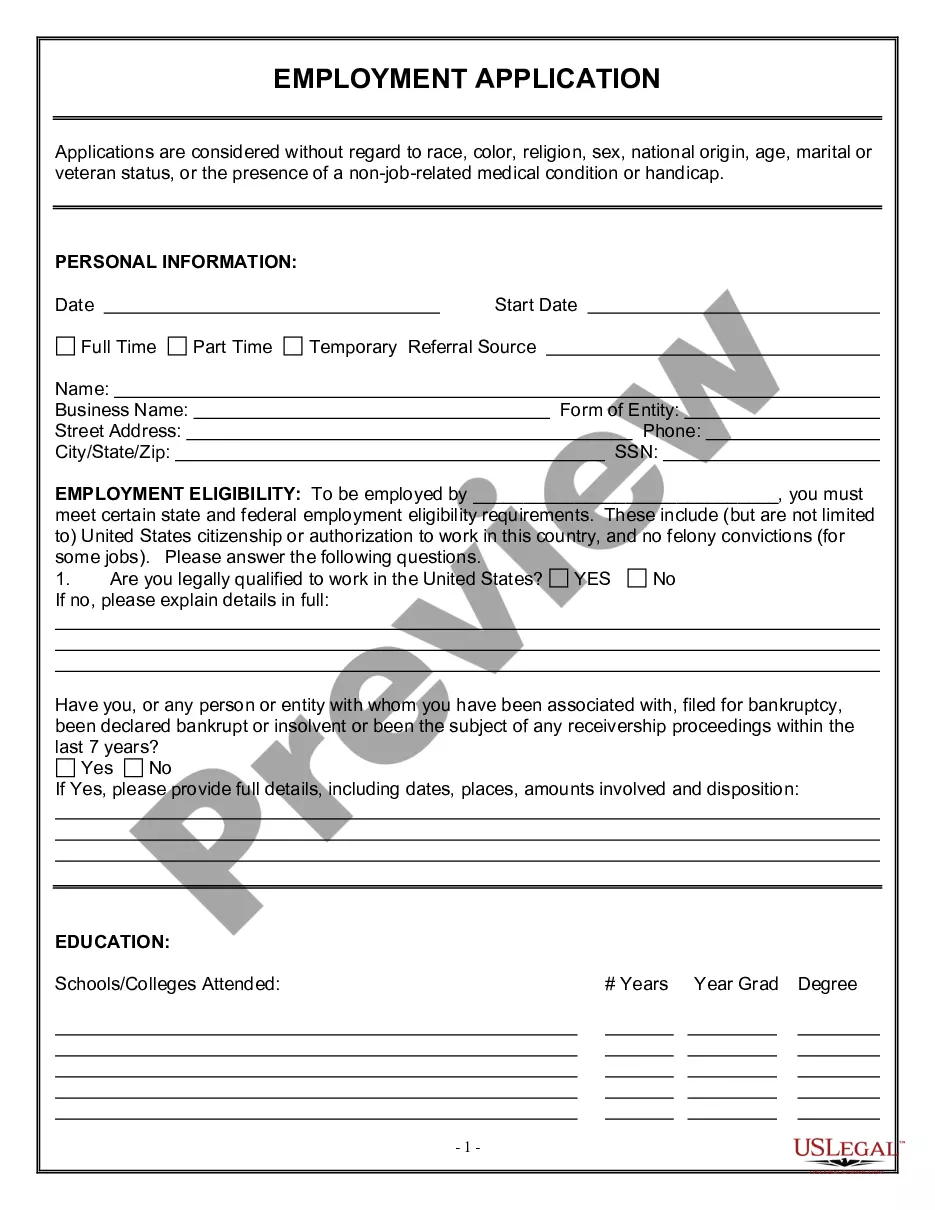
The Employment Application for Author is a standardized form used by potential employers to gather essential information about applicants seeking employment as authors. This form is designed to ensure that applicants are considered fairly, without regard to protected characteristics. Unlike other general employment applications, this specific form caters to the unique needs of positions related to writing and authorship, providing tailored fields that focus on an applicant's relevant experience and skill set in literary work.
Key components of this form
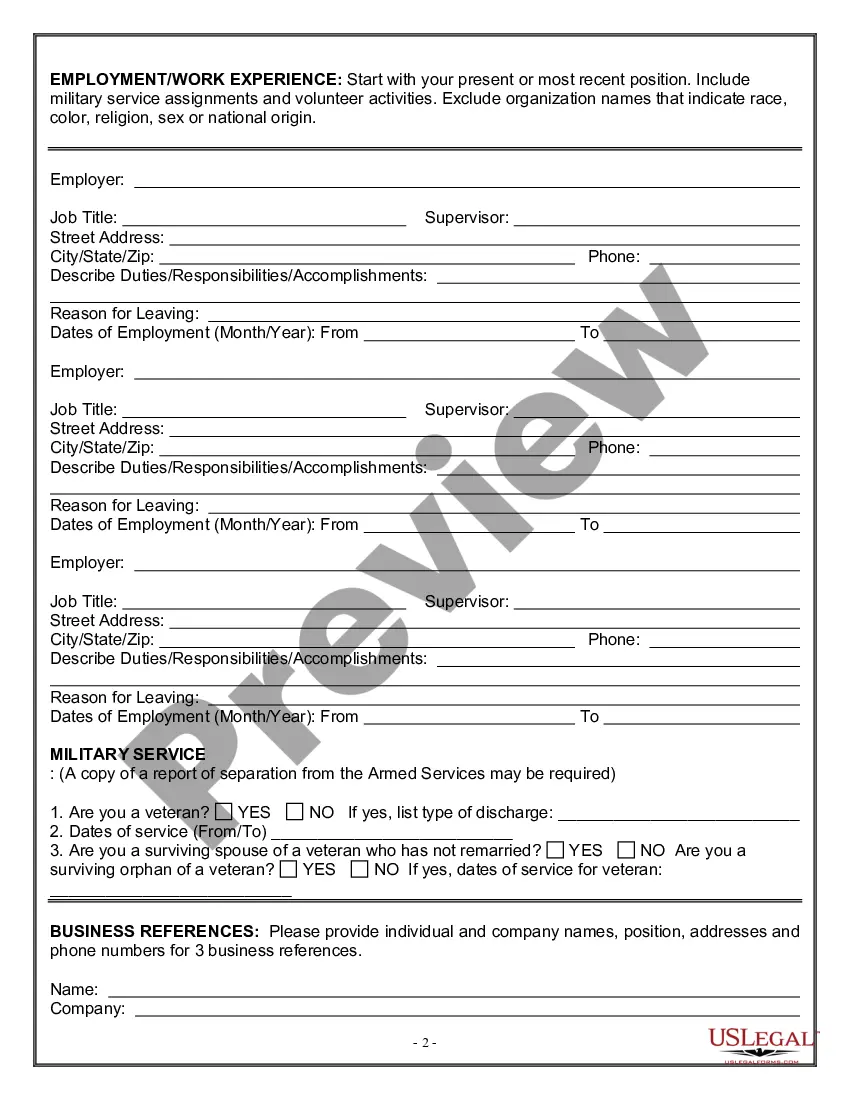
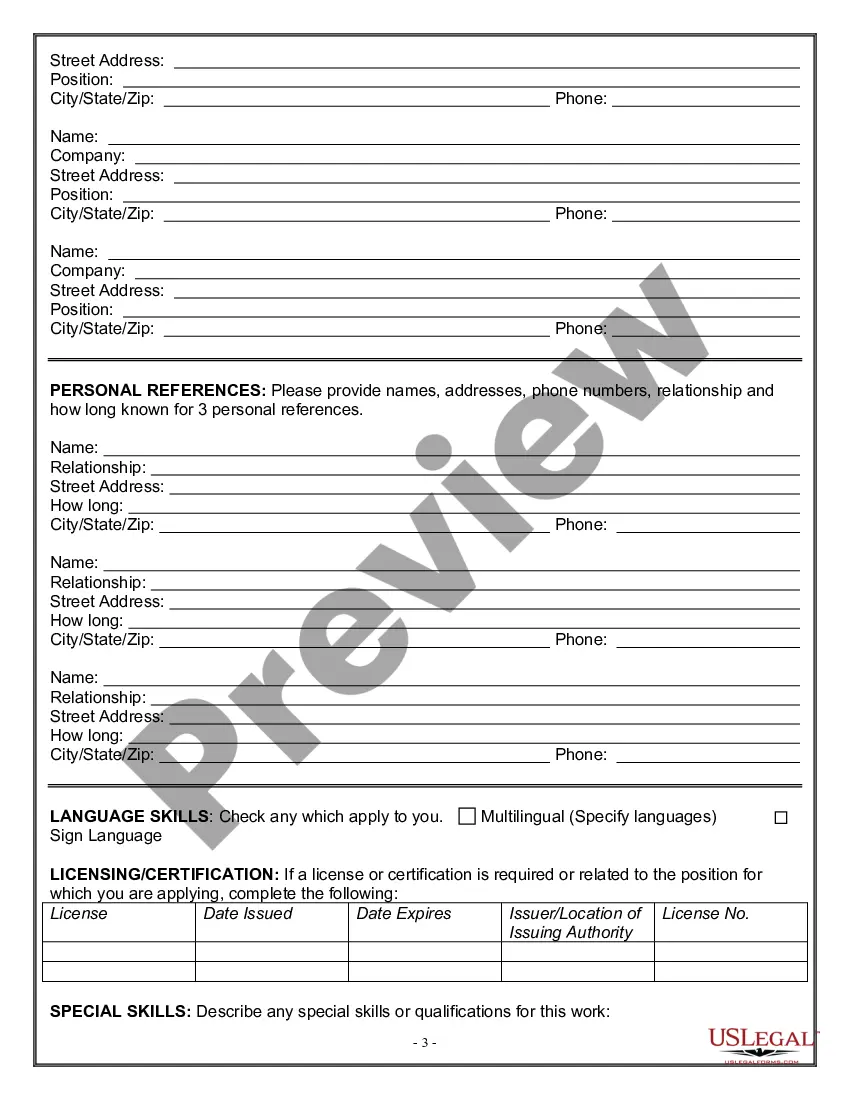
- Personal information section to collect basic data about the applicant.
- Questions regarding the applicant's eligibility to work in the United States.
- Checkboxes to determine if the applicant has status as a veteran or a surviving spouse/orphan of a veteran.
- Sections for detailing previous employment history, including relevant dates and experience.
- Assurances regarding fair consideration without discrimination based on race, gender, or other protected statuses.
Situations where this form applies
This form should be used when an individual is applying for a position as an author or similar writing-related roles within an organization. It is particularly applicable for publishers, media companies, or any entity that requires a structured application process to evaluate candidates for literary contributions. Additionally, it can be used when the organization wants to ensure compliance with equal employment opportunity laws.
Intended users of this form
- Job seekers applying for author-related positions.
- Publishing companies looking to standardize their hiring process for writers.
- Organizations needing a comprehensive employment application that includes provisions for fair hiring practices.
- HR professionals and recruiters in creative industries focused on literary talent.
Instructions for completing this form
- Fill out your personal information, including your name, contact details, and legal eligibility to work.
- Indicate your dates of service if applicable and check the relevant boxes regarding veteran status.
- Provide details about your employment history, emphasizing any experience relevant to authorship.
- Review all sections to ensure accuracy and completeness before submission.
- Sign and date the application as required to verify the information provided.
Does this document require notarization?
This form does not typically require notarization unless specified by local law. It is recommended to check with the hiring organization or local regulations to confirm if notarization is necessary.
Get your form ready online
Our built-in tools help you complete, sign, share, and store your documents in one place.
Make edits, fill in missing information, and update formatting in US Legal Forms—just like you would in MS Word.
Download a copy, print it, send it by email, or mail it via USPS—whatever works best for your next step.
Sign and collect signatures with our SignNow integration. Send to multiple recipients, set reminders, and more. Go Premium to unlock E-Sign.
If this form requires notarization, complete it online through a secure video call—no need to meet a notary in person or wait for an appointment.
We protect your documents and personal data by following strict security and privacy standards.

Make edits, fill in missing information, and update formatting in US Legal Forms—just like you would in MS Word.

Download a copy, print it, send it by email, or mail it via USPS—whatever works best for your next step.

Sign and collect signatures with our SignNow integration. Send to multiple recipients, set reminders, and more. Go Premium to unlock E-Sign.

If this form requires notarization, complete it online through a secure video call—no need to meet a notary in person or wait for an appointment.

We protect your documents and personal data by following strict security and privacy standards.
Typical mistakes to avoid
- Failing to provide accurate personal information.
- Leaving sections incomplete, especially relevant work experience.
- Not disclosing relevant veteran status information if applicable.
- Neglecting to check for typos or errors before submission.
- Forgetting to sign and date the application.
Why use this form online
- Convenient access from anywhere, allowing you to fill out the application at your own pace.
- Edit and revise your application as needed before submitting.
- Reliable templates drafted by licensed attorneys, ensuring legal compliance.
- Easy download options for printing or electronic submission to employers.
Looking for another form?
Form popularity
FAQ
Copies of blogs, newspapers, and journal articles as well as grant proposals, reports, marketing plans, etc. Other sources of work samples include hobbies, sports, scouts, hunting, fishing, crafts, volunteer work, and other interests. You could even include leadership, teamwork, or before and after examples.
The responsibilities of an Author include writing original stories for novels, plays, television scripts, and movies. Authors also write journals, develop story elements, and rewrite and revise pieces written by other writers.
Do not copy your resume. A cover letter is a sales pitch. Tailor each application letter to the job. Be professional. Carefully proofread. Follow business letter format. Decide whether to send a hard copy or email. Employer Contact Information (if you have it) Salutation.
EARN A HIGH SCHOOL DEGREE. SELECT A PROFESSIONAL PATH. GET A WRITING EDUCATION. COMPLETE AN INTERNSHIP. LAND A JOB AND BUILD A PORTOFLIO. EARN AN MA/MFA (OPTIONAL)
For example, in a business office, a memorandum (abbrev. memo) can be used to provide a solution to a problem, make a suggestion, or convey information. Other forms of professional writing commonly generated in the workplace include email, letters, reports, and instructions.
What is a writing sample? A writing sample is a supplemental document for a job application often requested for jobs that include a significant amount of writing, like those in journalism, marketing, public relations and research.
Don't use this overused opening line. I'm writing to apply for the role of2026 is the most overused opening line job seekers use on their cover letters. Cut meaningless buzzwords. Don't mention every past job. Use snappy, short words rather than long phrases.
Research papers from a job or class. Narrative papers from a job or class. Other writing assignments. Blog posts. Press releases. Articles or other contributions.
Step 1: Study the Job Ad to Identify Key Criteria. Step 2: Brainstorm Ideas for Your Writing Sample. Step 3: Select One of Your Ideas. Step 4: Find Models To Emulate. Step 5: Outline & Write Your Idea. Step 6: Edit Your Writing Sample.