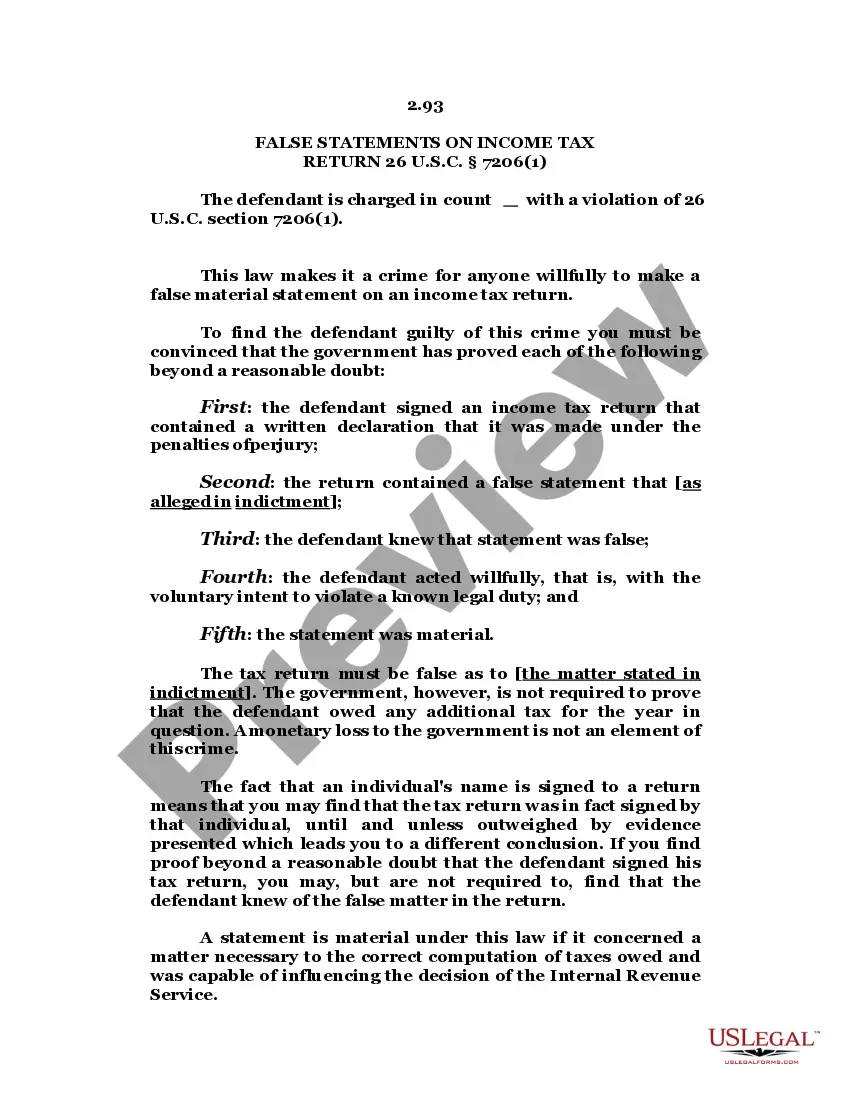
Requirements Evaluation
What is this form?
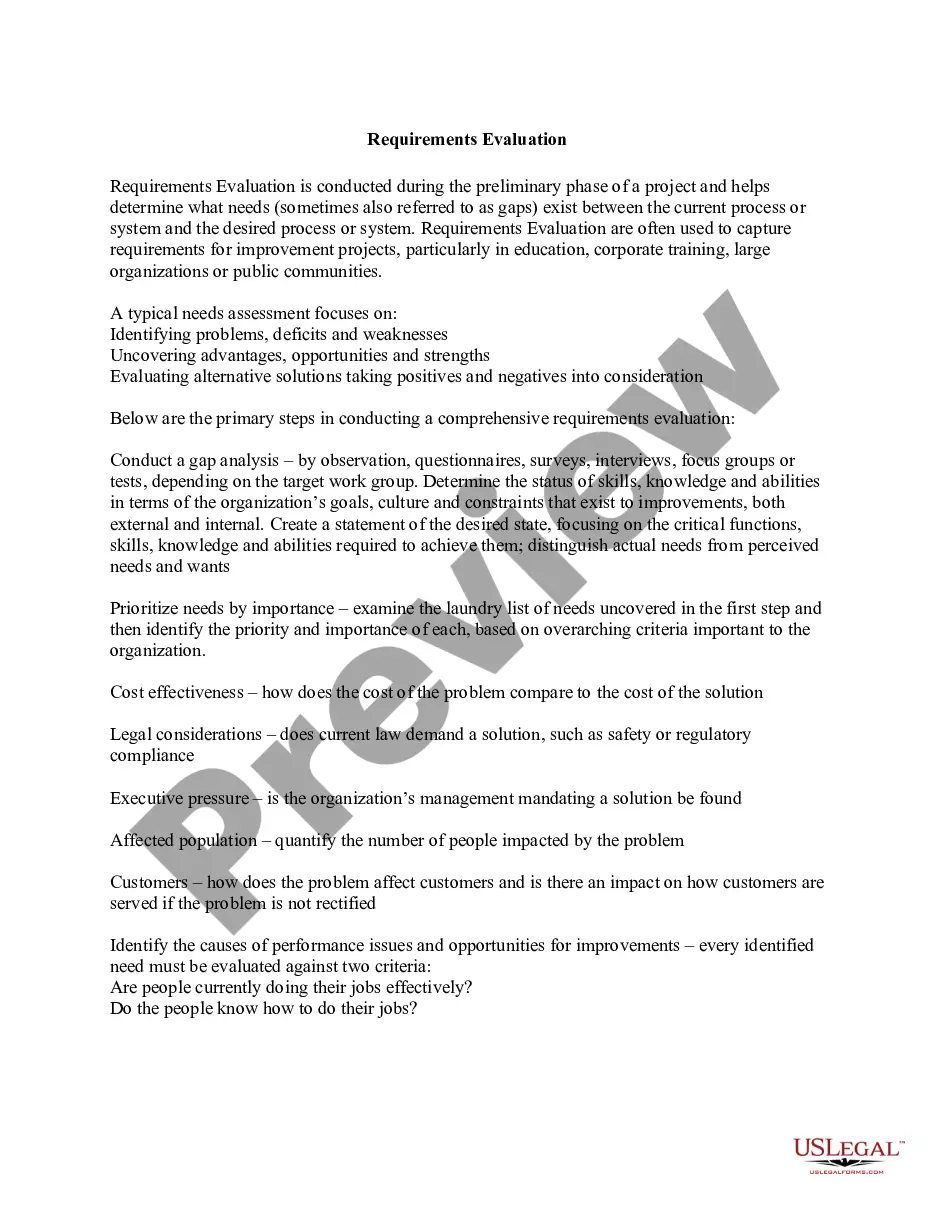
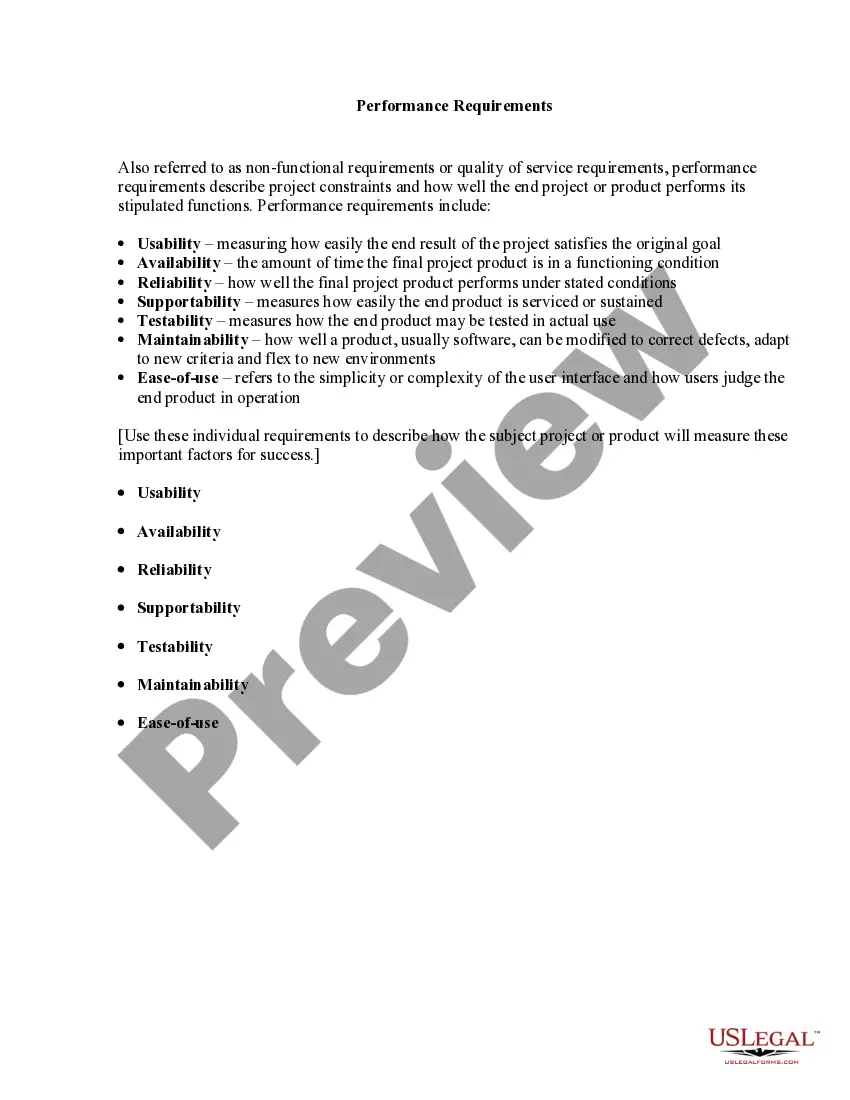
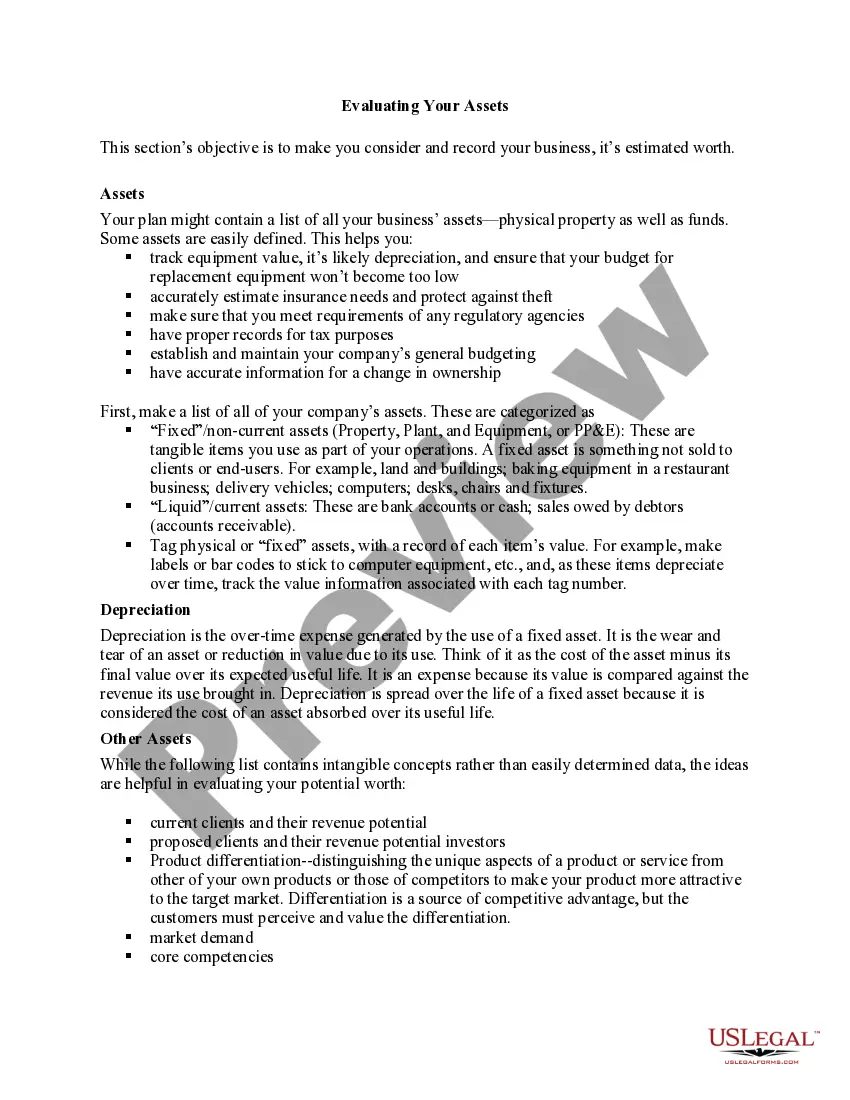
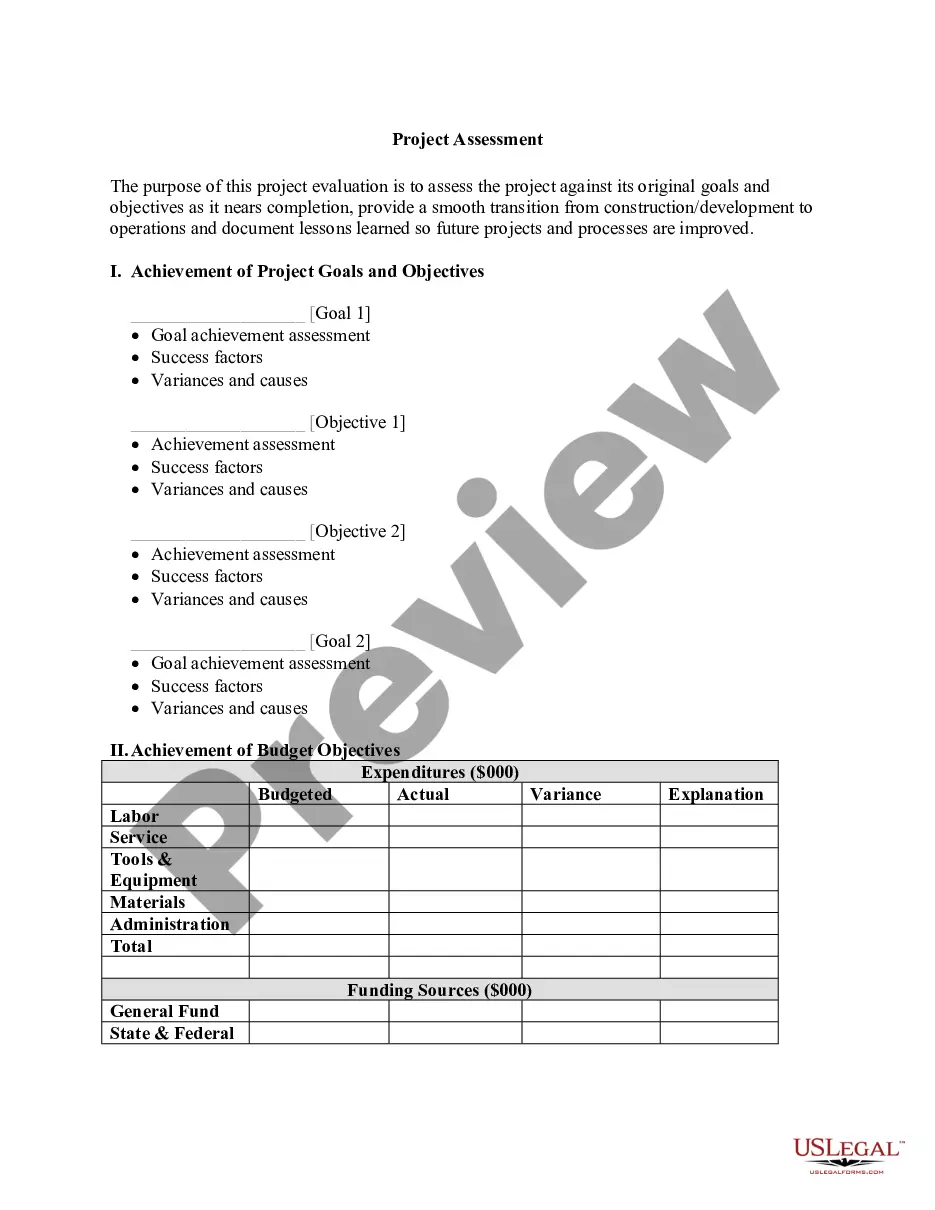
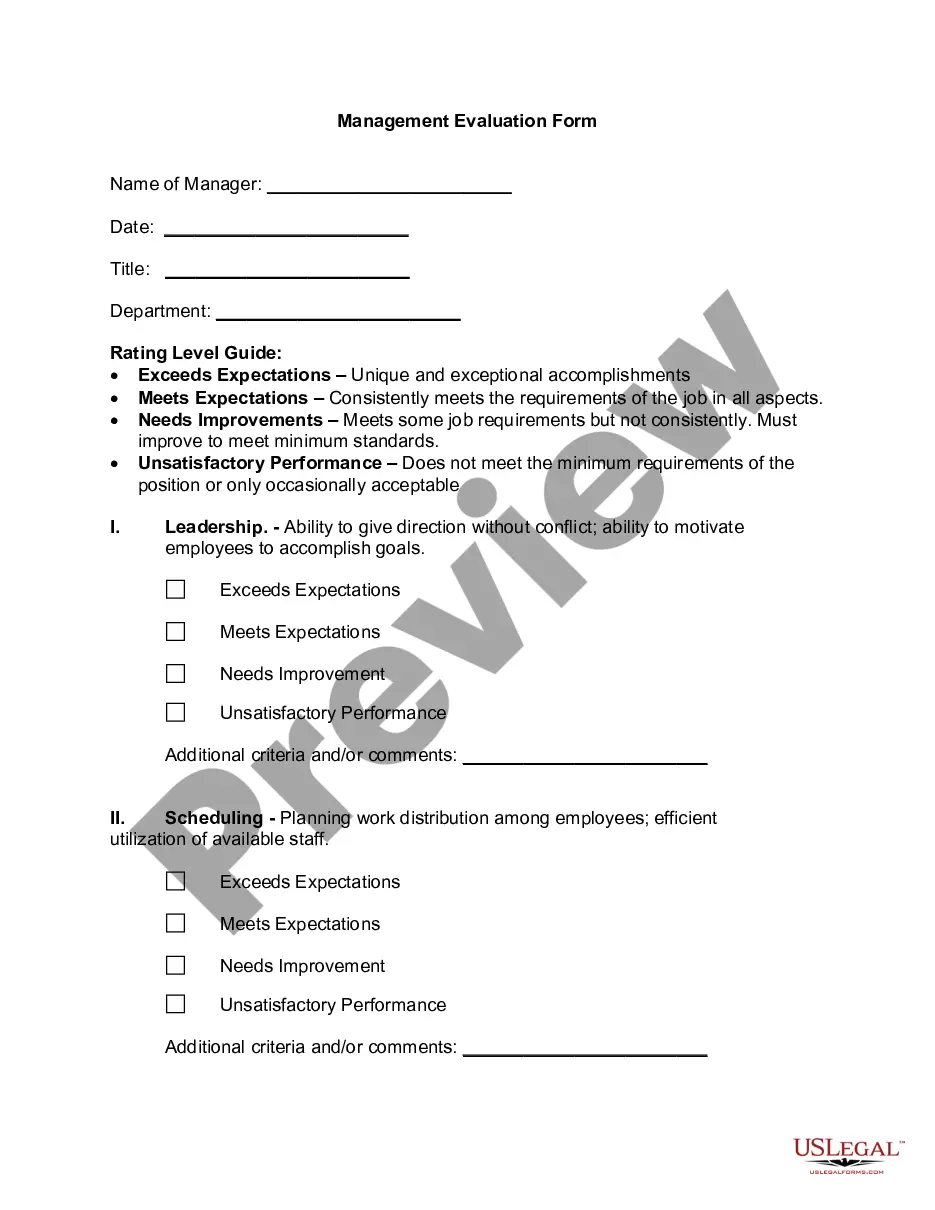
The Requirements Evaluation form is a crucial tool used during the preliminary phase of a project. This form helps identify the gaps between the current system and the desired outcomes, providing a structured approach to assessing needs for improvement. Unlike other forms, such as project proposals or assessments, the Requirements Evaluation specifically focuses on uncovering needs and determining actionable solutions for educational, corporate, or community settings.
Main sections of this form
- Gap analysis methods for observing and gathering input from various stakeholders.
- Assessment of current skills, knowledge, and abilities in relation to organizational goals.
- A clear statement of the desired outcomes and functions needed for success.
- Prioritization criteria for identifying the most critical needs and solutions.
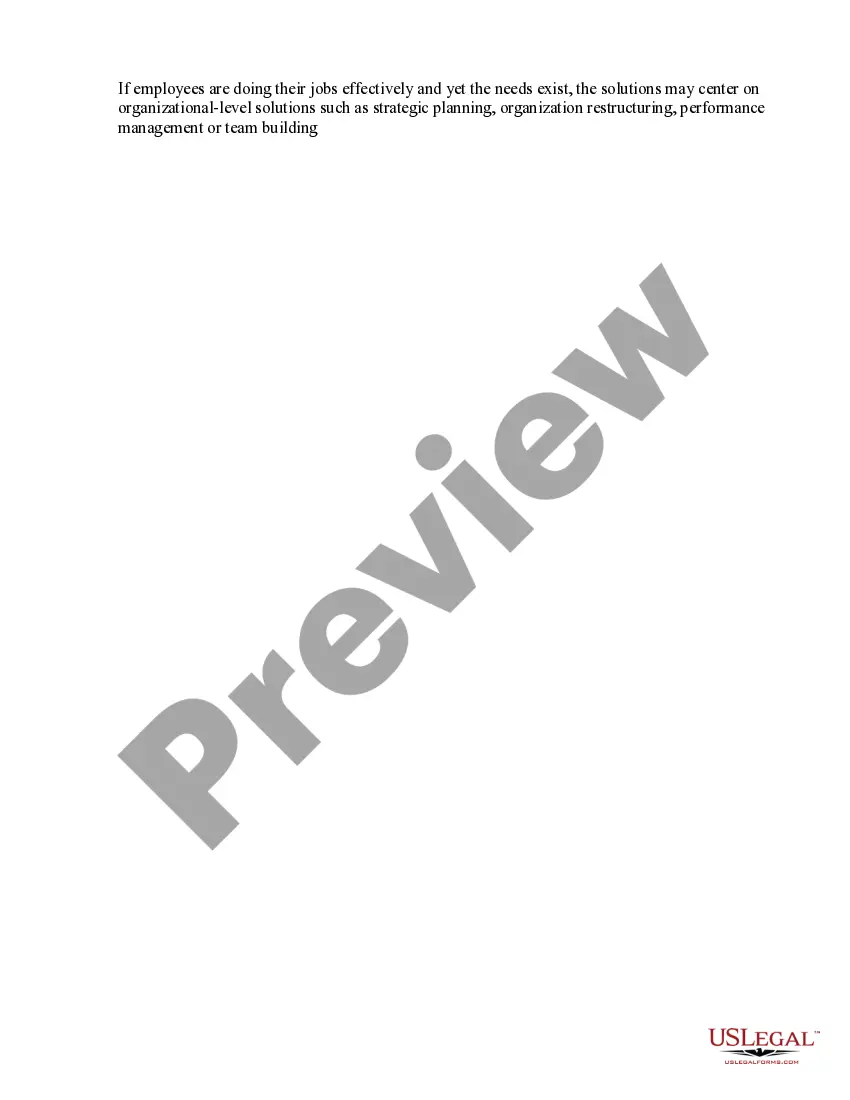
- Evaluation of causes behind performance issues and opportunities for improvements.
Situations where this form applies
This form should be utilized when organizations are embarking on new projects or initiatives that require a clear understanding of existing capabilities and areas needing improvement. It's particularly important when there are noticeable gaps in performance or when exploring new strategies, especially in educational institutions, corporate training programs, or community outreach efforts.
Who needs this form
- Project managers looking to assess and enhance project readiness.
- Educators and training coordinators aiming to identify gaps in student or employee skills.
- Organizational leaders implementing new strategies or restructuring efforts.
- Consultants conducting needs assessments for clients in various sectors.
Completing this form step by step
- Identify the target group for evaluation and determine appropriate data collection methods.
- Gather data through observation, surveys, interviews, or focus groups.
- Assess current skills and capabilities, noting existing organizational constraints.
- Create a clear statement delineating the desired state of performance.
- Prioritize the identified needs, considering factors like cost-effectiveness and urgency.
- Develop and document alternative solutions or growth opportunities based on evaluations.
Notarization guidance
Notarization is not commonly needed for this form. However, certain documents or local rules may make it necessary. Our notarization service, powered by Notarize, allows you to finalize it securely online anytime, day or night.
Get your form ready online
Our built-in tools help you complete, sign, share, and store your documents in one place.
Make edits, fill in missing information, and update formatting in US Legal Forms—just like you would in MS Word.
Download a copy, print it, send it by email, or mail it via USPS—whatever works best for your next step.
Sign and collect signatures with our SignNow integration. Send to multiple recipients, set reminders, and more. Go Premium to unlock E-Sign.
If this form requires notarization, complete it online through a secure video call—no need to meet a notary in person or wait for an appointment.
We protect your documents and personal data by following strict security and privacy standards.

Make edits, fill in missing information, and update formatting in US Legal Forms—just like you would in MS Word.

Download a copy, print it, send it by email, or mail it via USPS—whatever works best for your next step.

Sign and collect signatures with our SignNow integration. Send to multiple recipients, set reminders, and more. Go Premium to unlock E-Sign.

If this form requires notarization, complete it online through a secure video call—no need to meet a notary in person or wait for an appointment.

We protect your documents and personal data by following strict security and privacy standards.
Common mistakes to avoid
- Neglecting to involve all relevant stakeholders in the evaluation process.
- Focusing solely on perceived needs rather than actual gaps in performance.
- Failing to prioritize needs, which can lead to ineffective solutions.
- Overlooking legal or regulatory requirements in the evaluation process.
Benefits of using this form online
- Convenient access: Download and complete the form at your convenience.
- Editability: Easily modify the form as your project needs evolve.
- Reliability: Templates are drafted by licensed attorneys, ensuring compliance with legal standards.
What to keep in mind
- The Requirements Evaluation form helps to systematically identify and address organizational gaps.
- It is essential for effective project planning and ensuring alignment with goals.
- Prioritization of needs is crucial for developing impactful solutions.
Looking for another form?

Form popularity
FAQ
Evaluation Criteria RELEVANCE is the intervention doing the right things? COHERENCE how well does the intervention fit? EFFECTIVENESS is the intervention achieving its objectives? EFFICIENCY how well are resources being used? IMPACT what difference does the intervention make? SUSTAINABILITY will the benefits last?
An example of an evaluation policy is: Our project will have strategies in place so the staff and the advisory committee are able to: Identify the extent to which the project is achieving its aims and objectives (consistent with its core values) Continually improve the work of the project and.
Applying Evaluation Criteria Thoughtfully Relevance, coherence, effectiveness, efficiency, impact, and sustainability are widely used evaluation criteria, particularly in international development co-operation.
Relevance, coherence, effectiveness, efficiency, impact, and sustainability are widely used evaluation criteria, particularly in international development co-operation. They help to determine the merit or worth of various interventions, such as strategies, policies, programmes or projects.
There are six (6) criteria that should be applied when evaluating any Web site: authority, accuracy, objectivity, currency, coverage, and appearance.
The DAC definition of evaluation contains five criteria: relevance, effectiveness efficiency, sustainability and impact.
There are five criteria we can use to evaluate any piece of writing. These criteria are Focus, Development, Organization, Style, and Conventions.
Researchers Johnson, Scholes, and Whittington have proposed that a business strategy's potential success is based on looking at the following three criteria: suitability, feasibility, and acceptability.