Texas Confidentiality and Nonuse Agreement Including Protection of Confidential Information of Former Clients and Third Parties
Description
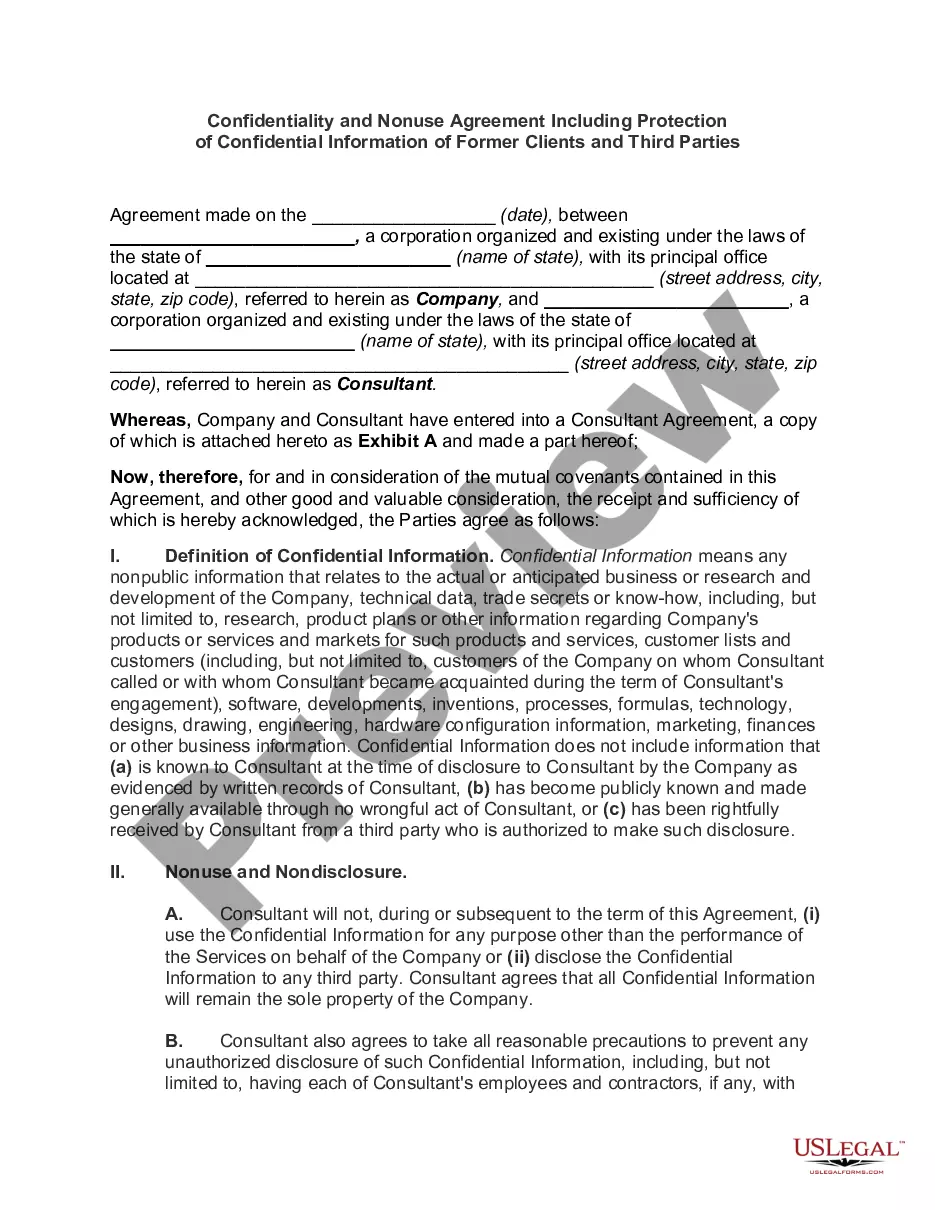
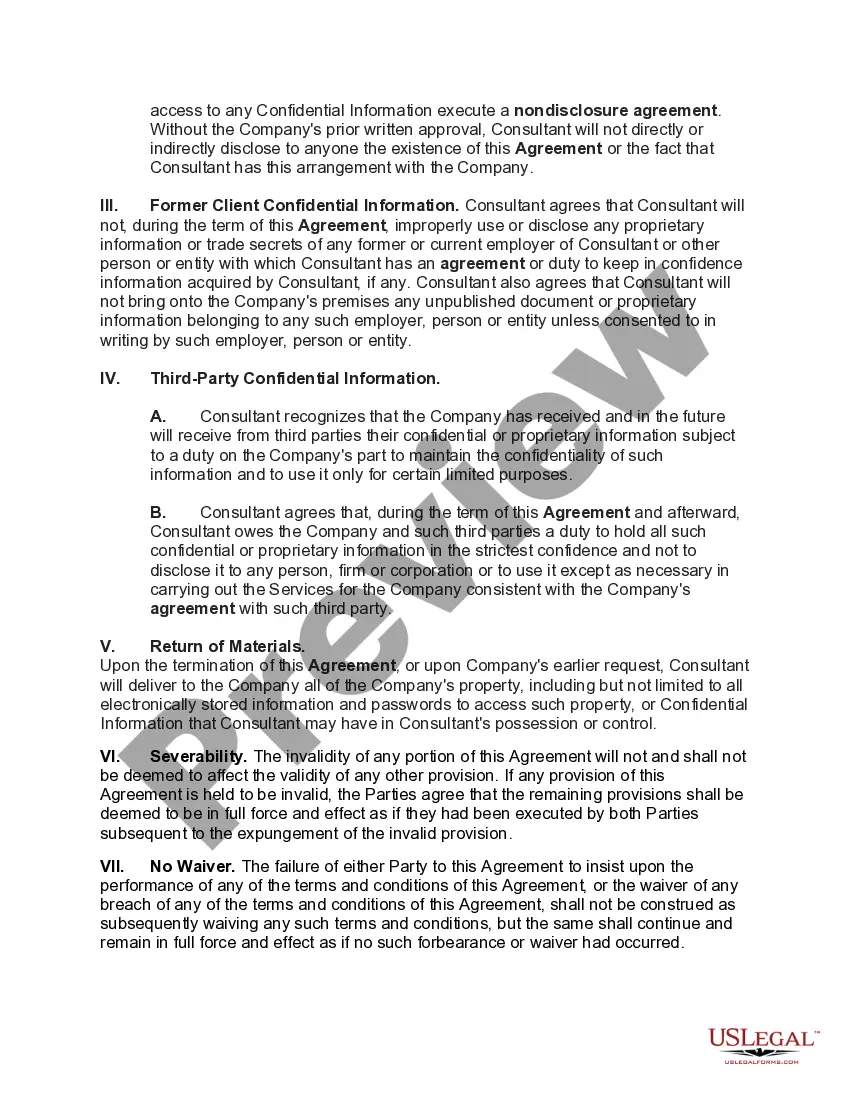
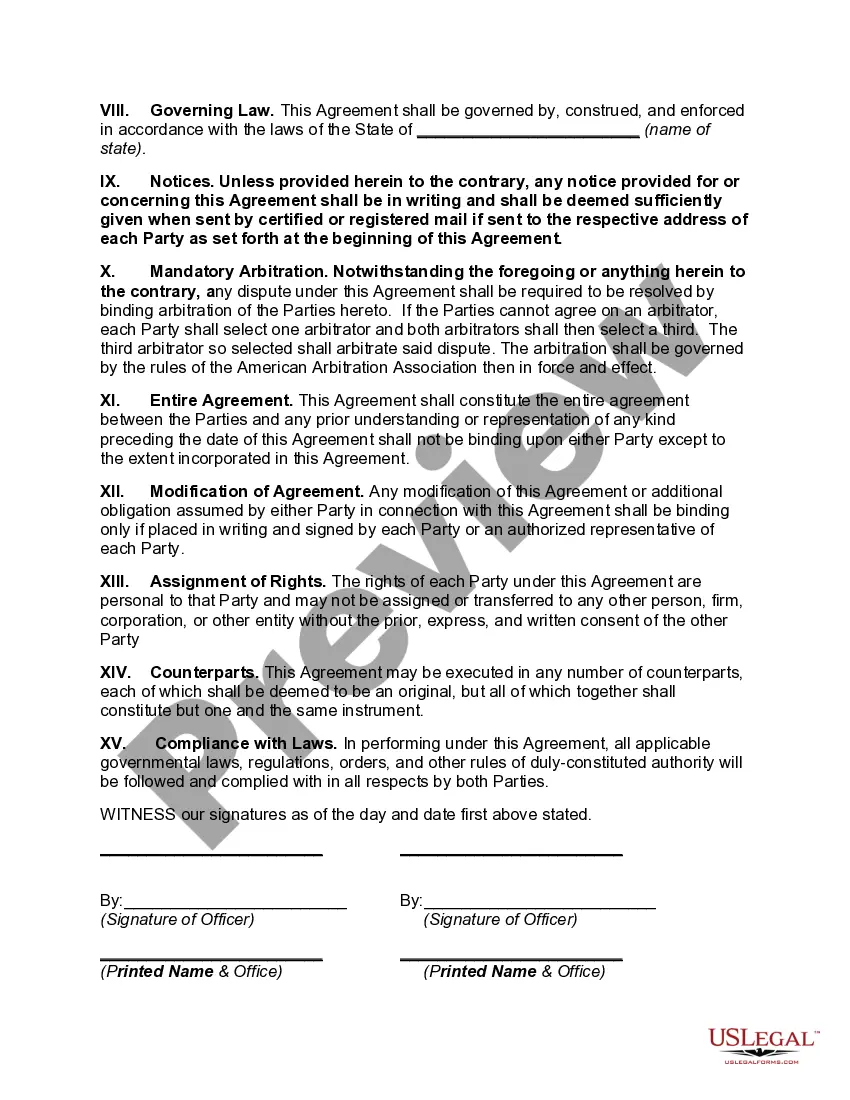
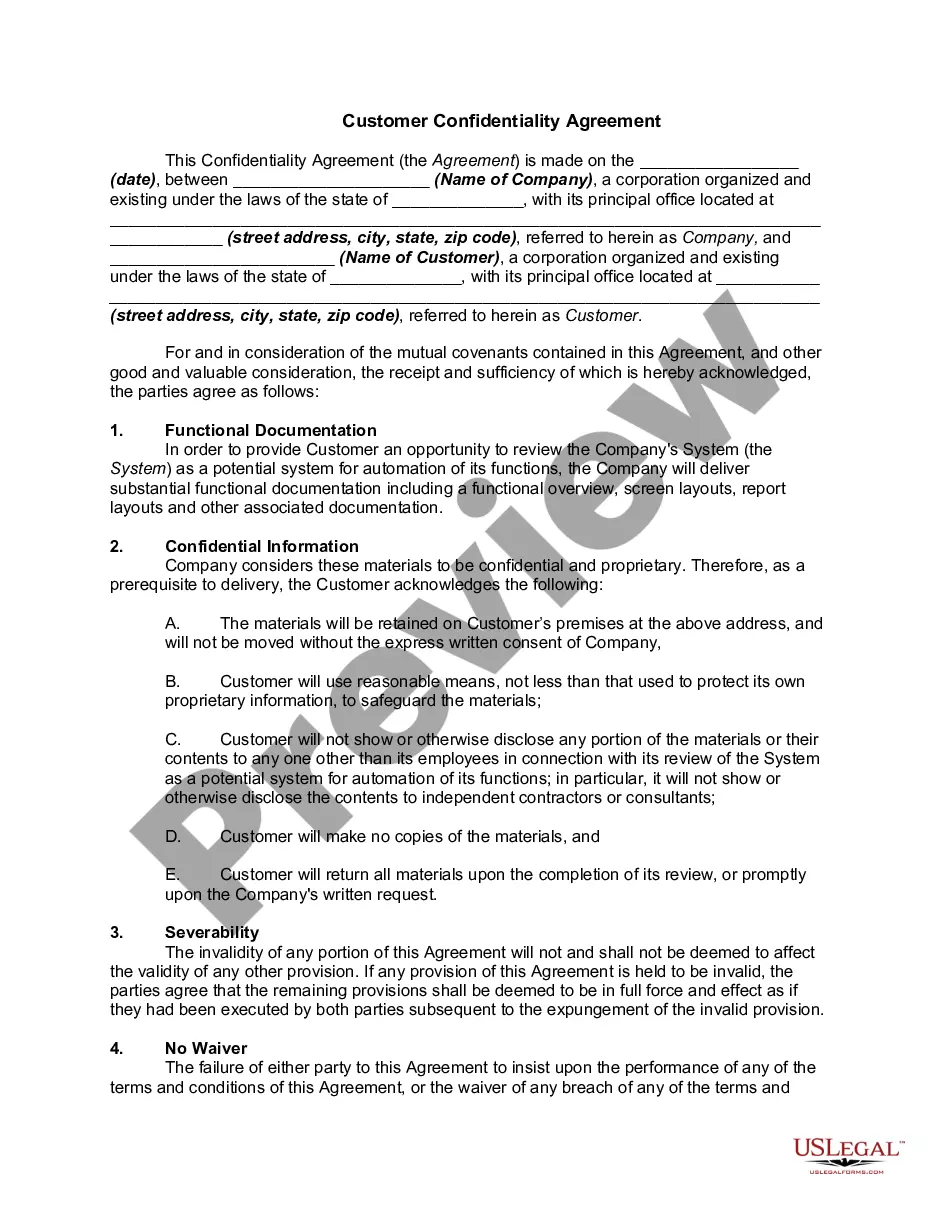
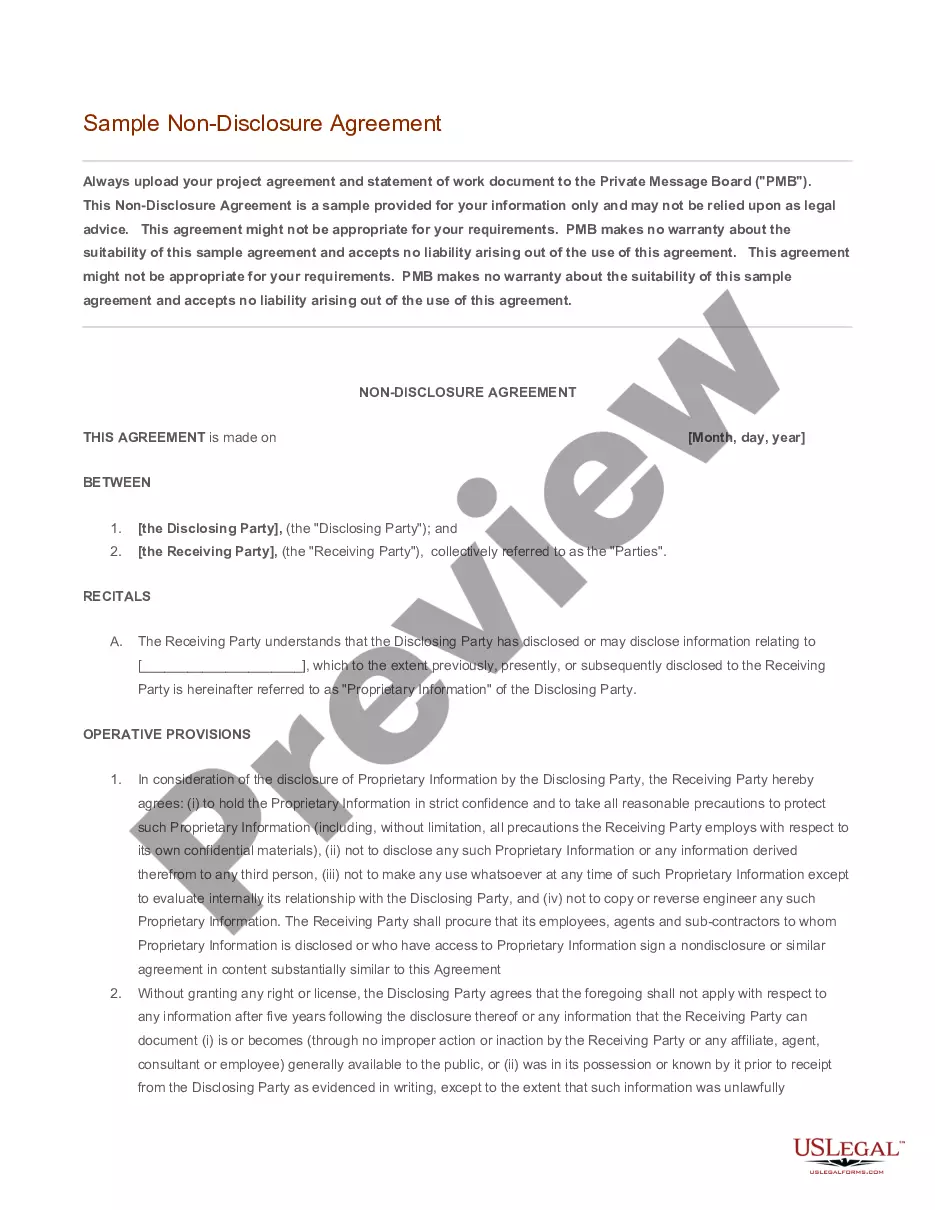
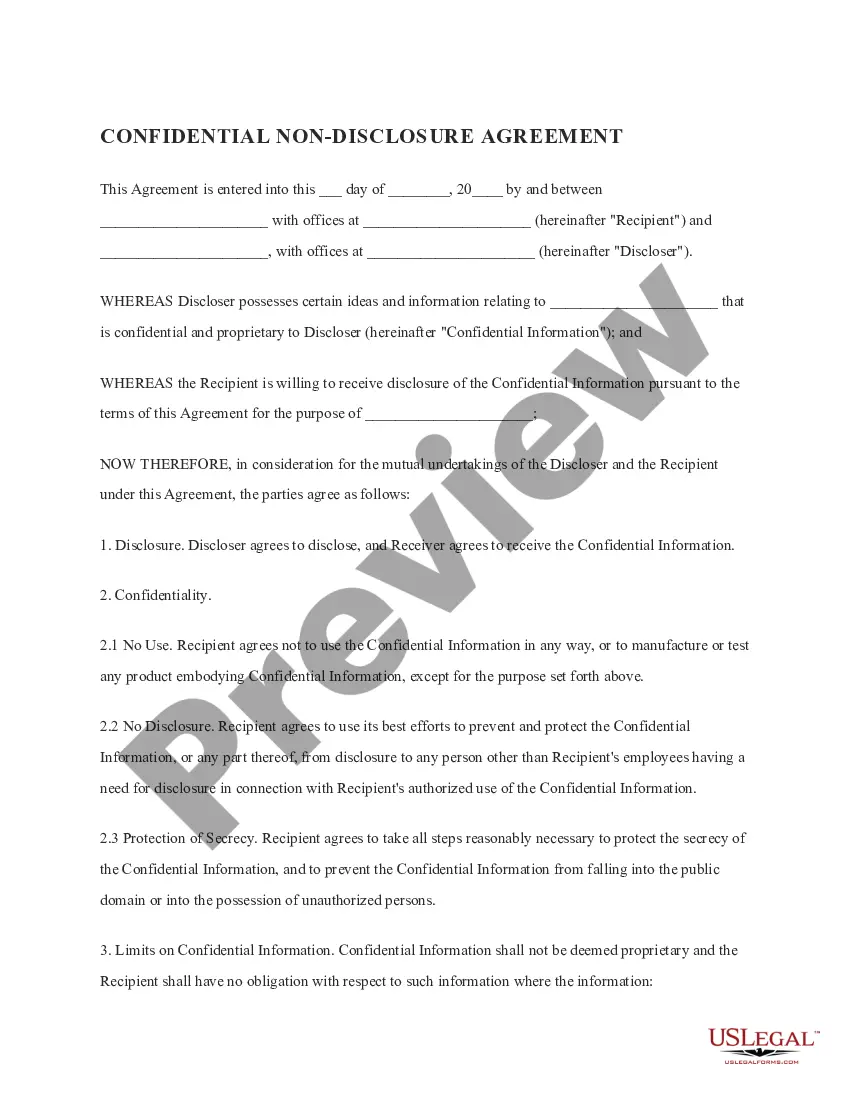
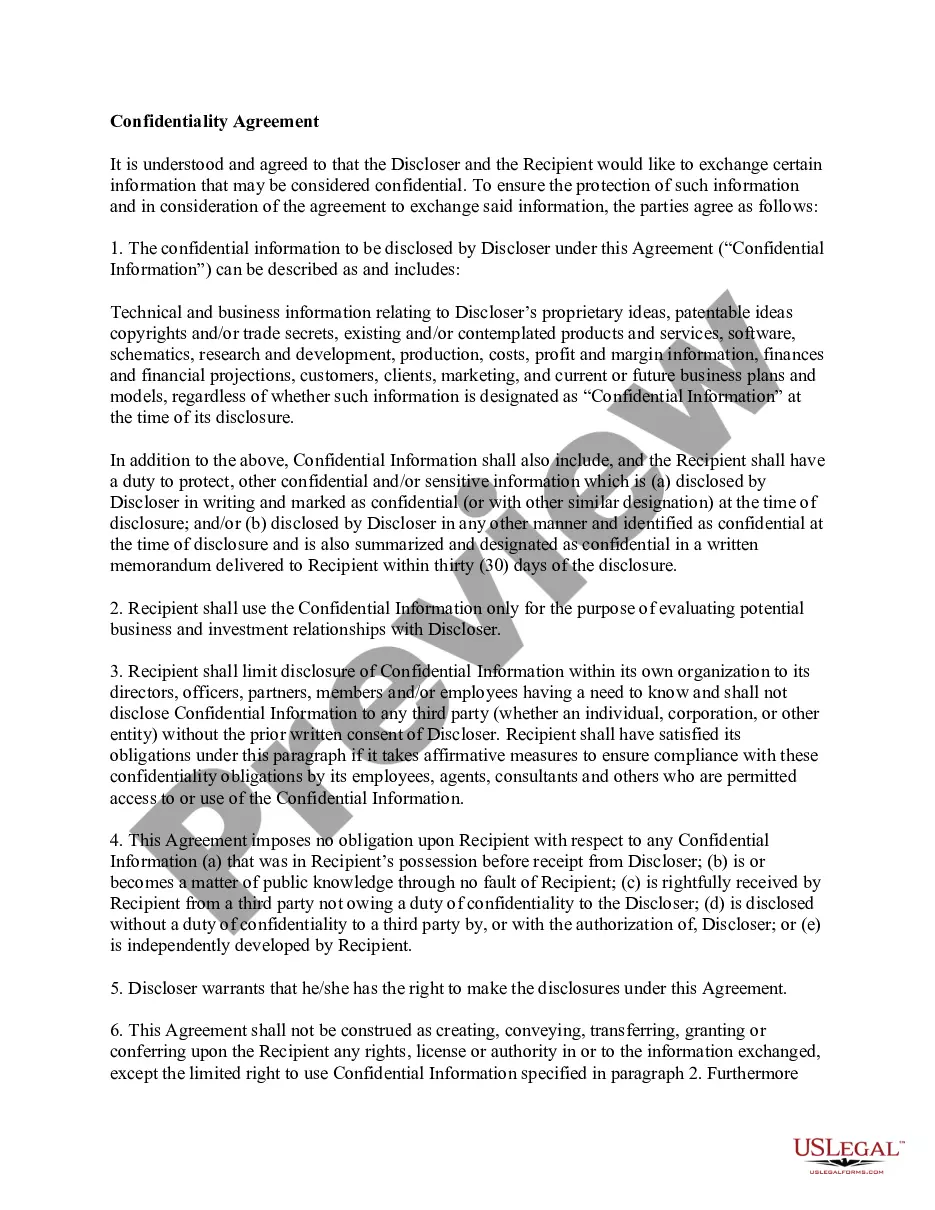
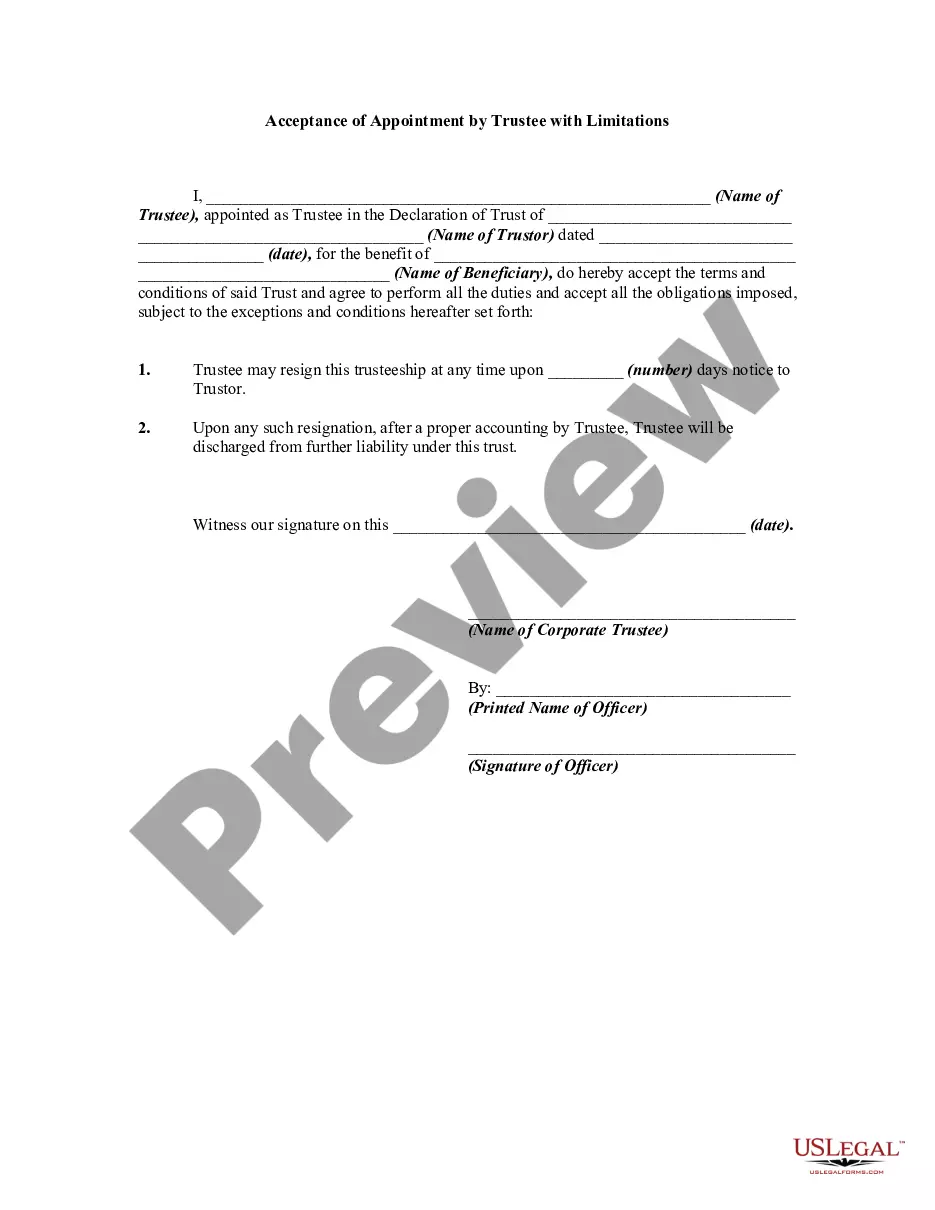
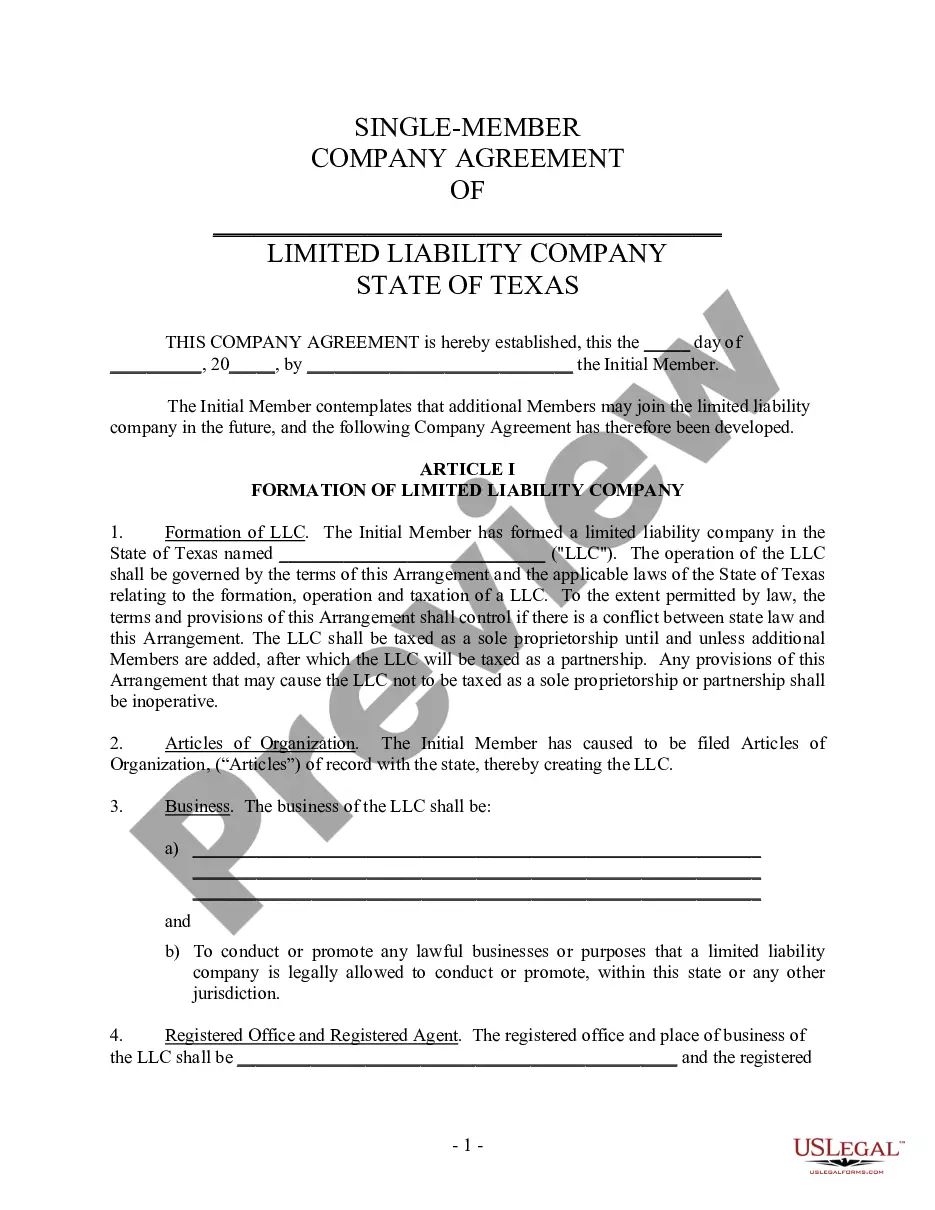
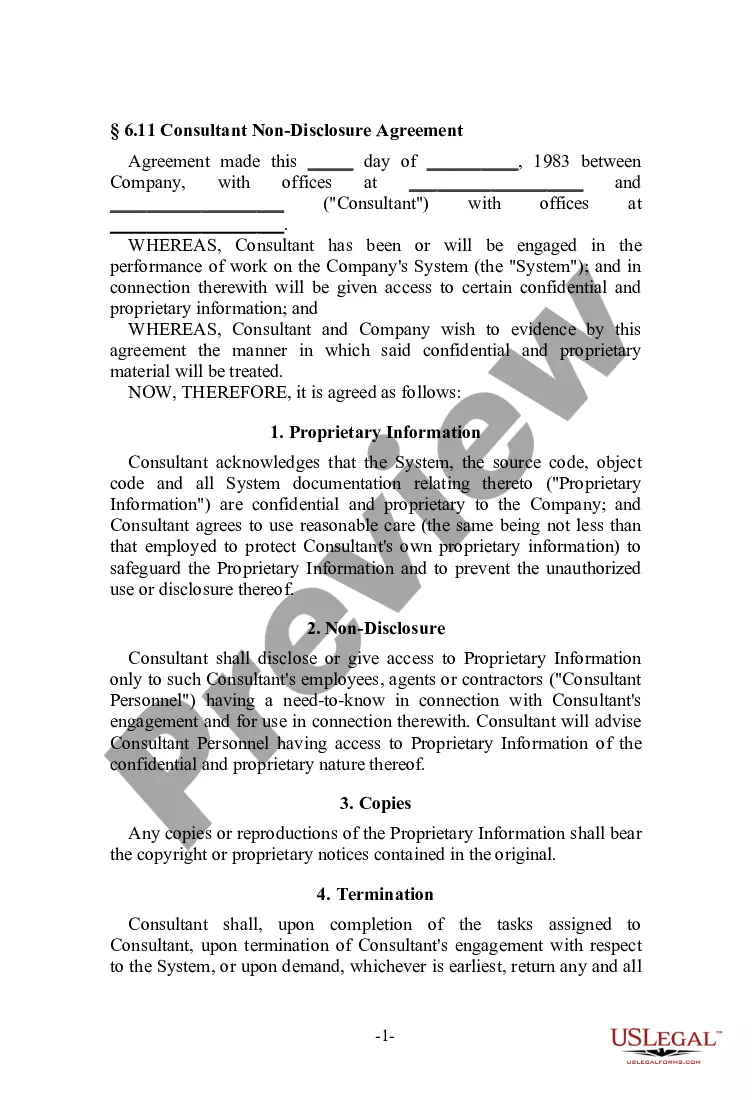
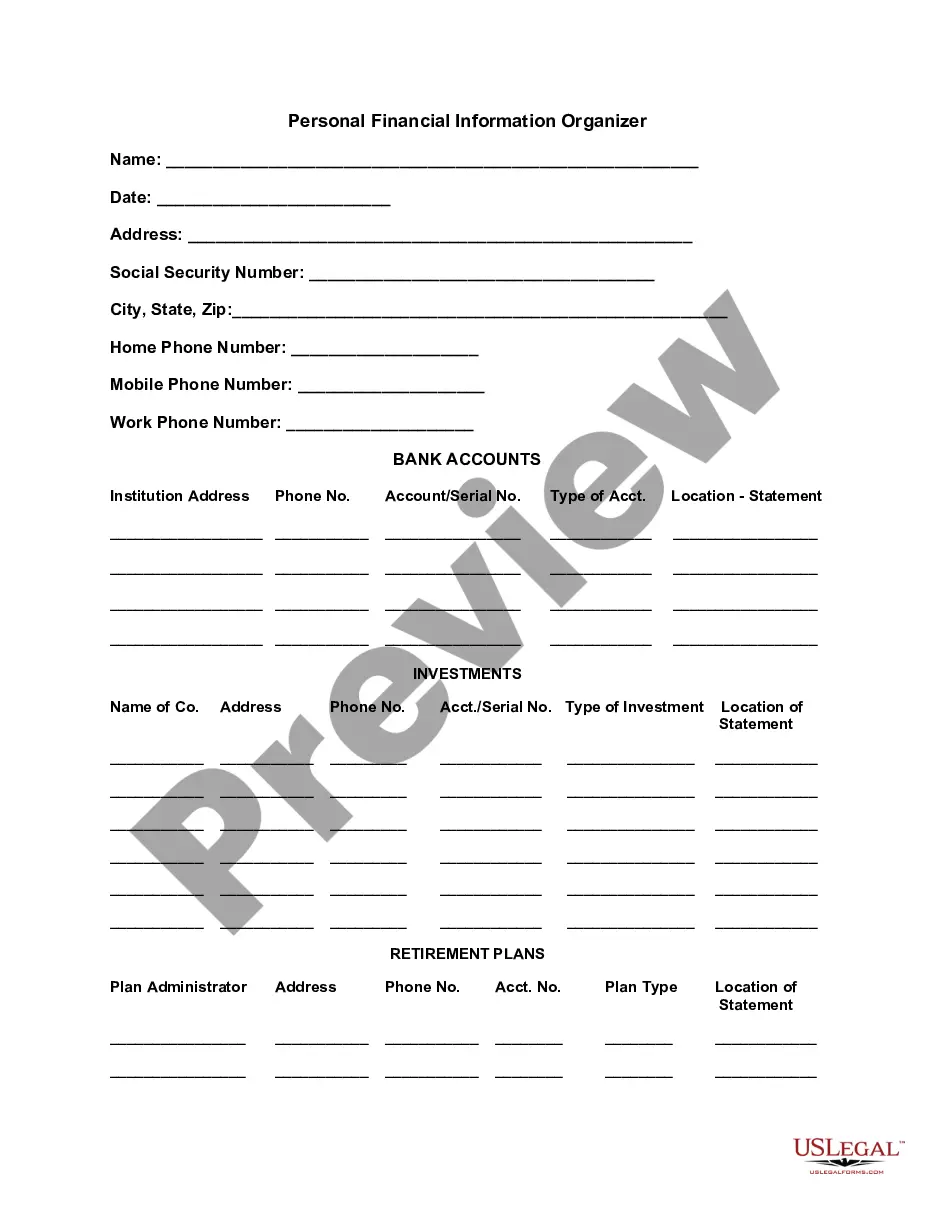

How to fill out Confidentiality And Nonuse Agreement Including Protection Of Confidential Information Of Former Clients And Third Parties?
US Legal Forms - one of the largest repositories of legal documents in the United States - offers a vast selection of legal document templates that you can download or print.
By using the website, you can access thousands of templates for business and personal purposes, organized by categories, states, or keywords. You can quickly find the most current documents like the Texas Confidentiality and Nonuse Agreement Including Protection of Confidential Information of Former Clients and Third Parties.
If you already hold a membership, Log In and download the Texas Confidentiality and Nonuse Agreement Including Protection of Confidential Information of Former Clients and Third Parties from the US Legal Forms collection. The Download button will appear on every form you view. You can access all previously saved templates in the My documents section of your profile.
Complete the transaction. Use your credit card or PayPal account to finalize the transaction.
Select the format and download the form to your device. Make modifications. Fill out, edit, and print and sign the saved Texas Confidentiality and Nonuse Agreement Including Protection of Confidential Information of Former Clients and Third Parties. Each template you added to your account does not have an expiration date and is yours indefinitely. Therefore, if you want to download or print another copy, simply go to the My documents section and click on the form you need. Access the Texas Confidentiality and Nonuse Agreement Including Protection of Confidential Information of Former Clients and Third Parties with US Legal Forms, the most comprehensive collection of legal document templates. Utilize thousands of professionally and state-specific templates that fulfill your business or personal requirements and specifications.
- If you wish to use US Legal Forms for the first time, here are simple instructions to assist you in getting started.
- Make sure you have chosen the correct form for your area/county.
- Click the Review button to examine the form's content.
- Check the form summary to ensure you have selected the right form.
- If the form doesn't meet your needs, use the Search field at the top of the screen to find one that does.
- Once you are happy with the form, confirm your choice by clicking the Get now button.
- Then, select your preferred payment method and provide your credentials to register for an account.
Form popularity
FAQ
While it is not mandatory to hire a lawyer for creating a Texas Confidentiality and Nonuse Agreement Including Protection of Confidential Information of Former Clients and Third Parties, it can be beneficial. A legal professional ensures that the agreement meets Texas laws and adequately protects your interests. By using platforms like US Legal Forms, you can access customizable templates that can guide you in drafting a legally sound NDA. It's wise to understand the specific terms and implications to avoid future disputes.
Two common exceptions to the confidentiality rule are public disclosure and legal compliance. If information is already available to the public or if a legal obligation mandates its disclosure, the confidentiality obligations may not apply. Knowing these exceptions can create clarity when drafting your Texas Confidentiality and Nonuse Agreement Including Protection of Confidential Information of Former Clients and Third Parties. Utilizing resources from uslegalforms can make this process smoother.
In Texas, exceptions to confidentiality include disclosures required by a court or government authority, information that is already public knowledge, and cases where the recipient had prior knowledge of the information. Understanding these specific exceptions can significantly impact your confidentiality agreements. If you need assistance, platforms like uslegalforms can provide resources for drafting a robust Texas Confidentiality and Nonuse Agreement Including Protection of Confidential Information of Former Clients and Third Parties.
The three main exceptions to confidentiality generally cover information that is publicly available, disclosures mandated by legal obligations, and scenarios in which a party has consented to sharing the information. Each exception has its own implications, which can influence the effectiveness of your Texas Confidentiality and Nonuse Agreement Including Protection of Confidential Information of Former Clients and Third Parties. Being aware of these exceptions will help you navigate confidentiality layers more effectively.
The seven exceptions to confidentiality typically include: public knowledge, independent discovery, prior knowledge, disclosures required by law, information received from third parties without confidentiality obligations, information disclosed with consent, and situations that do not harm the public interest. Recognizing these exceptions is important when drafting your Texas Confidentiality and Nonuse Agreement Including Protection of Confidential Information of Former Clients and Third Parties. This understanding enables you to establish boundaries while protecting crucial data.
An NDA may become unenforceable if it lacks reasonable terms or if it is overly broad in its scope. If the information is not well defined or if the agreement violates public policies, its enforceability could be compromised. It's essential to ensure your Texas Confidentiality and Nonuse Agreement Including Protection of Confidential Information of Former Clients and Third Parties is clear and specific to protect your interests effectively. Consulting legal expertise can enhance its viability.
Confidential information is crucial, but there are exceptions where disclosure might be necessary. Common exceptions include information that becomes public knowledge or is independently developed without breach. Additionally, disclosures mandated by law or in response to subpoenas also constitute exceptions. Understanding these nuances can help you create a better Texas Confidentiality and Nonuse Agreement Including Protection of Confidential Information of Former Clients and Third Parties.
Yes, confidentiality agreements, often referred to as non-disclosure agreements (NDAs), are enforceable in Texas. When properly structured, these agreements protect sensitive information under Texas law. A comprehensive Texas Confidentiality and Nonuse Agreement Including Protection of Confidential Information of Former Clients and Third Parties can ensure that binding obligations are clearly stated. It is important to include specific terms and scope to enhance enforceability.
Yes, confidentiality agreements can be legally binding provided they meet essential legal requirements, such as clarity, mutual consent, and consideration. When each party agrees to uphold confidentiality terms, the agreement becomes enforceable in a court of law. To ensure your confidentiality wishes are upheld, you may utilize a Texas Confidentiality and Nonuse Agreement Including Protection of Confidential Information of Former Clients and Third Parties, which is designed to provide legal protection.
An NDA (Non-Disclosure Agreement) primarily focuses on restricting the sharing of confidential information, while a DPA (Data Processing Agreement) governs the management of personal data in compliance with regulations like GDPR. Understanding these differences can help you choose the appropriate document for your specific situation. If your goal involves protecting confidential information from former clients and third parties, consider a Texas Confidentiality and Nonuse Agreement Including Protection of Confidential Information of Former Clients and Third Parties.
