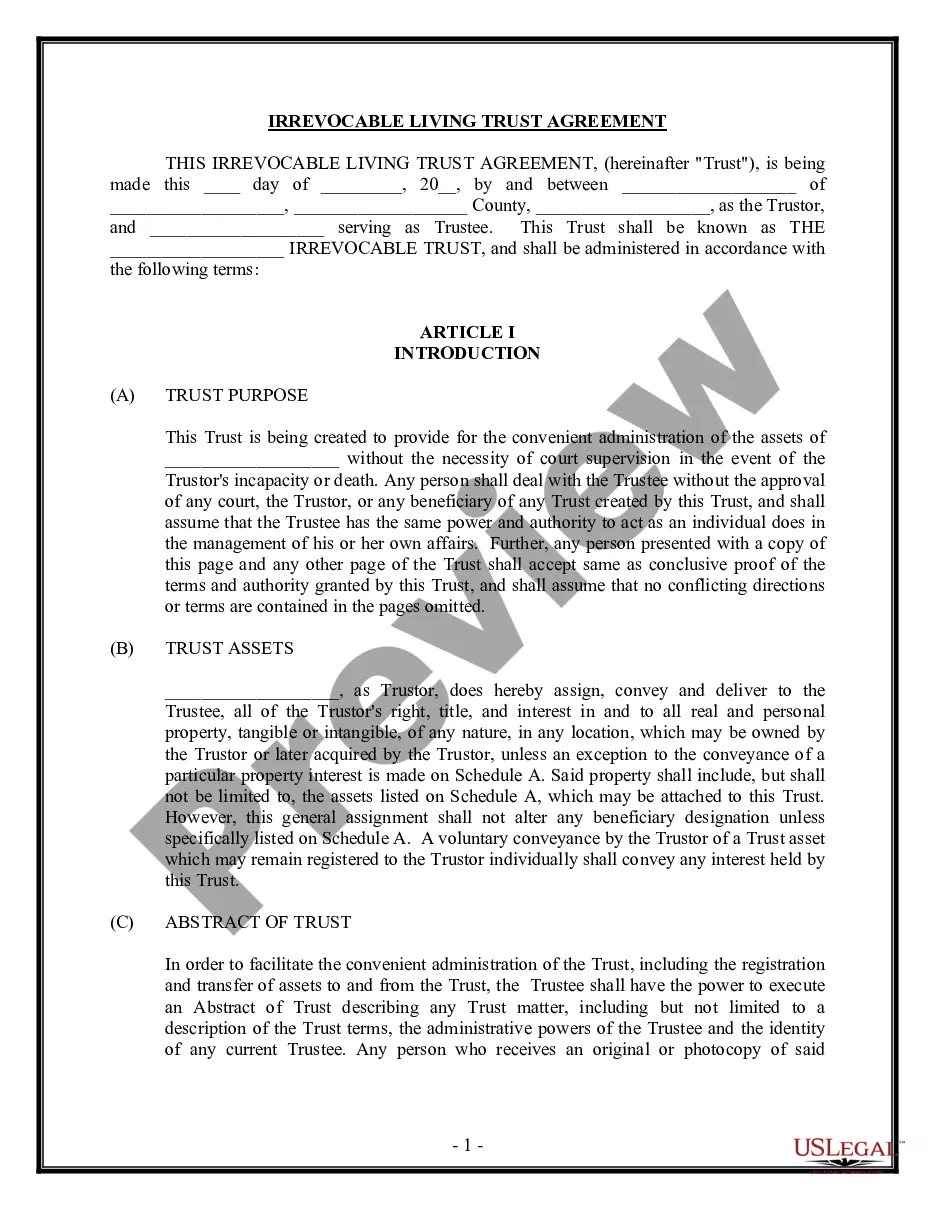
Texas Partnership Agreement for LLP
Description




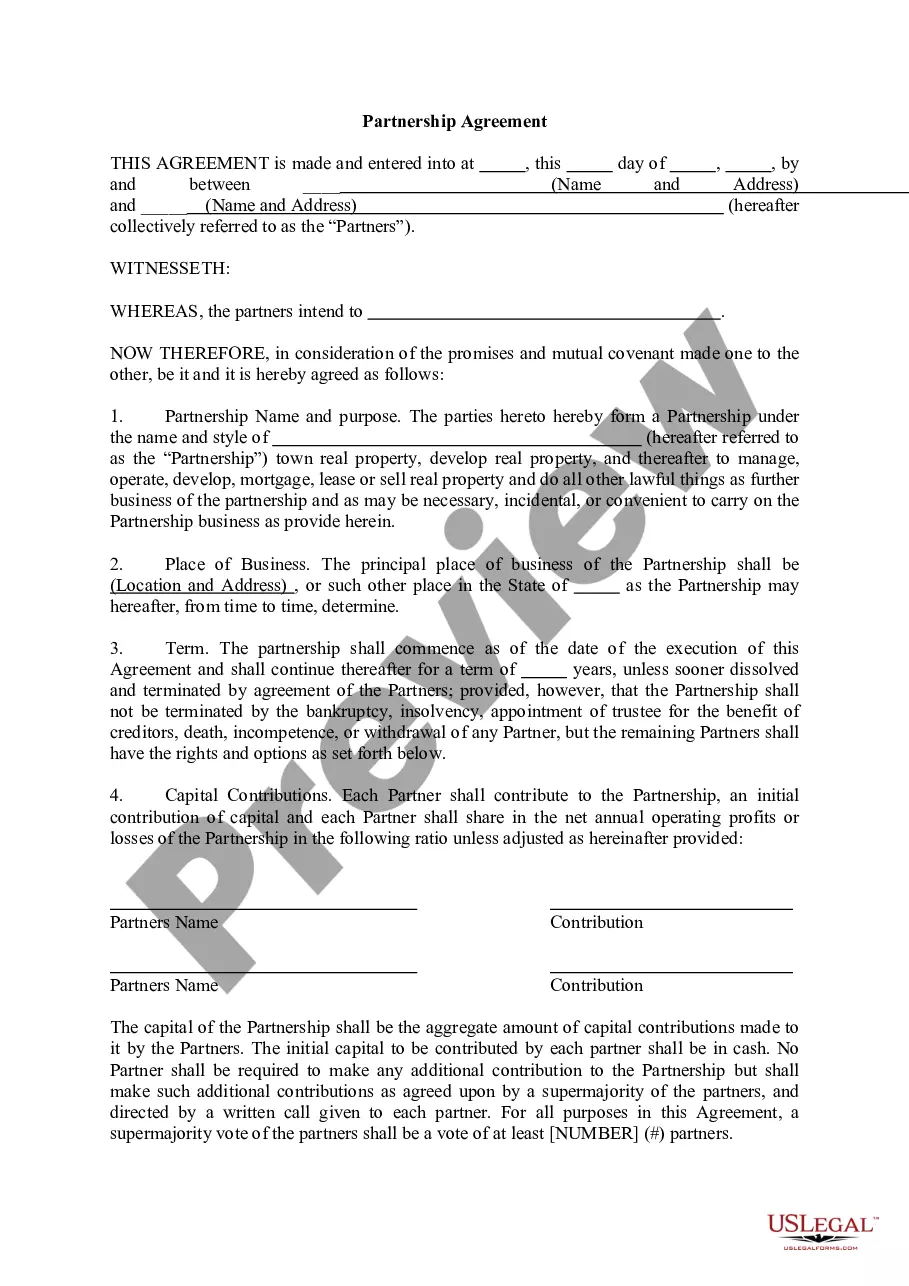
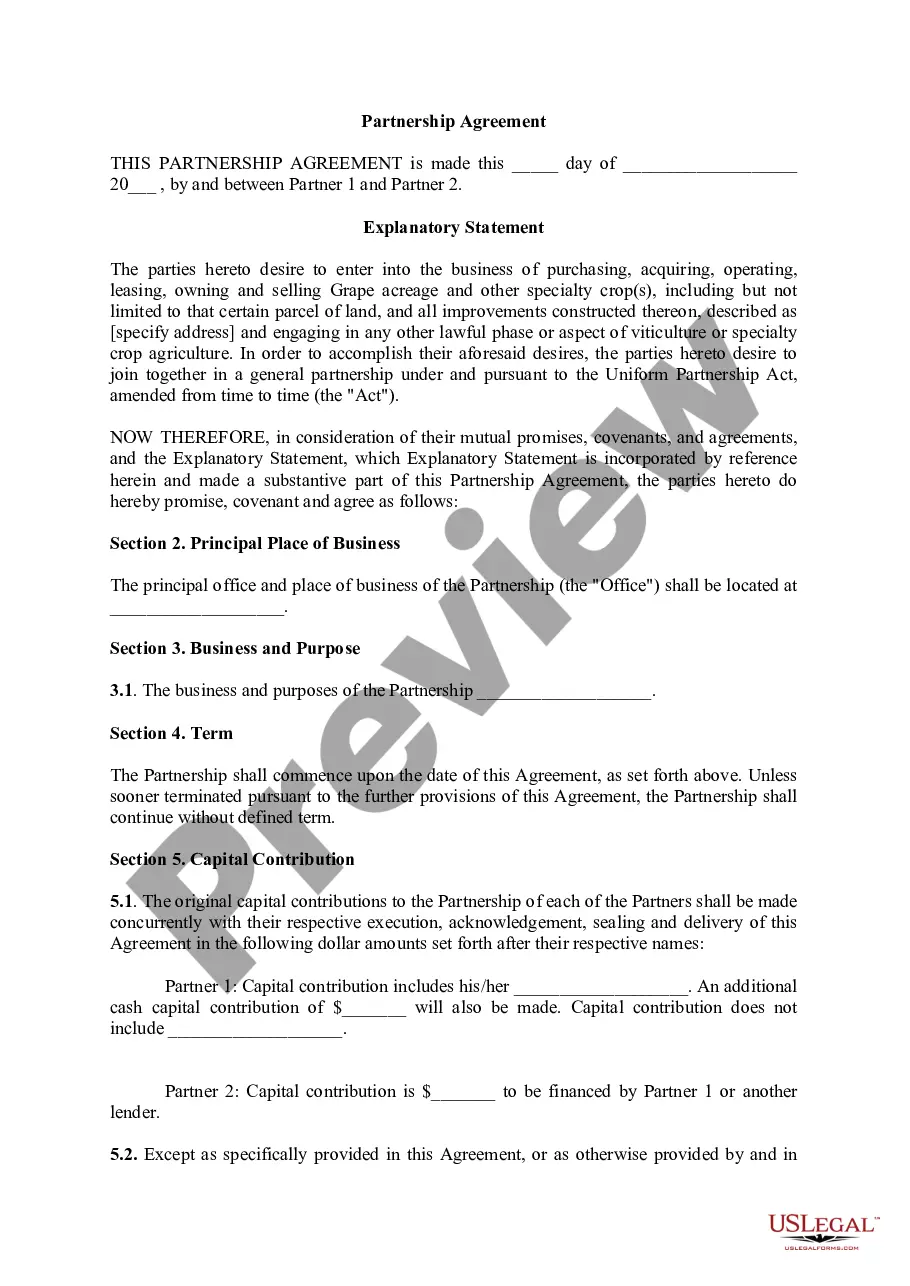
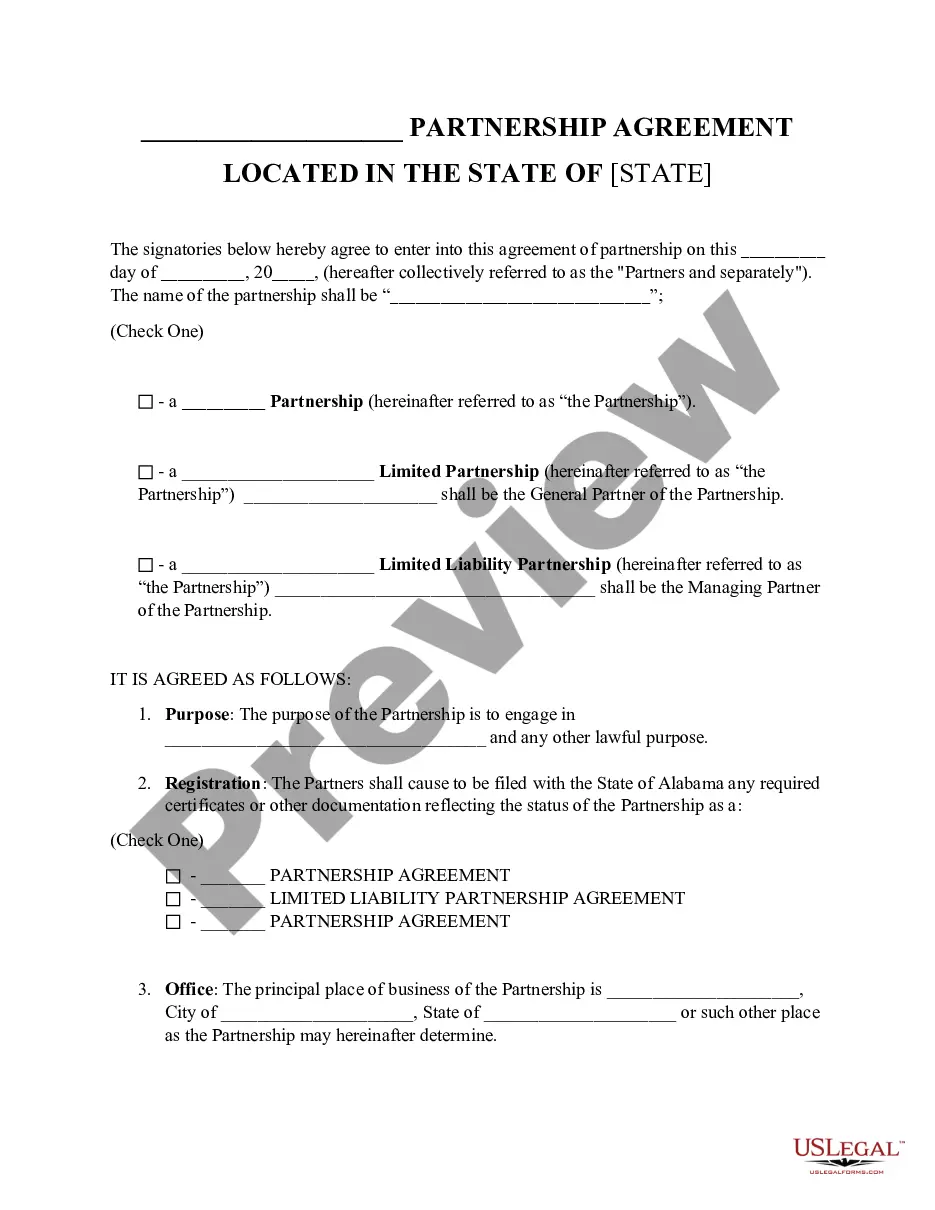
Get your form ready online
Our built-in tools help you complete, sign, share, and store your documents in one place.
Make edits, fill in missing information, and update formatting in US Legal Forms—just like you would in MS Word.
Download a copy, print it, send it by email, or mail it via USPS—whatever works best for your next step.
Sign and collect signatures with our SignNow integration. Send to multiple recipients, set reminders, and more. Go Premium to unlock E-Sign.
If this form requires notarization, complete it online through a secure video call—no need to meet a notary in person or wait for an appointment.
We protect your documents and personal data by following strict security and privacy standards.

Make edits, fill in missing information, and update formatting in US Legal Forms—just like you would in MS Word.

Download a copy, print it, send it by email, or mail it via USPS—whatever works best for your next step.

Sign and collect signatures with our SignNow integration. Send to multiple recipients, set reminders, and more. Go Premium to unlock E-Sign.

If this form requires notarization, complete it online through a secure video call—no need to meet a notary in person or wait for an appointment.

We protect your documents and personal data by following strict security and privacy standards.
Looking for another form?


How to fill out Partnership Agreement For LLP?
You can spend numerous hours online searching for the appropriate legal document template that complies with the state and federal requirements you need.
US Legal Forms provides thousands of legal forms that are reviewed by professionals.
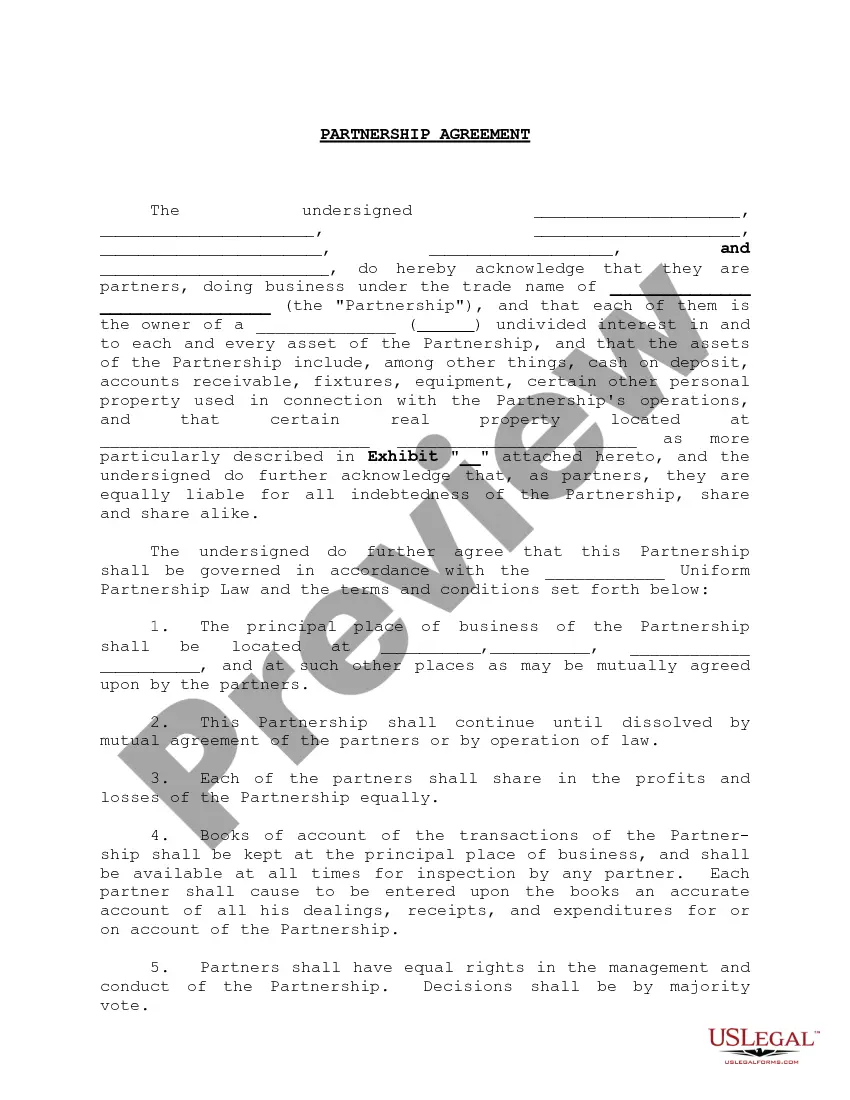
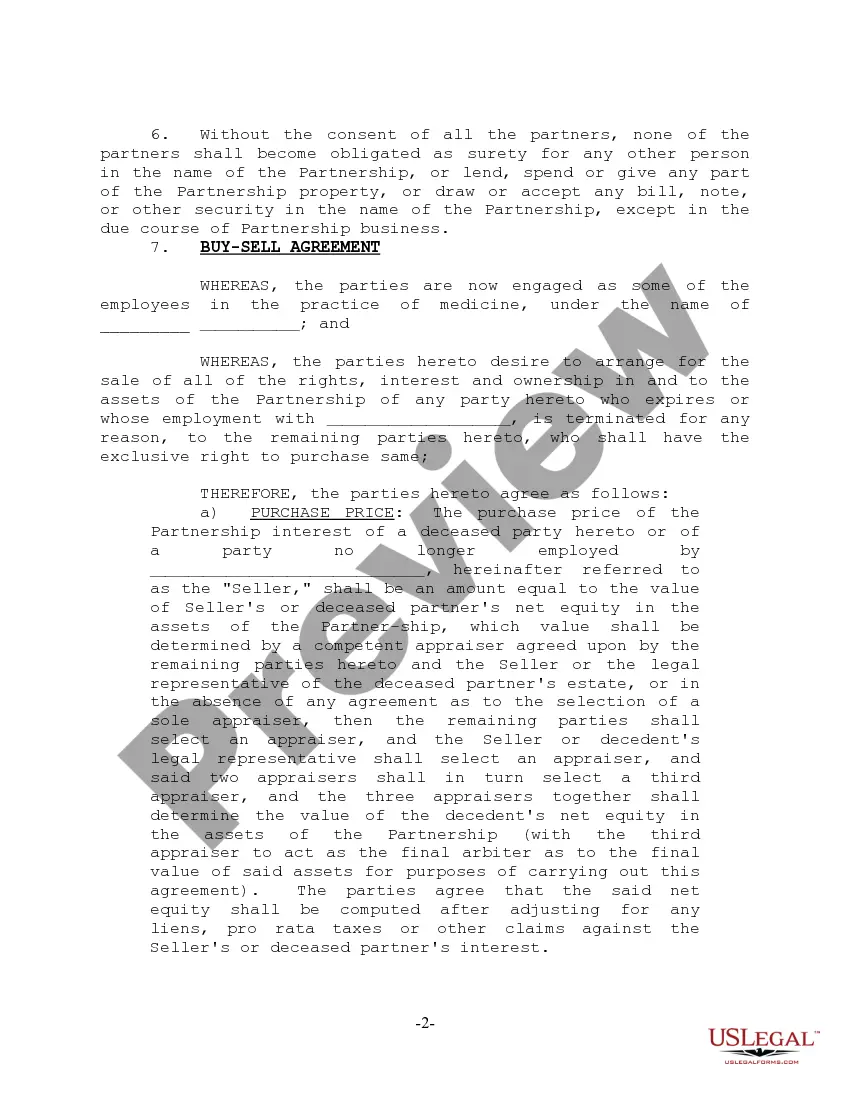
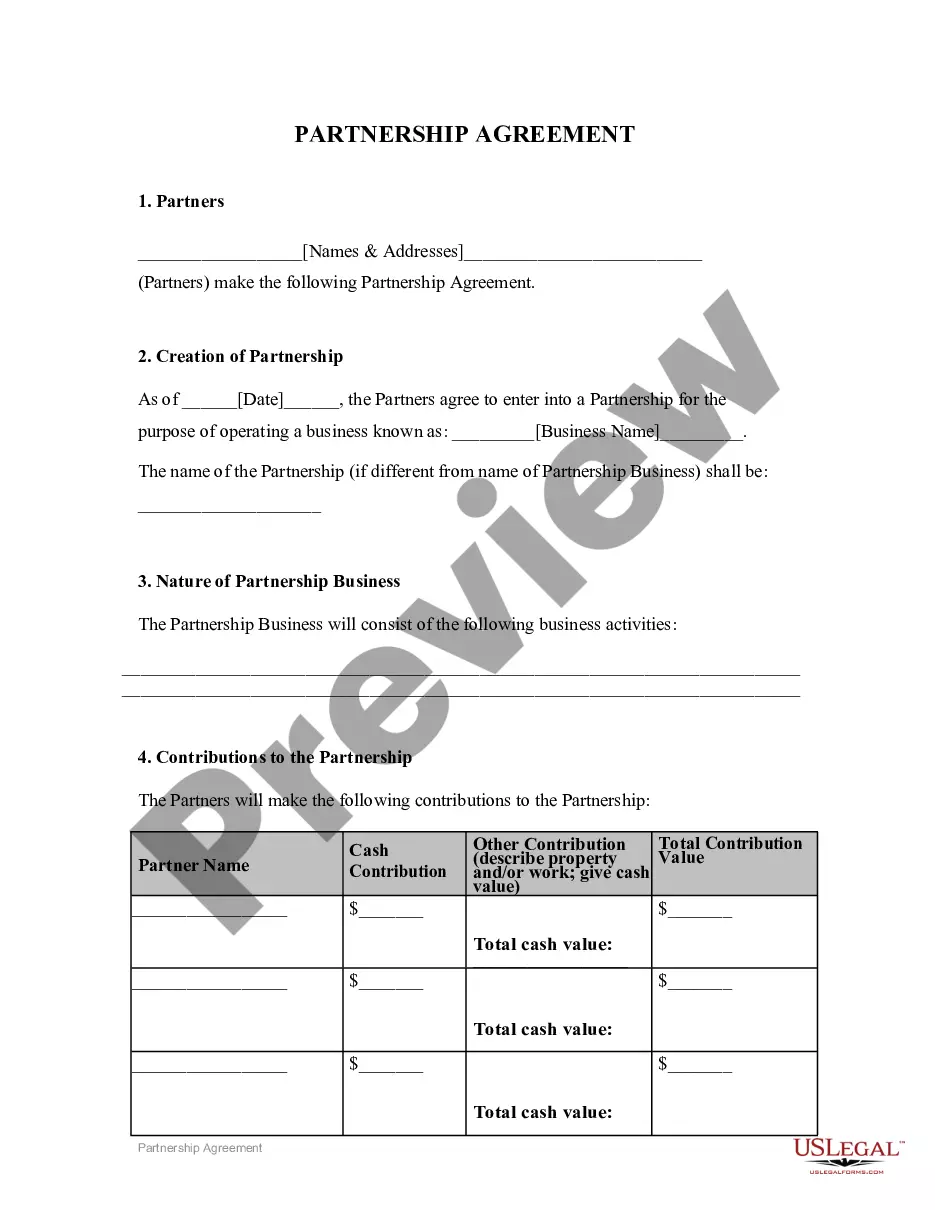
You can conveniently obtain or print the Texas Partnership Agreement for LLP from our service.
If available, use the Preview button to review the document template as well.
- If you already have a US Legal Forms account, you can Log In and then click the Download button.
- After that, you can fill out, modify, print, or sign the Texas Partnership Agreement for LLP.
- Every legal document template you receive is yours indefinitely.
- To obtain another copy of a purchased form, go to the My documents tab and click the corresponding button.
- If you are using the US Legal Forms website for the first time, follow the simple instructions provided below.
- First, ensure you have selected the correct document template for the county/area of your choice.
- Review the form description to ensure you have chosen the right form.
Form popularity
FAQ
It's not a legal requirement to enter into a limited liability partnership agreement and an LLP can be set up without one. However, it's a very common and generally sound recommendation that a new LLP puts a partnership agreement in place.
Additionally, not every state recognizes LLPs as a business structure. Some states only allow professional businesses, like accounting firms and law offices, to use LLPs. Similarly, some professionals may not be allowed to form an LLC, and must go with an alternate structure like an LLP for protection.
Every partner will be required to sign a notarized form in notary public presence at the time of signing.
You create a Texas LLP by filing a Registration with the Texas Secretary of State (SOS) and paying the required filing fee. To complete the Registration you'll need to provide: the official name of your new LLP. the LLP's federal employer identification number (EIN) if already obtained.
The LLP regulations provide:Every member may take part in the management of the LLP. No member shall be entitled to remuneration for acting in the business or management of the LLP. No person may be introduced as a member or voluntarily assign an interest in an LLP without the consent of all existing members.
A limited liability partnership (LLP) is a partnership in which some or all partners (depending on the jurisdiction) have limited liabilities. It therefore can exhibit elements of partnerships and corporations. In an LLP, each partner is not responsible or liable for another partner's misconduct or negligence.
LLPs are often formed by licensed professionals such as attorneys, accountants, or physicians with the intention of protecting each individual partner from liability for the professional malpractice of the other partners. However, any group of two or more people can form a Limited Liability Partnership in Texas.
What Is the Difference Between an LLC and an LLP? An LLC is a limited liability company and an LLP is a limited liability partnership Both are legal business entities. Both provide the benefit of limiting the liability of partners or members involved in the business.
A limited partnership is different from a general partnership in that it requires a partnership agreement. Some information about the business and the partners must be filed with the appropriate state agency (usually the secretary of state). Additionally, a limited partnership has both limited and general partners.
Are there rules on how partnerships are run? The only requirement is that in the absence of a written agreement, partners don't draw a salary and share profits and losses equally. Partners have a duty of loyalty to the other partners and must not enrich themselves at the expense of the partnership.