Texas Agreement between Adjoining Landowners Regarding Construction along Common Boundary and Fixing Liability for Damage
Description
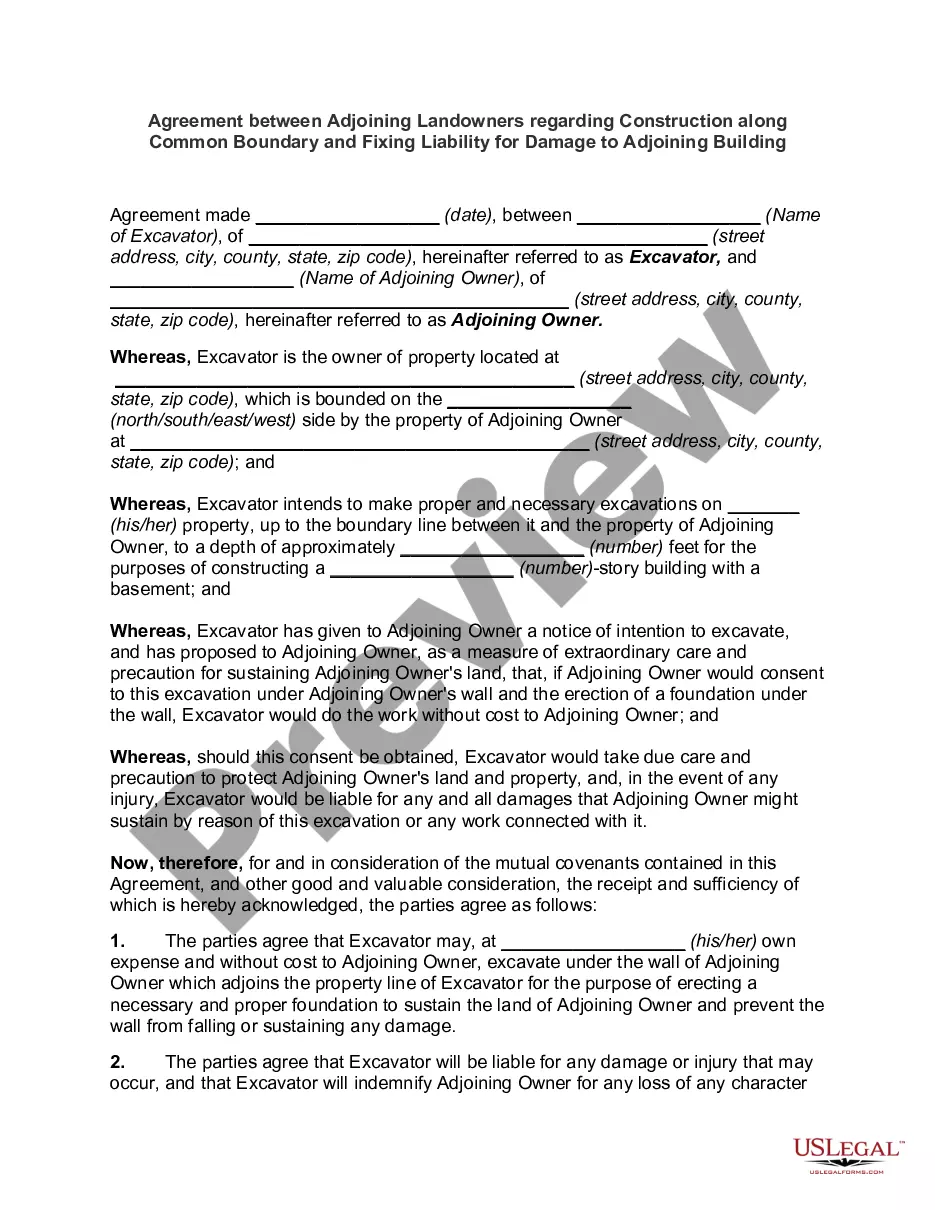
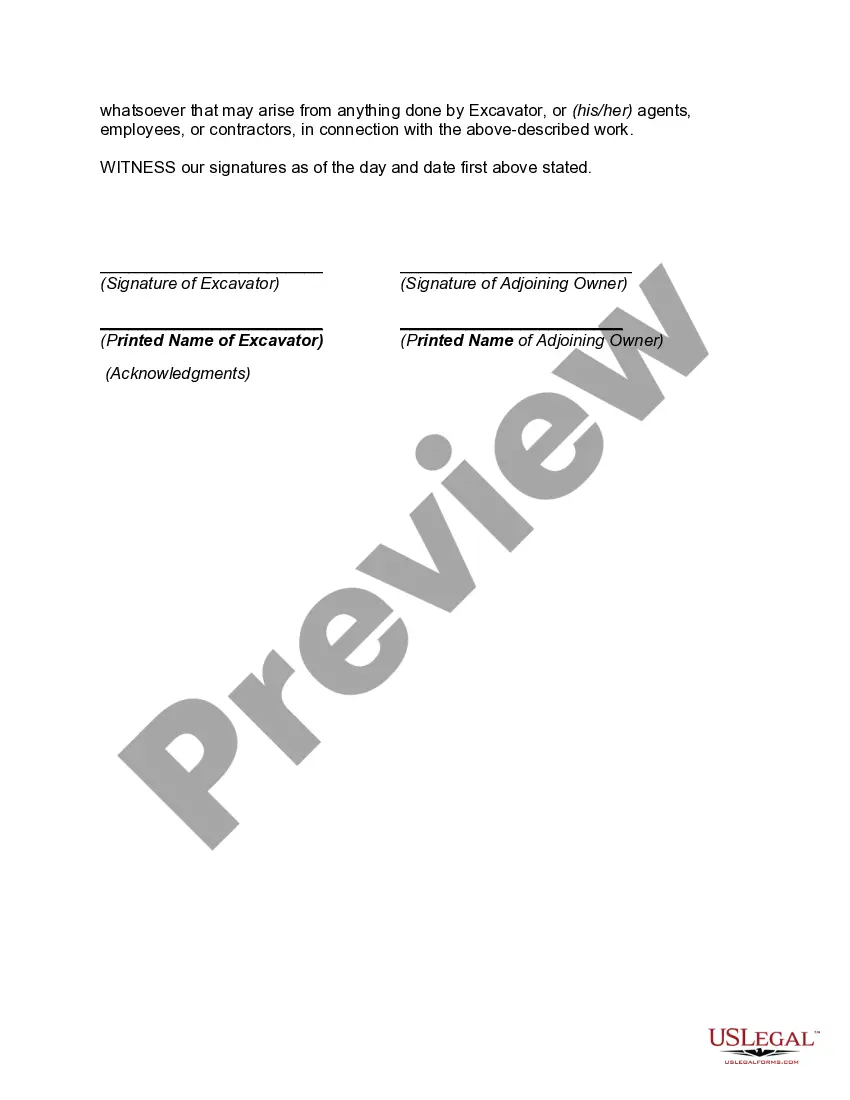
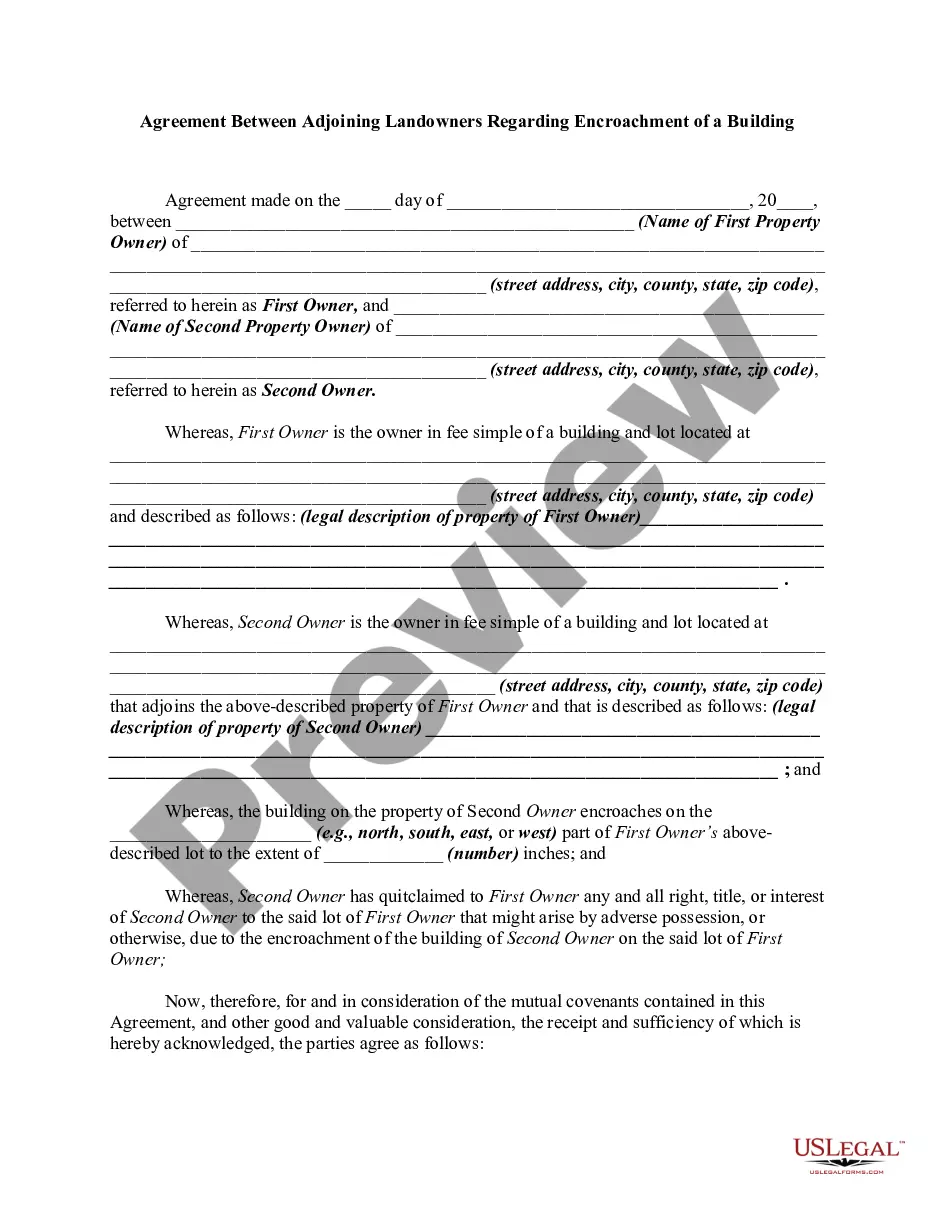
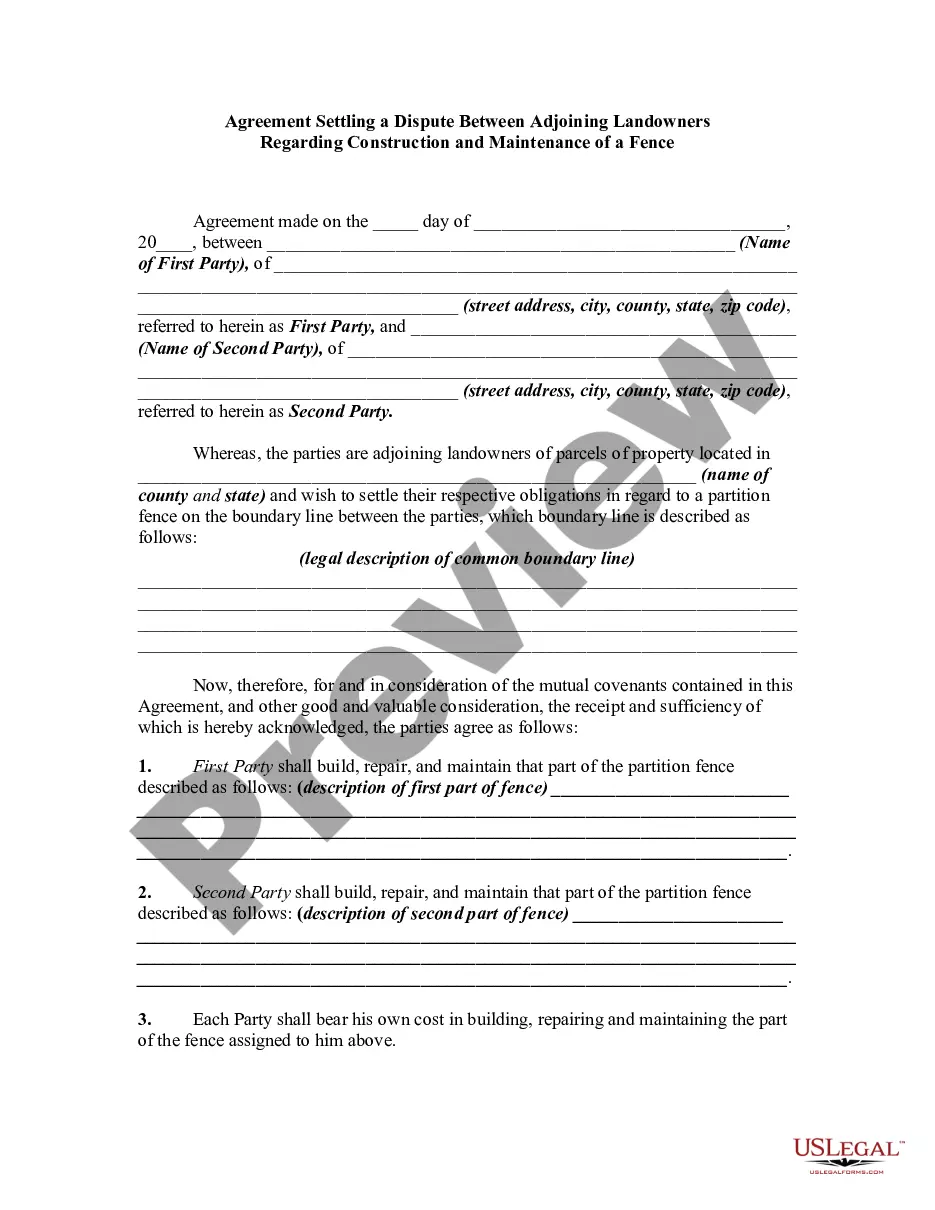
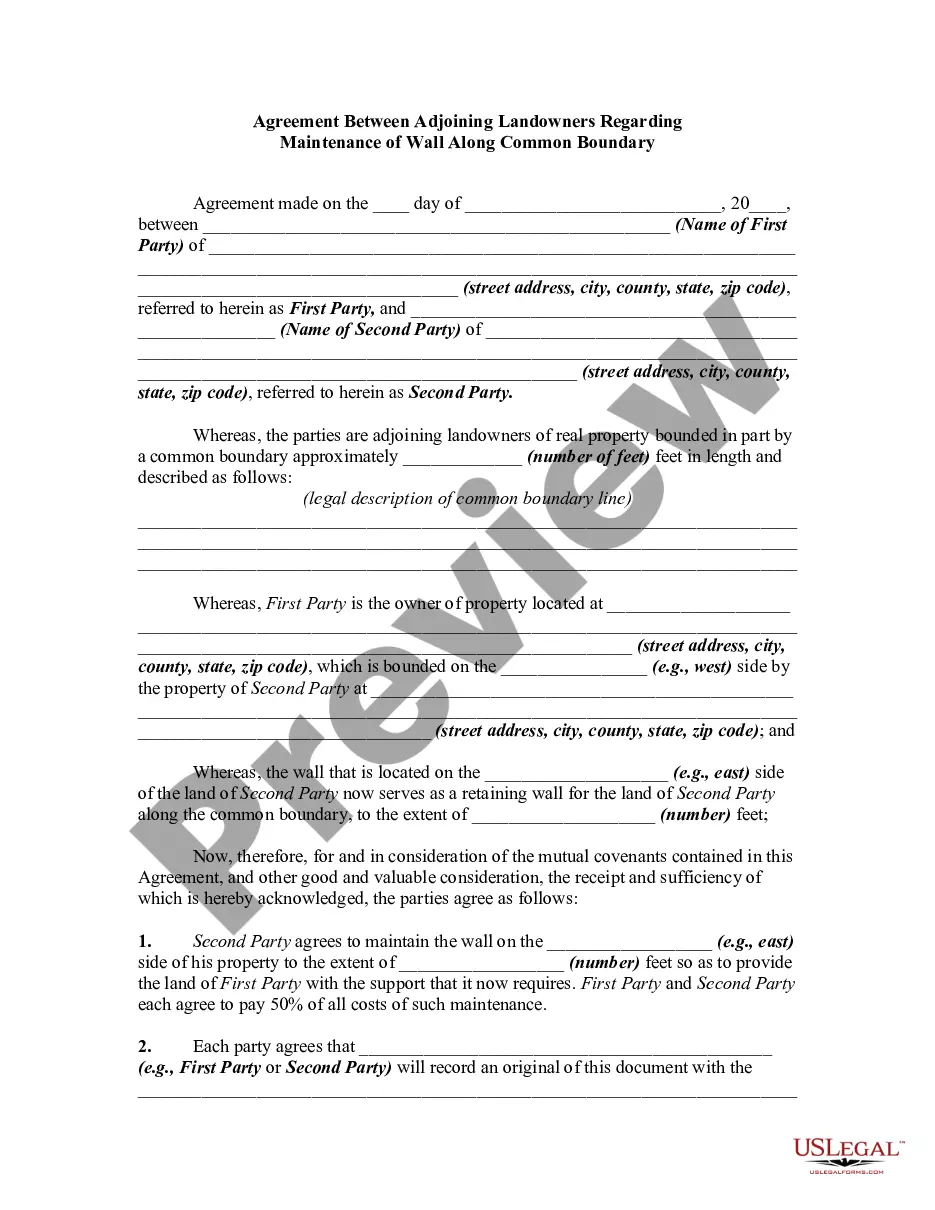
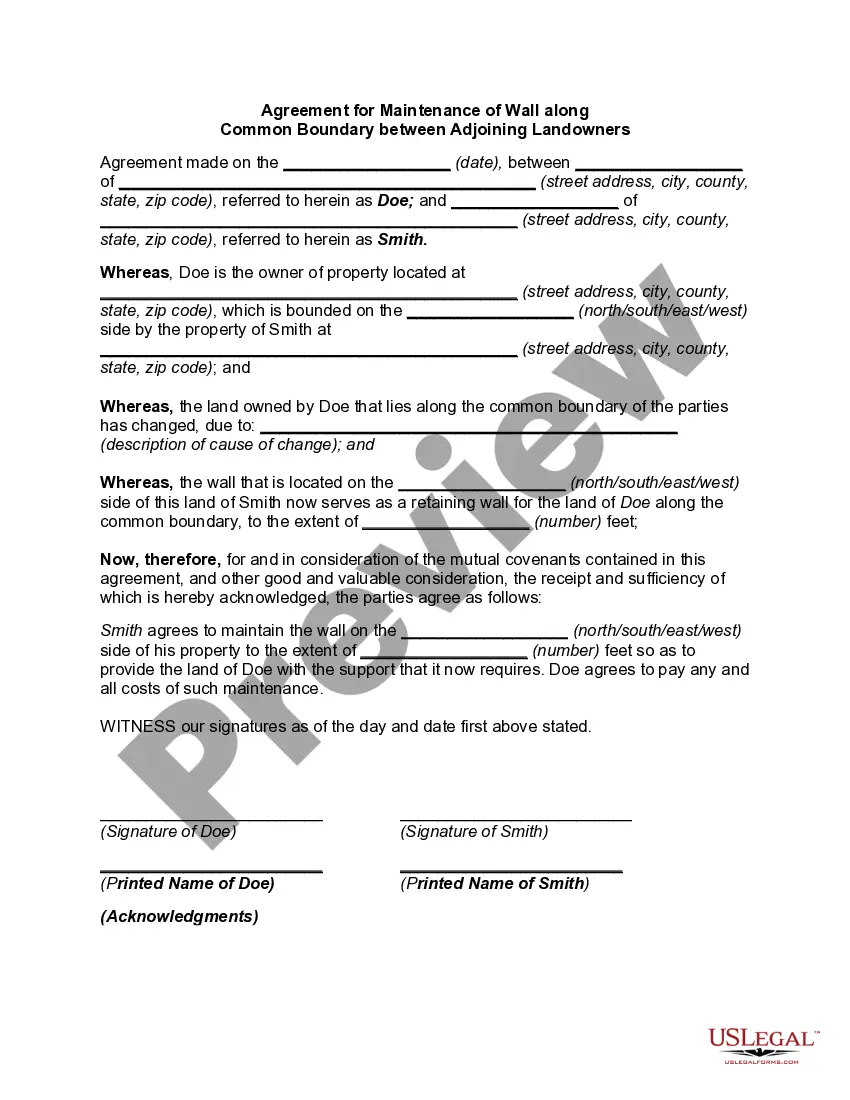
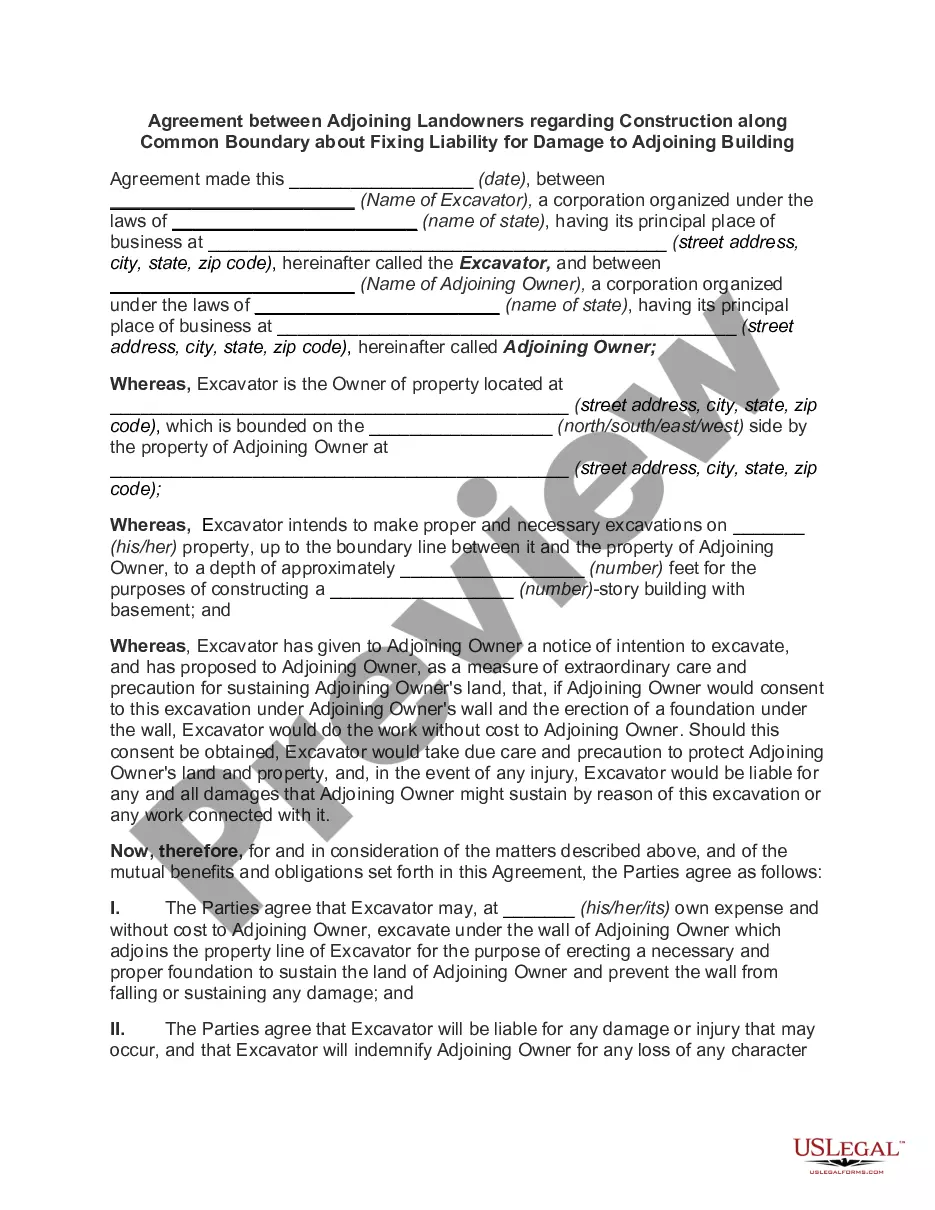






How to fill out Agreement Between Adjoining Landowners Regarding Construction Along Common Boundary And Fixing Liability For Damage?
Selecting the optimal official document template can be a challenge.
Of course, there is an abundance of templates available online, but how do you locate the authentic template you require.
Utilize the US Legal Forms website. The service offers thousands of templates, such as the Texas Agreement between Adjacent Landowners Concerning Construction along Shared Boundary and Determining Liability for Damages, which can be utilized for both business and personal purposes. All forms are reviewed by professionals and meet state and federal regulations.
US Legal Forms is the largest repository of official templates where you can find various document layouts. Utilize the service to download professionally crafted paperwork that meets state requirements.
- If you are already registered, Log In to your account and click the Get button to access the Texas Agreement between Adjacent Landowners Concerning Construction along Shared Boundary and Determining Liability for Damages.
- Use your account to browse the official forms you may have purchased previously.
- Visit the My documents section of your account and obtain another copy of the document you need.
- If you are a new user of US Legal Forms, here are basic instructions that you can follow.
- First, ensure you have selected the appropriate template for your region/area. You can review the document using the Preview button and examine the document description to confirm it is suitable for your needs.
- If the template does not fulfill your requirements, use the Search field to locate the correct template.
- Once you are confident that the template is appropriate, click the Buy Now button to acquire the template.
- Select the payment plan you need and enter the necessary information. Create your account and complete the transaction using your PayPal account or credit card.
- Choose the file format and download the official document template to your device.
- Fill out, edit, print, and sign the obtained Texas Agreement between Adjacent Landowners Concerning Construction along Shared Boundary and Determining Liability for Damages.
Form popularity
FAQ
The answer: Fence ownership is determined by where your fence lays on the property line. If your fence is right on the property line between your neighbor's property and your property, neither you nor your neighbor owns a side; it's a shared fence responsibility.
Most state and city laws specify that residents have a right to quiet enjoyment of their home, which includes limiting excessive noise from nearby properties under construction.
Broadly speaking, the majority of these disputes can be broken down into four categories:Lot line disputes.Fence, landscaping, and outbuilding disputes.Access disputes.Adverse possession claims.
Hopefully, our approach can help you settle your dispute with ease.Step #1: Recognize the Dispute. The first step towards resolving a property boundary problem is knowing it exists.Step #2: Kindly Approach Your Neighbor.Step #3: Talk with a Lawyer.Step #4: Pursue Mediation.Step #5: File a Lawsuit.
Negotiate directly with the neighbour to achieve a settlement of the dispute that has arisen; or. Agree with the neighbour to enter into a form of Alternative Dispute Resolution (ADR), and in the present conundrum I would recommend Mediation; or.
If you know where the boundary is and you don't need to follow the process for party walls, the best approach is to talk to your neighbour. Talk to them face to face if you can - make a note of what you agreed. If you don't feel comfortable speaking to them, write to them or ask someone to contact them for you.
Examples of a boundary disputeOverhanging foliage. Disagreements over boundary lines. Fence / hedge / wall maintenance. Overhanging house extensions.
There are certain construction rules for neighbors that may permit an individual to legally prevent or halt a neighbor's construction project....There are three possibilities related to an injunction, including:A temporary restraining order;A preliminary injunction; or.A permanent injunction.14-Oct-2021
Answers (3) First of all you should have issued him with a legal notice instructing him to restrain from raising any structure in the common area as he has no rights to utilise the common area meant in common for all and such an action is illegal by law as well as against natural justice.
You do not want to be caught by surprise. Under this statute, a person may not remove a fence that is a separating or dividing fence in which the person is a joint owner or that is attached to a fence owned or controlled by another person, absent mutual agreement between the parties.