Texas Identity Theft Recovery Package
Understanding this form package
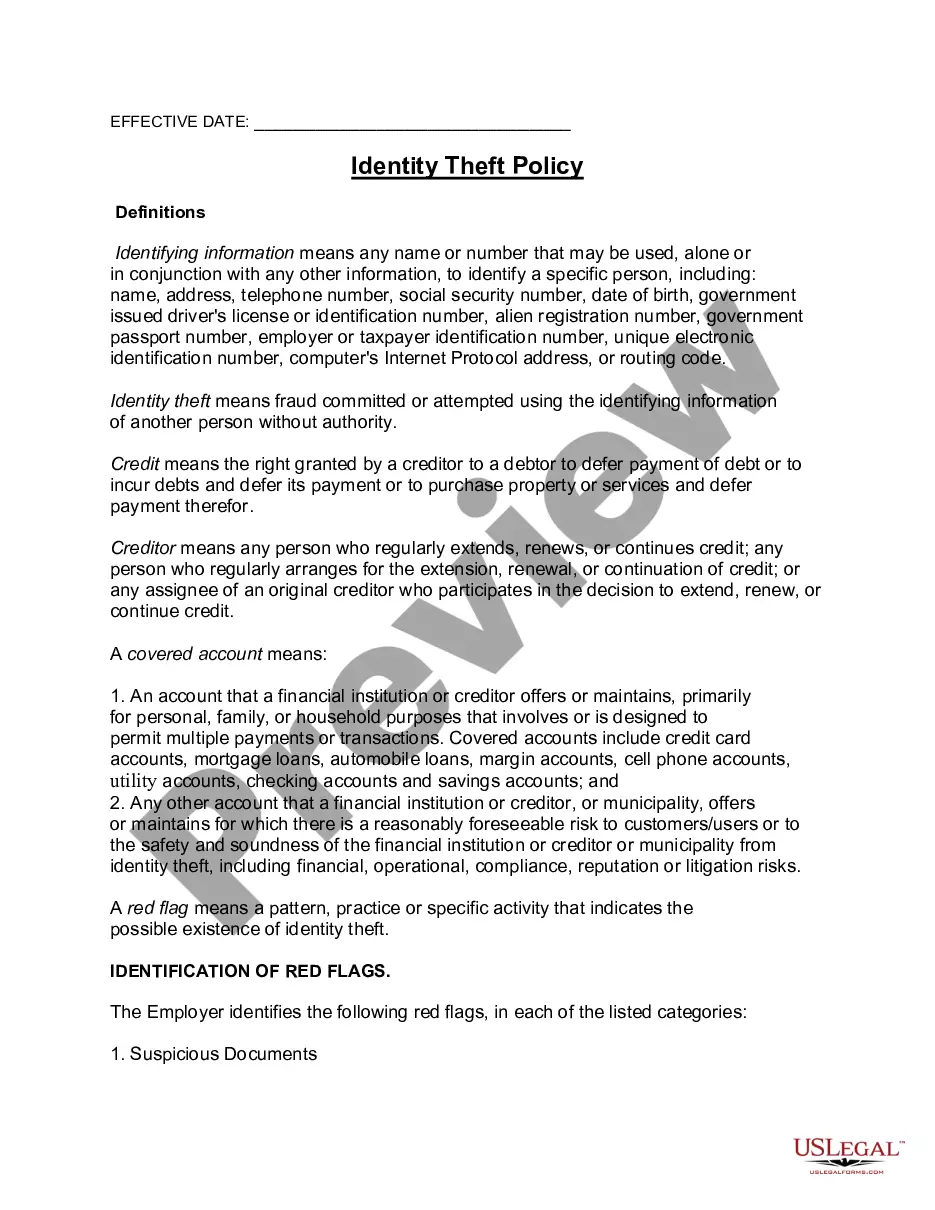
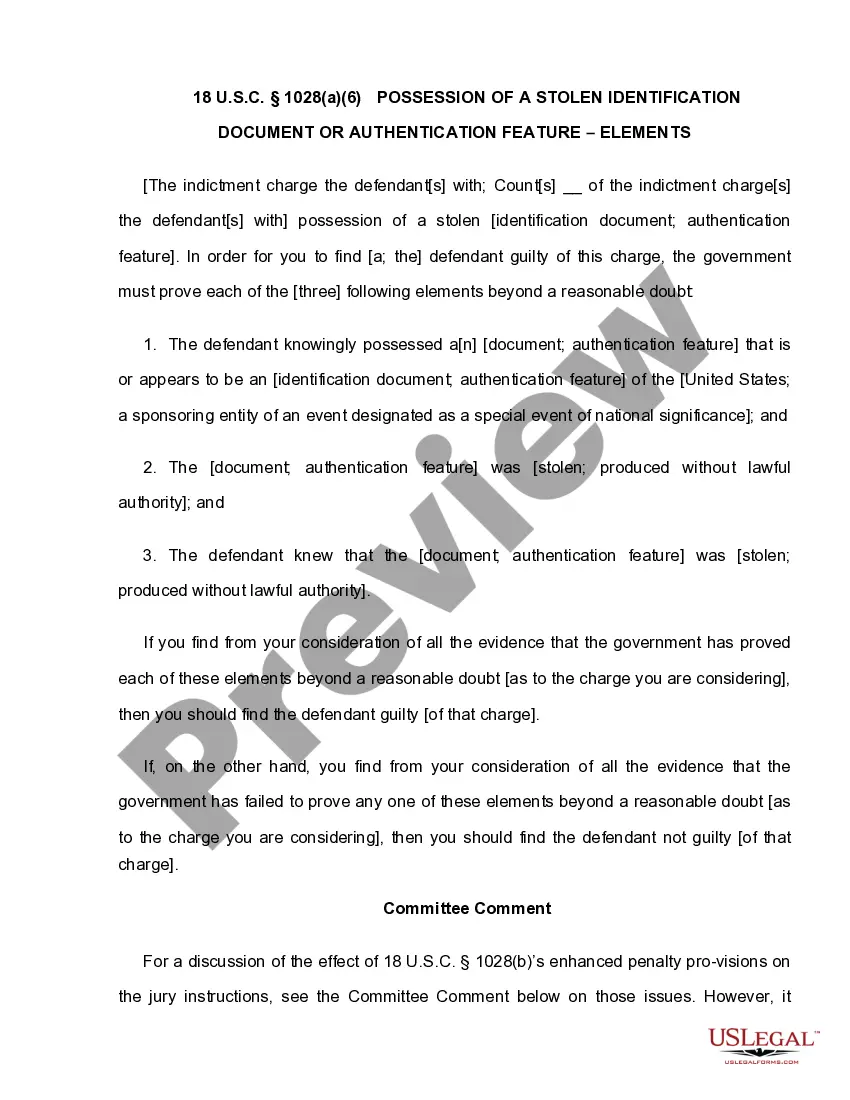
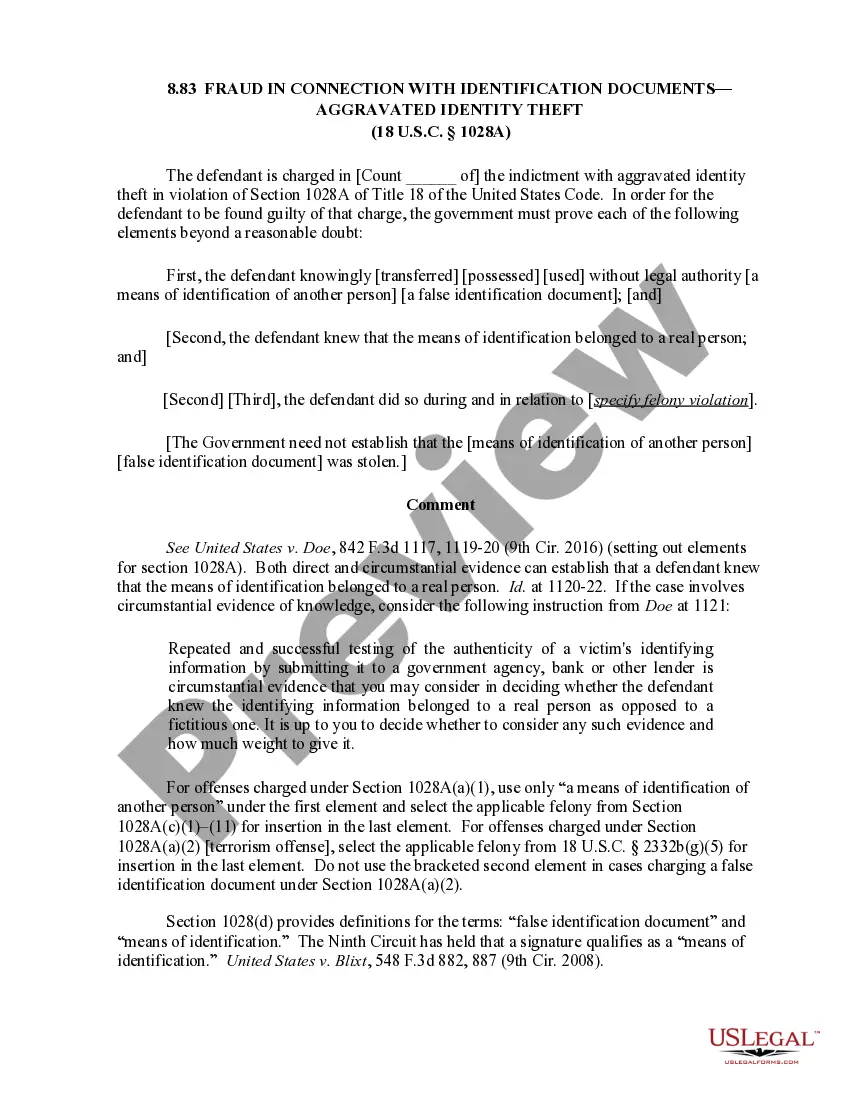
The Texas Identity Theft Recovery Package is a comprehensive collection of legal forms designed to assist victims of identity theft in managing the aftermath of having their identification stolen. This package provides essential resources tailored specifically for Texas residents, facilitating communication with creditors and government agencies. Unlike generic forms, this package is crafted by licensed attorneys and aims to clear your name, protect your financial assets, and streamline the recovery process.
Forms provided in this package
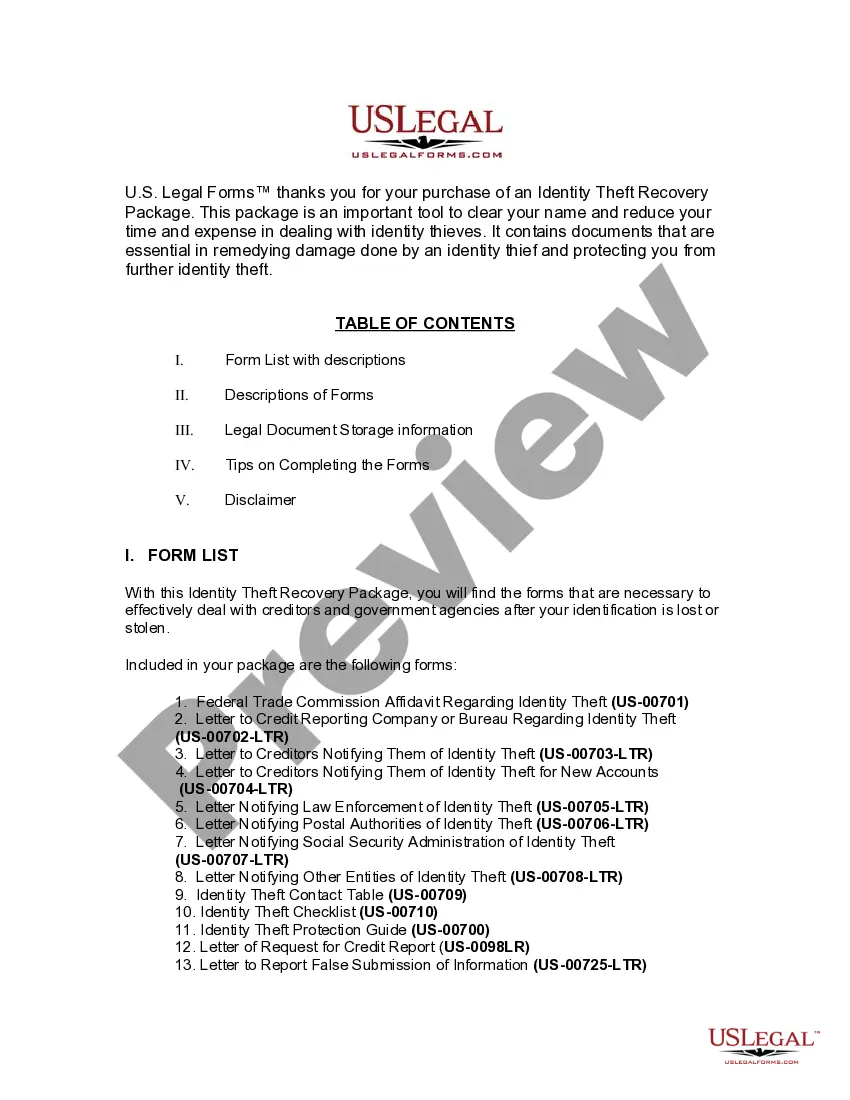
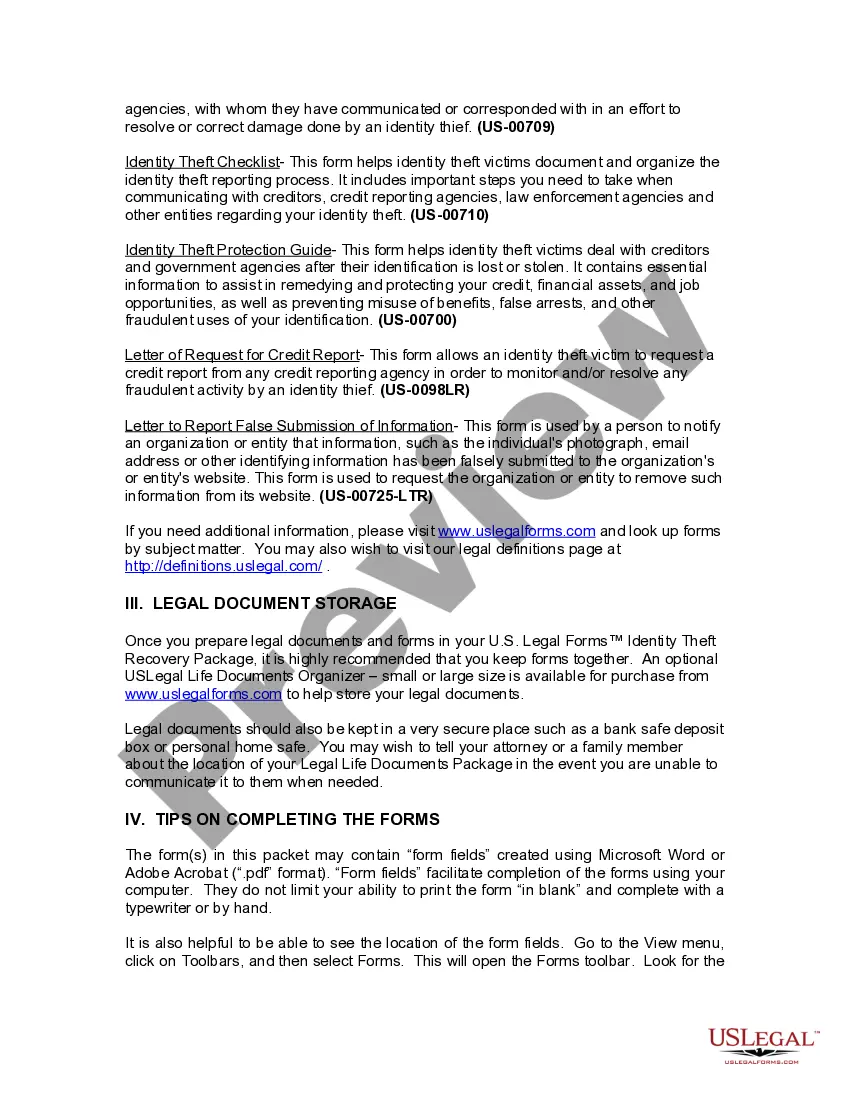
- Identity Theft Protection Guide
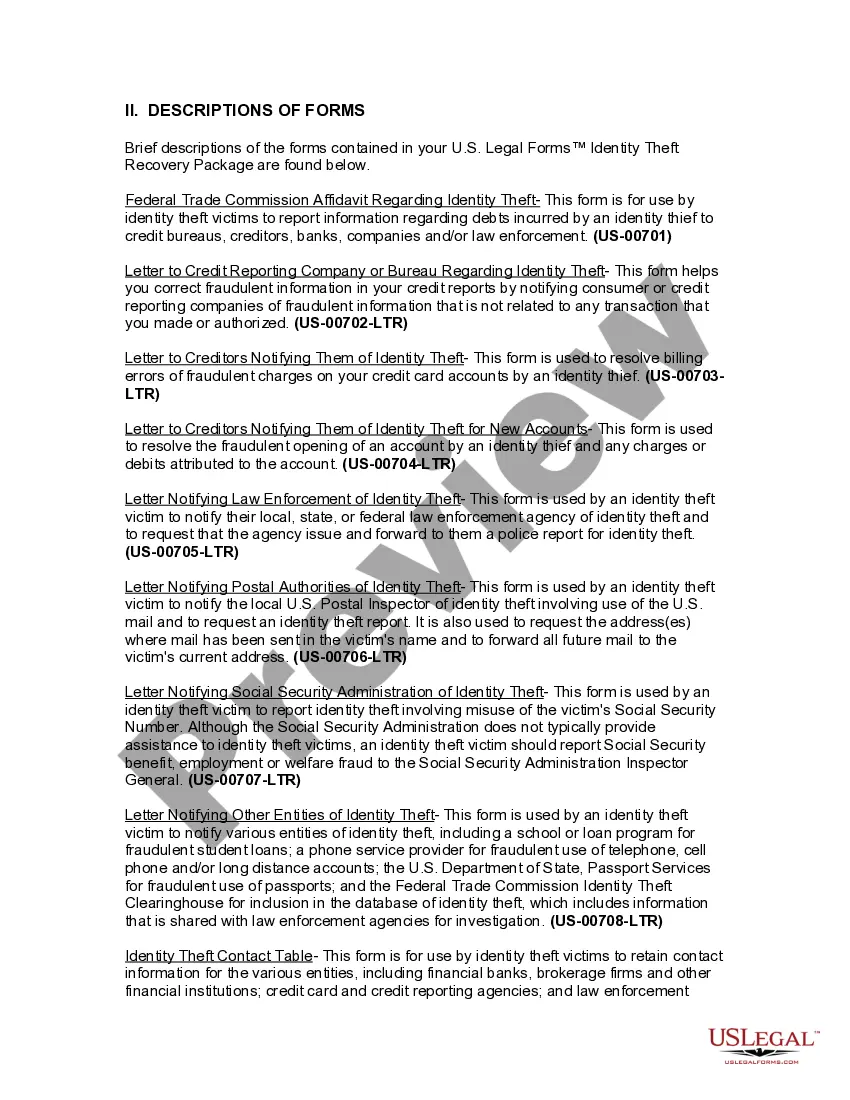
- Federal Trade Commission Affidavit regarding Identity Theft
- Letter to Credit Reporting Company or Bureau regarding Identity Theft
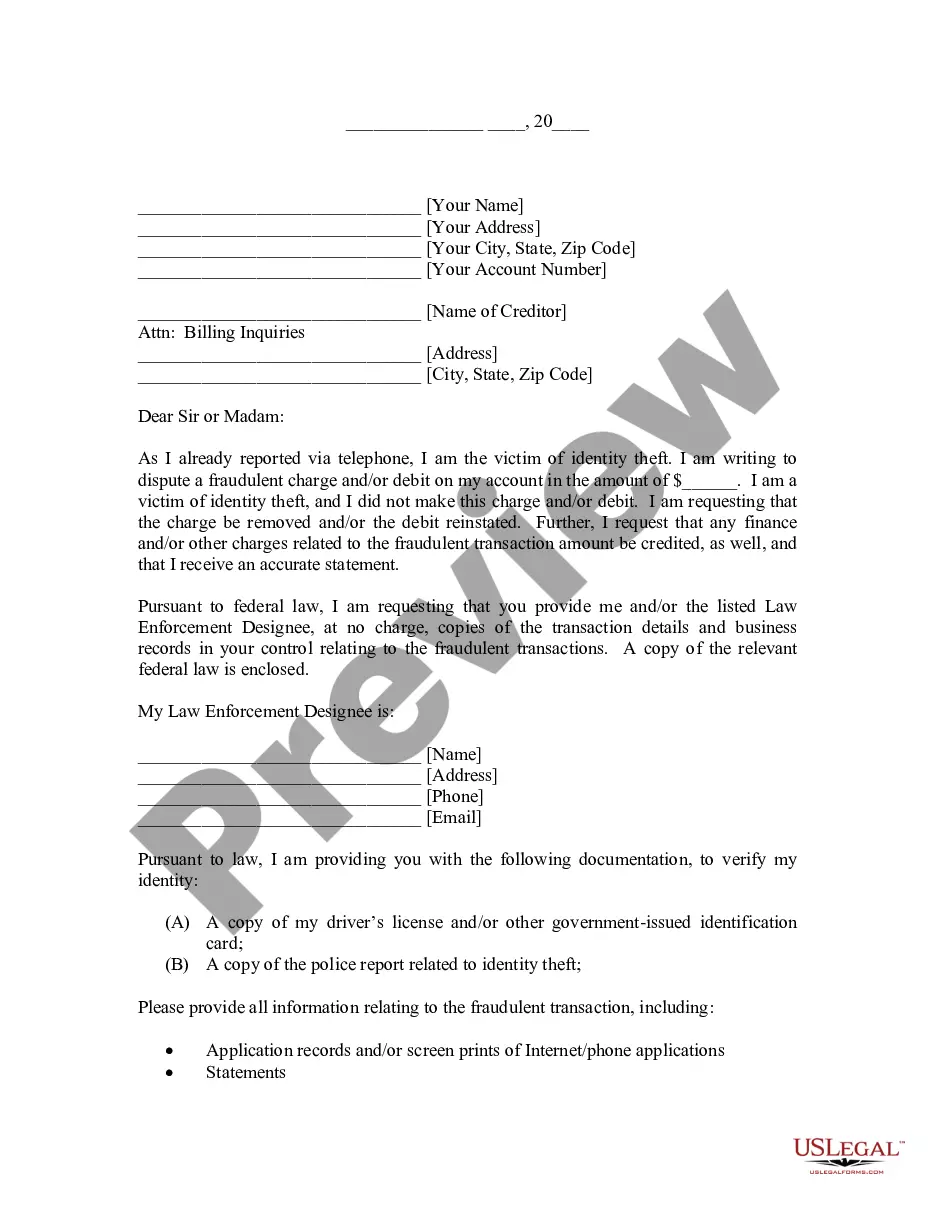
- Letter to Creditors notifying them of Identity Theft
- Letter to Creditors Notifying Them of Identity Theft for New Accounts
- Letter Notifying Law Enforcement of Identity Theft
- Letter Notifying Postal Authorities of Identity Theft
- Letter Notifying Social Security Administration of Identity Theft
- Letter to Other Entities Notifying Them of Identity Theft
- Identity Theft Contact Table
- Identity Theft Checklist
- Sample Letter to Report False Submission of Information
- Sample Letter for Request for Free Credit Report Allowed by Federal Law
When to use this document
This package is ideal for situations where you have discovered that your identification has been stolen or misused. Use this form package when you need to:
- Notify credit reporting companies of fraudulent information.
- Dispute unauthorized charges on your credit card accounts.
- Inform law enforcement about identity theft incidents.
- Request your credit report to monitor for ongoing fraudulent activities.
- Communicate with various entities that may have been affected by the identity theft.
Who this form package is for
- Individuals whose identification has been lost or stolen.
- Victims of identity theft looking to regain control of their financial identity.
- Texas residents requiring state-specific resources for dealing with identity theft.
- Anyone who needs guidance on navigating the recovery process and protecting their rights.
Completing these forms step by step
- Review the included forms to determine which ones apply to your situation.
- Complete the necessary information fields on each form, ensuring accuracy and clarity.
- Gather any required documentation to supplement your notifications (e.g., police reports).
- Send the completed forms to the appropriate parties, such as creditors and credit bureaus.
- Monitor your credit reports regularly to identify any further fraudulent activity.
Do forms in this package need to be notarized?
Forms in this package typically do not require notarization. However, certain states or document types may still need it. US Legal Forms provides online notarization powered by Notarize, available 24/7 for your convenience.
Get your form ready online
Our built-in tools help you complete, sign, share, and store your documents in one place.
Make edits, fill in missing information, and update formatting in US Legal Forms—just like you would in MS Word.
Download a copy, print it, send it by email, or mail it via USPS—whatever works best for your next step.
Sign and collect signatures with our SignNow integration. Send to multiple recipients, set reminders, and more. Go Premium to unlock E-Sign.
If this form requires notarization, complete it online through a secure video call—no need to meet a notary in person or wait for an appointment.
We protect your documents and personal data by following strict security and privacy standards.

Make edits, fill in missing information, and update formatting in US Legal Forms—just like you would in MS Word.

Download a copy, print it, send it by email, or mail it via USPS—whatever works best for your next step.

Sign and collect signatures with our SignNow integration. Send to multiple recipients, set reminders, and more. Go Premium to unlock E-Sign.

If this form requires notarization, complete it online through a secure video call—no need to meet a notary in person or wait for an appointment.

We protect your documents and personal data by following strict security and privacy standards.
Common mistakes to avoid
- Failing to notify all relevant creditors and agencies about the identity theft.
- Not keeping copies of all forms and communication sent.
- Missing deadlines for reporting fraud to creditors or credit bureaus.
- Ignoring follow-up actions recommended by the identity theft protection guide.
Benefits of using this package online
- Convenience of downloading forms instantly at any time.
- Editability allows for customization to fit your specific circumstances.
- Reliability of professionally drafted forms that meet Texas legal standards.
- Access to guidance and checklists that simplify the recovery process.
Legal use & context
- The forms provided are designed to help you legally document and report identity theft.
- Using these forms correctly can help you protect your credit and financial assets.
- While these forms support your recovery, actual results may vary based on individual circumstances and actions taken.
What to keep in mind
- The Texas Identity Theft Recovery Package provides essential forms for managing the aftermath of identity theft.
- Utilizing these forms can help protect your financial interests and credit status.
- The package is user-friendly and tailored for Texas residents.
Looking for another form?




Form popularity
FAQ
To see if your Social Security number is being used by someone else for employment purposes, review your Social Security Statement at www.socialsecurity.gov/myaccount to look for suspicious activity. Finally, you'll want to use additional scrutiny by regularly checking your bank and credit card accounts online.
Under California law, you can report identity theft to your local police department. Ask the police to issue a police report of identity theft. Give the police as much information on the theft as possible. One way to do this is to provide copies of your credit reports showing the items related to identity theft.
Aggravated identity theft is punishable by a mandatory minimum sentence of imprisonment for two years or by imprisonment for five years if it relates to a terrorism offense. At least thus far, the government has rarely prosecuted the five-year terrorism form of the offense.
Go to your local police office with: A copy of your FTC Identity Theft Report. Tell the police someone stole your identity and you need to file a report. Ask for a copy of the police report. You may need this to complete other steps.
Step 1: Call the companies where you know fraud occurred. Call the fraud department. Step 2: Place a fraud alert and get your credit reports. Place a free, one-year fraud alert by contacting one of the three credit bureaus. Step 3: Report identity theft to the FTC.
Report the fraud Contact the organisation or agency that issued your identity document and your financial institution. and tell them what happened. Report cybercrime securely to the Australian Cyber Security Centre at ReportCyber.
You may be able to have your identity theft charges dropped if: You didn't obtain use a person's information unlawfully If you did not obtain or use someone else's personal information unlawfully, you are not guilty of identity theft.
The answer is Yes. If you have some evidence that the person who is living with you stole your property, you can press a charge and sue him, because courts need evidence so if you are accusing someone make sure you have evidence which you have to prove before the courts. So don,t accuse unless you have solid evidence.
Notify affected creditors or banks. Put a fraud alert on your credit report. Check your credit reports. Freeze your credit. Report the identity theft to the FTC. Go to the police. Remove fraudulent info from your credit report.