Texas Acknowledgment for a natural person as principal acting by attorney-in-fact
What is this form?
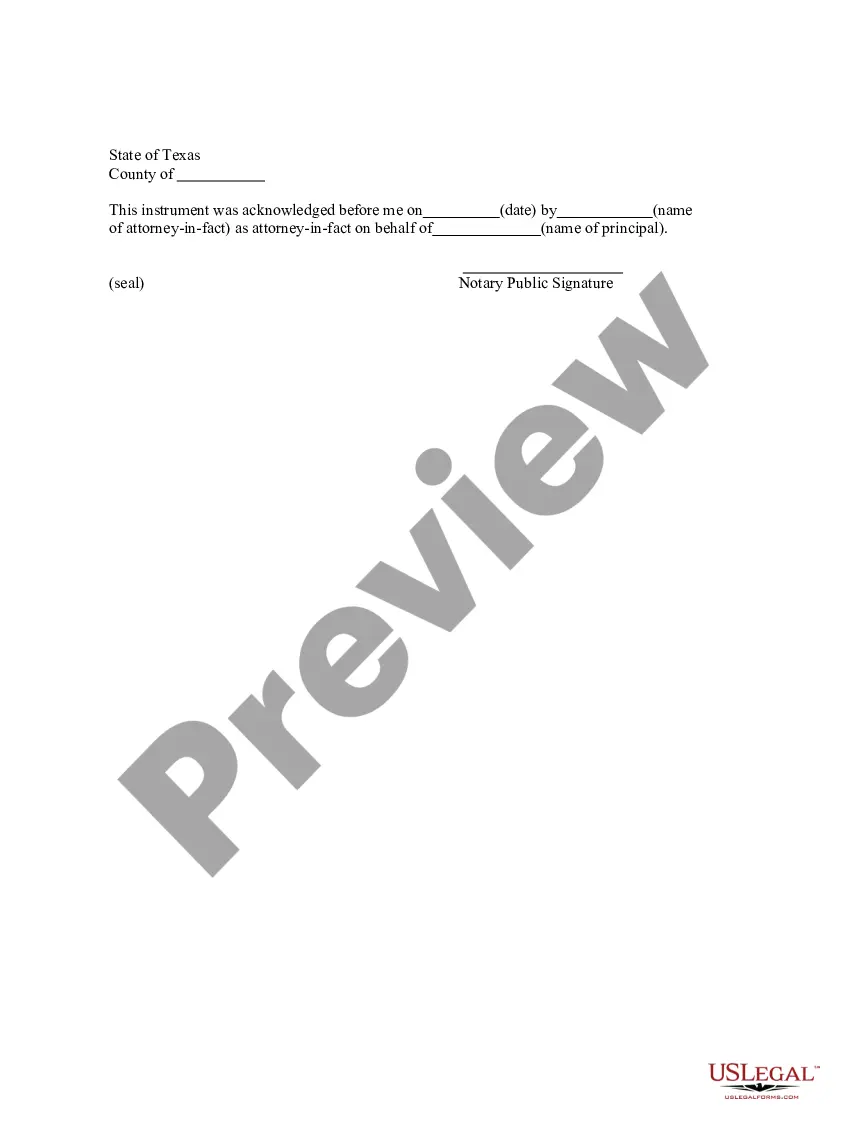
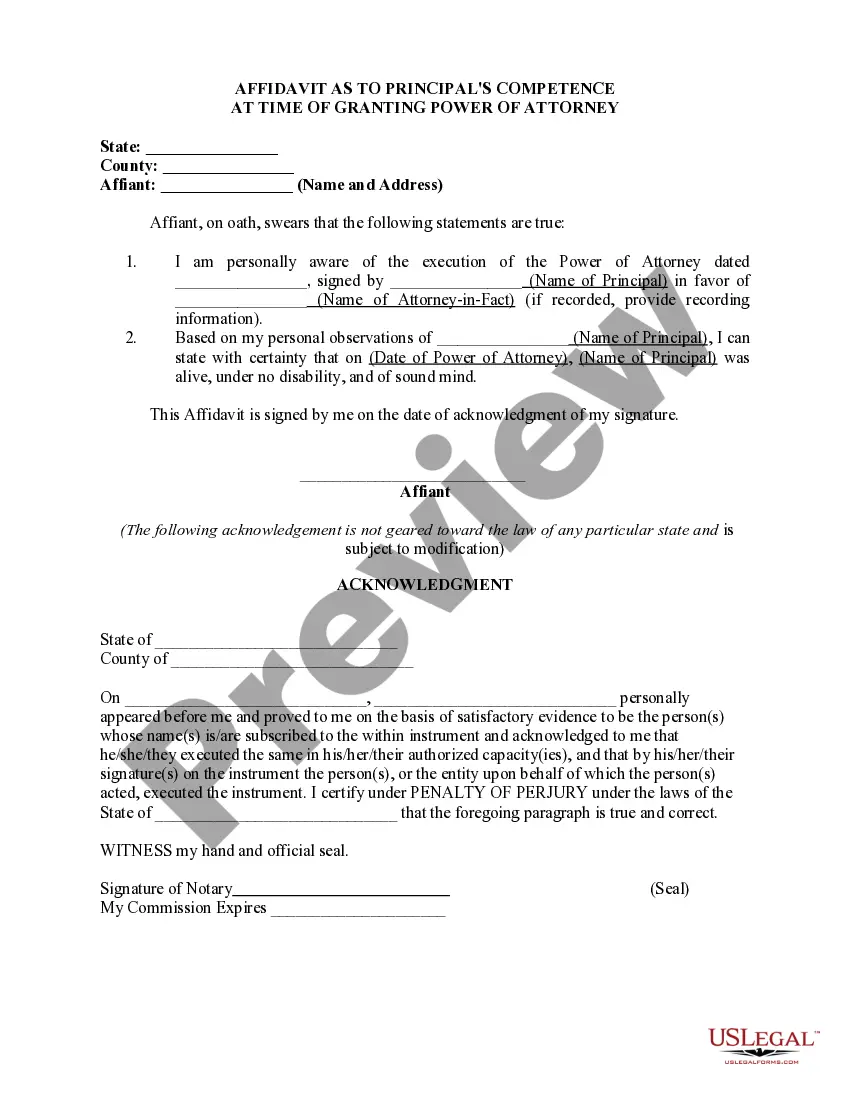
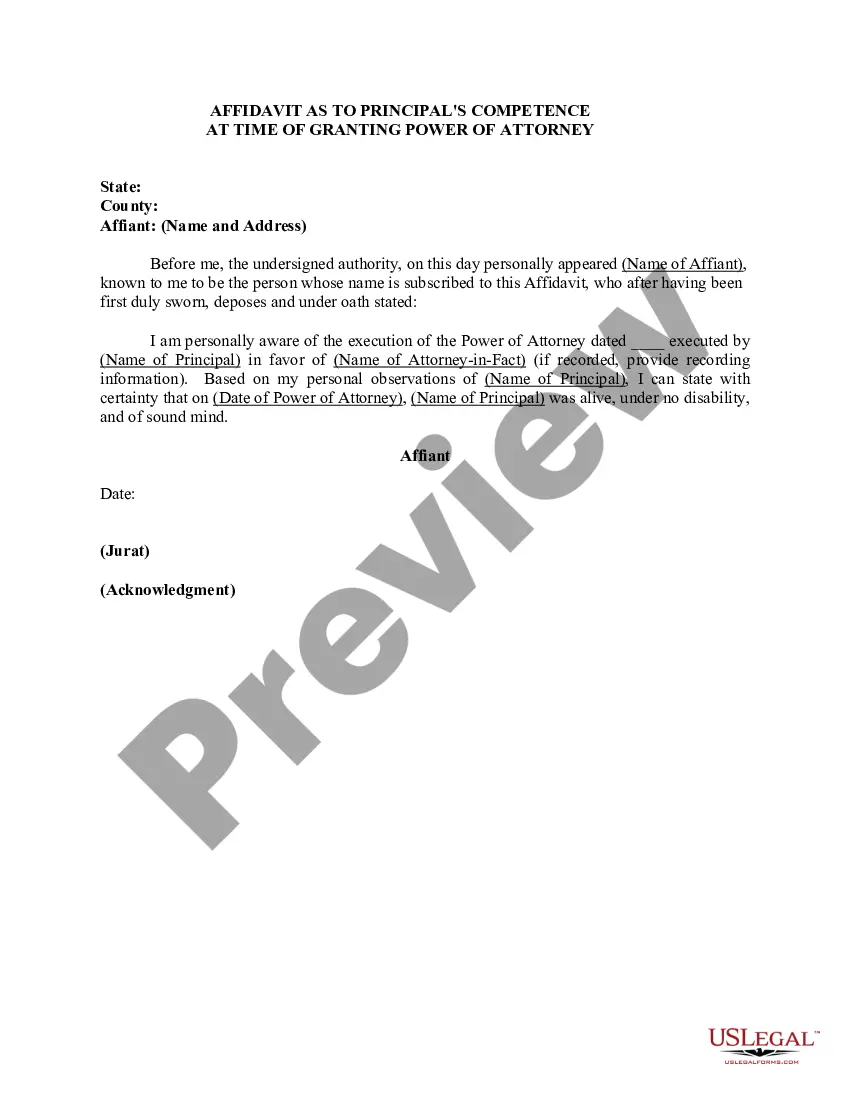
The Acknowledgment for a natural person as principal acting by attorney-in-fact is a legal document used to confirm that a principal delegating authority to an attorney-in-fact has acknowledged the delegation in a formal manner. This document is essential in confirming the legitimacy of the powers granted, ensuring that the attorney-in-fact can act on behalf of the principal in legal matters. Unlike general powers of attorney, this acknowledgment specifically formalizes the recognition of such acts in front of a notary public, reinforcing its validity.
Main sections of this form
- Identification of the principal and attorney-in-fact
- Confirmation of the date and location of acknowledgment
- Signature of the principal
- Signature and seal of the notary public

When to use this form
This form is typically used when a natural person grants authority to an attorney-in-fact for specific tasks or decisions, such as managing finances, handling real estate transactions, or making healthcare decisions. It is especially important in situations where the principal cannot be present to sign or act on their behalf, such as during medical emergencies or while traveling.
Who needs this form
- Individuals who wish to appoint someone as their attorney-in-fact.
- People needing to grant temporary authority to another person while they are incapacitated.
- Those seeking to ensure their legal interests are represented by a trusted individual.
How to complete this form
- Identify and print the full name of the principal and the attorney-in-fact.
- Enter the date when the acknowledgment is being made.
- Sign the document in front of a notary public.
- Ensure the notary public completes their section, providing their signature and seal.
Is notarization required?
This form needs to be notarized to ensure legal validity. US Legal Forms provides secure online notarization powered by Notarize, allowing you to complete the process through a verified video call, available anytime.
Get your form ready online
Our built-in tools help you complete, sign, share, and store your documents in one place.
Make edits, fill in missing information, and update formatting in US Legal Forms—just like you would in MS Word.
Download a copy, print it, send it by email, or mail it via USPS—whatever works best for your next step.
Sign and collect signatures with our SignNow integration. Send to multiple recipients, set reminders, and more. Go Premium to unlock E-Sign.
If this form requires notarization, complete it online through a secure video call—no need to meet a notary in person or wait for an appointment.
We protect your documents and personal data by following strict security and privacy standards.

Make edits, fill in missing information, and update formatting in US Legal Forms—just like you would in MS Word.

Download a copy, print it, send it by email, or mail it via USPS—whatever works best for your next step.

Sign and collect signatures with our SignNow integration. Send to multiple recipients, set reminders, and more. Go Premium to unlock E-Sign.

If this form requires notarization, complete it online through a secure video call—no need to meet a notary in person or wait for an appointment.

We protect your documents and personal data by following strict security and privacy standards.
Mistakes to watch out for
- Failing to have the form notarized, which can invalidate the acknowledgment.
- Leaving out critical information such as names or dates.
- Not confirming that the attorney-in-fact has signed in front of the notary.
Benefits of using this form online
- Immediate access to legally vetted templates, ensuring compliance with state laws.
- Editable format allows users to customize the document to fit their needs.
- Secure download for convenience and to maintain privacy.
Looking for another form?
Form popularity
FAQ
Unlike jurats, an acknowledgment does not need to be signed in the presence of a notary. However, the affiant does need to swear or affirm that they signed under their own free will.
When the document goes into effect, you become that person's attorney in fact, which means you act as their agent. Generally, to sign documents in this capacity, you will sign the principal's name first, then your name with the designation "attorney in fact" or "power of attorney."
A lawyer may notarize a client's signature as long as there is no probability that the lawyer will be a witness.A lawyer who is a notary public may not notarize affidavits or pleadings signed by the client.
The lawyer has asked you to sign for them, above their name and position title at the end of the letter. You write 'p. p' in the signature space and sign your name after it. This validates the letter, in informing the reader the letter has been signed on behalf of the lawyer with authorisation.
Step 1: Require Personal Appearance. Step 2: Check Over The Document. Step 3: Carefully Identify The Signer. Step 4: Record Your Journal Entry. Step 5: Complete The Notarial Certificate. A Last Note: Never Give Advice.
After the principal's name, write by and then sign your own name. Under or after the signature line, indicate your status as POA by including any of the following identifiers: as POA, as Agent, as Attorney in Fact or as Power of Attorney.
For an acknowledgment, the signer must always: Be positively identified by the Notary. The Notary must always identify the signer for an acknowledgement; whether the signer personally knows the Notary, presents an ID document, or is identified by a credible witness depends on the circumstances.
When you see (here insert the name and character of the officer) next to a blank as shown below, it means you should insert Your name, Notary Public in the blank.
An attorney in fact is a person authorized to sign documents on someone else's behalf, but is not necessarily a practicing lawyer.When an attorney in fact signs a document, the signature should include the name of the principal he or she represents.