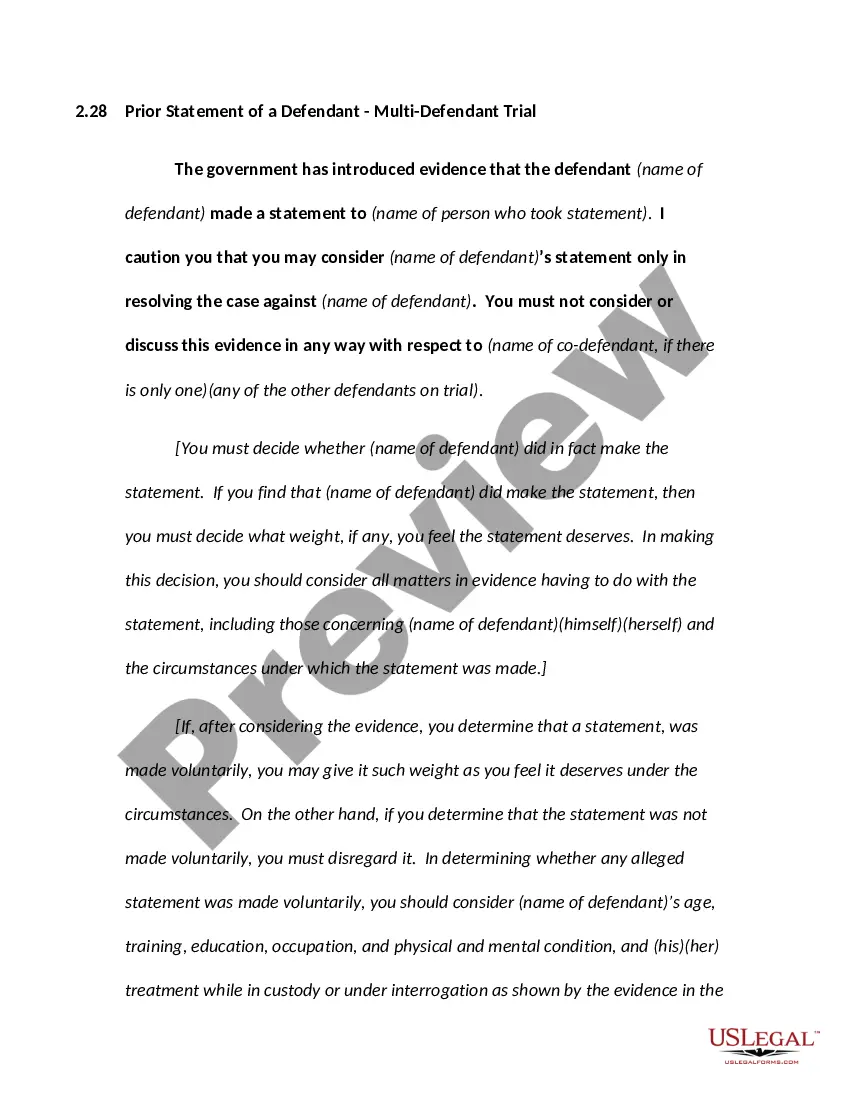
Texas Consent and Ratification (Sale and Conveyance)(Sale and Conveyance)
Overview of this form
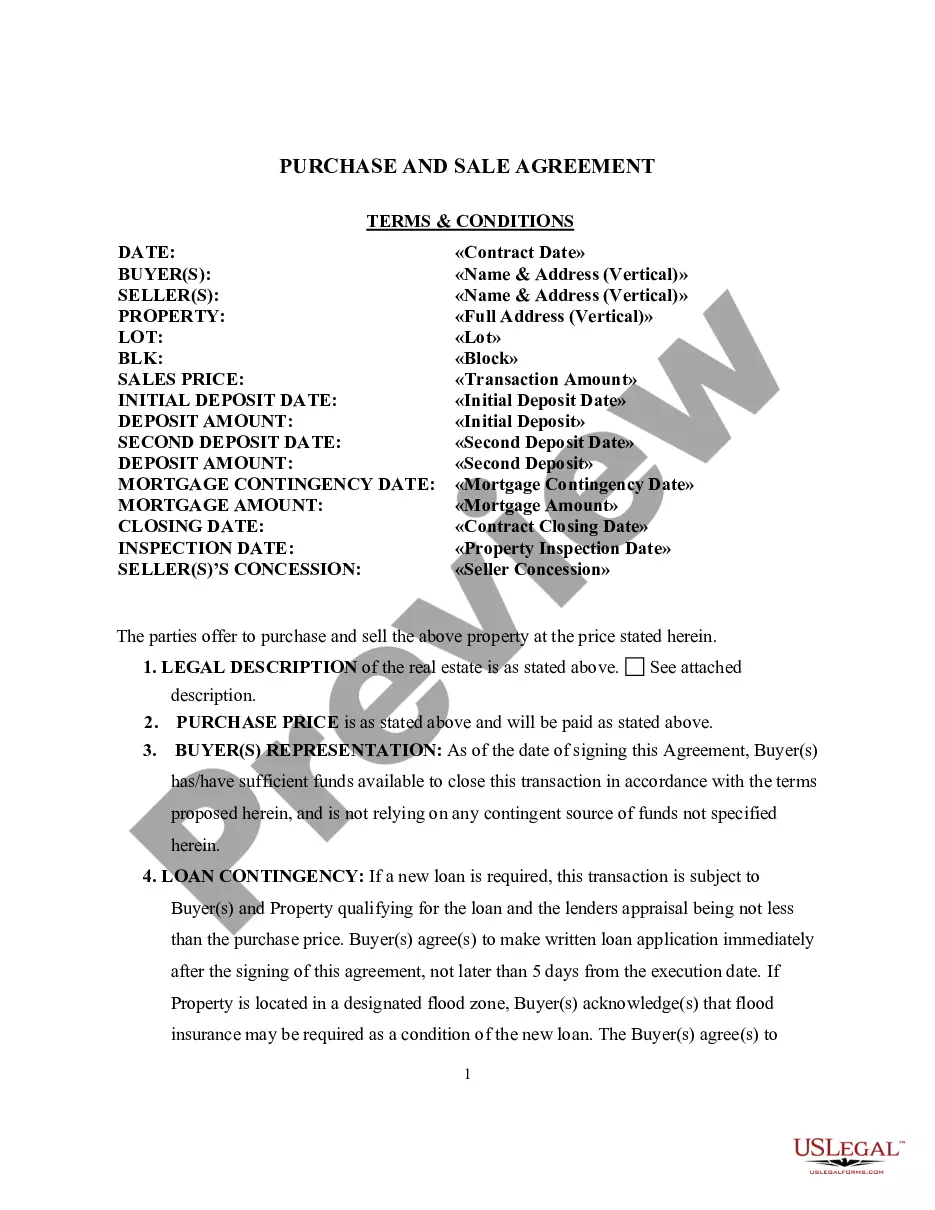
The Consent and Ratification (Sale and Conveyance) is a legal document that allows property owners or heirs to formally consent to the sale of a property by a designated party. This form is particularly relevant in situations where a propertyâs title includes a life estate, ensuring that all involved parties acknowledge and validate the sale. Unlike standard sale agreements, this form specifically addresses the rights associated with life estates and is crucial when the original owner has reserved certain powers regarding the property.
Key components of this form
- Identification of parties: Includes the names of children and the parent granting rights.
- Property description: Detailed description of the property including legal identifiers.
- Consent clause: A statement that all necessary parties consent to the sale, affirming the authority of the seller.
- Execution date: The date when the consent agreement is signed.
- Notary acknowledgment: Section for notarization to ensure legality of the document.

When to use this form
This form should be used when a property is being sold and there is a life estate involved. It is particularly useful when the owners or heirs want to affirm that they agree to the sale and the actions taken by the person authorized to sell the property. This scenario often arises in family situations where an estate needs to be managed or liquidated, providing clarity and legal backing for all parties involved.
Who can use this document
- Property heirs or children of a property owner who have been designated as grantees.
- The designated person authorized to sell or manage the property.
- Legal representatives or estate attorneys involved in managing the sale of property with a life estate.
How to prepare this document
- Identify all parties involved, including the property owner and their children.
- Clearly specify the property being sold, including details such as legal description and appraisal district number.
- Include the date of execution in the designated area.
- Ensure all parties consent to the agreement and sign where indicated.
- Secure notarization by a certified notary public to validate the document.
Notarization requirements for this form
Yes, this form must be notarized to be legally valid. Notarization ensures that the signatures are verified and helps prevent fraud. US Legal Forms provides integrated online notarization for convenience, allowing you to complete the process securely via video call, at any time.
Get your form ready online
Our built-in tools help you complete, sign, share, and store your documents in one place.
Make edits, fill in missing information, and update formatting in US Legal Forms—just like you would in MS Word.
Download a copy, print it, send it by email, or mail it via USPS—whatever works best for your next step.
Sign and collect signatures with our SignNow integration. Send to multiple recipients, set reminders, and more. Go Premium to unlock E-Sign.
If this form requires notarization, complete it online through a secure video call—no need to meet a notary in person or wait for an appointment.
We protect your documents and personal data by following strict security and privacy standards.

Make edits, fill in missing information, and update formatting in US Legal Forms—just like you would in MS Word.

Download a copy, print it, send it by email, or mail it via USPS—whatever works best for your next step.

Sign and collect signatures with our SignNow integration. Send to multiple recipients, set reminders, and more. Go Premium to unlock E-Sign.

If this form requires notarization, complete it online through a secure video call—no need to meet a notary in person or wait for an appointment.

We protect your documents and personal data by following strict security and privacy standards.
Mistakes to watch out for
- Not providing a complete property description, leading to confusion about the property being sold.
- Failing to obtain notarization, which may hinder the legal efficacy of the document.
- Omitting signatures from all necessary parties, potentially voiding the agreement.
Why complete this form online
- Convenient access: Downloadable legal form can be accessed anytime, anywhere.
- Editability: Users can fill out the form digitally, ensuring clarity and accuracy.
- Reliability: Templates are developed by licensed attorneys, offering peace of mind.
Looking for another form?



Form popularity
FAQ
An executor can sell a property without the approval of all beneficiaries. The will doesn't have specific provisions that require beneficiaries to approve how the assets will be administered. However, they should consult with beneficiaries about how to share the estate.
Witnessedwritten, two witnesses; holographic-handwritten or typed, signed by testator; approved-on a pre-printed form approved by the state; nuncupative-written by a witness from testator's oral statement; generally not valid for real estate transfer.
The executor can sell property without getting all of the beneficiaries to approve.If the executor can sell the property for more than 90 percent of its appraised value then they do not need to get the permission of the beneficiaries or of the court.
In Texas, a deed must be in writing and signed by the person transferring the land, otherwise known as the grantor. The person the grantor is transferring the land to is known as the grantee. No particular words must be used in order to constitute a legally effective transfer, but whatever words are used must show
The terms of the Independent Administration of Estates Act do not avoid probate, but they do allow an executor to sell an estate's real estate without probate court approval under some circumstances.
According to estate planning attorney Adam Ansari, it is legal for an executor to purchase the home instead of selling it, as long as the executor purchases the property for fair market value and all of the beneficiaries agree with the terms of the sale.
All taxes and liabilities paid from the estate, including medical expenses, attorney fees, burial or cremation expenses, estate sale costs, appraisal expenses, and more. The executor should keep all receipts for any services or transactions needed to liquidate the assets of the deceased.
Generally the heirs don't decide if the house is sold unless somehow it is titled in all their names. If is a specific gift and the will requires it be transferred to all six, and one does not want to sell, that person can buy out the other 5. There of course is always a partition Acton.