Texas Letter from Landlord to Tenant Returning security deposit less deductions
What this document covers
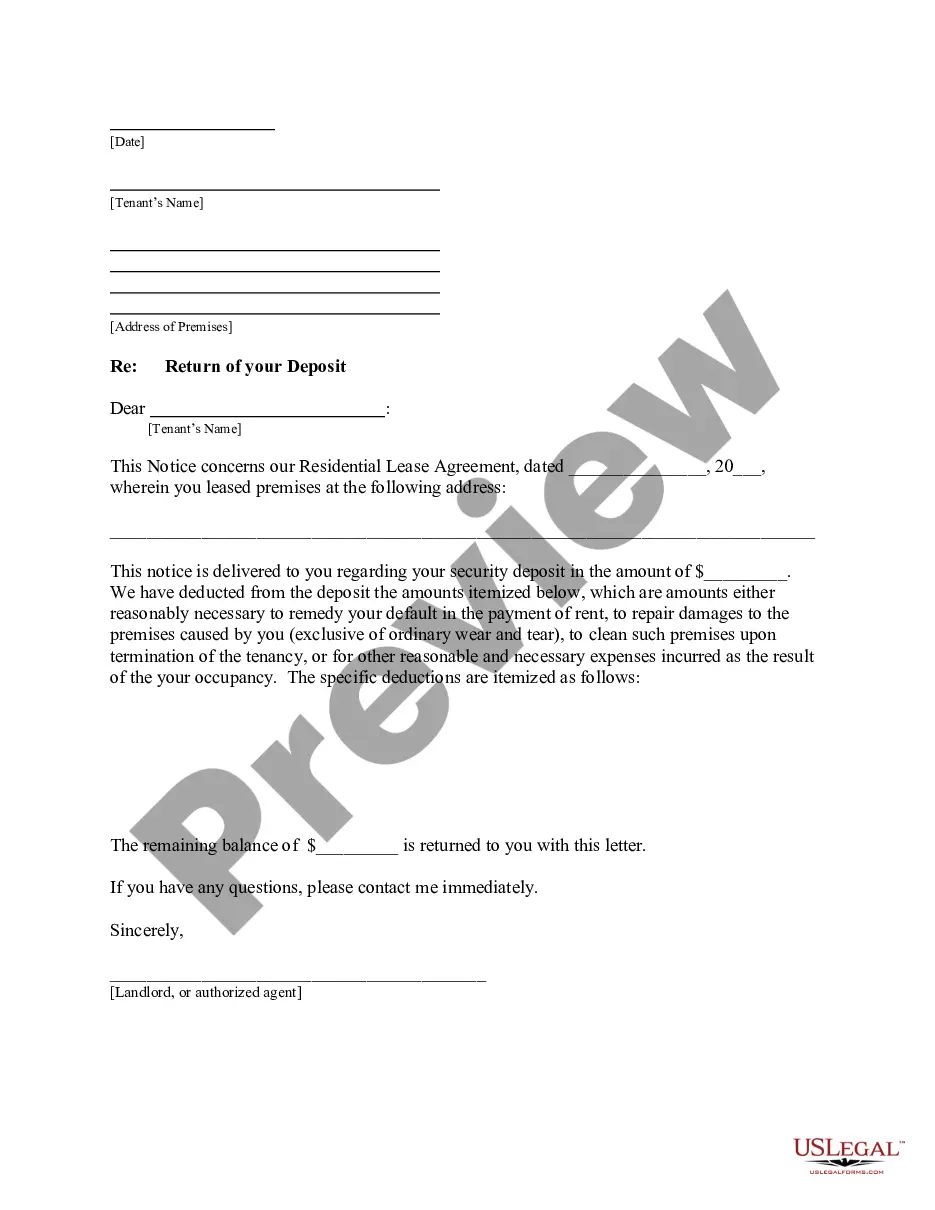
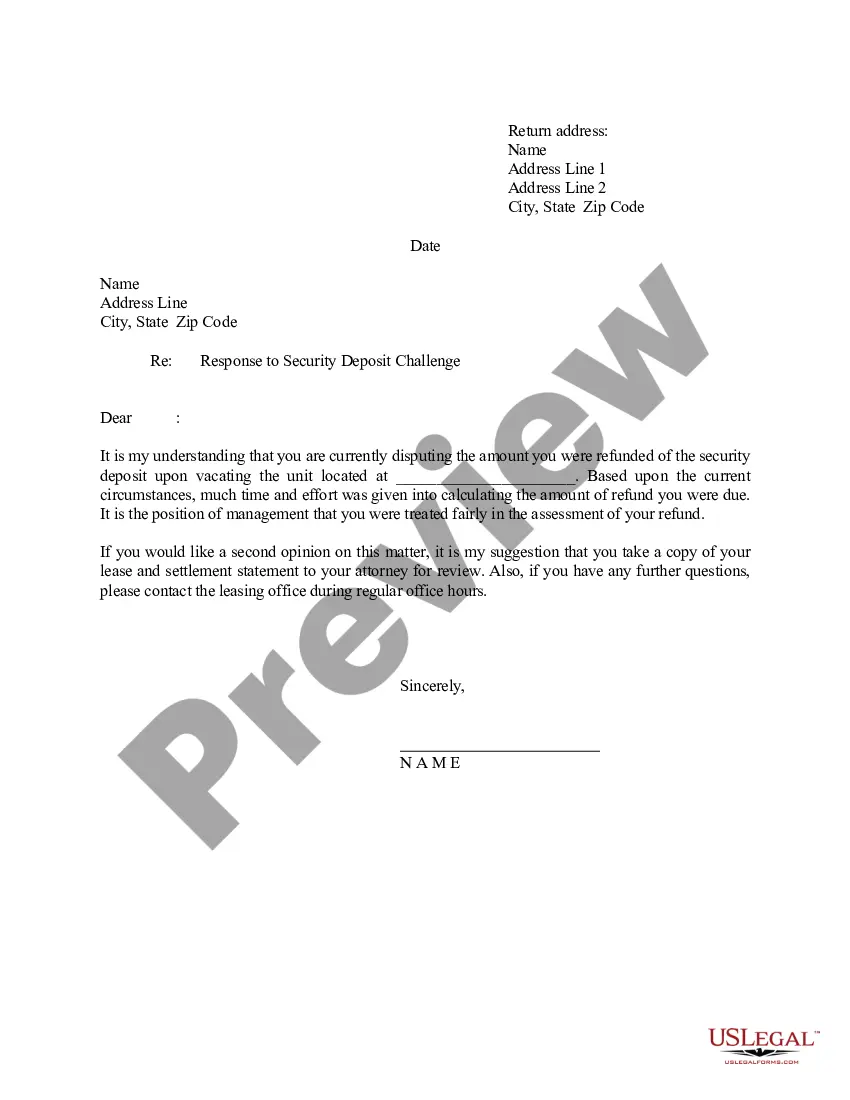
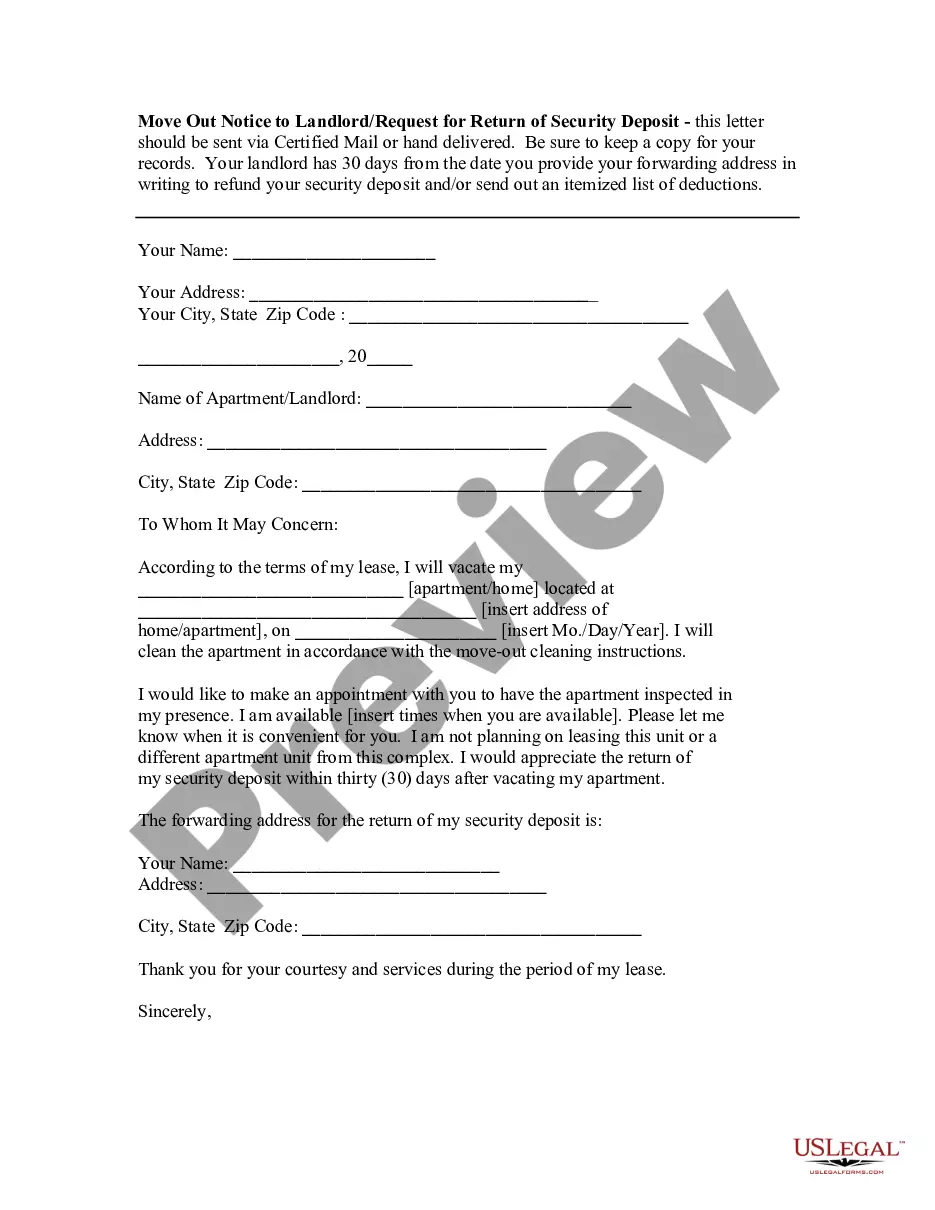
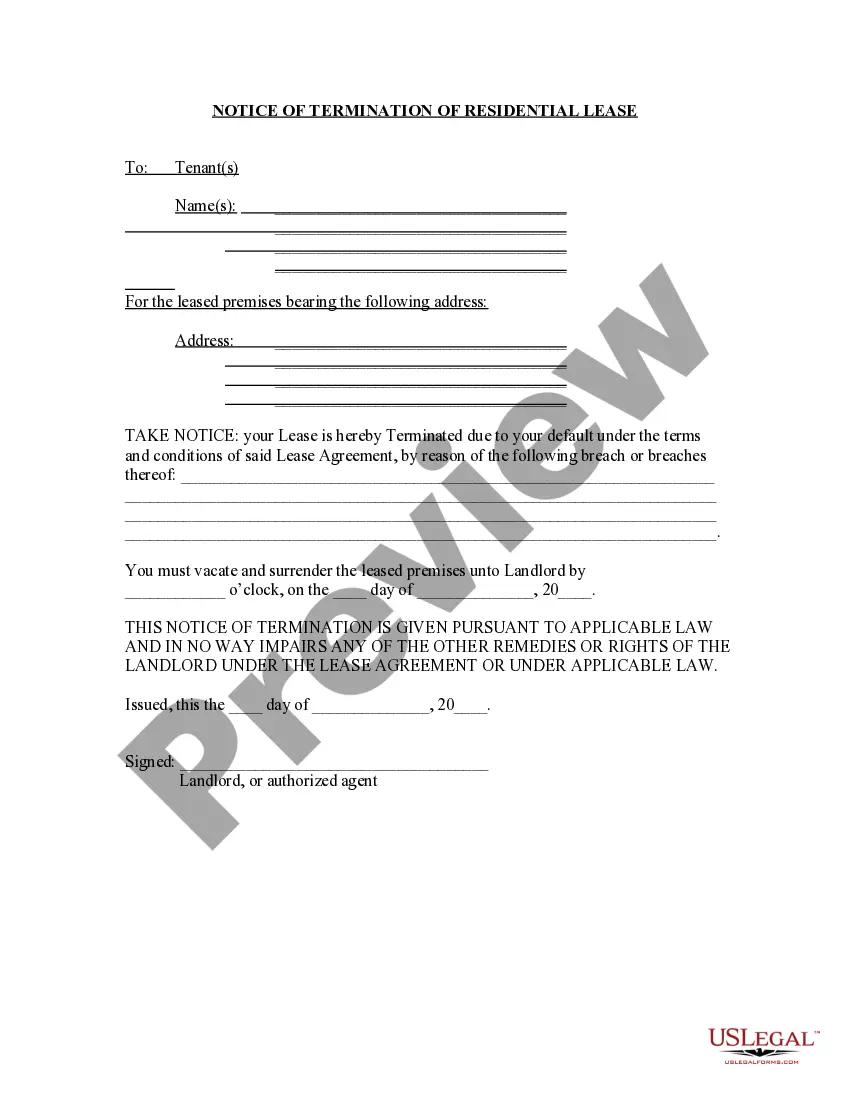
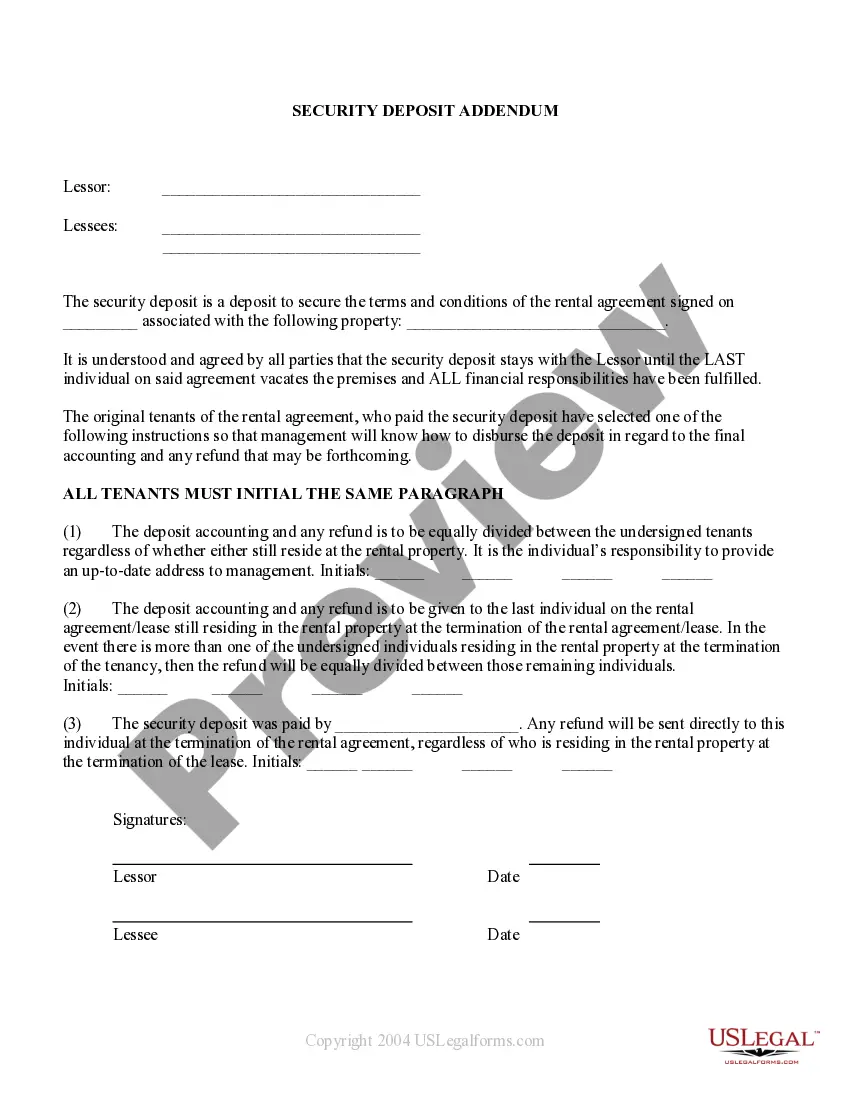
This form is a Letter from Landlord to Tenant Returning a security deposit less deductions. It serves to officially notify the tenant of the amount to be returned after deducting costs related to unpaid rent, property damages (beyond normal wear and tear), cleaning, and other reasonable expenses. This letter is distinct from other lease-related documents as it specifically addresses the handling of the security deposit and the justifications for any deductions made from it.
Main sections of this form
- Identification of parties involved: landlord and tenant.
- Reference to the residential lease agreement date.
- Details of the security deposit amount.
- Itemized deductions with explanations for each charge.
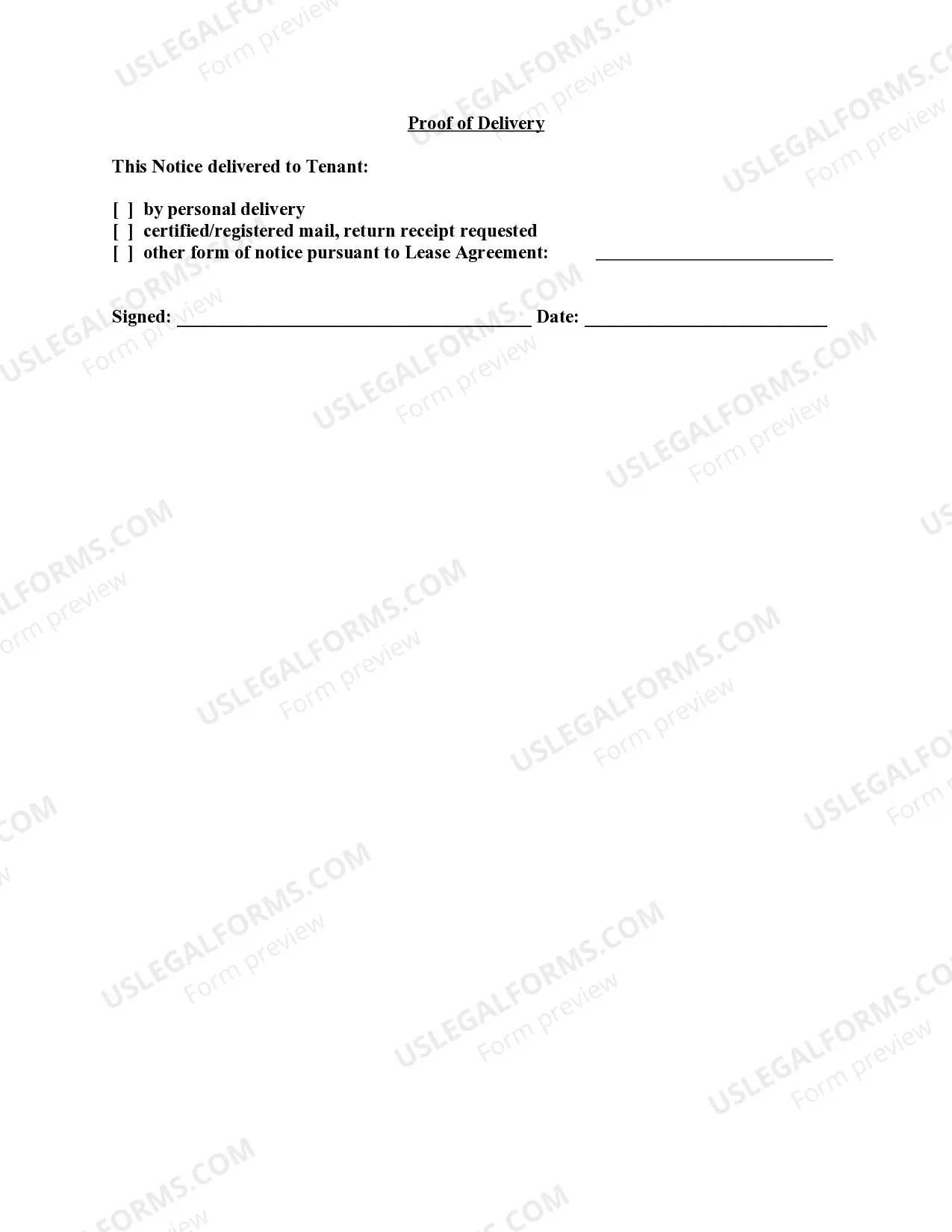
- Signature lines for the landlord and date of delivery.
Common use cases
This form should be used when a landlord needs to return a tenant's security deposit after the lease has ended. It is particularly important when deductions must be made for legitimate costs incurred during the tenant's occupancy, such as repairs for damage beyond normal wear and tear or unpaid rent. It helps maintain transparency and clear communication regarding financial matters between the landlord and tenant.
Who needs this form
- Landlords who have finished a rental agreement with a tenant.
- Property managers acting on behalf of landlords.
- Tenants who wish to understand the deductions made from their deposit.
Instructions for completing this form
- Identify the parties: Fill in the names of the landlord and tenant.
- Specify the rental agreement date: Include the date the lease was signed.
- Enter the security deposit amount: Clearly state the total security deposit held.
- List itemized deductions: Provide detailed descriptions of each deduction from the deposit.
- Sign and date the letter: Have it signed by the landlord and include the date of delivery to the tenant.
Is notarization required?
This form does not typically require notarization unless specified by local law. It can be effectively used once properly completed and delivered to the tenant.
Get your form ready online
Our built-in tools help you complete, sign, share, and store your documents in one place.
Make edits, fill in missing information, and update formatting in US Legal Forms—just like you would in MS Word.
Download a copy, print it, send it by email, or mail it via USPS—whatever works best for your next step.
Sign and collect signatures with our SignNow integration. Send to multiple recipients, set reminders, and more. Go Premium to unlock E-Sign.
If this form requires notarization, complete it online through a secure video call—no need to meet a notary in person or wait for an appointment.
We protect your documents and personal data by following strict security and privacy standards.

Make edits, fill in missing information, and update formatting in US Legal Forms—just like you would in MS Word.

Download a copy, print it, send it by email, or mail it via USPS—whatever works best for your next step.

Sign and collect signatures with our SignNow integration. Send to multiple recipients, set reminders, and more. Go Premium to unlock E-Sign.

If this form requires notarization, complete it online through a secure video call—no need to meet a notary in person or wait for an appointment.

We protect your documents and personal data by following strict security and privacy standards.
Common mistakes to avoid
- Failing to provide a thorough itemization of deductions.
- Not including the specific lease agreement date.
- Missing the signature or date of delivery.
- Not adhering to state-specific laws regarding deposit returns.
Benefits of using this form online
- Quick and easy access to the form without needing to visit an office.
- Customizable fields to suit specific situations.
- Guidance provided to ensure all necessary information is included.
Legal use & context
- The letter serves as a formal record of the security deposit return process.
- It provides protection for landlords by documenting deductions and compliance with state laws.
- Ensures tenants are informed of their rights and the handling of their deposit.
Summary of main points
- This letter is essential for communication regarding security deposits.
- Clarity in deductions helps prevent misunderstandings or disputes.
- Compliance with state laws is crucial for legality and fairness in tenancy matters.
Looking for another form?
Form popularity
FAQ
Contact your landlord or agent. Set out your evidence and the reasons you don't agree with deductions from your deposit in writing. Raise a dispute with your deposit scheme. Consider court action.
Texas law doesn't impose any limits as to the maximum amount that a landlord can charge a tenant for a security deposit. That's at the state level, however. Local ordinances might differ, so always check with your municipality or county to be sure that what you're asking is within the law there.
The Real Deal with Carpet Cleaning According to the Department of Agriculture, Trade and Consumer Protection, landlords CANNOT charge for routine carpet cleaning - during the lease or from a security deposit-no matter what your lease says.
Contact your landlord or agent. Set out your evidence and the reasons you don't agree with deductions from your deposit in writing. Raise a dispute with your deposit scheme. Your deposit should be protected with a deposit protection scheme if you have an assured shorthold tenancy. Consider court action.
(a) Before returning a security deposit, the landlord may deduct from the deposit damages and charges for which tenant is legally liable under the lease or as a result of breaching the lease. (b) The landlord may not retain any portion of a security deposit to cover normal wear and tear.
Before returning a security deposit, the landlord may deduct from the deposit damages and charges for which the tenant is legally liable under Texas security deposit laws or as a result of breaching the lease. The landlord may not retain any portion of a security deposit to cover normal wear and tear.
The cost of fixing any damages to the property caused by the tenant or the tenant's guests. The cost of cleaning the unit when the tenant moves out, but only to make the unit as clean as it was when the tenant first moved in (less reasonable wear and tear).
"Normal wear and tear" means deterioration that results from the intended use of a dwelling, including, for the purposes of Subchapters B and D, breakage or malfunction due to age or deteriorated condition, but the term does not include deterioration that results from negligence, carelessness, accident, or abuse of the
Concisely review the main facts and lay out the reasons your landlord owes you money. Include copies of relevant letters and agreements, such as your notice to move out. Ask for exactly what you want, such as the full amount of your deposit within ten days. Cite state security deposit law.