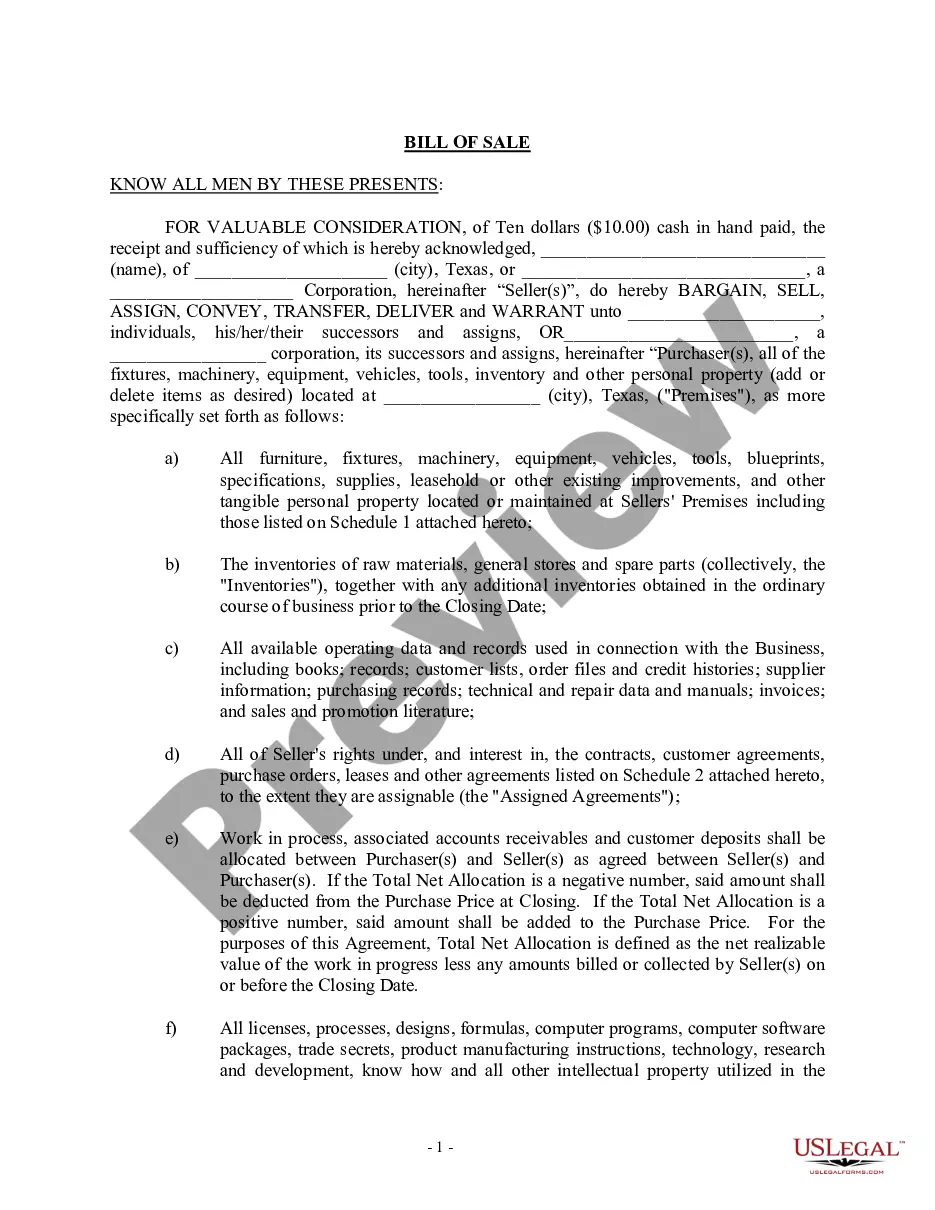
Texas General Warranty Deed - Six Grantors to One Grantee
About this form
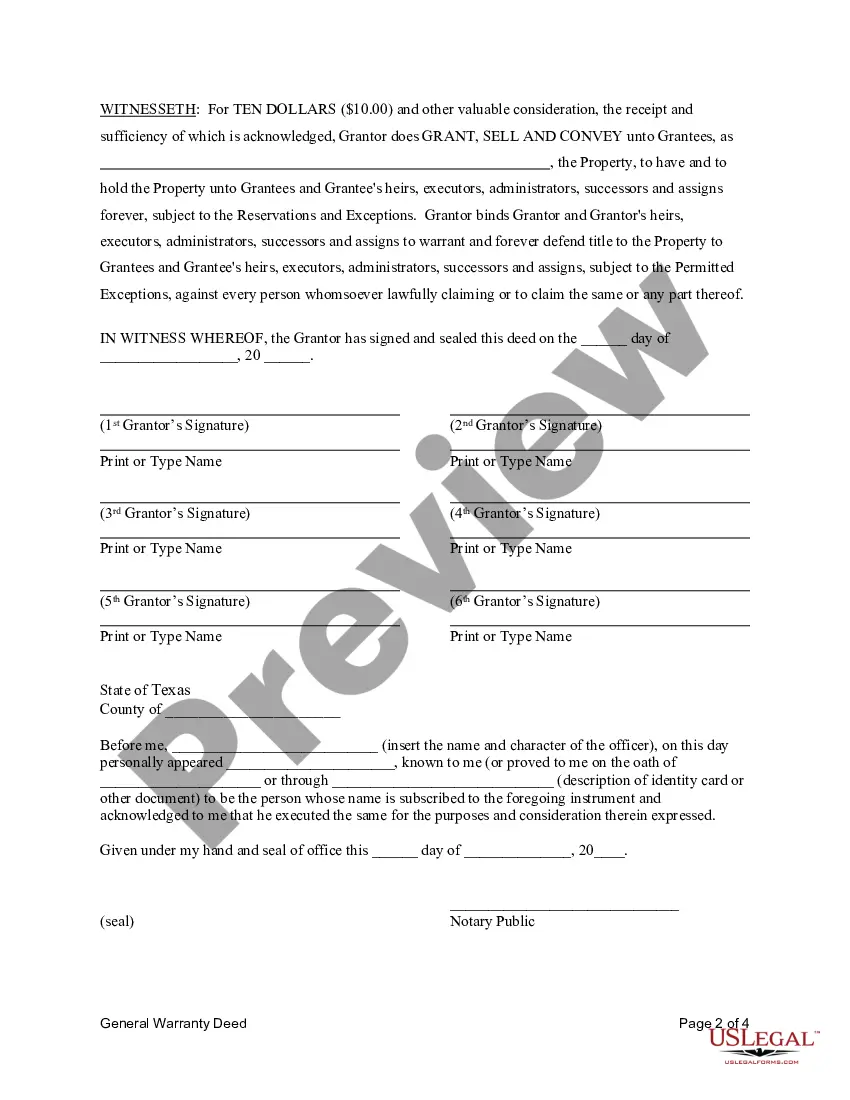
The General Warranty Deed for Six Grantors to One Grantee is a legal document that transfers property ownership from multiple grantors to a single grantee. This form provides a broad assurance that the property is free of any liens or claims that could affect ownership. Unlike other types of deeds, a General Warranty Deed offers the highest level of protection to the grantee, ensuring that the property is guaranteed against any future claims. This document is essential when multiple individuals are involved in selling or transferring property.
What’s included in this form
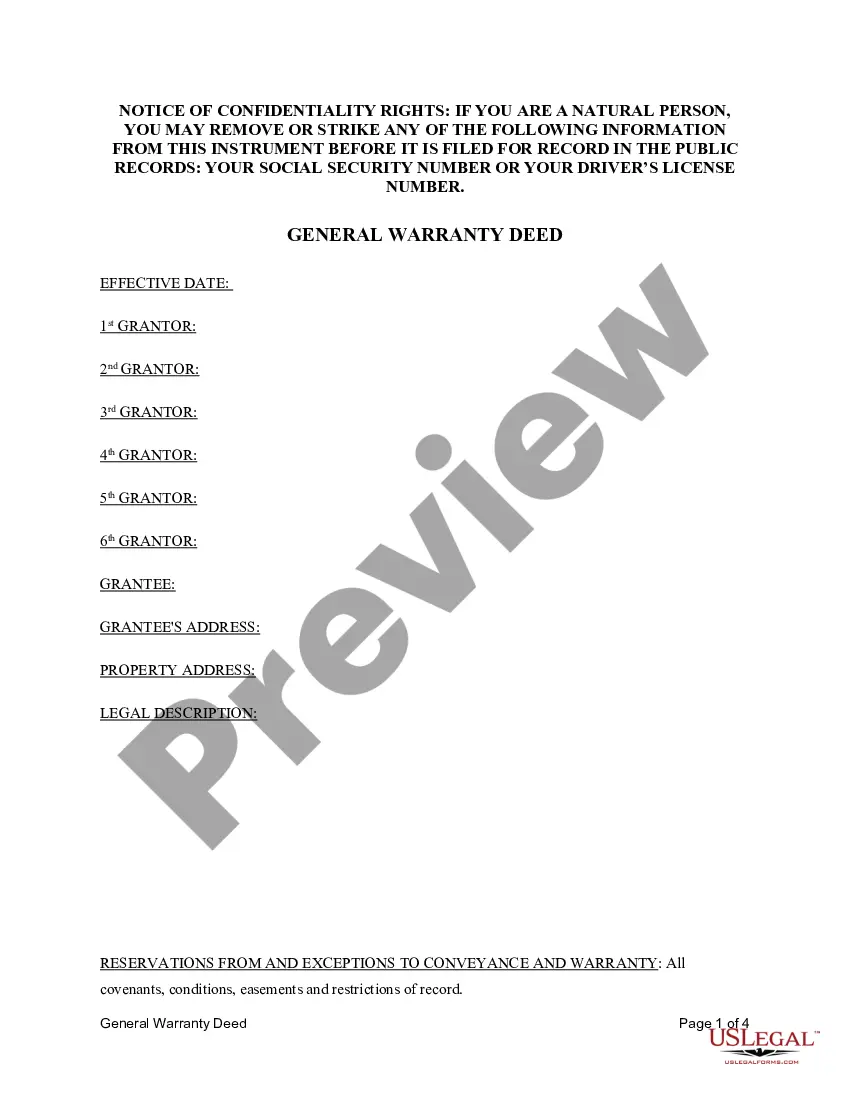
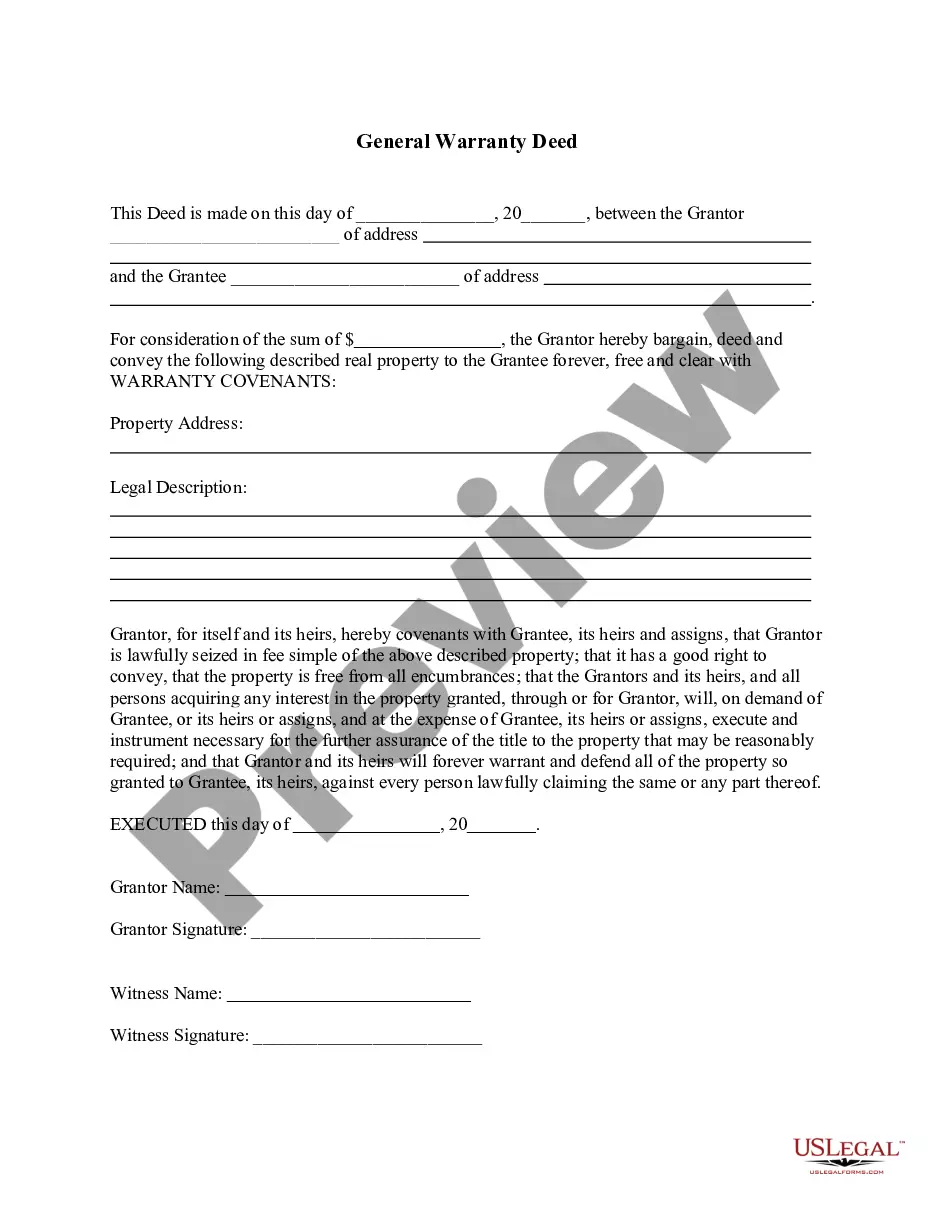
- Identification of the grantors, ensuring all six individuals are correctly listed.
- Clear description of the property being transferred, including legal descriptions and parcel numbers.
- Grant clause stating the transfer of ownership from the grantors to the grantee.
- Warranties provided by the grantors, affirming that they hold clear title and will defend the grantee against claims.
- Signatures of all grantors, which are necessary to validate the deed.
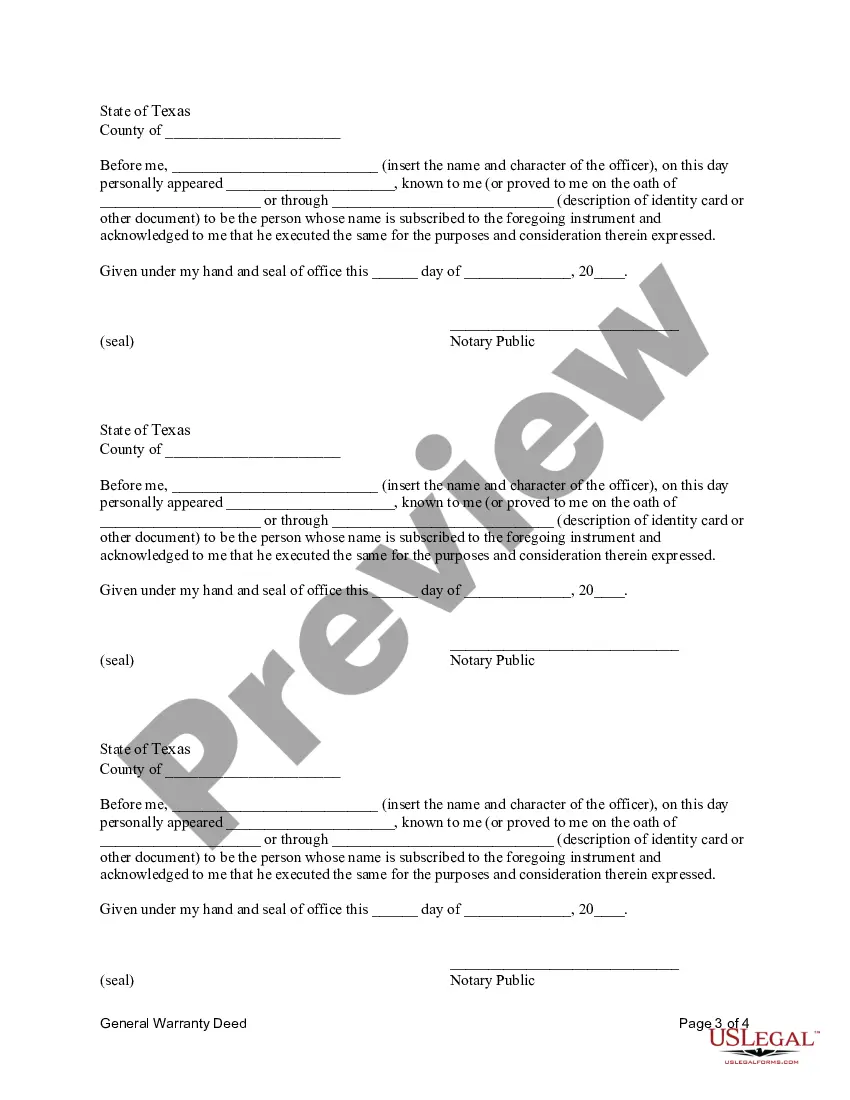
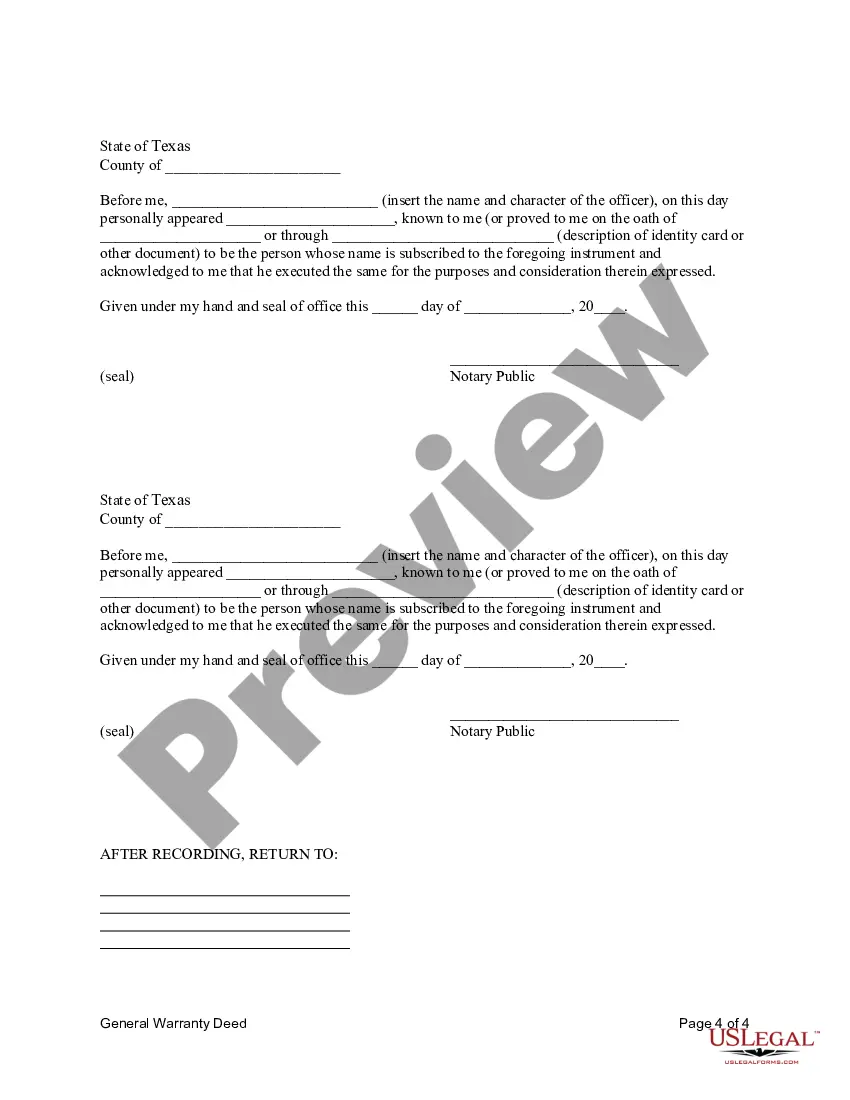
- Notarization section to provide legal validity to the document.

Situations where this form applies
This form should be used when six individuals are collectively transferring property ownership to one individual. This scenario commonly arises in family transactions or partnerships where multiple owners decide to sell or transfer their interests in the property to a single buyer. It may also be applicable in estate settlements where multiple heirs are conveying property to one heir or buyer.
Who this form is for
- Individuals involved in a transaction where six owners are selling or transferring property.
- Heirs or beneficiaries who need to consolidate property ownership among multiple parties.
- Attorneys or real estate professionals assisting clients with property transfers involving multiple grantors.
How to prepare this document
- Identify all six grantors by accurately entering their names and addresses.
- Provide a detailed description of the property being conveyed, including any legal identifiers.
- Insert the name of the grantee and ensure clarity on the rights being granted.
- Have all grantors sign the document in the designated areas to validate the transfer.
- Complete the notarization section, if required, to formalize the deed.
Does this document require notarization?
To make this form legally binding, it must be notarized. Our online notarization service, powered by Notarize, lets you verify and sign documents remotely through an encrypted video session.
Get your form ready online
Our built-in tools help you complete, sign, share, and store your documents in one place.
Make edits, fill in missing information, and update formatting in US Legal Forms—just like you would in MS Word.
Download a copy, print it, send it by email, or mail it via USPS—whatever works best for your next step.
Sign and collect signatures with our SignNow integration. Send to multiple recipients, set reminders, and more. Go Premium to unlock E-Sign.
If this form requires notarization, complete it online through a secure video call—no need to meet a notary in person or wait for an appointment.
We protect your documents and personal data by following strict security and privacy standards.

Make edits, fill in missing information, and update formatting in US Legal Forms—just like you would in MS Word.

Download a copy, print it, send it by email, or mail it via USPS—whatever works best for your next step.

Sign and collect signatures with our SignNow integration. Send to multiple recipients, set reminders, and more. Go Premium to unlock E-Sign.

If this form requires notarization, complete it online through a secure video call—no need to meet a notary in person or wait for an appointment.

We protect your documents and personal data by following strict security and privacy standards.
Avoid these common issues
- Failing to include all grantors' names, which can invalidate the deed.
- Not providing a clear and accurate description of the property being transferred.
- Omitting signatures or not having them notarized when necessary.
- Leaving out legal clauses that guarantee the title, which may expose the grantee to future claims.
Why complete this form online
- Convenience: Access and download the form from anywhere, at any time.
- Editability: Fill in information electronically or print and complete by hand.
- Reliability: Ensure compliance with current legal statutes and regulations.
What to keep in mind
- The General Warranty Deed - Six Grantors to One Grantee provides full ownership transfer with warranties.
- It is suitable for property transfers involving multiple individuals conveying to a single party.
- Proper completion, including signatures and property description, is essential for legal validity.
Looking for another form?

Form popularity
FAQ
No, California does not require that the Grantee sign a warranty deed. However, some states and counties require that the deed be signed by the Grantee in addition to the Grantor.
A warranty deed can include six traditional forms of Covenants for Title, sometimes known as the English covenants of title. Those six traditional forms of covenants can be broken down into two categories: present covenants and future covenants.
Fill out the "grantor" section of the warranty deed. The grantors are the givers, or current owners, of the property. Use the legal name of each grantor and insert current addresses after each grantor's name.
The name and address of the seller (called the grantor) The name and address of the buyer (called the grantee) A legal description of the property (found on the previous deed) A statement that the grantor is transferring the property to the grantee.
Write the county where the property is located on line provided next to the words "County of" beneath the words "The State of Texas." Write the name and address of the grantor on the lines provided after the words "Know all men by these presents, That I."
A general warranty deed transfers real property from the buyer to the seller with the guarantee that the seller holds clear, unencumbered legal title to the property.A legal description of the property (found on the previous deed) A statement that the grantor is transferring the property to the grantee.
They are (1) covenant for seisin; (2) covenant of the right to convey; (3) covenant against encumbrances; (4) covenant for QUIET ENJOYMENT; (5) covenant of general WARRANTY; and (6) covenant for further assurances.
A general warranty deed covers the property's entire history. It guarantees the property is free-and-clear from defects or encumbrances, no matter when they happened or under whose ownership.With a special warranty deed, the guarantee covers only the period when the seller held title to the property.
A special warranty deed to real estate offers protection to the buyer through the seller's guarantee that the title has been free and clear of encumbrances during their ownership of the property. It does not guarantee clear title beyond their ownership.