Texas Joint Motion to Modify or Amend Divorce Decree
What is this form?
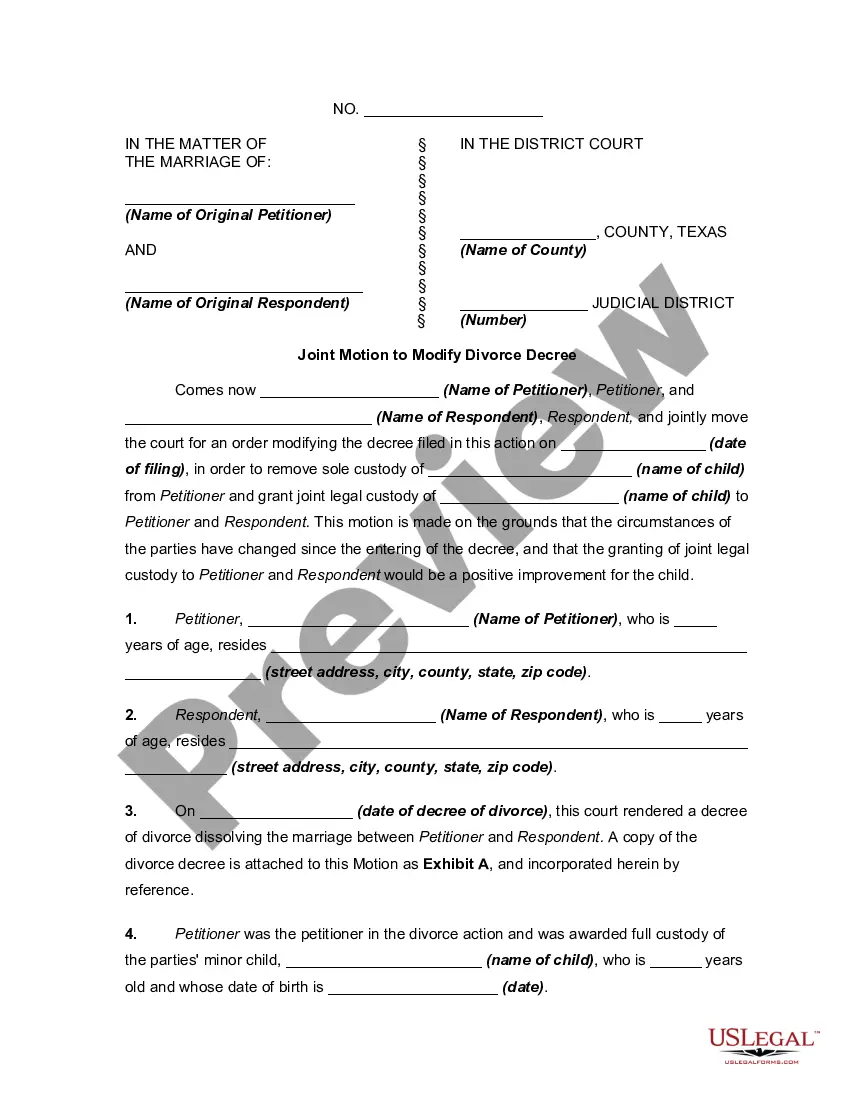
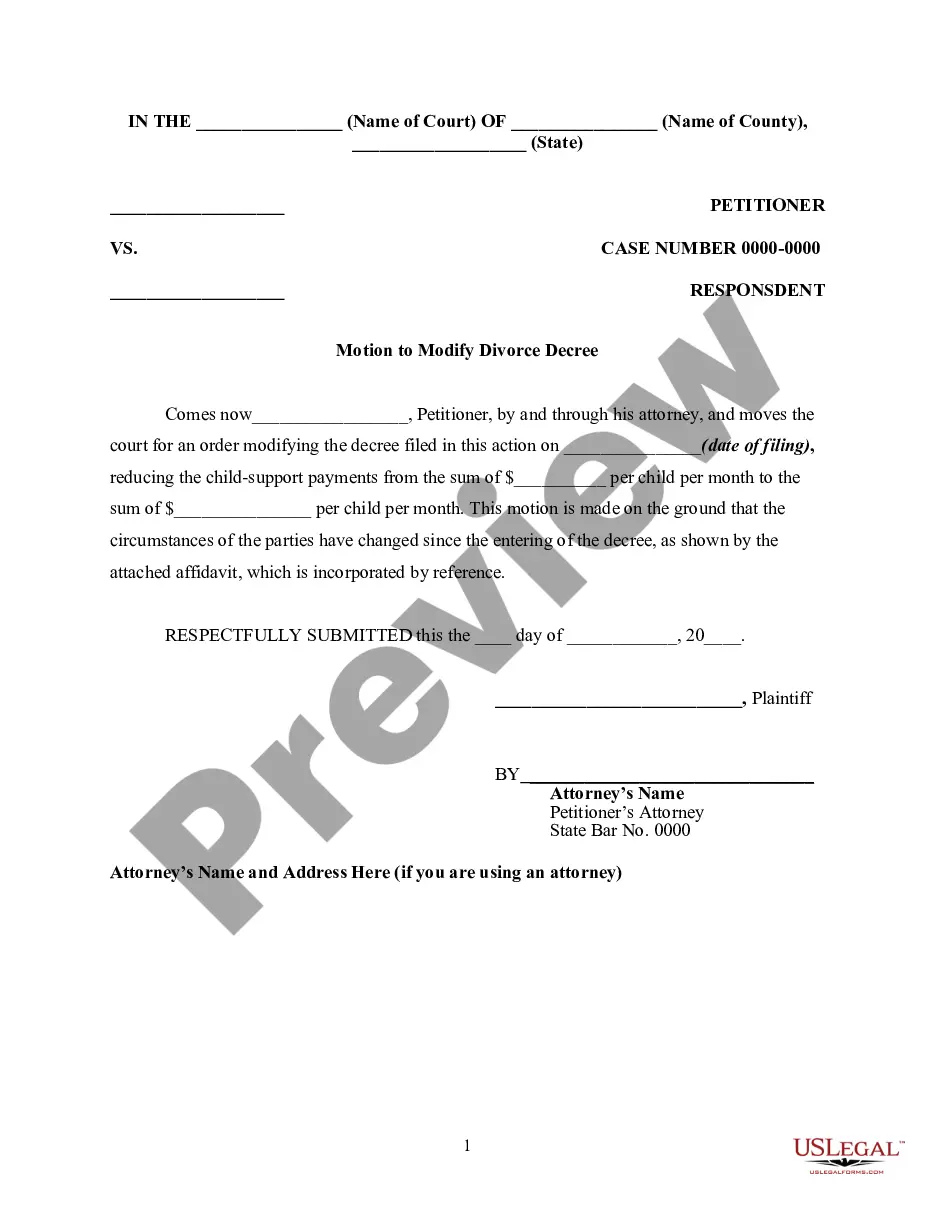
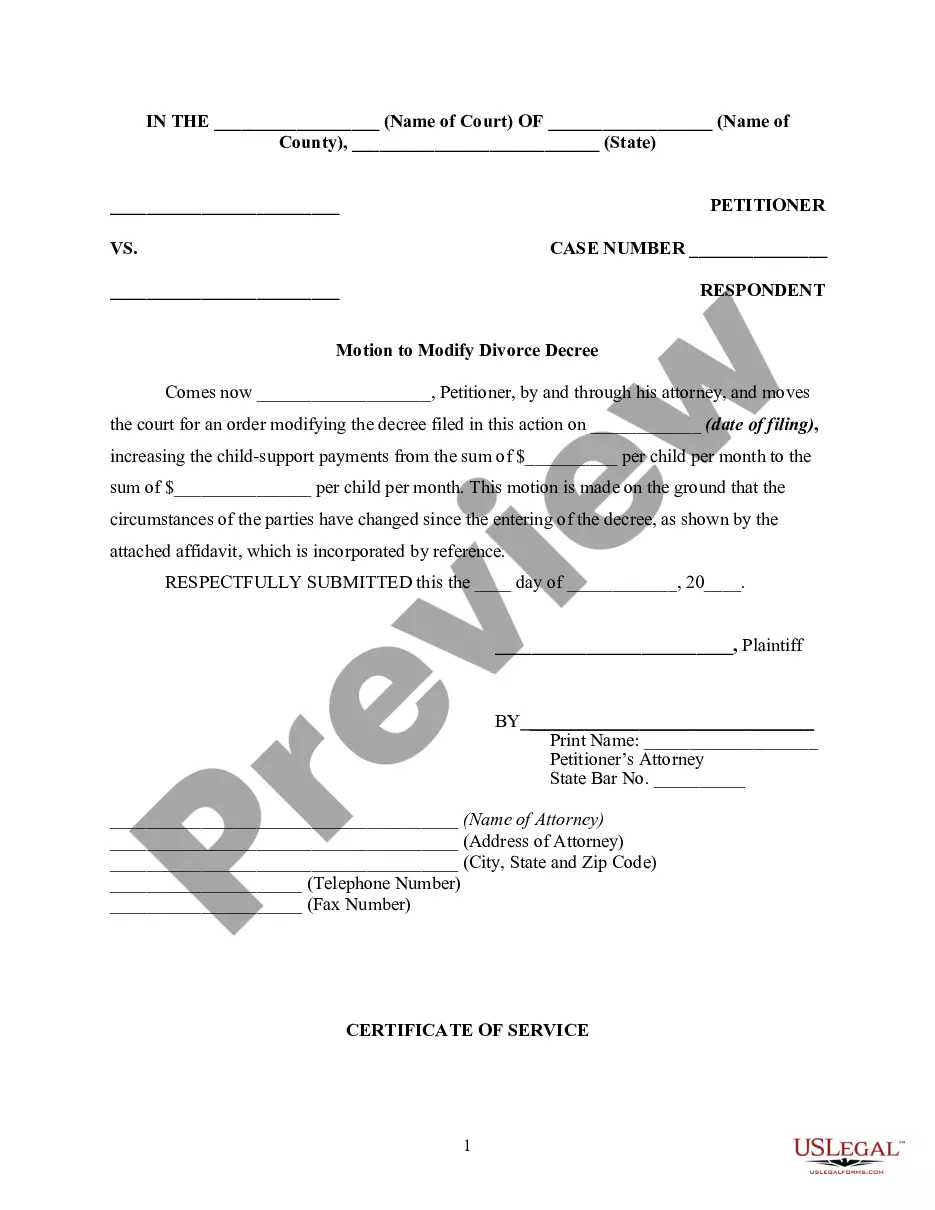
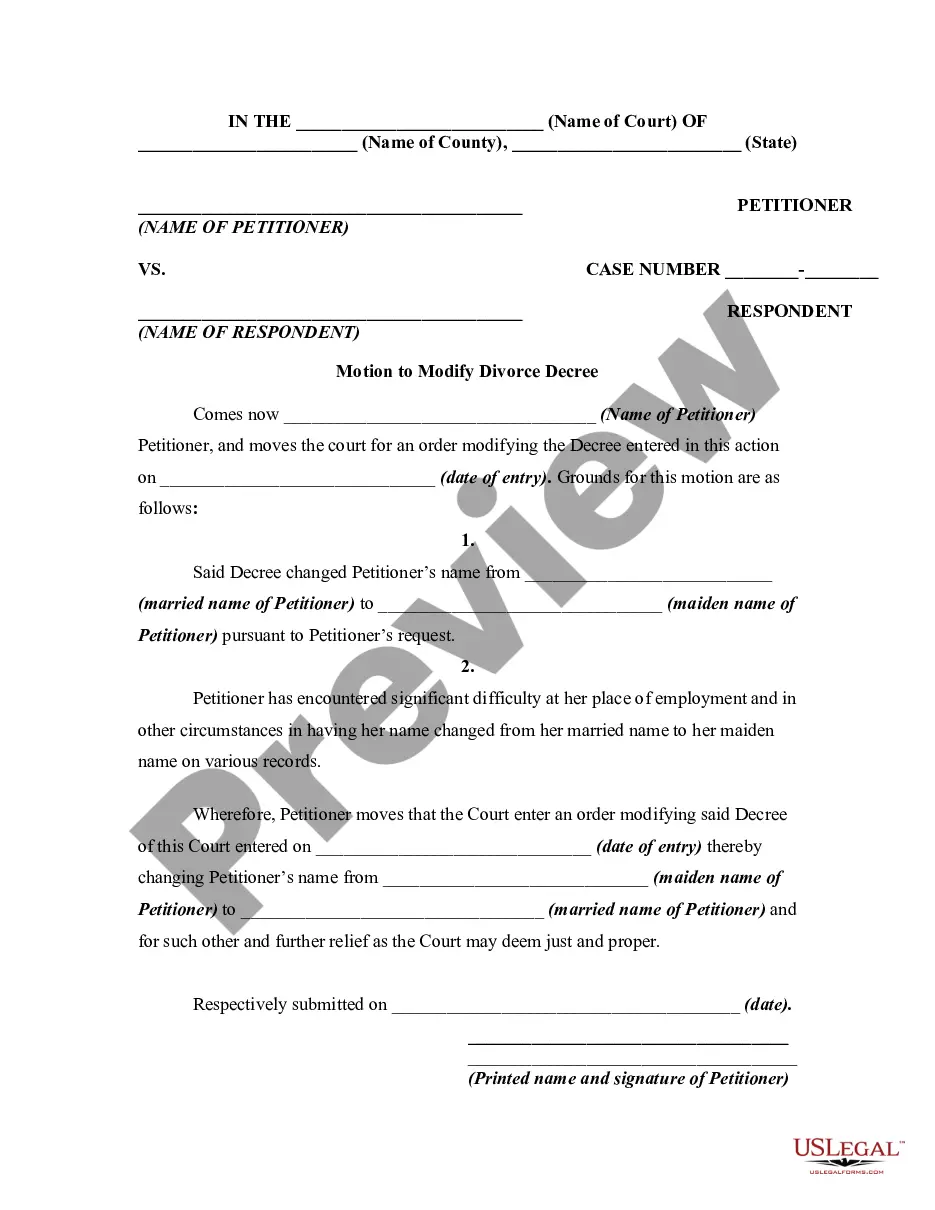
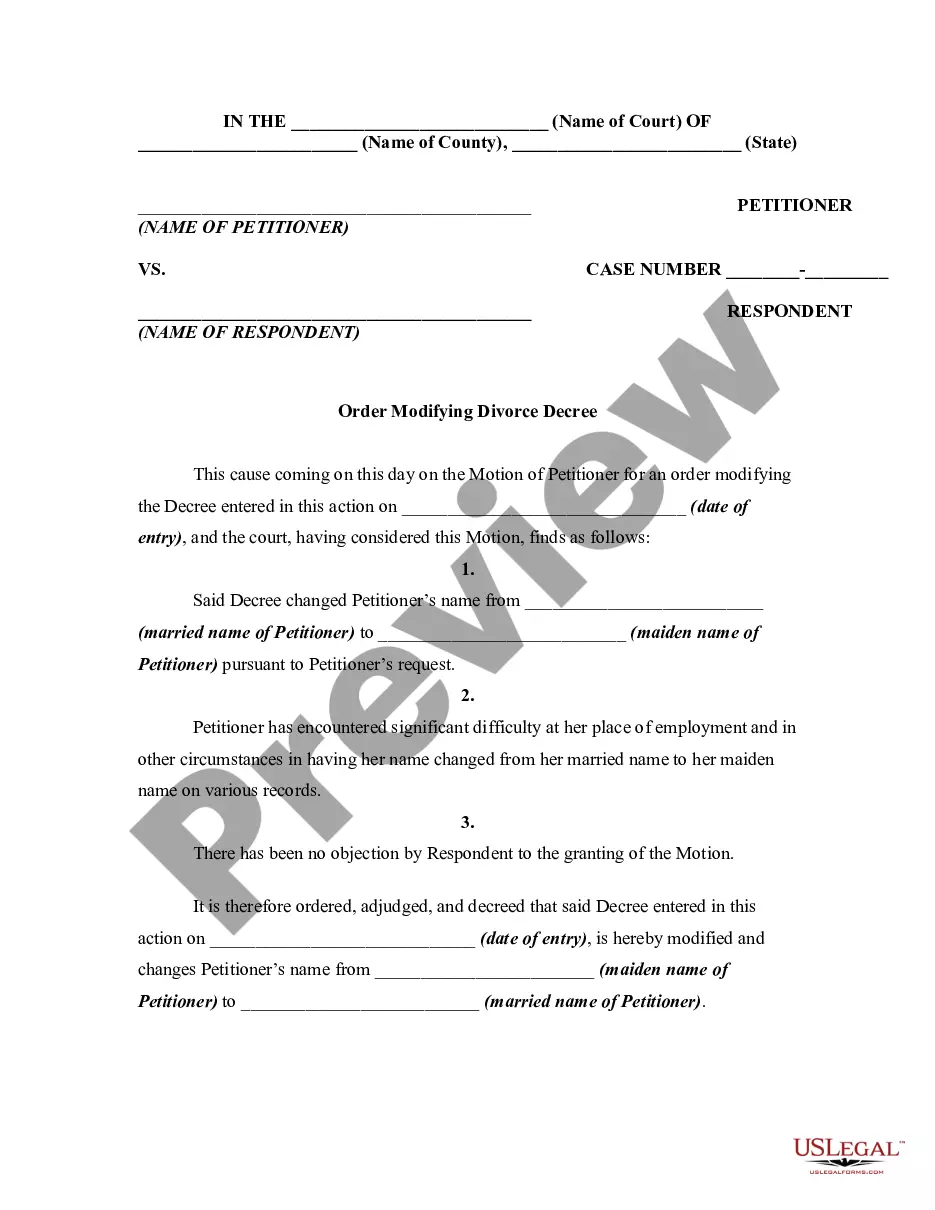
The Joint Motion to Modify or Amend Divorce Decree is a legal document used by both parents to request changes to an existing divorce decree, primarily regarding child custody and support arrangements. This form is different from other divorce-related forms as it focuses specifically on modifying existing decrees rather than initiating new divorce proceedings or other adjustments outside of the custody and support context. It allows parents to outline circumstances that warrant a change, emphasizing the best interests of the child involved.
Form components explained
- Identification of the parties involved (Petitioner and Respondent).
- Details about the original divorce decree and custody arrangements.
- Clear statement of the requested changes regarding custody.
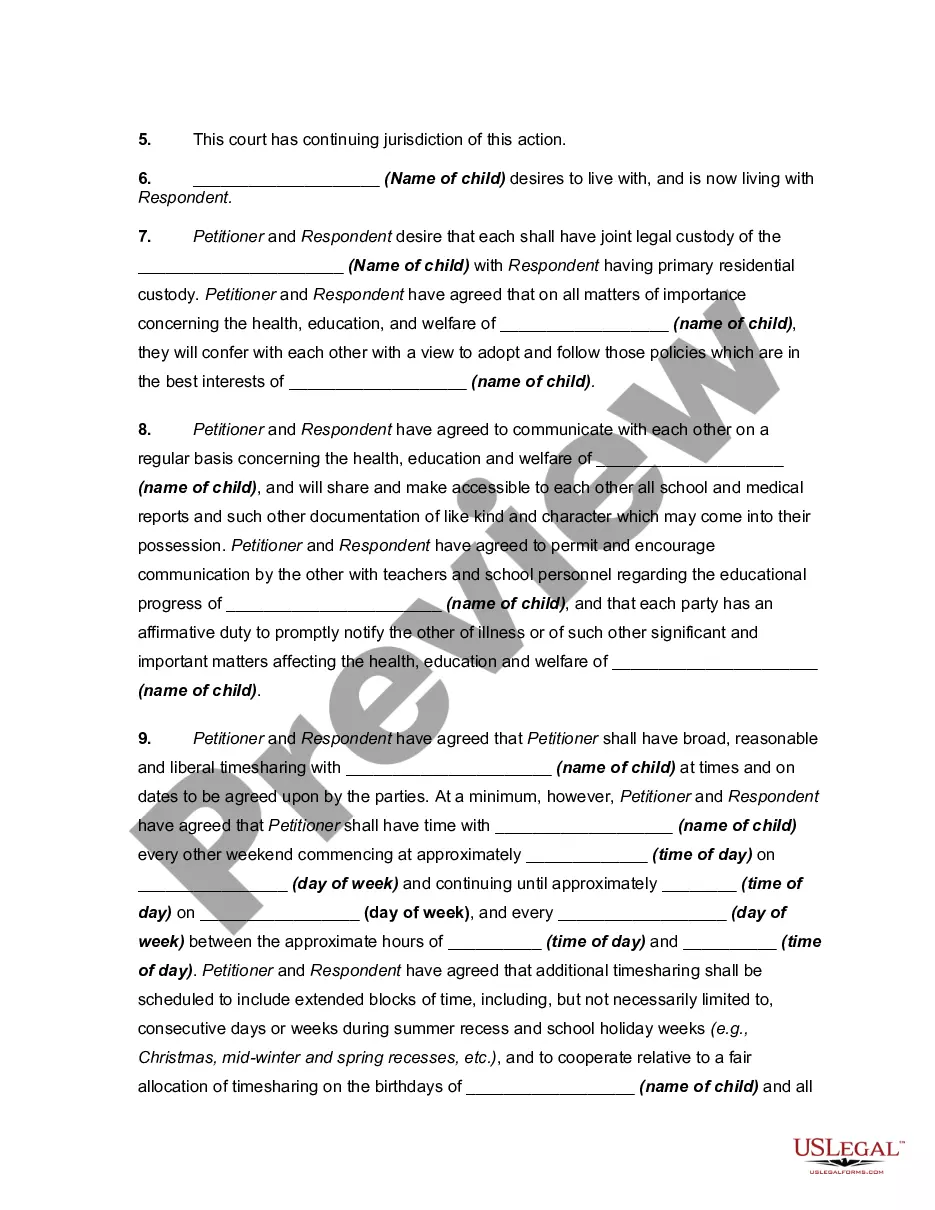
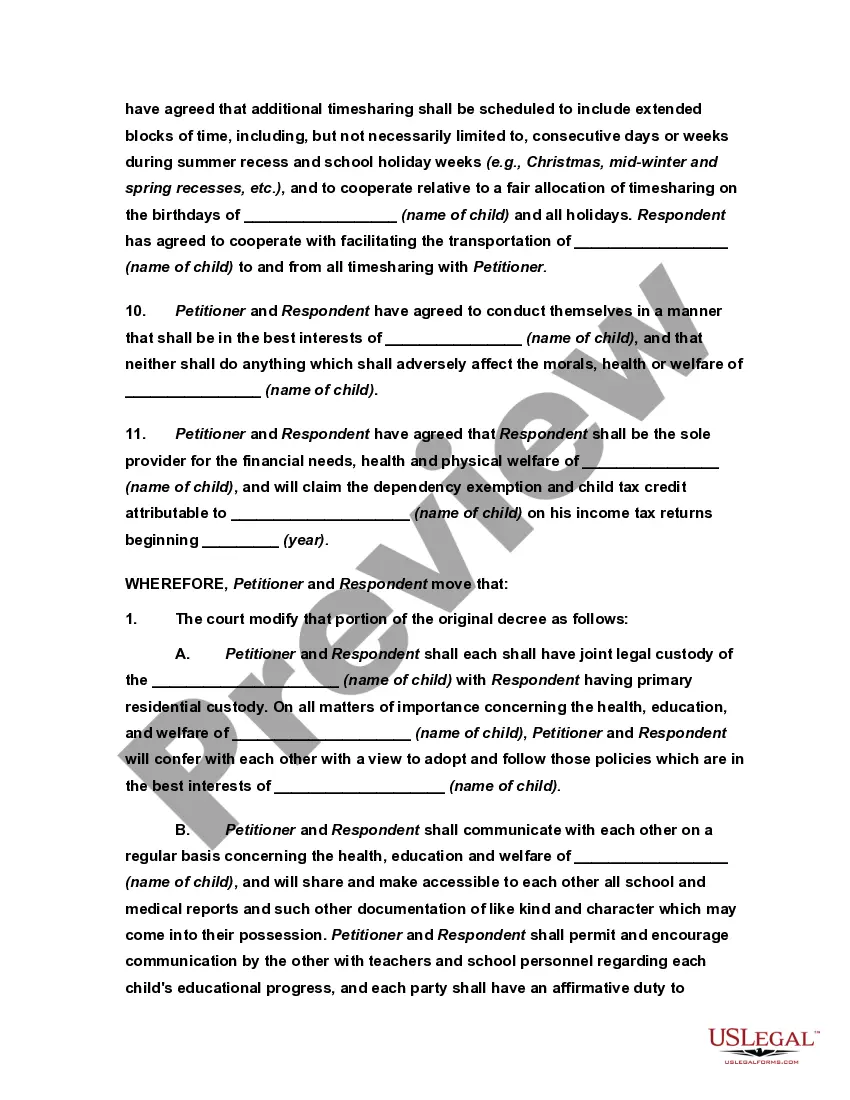
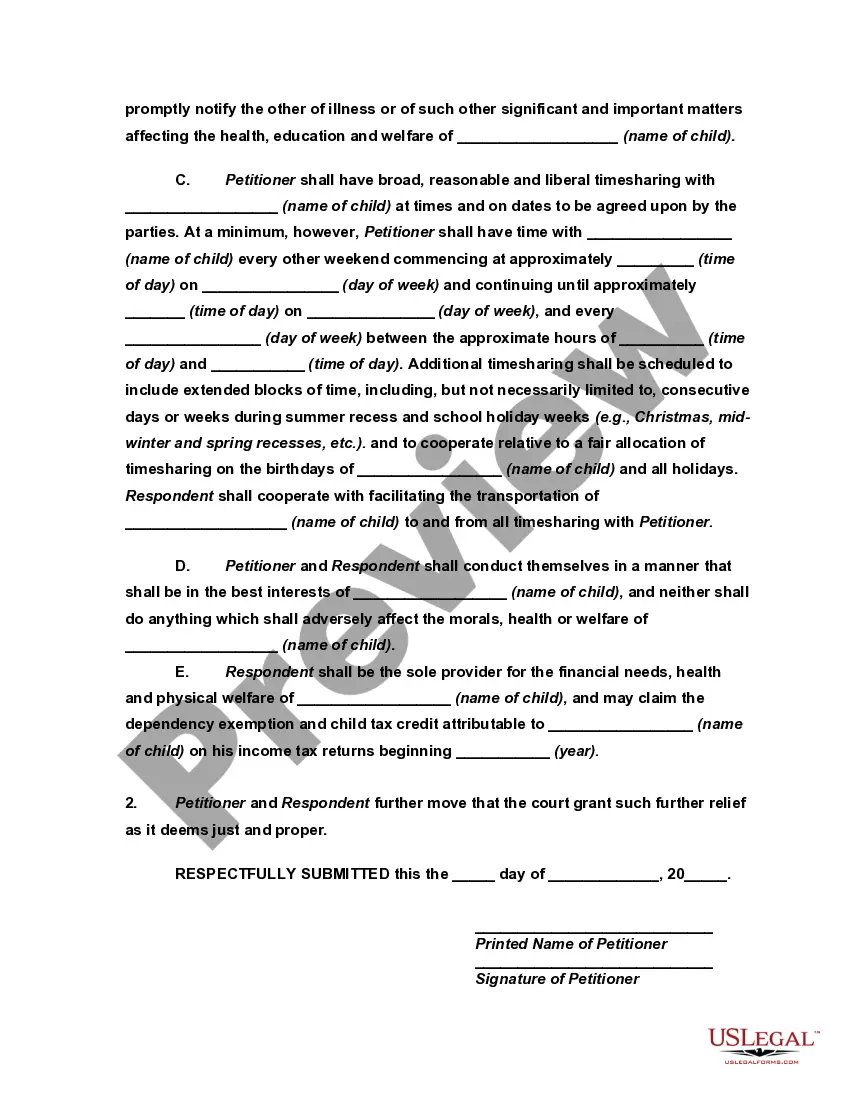
- Agreements between the parties about communication and decision-making for the child's welfare.
- Time-sharing arrangements specifying visitation schedules.
- Provisions regarding financial responsibilities related to the child.
Situations where this form applies
This form should be used when both parents agree that a modification to the existing divorce decree is necessary due to a material and substantial change in circumstances. Such instances may include a parent's remarriage, relocation, changes in employment, changes in the child's living situation or preferences, or other significant factors that affect the child's well-being and require adjustments to custody and support arrangements.
Who can use this document
This form is intended for:
- Divorced parents in Texas seeking to modify custody arrangements for their child.
- Parents who have jointly agreed to the changes in the custody and support terms.
- Individuals representing themselves in court (pro se litigants) who have the necessary information and consent of the other parent.
Steps to complete this form
- Identify and enter the names of the Petitioner and Respondent, along with their respective addresses.
- Provide details about the original divorce decree, including the date it was filed and any relevant custody information.
- Clearly state the grounds for the requested changes in custody and outline how these changes may benefit the child.
- Detail the agreed-upon terms for communication and decision-making regarding the childâs welfare.
- Specify the proposed time-sharing schedule for visitation, including specific days and times.
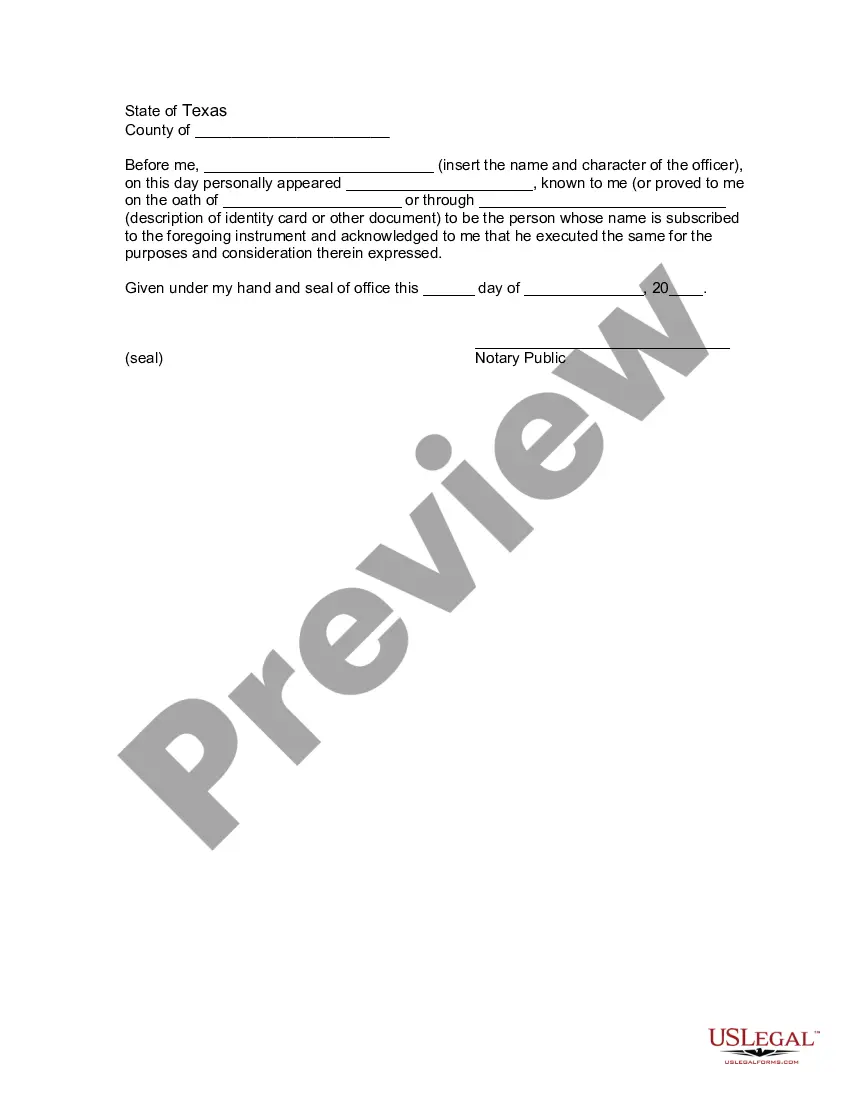
- Both parents must sign the form and complete the required notarization section if applicable.
Does this document require notarization?
Yes, this form must be notarized to be legally valid. This ensures that all signatures are verified and that the document is executed properly in accordance with legal standards. US Legal Forms provides integrated online notarization options that are secure and easily accessible.
Get your form ready online
Our built-in tools help you complete, sign, share, and store your documents in one place.
Make edits, fill in missing information, and update formatting in US Legal Forms—just like you would in MS Word.
Download a copy, print it, send it by email, or mail it via USPS—whatever works best for your next step.
Sign and collect signatures with our SignNow integration. Send to multiple recipients, set reminders, and more. Go Premium to unlock E-Sign.
If this form requires notarization, complete it online through a secure video call—no need to meet a notary in person or wait for an appointment.
We protect your documents and personal data by following strict security and privacy standards.

Make edits, fill in missing information, and update formatting in US Legal Forms—just like you would in MS Word.

Download a copy, print it, send it by email, or mail it via USPS—whatever works best for your next step.

Sign and collect signatures with our SignNow integration. Send to multiple recipients, set reminders, and more. Go Premium to unlock E-Sign.

If this form requires notarization, complete it online through a secure video call—no need to meet a notary in person or wait for an appointment.

We protect your documents and personal data by following strict security and privacy standards.
Avoid these common issues
- Failing to include both parties' consent, which is essential for the modification request.
- Omitting required signatures or notarization, which can result in rejection by the court.
- Not providing enough detail on the changes in circumstances that justify the modification.
- Using vague language in the time-sharing schedule, leading to potential conflicts later.
Why use this form online
- The convenience of downloading and filling out forms at any time without the need for physical visits to a lawyerâs office.
- Editable templates allow adjusting specific needs without starting from scratch.
- Access to attorney-drafted forms ensures accurate legal language and compliance with local laws.
Key takeaways
- The Joint Motion to Modify or Amend Divorce Decree is essential for parents seeking to alter existing custody terms in Texas.
- Both parents must agree on the changes, emphasizing the childâs best interests.
- Completing this form accurately and with all required signatures ensures court acceptance.
Looking for another form?
Form popularity
FAQ
Under Texas law, modifications to divorce decrees are allowed when both former spouses mutually agree to alter terms, or when there have been material and substantial changes in circumstances of one or both of the parties or a child.
You must file a modification case in the Texas county where the current order was made. If the child has lived in another Texas county for the last 6 months, you must still file the modification case in the county where the current order was made.
The most common modifications to divorce decrees involve child or spousal support and child custody. A party can file to modify a decree as early as a year after the decree is finalized.
There is a two-year statute of limitation to file a suit to enforce against a former spouse. This two-year time period starts the date the original divorce decree was signed by the judge or becomes final after an appeal, whichever date is later. See Texas Family Code 9.003 (a).
There is hope and it is possible to renegotiate a divorce after the divorce is final. If there has been a material change in circumstances, then there are possibilities to renegotiate the divorce settlement.However, the division of property that has been negotiated in a settlement is final and cannot be renegotiated.
A detailed parenting-time scheduleincluding holidays! Specifics about support. Life insurance. Retirement accounts and how they will be divided. A plan for the sale of the house.
Marital Home. Life Insurance and Health Insurance Policies. Division of Debt. Private School Tuition and College Tuition. Family Heirlooms and Jewelry. Parenting Time. Retirement Funds.
There are two distinct ways in which a divorce judgment can be changed:Appealing the judgment to a California District Court of Appeals. Filing a motion to modify the terms of the decree with the court where the original judgment was filed.
At any point after receiving a divorce settlement, you can file a motion to modify certain aspects of the decree. Though courts will usually not consider amending an order regarding property division, they may agree to modify a custody, child support, or spousal maintenance order.