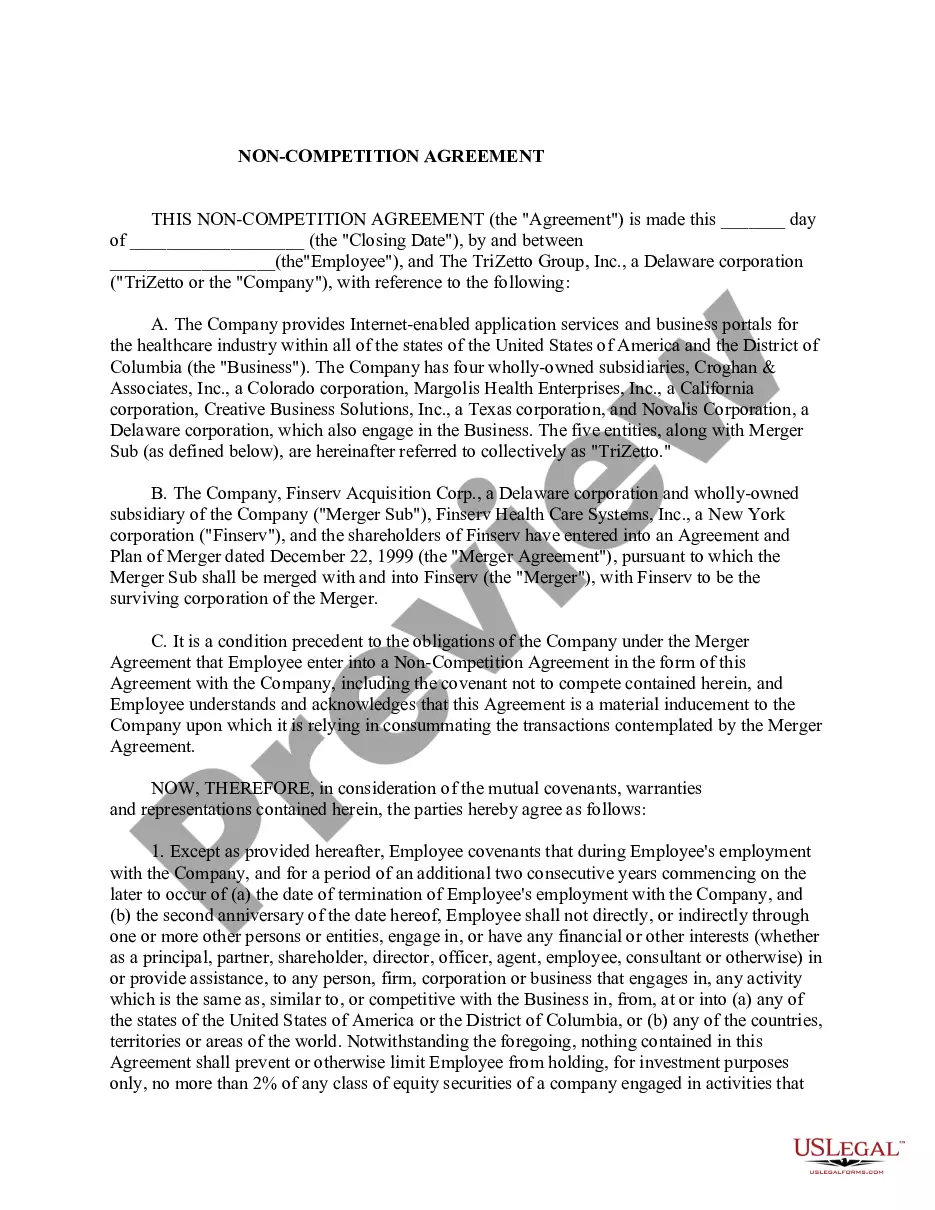
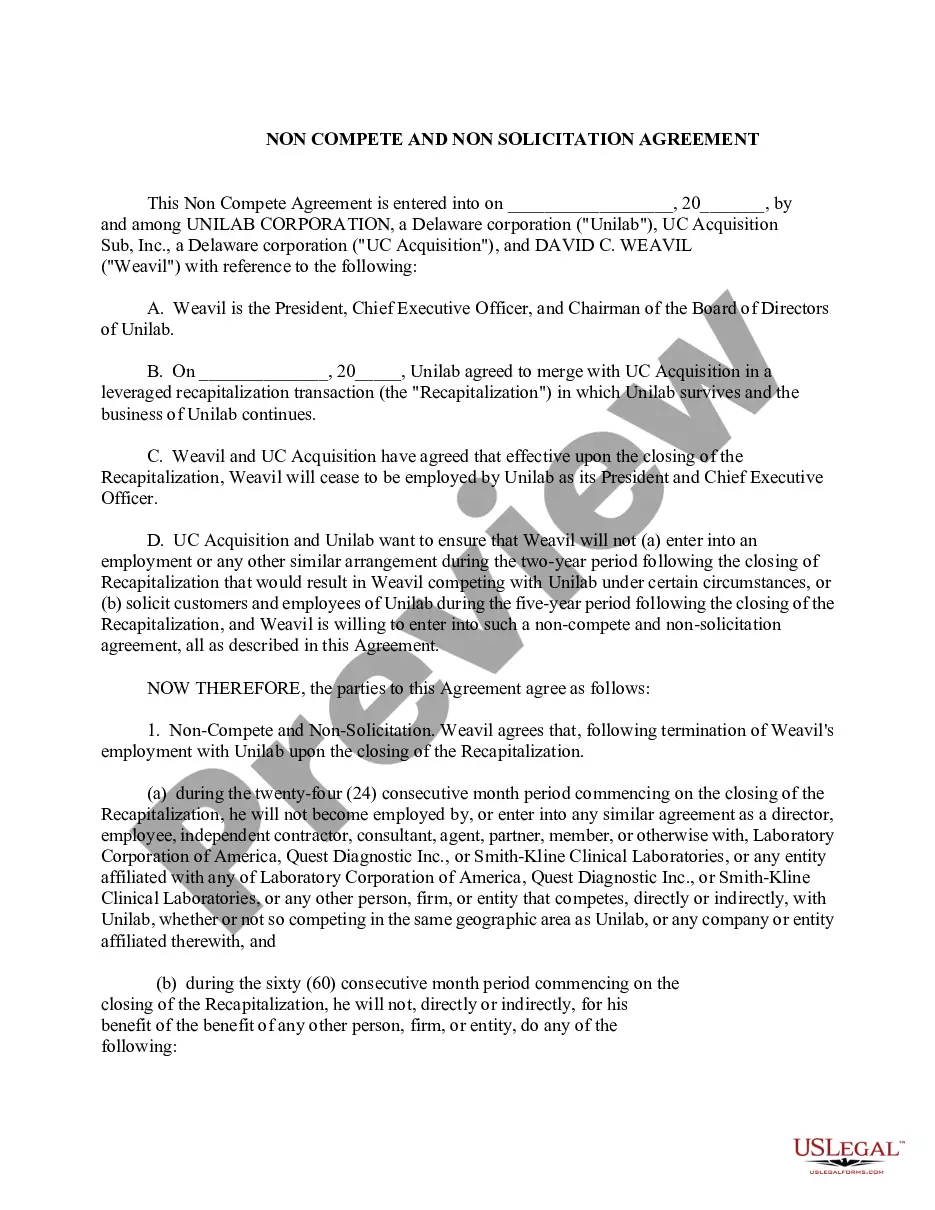
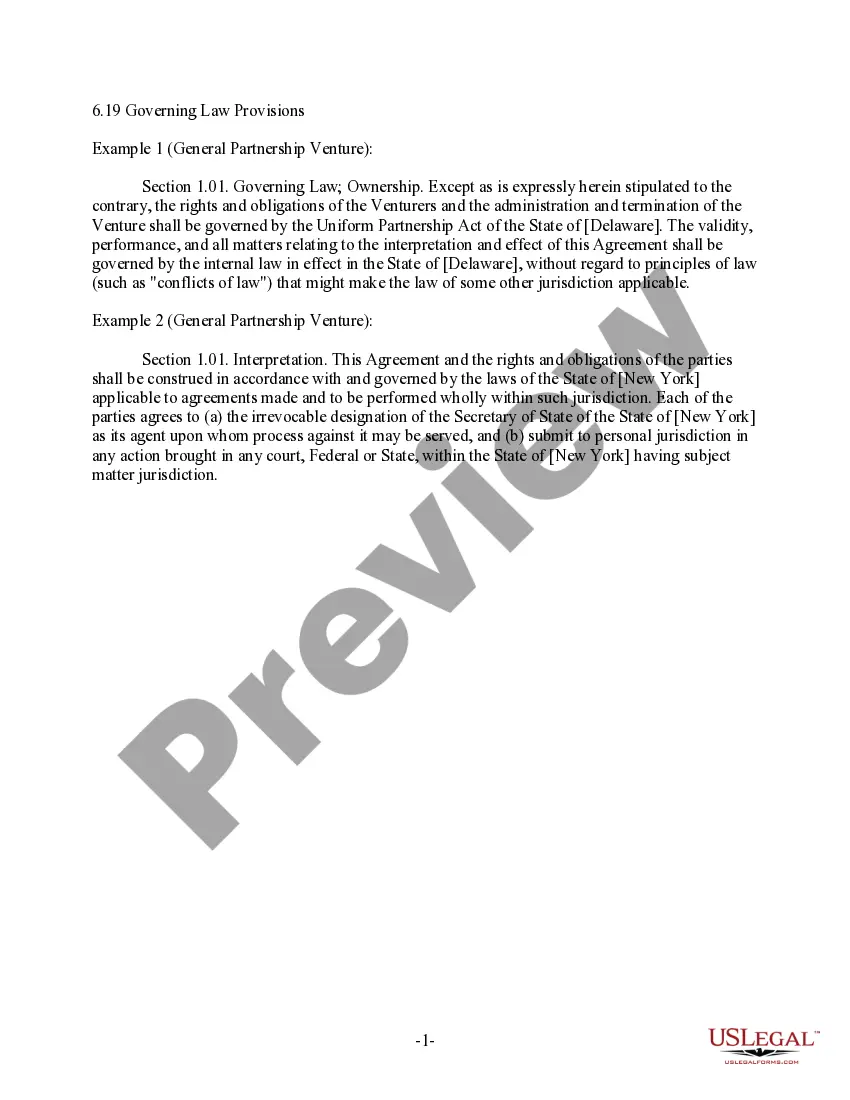
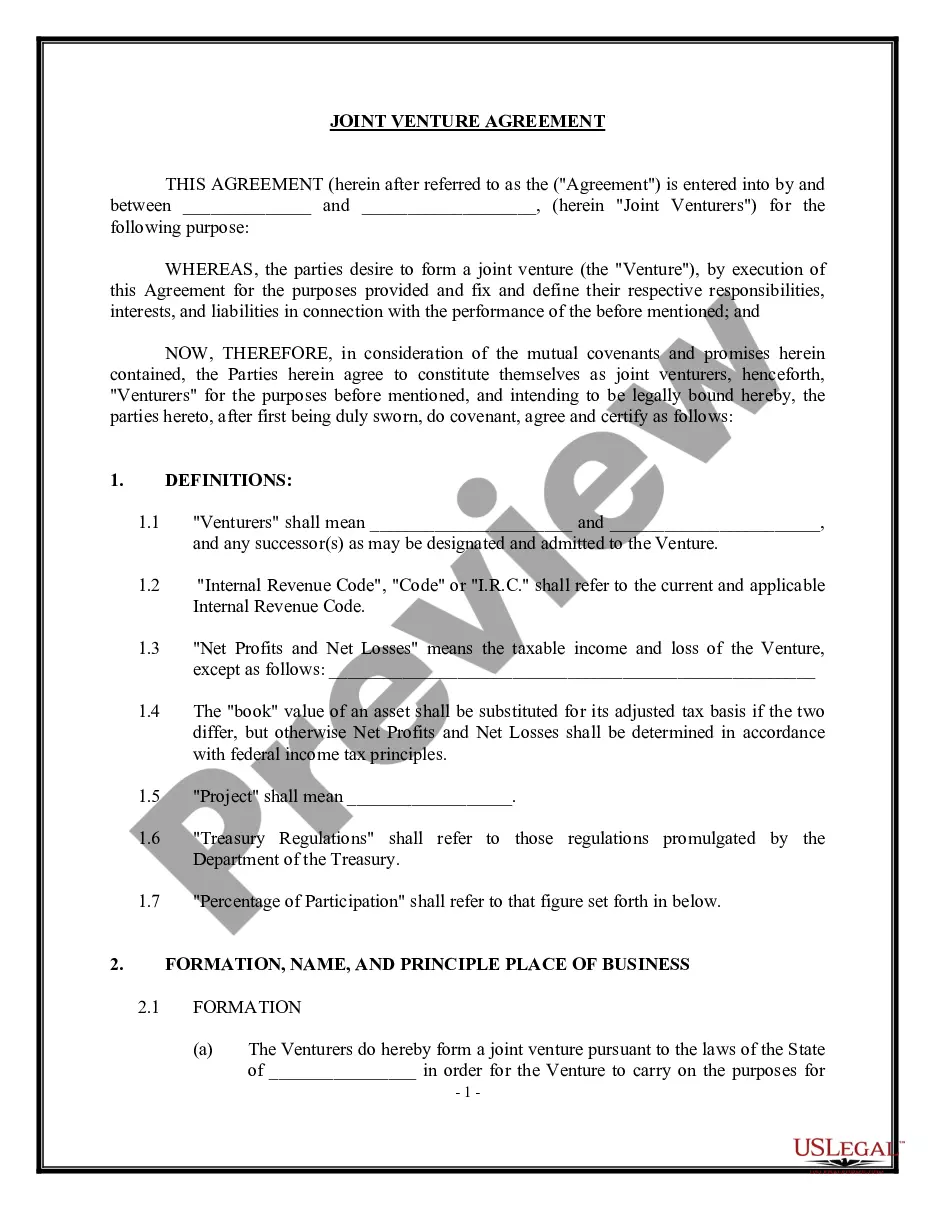
Tennessee Governing Law Provisions
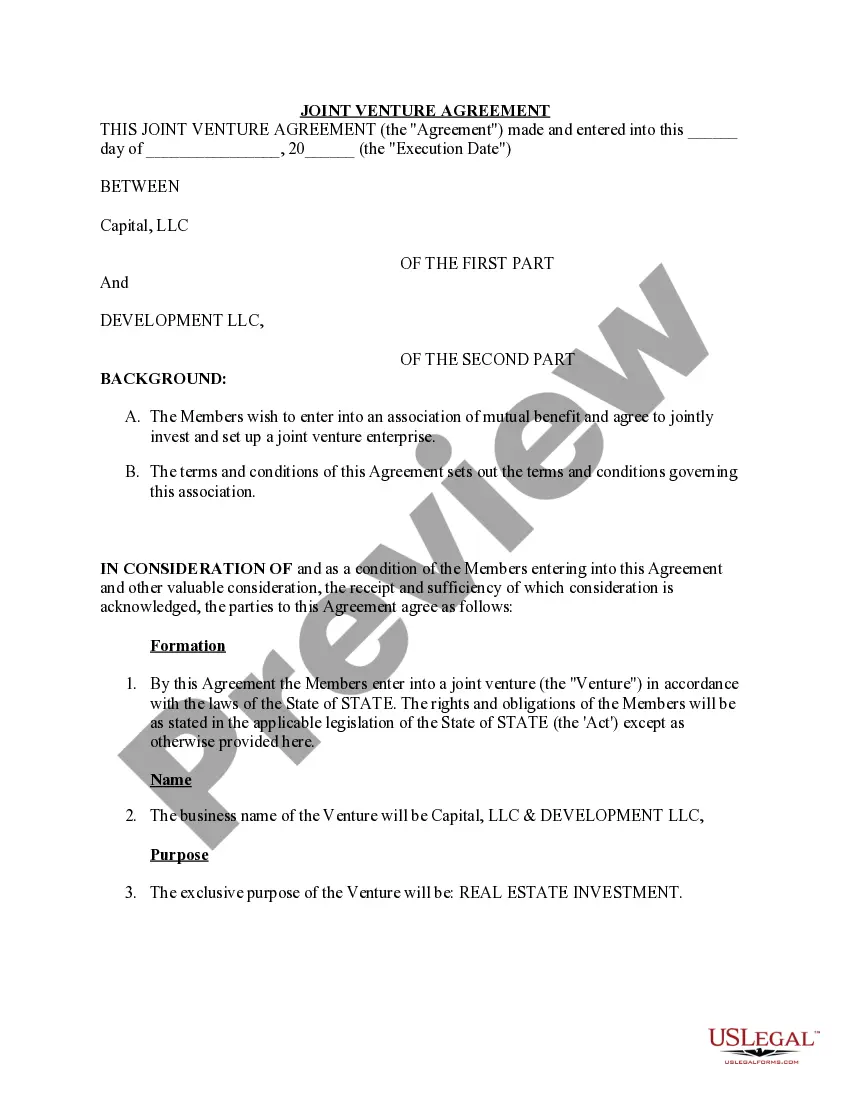
Description
Get your form ready online
Our built-in tools help you complete, sign, share, and store your documents in one place.
Make edits, fill in missing information, and update formatting in US Legal Forms—just like you would in MS Word.
Download a copy, print it, send it by email, or mail it via USPS—whatever works best for your next step.
Sign and collect signatures with our SignNow integration. Send to multiple recipients, set reminders, and more. Go Premium to unlock E-Sign.
If this form requires notarization, complete it online through a secure video call—no need to meet a notary in person or wait for an appointment.
We protect your documents and personal data by following strict security and privacy standards.

Make edits, fill in missing information, and update formatting in US Legal Forms—just like you would in MS Word.

Download a copy, print it, send it by email, or mail it via USPS—whatever works best for your next step.

Sign and collect signatures with our SignNow integration. Send to multiple recipients, set reminders, and more. Go Premium to unlock E-Sign.

If this form requires notarization, complete it online through a secure video call—no need to meet a notary in person or wait for an appointment.

We protect your documents and personal data by following strict security and privacy standards.
Looking for another form?




How to fill out Governing Law Provisions?
You can commit several hours on the web attempting to find the authorized document design that suits the state and federal specifications you need. US Legal Forms gives 1000s of authorized types that are analyzed by specialists. You can easily acquire or print out the Tennessee Governing Law Provisions from the assistance.
If you currently have a US Legal Forms bank account, you may log in and click on the Acquire option. Following that, you may total, revise, print out, or indication the Tennessee Governing Law Provisions. Every authorized document design you acquire is your own forever. To have another copy of any purchased form, visit the My Forms tab and click on the corresponding option.
If you are using the US Legal Forms website for the first time, adhere to the easy instructions listed below:
- First, be sure that you have selected the correct document design for your county/town of your choosing. Look at the form description to make sure you have picked out the appropriate form. If readily available, make use of the Preview option to look through the document design at the same time.
- If you want to discover another version of your form, make use of the Search area to get the design that suits you and specifications.
- Once you have found the design you desire, just click Purchase now to move forward.
- Choose the costs strategy you desire, type in your references, and register for a merchant account on US Legal Forms.
- Complete the deal. You can utilize your Visa or Mastercard or PayPal bank account to pay for the authorized form.
- Choose the formatting of your document and acquire it to your system.
- Make adjustments to your document if necessary. You can total, revise and indication and print out Tennessee Governing Law Provisions.
Acquire and print out 1000s of document themes using the US Legal Forms site, that provides the biggest collection of authorized types. Use specialist and express-specific themes to tackle your business or individual requires.
Form popularity
FAQ
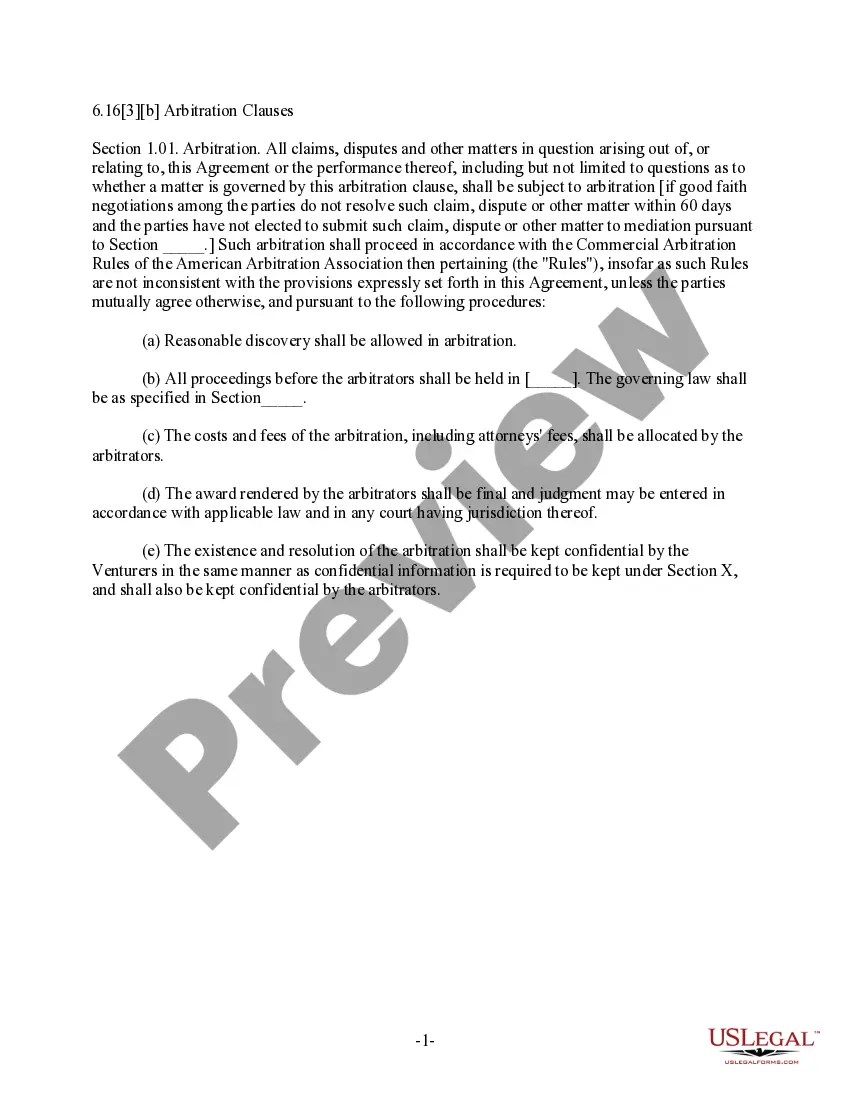
A "Governing Law" clause is a clause used in legal agreements where you can declare which rules and laws will govern the agreement if legal issues arise. This clause will be found consistently in contracts and legal agreements between companies and their users.
A governing law clause allows the parties to specify the system of law that will apply to the interpretation of the contract and its effect if a dispute arises.
A "Governing Law" clause is a clause used in legal agreements where you can declare which rules and laws will govern the agreement if legal issues arise. This clause will be found consistently in contracts and legal agreements between companies and their users.
oflaw clause is a contractual provision that selects a law to govern the contract. These clauses facilitate settlement by identifying the law that will be applied to resolve future disputes, thereby allowing the parties to more accurately assess the strength of potential claims.
Governing law is a contractual provision (also known as a choice of law provision) that determines which law shall apply in the event of a dispute. Such a clause is generally honored by the courts which do not interfere with the agreement of the parties regarding the applicable law.
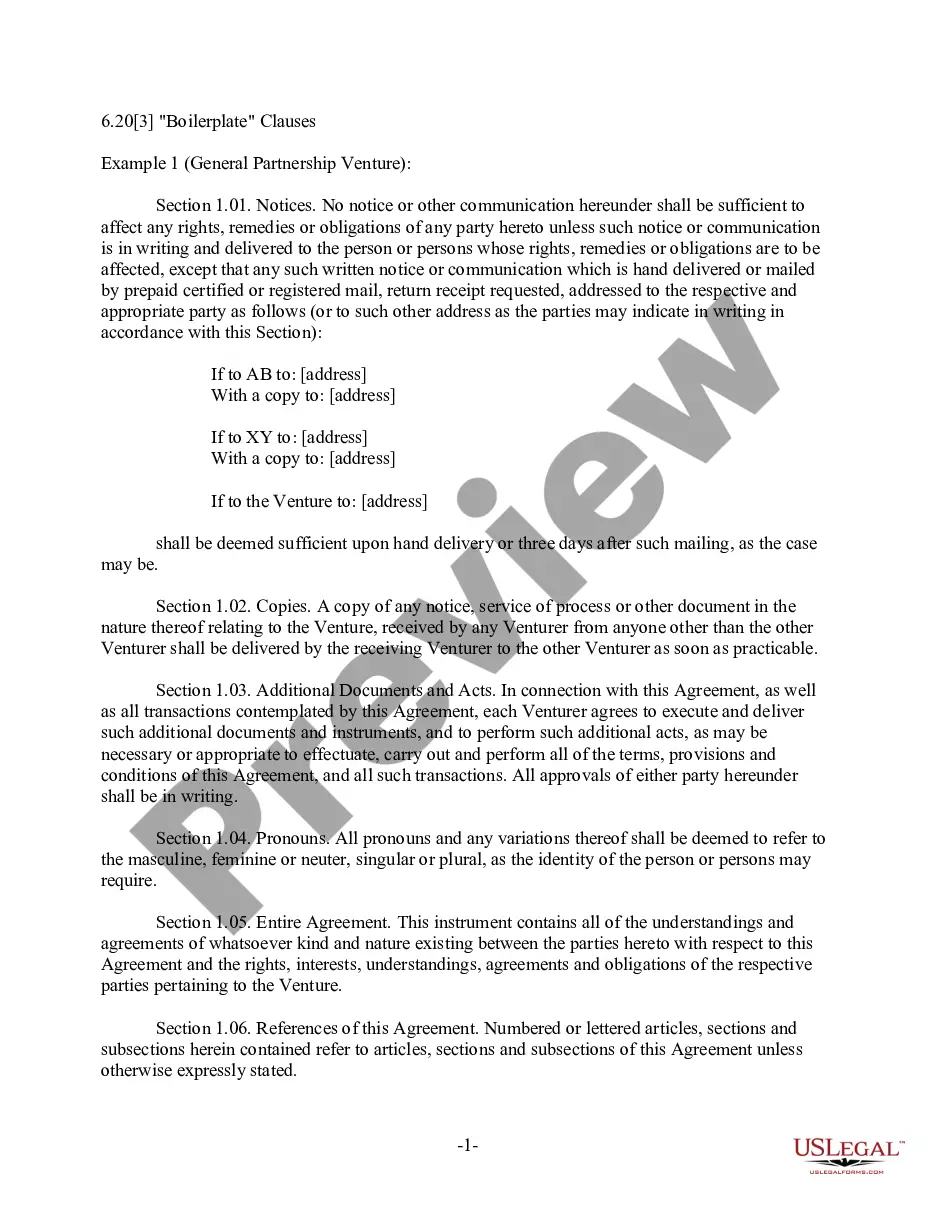
General contract provisions are requirements including standard conditions in contracts like terms of payment, terms of delivery, and recommended measures against contract violation. Parties usually add boilerplate conditions to their contracts for the following reasons: For increased efficiency.
In Tennessee, a Romeo and Juliet law gives immunity for consensual sexual activity between a minor at least 13 years of age and a person less than four years older.
Choice of law clause, also known as a governing law clause, that allows the contract parties to choose the substantive law of Tennessee to apply to the contract.