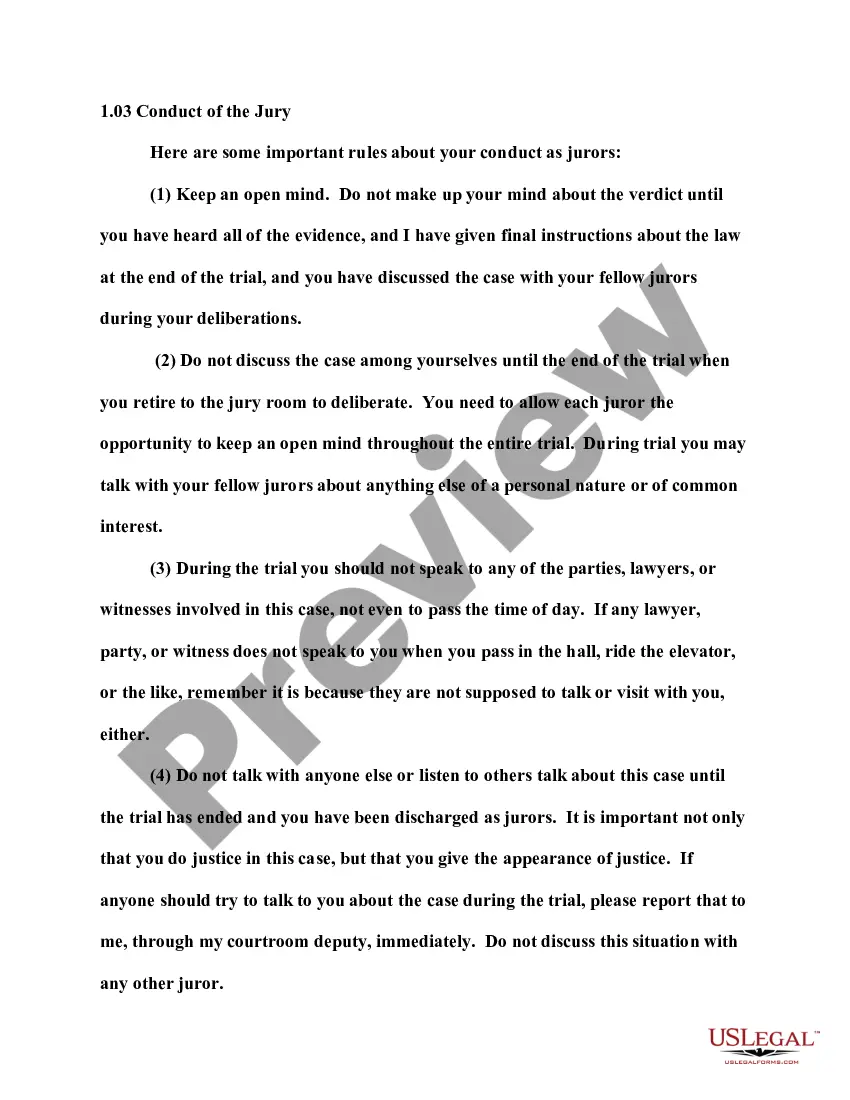
Grantor conveys, with limited warranty, unto the grantees all of grantor's mineral interest, including but not limited to oil, gas, carbon dioxide, and all other minerals in, on and under certain property described in the document.
Tennessee Oil, Gas and Mineral Deed - Individual to Two Individuals
Category:
State:
Multi-State
Control #:
US-00576-A
Format:
Word;
Rich Text
Instant download
Description
Free preview
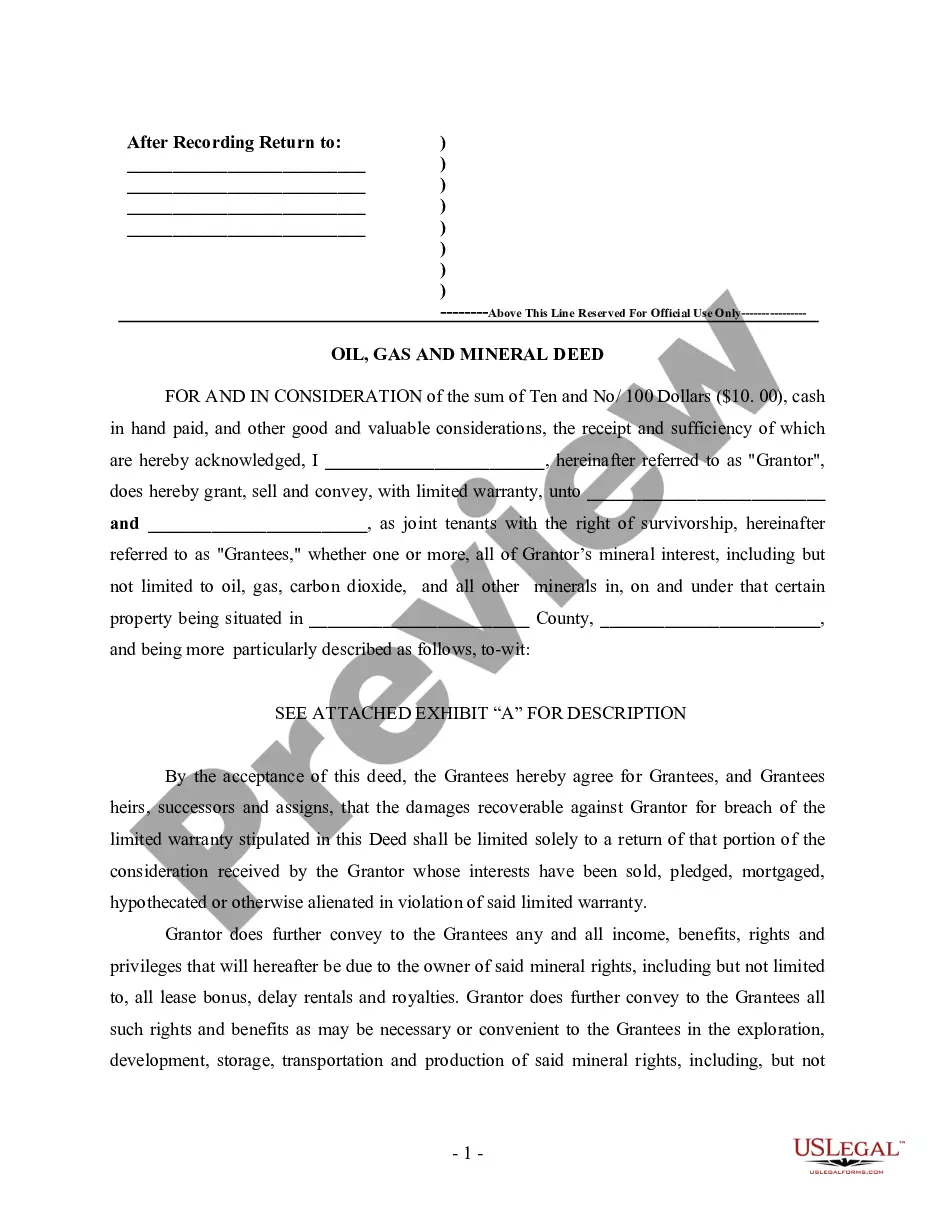
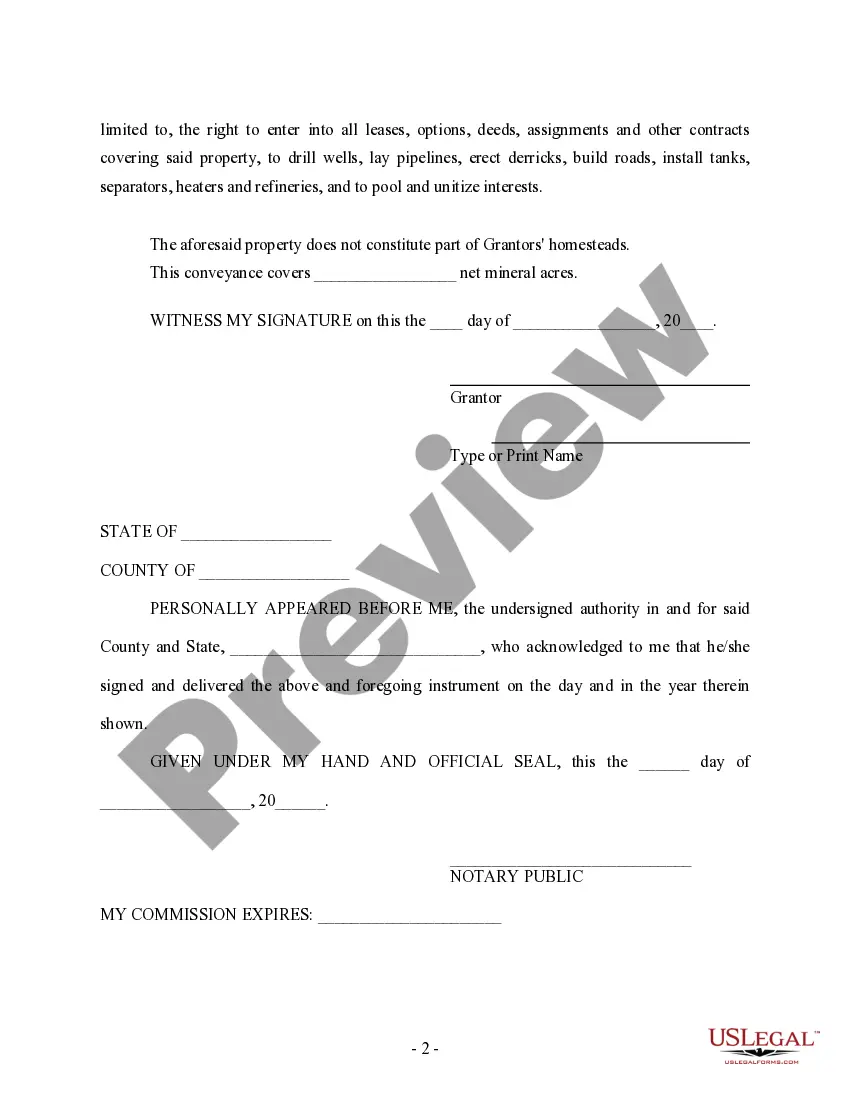
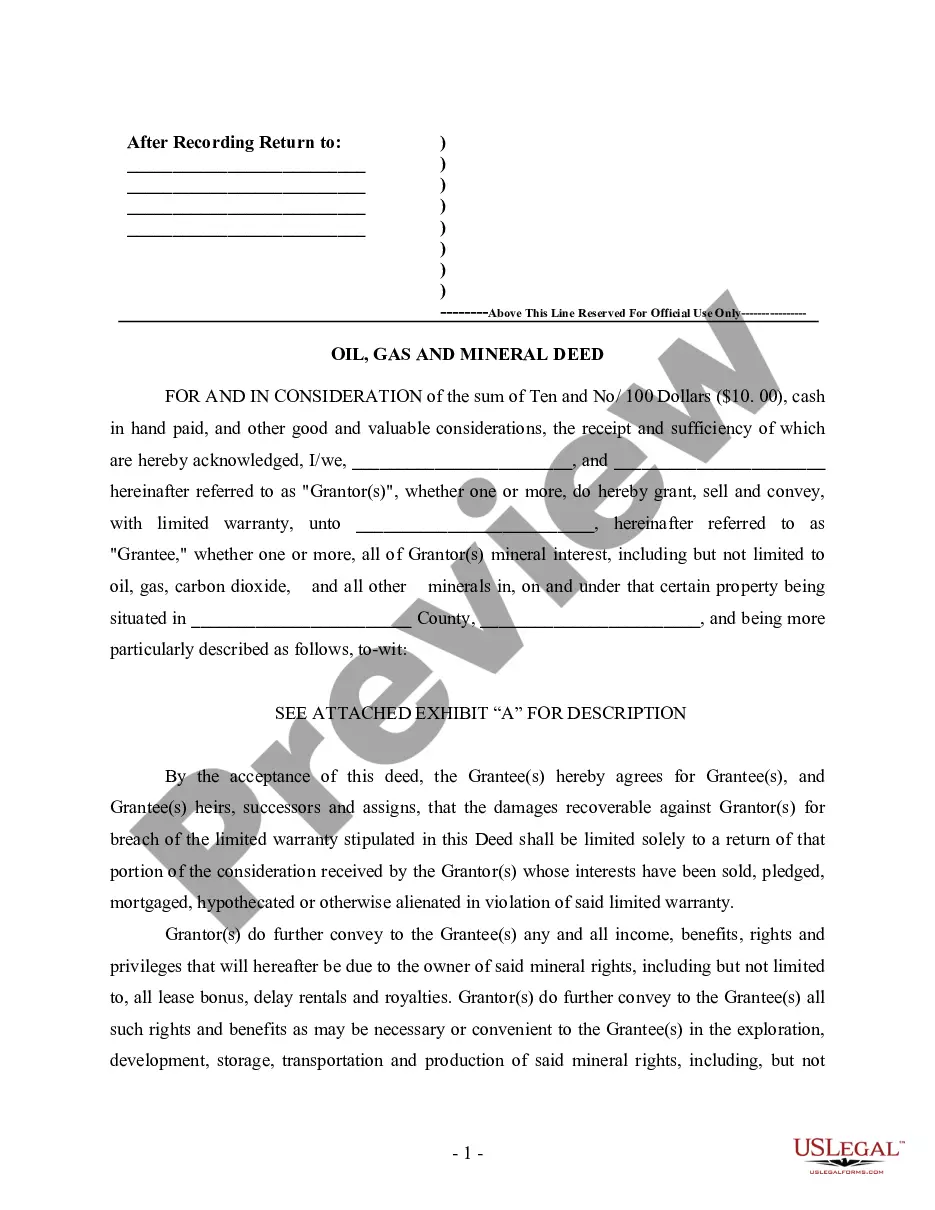
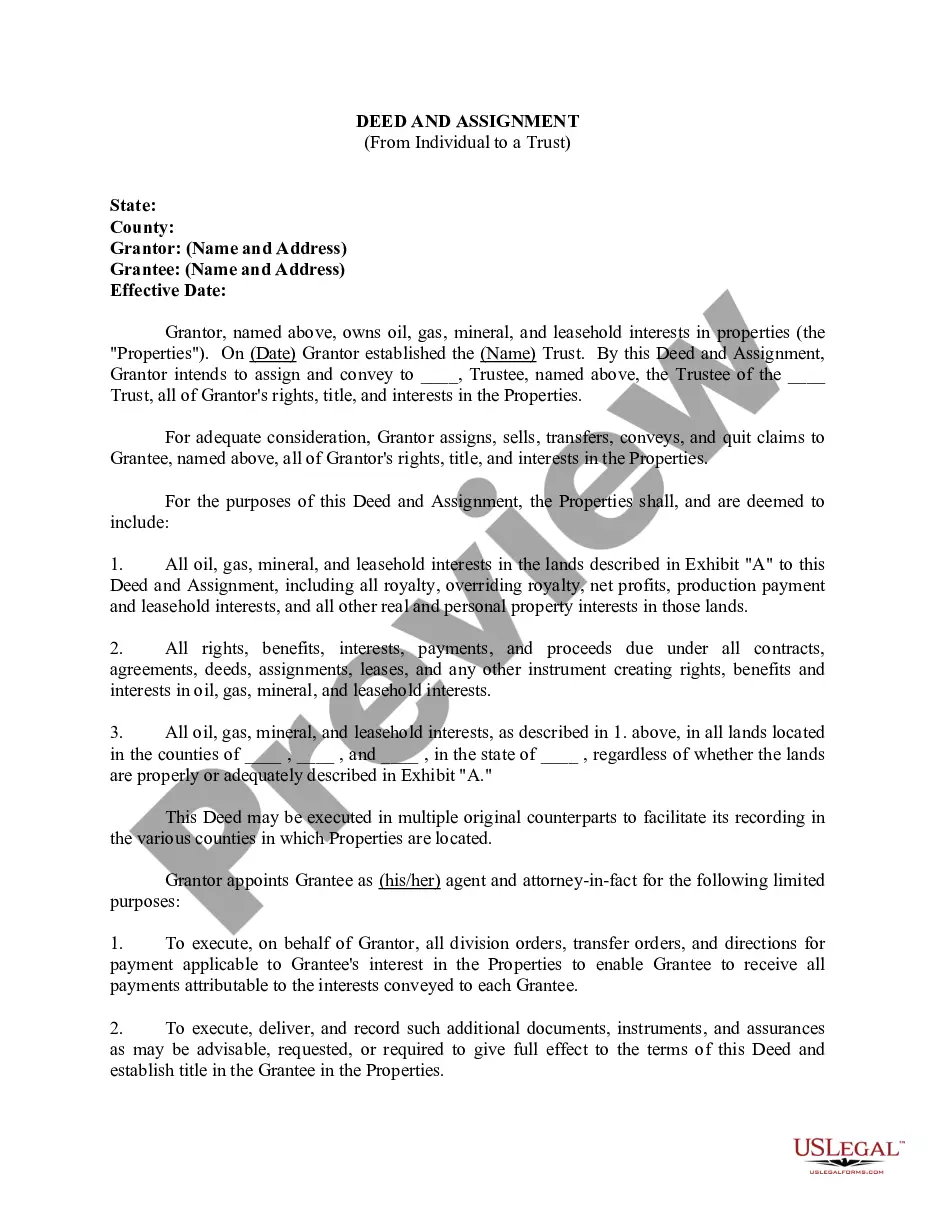
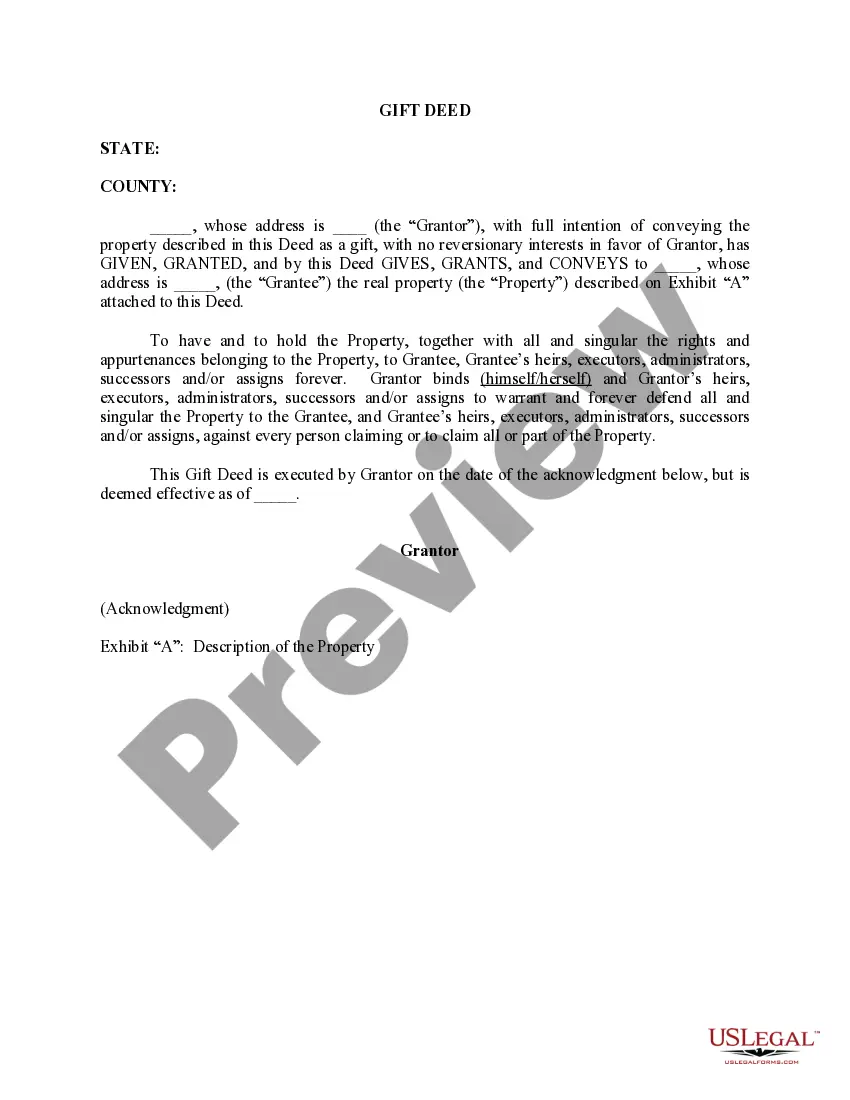
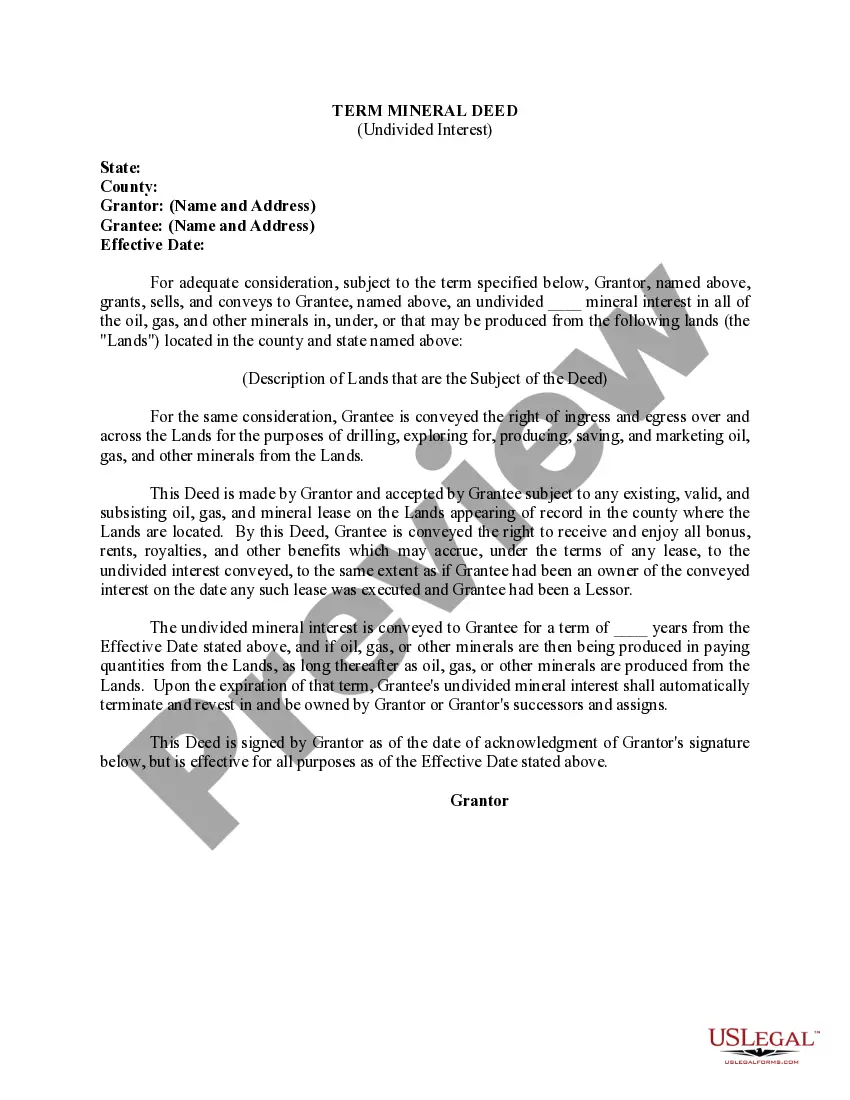
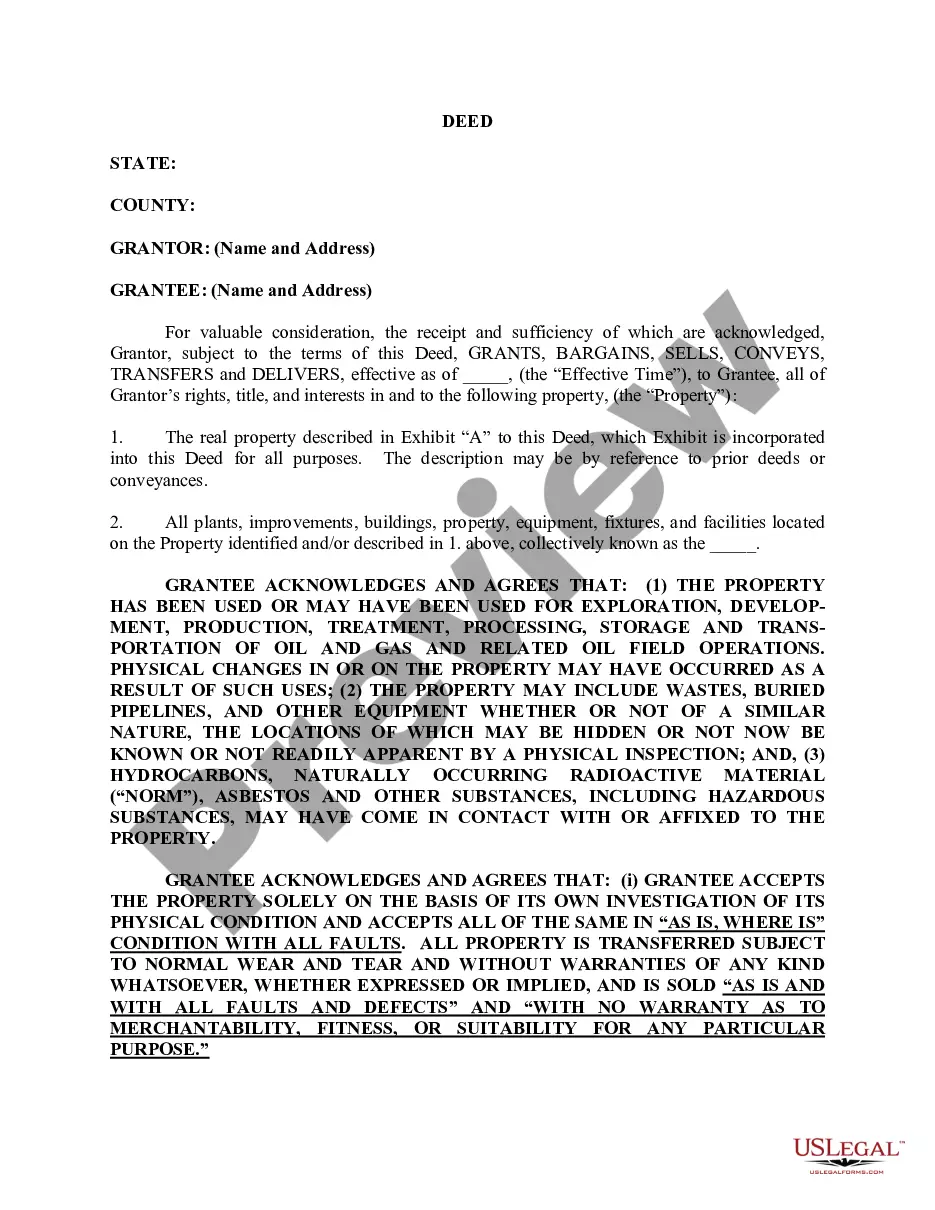
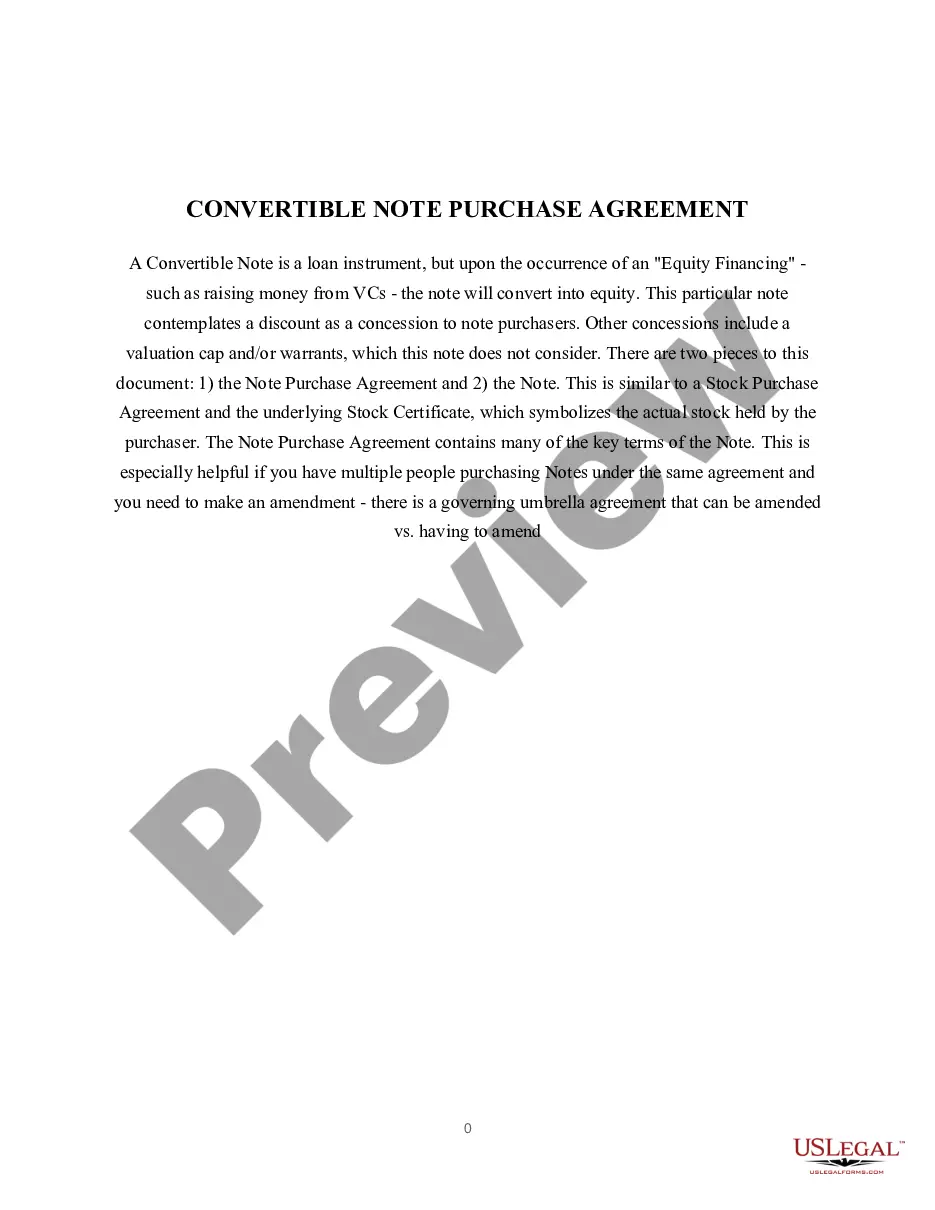
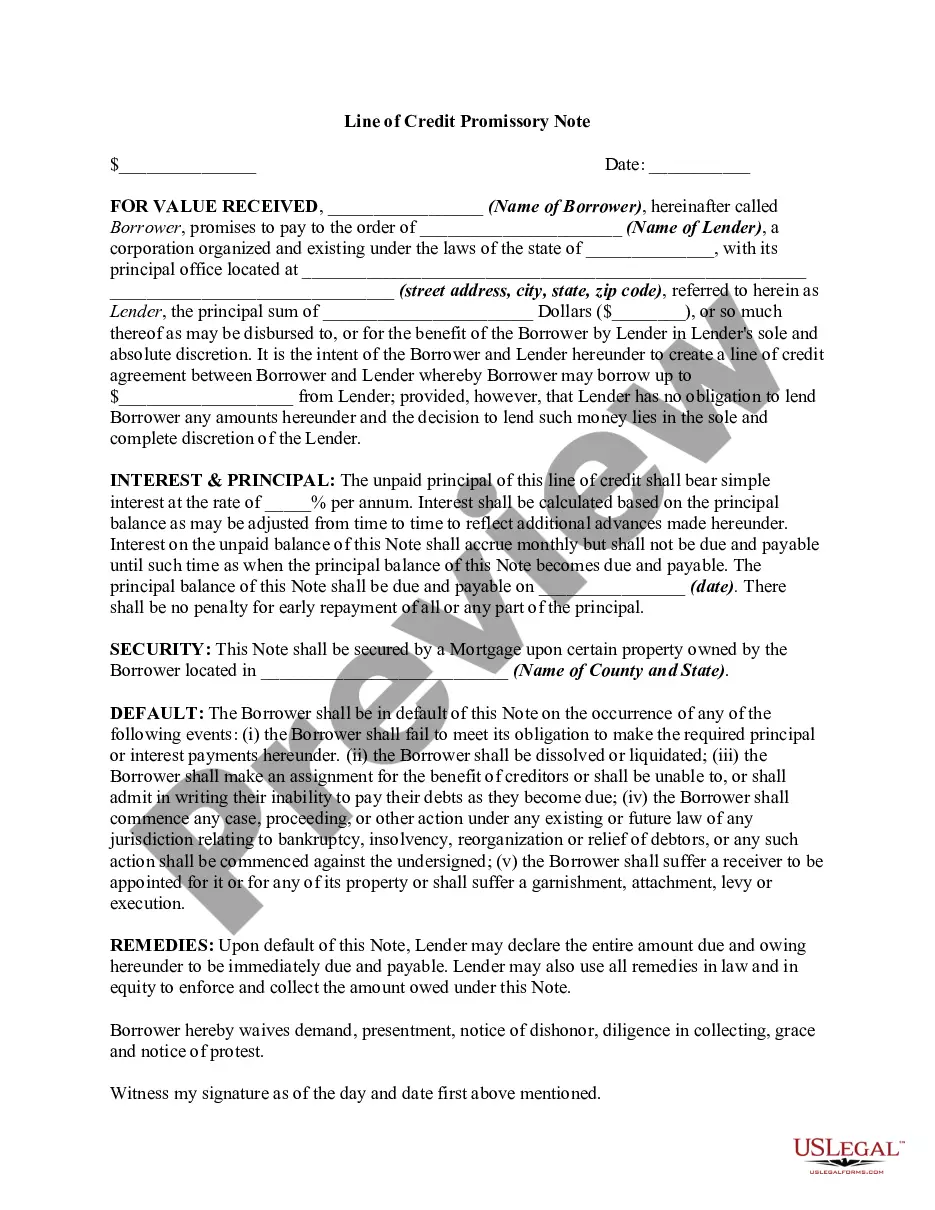
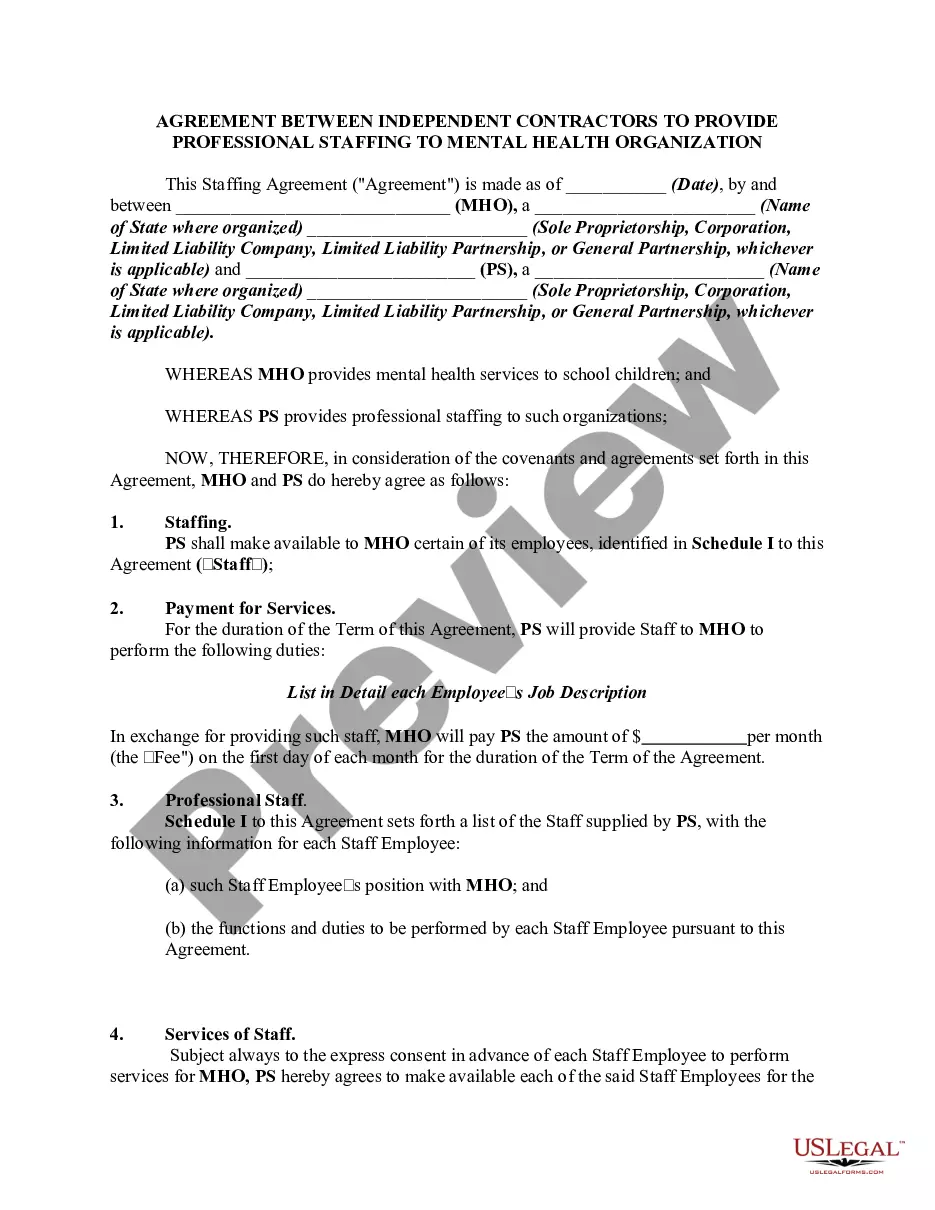
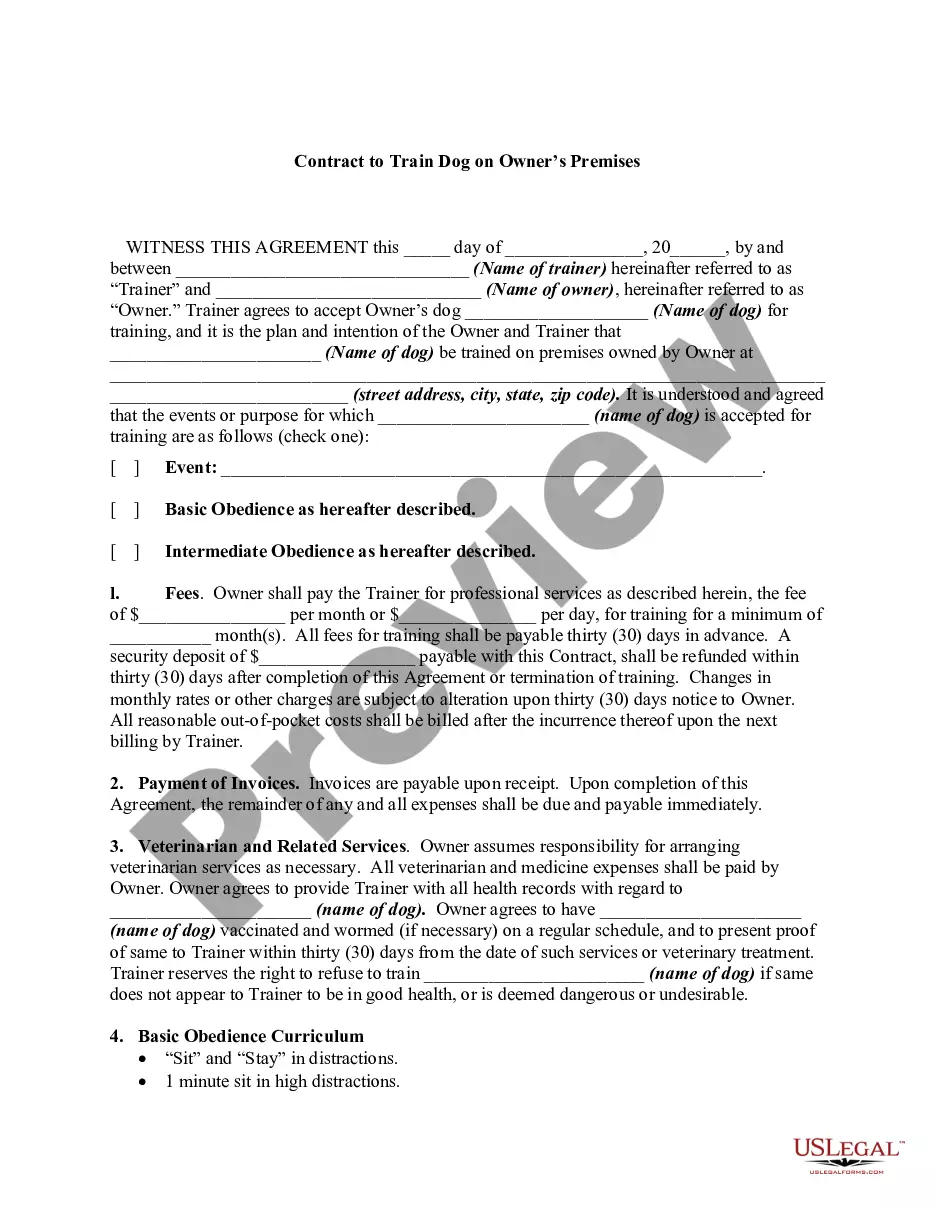
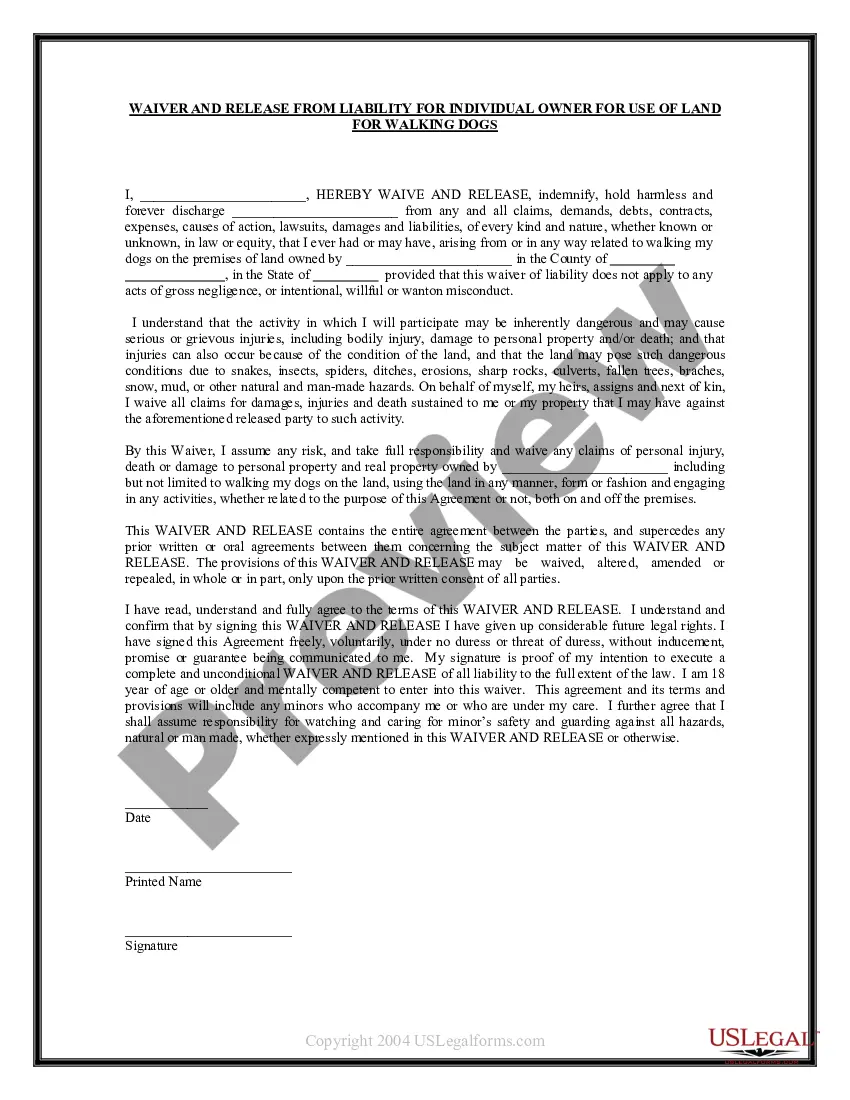
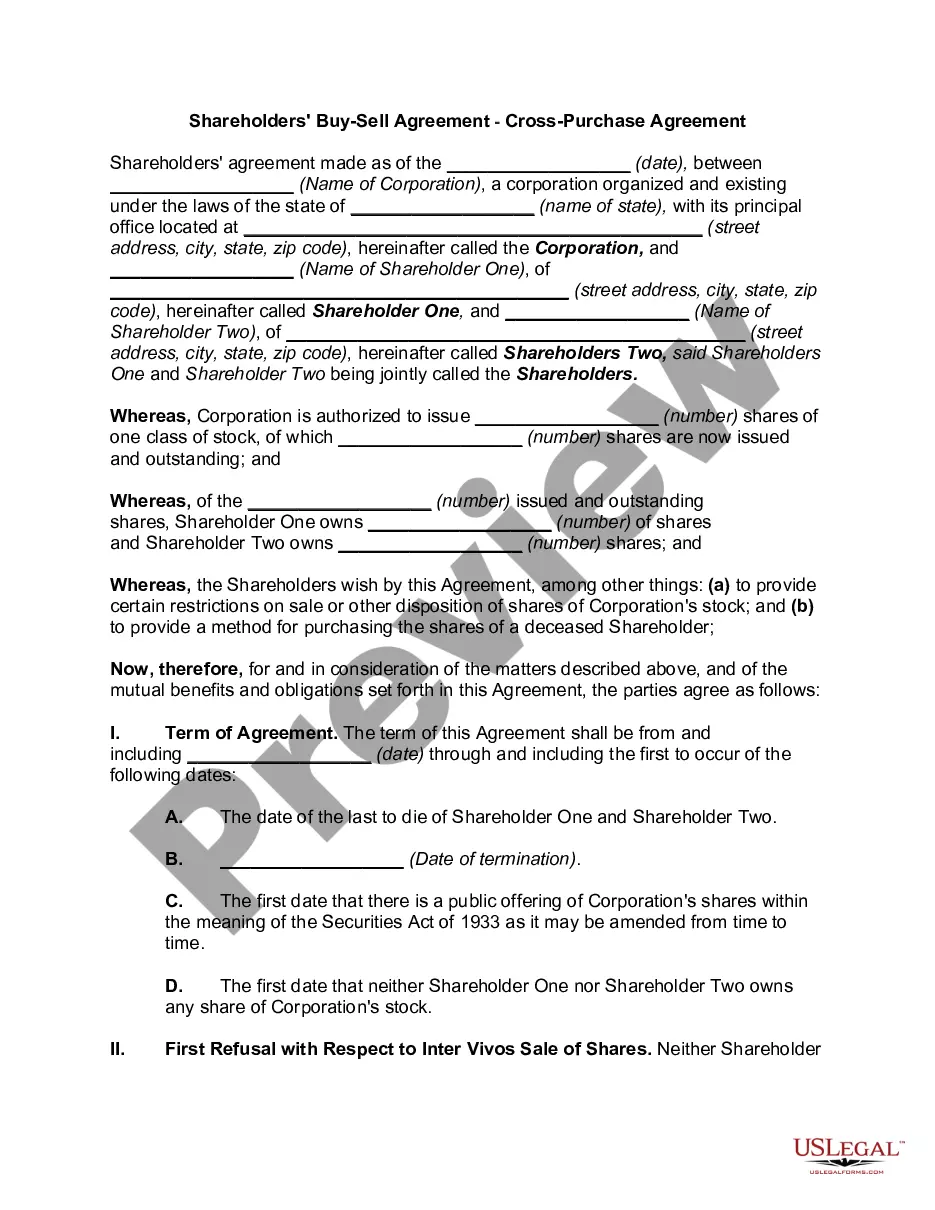

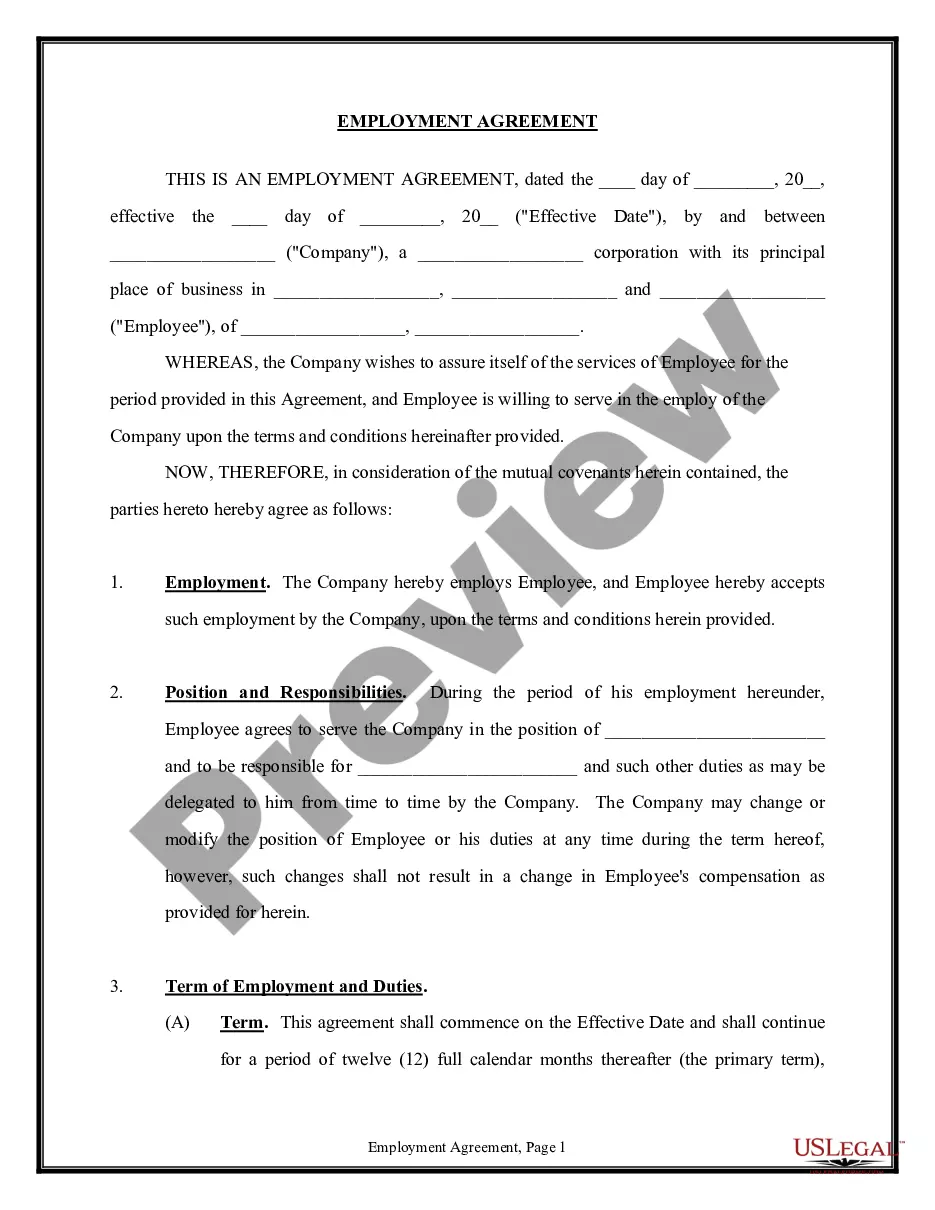

How to fill out Oil, Gas And Mineral Deed - Individual To Two Individuals?
Finding the appropriate legal document template can be quite a challenge.
Naturally, there are numerous templates accessible online, but how can you locate the legal document you need.
Utilize the US Legal Forms website. The platform offers thousands of templates, including the Tennessee Oil, Gas and Mineral Deed - Individual to Two Individuals, which you can utilize for both business and personal purposes.
You can preview the form using the Preview button and read the form description to confirm this is the right choice for you.
- All templates are vetted by professionals and meet federal and state standards.
- If you are currently registered, Log In to your account and click the Obtain button to retrieve the Tennessee Oil, Gas and Mineral Deed - Individual to Two Individuals.
- Use your account to search for the legal documents you have previously purchased.
- Navigate to the My documents section of your account and download an additional copy of the document you need.
- If you are a new user of US Legal Forms, here are simple steps you can follow.
- First, ensure you have selected the correct form for your area.
Form popularity
FAQ
When it comes to mineral rights, the standard admonition has long been consistent and emphatic: Avoid selling them. After all, simply owning mineral rights costs you nothing. There are no liability risks, and in most cases, taxes are assessed only on properties that are actively producing oil or gas.
Mineral rights and air rights may be owned by someone other than the owner of the surface. It is common, for example, for a surface owner to sell to a third party the rights to any oil, gas, coal, and other minerals that may be located be- low the surface.
Mineral rights can expire if the owner does not renew them or if they go unclaimed for a certain period of time. Mineral rights can also be sold, fractionalized, or transferred through gifting or inheritance.
(c) Any interest in coal, oil and gas, and other minerals shall, if unused for a period of twenty (20) years, be extinguished, unless a statement of claim is filed in ance with subsection (d), and the ownership of the mineral interest shall revert to the owner of the surface.
Also known as a mineral estate, mineral rights are just what their name implies: The right of the owner to utilize minerals found below the surface of property. Besides minerals, these rights can apply to oil and gas. Interestingly, mineral rights can be separate from actual land ownership.