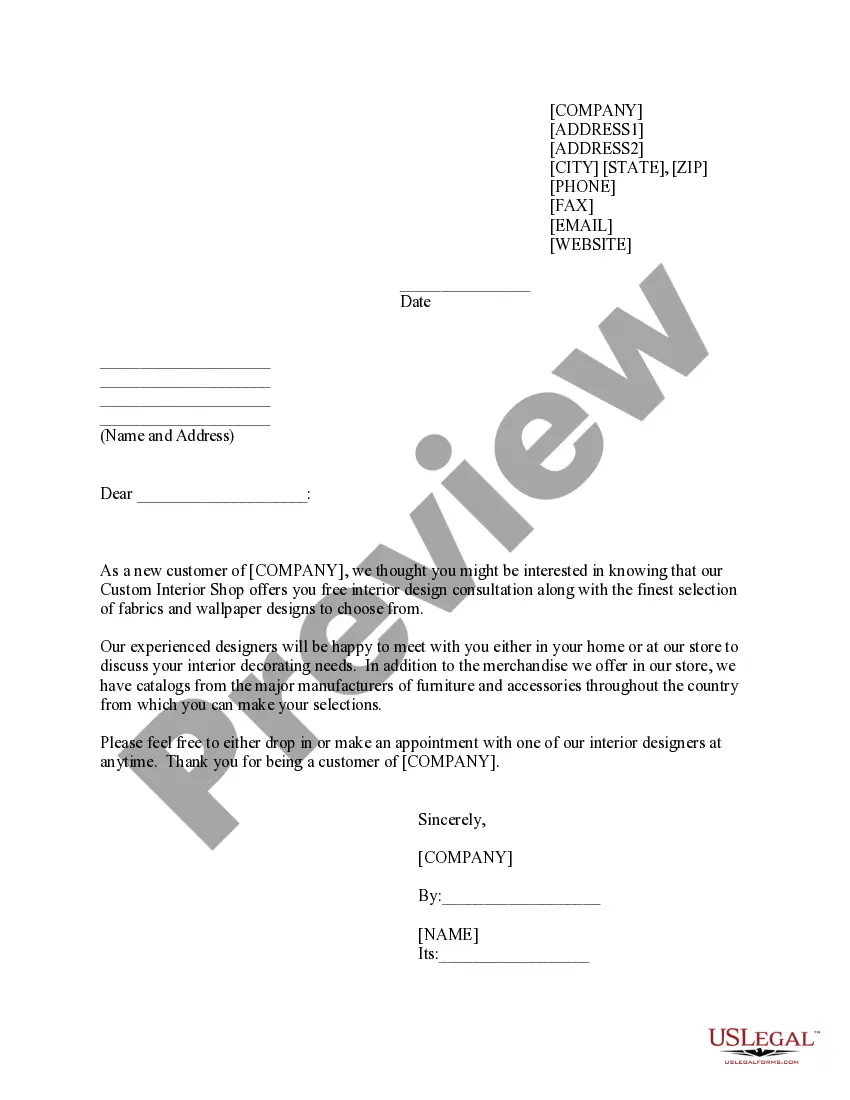
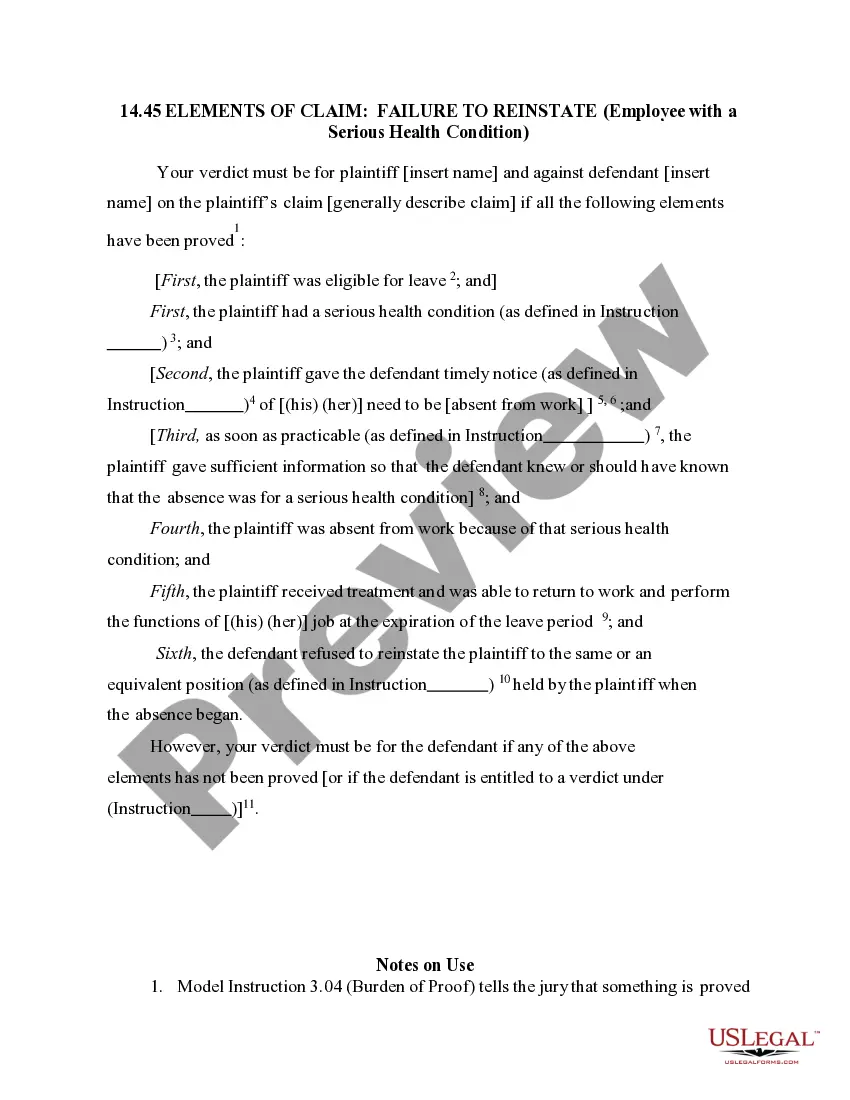
This form is a Complaint For Wrongful Termination of Insurance Under ERISA and For Bad Faith-Jury Trial Demand. Adapt to your specific circumstances. Don't reinvent the wheel, save time and money.
Tennessee Complaint For Wrongful Termination of Insurance Under ERISA and For Bad Faith - Jury Trial Demand
Instant download
This website is not affiliated with any governmental entity
Public form
Description
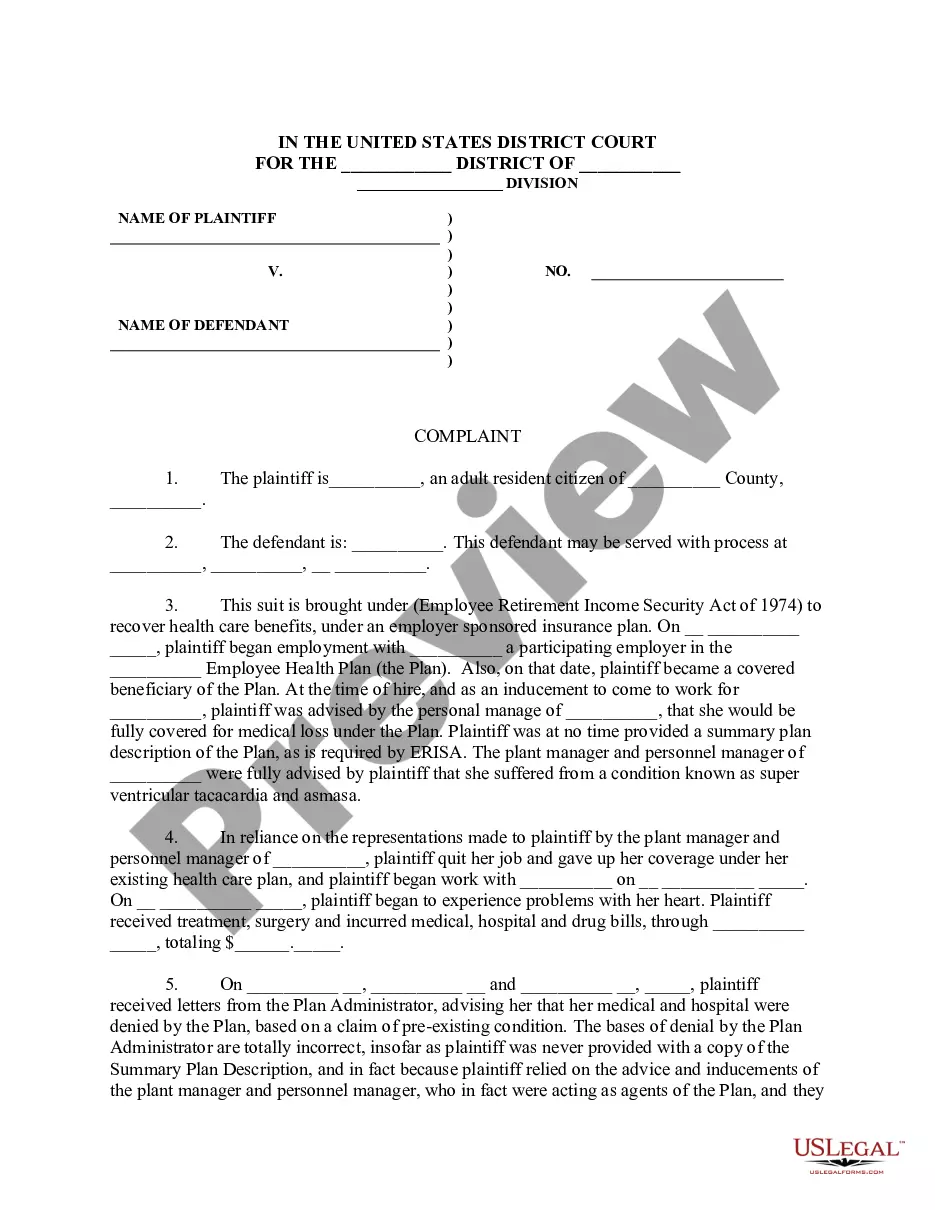



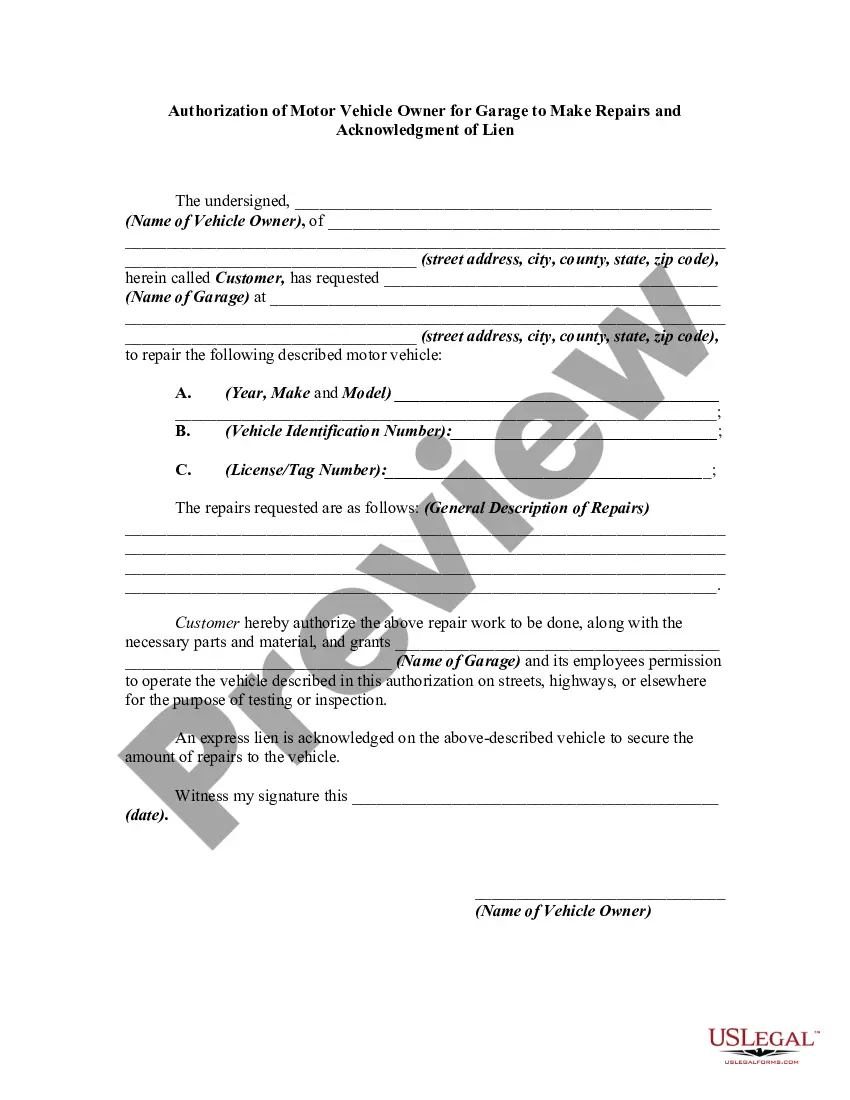
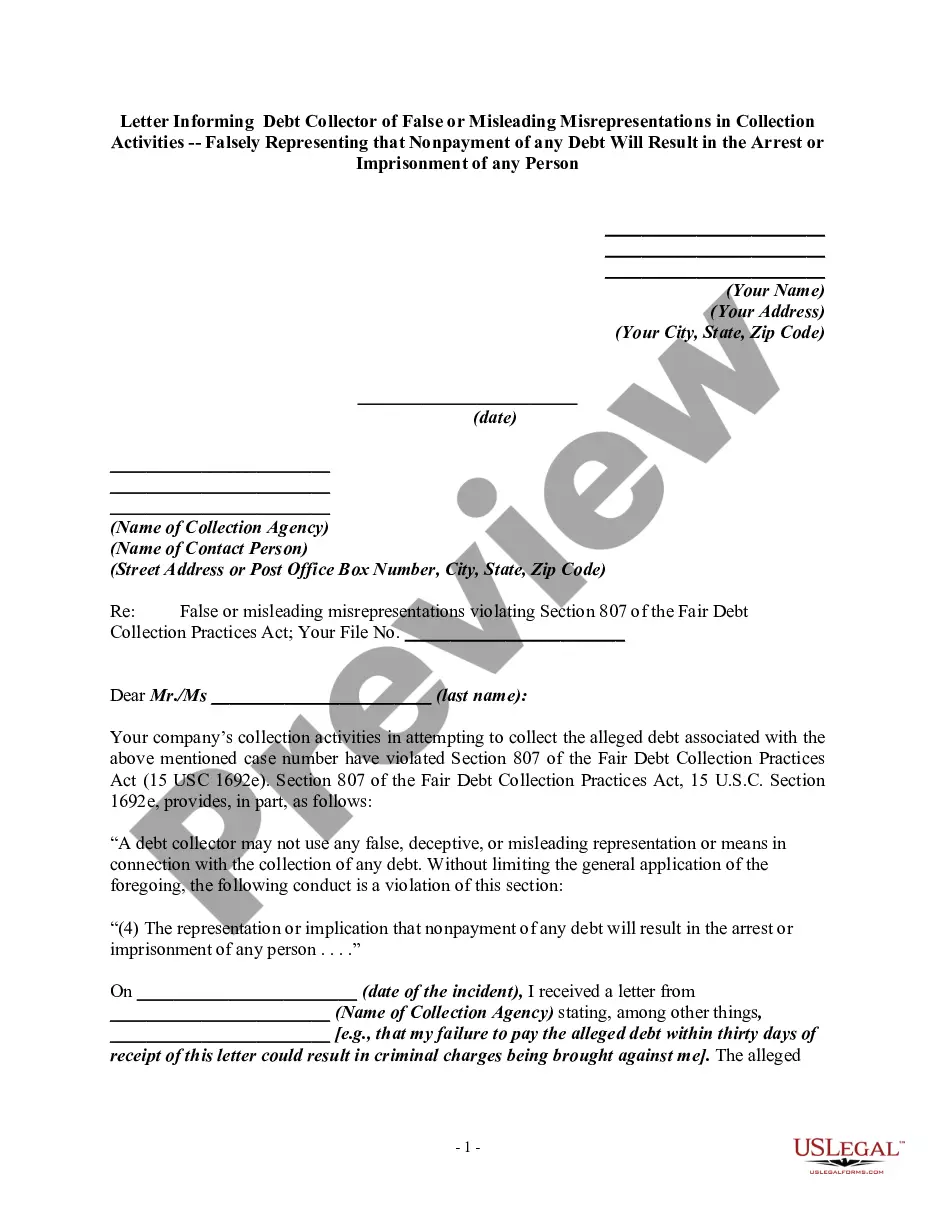
How to fill out Complaint For Wrongful Termination Of Insurance Under ERISA And For Bad Faith - Jury Trial Demand?
US Legal Forms - one of the most prominent collections of legal documents in the United States - provides a variety of legal form templates that you can download or print. By using the website, you can access thousands of forms for business and personal use, organized by categories, states, or keywords. You can find the most recent versions of forms such as the Tennessee Complaint For Wrongful Termination of Insurance Under ERISA and For Bad Faith - Jury Trial Demand within minutes.
If you already have a subscription, Log In and download the Tennessee Complaint For Wrongful Termination of Insurance Under ERISA and For Bad Faith - Jury Trial Demand from the US Legal Forms library. The Download button will appear on each form you view. You can access all previously downloaded forms from the My documents tab in your account.
If you are using US Legal Forms for the first time, here are simple instructions to get you started: Ensure you have selected the correct form for your area/state. Click on the Review button to examine the content of the form. Review the form description to confirm that you have chosen the right form. If the form does not meet your needs, use the Search field at the top of the screen to find one that does.
Access the Tennessee Complaint For Wrongful Termination of Insurance Under ERISA and For Bad Faith - Jury Trial Demand with US Legal Forms, the largest library of legal document templates. Utilize a wide range of professional and state-specific templates that fulfill your business or personal needs and requirements.
- If you are satisfied with the form, confirm your choice by clicking the Acquire now button.
- Then, select the payment plan you prefer and provide your information to register for the account.
- Process the payment. Use a credit card or PayPal account to complete the transaction.
- Choose the format and download the form onto your device.
- Make modifications. Fill out, edit, print, and sign the downloaded Tennessee Complaint For Wrongful Termination of Insurance Under ERISA and For Bad Faith - Jury Trial Demand.
- Every template you add to your account has no expiration date and belongs to you permanently. Therefore, to download or print another copy, just go to the My documents section and click on the form you desire.
Form popularity
FAQ
To prove an insurance company acted in bad faith, you must demonstrate that the insurer breached its duty to deal fairly and honestly with you. Evidence such as delayed responses, unjustified claim denials, or failure to communicate can strengthen your case. Filing a Tennessee Complaint For Wrongful Termination of Insurance Under ERISA and For Bad Faith - Jury Trial Demand may be necessary to pursue your claims effectively. US Legal Forms can assist you in preparing the necessary documentation and provide guidance on the legal process.
In Tennessee, bad faith law refers to the obligation of insurance companies to act in good faith when processing claims. If an insurer fails to honor its contractual duties or engages in unfair practices, this may constitute bad faith. A Tennessee Complaint For Wrongful Termination of Insurance Under ERISA and For Bad Faith - Jury Trial Demand can arise from these violations, allowing you to seek justice and compensation. Familiarizing yourself with these laws can empower you to hold insurers accountable for their actions.
Unfair claims settlement practices can typically be classified into four categories: misrepresentation, failing to acknowledge communications, unreasonable delays, and unfair discrimination. Understanding these classifications is crucial when filing a Tennessee Complaint For Wrongful Termination of Insurance Under ERISA and For Bad Faith - Jury Trial Demand. Each category highlights actions that insurance companies should avoid to ensure fair treatment. If you believe you have experienced such practices, consider seeking guidance from US Legal Forms to help navigate your legal options.
Tennessee Code 56-7-109 deals with the obligations of insurance companies regarding claims and the handling of policyholder disputes. This statute outlines the requirement for insurers to act in good faith and provide timely responses to claims. Understanding this code can be crucial when preparing a Tennessee Complaint For Wrongful Termination of Insurance Under ERISA and For Bad Faith - Jury Trial Demand. For further assistance, consider using UsLegalForms to access legal resources that can guide you through these processes.
Bad faith. 1) n. intentional dishonest act by not fulfilling legal or contractual obligations, misleading another, entering into an agreement without the intention or means to fulfill it, or violating basic standards of honesty in dealing with others.
If the insurance company, in bad faith, denies a valid claim, the insured can file a bad-faith lawsuit.
Tennessee Bad Faith Statute Tennessee Code Annotated 56-7-105 says that if an insurance company's refusal to pay a claim was not in good faith, then then the company may be liable for up to 25% of the loss amount, measured by the additional expenses incurred by the policyholder.
There is no statutory right to a jury trial under ERISA. For this reason, breach of fiduciary duty claims have historically been considered equitable claims to be heard by a judge.
BAD FAITH: A ?Bad Faith? discussion is one in which one or both of the parties has a hidden, unrevealed agenda?often to dominate or coerce the other individual into compliance or acquiescence of some sort?or lacks basic respect for the rights, dignity, or autonomy of the other party.