Tennessee Statement of Property Value
What is this form?
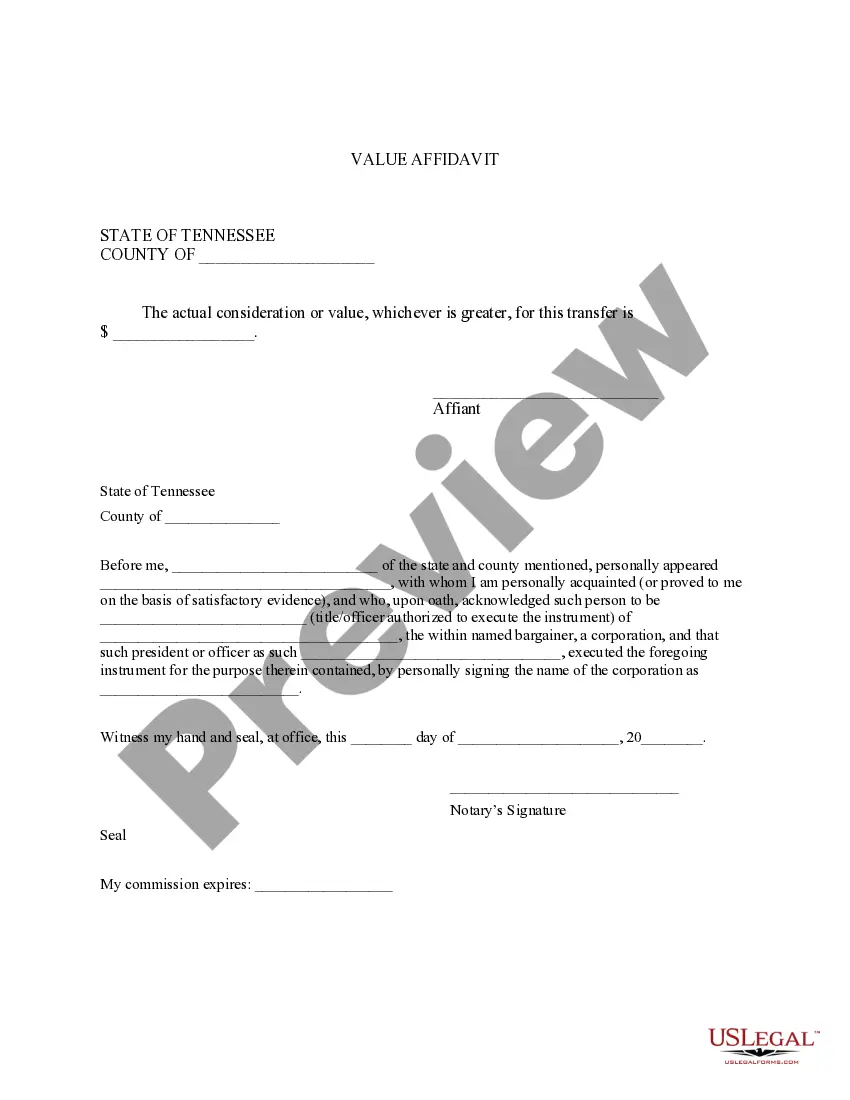
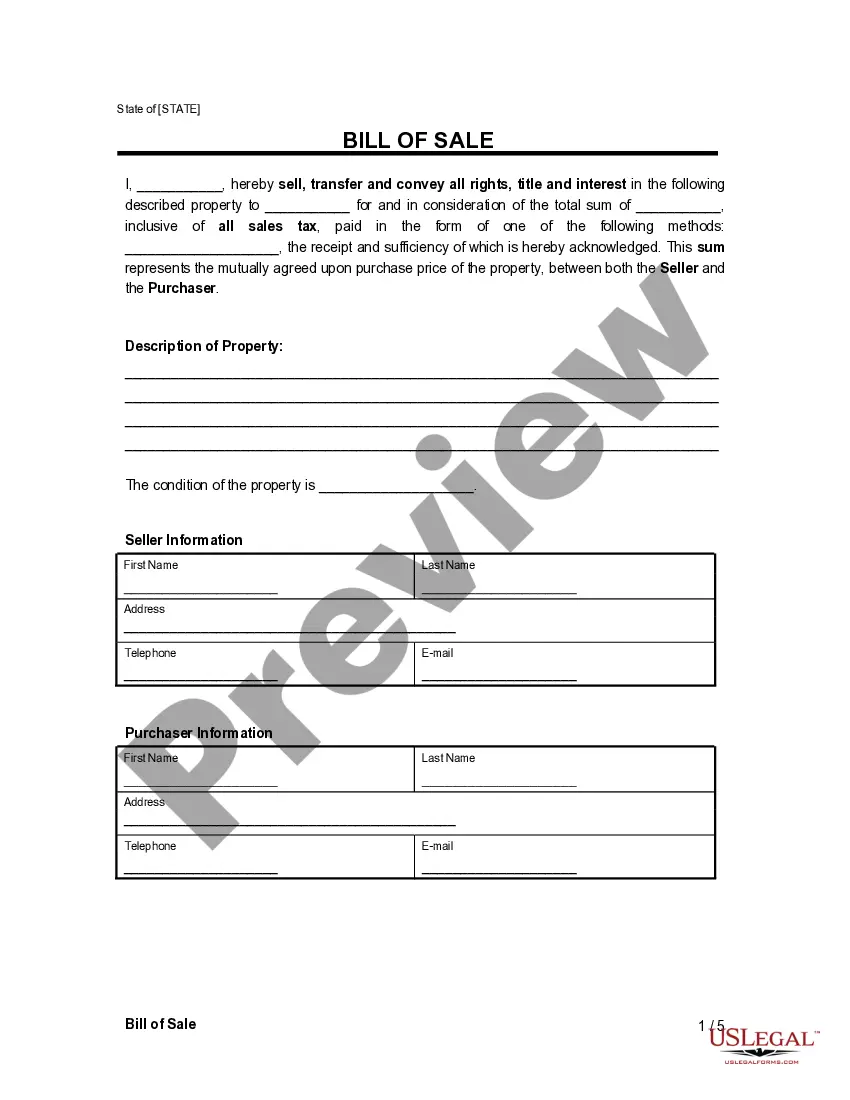
The Tennessee Statement of Property Value is a legal document used to declare the value of property being transferred in Tennessee. This form ensures that property values are accurately reported for taxation purposes, differing from other property transfer documents by its specific focus on stating the property's actual consideration or value. It is essential for maintaining transparency in real estate transactions within the state.
Form components explained
- Affidavit of actual consideration or value for the property transfer.
- Signature of the affiant verifying the statement is true.
- Notary public acknowledgment to validate the document.
- Space for the commission expiration date of the notary.
When to use this document
This form should be used whenever a property transfer is taking place in Tennessee, such as selling, gifting, or inheriting real estate. It is necessary to ensure compliance with state regulations regarding property tax and valuation disclosures. You may also need this form when filing documents with local government agencies related to property transactions.
Who can use this document
This form is intended for:
- Property sellers or grantors transferring ownership.
- Buyers or grantees involved in a property transaction.
- Real estate professionals facilitating property transfers.
How to prepare this document
- Specify the actual consideration or value for the property transfer in the designated field.
- Indicate the name of the affiant who is certifying the value.
- Have the affiant sign the form to confirm the information is correct.
- Complete the notary section by having a notary public witness the signing.
- Fill in the date of notarization and the notary's commission expiration date.
Notarization guidance
This document requires notarization to meet legal standards. US Legal Forms provides secure online notarization powered by Notarize, allowing you to complete the process through a verified video call, available 24/7.
Get your form ready online
Our built-in tools help you complete, sign, share, and store your documents in one place.
Make edits, fill in missing information, and update formatting in US Legal Forms—just like you would in MS Word.
Download a copy, print it, send it by email, or mail it via USPS—whatever works best for your next step.
Sign and collect signatures with our SignNow integration. Send to multiple recipients, set reminders, and more. Go Premium to unlock E-Sign.
If this form requires notarization, complete it online through a secure video call—no need to meet a notary in person or wait for an appointment.
We protect your documents and personal data by following strict security and privacy standards.

Make edits, fill in missing information, and update formatting in US Legal Forms—just like you would in MS Word.

Download a copy, print it, send it by email, or mail it via USPS—whatever works best for your next step.

Sign and collect signatures with our SignNow integration. Send to multiple recipients, set reminders, and more. Go Premium to unlock E-Sign.

If this form requires notarization, complete it online through a secure video call—no need to meet a notary in person or wait for an appointment.

We protect your documents and personal data by following strict security and privacy standards.
Common mistakes
- Failing to accurately state the value of the property.
- Not obtaining a signature from the affiant.
- Neglecting to have the document notarized.
- Leaving any fields blank, which can cause delays in processing.
Benefits of completing this form online
- Convenient access to legal forms at any time.
- Editable templates that can be customized to meet specific needs.
- Assurance of reliable and up-to-date legal language.
- Easy downloading and storage of completed documents for future reference.
Main things to remember
- The Tennessee Statement of Property Value is crucial for property transfer disclosures.
- Accurate value reporting helps comply with state laws and tax obligations.
- Ensure the form is properly completed and notarized to avoid legal issues.
Looking for another form?

Form popularity
FAQ
What does Tennessee law say about disclosure? The Residential Property Disclosure Act in Tennessee Code Annotated § 66-5-201 to 210 requires most sellers of residential real estate to complete a disclosure statement. The disclosure statement lets the buyers know about the condition of the property.
Which of these transactions is exempt from the disclosure requirements of the Tennessee Residential Property Disclosure Act? A newly constructed home. Newly constructed homes are exempt from disclosure requirements, although a builder warranty must be provided.
In California, for example, any death on a property (peaceful or otherwise) needs to be disclosed if it occurred within the last three years. The seller must also disclose any known death in the home if the buyer asks.
The PCDS is a disclosure document a seller is required by law to complete and provide the buyer in addition to the purchase agreement. The PCDS forms part of the purchase agreement and the buyer is permitted to rely on the seller's disclosure as set out in it.
Some states real estate laws make it mandatory for sellers and agents to disclose information on homes where a murder, suicide, crime, death or paranormal occurrences have taken place. In Tennessee it is not mandatory to disclose these things unless it affects the physical condition of the property.
Almost every U.S. state has passed laws mandating that sellers give buyers specific information about what structural and other features the house contains, and their condition.
California, like many states, requires its residential property sellers to disclose, in writing, details about the property they have on the market.(See, California Civil Code § 1102.)