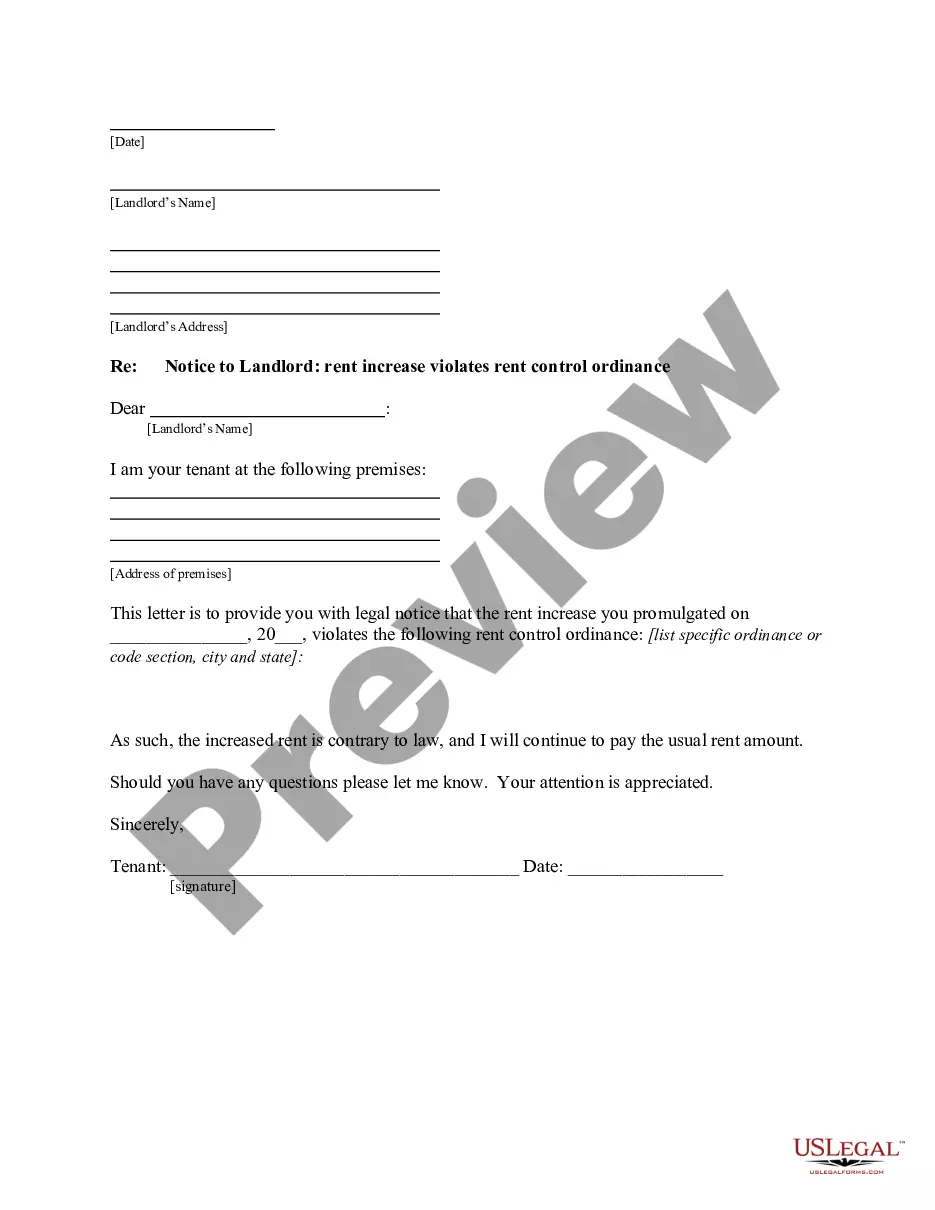
South Carolina Application/Petition for Successor Personal Representative
Description
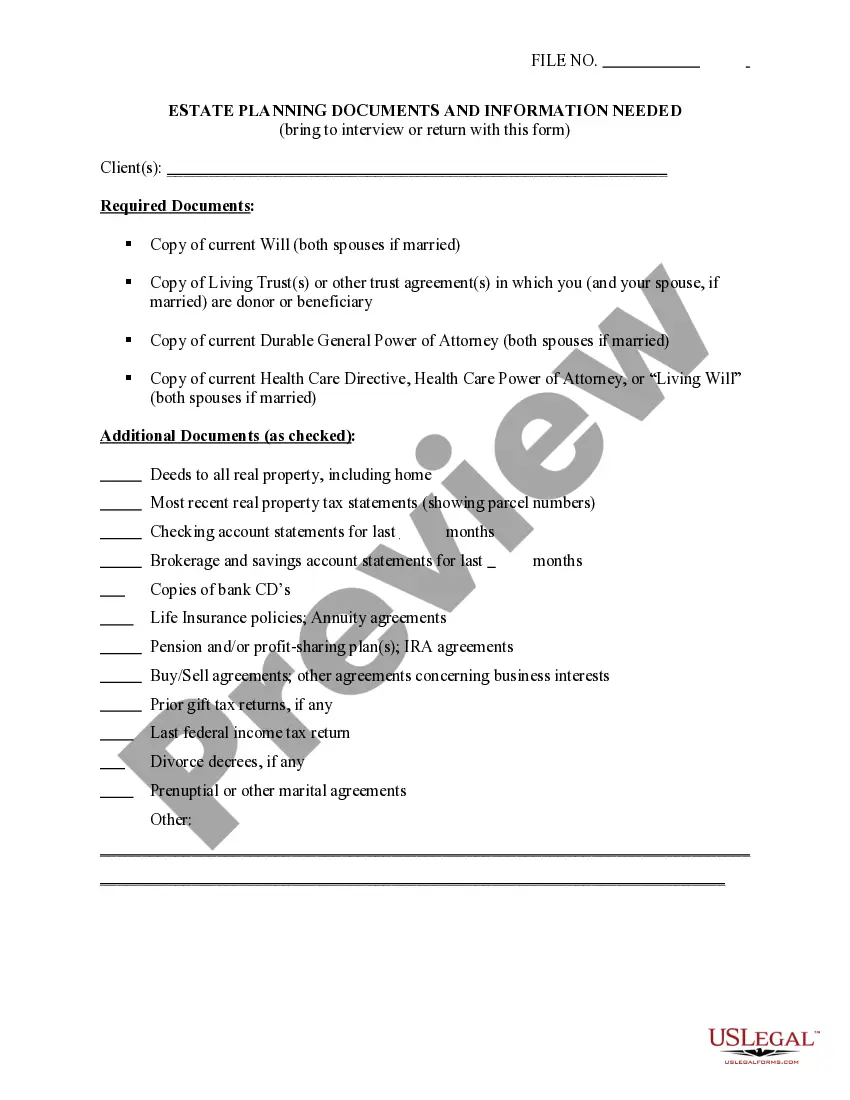




How to fill out South Carolina Application/Petition For Successor Personal Representative?
US Legal Forms is the most straightforward and cost-effective way to find appropriate legal templates. It’s the most extensive web-based library of business and individual legal documentation drafted and checked by legal professionals. Here, you can find printable and fillable blanks that comply with federal and local regulations - just like your South Carolina Application/Petition for Successor Personal Representative.
Obtaining your template requires just a couple of simple steps. Users that already have an account with a valid subscription only need to log in to the website and download the form on their device. Later, they can find it in their profile in the My Forms tab.
And here’s how you can get a professionally drafted South Carolina Application/Petition for Successor Personal Representative if you are using US Legal Forms for the first time:
- Read the form description or preview the document to guarantee you’ve found the one corresponding to your demands, or find another one using the search tab above.
- Click Buy now when you’re sure of its compatibility with all the requirements, and judge the subscription plan you prefer most.
- Register for an account with our service, log in, and pay for your subscription using PayPal or you credit card.
- Choose the preferred file format for your South Carolina Application/Petition for Successor Personal Representative and save it on your device with the appropriate button.
Once you save a template, you can reaccess it anytime - simply find it in your profile, re-download it for printing and manual completion or upload it to an online editor to fill it out and sign more proficiently.
Take advantage of US Legal Forms, your reliable assistant in obtaining the corresponding formal paperwork. Try it out!
Form popularity
FAQ
Opening an Estate. Filing Will and Probatings - The South Carolina ( SC ) Probate Code of Laws requires that the Last Will and Testament be delivered to the Probate Court within 30 days of the decedent's death.
South Carolina Probate Estate Fee Schedule Size of Regular EstateFiling Fee$20,000 to $59,999$67.50$60,000 to $99,999$95.00$100,000 to $599,999$95.00 plus .15 percent in excess of $100,000$600,000 and above$845.00 on the 1st $600,000 plus .25 percent in excess of $600,0002 more rows
South Carolina probate follows this general flow: contact the court, get appointed as personal representative, submit will if it exists, inventory and submit valuations of all relevant assets, have the court and beneficiaries approve it, and then distribute the assets to beneficiaries.
Petition to Determine Heirs If more than ten (10) years have passed since the decedents' death, the Court is required by state law to hold a hearing to determine who the heirs of the decedent were at the time of their death.
There are four main ways to become a personal representative. Method 1: Being named in a will. The personal representative of an estate is typically named in a decedent's will.Method 2: Appointment. Dying without a will is known as dying intestate.Method 3: Renunciation.Method 4: Termination.
A Personal Representative is under a duty to settle and distribute the estate of the decedent in ance with the terms of any probated and effective Will and the South Carolina Probate Code, as expeditiously and efficiently as is consistent with the best interests of the estate.
In South Carolina, the following assets are subject to probate: Property only held in the deceased's name. Any real estate that the decedent held as a tenant in common. The deceased's interest in an LLC, corporation or a partnership.
In South Carolina, you can make a living trust to avoid probate for virtually any asset you own?real estate, bank accounts, vehicles, and so on. You need to create a trust document (it's similar to a will), naming someone to take over as trustee after your death (called a successor trustee).