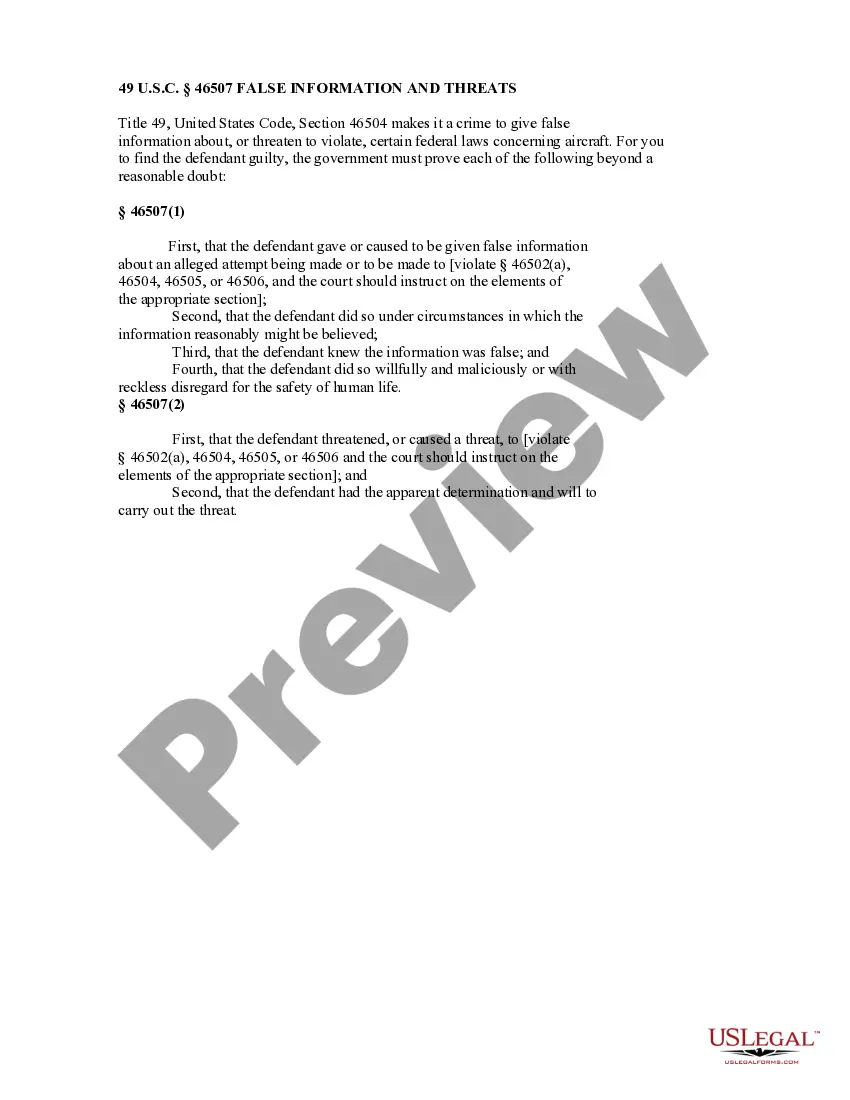
South Carolina FALSE INFORMATION AND THREATS
Does this document require notarization?
Notarization is generally not required for this form. However, certain states or situations might demand it. You can complete notarization online through US Legal Forms, powered by Notarize, using a verified video call available anytime.
Get your form ready online
Our built-in tools help you complete, sign, share, and store your documents in one place.
Make edits, fill in missing information, and update formatting in US Legal Forms—just like you would in MS Word.
Download a copy, print it, send it by email, or mail it via USPS—whatever works best for your next step.
Sign and collect signatures with our SignNow integration. Send to multiple recipients, set reminders, and more. Go Premium to unlock E-Sign.
If this form requires notarization, complete it online through a secure video call—no need to meet a notary in person or wait for an appointment.
We protect your documents and personal data by following strict security and privacy standards.

Make edits, fill in missing information, and update formatting in US Legal Forms—just like you would in MS Word.

Download a copy, print it, send it by email, or mail it via USPS—whatever works best for your next step.

Sign and collect signatures with our SignNow integration. Send to multiple recipients, set reminders, and more. Go Premium to unlock E-Sign.

If this form requires notarization, complete it online through a secure video call—no need to meet a notary in person or wait for an appointment.

We protect your documents and personal data by following strict security and privacy standards.
Looking for another form?
Form popularity
FAQ
S.C. (B) "Harassment in the second degree" means a pattern of intentional, substantial, and unreasonable intrusion into the private life of a targeted person that serves no legitimate purpose and causes the person and would cause a reasonable person in his position to suffer mental or emotional distress.
The penalties vary widely depending on the severity of the crime and the intention of the person charged. If someone threatens to physically hurt another person but does not actually hurt that individual, the penalty can be up a $500 fine and up to 30 days in jail for third-degree assault and battery.
It is unlawful for a person to assault or intimidate a citizen, discharge a citizen from employment or occupation, or eject a citizen from a rented house, land, or other property because of political opinions or the exercise of political rights and privileges guaranteed to every citizen by the Constitution and laws of
All states also have laws against illegally threatening someone. Some states divide these laws into separate assault and battery charges. South Carolina does not.
Threatening a public official, teacher, principal or one of their family members is a felony charge. If you're convicted, your punishment will be: A fine of up to $5,000. A jail sentence of up to five years.
SECTION 16-9-10. Perjury and subornation of perjury. (A)(1) It is unlawful for a person to wilfully give false, misleading, or incomplete testimony under oath in any court of record, judicial, administrative, or regulatory proceeding in this State.
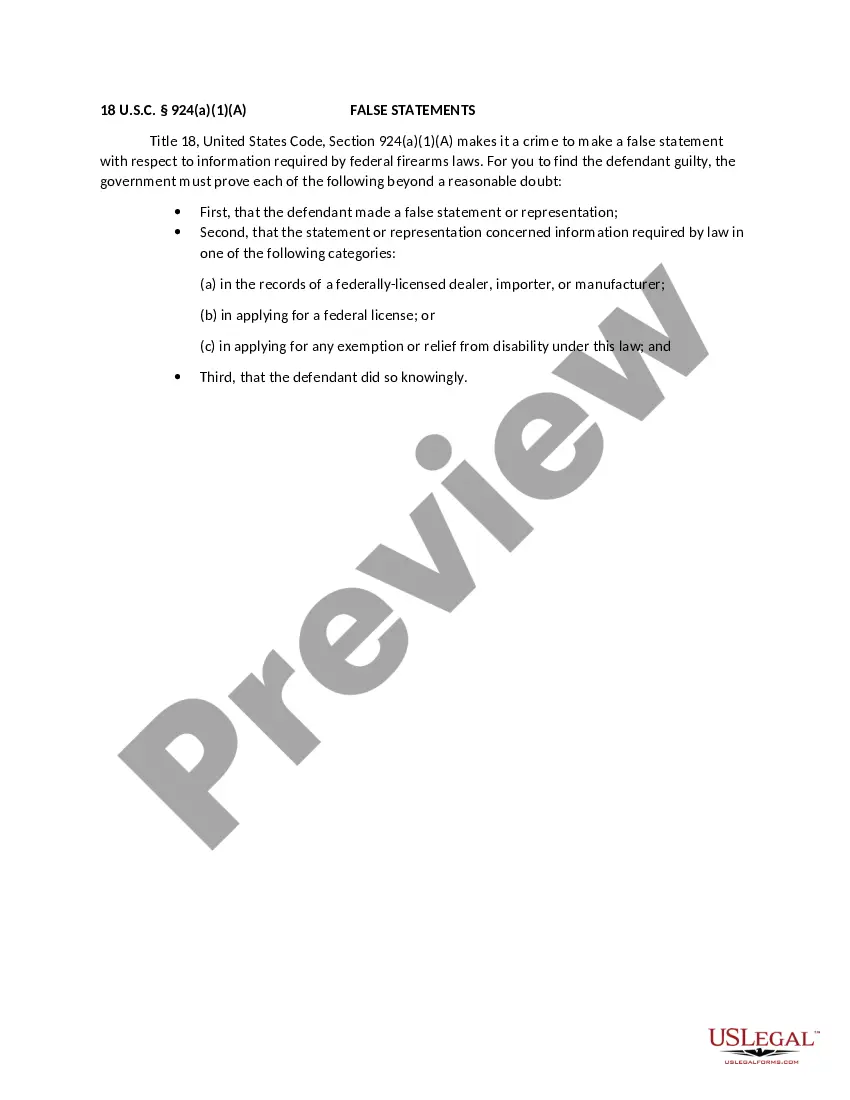
The charge of providing false information to law enforcement is a serious public corruption crime in South Carolina. The offense is detailed in South Carolina Code of Laws §16-17-725 (2011), which makes it a misdemeanor criminal offense with a maximum penalty of up to 30 days in jail.
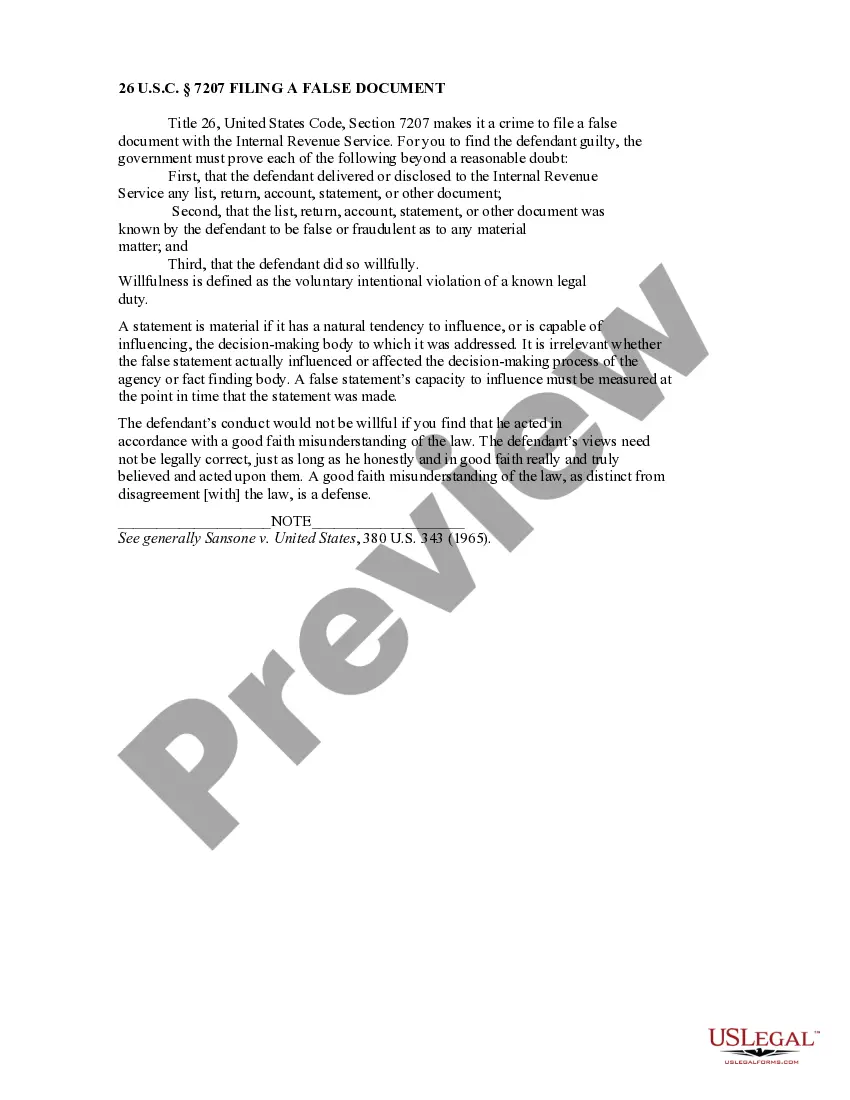
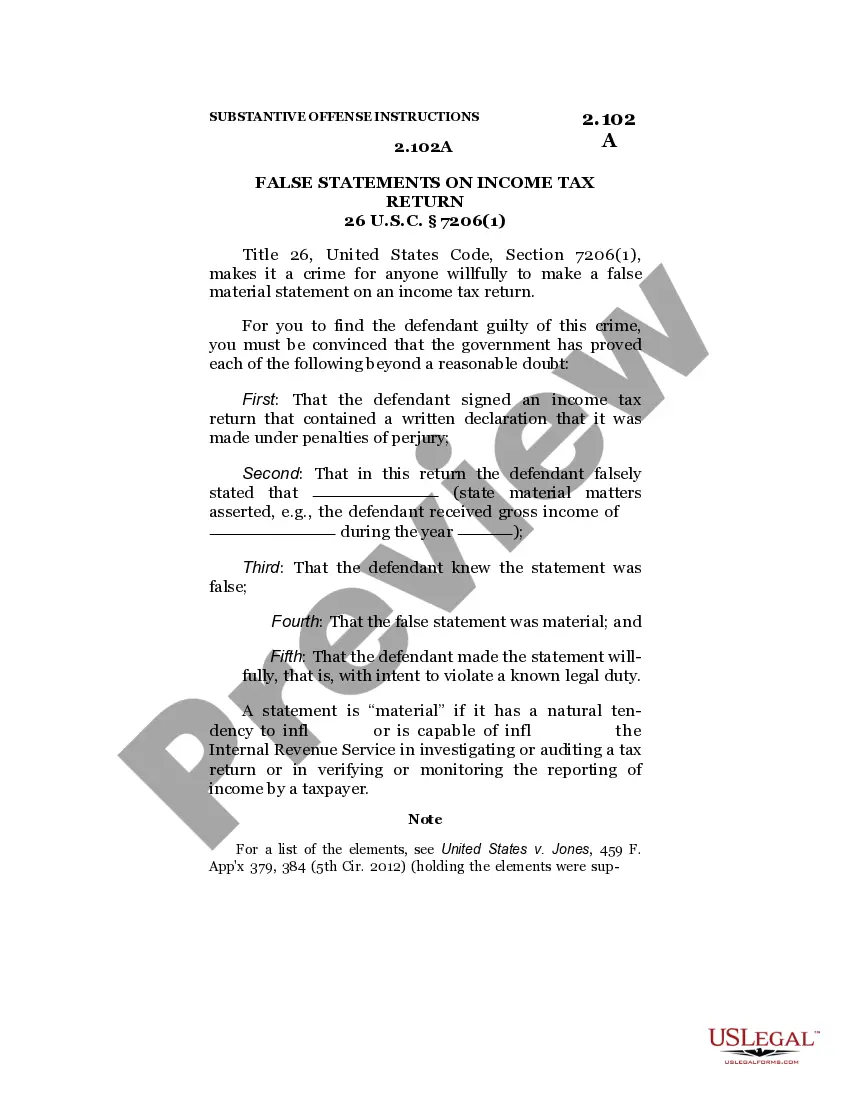
Potential Consequences Providing false information in an affidavit or other legal document is a misdemeanor in South Carolina. This may result in a maximum of six months' incarceration, a minimum fine of $100, or both.