South Carolina 14 Day Notice of Material Noncompliance with Rental Agreement for Residential from Landlord to Tenant
Overview of this form
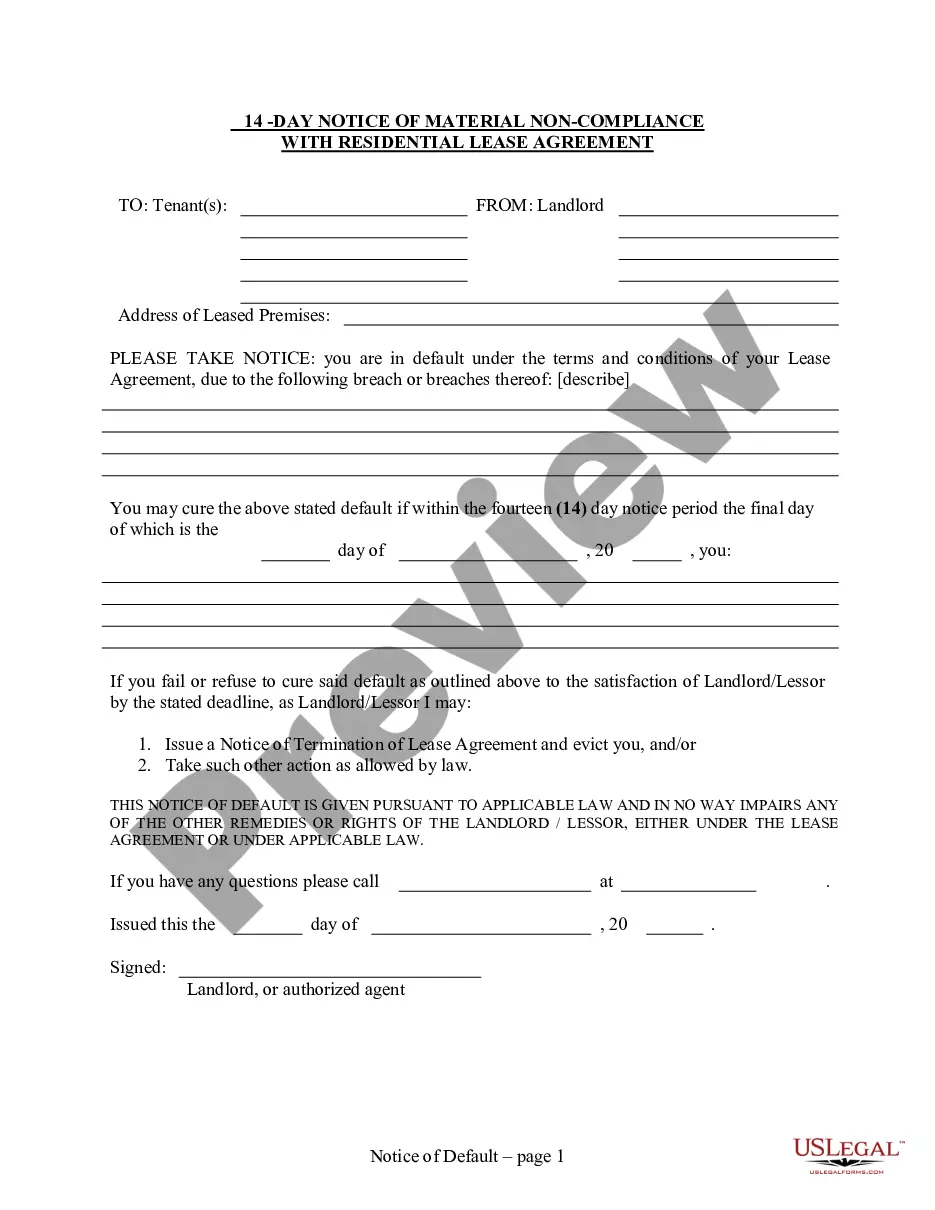
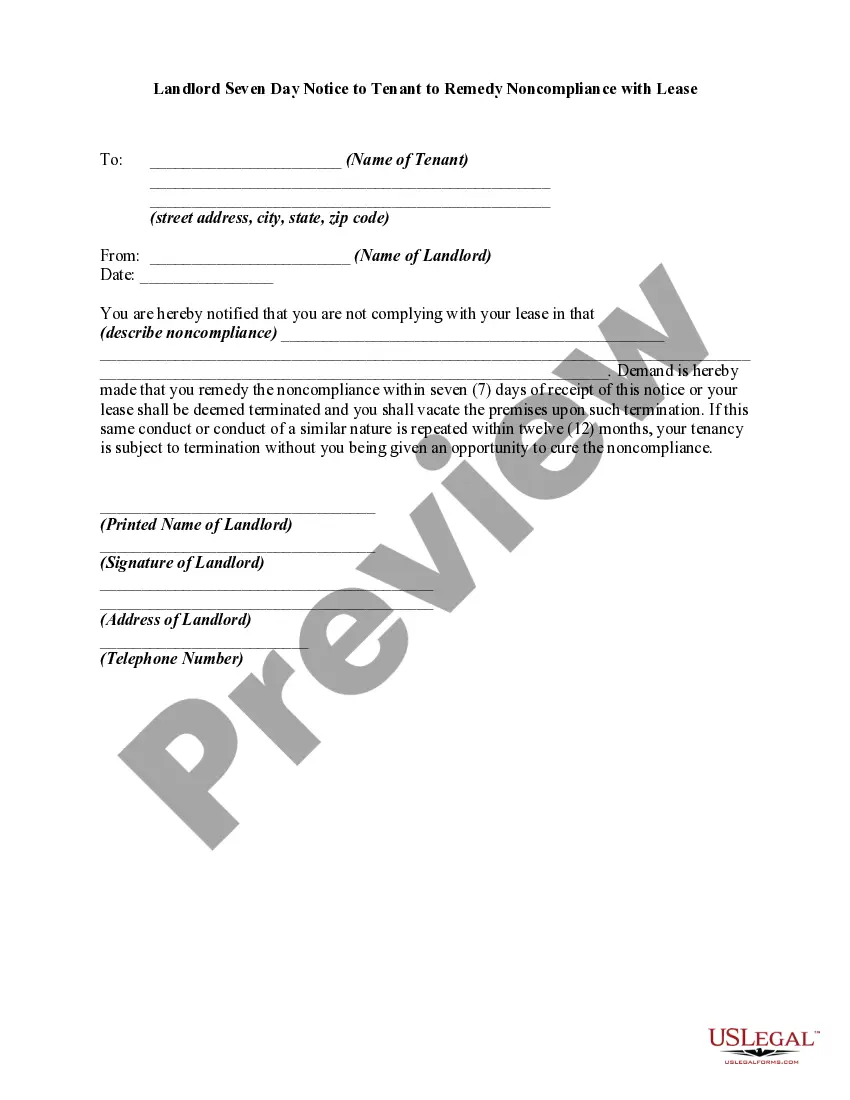
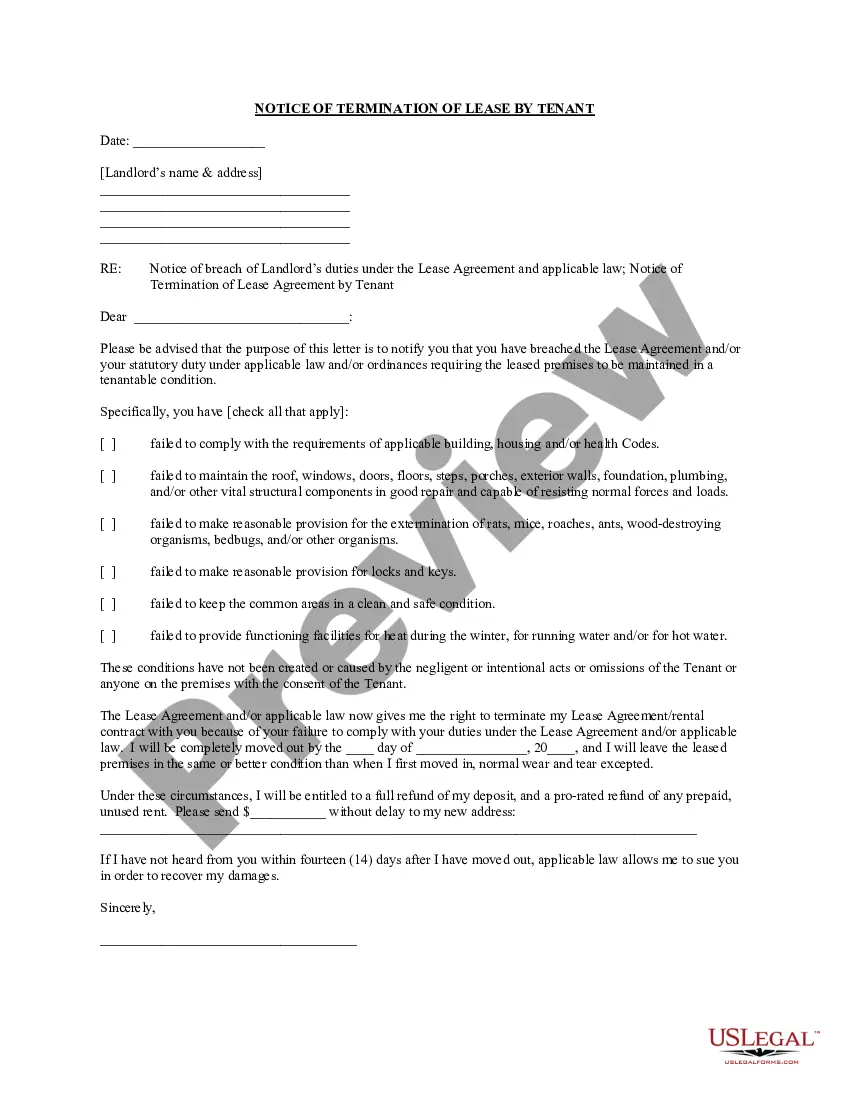
The 14 Day Notice of Material Noncompliance with Rental Agreement for Residential from Landlord to Tenant is a legal document used by landlords to inform tenants of significant breaches of their lease agreement. Unlike other notices, this form specifically outlines material non-compliance issues that must be addressed within a 14-day period. If the tenant fails to resolve these issues, the landlord may proceed with lease termination or eviction actions as permitted by law.
Key components of this form
- Identification of parties involved: the landlord and tenant.
- Address of the leased premises where the tenant resides.
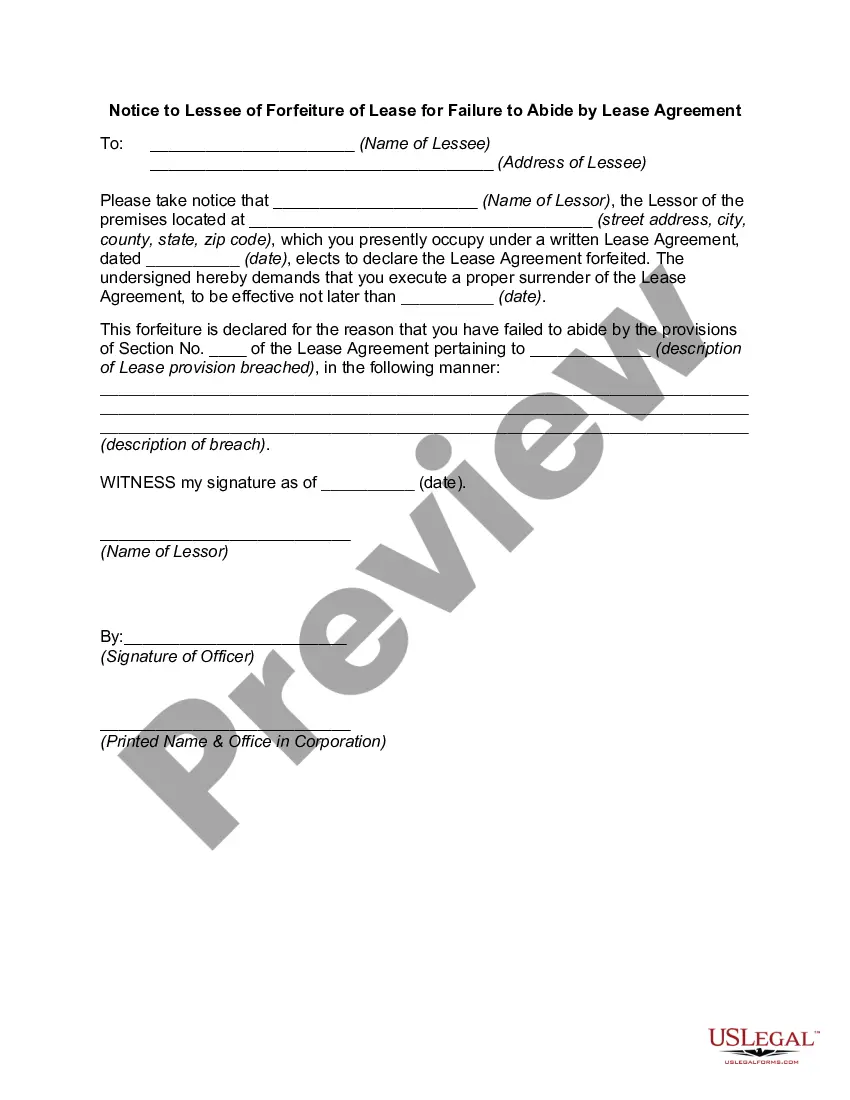
- Description of the specific lease provisions that have been violated.
- A clear statement granting the tenant 14 days to remedy the breach.
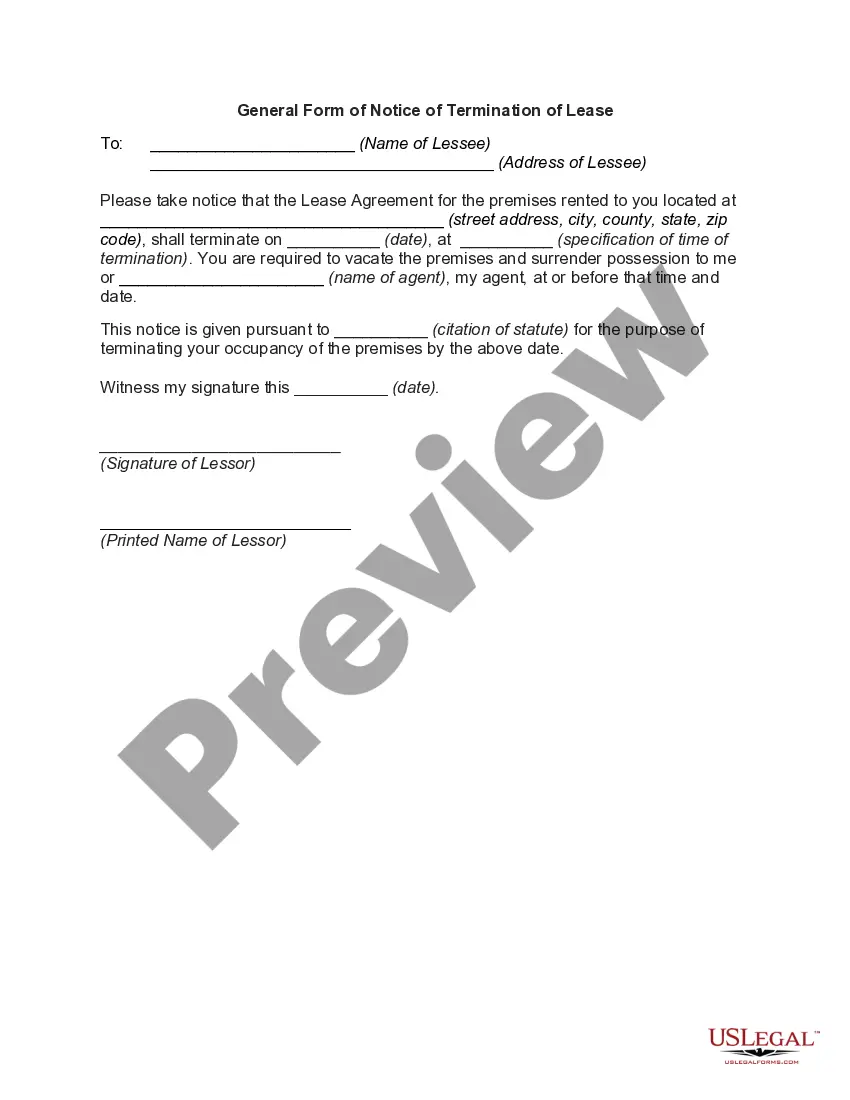
- Consequences of non-compliance, including potential lease termination and eviction.
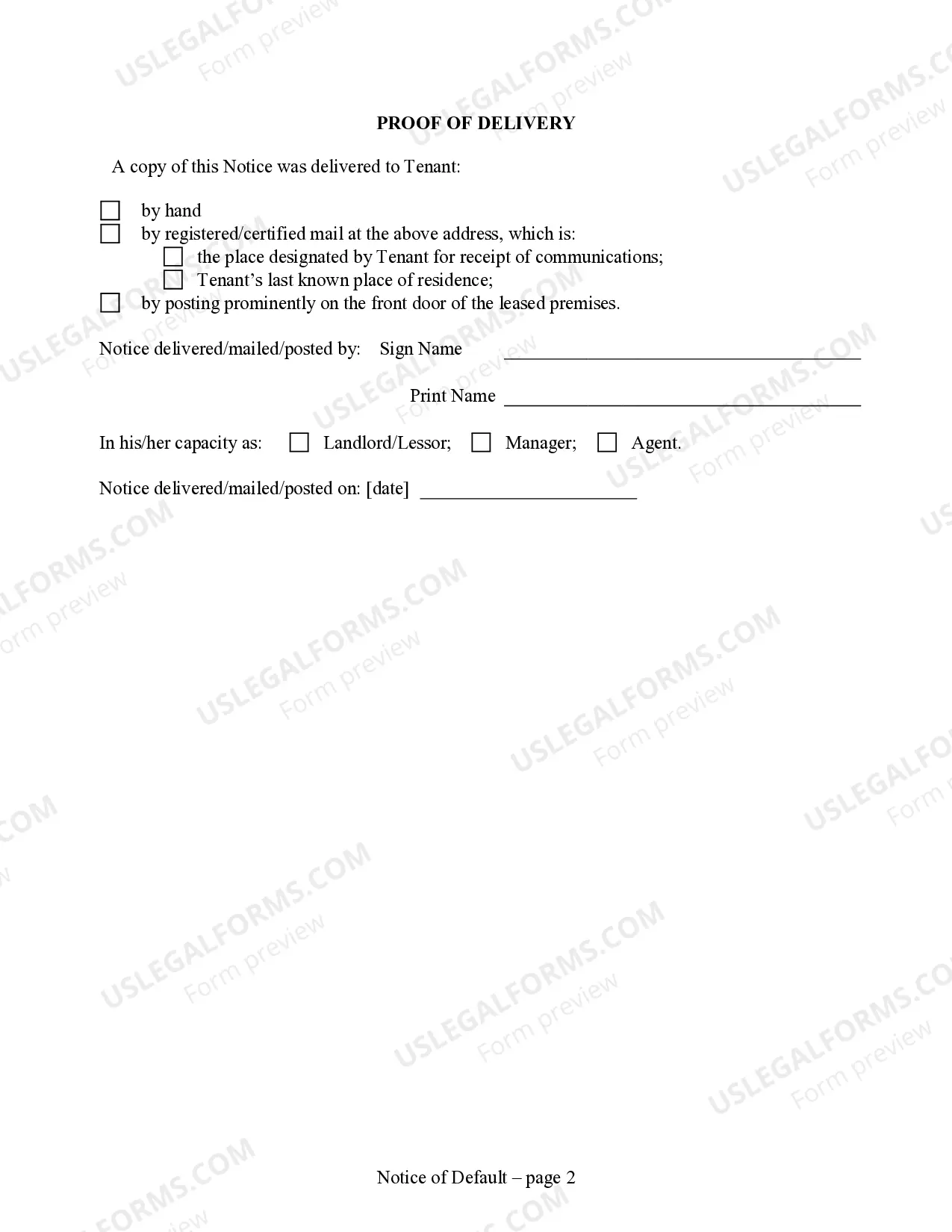
- Proof of delivery section detailing how the notice was served to the tenant.

Situations where this form applies
This form should be utilized when a landlord identifies significant violations of the lease agreement by the tenant. Common scenarios include failure to pay rent, unauthorized modifications to the property, or causing undue damage. By providing this notice, the landlord formally communicates the breach to the tenant and allows them an opportunity to cure the issue before further action is taken.
Who needs this form
- Landlords who own residential rental properties such as houses, apartments, or condos.
- Property managers acting on behalf of landlords.
- Individuals renting out a property who wish to address tenant non-compliance legally.
Instructions for completing this form
- Identify the landlord and tenant by entering their names and addresses.
- Specify the address of the leased premises where the tenant resides.
- Clearly describe the specific material non-compliance issue(s) with the lease.
- Sign the notice and enter the date it is issued.
- Provide proof of delivery details by indicating how the notice was served to the tenant.
Notarization requirements for this form
This form usually doesn’t need to be notarized. However, local laws or specific transactions may require it. Our online notarization service, powered by Notarize, lets you complete it remotely through a secure video session, available 24/7.
Common mistakes
- Failing to accurately describe the breach of lease.
- Not providing the tenant enough time to cure the breach if required by law.
- Neglecting to follow proper delivery procedures for the notice.
Why use this form online
- Convenient access to professionally drafted templates tailored to legal standards.
- Easy editing and customization based on individual circumstances.
- Quick downloads allow for immediate action when addressing lease violations.
State-specific compliance details
In many states, specific laws govern the notice period and terms for addressing tenant non-compliance. It is advisable for landlords to ensure that the contents of this form comply with state laws or local regulations regarding eviction procedures and tenant rights.
Form popularity
FAQ
Leaving without giving notice Your tenancy won't have ended and you'll still have to pay your rent until you end your tenancy in the right way. You might also have to pay other bills - for example, council tax. Your landlord can get a court order to make you pay the rent you owe.
If the landlord/agent wants to end your agreement at the end of the fixed term, they must give you at least 30 days notice that includes the last day of the term. If the landlord/agent applies for a termination order, the Tribunal must terminate the agreement.
When a landlord fails to meet these standards despite reasonable requests by the tenant, he or she may be sued for "material noncompliance." This article covers the basics of material noncompliance, which is essentially a breach of contract in the context of landlord tenant law.
Tenant Rights to Withhold Rent in South Carolina Tenants may withhold rent or exercise the right to repair and deduct if a landlord fails to take care of important repairs, such as a broken heater.
If the tenant refuses, you are permitted to send them a notice to agree or quit the property. The tenant refusing you access constitutes a breach in the lease agreement, so they could be evicted if they continue to deny access.
Be calm, objective, and rational. Keep written records of everything. Teach tenants how they should treat you. Try to get your tenants on your side. Ask the terrible tenants to leave. Begin the eviction process.
Yes, your tenant is within their rights to refuse you access to the property. In a lot of cases, tenants will refuse because the date and time isn't convenient for them and will suggest an alternative date or ask you to rearrange. However, some tenants will persistently try to obstruct you from entering the property.
If you refuse access, the landlord/agent can apply to the Tribunal for an order that authorises them or any other person to enter the premises.
If you don't move out by the day in the notice, the landlord can ask the NSW Civil and Administrative Tribunal (NCAT) for a termination order. A termination order means the rental agreement is ended. The order will state the day when you must give vacant possession that is, you move out and return the keys.