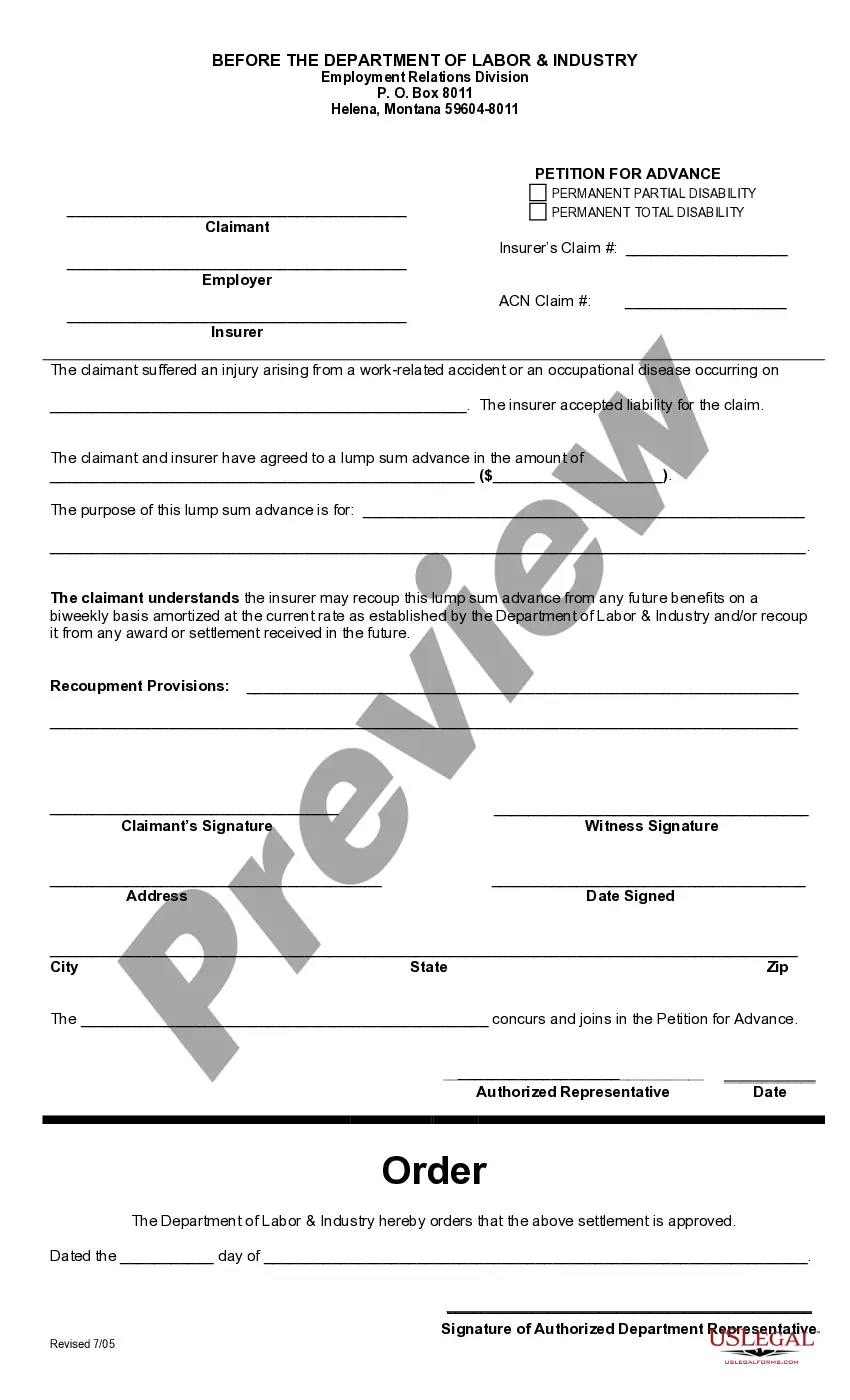
Rhode Island Mortgage Deed
About this form
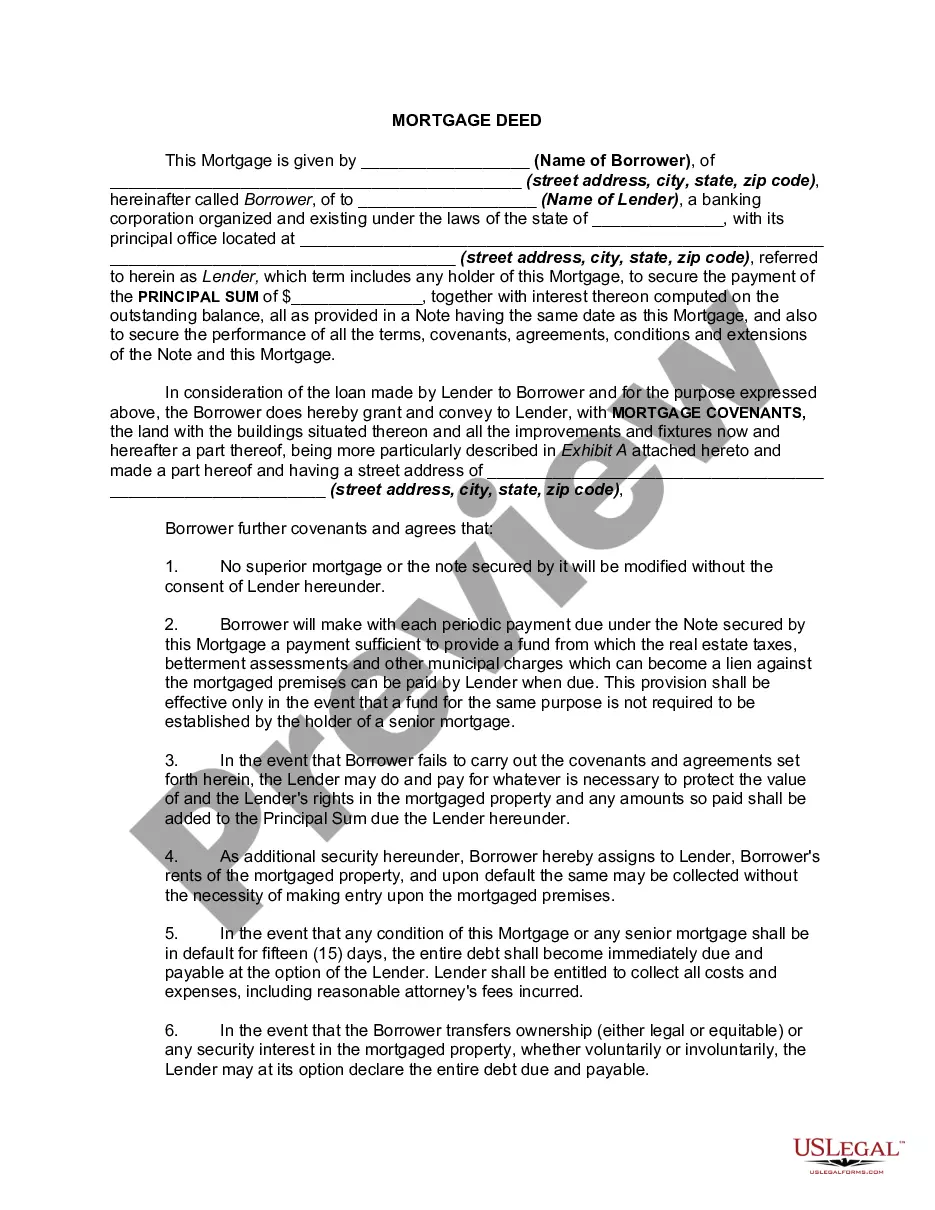
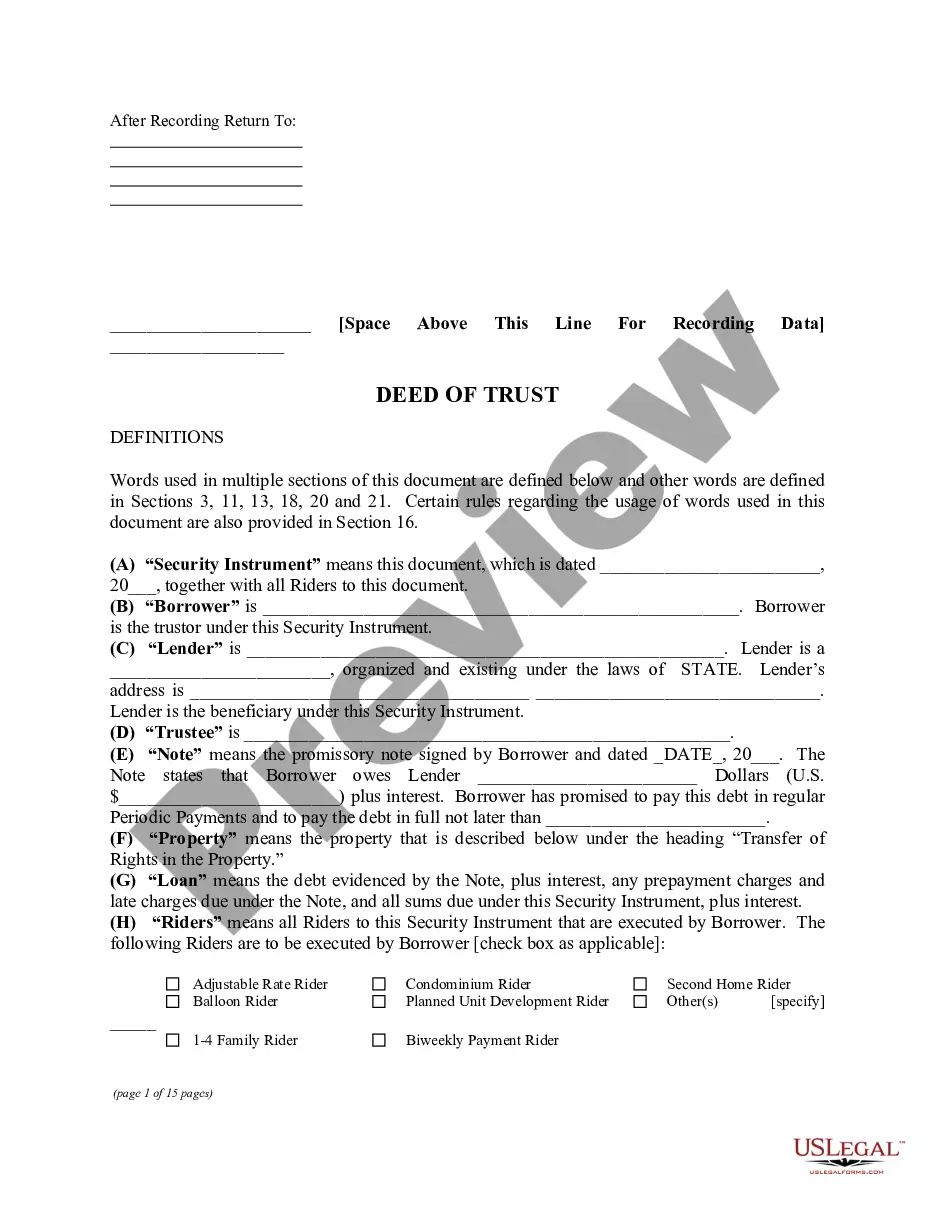
The Mortgage Deed is a legal document used in Rhode Island to secure a loan against a property. This form establishes a fixed interest rate, outlines the responsibilities of the borrower, and details the lender's rights in case of default. Unlike a simple promissory note, the mortgage deed links the loan to the specific property, making it a crucial component of real estate transactions.
What’s included in this form
- Parties Involved: Identifies the Mortgagor (borrower) and Mortgagee (lender).
- Property Description: Provides a detailed description of the property being mortgaged.
- Loan Amount: Specifies the amount secured by the mortgage.
- Payment Obligations: Outlines the Mortgagor's duty to pay taxes, assessments, and insurance on the property.
- Default Clauses: Details the consequences if the Mortgagor defaults, including rights of foreclosure.
- Signatures and Notarization: Requires signatures of the Mortgagors in the presence of a notary public.




When to use this form
This Mortgage Deed should be used when you are securing a loan for purchasing a property or refinancing an existing mortgage. It is necessary in situations where a loan is backed by real estate, ensuring the lender has a legal claim to the property if the borrower fails to repay the loan.
Who can use this document
This form is suitable for:
- Homebuyers obtaining a mortgage to purchase property.
- Property owners refinancing their existing loan to secure better terms.
- Lenders providing funds secured by real estate.
- Individuals involved in real estate transactions in Rhode Island.
How to prepare this document
- Identify the parties: Enter names and addresses of the Mortgagor(s) and Mortgagee.
- Specify the property: Provide a detailed description of the property being secured by the mortgage.
- Enter the loan amount: Fill in the total dollar amount secured by the mortgage.
- Review payment obligations: Ensure all payment responsibilities are clearly outlined, including taxes and insurance.
- Sign in front of a notary: Have all Mortgagors sign the deed in the presence of a notary public for it to be legally binding.
Is notarization required?
This document requires notarization to meet legal standards. US Legal Forms provides secure online notarization powered by Notarize, allowing you to complete the process through a verified video call, available 24/7.
Get your form ready online
Our built-in tools help you complete, sign, share, and store your documents in one place.
Make edits, fill in missing information, and update formatting in US Legal Forms—just like you would in MS Word.
Download a copy, print it, send it by email, or mail it via USPS—whatever works best for your next step.
Sign and collect signatures with our SignNow integration. Send to multiple recipients, set reminders, and more. Go Premium to unlock E-Sign.
If this form requires notarization, complete it online through a secure video call—no need to meet a notary in person or wait for an appointment.
We protect your documents and personal data by following strict security and privacy standards.

Make edits, fill in missing information, and update formatting in US Legal Forms—just like you would in MS Word.

Download a copy, print it, send it by email, or mail it via USPS—whatever works best for your next step.

Sign and collect signatures with our SignNow integration. Send to multiple recipients, set reminders, and more. Go Premium to unlock E-Sign.

If this form requires notarization, complete it online through a secure video call—no need to meet a notary in person or wait for an appointment.

We protect your documents and personal data by following strict security and privacy standards.
Common mistakes
- Failing to provide a complete property description, which may lead to legal disputes.
- Not obtaining notarization, making the document unenforceable.
- Missing signatures from all parties involved in the mortgage agreement.
- Incorrectly entering the loan amount or terms, which can create confusion.
Benefits of completing this form online
- Convenience: Download and complete the form from the comfort of your home.
- Editability: Easily modify the document to suit your specific needs.
- Reliability: Access a form drafted by licensed attorneys to ensure compliance with legal standards.
Looking for another form?
Form popularity
FAQ
The average mortgage payment is just over $1,500 per month, according to the U.S. Census Bureau. That might seem like a high price to pay.
Best Overall: Quicken Loans. Best Online: SoFi. Best for Refinancing: LoanDepot. Best for Poor Credit: New American Funding. Best for Convenience: Reali. Best for Low Income: Citi Mortgage. Best Interest-Only Mortgages: Guaranteed Rate. Best Traditional Bank: Chase.
Closing costs typically range from 3% to 6% of the home's purchase price. 1feff Thus, if you buy a $200,000 house, your closing costs could range from $6,000 to $12,000. Closing fees vary depending on your state, loan type, and mortgage lender, so it's important to pay close attention to these fees.
Assuming you have a 20% down payment ($70,000), your total mortgage on a $350,000 home would be $280,000. For a 30-year fixed mortgage with a 3.5% interest rate, you would be looking at a $1,257 monthly payment.
Typically the buyer is responsible for these costs but they can ask the seller to contribute to the cost of closing costs. The person buying your property typically has three potential home loans or mortgages: VA, FHA, or CONV. Depending on which types of loan they take, who pays which fee can get a little mixed up.
Not including your downpayment on a home, closing costs usually range between 2-5% of the purchase price. This means if an average home in Rhode Island costs between $300,000-$400,000, you can expect to pay between $2,600-$4600 in closing costs.
The best guess most financial advisors and websites will give you is that closing costs are typically between 2 and 5% of the home value. True enough, but even on a $150,000 house, that means closing costs could be anywhere between $3,000 and $7,500 that's a huge range!
FHA loans are some of the easiest mortgages to qualify for, especially as the down payment requirements are as low as 3.5%.
The median monthly mortgage payment is just over $1,500, according to the U.S. Census Bureau. That can vary of course, based on the size of the house and where you live, but that's the ballpark number.