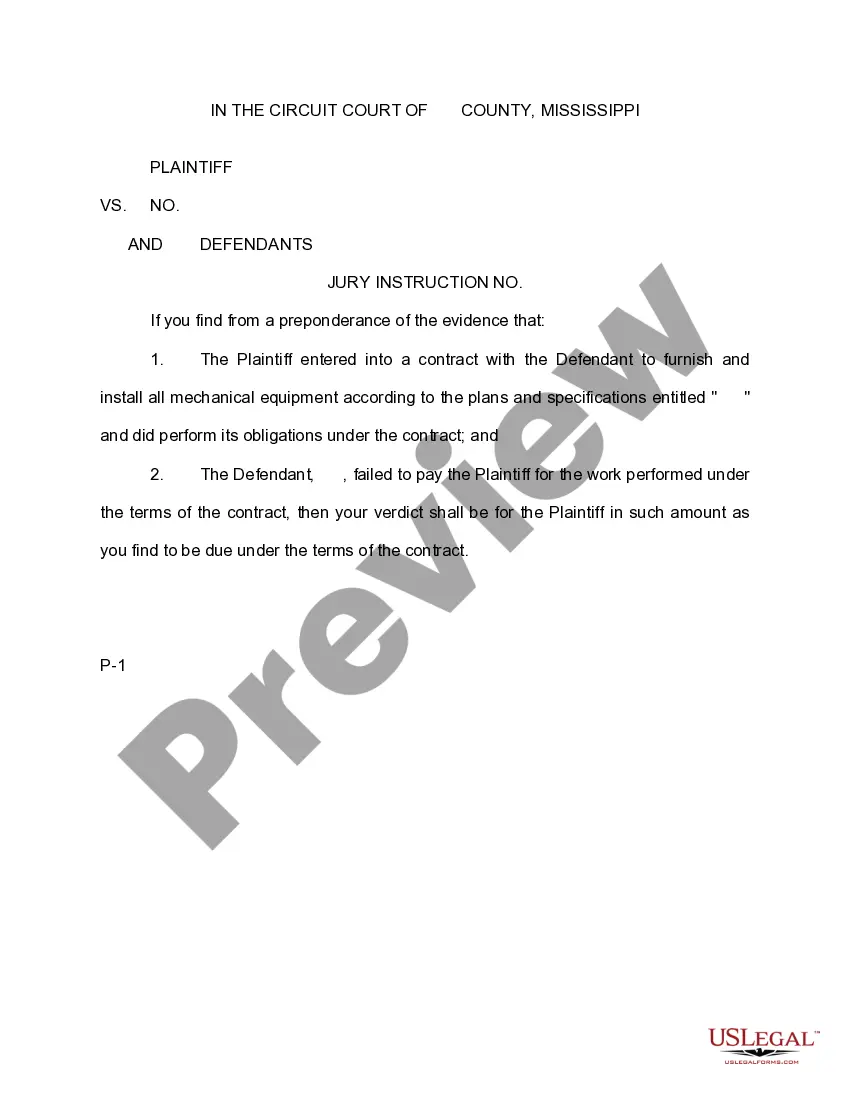
Rhode Island Renovation Contract for Contractor
Overview of this form
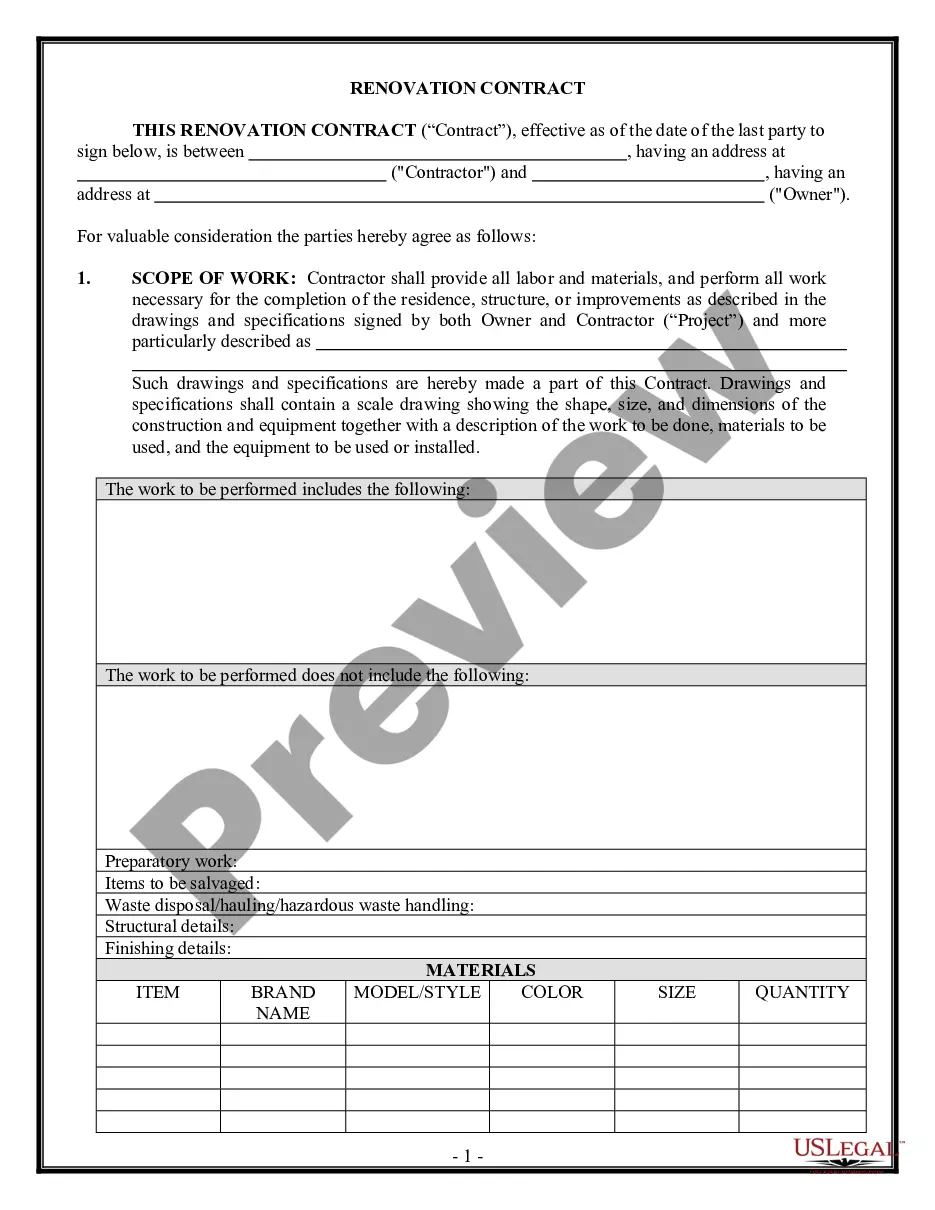
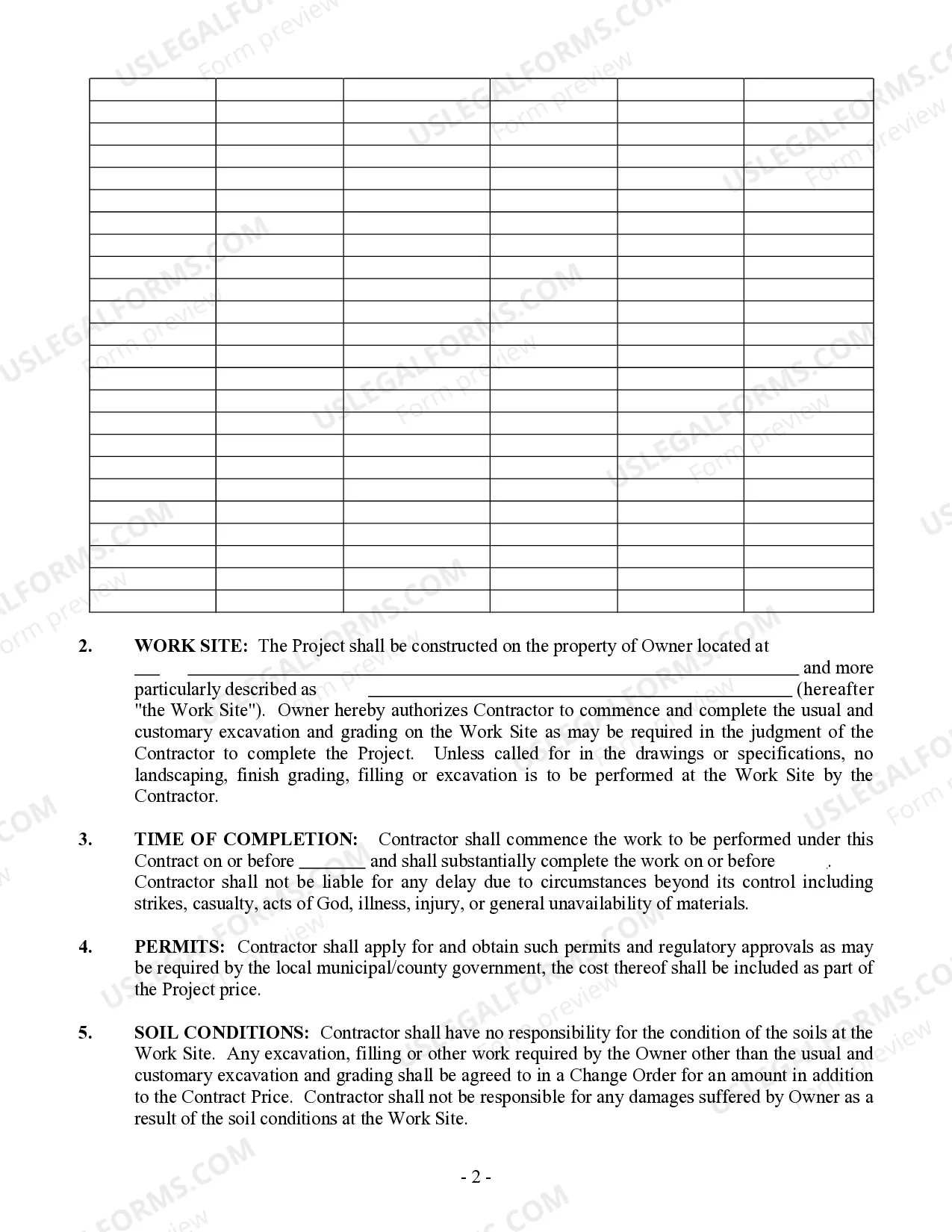
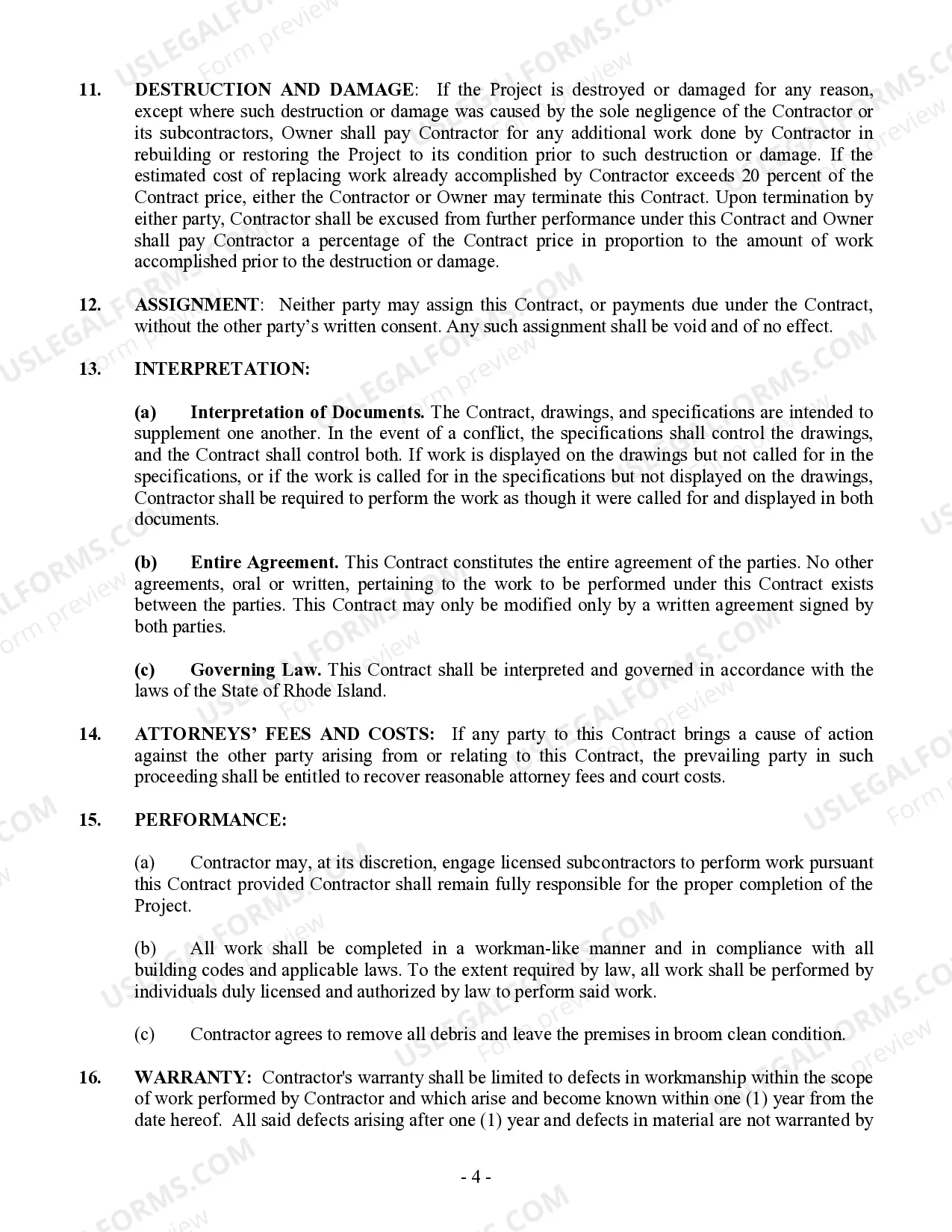
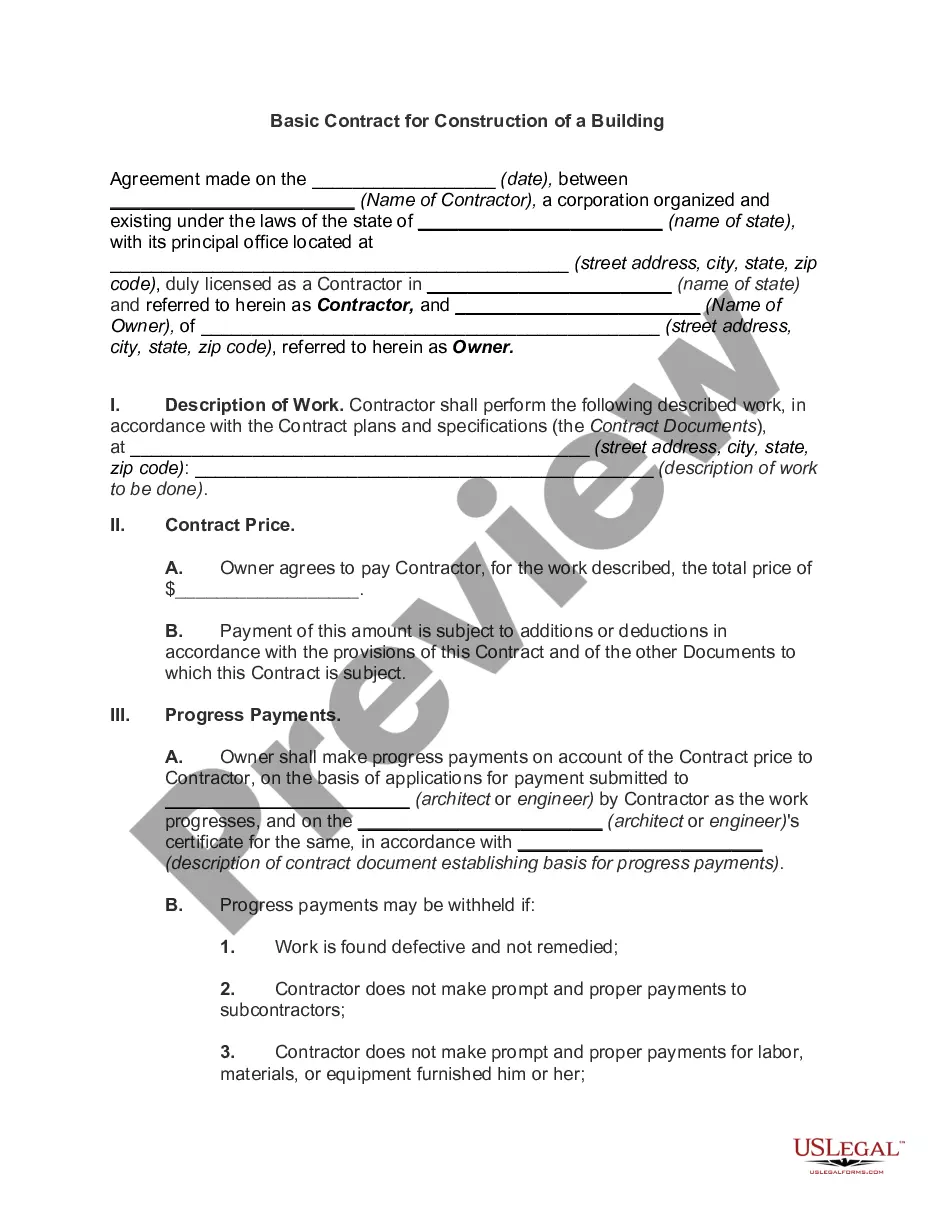
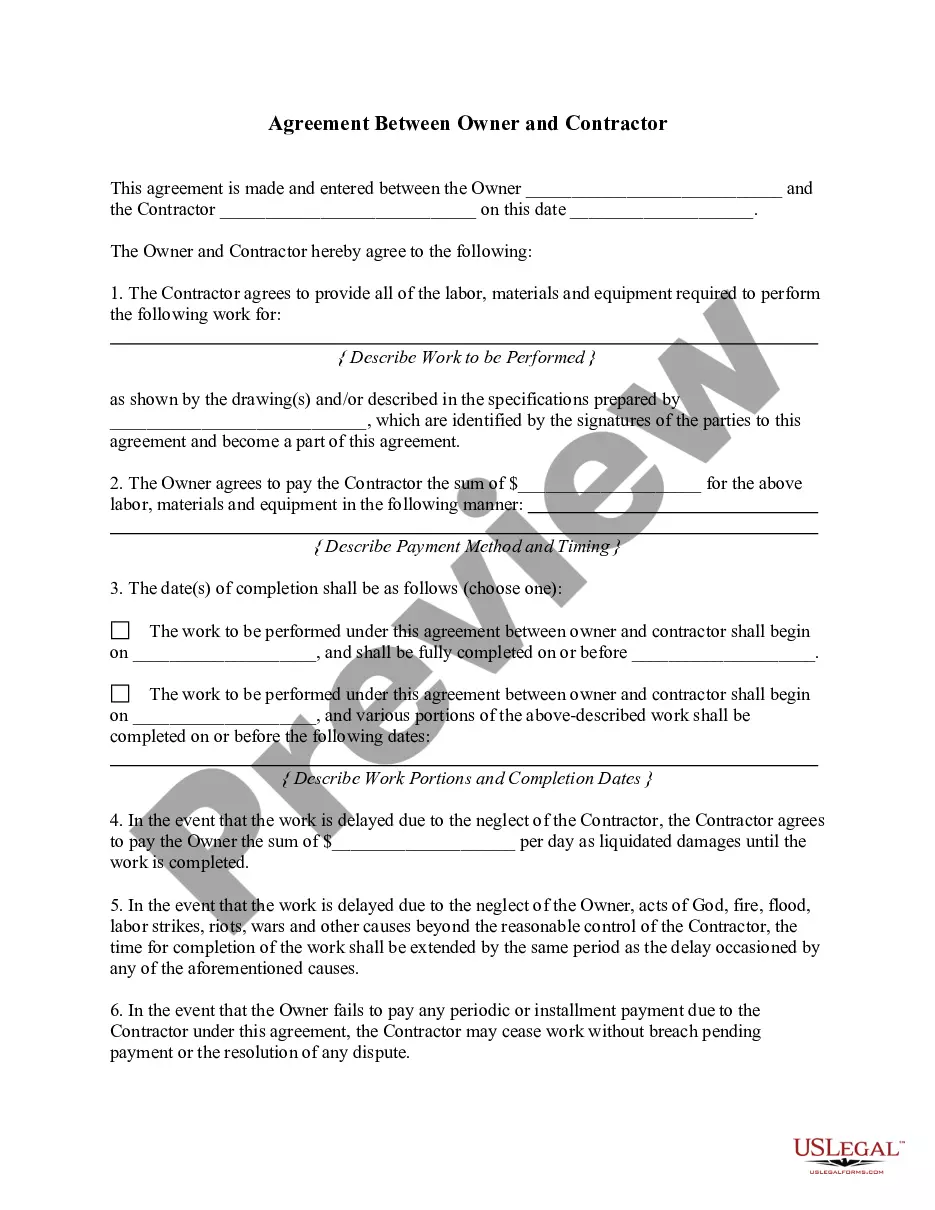
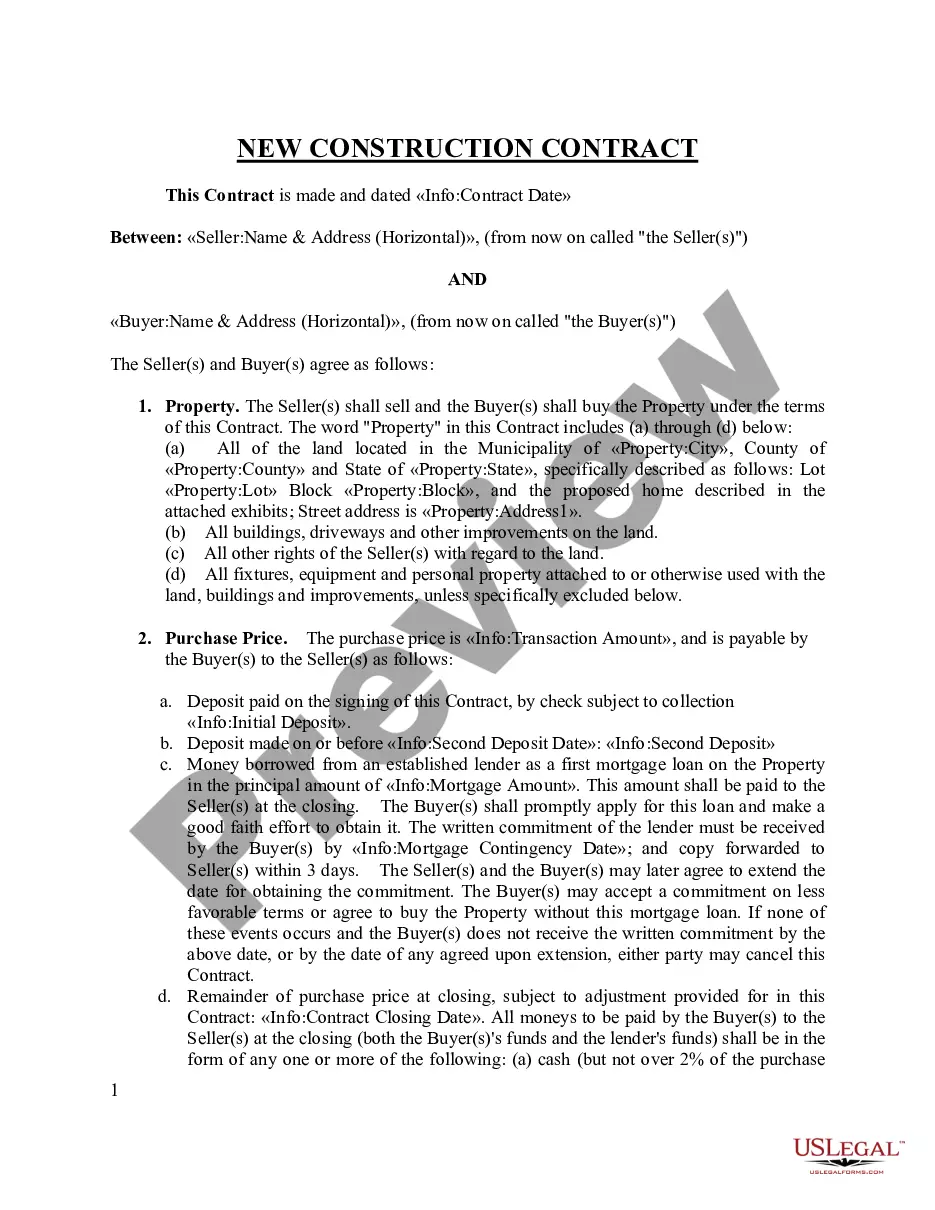
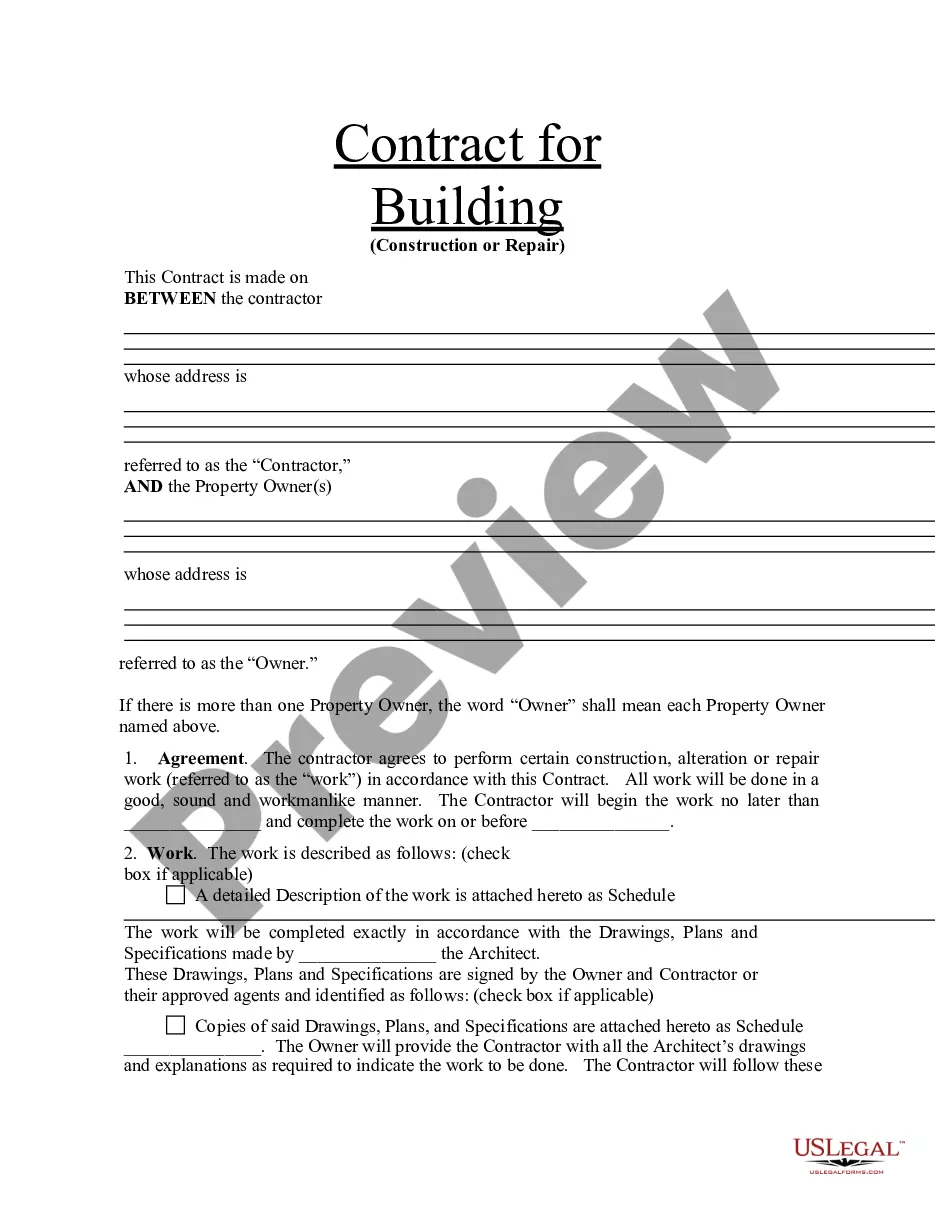
The Renovation Contract for Contractor is a legal document that outlines the agreement between a renovation contractor and a property owner. This contract establishes a clear framework for the renovation project, covering payments, responsibilities, and liabilities. It can be executed under either a cost-plus or fixed fee payment structure, setting it apart from other construction contracts that may not address these specific terms. Created to comply with the laws of Rhode Island, this form ensures that both parties have a legally binding agreement in place to facilitate renovations efficiently and effectively.
Key components of this form
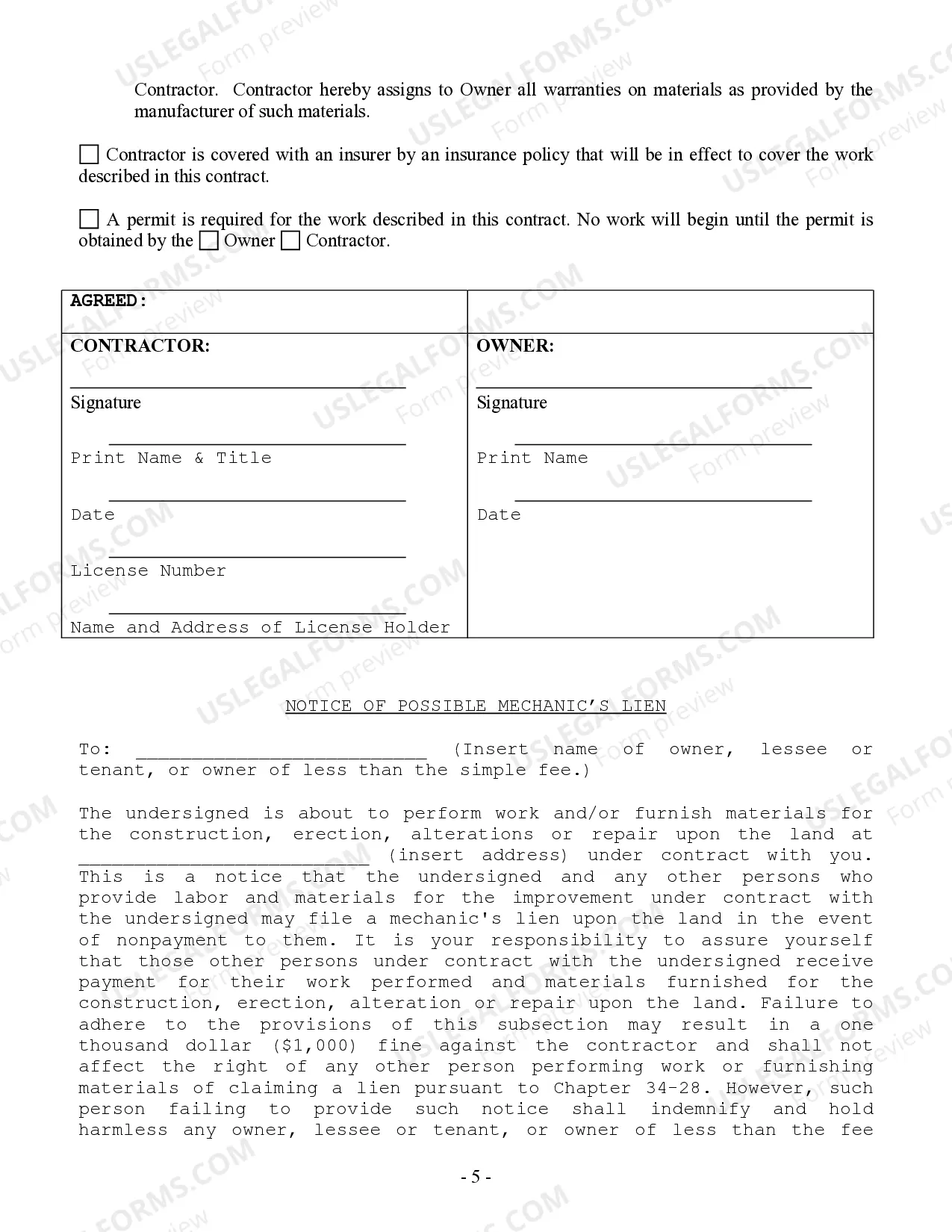
- Permits: Contractor is responsible for obtaining necessary permits.
- Soil Conditions: Clarifies contractor liability regarding soil issues at the job site.
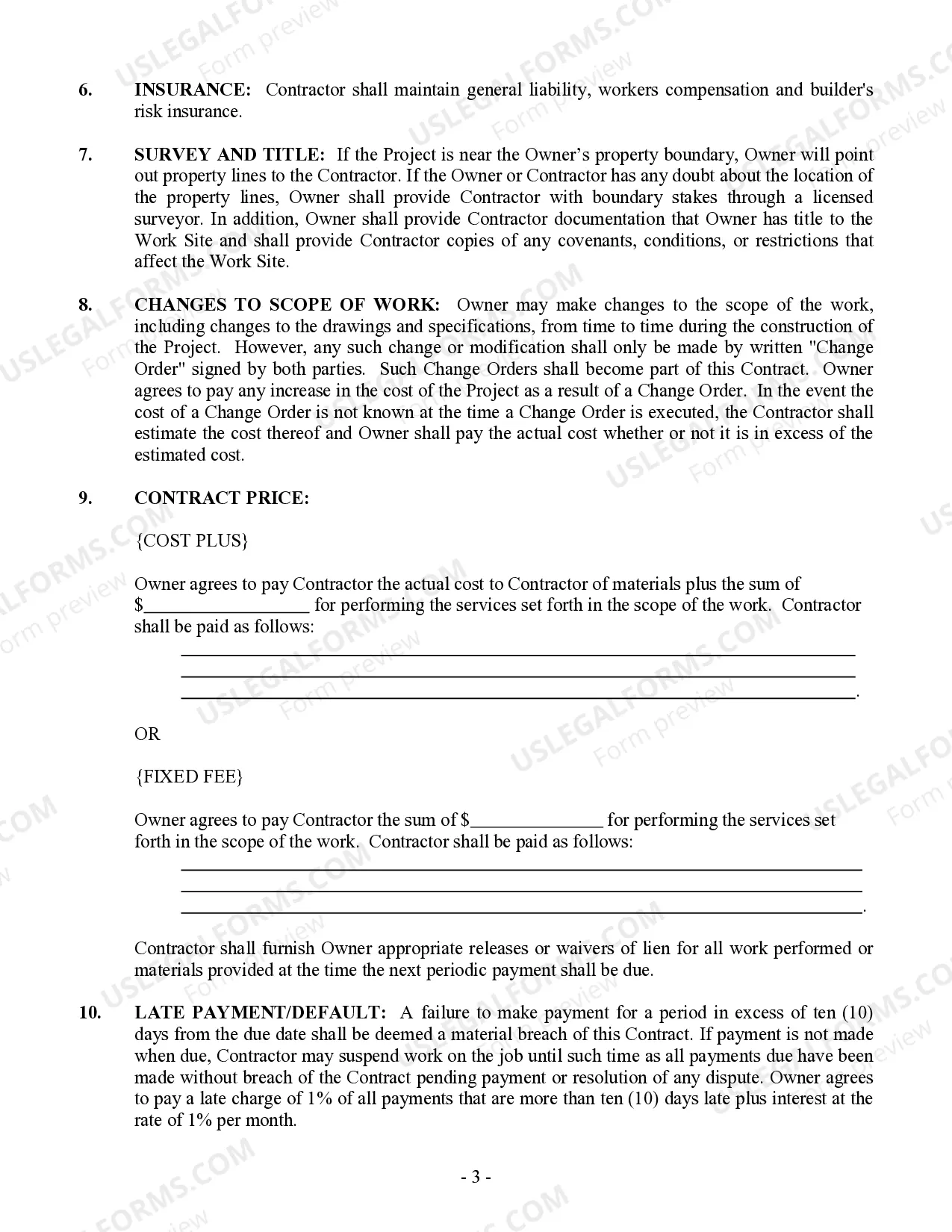
- Insurance: Specifies types of insurance the contractor must maintain.
- Changes to Scope of Work: Details the process for making changes and handling costs associated with change orders.
- Late Payment/Default: Outlines consequences of late payments and breach of contract.
- Warranty: Defines the warranty period and limitations on the contractorâs liability.

When to use this form
This form is essential when a property owner wishes to hire a contractor for renovation work. It provides a structured agreement detailing the payment arrangement and responsibilities. It is particularly useful in situations where changes to the project scope may occur and where clear delineation of insurance and warranty issues is needed. Using this contract helps prevent disputes and ensures both parties understand their obligations and rights throughout the renovation process.
Intended users of this form
- Property owners looking to renovate or improve their property.
- Renovation contractors hired to perform the work.
- Both parties involved in a renovation project who want to clarify the terms of their agreement.
How to complete this form
- Identify the parties involved: Fill in the names and contact information of the contractor and property owner.
- Specify the project details: Include the scope of work, project address, and any specific terms agreed upon.
- Choose the payment structure: Indicate whether the payment will be cost-plus or a fixed fee arrangement.
- Detail insurance requirements: Verify that the contractor provides proof of necessary insurance coverages.
- Sign and date the contract: Ensure both parties sign and date the agreement to make it legally binding.
Does this document require notarization?
This form does not typically require notarization unless specified by local law. It is advisable to check with local regulations to confirm any notarization requirements relevant to Rhode Island.
Get your form ready online
Our built-in tools help you complete, sign, share, and store your documents in one place.
Make edits, fill in missing information, and update formatting in US Legal Forms—just like you would in MS Word.
Download a copy, print it, send it by email, or mail it via USPS—whatever works best for your next step.
Sign and collect signatures with our SignNow integration. Send to multiple recipients, set reminders, and more. Go Premium to unlock E-Sign.
If this form requires notarization, complete it online through a secure video call—no need to meet a notary in person or wait for an appointment.
We protect your documents and personal data by following strict security and privacy standards.

Make edits, fill in missing information, and update formatting in US Legal Forms—just like you would in MS Word.

Download a copy, print it, send it by email, or mail it via USPS—whatever works best for your next step.

Sign and collect signatures with our SignNow integration. Send to multiple recipients, set reminders, and more. Go Premium to unlock E-Sign.

If this form requires notarization, complete it online through a secure video call—no need to meet a notary in person or wait for an appointment.

We protect your documents and personal data by following strict security and privacy standards.
Common mistakes
- Failing to specify the scope of work clearly.
- Not including change order procedures.
- Overlooking insurance requirements.
- Entering agreements without proper signatures from both parties.
Benefits of using this form online
- Convenience: Easily download and print the form from the comfort of your home.
- Editability: Make modifications as needed to tailor the contract to specific circumstances.
- Reliability: Ensure compliance with current legal standards as the forms are drafted by licensed attorneys.
Main things to remember
- The Renovation Contract for Contractor is crucial for formalizing agreements between property owners and contractors.
- It is tailored to Rhode Island laws, ensuring its enforceability in that state.
- Clear definitions of project scope and payment structures help prevent misunderstandings.
Looking for another form?


Form popularity
FAQ
Check Contract Basics. The basic job of a contractor agreement is to spell out the scope of the project's work. Set a Payment Schedule. Schedule Start and End Dates. Specify Change Orders. Research Your Arbitration Options. Turn Down the Contractor's Warranty.
Scope of Work, Selection Sheet and Drawings. License Number and Insurance. Description of Change Orders. Warranty information. Subcontractor Agreements. Payment schedule. Completion Schedule / Timeline. Clauses Required by Law.
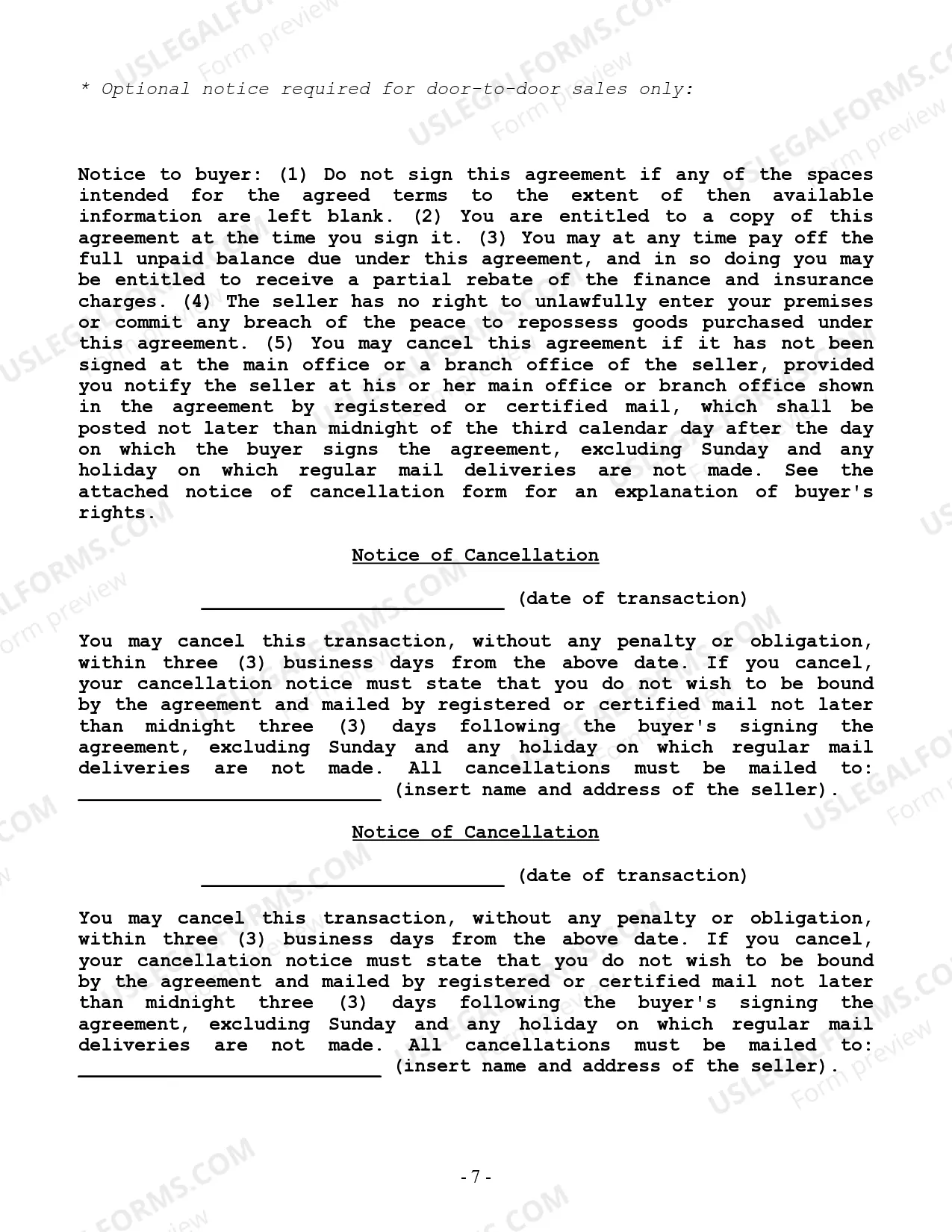
There is a federal law (and similar laws in every state) allowing consumers to cancel contracts made with a door-to-door salesperson within three days of signing. The three-day period is called a "cooling off" period.
Homeowners who enter into contracts with contractors to improve, remodel or repair their homes almost always have a right to cancel the contract, without any penalty or obligation, within three business days after signing the contract.The homeowner's cancellation rights are created by both state and federal laws.
Detailed Description of the Job. How Payments Will Be Made. Start and End Dates of the Project. How Changes to the Project Will Be Dealt With. Lien Waivers. Written Notice of Your Right to Cancel Without Penalty. Warranty. Signatures.
If the consumer decides to cancel the contract, the consumer must send the contractor a written notice of his or her decision. The consumer may use the Notice of Cancellation form that the contractor has provided (see D. below) but the consumer is not required to use this form.
In most cases, a contract can be terminated by one party if the other party fails to execute their end of the agreement. If one party is unwilling or unable to keep to the terms of the contract, you can legally end the contract.
You can terminate a contract when you and the other party agree to. This can be either an express agreement or an implied agreement. Although you can expressly terminate an agreement verbally, it is recommended to do so in writing. Any implied agreement to terminate must be clear through the parties' conduct.
Identifying/Contact Information. Title and Description of the Project. Projected Timeline and Completion Date. Cost Estimate and Payment Schedule. Stop Work Clause and Stop Payment Clause. Act of God Clause. Change Order Agreement. Warranty.