Mississippi Qualified Domestic Relations Order
Overview of this form
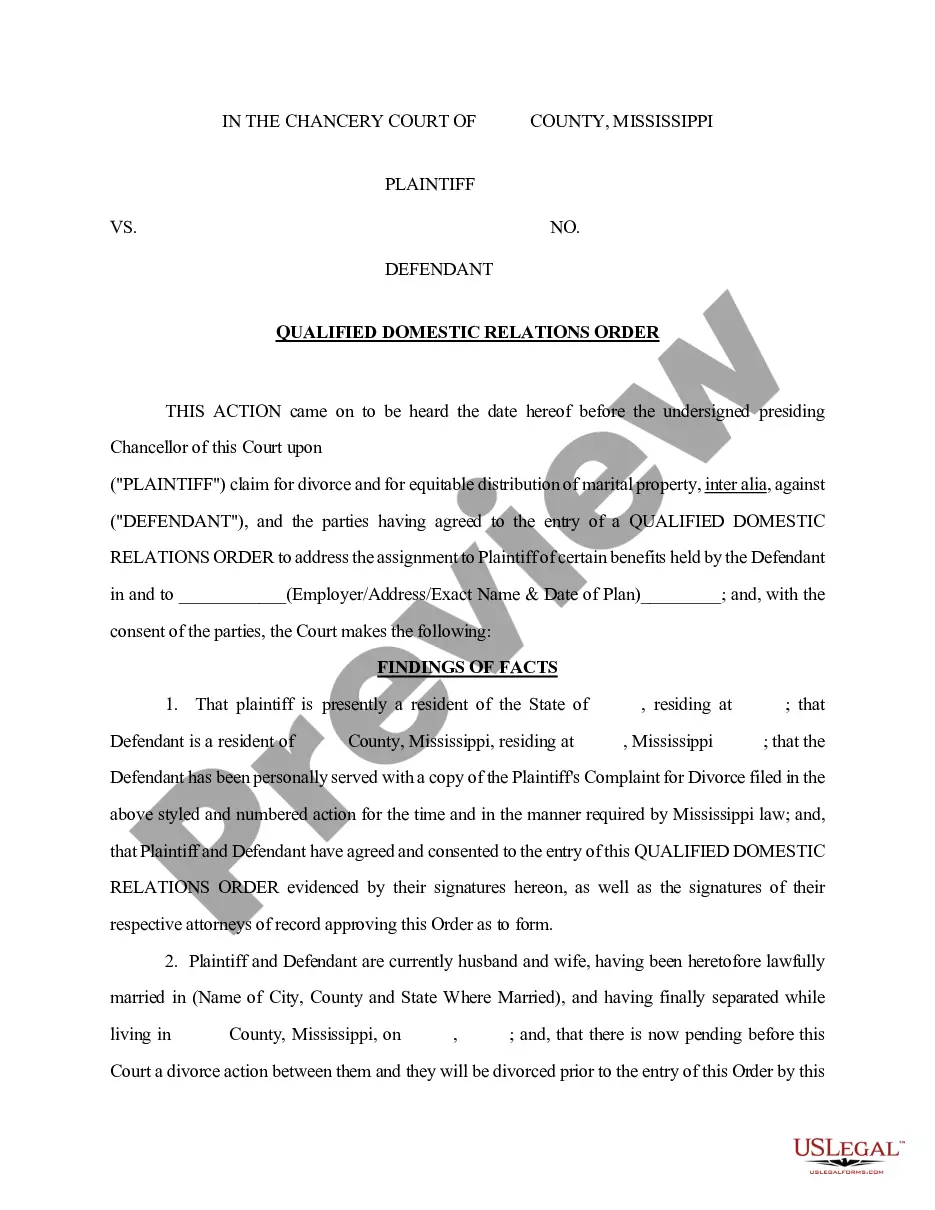
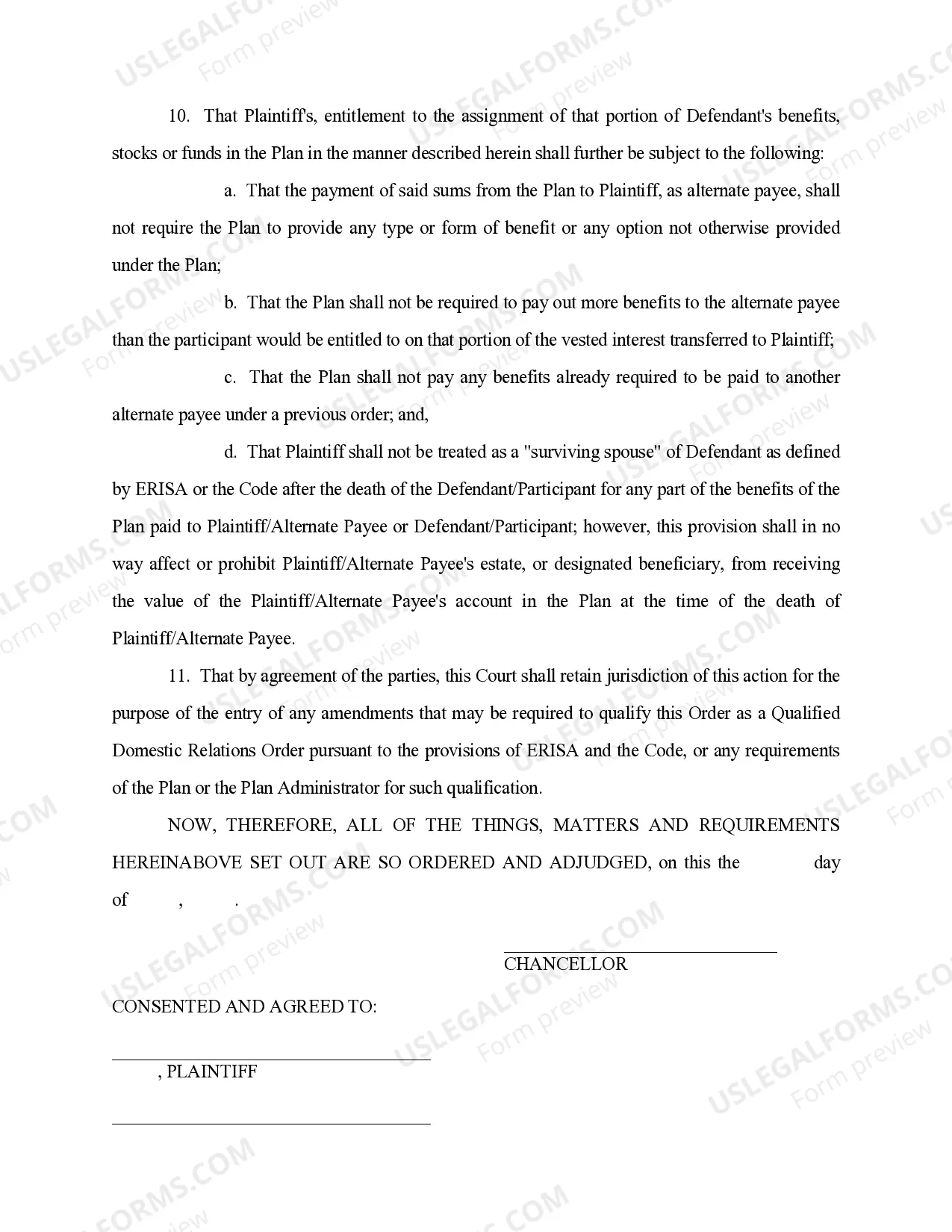
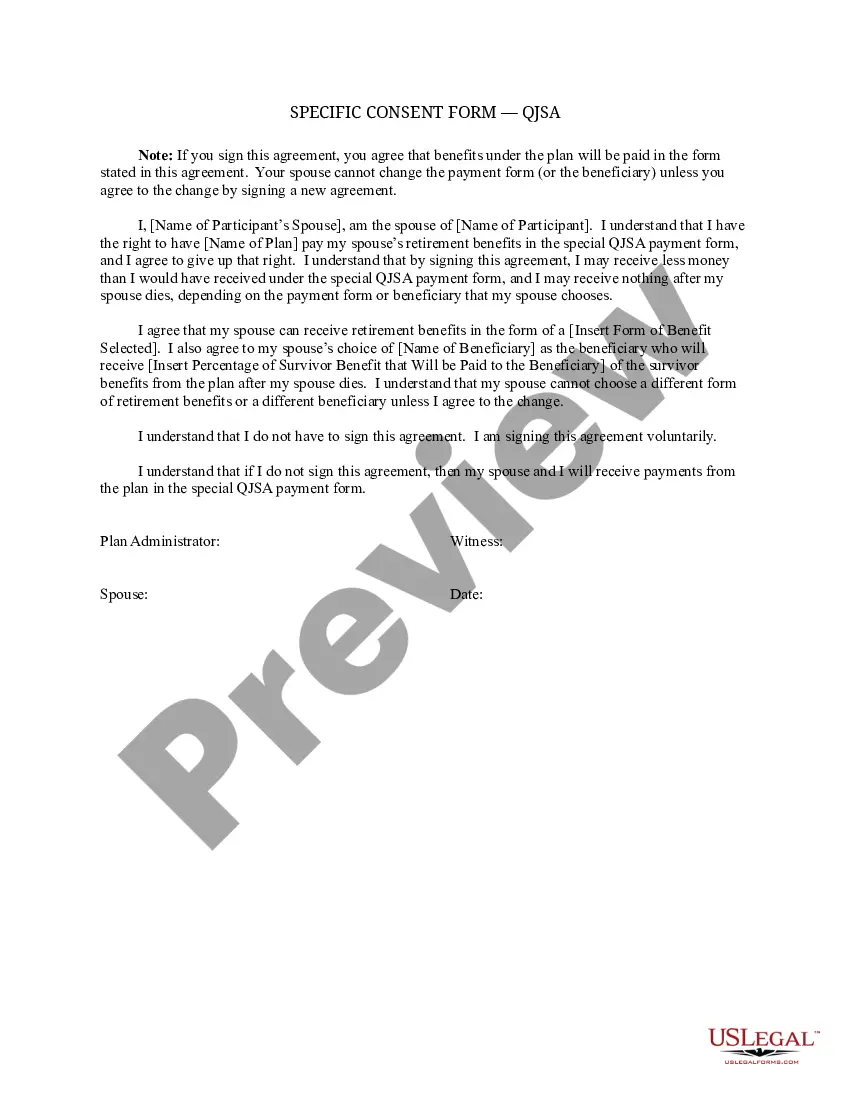
A Qualified Domestic Relations Order (QDRO) is a legal document that outlines the division of retirement assets between divorcing spouses. This form specifically addresses how one spouse (the plaintiff) is entitled to a portion of the vested defined pension rights held by the other spouse (the defendant) as part of a divorce settlement. Unlike other documents related to property division, a QDRO is specifically designed to comply with the Employee Retirement Income Security Act of 1974 (ERISA) and ensure the plaintiff receives their entitled share of benefits without penalty.
Form components explained
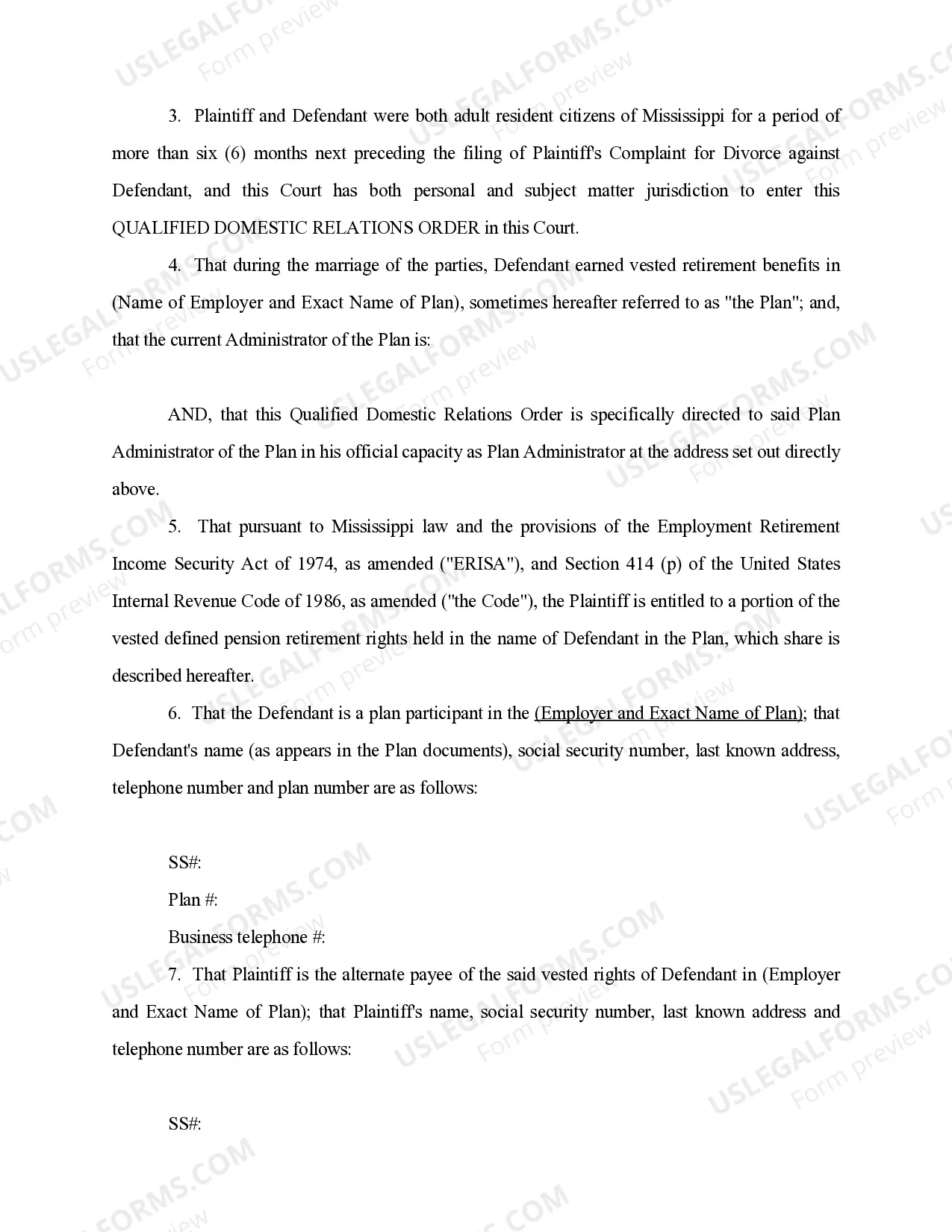
- Findings of facts establishing jurisdiction and residency requirements.
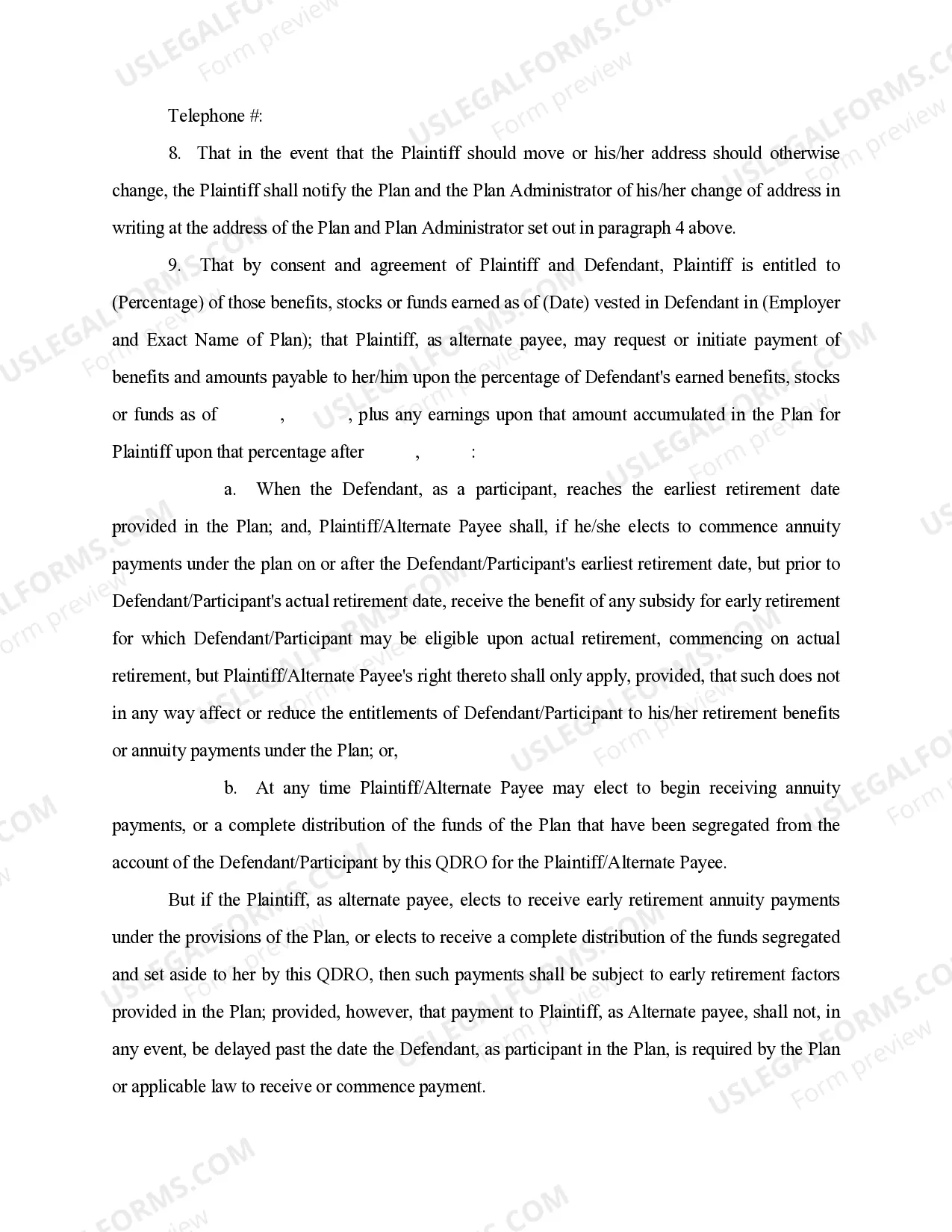
- Details of the plaintiff's entitlement to receive a portion of the defendant's retirement benefits.
- Provisions regarding the timing and method of payment from the retirement plan.
- Clarifications on the plan administrator's responsibilities and limitations.
- Retention of jurisdiction by the court for any necessary amendments.
Common use cases
You should use the Qualified Domestic Relations Order when you are undergoing a divorce and need to divide retirement benefits as part of the settlement. It is particularly relevant if the defendant has a defined pension plan and you wish to secure your share of those benefits through a legally recognized order.
Who needs this form
- Individuals going through divorce who have a spouse with retirement or pension benefits.
- Alternate payees designated to receive a portion of another's retirement benefits.
- Attorneys assisting clients in ensuring proper legal documentation for asset division.
Completing this form step by step
- Identify the parties involved, including their full names and relationship.
- Specify the jurisdiction under which the court operates and details about residency.
- Outline the percentage or amount of retirement benefits to be assigned to the plaintiff.
- Detail the payment method and conditions for how and when the benefits will be distributed.
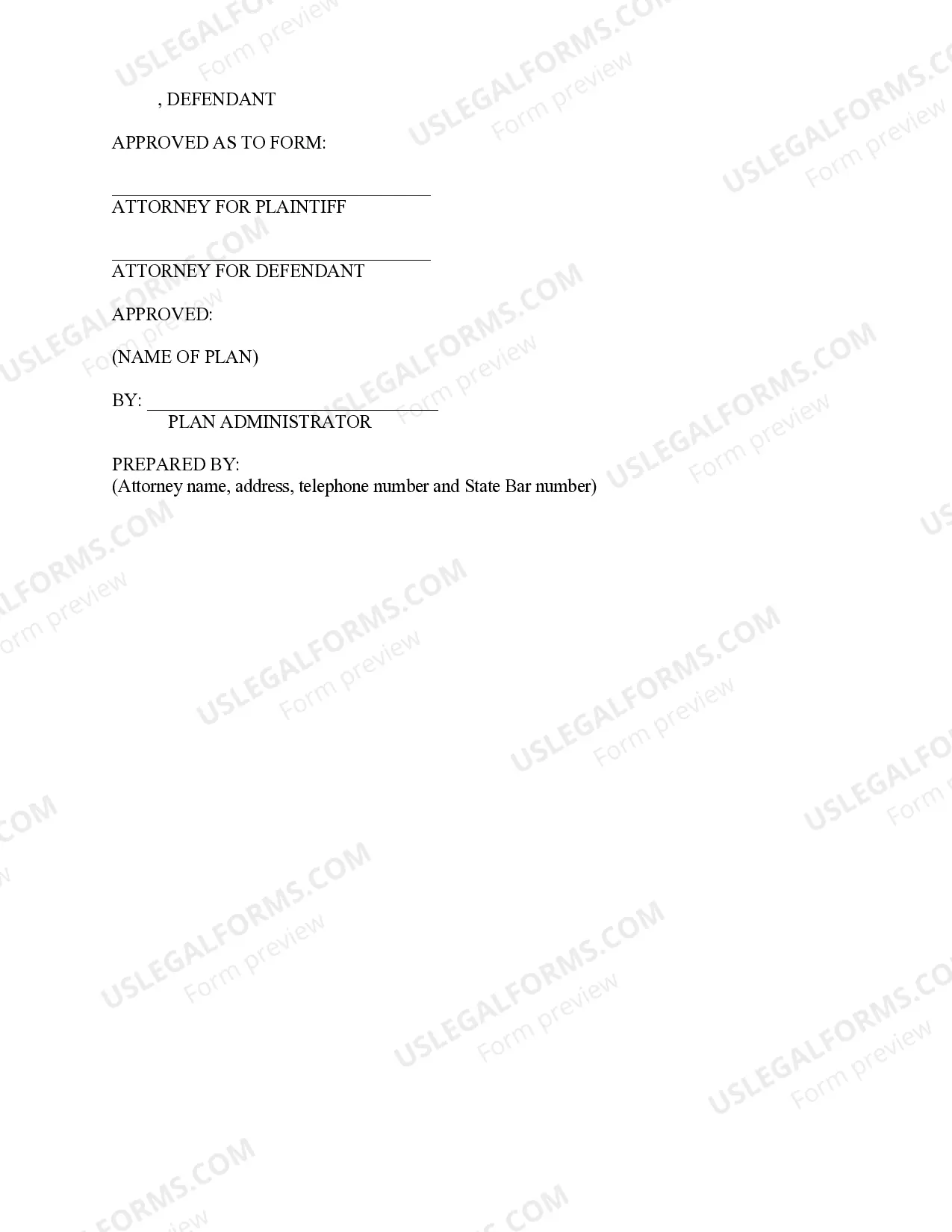
- Include signatures of involved parties, along with any required court certification.
Does this form need to be notarized?
Notarization is not commonly needed for this form. However, certain documents or local rules may make it necessary. Our notarization service, powered by Notarize, allows you to finalize it securely online anytime, day or night.
Get your form ready online
Our built-in tools help you complete, sign, share, and store your documents in one place.
Make edits, fill in missing information, and update formatting in US Legal Forms—just like you would in MS Word.
Download a copy, print it, send it by email, or mail it via USPS—whatever works best for your next step.
Sign and collect signatures with our SignNow integration. Send to multiple recipients, set reminders, and more. Go Premium to unlock E-Sign.
If this form requires notarization, complete it online through a secure video call—no need to meet a notary in person or wait for an appointment.
We protect your documents and personal data by following strict security and privacy standards.

Make edits, fill in missing information, and update formatting in US Legal Forms—just like you would in MS Word.

Download a copy, print it, send it by email, or mail it via USPS—whatever works best for your next step.

Sign and collect signatures with our SignNow integration. Send to multiple recipients, set reminders, and more. Go Premium to unlock E-Sign.

If this form requires notarization, complete it online through a secure video call—no need to meet a notary in person or wait for an appointment.

We protect your documents and personal data by following strict security and privacy standards.
Avoid these common issues
- Failing to provide complete identifying information for both parties.
- Not accurately describing the retirement benefits to be divided.
- Overlooking necessary signatures or court approvals needed for validity.
- Neglecting to specify payment timing or conditions under the retirement plan.
Benefits of completing this form online
- Convenient access to legal forms from anywhere, saving time and travel.
- Editable templates allow for customization to fit individual needs.
- Reliable, attorney-drafted forms ensure compliance with current laws.
- Instant download availability enables quick completion and submission.
Looking for another form?
Form popularity
FAQ
Distributions made pursuant to QDROs are generally taxed in the same manner as any other typical plan distribution. One key difference is that a cash-out distribution from a QDRO is not subject to the 10% early withdrawal penalty.
If you don't have a lawyer, you can also use the model template given to you by the plan administrator to create a QDRO that you can submit to the court for approval and signature.
The answer to this question depends on what type of retirement plan is being divided. If it is a defined contribution plan (a 401(k), 457, 403(b) or similar plan), or an IRA, the funds are typically transferred into an account in the alternate payee's name within two to five weeks.
Despite common belief, you do not need to hire an attorney to file a QDRO after divorce in California.
A QDRO will instruct the plan administrator on how to pay the non-employee spouse's share of the plan benefits. A QDRO allows the funds in a retirement account to be separated and withdrawn without penalty and deposited into the non-employee spouse's retirement account (typically an IRA).
Generally, a court must order the implementation of a QDRO. Check with the clerk of the court to see if the QDRO was entered into the file.
QDRO Completion: Once a Judge signs a QDRO it is an order of the court and can be sent to the plan administrator. Quickly after the court has filed the QDRO, we package and send it to you to forward to the administrator so they can start dividing your benefits.
Step 1 Gathering Information. Step 2 Drafting your QDRO. Step 3 Approval By the Other Party. Step 4 Approval by Plan as Draft. Step 5 Signature of QDRO by Judge of the State Divorce Court. Step 6 Obtain a Certified Copy of the QDRO. Step 7 Final Acceptance by the Plan.