Mississippi Attachment to Judgment for Child Support
Overview of this form
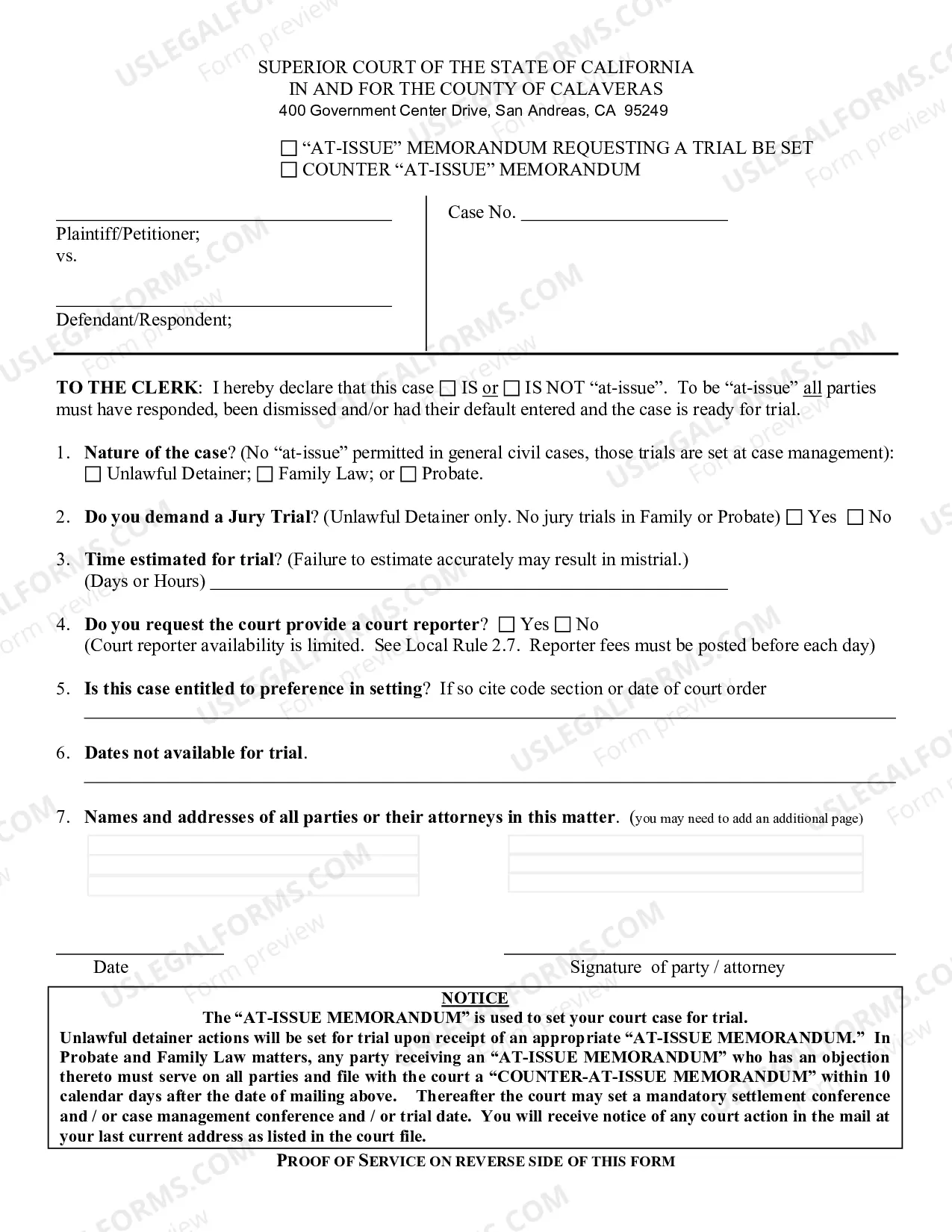
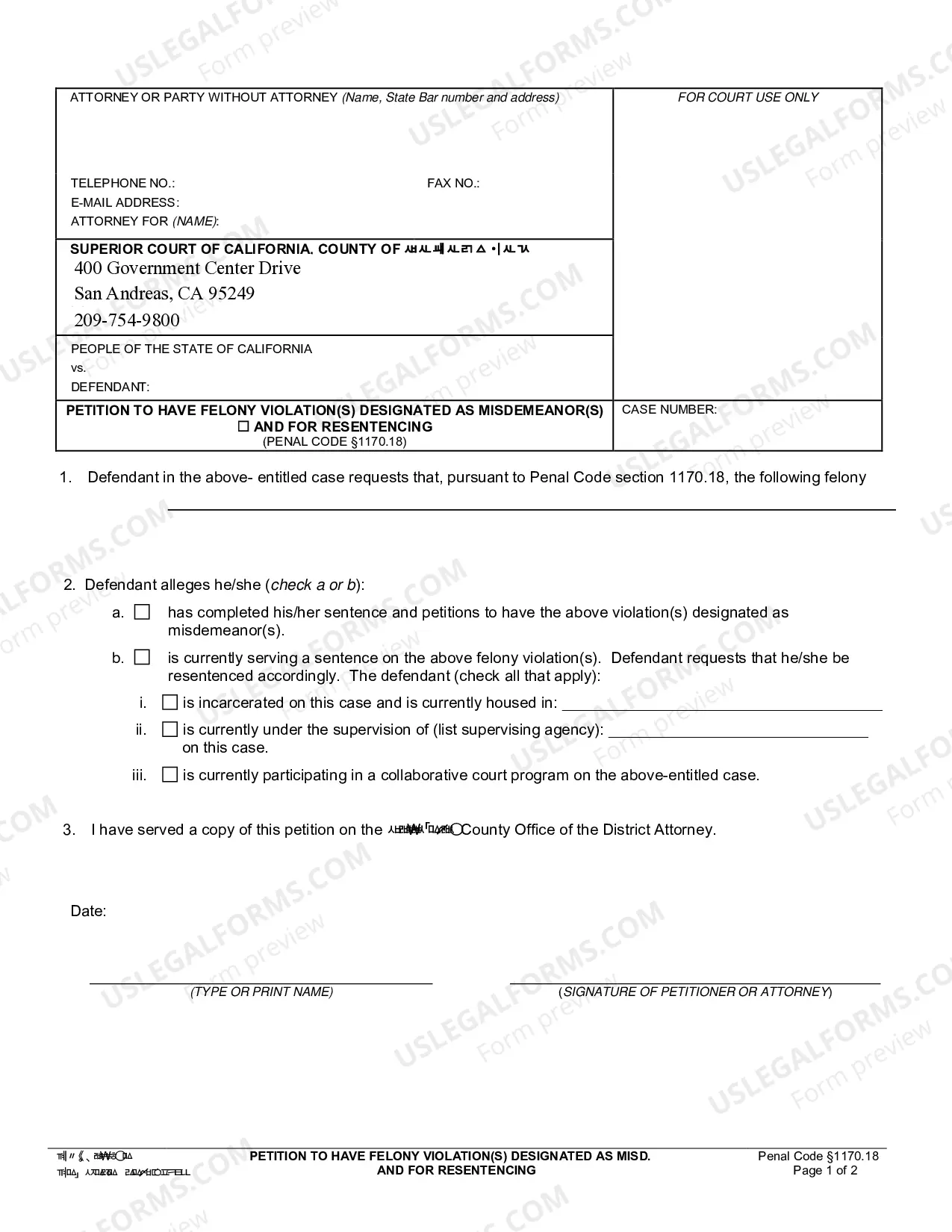
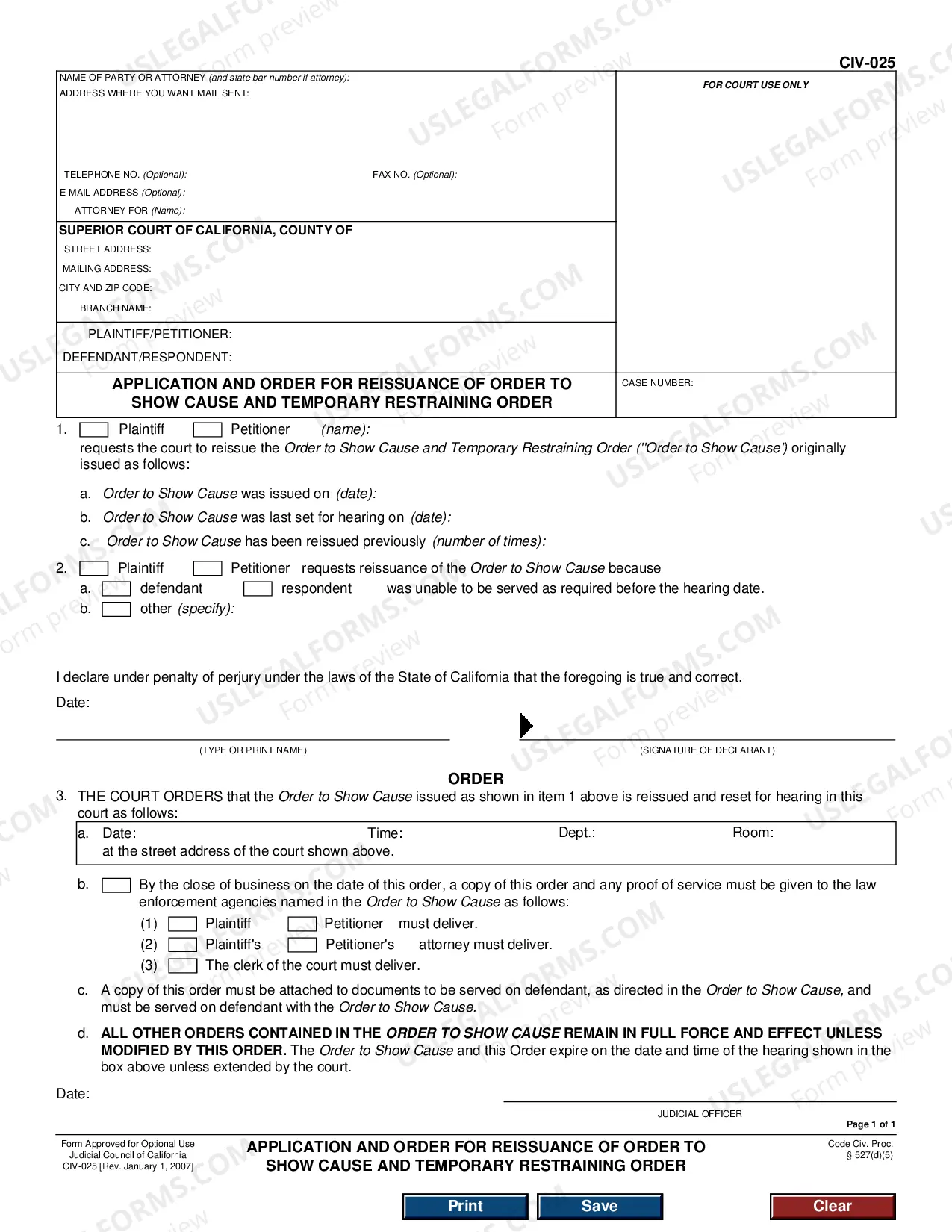
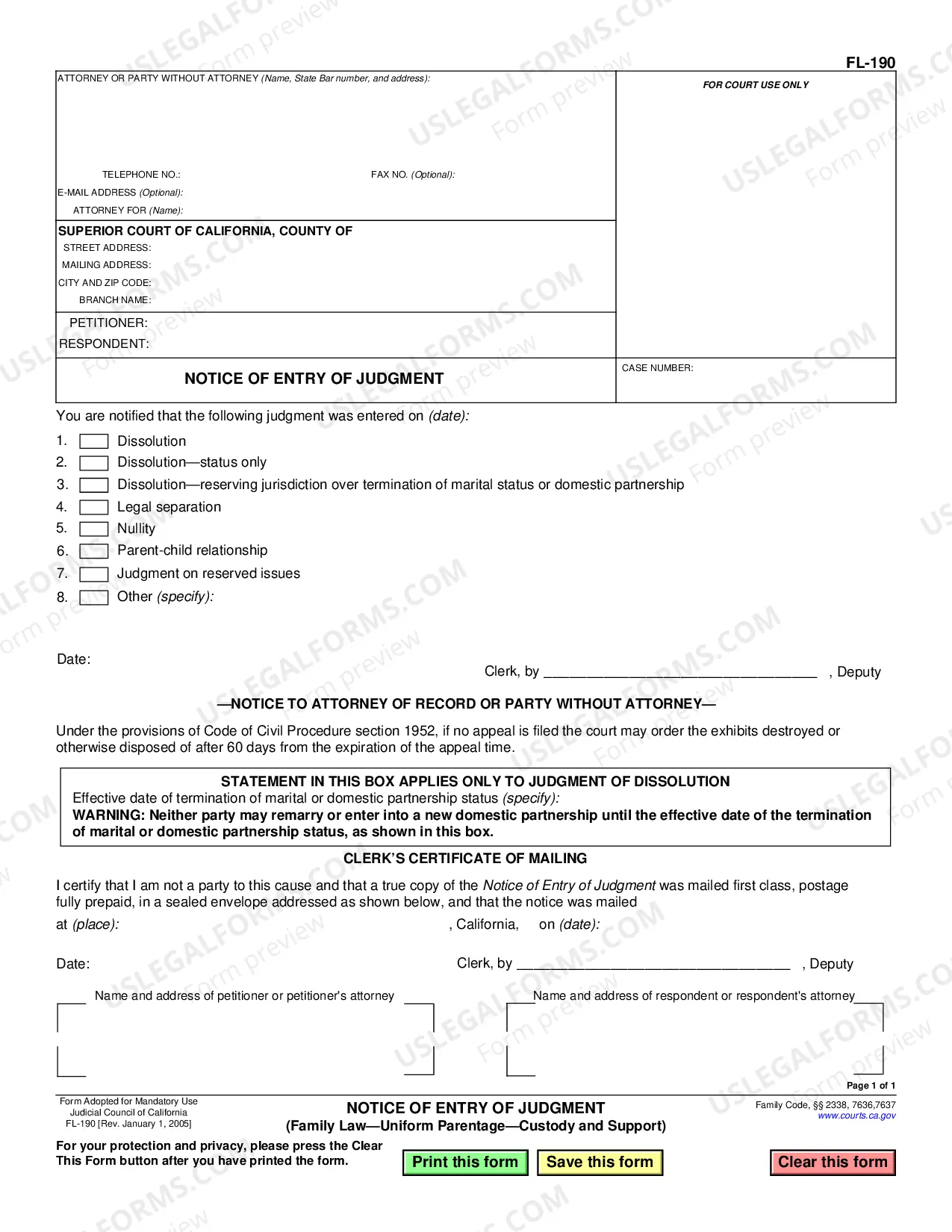
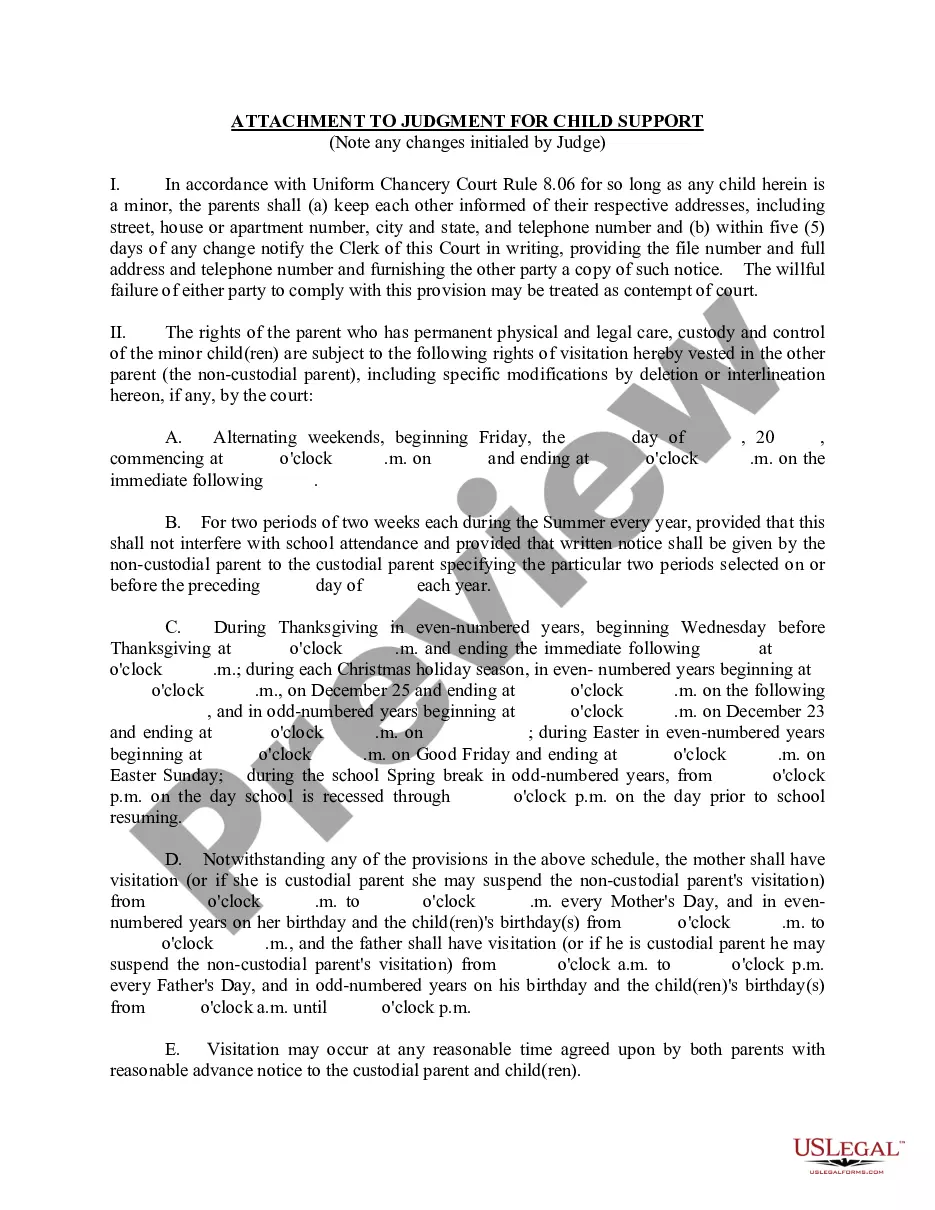
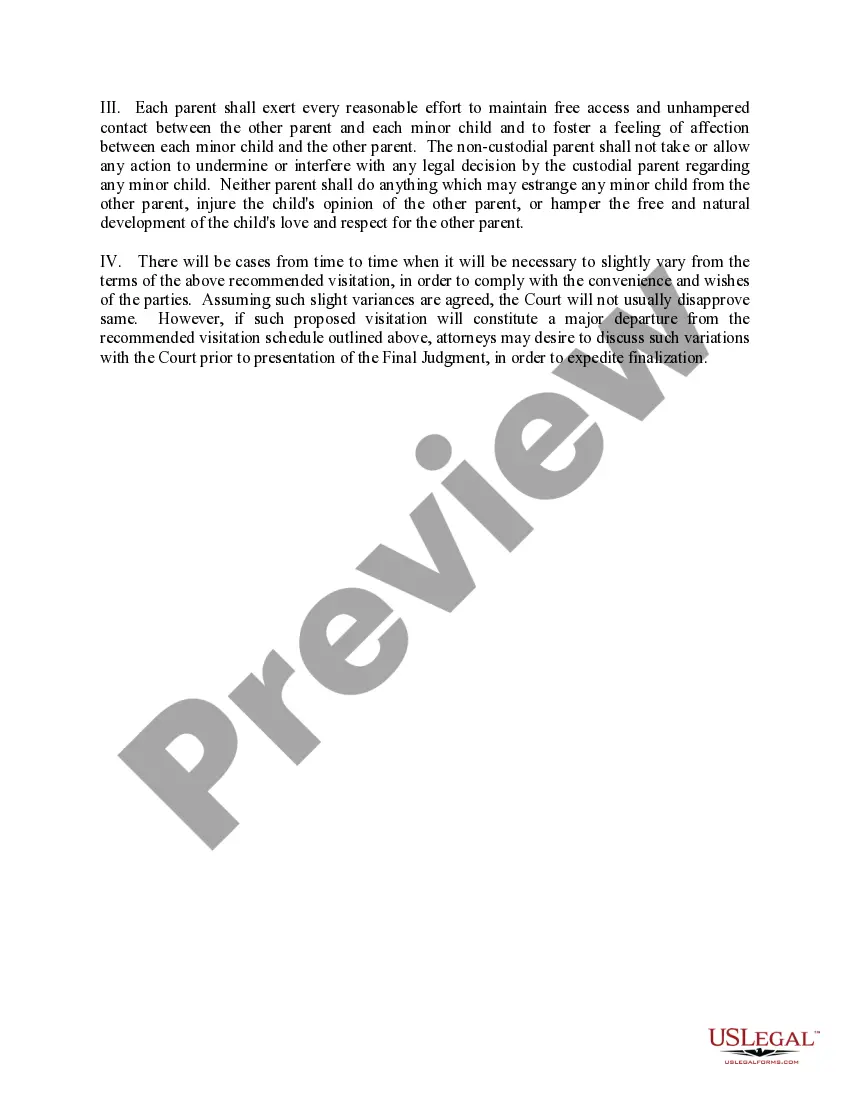
The Attachment to Judgment for Child Support is a legal document that outlines the agreed-upon child custody arrangements and visitation schedule between parents. This form serves to formally record these agreements as part of a court's judgment, ensuring that both parties understand their rights and responsibilities regarding child support and visitation. It differs from other child support forms by specifically detailing custody and visitation rights associated with a judgment.
When to use this form
This form should be used when parents are finalizing agreements on child custody and visitation as part of a divorce or separation process. It is essential when court intervention has established child support obligations and parents need a clear record of these arrangements. Use this form to clearly document the custody and visitation rights to ensure clarity and enforceability in future interactions.
Who this form is for
- Parents undergoing a divorce or separation who have children.
- Individuals who have reached an agreement on child custody and visitation but need to formalize it through court.
- Those seeking to clarify the custodial relationship and visitation rights within a legal judgment.
How to prepare this document
- Identify the names and addresses of both parents involved in the custody agreement.
- Specify the permanent physical and legal custody arrangements for the child.
- Detail the visitation schedule for the non-custodial parent, including specific rights.
- Include any modifications or changes requested by the court during previous hearings.
- Ensure both parties sign the document, acknowledging their agreements and obligations.
Is notarization required?
This form usually doesn’t need to be notarized. However, local laws or specific transactions may require it. Our online notarization service, powered by Notarize, lets you complete it remotely through a secure video session, available 24/7.
Get your form ready online
Our built-in tools help you complete, sign, share, and store your documents in one place.
Make edits, fill in missing information, and update formatting in US Legal Forms—just like you would in MS Word.
Download a copy, print it, send it by email, or mail it via USPS—whatever works best for your next step.
Sign and collect signatures with our SignNow integration. Send to multiple recipients, set reminders, and more. Go Premium to unlock E-Sign.
If this form requires notarization, complete it online through a secure video call—no need to meet a notary in person or wait for an appointment.
We protect your documents and personal data by following strict security and privacy standards.

Make edits, fill in missing information, and update formatting in US Legal Forms—just like you would in MS Word.

Download a copy, print it, send it by email, or mail it via USPS—whatever works best for your next step.

Sign and collect signatures with our SignNow integration. Send to multiple recipients, set reminders, and more. Go Premium to unlock E-Sign.

If this form requires notarization, complete it online through a secure video call—no need to meet a notary in person or wait for an appointment.

We protect your documents and personal data by following strict security and privacy standards.
Mistakes to watch out for
- Leaving out important details about visitation rights or custody arrangements.
- Failing to notify the court of address changes in a timely manner.
- Not having both parents sign the form, making it invalid.
- Assuming, without agreement, that changes to the visitation schedule can be made unilaterally.
Looking for another form?


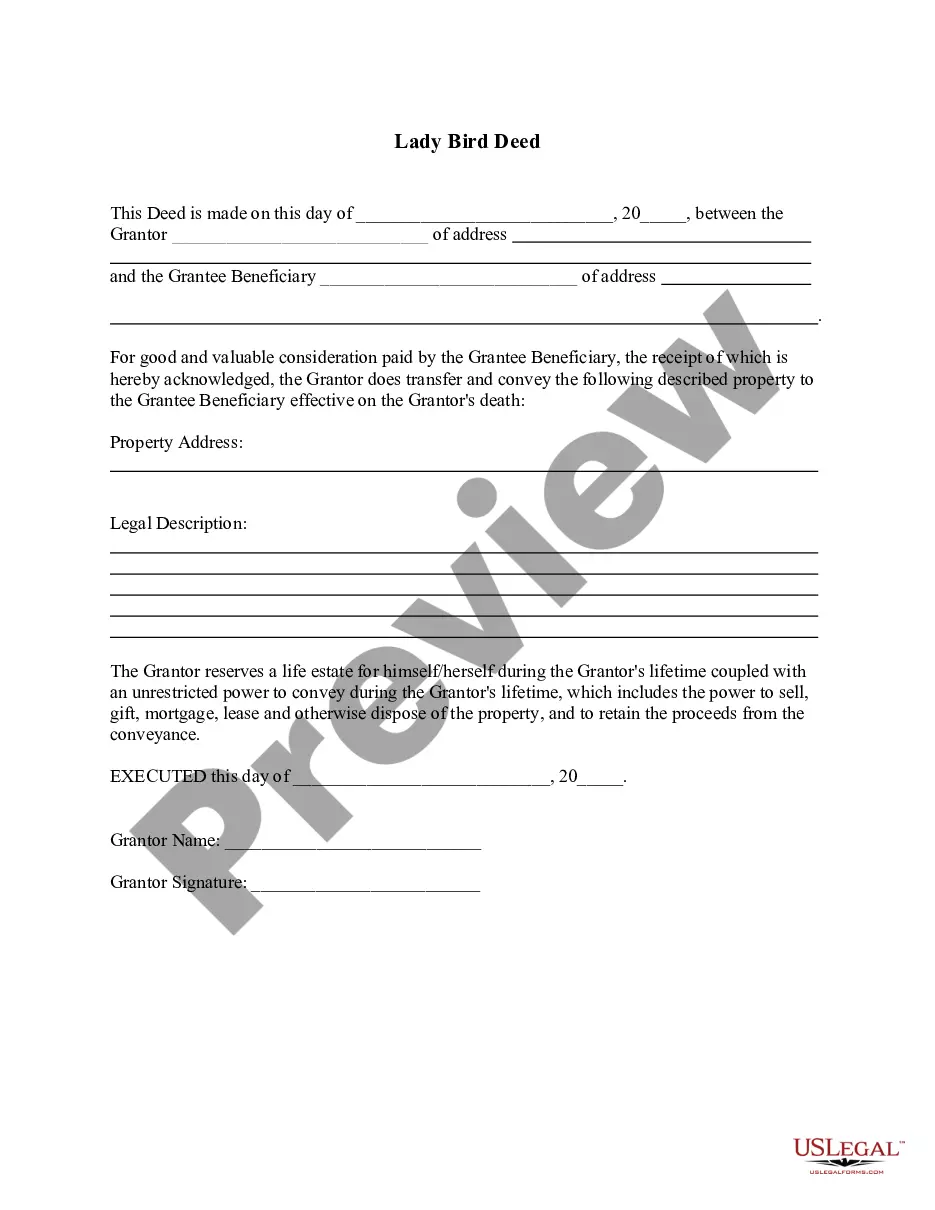
Form popularity
FAQ
Begin your letter by introducing yourself and explaining your relationship to the parent and how long you've known her. Then, spend two or three paragraphs explaining why you think she should be awarded custody. Use your final paragraph to summarize the points you've made in the body of your letter.
A default judgment in a child custody case is a decision made by a judge in favor of one party due to the inaction of the opposing party. In a child custody battle, if a defendant fails to respond to the inquires of the court within enough time, a default judgment can be granted in favor of the plaintiff.
The statute of limitations for child support arrears in Mississippi is 7 years past age of majority.
The purpose of a Responsive Declaration to Request for Order (FL-320) is to provide you an opportunity to respond to a Request for Orders filed in your family law case. A Response allows you to tell the court if you agree or disagree with the request made by the moving party.
Read Information Sheet: Responsive Declaration to Request for Order (Form FL-320-INFO ). Fill out your court forms. Have your forms reviewed. Make at least 2 copies of all your forms. File your forms with the court clerk. Serve your papers on the other parent. File your Proof of Service.
In Mississippi for one child the non-custodial parent pays 14% of their adjusted gross income. For two children the non-custodial parent pays 20% of their adjusted gross income. For three children the non-custodial parent pays 22% of their adjusted gross income.
Write clearly, and use your own words. Use bulleted lists for your major points. Don't insult or bash your ex. Attach evidence such as pay stubs or bank statements, but redact SSN and account numbers. Affirm that you are making your statement under oath, and under penalty of perjury.
After you notify the defendant of the judgment, you can begin to enforce the judgment. Your judgment might be for money, repossession, eviction, foreclosure, or any number of things. In any case, your rights at this point would be the same as if you had gone to trial and won.
#1: Follow the California Rules of Court DECLARATIONS HAVE A 10 PAGE LIMIT #2: Use Your Own Words, Write Clearly, and Get to the Point. #3: Avoid Inflammatory Language and Don't Bash the Other Party. #4: Include Only Truthful Information That You Have Personal Knowledge of.