Pennsylvania Warranty Deed from Corporation to Corporation
Description
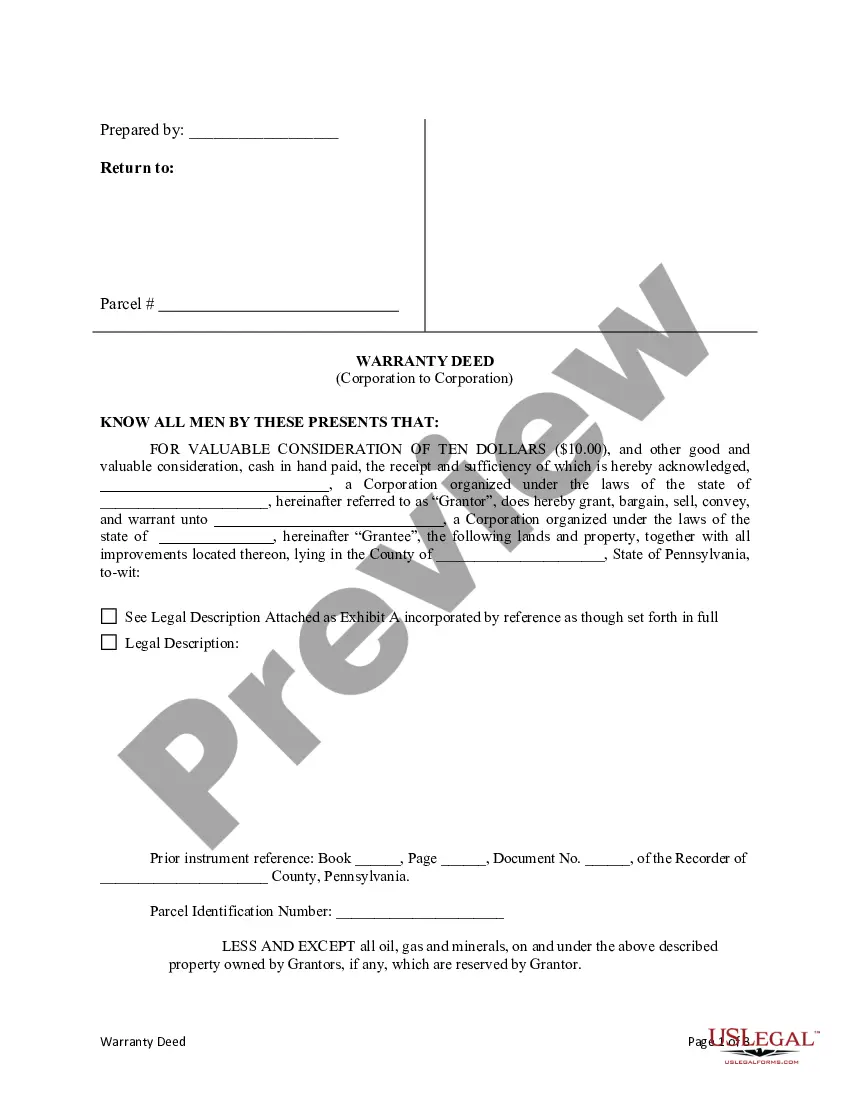
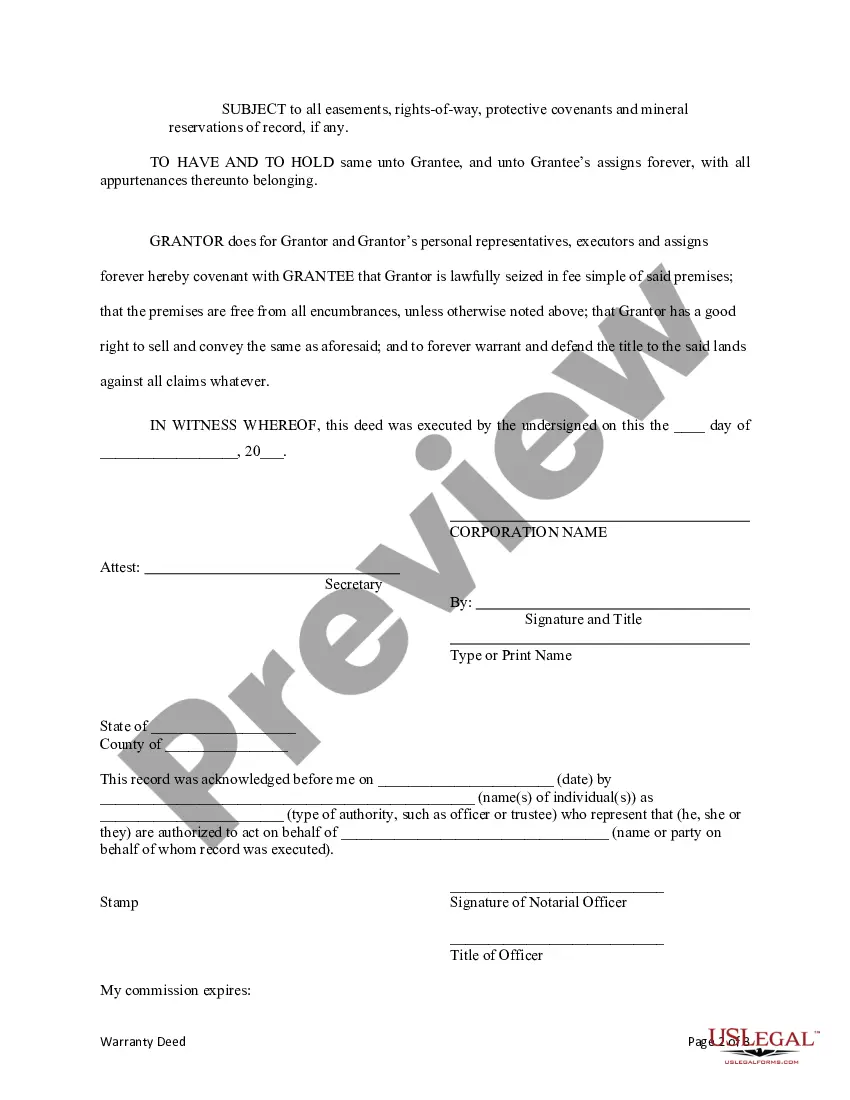



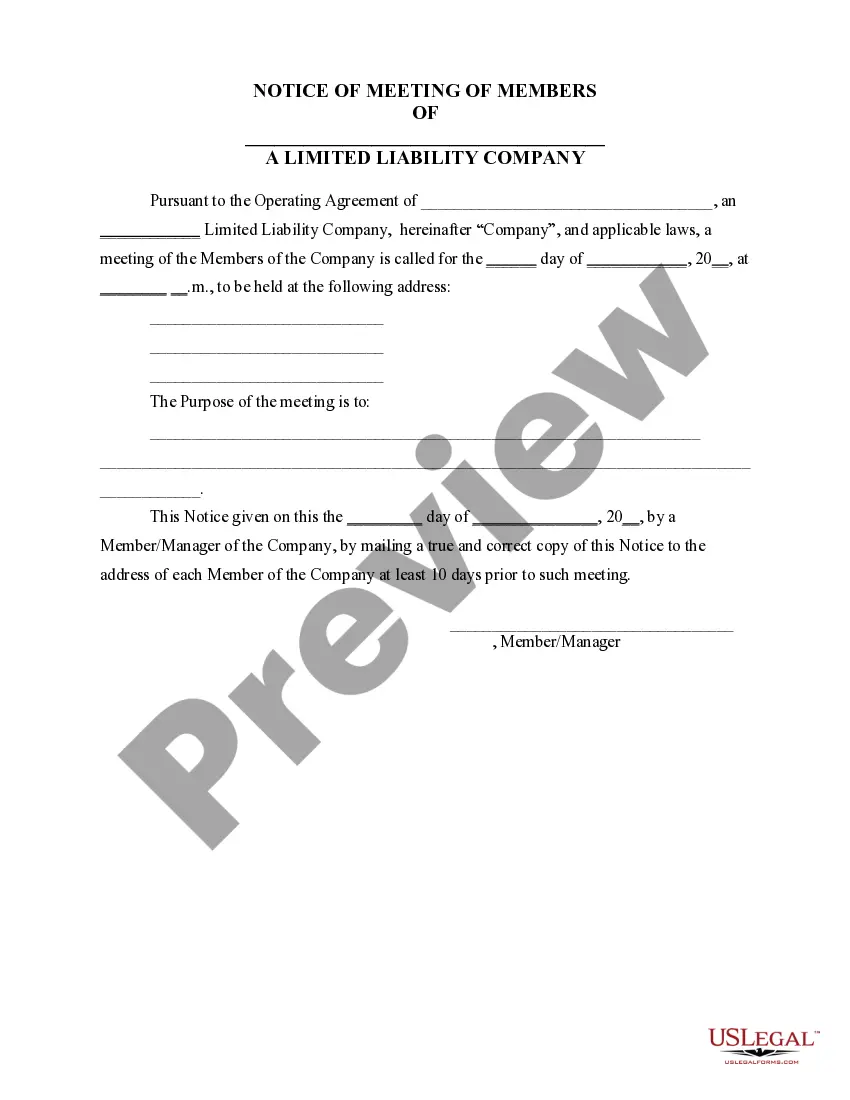
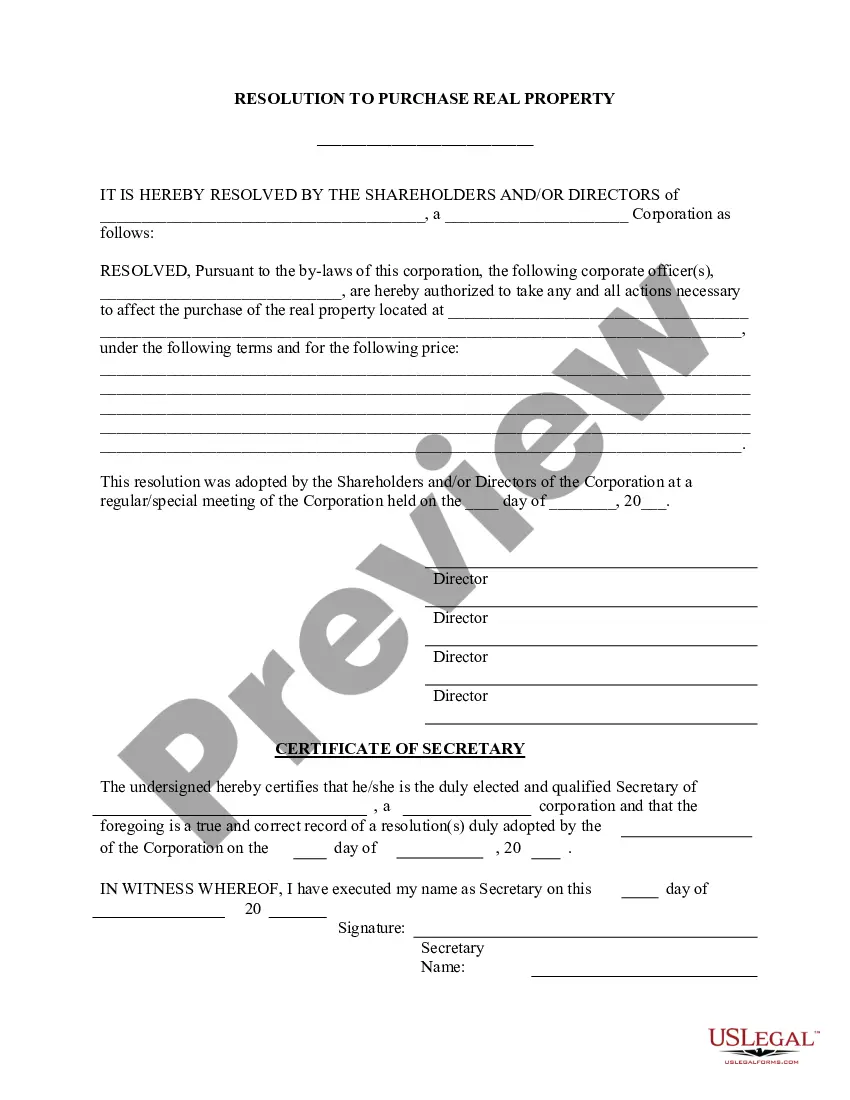
How to fill out Pennsylvania Warranty Deed From Corporation To Corporation?
The work with papers isn't the most simple process, especially for those who rarely deal with legal papers. That's why we recommend making use of accurate Pennsylvania Warranty Deed from Corporation to Corporation templates made by professional lawyers. It allows you to avoid difficulties when in court or working with official organizations. Find the samples you require on our website for top-quality forms and accurate descriptions.
If you’re a user with a US Legal Forms subscription, just log in your account. Once you are in, the Download button will immediately appear on the template web page. Soon after getting the sample, it’ll be saved in the My Forms menu.
Customers with no an activated subscription can quickly create an account. Make use of this simple step-by-step guide to get your Pennsylvania Warranty Deed from Corporation to Corporation:
- Make certain that the document you found is eligible for use in the state it’s required in.
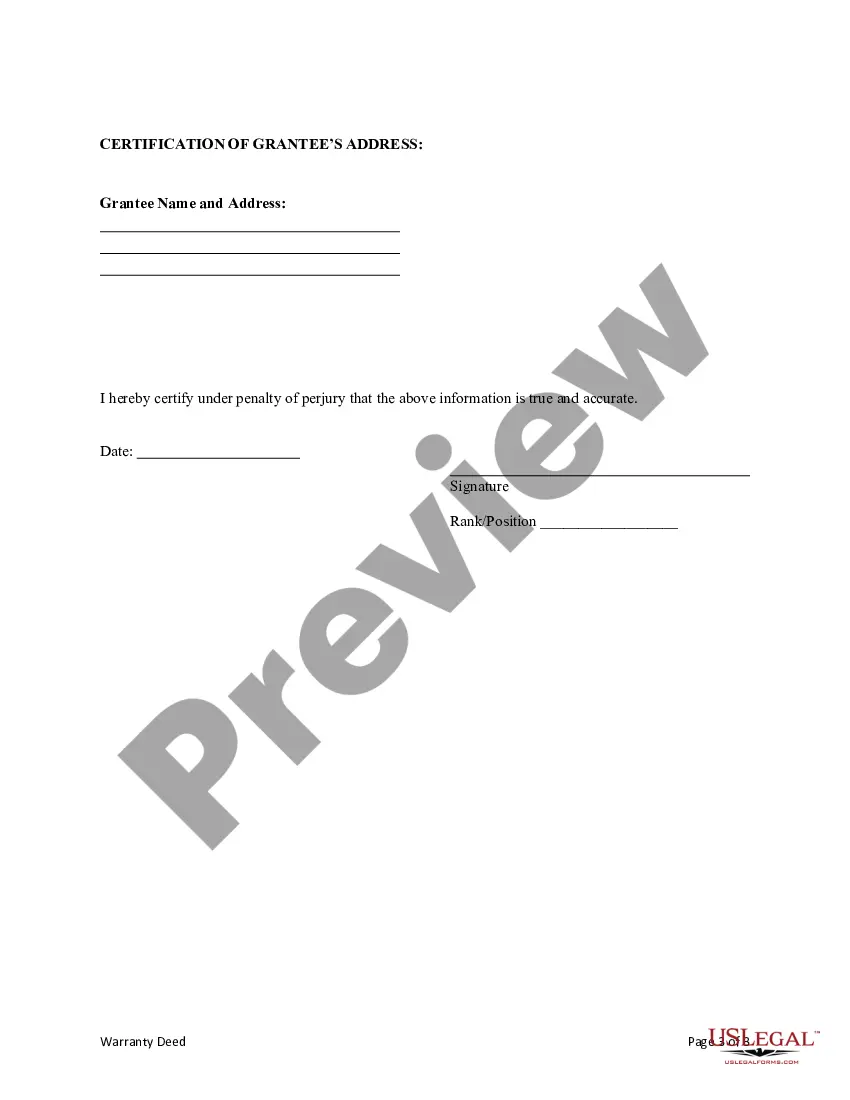
- Confirm the document. Use the Preview feature or read its description (if available).
- Buy Now if this file is what you need or utilize the Search field to find another one.
- Select a suitable subscription and create your account.
- Make use of your PayPal or credit card to pay for the service.
- Download your document in a wanted format.
Right after doing these straightforward steps, it is possible to complete the form in a preferred editor. Check the completed details and consider requesting a lawyer to examine your Pennsylvania Warranty Deed from Corporation to Corporation for correctness. With US Legal Forms, everything becomes easier. Try it now!
Form popularity
FAQ
The State of Pennsylvania charges 1% of the sales price and the municipality and school district USUALLY charge 1% between them for a total of 2% (i.e. 2% X 100,000 = $2,000). By custom, the buyer and seller split the cost. 1% to buyer, 1% to seller; however payment is dictated by the sales contract.
To transfer property in Pennsylvania, you'll need to prepare and execute a deed and record it in the county where the property is located. If the transfer was in exchange for money, you'll have to pay transfer tax.
Corporate warranty deeds offer the seller's guarantee to the buyer in regards to the validity of the chain of title. Generally, special warranty deeds only protect against problems occurring since the seller purchased the property.
A deed must be in writing, state the name of the current owner, include the legal description for the real estate being transferred and state the name of the new owner.The type of improvements on the real estate, such as a single-family home, does not affect the deed.
Fill in the deed form. Print it out. Have the grantor(s) and grantee(s) sign and get the signature(s) notarized. Fill out a Statement of Value form, if necessary. Get the Uniform Parcel Number (UPI) on the deed certified, if required by your county.
What is required for a valid deed in Pennsylvania? The actual, visible, hostile, notorious, exclusive and continuous possession of another's land under claim of title. You just studied 39 terms!
The basic requirements of a valid deed are (1) written instrument, (2) competent grantor, (3) identity of the grantee, (4) words of conveyance, (5) adequate description of the land, (6) consideration, (7) signature of grantor, (8) witnesses, and (9) delivery of the completed deed to the grantee.
Retrieve your original deed. Get the appropriate deed form. Draft the deed. Sign the deed before a notary. Record the deed with the county recorder. Obtain the new original deed.