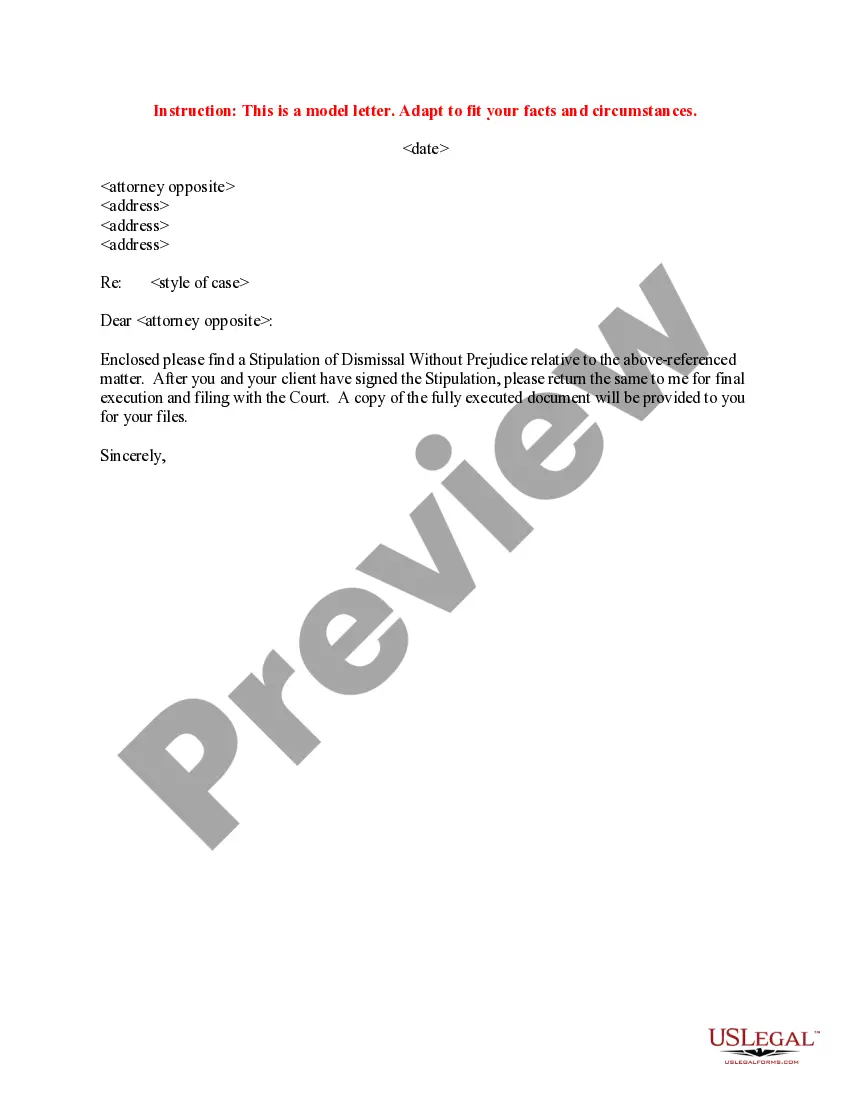
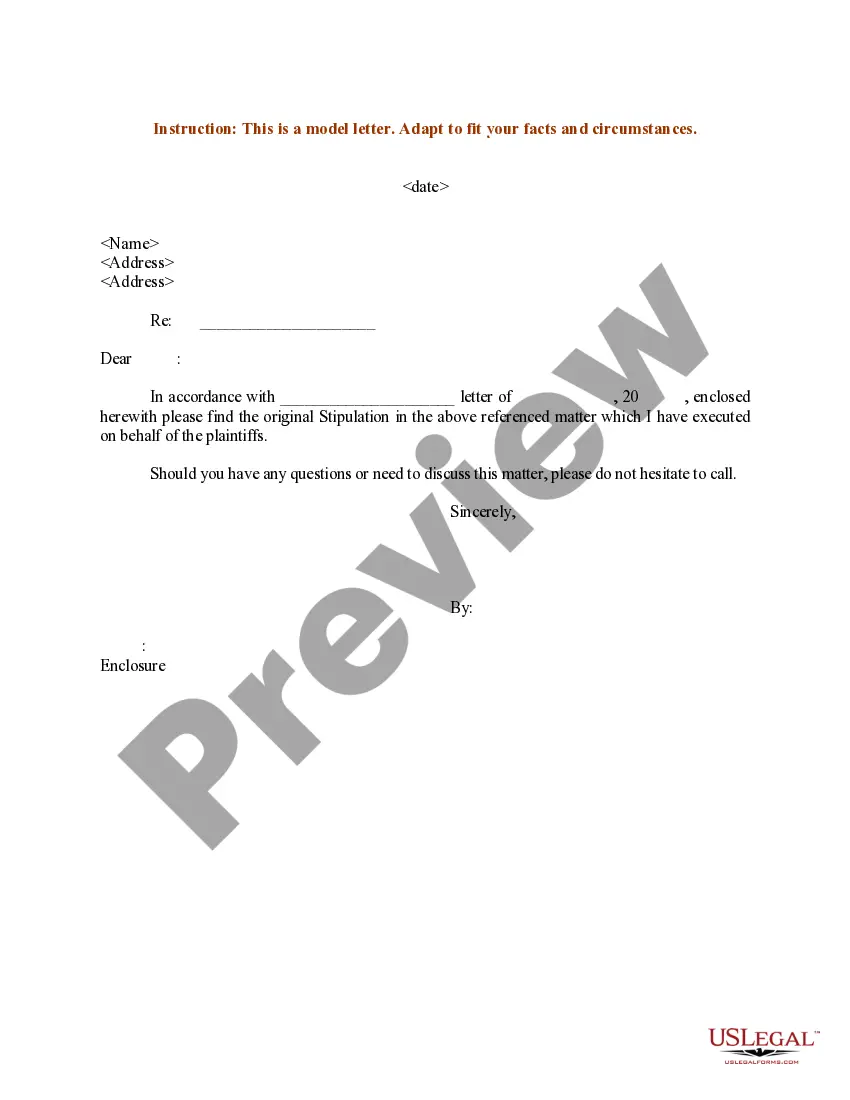
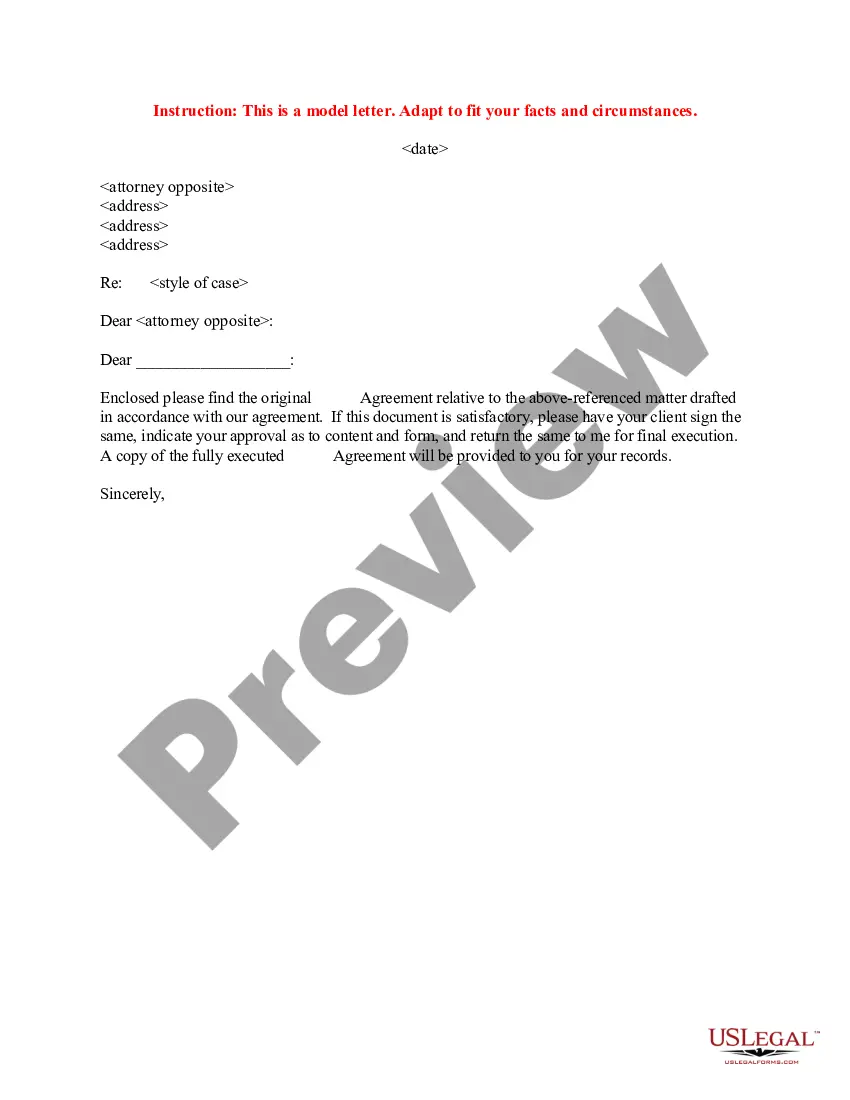
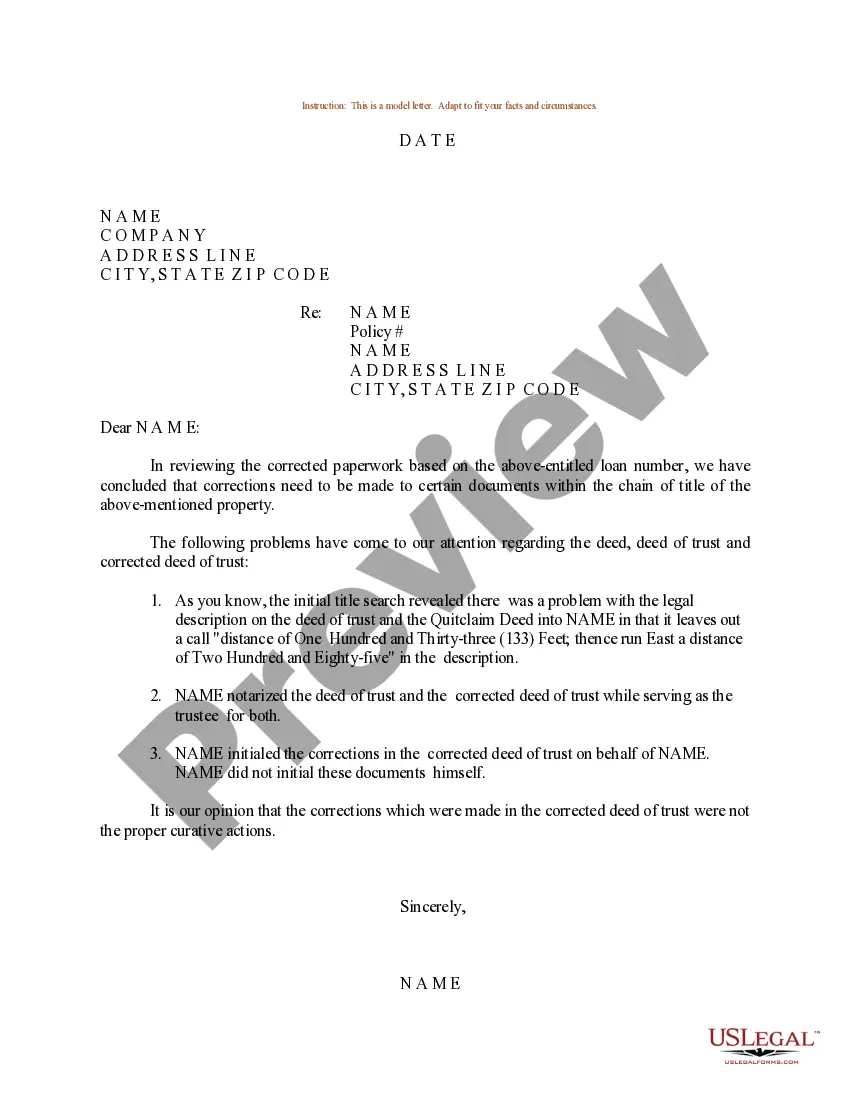
Oregon Sample Letter to Attorney Opposite regarding Signed Stipulation
Description
Get your form ready online
Our built-in tools help you complete, sign, share, and store your documents in one place.
Make edits, fill in missing information, and update formatting in US Legal Forms—just like you would in MS Word.
Download a copy, print it, send it by email, or mail it via USPS—whatever works best for your next step.
Sign and collect signatures with our SignNow integration. Send to multiple recipients, set reminders, and more. Go Premium to unlock E-Sign.
If this form requires notarization, complete it online through a secure video call—no need to meet a notary in person or wait for an appointment.
We protect your documents and personal data by following strict security and privacy standards.

Make edits, fill in missing information, and update formatting in US Legal Forms—just like you would in MS Word.

Download a copy, print it, send it by email, or mail it via USPS—whatever works best for your next step.

Sign and collect signatures with our SignNow integration. Send to multiple recipients, set reminders, and more. Go Premium to unlock E-Sign.

If this form requires notarization, complete it online through a secure video call—no need to meet a notary in person or wait for an appointment.

We protect your documents and personal data by following strict security and privacy standards.
Looking for another form?


How to fill out Sample Letter To Attorney Opposite Regarding Signed Stipulation?
It is possible to spend time on the web searching for the legitimate papers web template that suits the federal and state demands you require. US Legal Forms supplies a huge number of legitimate forms which are analyzed by pros. You can actually obtain or print the Oregon Sample Letter to Attorney Opposite regarding Signed Stipulation from your support.
If you have a US Legal Forms profile, it is possible to log in and click the Download button. Afterward, it is possible to total, edit, print, or signal the Oregon Sample Letter to Attorney Opposite regarding Signed Stipulation. Each legitimate papers web template you purchase is your own permanently. To have another copy of the purchased form, visit the My Forms tab and click the corresponding button.
If you are using the US Legal Forms internet site for the first time, stick to the basic guidelines listed below:
- Initially, ensure that you have selected the best papers web template for your county/metropolis of your choosing. See the form explanation to ensure you have selected the proper form. If available, take advantage of the Review button to appear throughout the papers web template as well.
- In order to get another variation in the form, take advantage of the Research field to discover the web template that meets your requirements and demands.
- When you have located the web template you desire, click on Purchase now to move forward.
- Find the rates strategy you desire, type in your qualifications, and register for an account on US Legal Forms.
- Complete the transaction. You should use your bank card or PayPal profile to purchase the legitimate form.
- Find the format in the papers and obtain it in your system.
- Make adjustments in your papers if possible. It is possible to total, edit and signal and print Oregon Sample Letter to Attorney Opposite regarding Signed Stipulation.
Download and print a huge number of papers web templates using the US Legal Forms site, that offers the largest variety of legitimate forms. Use skilled and status-particular web templates to take on your organization or specific requires.
Form popularity
FAQ
When a lawyer withdraws from a case, steps must be taken to protect your interests. Your lawyer should give you reasonable notice, allow time for you to hire another lawyer, surrender papers and property to which you are entitled and refund any advance payment of fees that have not been earned.
The lawyer should send a disengagement letter to establish that the relationship is no longer continuing, and to refer the client to another lawyer. In the disengagement letter, the lawyer should warn the client of applicable time limitations, deadlines, and uncompleted investigation or casework.
What is a letter of withdrawal? A letter of withdrawal is what you'd provide to an employer with who you are in the hiring process, but have decided not to move forward working for because of any number of reasons.
[Name and Address of Client] Dear [Client's Name]: This letter will confirm our understanding that effective [DATE] this firm will no longer represent you in connection with [LEGAL MATTER]. I urge you to promptly retain other counsel to represent you in this matter.
Under Rule 1.16(a), lawyers are required to either decline to represent a client, or to withdraw, when the representation would result in a violation of the rules of professional conduct or other law; the lawyer's physical or mental condition materially impairs their ability to represent client; or the lawyer has been ...
Every time you want to decline to represent a prospective client, you should use a non-engagement letter. Otherwise, you risk the possibility that the prospective client could mistakenly think you're their attorney on a matter.
An attorney letter of representation is correspondence, usually a letter, sent by the victim's attorney to the defendant or an insurance company advising that an attorney represents the victim. The purpose of a representation letter is to make the opposing party aware that counsel represents your client.