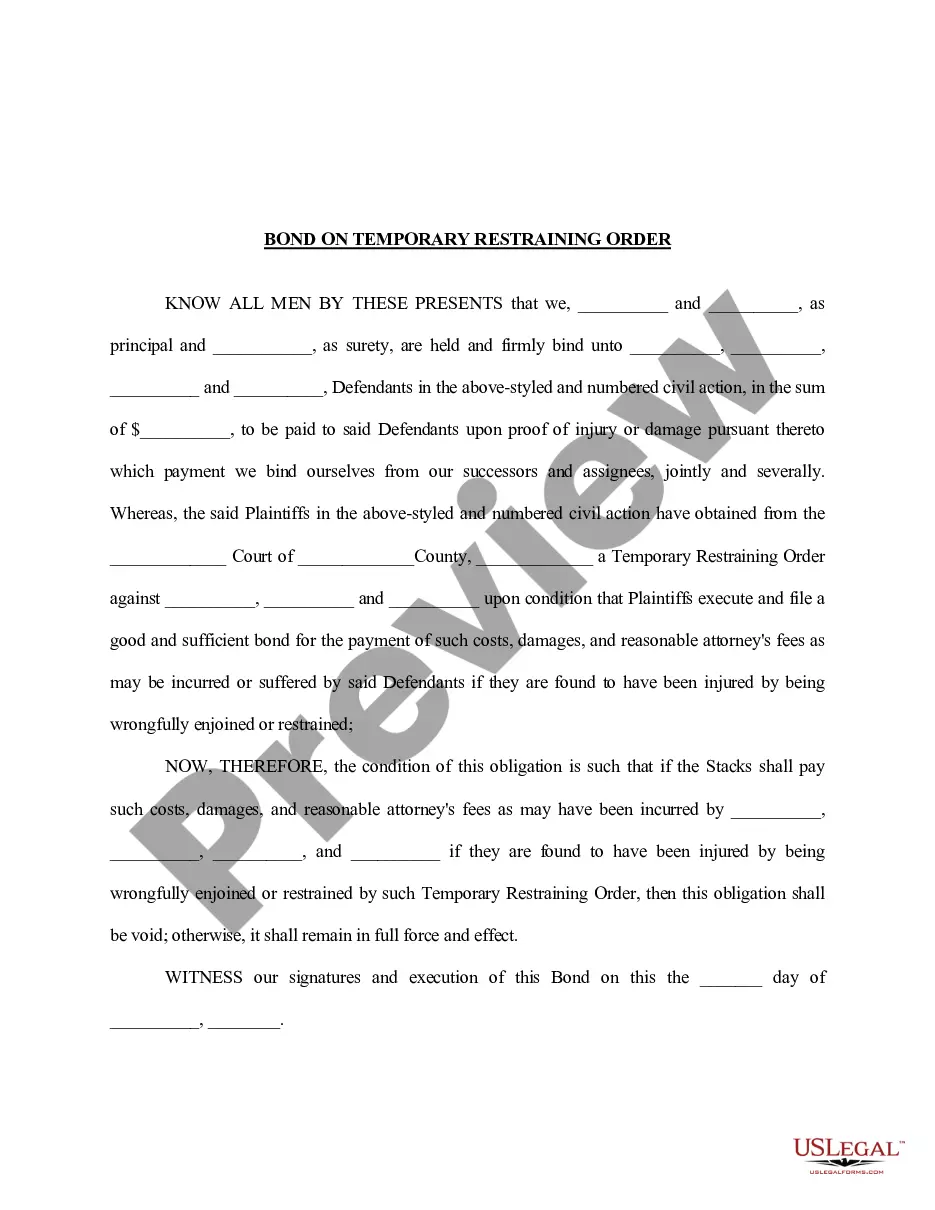
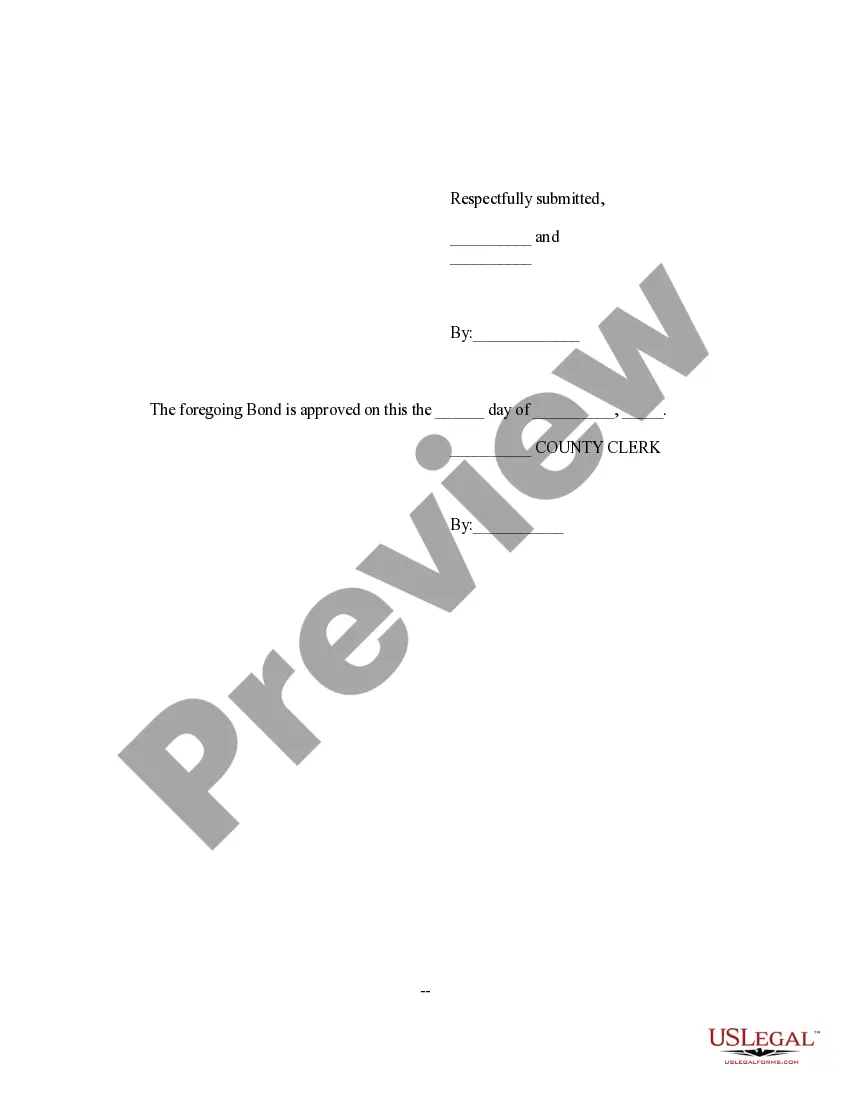
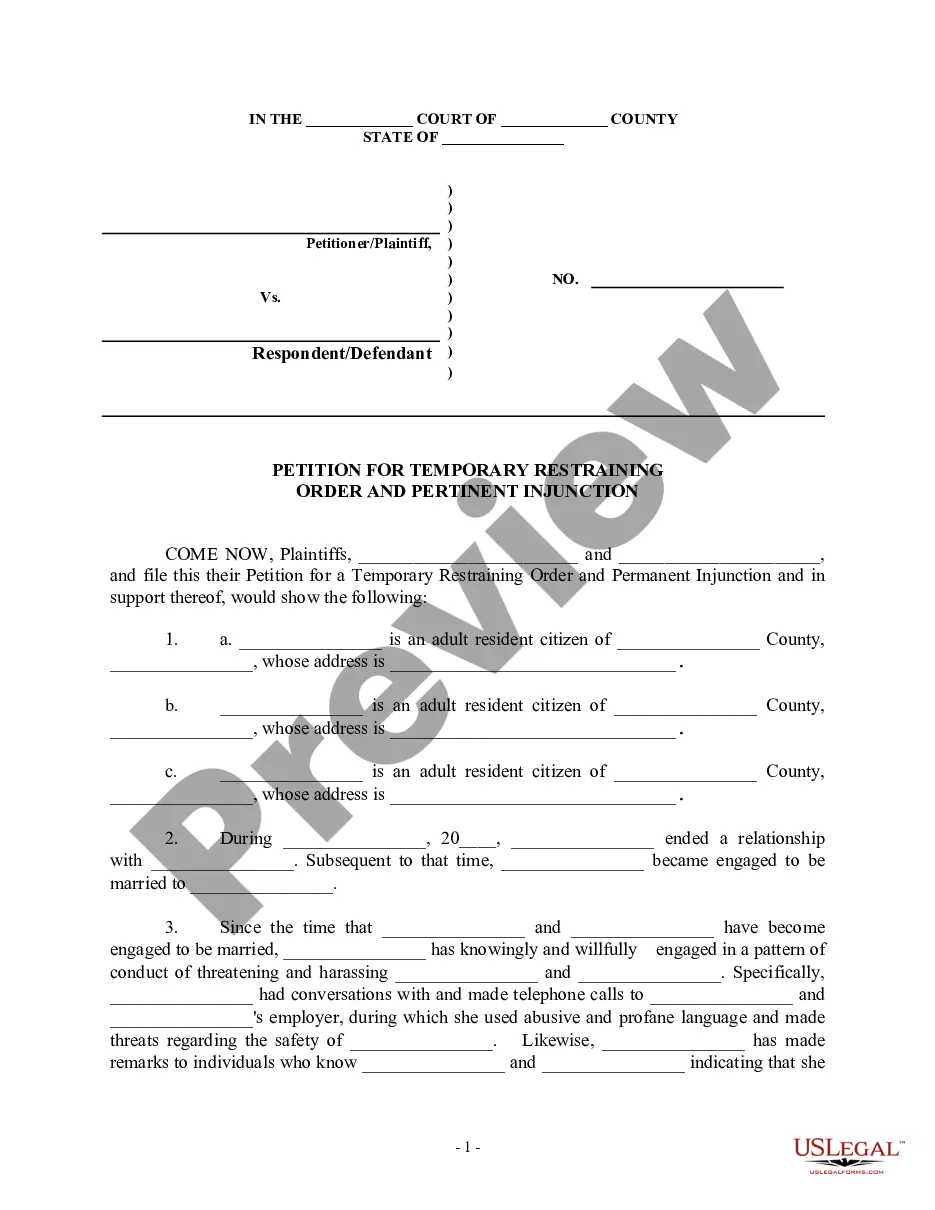
Oregon Bond on Temporary Restraining Order
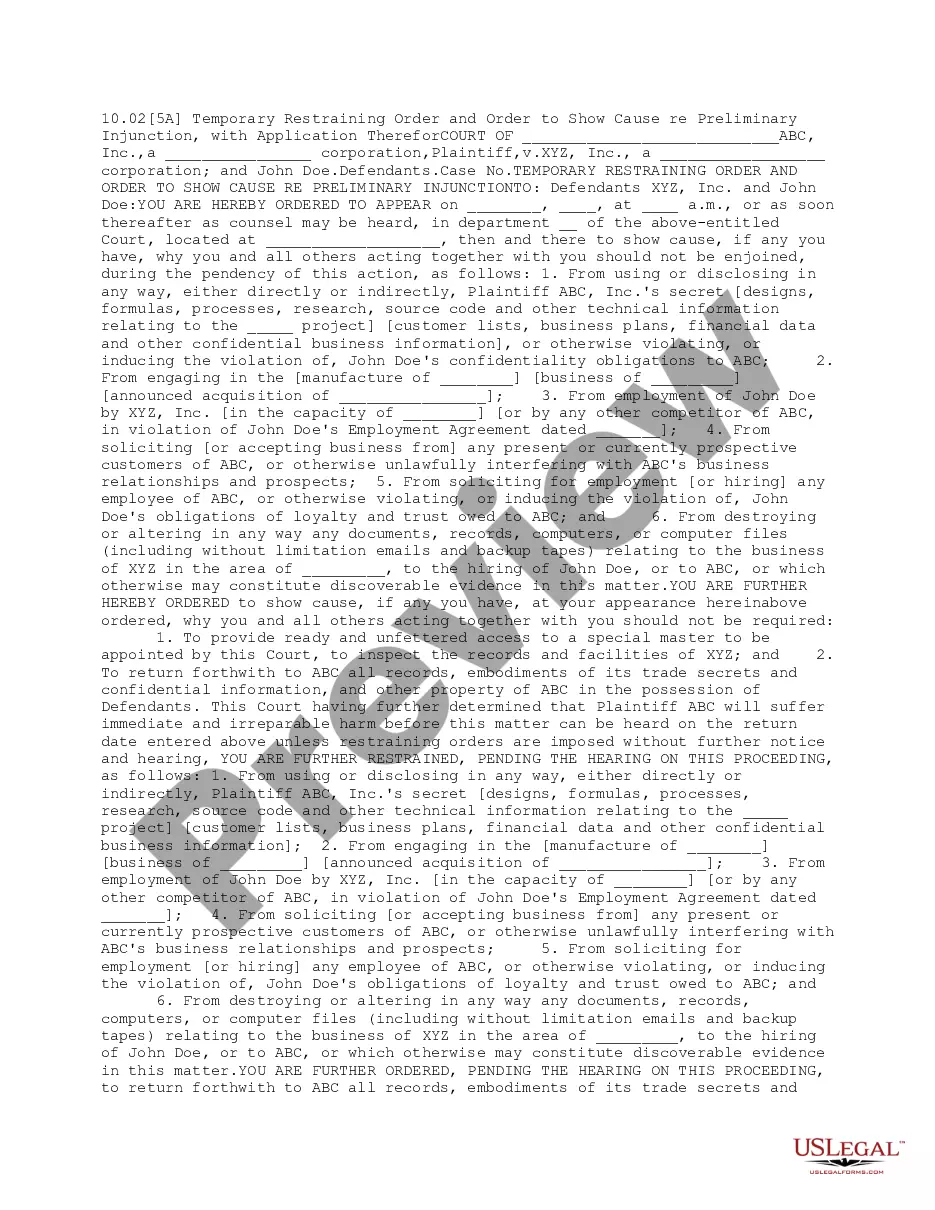
Description


Get your form ready online
Our built-in tools help you complete, sign, share, and store your documents in one place.
Make edits, fill in missing information, and update formatting in US Legal Forms—just like you would in MS Word.
Download a copy, print it, send it by email, or mail it via USPS—whatever works best for your next step.
Sign and collect signatures with our SignNow integration. Send to multiple recipients, set reminders, and more. Go Premium to unlock E-Sign.
If this form requires notarization, complete it online through a secure video call—no need to meet a notary in person or wait for an appointment.
We protect your documents and personal data by following strict security and privacy standards.

Make edits, fill in missing information, and update formatting in US Legal Forms—just like you would in MS Word.

Download a copy, print it, send it by email, or mail it via USPS—whatever works best for your next step.

Sign and collect signatures with our SignNow integration. Send to multiple recipients, set reminders, and more. Go Premium to unlock E-Sign.

If this form requires notarization, complete it online through a secure video call—no need to meet a notary in person or wait for an appointment.

We protect your documents and personal data by following strict security and privacy standards.
Looking for another form?
How to fill out Bond On Temporary Restraining Order?
Finding the correct legal document template can be a challenge.
Of course, there are numerous templates available online, but how can you locate the legal form you need.
Utilize the US Legal Forms website. The platform offers a vast array of templates, including the Oregon Bond on Temporary Restraining Order, suitable for both business and personal uses. All documents are reviewed by experts and comply with federal and state regulations.
Once you are certain that the document is correct, click the Order now button to acquire the form. Choose the pricing plan you prefer and enter the required information. Create your account and complete the purchase using your PayPal account or credit card. Select the file format and download the legal document template to your device. Finally, complete, modify, print, and sign the obtained Oregon Bond on Temporary Restraining Order. US Legal Forms is the largest repository of legal forms where you can find a variety of document templates. Utilize the service to access professionally crafted documents that meet state regulations.
- If you are already registered, Log In to your account and click the Download button to retrieve the Oregon Bond on Temporary Restraining Order.
- Use your account to review the legal forms you have previously ordered.
- Navigate to the My documents section of your account to obtain another copy of the document you need.
- If you are a new user of US Legal Forms, here are straightforward instructions for you to follow.
- First, make sure you have selected the correct form for your city/county. You can preview the document using the Preview button and read the form description to ensure it is the right one for you.
- If the form does not meet your requirements, utilize the Search field to find the appropriate form.
Form popularity
FAQ
A restraining order lasts for 1 year from the date the judge signed it, unless it is dismissed or cancelled by the court. Orders can be renewed for 1 year at a time, if the judge believes you are likely still in danger. To renew the order, you must file paperwork before the order ends.
Both forms of legal action prohibit contact by one party to the other. One of the main differences is that restraining orders often last up to one year and are temporary. No-contact agreements are binding contracts that can be removed only by the district attorney or the judge who is working the case.
If you disagree with the whole Restraining Order or if you disagree with some of parts of the Restraining Order, you have the right to a hearing before a judge. If a hearing has not been scheduled already (see box about ?Exceptional Circumstances Hearings? below), you must ask in writing that the hearing take place.
If you disagree with the whole Restraining Order or if you disagree with some of parts of the Restraining Order, you have the right to a hearing before a judge. If a hearing has not been scheduled already (see box about ?Exceptional Circumstances Hearings? below), you must ask in writing that the hearing take place.
If you contest the temporary order, both parties will have to appear at the hearing. Both parties will present their arguments, and the judge will decide whether to dismiss the FAPA restraining order or keep it in place.
The victim must file a Petition to Waive the No-Contact Order with the court that has jurisdiction over the case; and. The court must find, after a hearing on the Petition, that waiving the no-contact order is in the best interest of the parties AND the community.
Both forms of legal action prohibit contact by one party to the other. One of the main differences is that restraining orders often last up to one year and are temporary. No-contact agreements are binding contracts that can be removed only by the district attorney or the judge who is working the case.
The requirements for filing a restraining order include instances of abuse (as defined by statute), attempts of abuse, perceived threats of physical harm, or instances where you've been forced to engage in sexual activity. These events must have occurred within the last 180 days prior to filing the petition.