Oregon Right of Way Easement
What is this form?
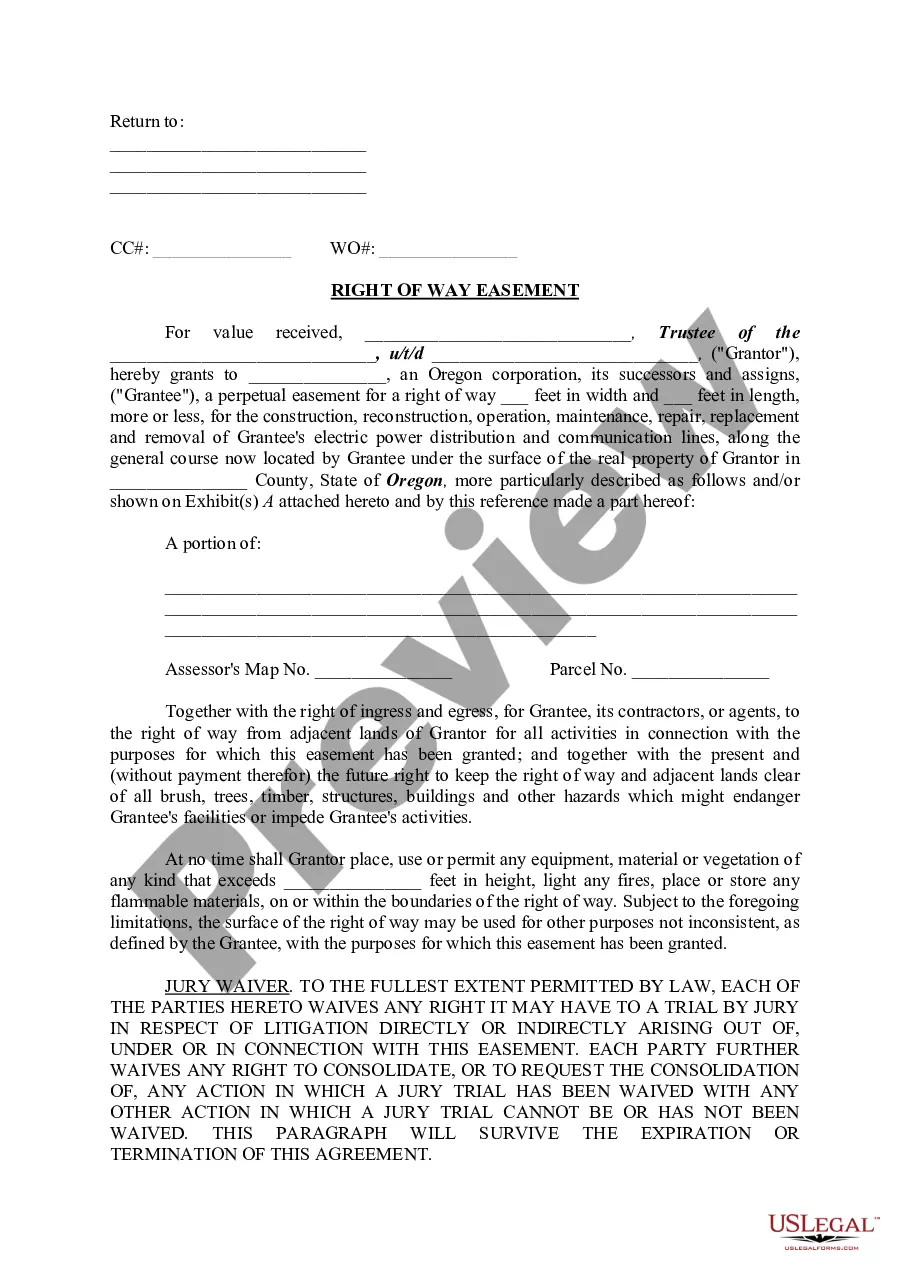
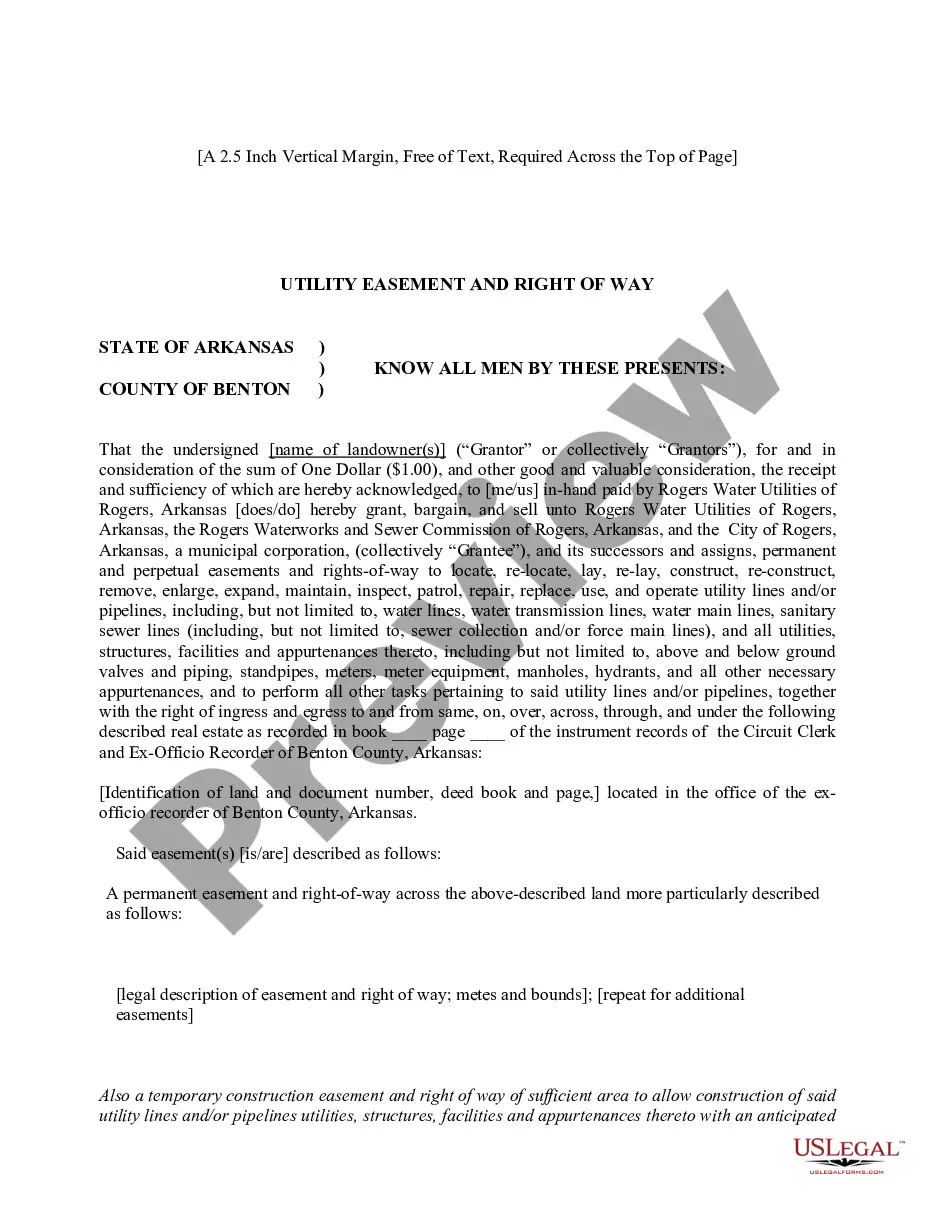
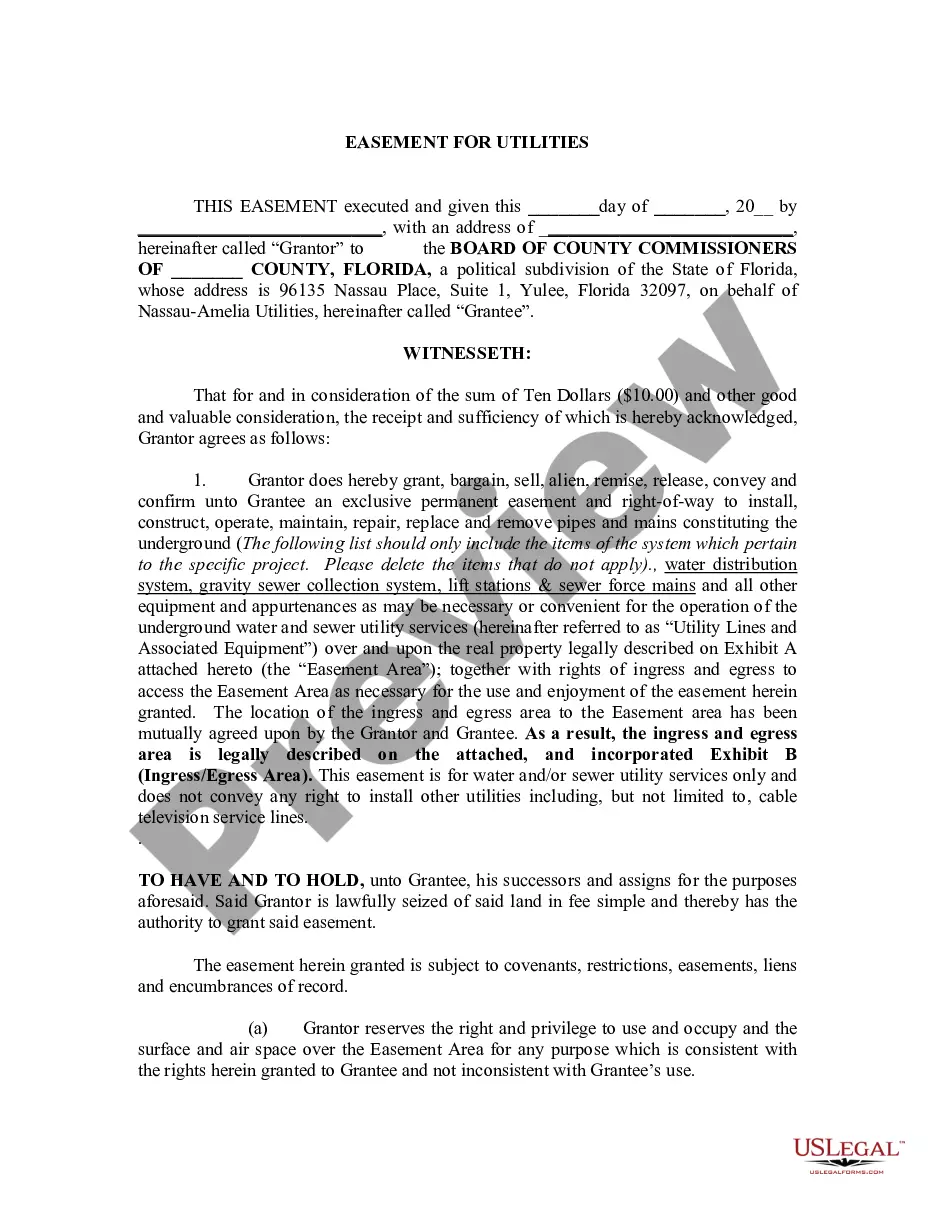
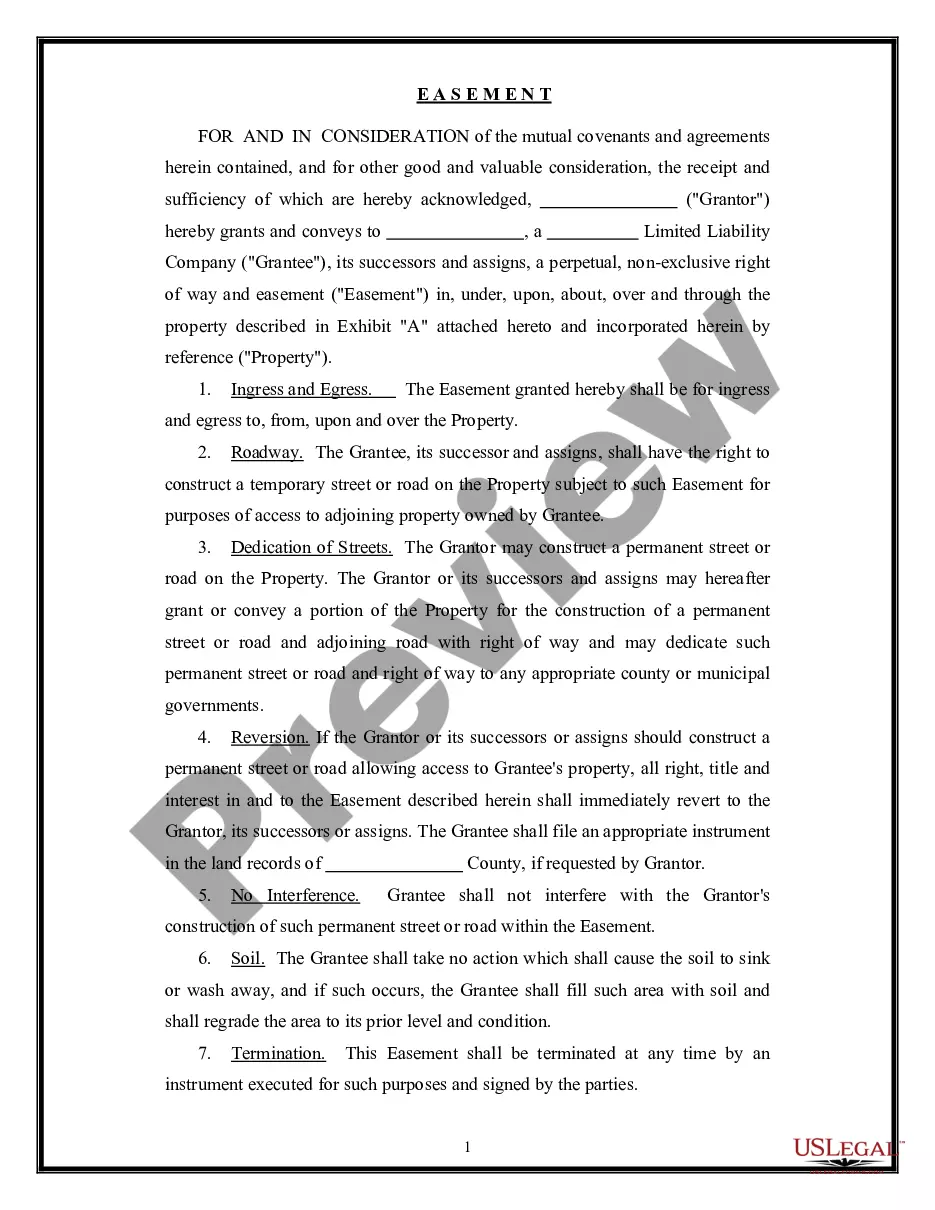
The Right of Way Easement is a legal document that grants a utility company permanent access to a specified portion of land for utility purposes. This easement allows the utility provider, known as the Grantee, to construct, maintain, and operate infrastructure such as electric power distribution and communication lines. It differs from other forms by focusing specifically on utility access rather than general land use agreements or residential leases.
Main sections of this form
- Identification of parties: Includes the names of the Grantor (landowner) and Grantee (utility company).
- Description of the easement: Specifies the dimensions (width and length) of the right of way granted for utility use.
- Property description: Details the location and boundaries of the easement area, often referencing an assessor's map or parcel number.
- Restrictions on the Grantor: Outlines what the landowner cannot do in the easement area to protect the utility's operations.
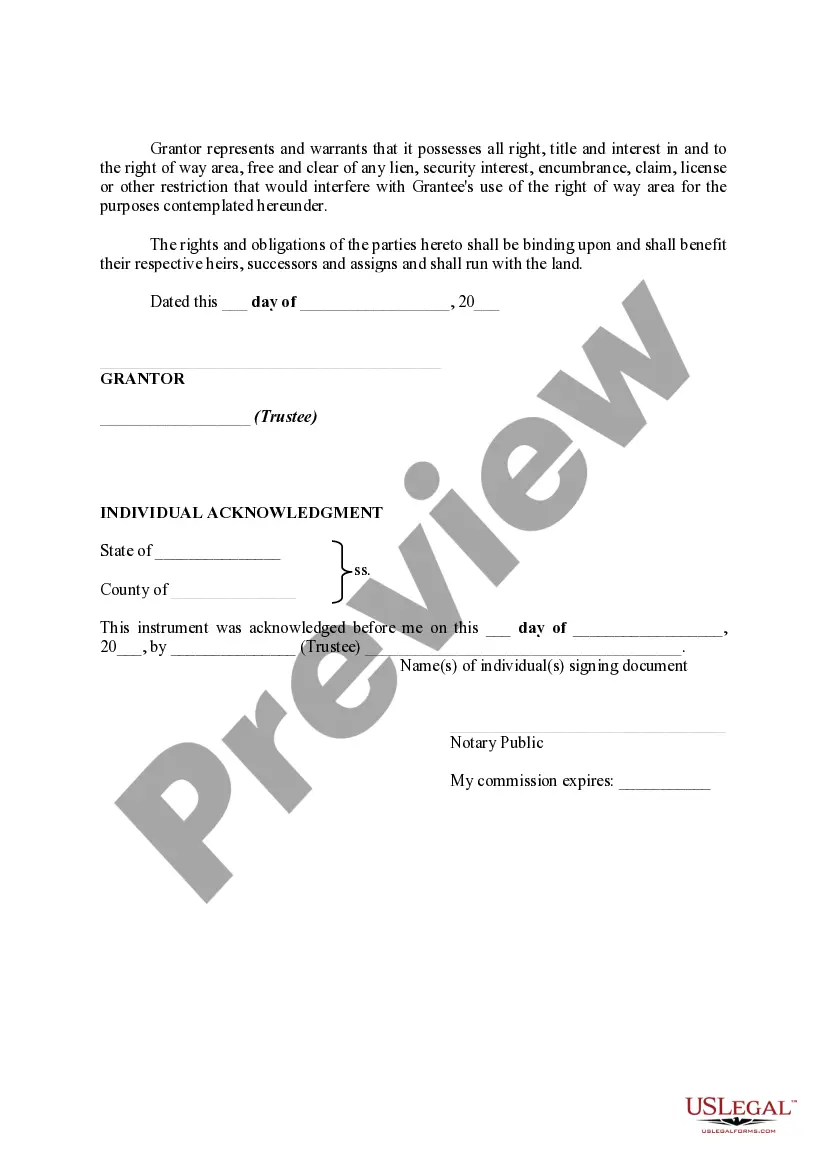
- Legal acknowledgments: Includes a section for notarization to affirm the agreement's legitimacy.

When to use this form
This form is needed when a utility provider requires permanent access to a portion of private land for infrastructure needs. Common scenarios include when a utility company plans to install or maintain electric lines, communication cables, or other related facilities that necessitate uninterrupted access to the property.
Who this form is for
- Property owners (Grantors) who need to legally allow a utility company to access their land.
- Utilities (Grantees) seeking official permission to establish or maintain infrastructure.
- Trustees acting on behalf of property owners for the purpose of granting easements.
Completing this form step by step
- Identify and enter the names of the parties involved: the Grantor and Grantee.
- Specify the dimensions of the easement (width and length) that you are granting.
- Provide a detailed description of the property, including any relevant map or parcel numbers.
- Fill in any restrictions that apply to the Grantor's use of the easement area.
- Date and sign the form, and ensure it is notarized as required.
Does this document require notarization?
Yes, this form must be notarized to be legally valid. This ensures that the signatures are authentic and the document is recognized by the state. US Legal Forms offers integrated online notarization services, allowing you to complete this process securely via video call, with no travel required.
Get your form ready online
Our built-in tools help you complete, sign, share, and store your documents in one place.
Make edits, fill in missing information, and update formatting in US Legal Forms—just like you would in MS Word.
Download a copy, print it, send it by email, or mail it via USPS—whatever works best for your next step.
Sign and collect signatures with our SignNow integration. Send to multiple recipients, set reminders, and more. Go Premium to unlock E-Sign.
If this form requires notarization, complete it online through a secure video call—no need to meet a notary in person or wait for an appointment.
We protect your documents and personal data by following strict security and privacy standards.

Make edits, fill in missing information, and update formatting in US Legal Forms—just like you would in MS Word.

Download a copy, print it, send it by email, or mail it via USPS—whatever works best for your next step.

Sign and collect signatures with our SignNow integration. Send to multiple recipients, set reminders, and more. Go Premium to unlock E-Sign.

If this form requires notarization, complete it online through a secure video call—no need to meet a notary in person or wait for an appointment.

We protect your documents and personal data by following strict security and privacy standards.
Common mistakes
- Failing to accurately describe the property location and boundaries.
- Not specifying the easement dimensions correctly.
- Overlooking necessary restrictions that could affect utility operations.
- Neglecting to have the document notarized if required.
Why complete this form online
- Convenient access to the form anytime and anywhere.
- Easily editable to ensure all specific details are correct before printing.
- Reliable templates that meet legal standards for your jurisdiction.
Looking for another form?
Form popularity
FAQ
Quiet the Title. Allow the Purpose for the Easement to Expire. Abandon the Easement. Stop Using a Prescriptive Easement. Destroy the Reason for the Easement. Merge the Dominant and Servient Properties. Execute a Release Agreement.
(1) The holders of an interest in any easement shall maintain the easement in repair.
Easement holders have the right to use the land to their enjoyment as long as it does not place an unreasonable burden on the servient estate. Landowners have the right to make whatever use of the land as long as it doesn't unduly affect the easement.
Maintenance easement means a binding agreement between the city and the person or persons holding title to a property served by a stormwater facility where the property owner promises to maintain certain stormwater facilities; grants the city the right to enter the subject property to inspect and make certain repairs,
If an authority has an easement registered over your land, they have the right to access the easement to maintain or repair the easement land or their equipment on the land.
The best way to secure a right of way is by deeded easement. This is a legally enforceable right transcribed in a deed which, if drafted as an "easement appurtenant," will attach to your land, such that the right of way benefits your successors and burdens your neighbor's successors.
Summary. An easement in gross is a right allowing an individual or an entity to use someone else's land/property. An easement in gross agreement benefits the property owner as an individual, not the property. An easement holder will be unable to transfer the benefits to another party.
When one of the owners of either the dominant estate which an easement benefits or the servient estate over which the easement runs becomes the owner of both properties, then there is a unity of the two titles, and since an owner does not need an easement over the owner's own property, according to Florida law, the
What are Easements and Rights-of-Way? Easements are nonpossessory interests in real property. More simply, an easement is the right to use another's property for a specific purpose. Rights-of-way are easements that specifically grant the holder the right to travel over another's property.