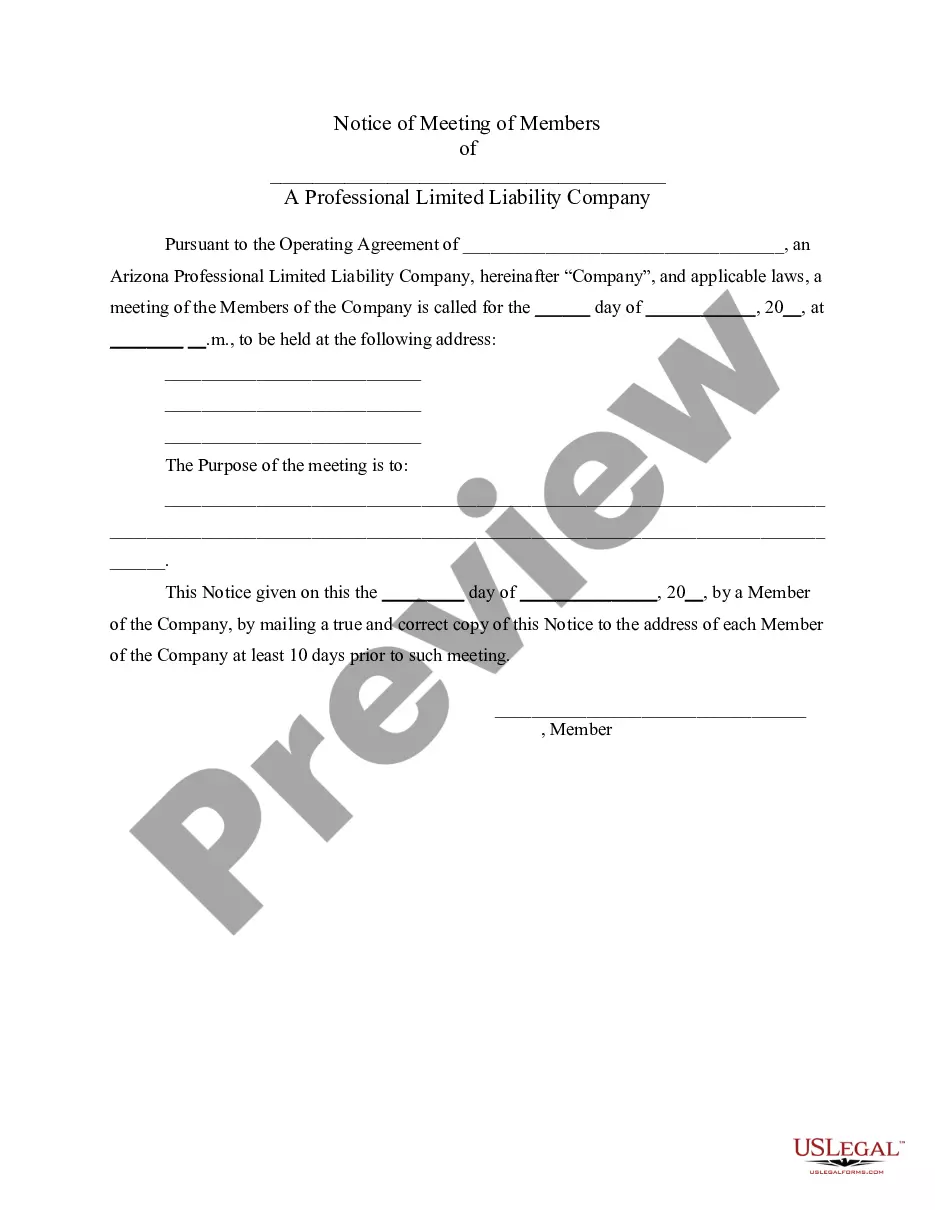
Oklahoma Eviction / Forcible Entry and Detainer Summons
Overview of this form
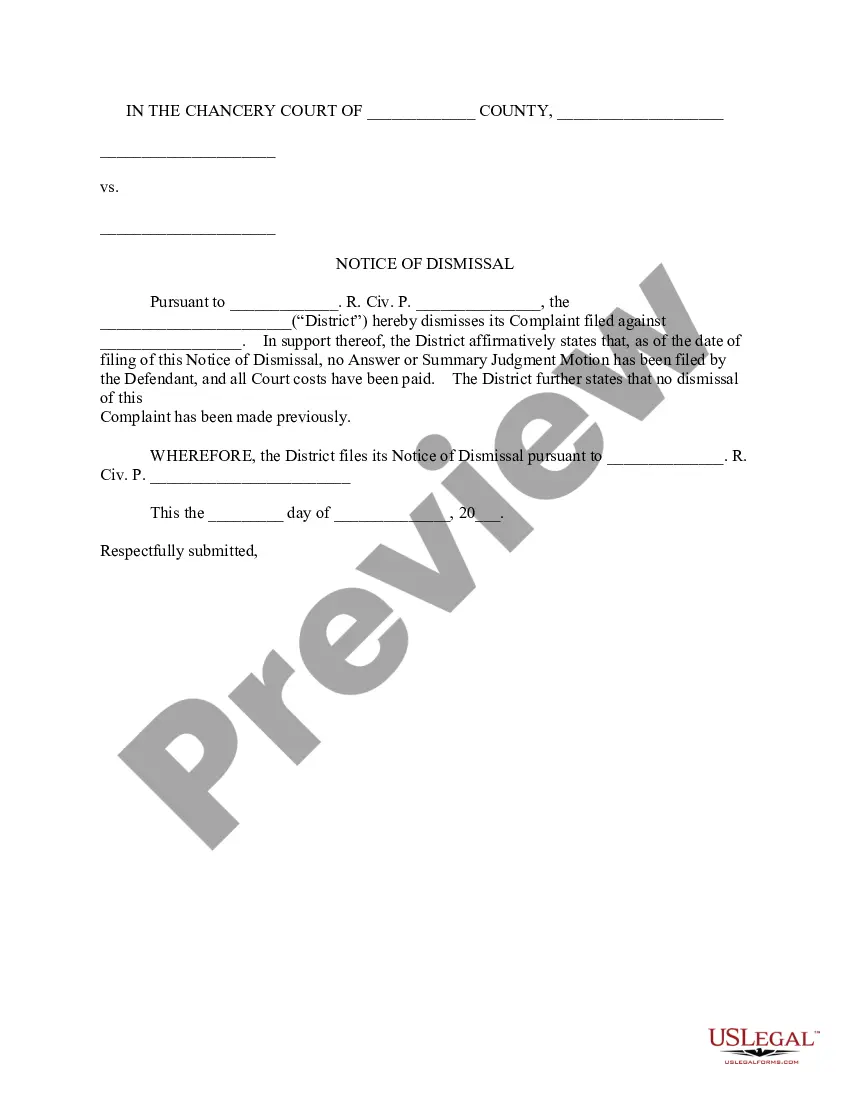
The Eviction / Forcible Entry and Detainer Summons is a legal document used by landlords in Oklahoma to initiate eviction proceedings against a tenant. This form formally notifies the tenant of the landlord's intention to seek their removal from the property. Unlike other eviction forms, this summons provides details on the court hearing and the tenant's obligation to either vacate the property or respond to the landlord's claims in court.
Main sections of this form
- Identification of the tenant and landlord involved in the eviction.
- Description of the property subject to the eviction.
- Date, time, and location for the court hearing.
- Information on the consequences of failing to appear in court.
- Signature of the court clerk or judge.
- Contact information for the plaintiff or their attorney.

Common use cases
This form should be used when a landlord has decided to pursue an eviction against a tenant. It is typically necessary after a tenant has failed to pay rent, violated lease terms, or otherwise engaged in conduct warranting eviction. The summons serves as the official notice directing the tenant on the next steps regarding their tenancy and any required court appearances.
Who this form is for
- Landlords seeking to evict tenants.
- Property managers acting on behalf of landlords.
- Legal representatives representing landlords in eviction cases.
How to complete this form
- Identify the landlord and tenant by entering their names in the appropriate fields.
- Specify the address of the property that is the subject of the eviction.
- Enter the date, time, and location of the court hearing.
- Clearly state the reasons for eviction in accordance with state law.
- Sign the document as the plaintiff or have your attorney do so.
- Provide your contact information, including your address and telephone number.
Notarization guidance
This form usually doesn’t need to be notarized. However, local laws or specific transactions may require it. Our online notarization service, powered by Notarize, lets you complete it remotely through a secure video session, available 24/7.
Get your form ready online
Our built-in tools help you complete, sign, share, and store your documents in one place.
Make edits, fill in missing information, and update formatting in US Legal Forms—just like you would in MS Word.
Download a copy, print it, send it by email, or mail it via USPS—whatever works best for your next step.
Sign and collect signatures with our SignNow integration. Send to multiple recipients, set reminders, and more. Go Premium to unlock E-Sign.
If this form requires notarization, complete it online through a secure video call—no need to meet a notary in person or wait for an appointment.
We protect your documents and personal data by following strict security and privacy standards.

Make edits, fill in missing information, and update formatting in US Legal Forms—just like you would in MS Word.

Download a copy, print it, send it by email, or mail it via USPS—whatever works best for your next step.

Sign and collect signatures with our SignNow integration. Send to multiple recipients, set reminders, and more. Go Premium to unlock E-Sign.

If this form requires notarization, complete it online through a secure video call—no need to meet a notary in person or wait for an appointment.

We protect your documents and personal data by following strict security and privacy standards.
Common mistakes
- Failing to properly identify the tenant or landlord.
- Not including the correct property address.
- Missing the court hearing date or location.
- Incorrectly stating the reasons for eviction.
- Not signing the form or leaving out necessary contact information.
Why complete this form online
- Convenient access: Download from anywhere at any time.
- Editability: Easily customize the form to fit your specific eviction situation.
- Reliability: Forms are drafted by licensed attorneys to ensure legal compliance.
Looking for another form?
Form popularity
FAQ
Addresses. Date. Tenant names. Status and date of the lease. Why the eviction notice is served (clear and concise explanation) Date tenant must vacate the property. Proof of service or delivery of notice.
Step 1 The landlord must provide the tenant or occupant with a notice as to why they are being evicted. Step 2 A landlord must file and serve a Summons and Complaint in Forcible Entry and Detainer as the next step in the Oklahoma eviction process. Step 3 File an Execution.
If you file an eviction (unlawful detainer) case and you decide you do not want to move forward, you can ask the court to dismiss the case.You included more than one tenant in your eviction case but have decided you only want to evict one or some of them, so you dismiss the case as to the others.
Courts commonly refer to eviction actions as "forcible entry and detainer" or "unlawful detainer" actions. The legal theory is that the landlord alleges the tenant unlawfully continues to have use and possession of the rental property, and the landlord seeks the assistance of the court to have the tenant removed.
Under Oklahoma law, a landlord must give a tenant or tenant at-will 30 days' written notice to vacate. If the arrangement has been for less than a month, the host must still give at least seven days' notice. If there is no lease, or it is open-ended with no termination date, that creates a complication, Klinger said.
Know Your Rights. It goes without saying, but take some time to know your rights as a tenant. Keep Good Records. Make Sure Notice is Proper. Service of the Unlawful Detainer. Talking to an Attorney. Managing Partner Lipton Legal Group, A PC Beverly Hills, CA.
An eviction lawsuit is called a "Forcible Entry and Detainer" action. Usually, the landlord files the lawsuit in Small Claims Court. After the landlord files suit, you will receive notice of the lawsuit and get a chance to appear in a court hearing before a judge.
Under Oklahoma law, a landlord must give a tenant or tenant at-will 30 days' written notice to vacate. If the arrangement has been for less than a month, the host must still give at least seven days' notice. If there is no lease, or it is open-ended with no termination date, that creates a complication, Klinger said.
Eviction Process in Oklahoma If the tenant has not paid rent or fixed the lease violation within the given time frame, then the landlord can terminate the rental agreement and file an eviction lawsuit (forcible entry and detainer action) with the court.