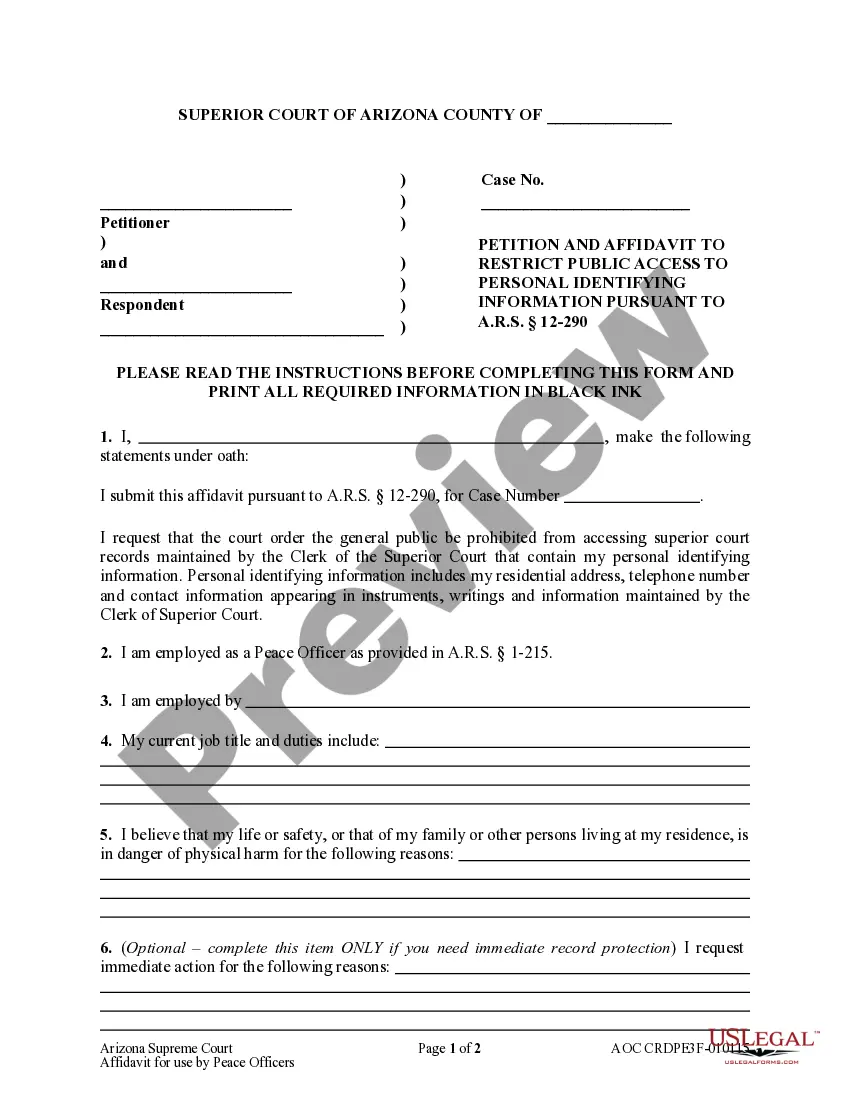
Oklahoma Affidavit of Landlord for Forcible Entry and Detainer / Eviction
About this form
The Affidavit of Landlord for Forcible Entry and Detainer / Eviction is a legal document filed by a landlord to initiate an eviction process against a tenant who is unlawfully occupying their rental property. This form differs from other eviction notices as it includes a sworn affidavit addressing the reasons for the eviction and demanding possession of the premises. It is essential for landlords to use this form to ensure they are following the correct legal procedures.
Key components of this form
- Identification of the plaintiff (landlord) and defendant (tenant)
- Details of the lease or rental agreement
- Amount of unpaid rent and damages
- Description of the property being evicted
- Demands made to the tenant for payment and possession
- Signature of a notary public or court clerk

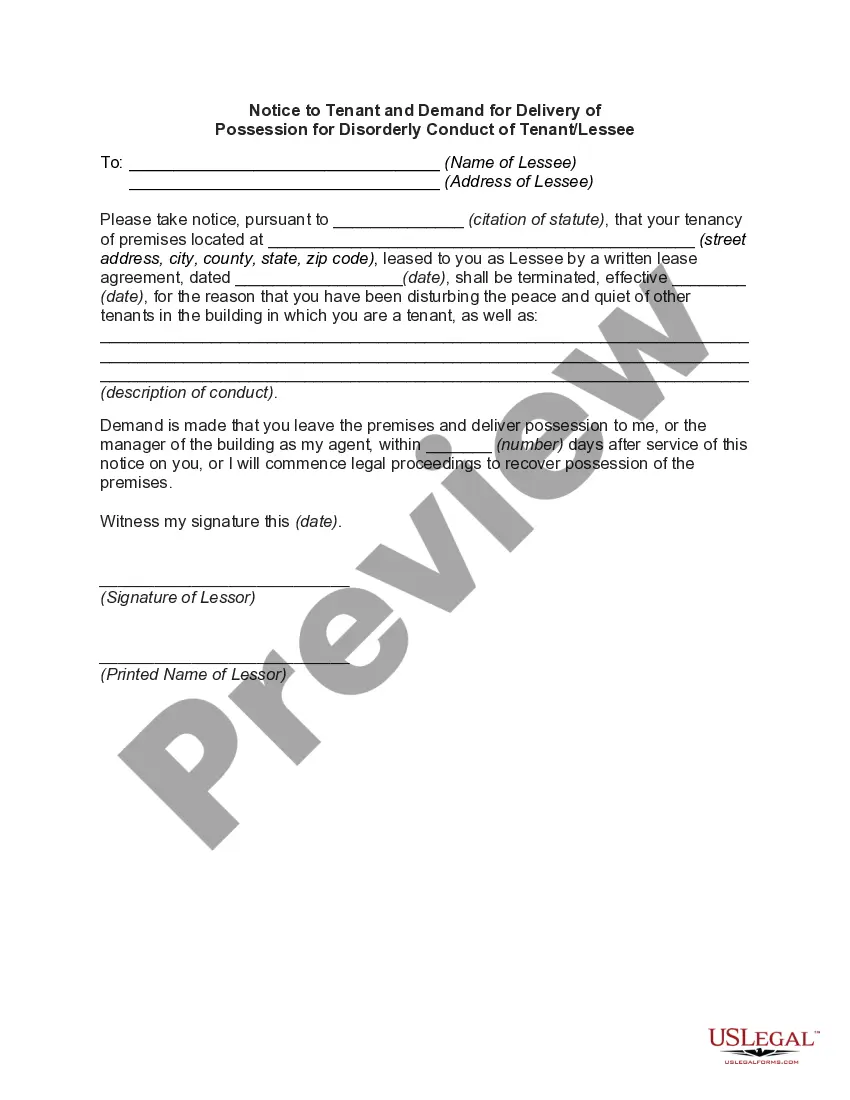
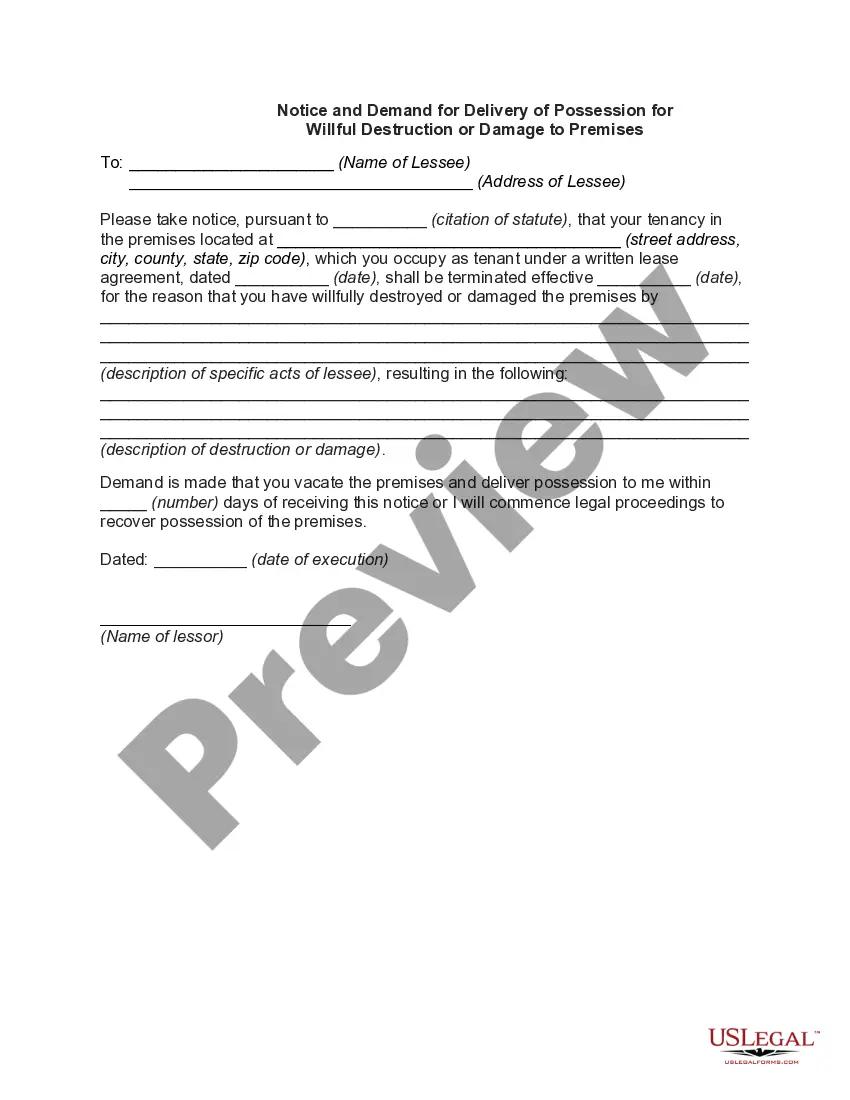
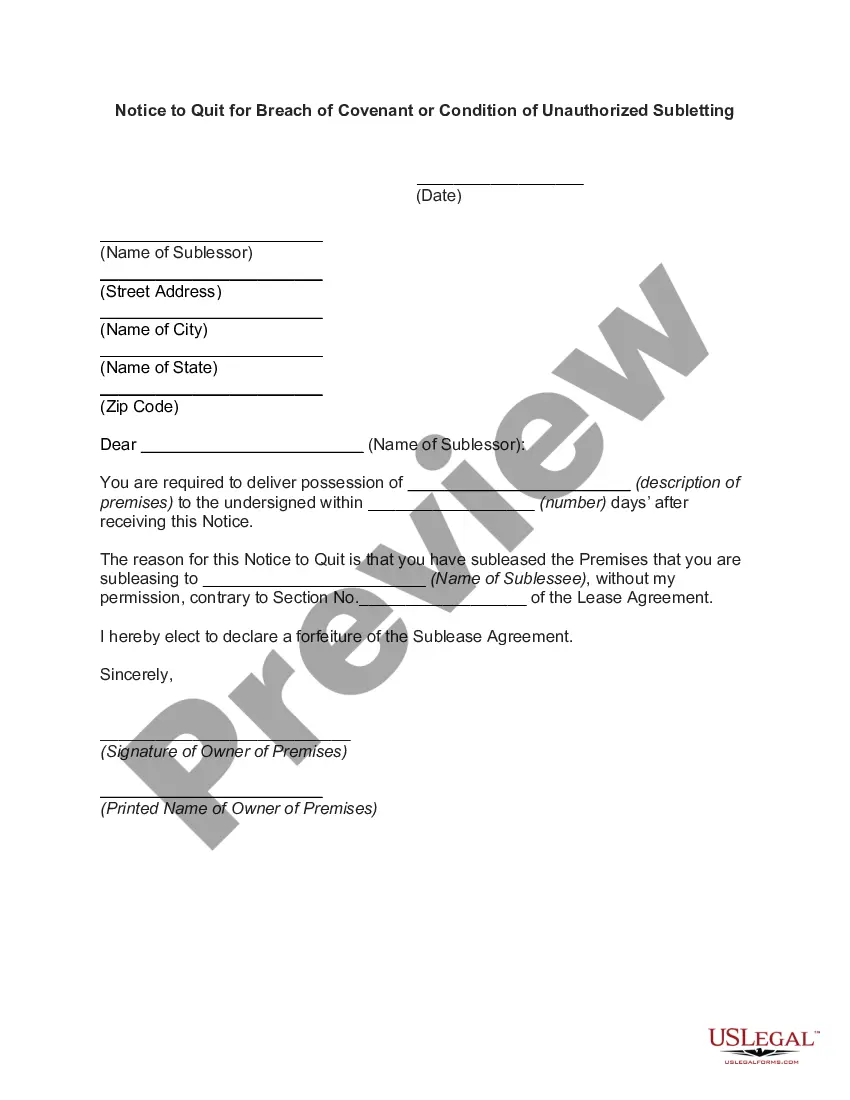
Common use cases
This form is required when a landlord seeks to legally evict a tenant for reasons such as non-payment of rent, property damage, or other violations of the lease agreement. It is used to formally document the landlord's claims in court and to establish a legal basis for the eviction process.
Who needs this form
- Landlords seeking eviction of a non-compliant tenant
- Property management companies acting on behalf of landlords
- Real estate investors managing rental properties
Completing this form step by step
- Identify and fill in the parties involved (landlord and tenant).
- Specify the property address where the tenant resides.
- Enter the amounts owed for rent and any damages.
- Provide a description of the property being evicted.
- Sign the affidavit and have it notarized.
Notarization requirements for this form
This form must be notarized to be legally valid. US Legal Forms provides secure online notarization powered by Notarize, allowing you to complete the process through a verified video call.
Get your form ready online
Our built-in tools help you complete, sign, share, and store your documents in one place.
Make edits, fill in missing information, and update formatting in US Legal Forms—just like you would in MS Word.
Download a copy, print it, send it by email, or mail it via USPS—whatever works best for your next step.
Sign and collect signatures with our SignNow integration. Send to multiple recipients, set reminders, and more. Go Premium to unlock E-Sign.
If this form requires notarization, complete it online through a secure video call—no need to meet a notary in person or wait for an appointment.
We protect your documents and personal data by following strict security and privacy standards.

Make edits, fill in missing information, and update formatting in US Legal Forms—just like you would in MS Word.

Download a copy, print it, send it by email, or mail it via USPS—whatever works best for your next step.

Sign and collect signatures with our SignNow integration. Send to multiple recipients, set reminders, and more. Go Premium to unlock E-Sign.

If this form requires notarization, complete it online through a secure video call—no need to meet a notary in person or wait for an appointment.

We protect your documents and personal data by following strict security and privacy standards.
Common mistakes
- Failing to include all required information about the tenant and property.
- Not accurately stating the amount of rent owed or damages incurred.
- Neglecting to sign the document in the presence of a notary.
- Using outdated or incorrect forms that do not comply with state laws.
Benefits of completing this form online
- Instant access to legally accurate and professionally drafted forms.
- Ability to edit the form to suit specific circumstances.
- Convenience of downloading the form from anywhere at any time.
Looking for another form?
Form popularity
FAQ
Dismissed evictions can be expunged from a tenant's record as the court would likely find that it is in the interest of justice to remove evictions that were not complete.
Eviction Process in Oklahoma If the tenant has not paid rent or fixed the lease violation within the given time frame, then the landlord can terminate the rental agreement and file an eviction lawsuit (forcible entry and detainer action) with the court.
Tenants must be reasonable about the landlord's right to enter. The Landlord must give you at least 24 hour's notice to enter your apartment. He may enter only during reasonable times, unless it is an emergency, like a fire, a flood or to make emergency repairs.
Addresses. Date. Tenant names. Status and date of the lease. Why the eviction notice is served (clear and concise explanation) Date tenant must vacate the property. Proof of service or delivery of notice.
Oklahoma landlords must provide tenants with a 15-Day Notice to Comply, giving the tenant 10 days to correct the issue in order to avoid eviction. If the tenant doesn't correct the issue within 10 days, they will need to move out within the 15-day deadline on the notice.
Eviction Process in OklahomaIf the tenant has not paid rent or fixed the lease violation within the given time frame, then the landlord can terminate the rental agreement and file an eviction lawsuit (forcible entry and detainer action) with the court.
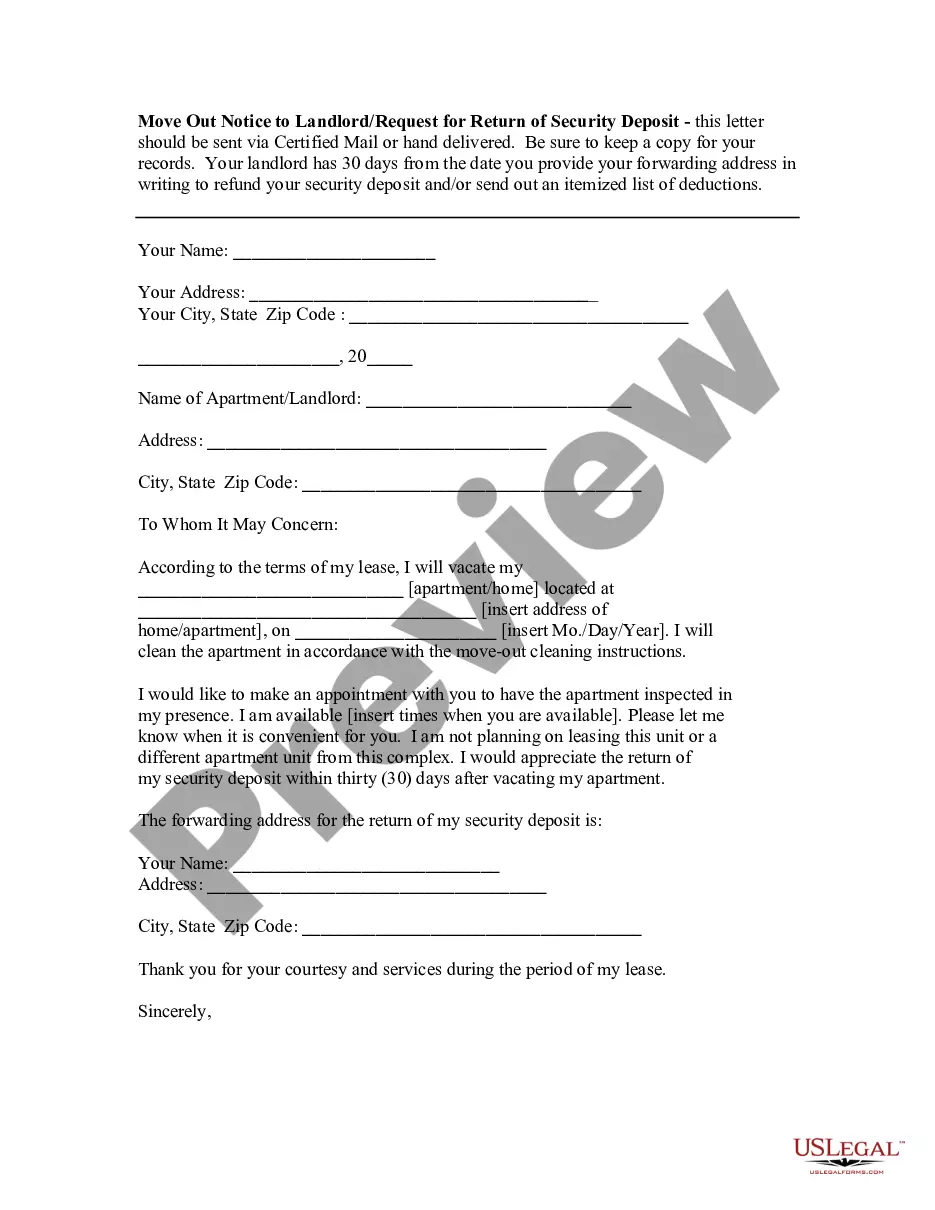
Dear (Name of landlord or manager), This letter constitutes my written (number of days' notice that you need to give based on your lease agreement)-day notice that I will be moving out of my apartment on (date), the end of my current lease. I am leaving because (new job, rent increase, etc.)
An eviction lawsuit is called a "Forcible Entry and Detainer" action. Usually, the landlord files the lawsuit in Small Claims Court. After the landlord files suit, you will receive notice of the lawsuit and get a chance to appear in a court hearing before a judge.
Address the Tenant(s) Named in the Residential Lease. List the Lease Information. Notify the Tenant of the Eviction. Give a Reason for the Eviction. Serve the Eviction Notice to the Tenant(s)