Retained Employees Agreement
Understanding this form
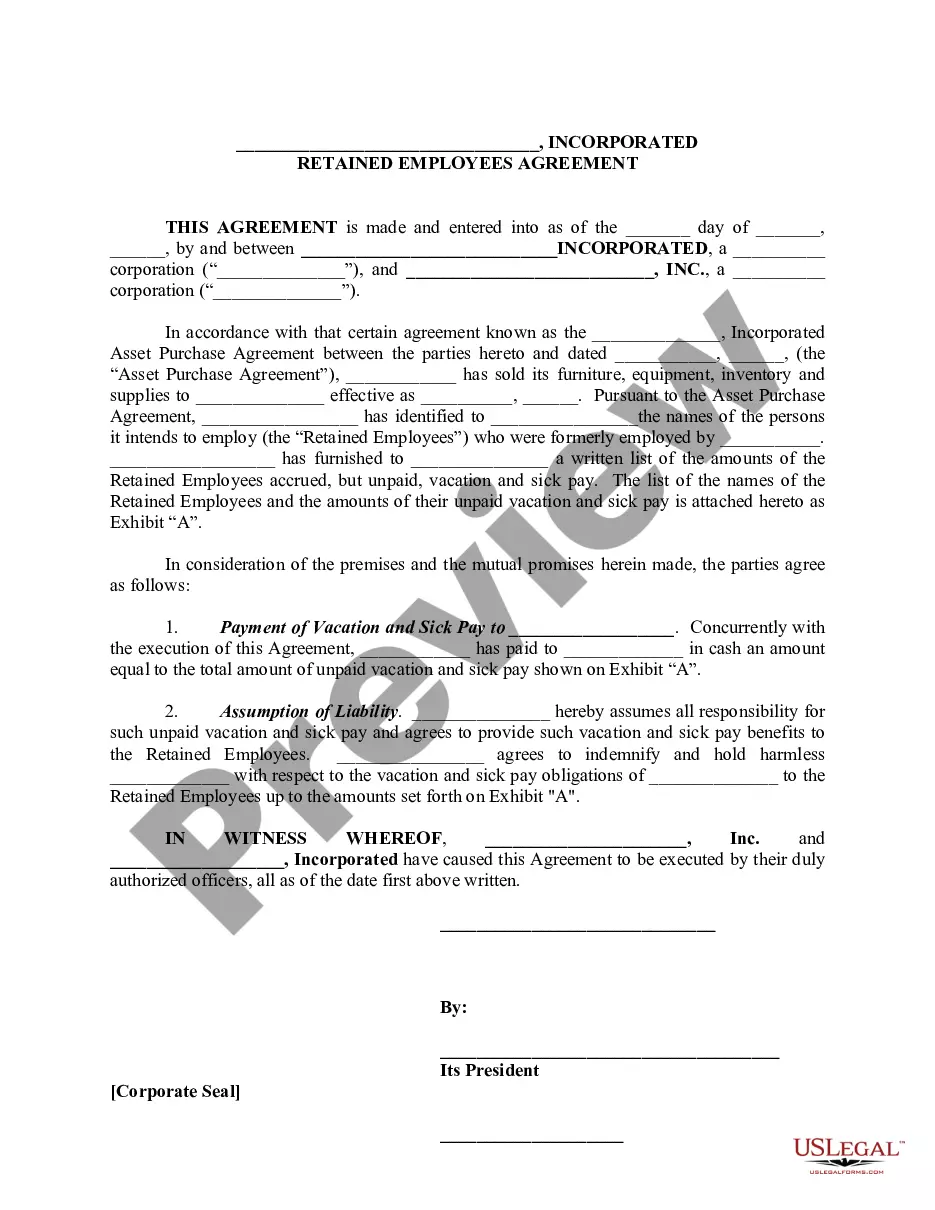
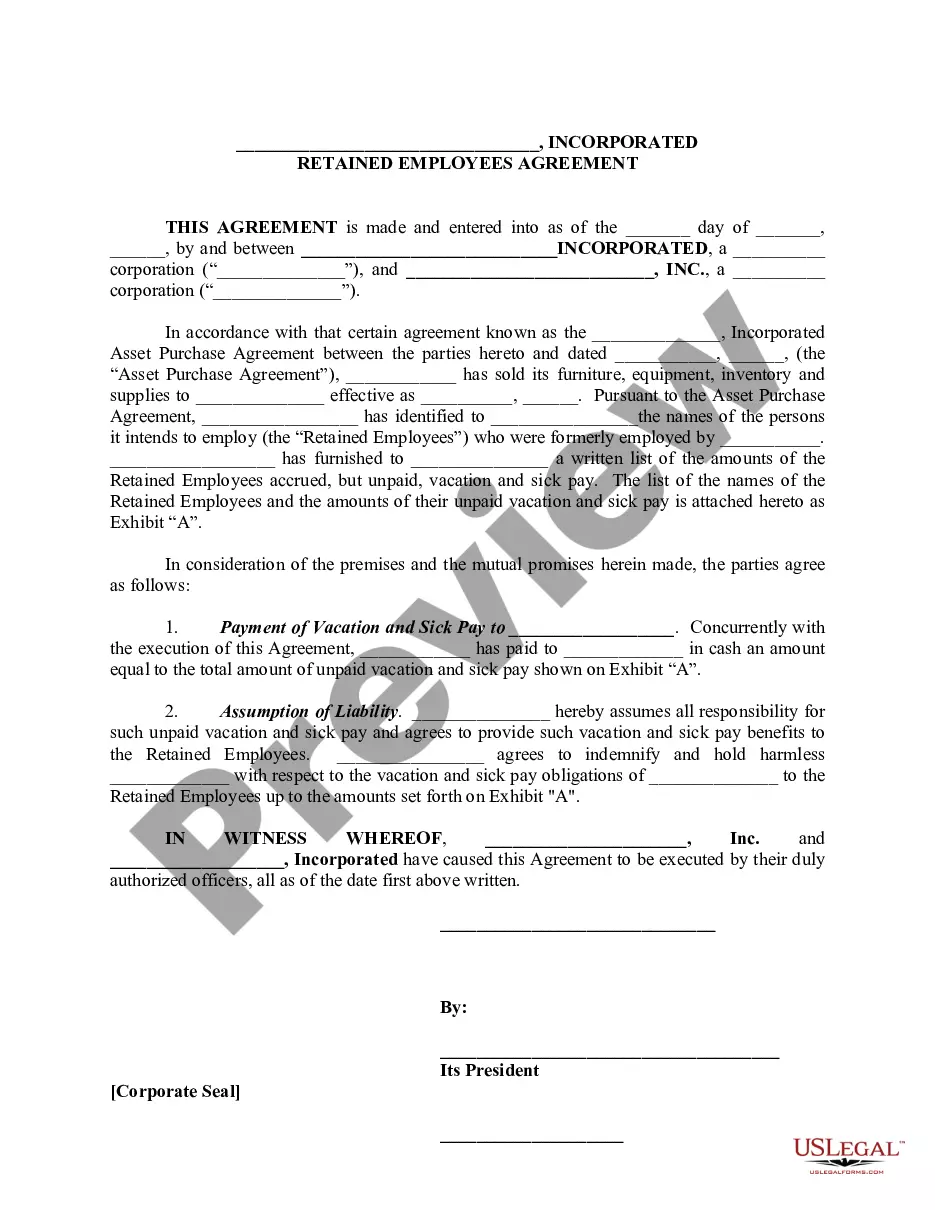
The Retained Employees Agreement is a legal document used in the sale of a business that outlines which employees will be retained by the purchaser after an asset purchase transaction. This agreement specifies the responsibilities related to accrued vacation and sick pay for the retained employees, distinguishing it from other employment agreements by its focus on post-sale employment terms.
Main sections of this form
- Identification of the parties involved in the agreement.
- Details regarding the asset purchase agreement under which the sale is made.
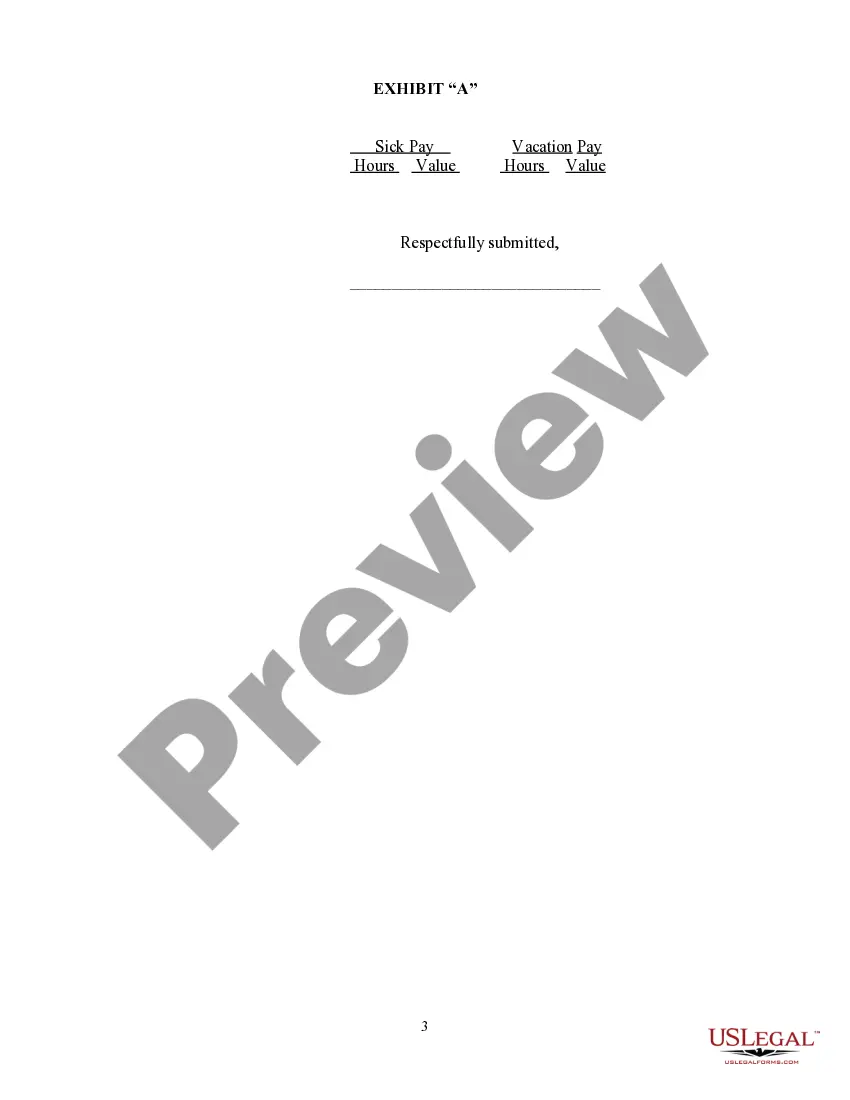
- A list of retained employees and their accrued vacation and sick pay.
- Payment terms for unpaid vacation and sick pay to retained employees.
- Indemnification clauses related to vacation and sick pay obligations.
Common use cases
This form is used when a business is sold, and the purchaser intends to retain certain employees from the original company. It is essential when structuring employee terms, particularly regarding any accrued benefits, to ensure that there is clarity and agreement on the obligations of both the seller and the purchaser.
Intended users of this form
- Business owners selling their company who want to retain certain employees.
- Purchasers of a business looking to formalize employment agreements with retained staff.
- Human resources professionals involved in the merger or acquisition process.
- Attorneys drafting or reviewing employment agreements in the context of business sales.
Completing this form step by step
- Identify and list the parties involved in the agreement.
- Specify the date of the agreement and the effective date of the asset purchase.
- Provide the names of the retained employees and attach their vacation and sick pay details as Exhibit A.
- Outline the payment terms for accrued vacation and sick pay.
- Include indemnification clauses to protect the seller regarding employee benefits.
- Have authorized representatives sign the agreement to make it legally binding.
Does this form need to be notarized?
This form does not typically require notarization unless specified by local law, ensuring it can be executed with discretion and efficiency. It is important to confirm state-specific requirements regarding notarization to ensure legal validity.
Get your form ready online
Our built-in tools help you complete, sign, share, and store your documents in one place.
Make edits, fill in missing information, and update formatting in US Legal Forms—just like you would in MS Word.
Download a copy, print it, send it by email, or mail it via USPS—whatever works best for your next step.
Sign and collect signatures with our SignNow integration. Send to multiple recipients, set reminders, and more. Go Premium to unlock E-Sign.
If this form requires notarization, complete it online through a secure video call—no need to meet a notary in person or wait for an appointment.
We protect your documents and personal data by following strict security and privacy standards.

Make edits, fill in missing information, and update formatting in US Legal Forms—just like you would in MS Word.

Download a copy, print it, send it by email, or mail it via USPS—whatever works best for your next step.

Sign and collect signatures with our SignNow integration. Send to multiple recipients, set reminders, and more. Go Premium to unlock E-Sign.

If this form requires notarization, complete it online through a secure video call—no need to meet a notary in person or wait for an appointment.

We protect your documents and personal data by following strict security and privacy standards.
Avoid these common issues
- Not listing all retained employees accurately, which may lead to disputes later.
- Failing to update accrued vacation and sick pay amounts, leading to potential liability issues.
- Neglecting to sign the agreement, making it unenforceable.
- Inadequately defining terms of indemnification, risking exposure to future claims.
Advantages of online completion
- Convenient access to the form allows for quick completion.
- Editability ensures you can customize it to fit your specific transaction needs.
- Reliable templates are drafted by licensed attorneys to ensure legal compliance.
- Immediate download allows you to begin the process without delay.
Legal use & context
- This agreement serves as a binding contract between seller and buyer regarding employment obligations post-sale.
- Failure to properly execute this form can lead to disputes over unpaid benefits.
- Legal enforceability depends on compliance with jurisdiction-specific laws and contracts.
Quick recap
- The Retained Employees Agreement outlines the terms of employee retention during an asset purchase.
- It is essential to accurately document all retained employees and their benefits to avoid legal disputes.
- Using this form can streamline the transfer of employee obligations legally and efficiently.
Looking for another form?

Form popularity
FAQ
Accepting a retention bonus for an employee depends on whether the employee plans to stay with the company heading into the future. If the employee plans to leave the company soon, accepting a retention bonus may not make sense, since they may not be around to receive it.
Another common ?red flag? in a retention agreement is the stipulation that the employee's receipt of the bonus will be determined in the employer's ?sole discretion.? You do not want to put this type of power in your employer's hands.
Although it's not guaranteed, a retention bonus package will likely result in higher productivity and company loyalty than usual, especially if they're targeting the right people. And this makes sense, after all, the more appreciated an employee feels the better work they will produce.
A key employee retention agreement is a contract, including benefits or bonuses, set between key employees and their organization. Usually, the key employee retention agreement is offered to high-profile employees who offer exceptional value to the organization.
Accepting a retention bonus for an employee depends on whether the employee plans to stay with the company heading into the future. If the employee plans to leave the company soon, accepting a retention bonus may not make sense, since they may not be around to receive it.
Thank you very much for your offer. It has certainly given me a lot to consider as I decide where to take my career. I would be happy to accept if we could increase the current offer by X.
Retention agreements are geared to an individual regardless of leadership position, serve the employers interest and typically expire after a set time. Severance pay arrangements protect employees terminated against their will, whether individuals or an entire workforce.
The average retention bonus is between 10% to 15% of an employee's base income, but the amount can go up to 25%. Employers must consider why they are giving the retention bonus to determine the amount given.