Oklahoma Grant Deed - Individual to individual
Overview of this form
The Grant Deed is a legal document used to transfer property ownership from one individual (the Grantor) to another individual (the Grantee). This particular form ensures that the transfer complies with state statutory laws, establishing a clear title to the property without the complexities often associated with other deeds, such as warranty deeds. Unlike a quitclaim deed, a Grant Deed provides certain guarantees about the title's legitimacy, making it a preferred choice for many real estate transactions.
Key components of this form
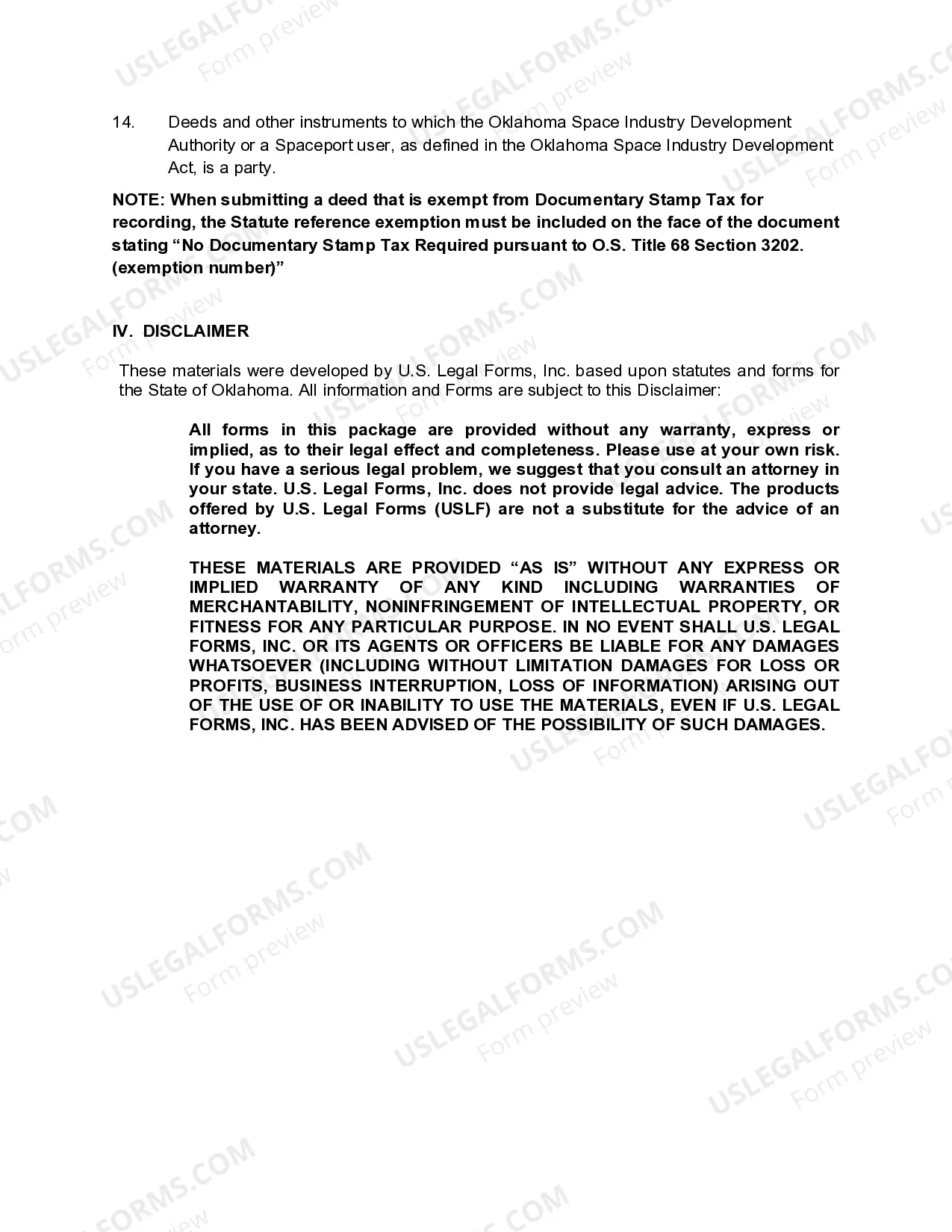
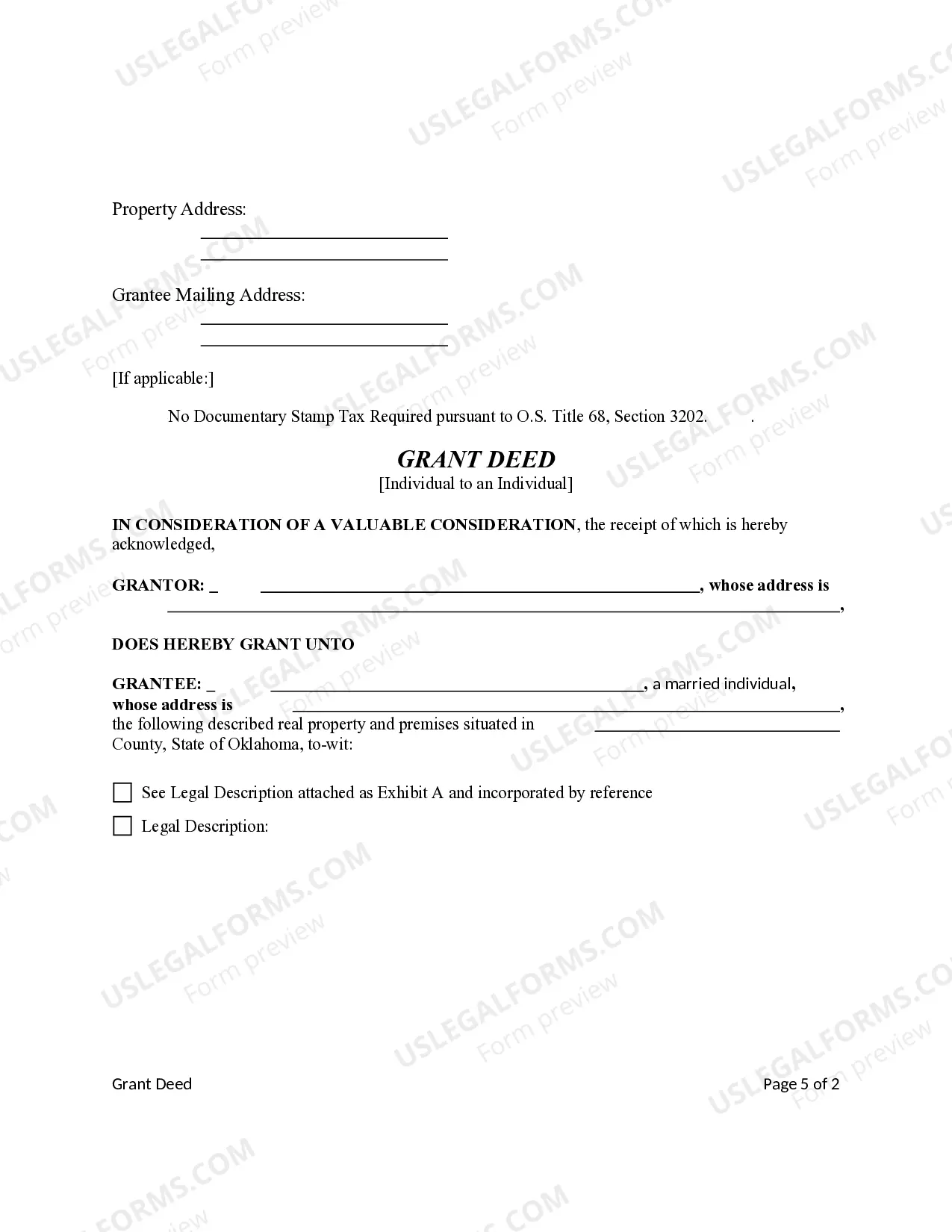
- Grantor and Grantee information: Names and addresses of both parties involved in the transfer.
- Property description: A precise description of the property being transferred, including legal descriptions when necessary.
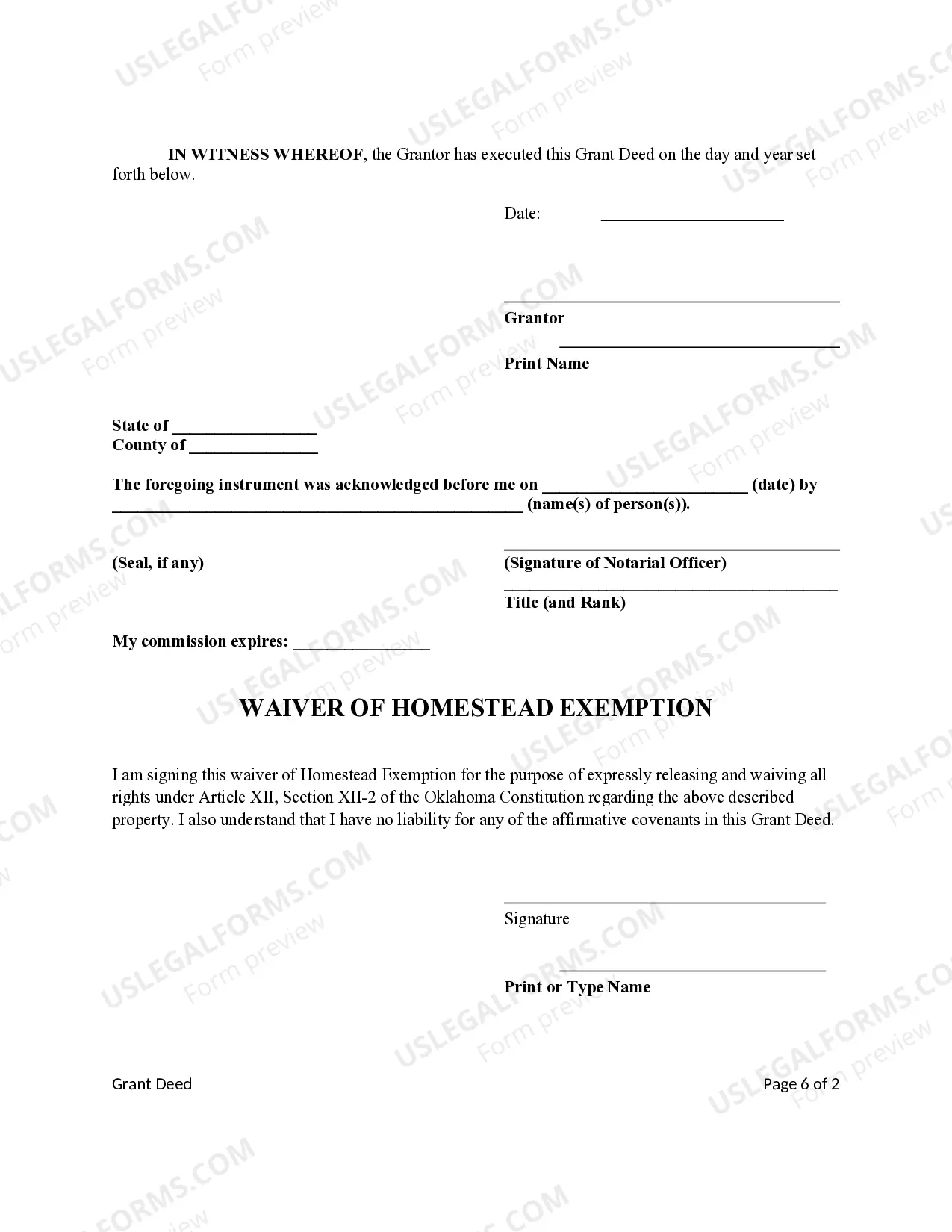
- Signatures: Spaces for the Grantor and any necessary parties to sign the document.
- Date of execution: The date on which the Grant Deed is signed.
- Notarization section: Area designated for notarization if required.






Situations where this form applies
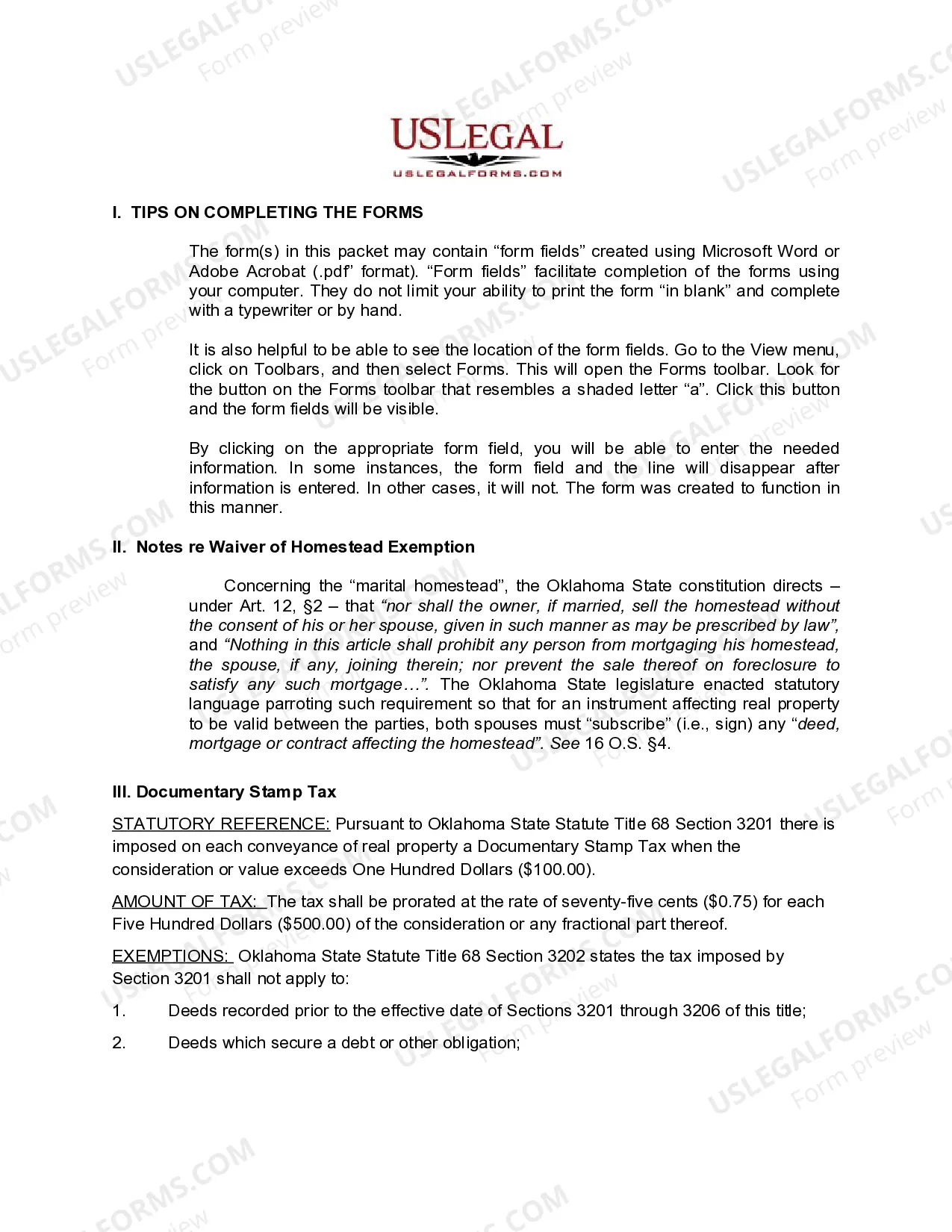
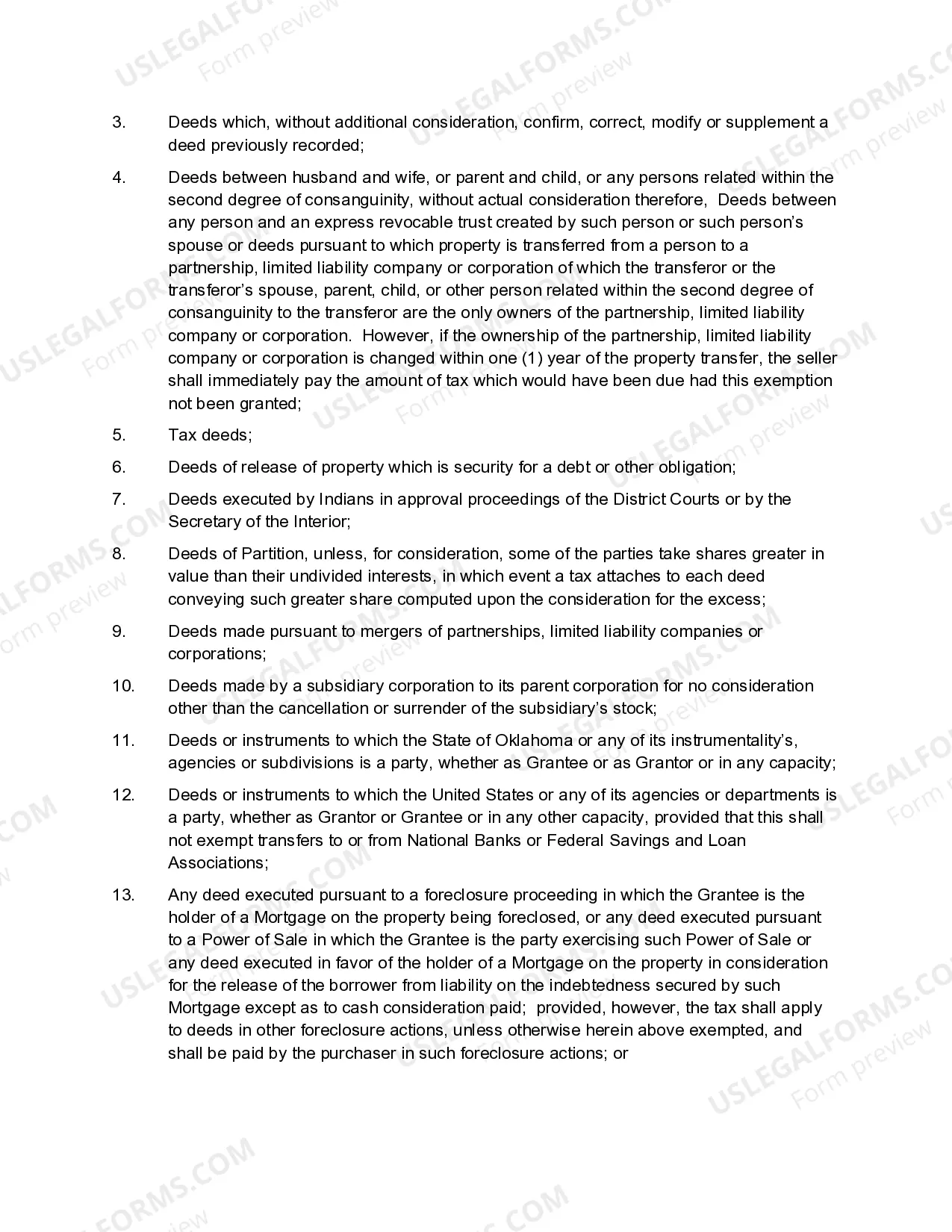
This form should be used when an individual wishes to transfer real property ownership to another individual, ensuring that the transaction adheres to legal requirements. It is commonly utilized in private sales, gift transfers, or as part of estate planning. If the property in question is the primary residence and involves spouses, additional considerations regarding marital consent may be necessary.
Who needs this form
Eligibility for this form includes:
- Individuals who are either selling or donating property to another individual.
- Property owners who seek to consolidate, transfer, or clarify ownership interests.
- Persons involved in estate planning needing to transfer property directly to a beneficiary.
- Spouses or partners who may be transferring property to one another, requiring awareness of applicable marital laws.
Instructions for completing this form
To complete the Grant Deed, follow these steps:
- Identify the parties by entering the names and addresses of the Grantor and Grantee.
- Specify the property by providing a detailed description including its physical address and legal description.
- Enter the date when the form is signed for accurate historical context.
- Both parties should sign the form, ensuring all necessary signatures are included.
- If notarization is required, complete the notarization section as directed.
Is notarization required?
This form does not typically require notarization unless specified by local law. However, having it notarized is recommended to enhance the document's credibility and enforceability in real estate transactions.
Get your form ready online
Our built-in tools help you complete, sign, share, and store your documents in one place.
Make edits, fill in missing information, and update formatting in US Legal Forms—just like you would in MS Word.
Download a copy, print it, send it by email, or mail it via USPS—whatever works best for your next step.
Sign and collect signatures with our SignNow integration. Send to multiple recipients, set reminders, and more. Go Premium to unlock E-Sign.
If this form requires notarization, complete it online through a secure video call—no need to meet a notary in person or wait for an appointment.
We protect your documents and personal data by following strict security and privacy standards.

Make edits, fill in missing information, and update formatting in US Legal Forms—just like you would in MS Word.

Download a copy, print it, send it by email, or mail it via USPS—whatever works best for your next step.

Sign and collect signatures with our SignNow integration. Send to multiple recipients, set reminders, and more. Go Premium to unlock E-Sign.

If this form requires notarization, complete it online through a secure video call—no need to meet a notary in person or wait for an appointment.

We protect your documents and personal data by following strict security and privacy standards.
Typical mistakes to avoid
- Failing to complete the property description accurately, leading to possible legal disputes.
- Omitting the spouse's signature if the homestead requirement applies.
- Incorrectly assessing whether notarization is needed based on local laws.
Benefits of completing this form online
- Convenience of filling the form online from the comfort of home.
- Editable form fields that allow users to complete the document digitally.
- Instant availability, ensuring timely processing of property transfers.
- Grant Deeds are legally recognized for transferring property rights, provided they comply with state laws.
- Failure to correctly execute and file the deed may lead to challenges in establishing clear property ownership.
- This form does not offer warranties against any future claims on the property unless specified otherwise.
Quick recap
- Use the Grant Deed to facilitate a straightforward transfer of property between individuals.
- Ensure compliance with applicable state laws, particularly concerning marital properties.
- Double-check all entries for accuracy to avoid common errors during the transfer process.
Looking for another form?





Form popularity
FAQ
Print a grant deed from an online source. Sign the document in the presence of a notary public. Take the deed to the recorder's office in the county where the property is located.
Contrary to normal expectations, the Deed DOES NOT have to be recorded to be effective or to show delivery, and because of that, the Deed DOES NOT have to be signed in front of a Notary Public. However, if you plan to record it, then it does have to be notarized as that is a County Recorder requirement.
Grantor's name. Grantee's name and address. Description of grantee (ex: unmarried man, husband and wife, joint tenants) Person who requested grant deed. Address of real estate that is being transferred. Legal description of property (lot number) Original title order number for property.
Step 1 Fill in the grantor's name and address along with indicating whether or not the grantor is married. Step 2 Enter the consideration to be paid for the property. Step 3 Write in the grantee's name and address and check the box showing how they intend to hold the property.
To sign over property ownership to another person, you'll use one of two deeds: a quitclaim deed or a warranty deed.
A grant deed is the instrument used to transfer title to an interest in real property from one owner to someone else.A deed of trust is the security instrument given to a lender to secure a loan or other obligation. Bare naked title is deeded to the trustee, who holds the power of sale or the power to re-convey.
Determine if the error is harmless or fatal to the transfer of title. Decide what instrument is best suited to the error. Draft a corrective deed, affidavit, or new deed. Obtain the original signature(s) of the Grantor(s). Re-execute the deed with proper notarization and witnessing.
Resolving Small Ambiguities: The Scrivener Affidavit. Sometimes an omission attracts attention just after recording. The Correction Deed: Stronger Than a Scrivener's Affidavit. Obtain your correction deed form. Execute the correction deed. Record the correction deed.
The seller or the seller's broker will hire an attorney to prepare the real estate deed to ensure that all of the requirements in the creation of a valid deed are met before the seller conveys title to the property. All real estate deeds must be in writing.