Ohio Stockholder derivative actions
Description
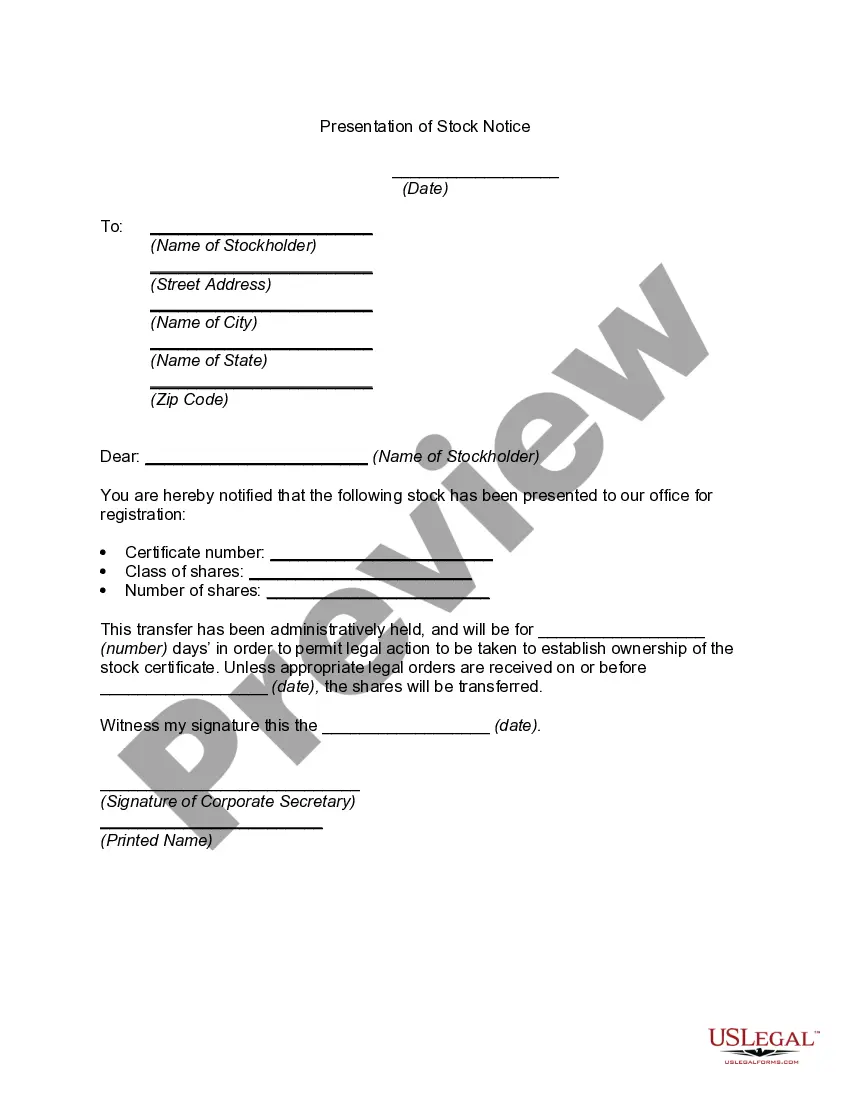
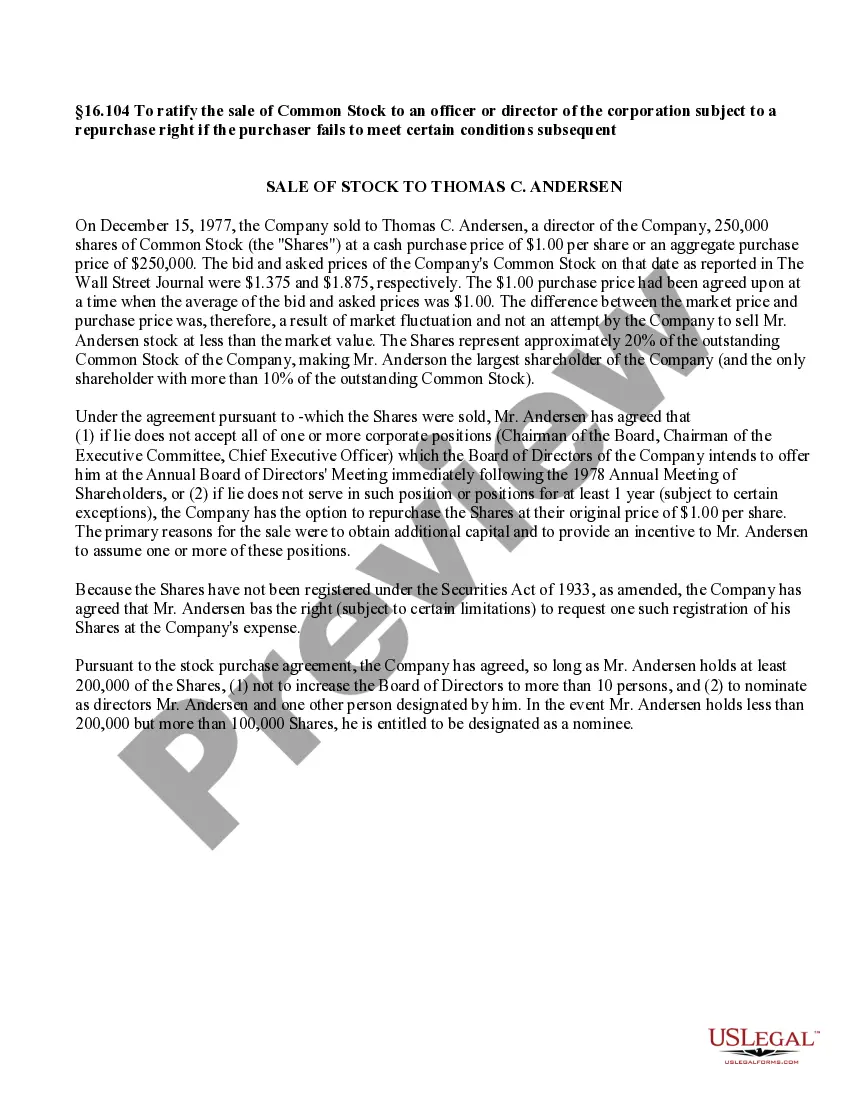
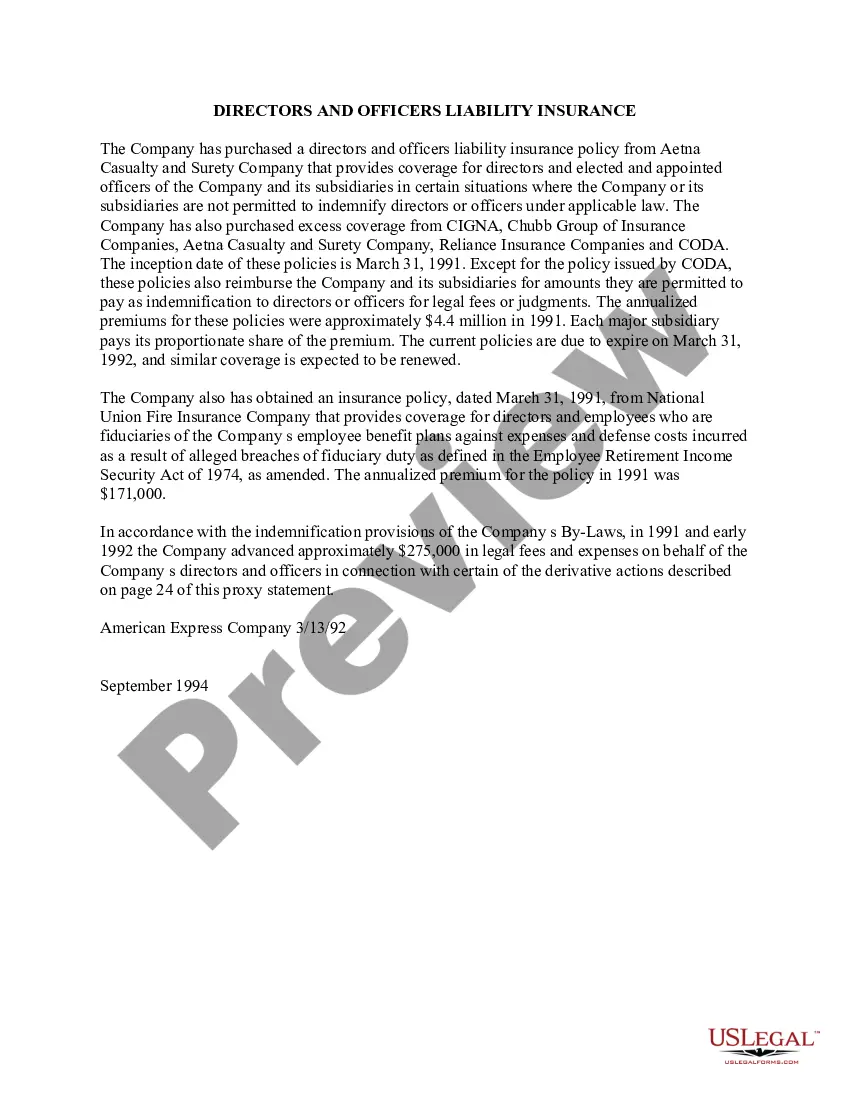
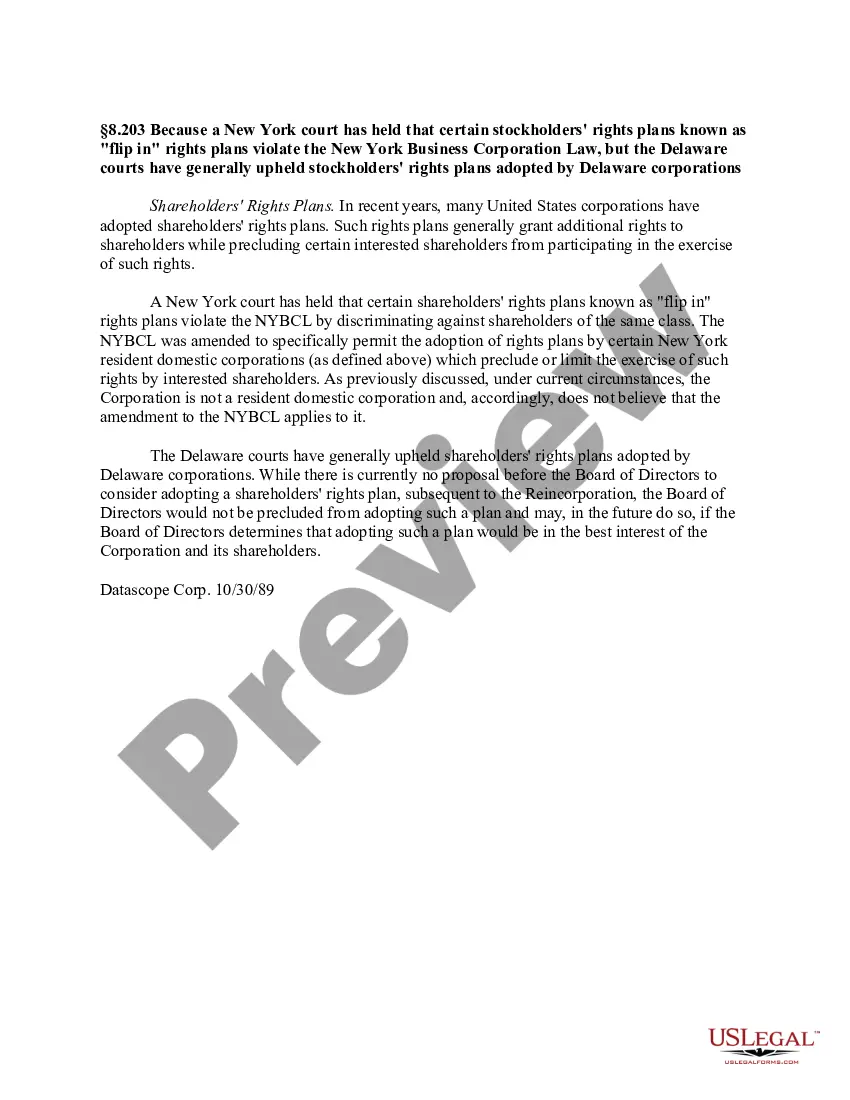

How to fill out Stockholder Derivative Actions?
Choosing the best lawful record design can be quite a struggle. Obviously, there are a variety of themes available on the Internet, but how can you get the lawful form you need? Make use of the US Legal Forms web site. The support delivers thousands of themes, such as the Ohio Stockholder derivative actions, which you can use for organization and private needs. All of the types are checked by professionals and meet up with federal and state requirements.
In case you are previously listed, log in for your accounts and click the Download option to find the Ohio Stockholder derivative actions. Make use of your accounts to check with the lawful types you have purchased earlier. Go to the My Forms tab of your own accounts and get an additional version from the record you need.
In case you are a whole new end user of US Legal Forms, listed below are easy directions for you to comply with:
- Very first, be sure you have chosen the correct form for your personal town/region. You are able to examine the form making use of the Preview option and study the form outline to make certain this is basically the best for you.
- In the event the form will not meet up with your requirements, make use of the Seach field to get the right form.
- Once you are certain that the form would work, click the Acquire now option to find the form.
- Choose the costs prepare you want and enter in the needed information. Make your accounts and pay money for an order utilizing your PayPal accounts or charge card.
- Opt for the data file file format and acquire the lawful record design for your product.
- Comprehensive, modify and produce and indicator the attained Ohio Stockholder derivative actions.
US Legal Forms may be the most significant collection of lawful types where you will find a variety of record themes. Make use of the service to acquire professionally-manufactured papers that comply with state requirements.
Form popularity
FAQ
Rule 32 - Use of Depositions in Court Proceedings (A) Use of depositions. Every deposition intended to be presented as evidence must be filed at least one day before the day of trial or hearing unless for good cause shown the court permits a later filing.
(1) Application for a new trial shall be made by motion which, except for the cause of newly discovered evidence, shall be filed within fourteen days after the verdict was rendered, or the decision of the court where a trial by jury has been waived, unless it is made to appear by clear and convincing proof that the ...
Rule 26 - General Provisions Governing Discovery (A)Policy; discovery methods It is the policy of these rules (1) to preserve the right of attorneys to prepare cases for trial with that degree of privacy necessary to encourage them to prepare their cases thoroughly and to investigate not only the favorable but the ...
Civ. R. 37(F) provides factors for judges to consider when a party seeks sanctions against an opponent who has lost potentially relevant electronically stored information. This rule does not attempt to address the larger question of when the duty to preserve electronically stored information is triggered.
A derivative action may be settled, voluntarily dismissed, or compromised only with the court's approval. Notice of a proposed settlement, voluntary dismissal, or compromise must be given to shareholders or members in the manner that the court orders.
Rule 37 authorizes the court to direct that parties or attorneys who fail to participate in good faith in the discovery process pay the expenses, including attorney's fees, incurred by other parties as a result of that failure.
37. On notice to other parties and all affected persons, a party may move for an order compelling discovery. The motion shall include a certification that the movant has in good faith conferred or attempted to confer with the person or party failing to make discovery in an effort to obtain it without court action.
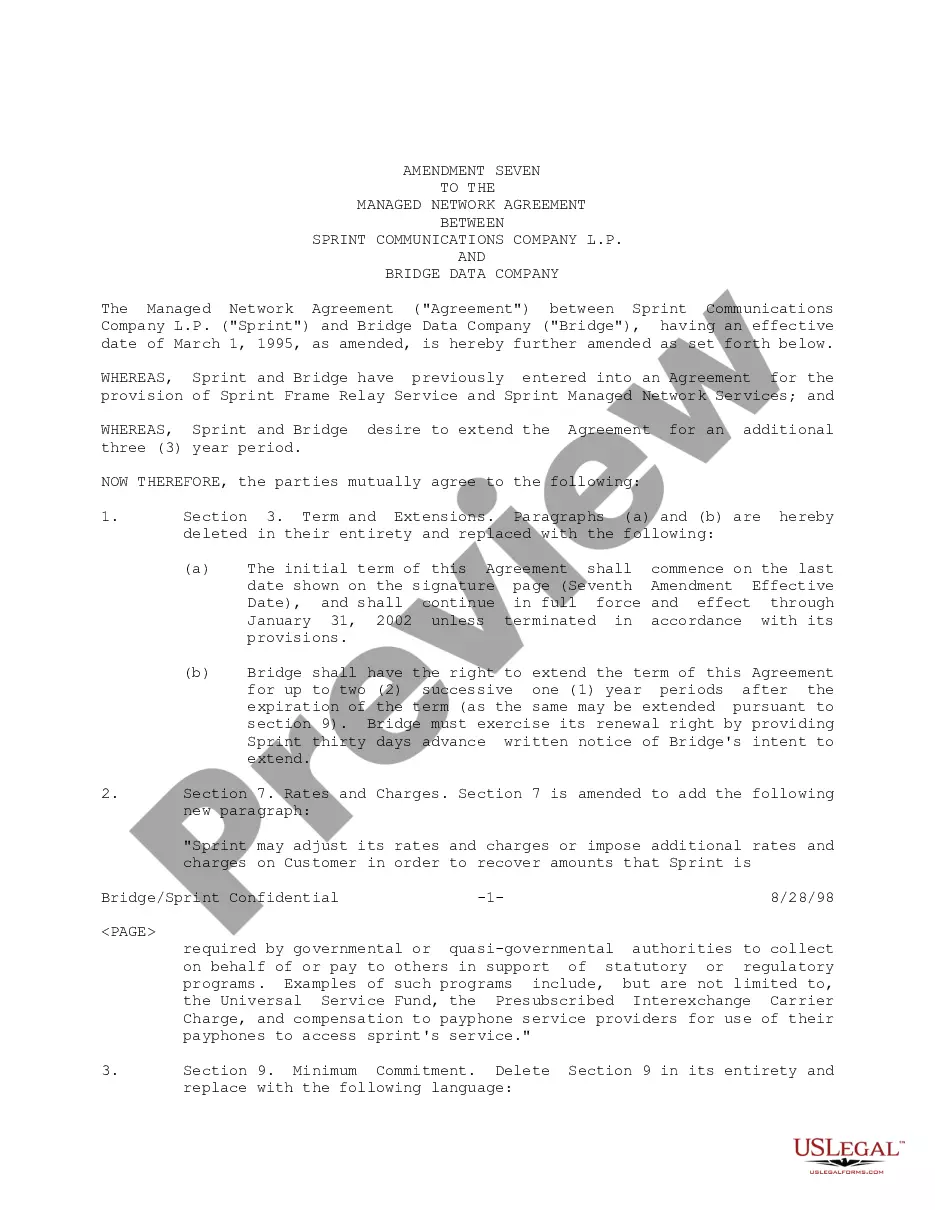
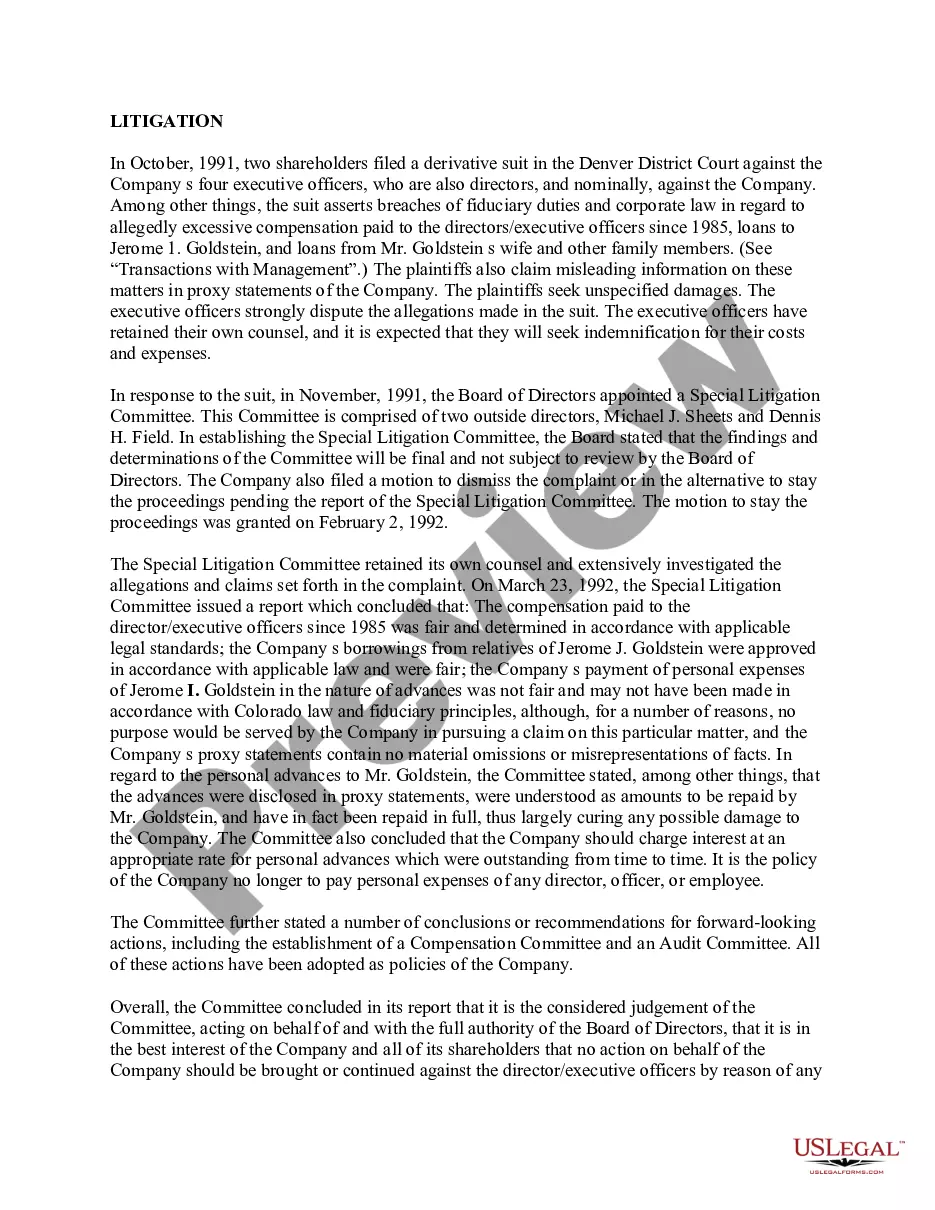
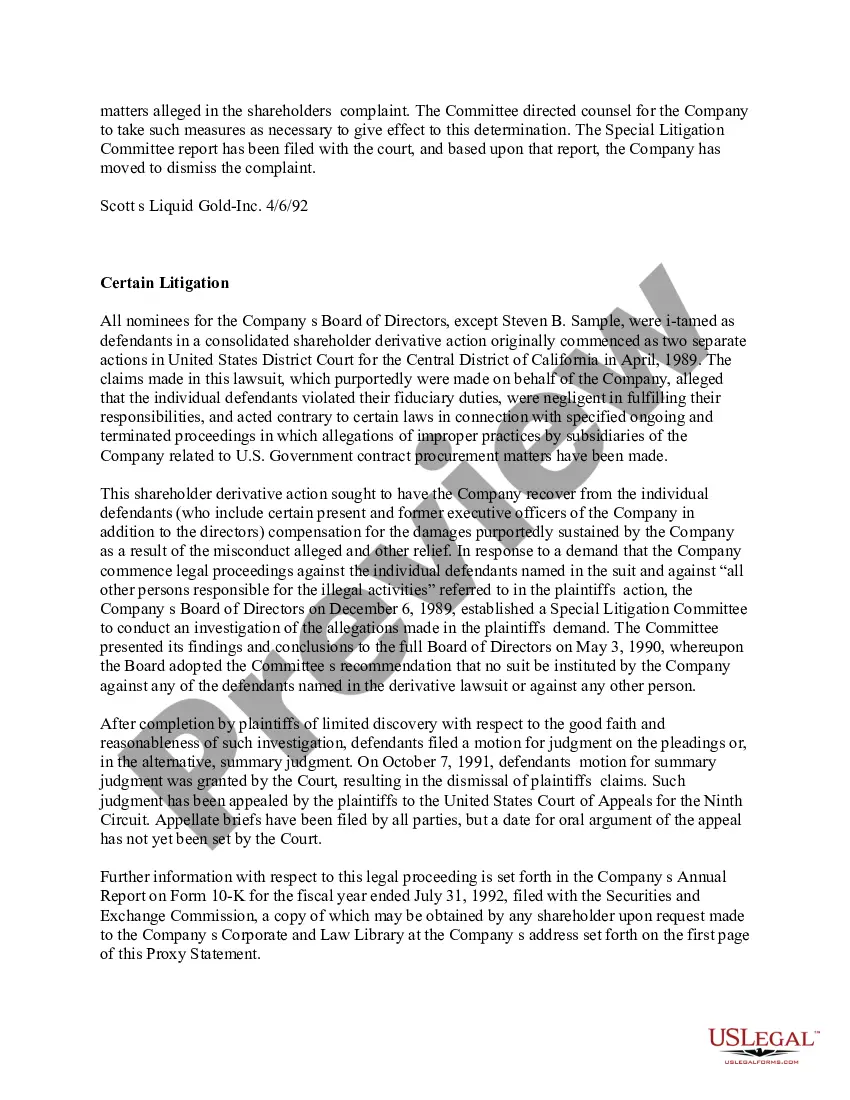
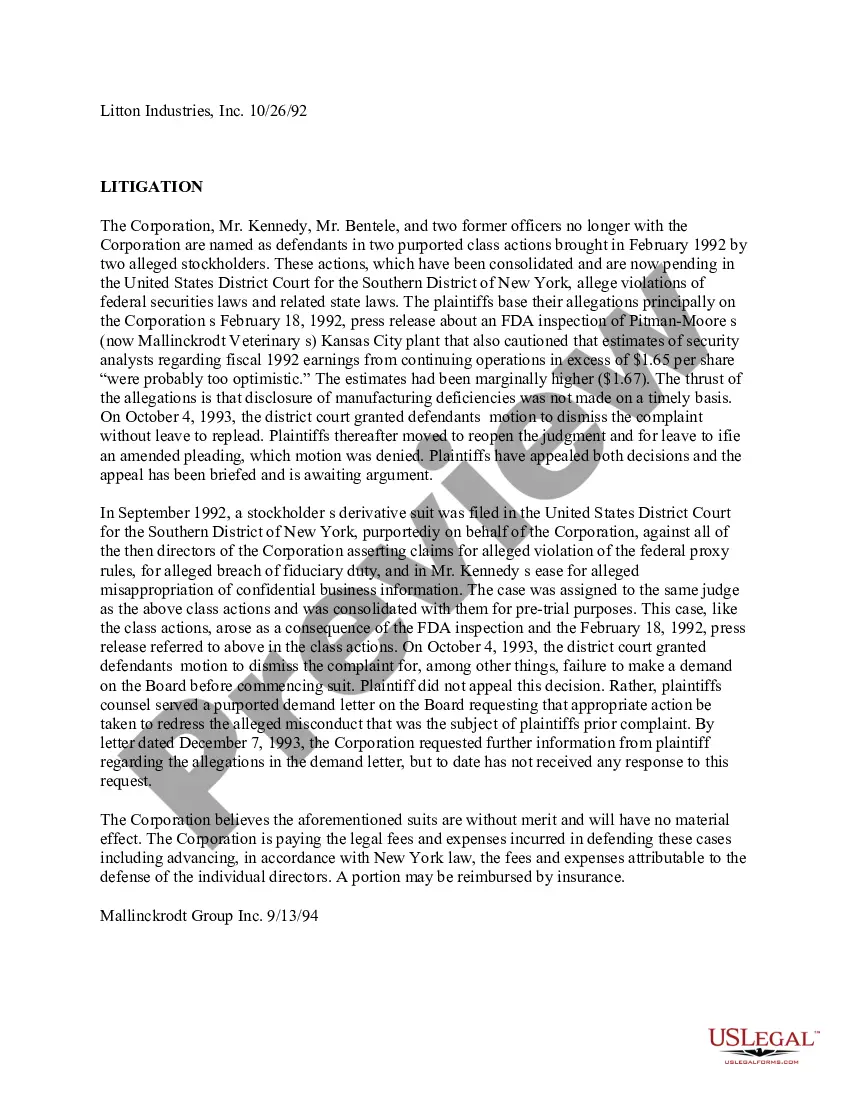
A shareholder (stockholder) derivative suit is a lawsuit brought by a shareholder or group of shareholders on behalf of the corporation against the corporation's directors, officers, or other third parties who breach their duties. The claim of the suit is not personal but belongs to the corporation.