Sample Letter for Property Agreement Settlement - Draft
What is this form?
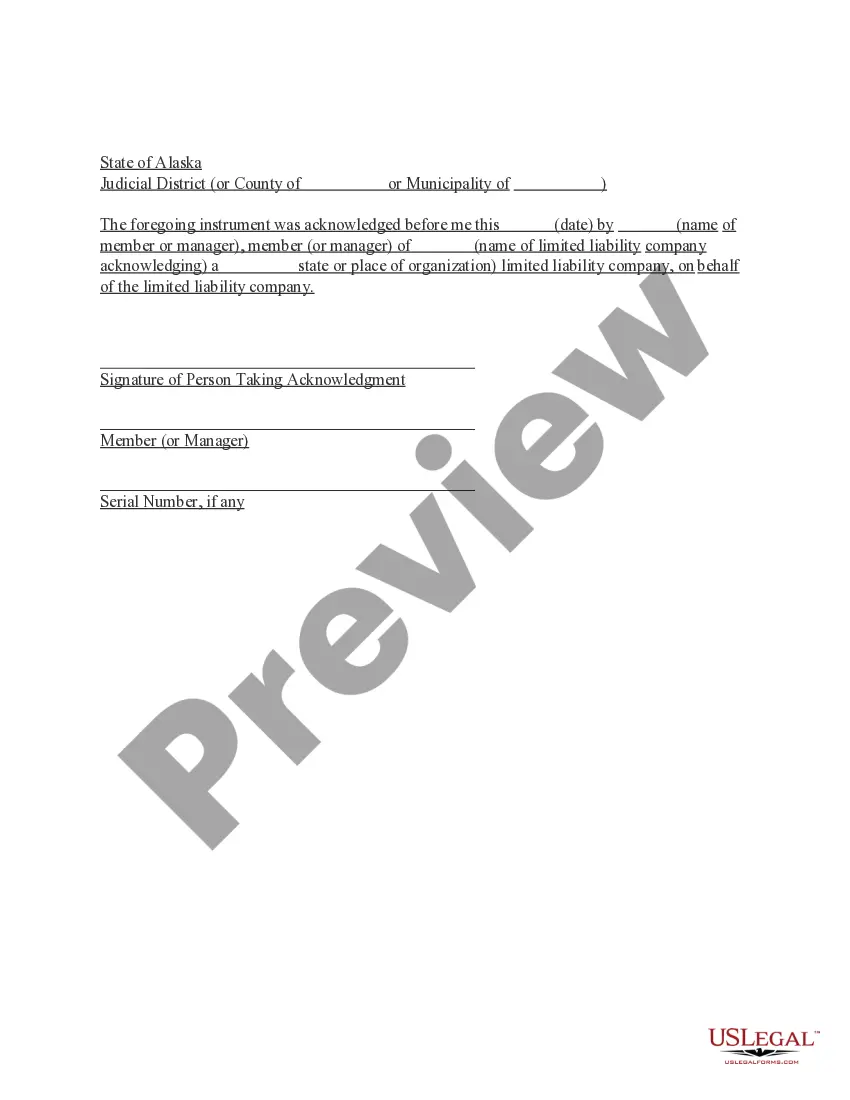
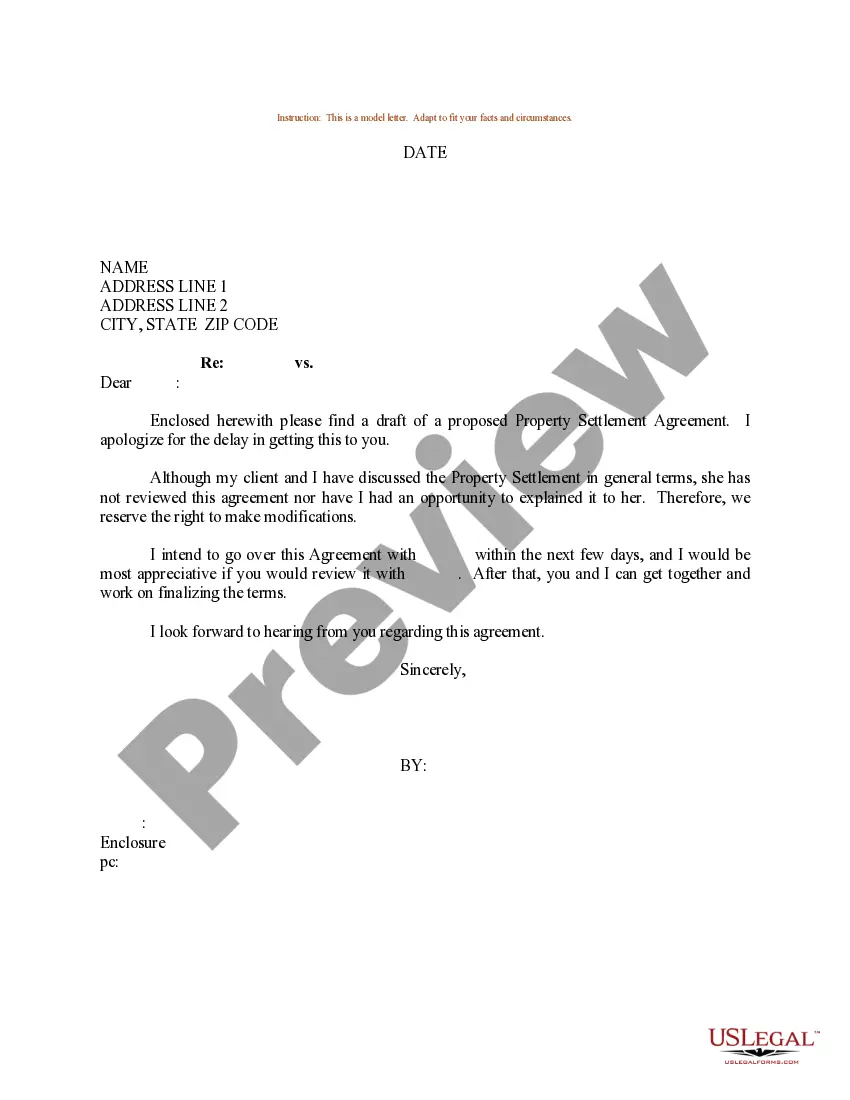
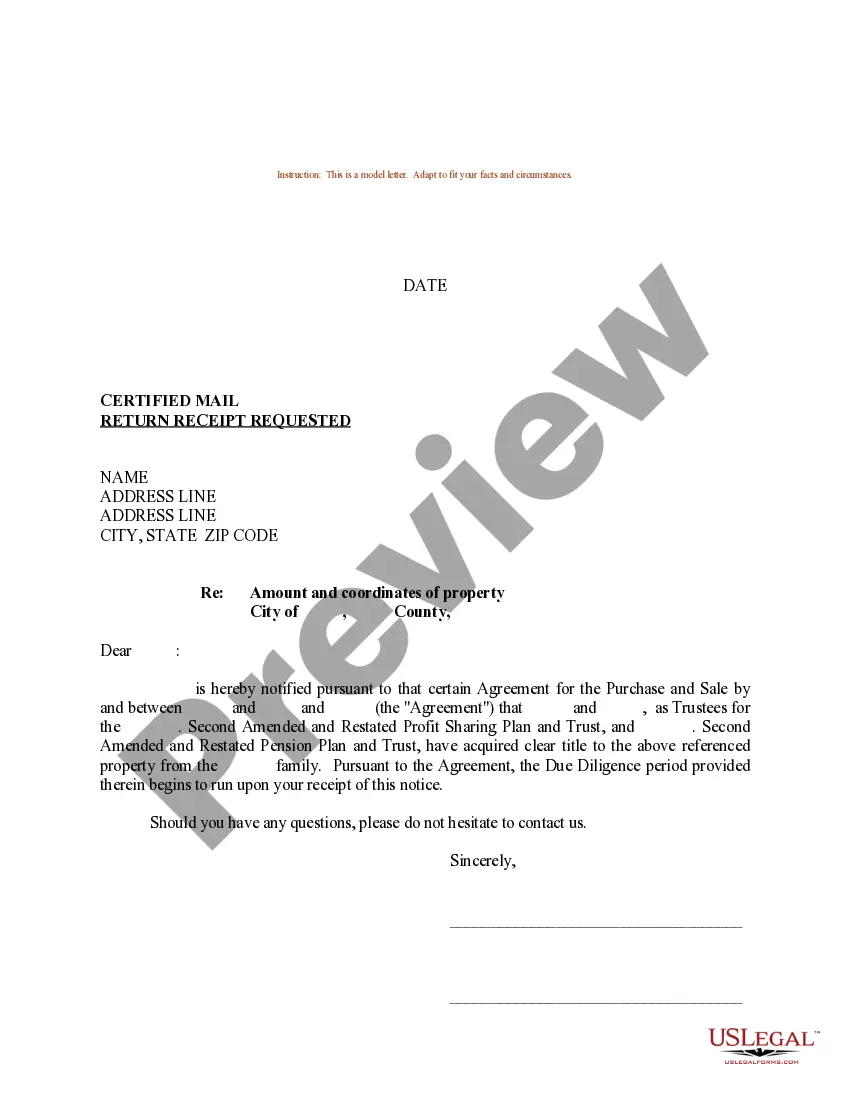
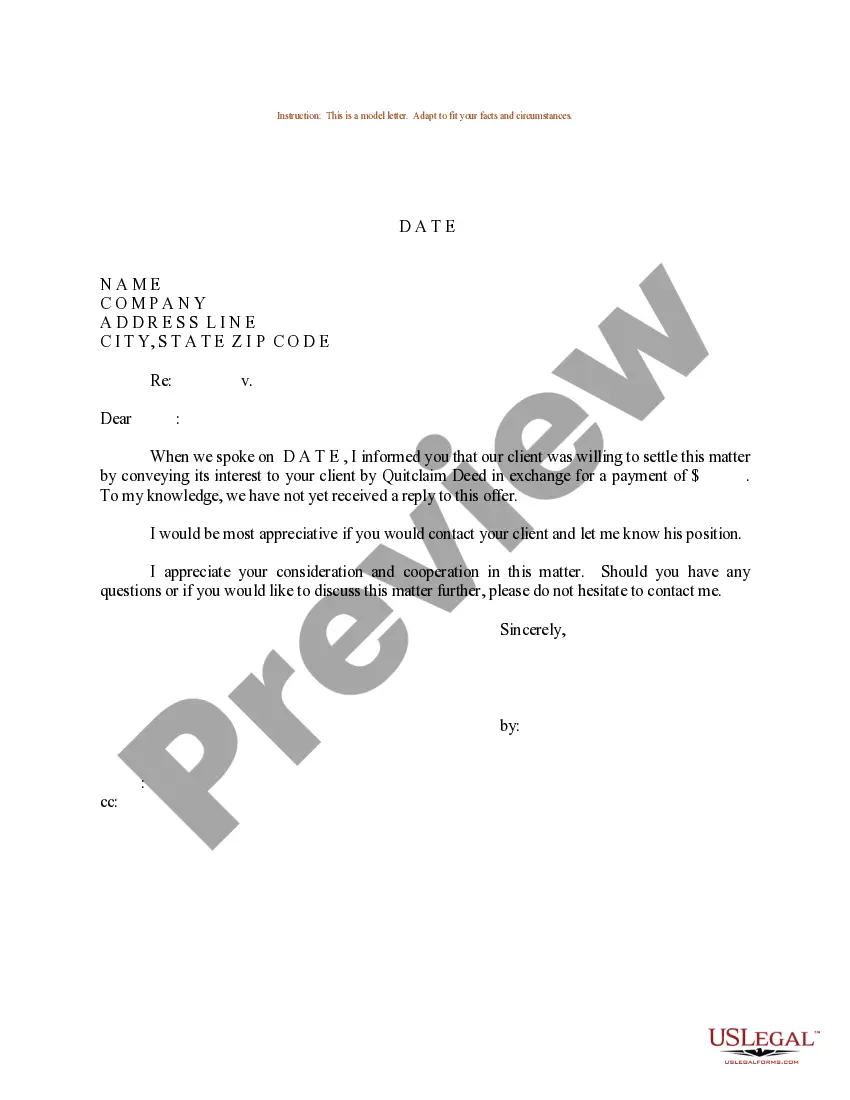
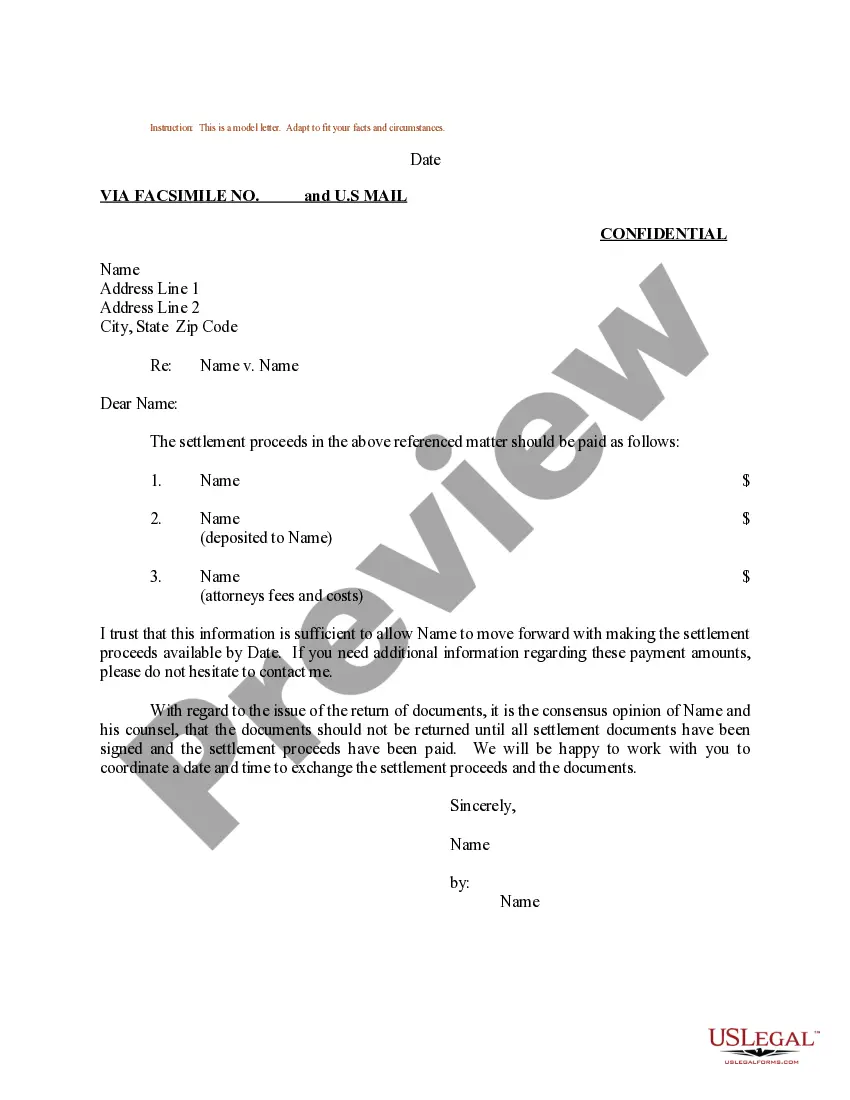
The Sample Letter for Property Agreement Settlement is a template designed to help individuals draft a letter to settle disputes related to property agreements. This form serves as a practical tool for creating a clear and concise communication that outlines terms of the settlement between parties involved in a property dispute. It stands out from other forms as it is specifically focused on facilitating property agreement settlements rather than general correspondence or other types of legal letters.
Form components explained
- Date of the letter
- Name and address of the recipient
- Details regarding the property and terms of the settlement
- Signature line for the sender
Common use cases
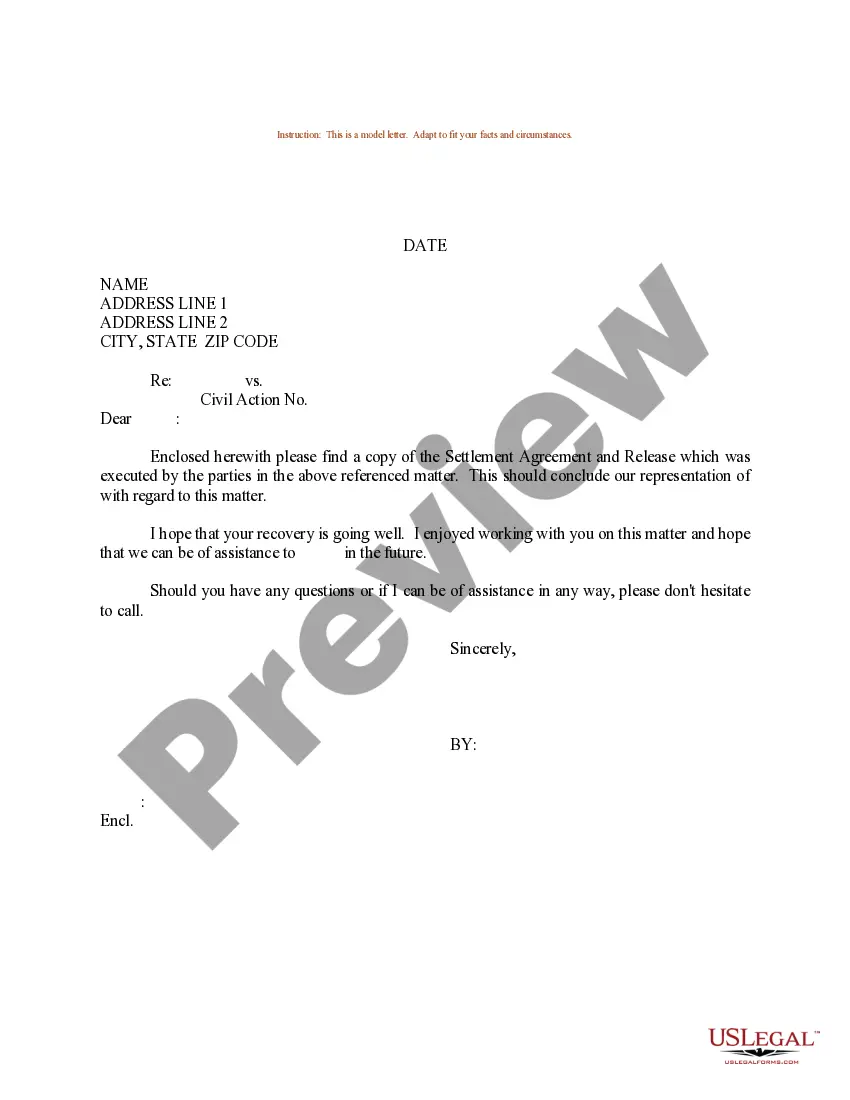
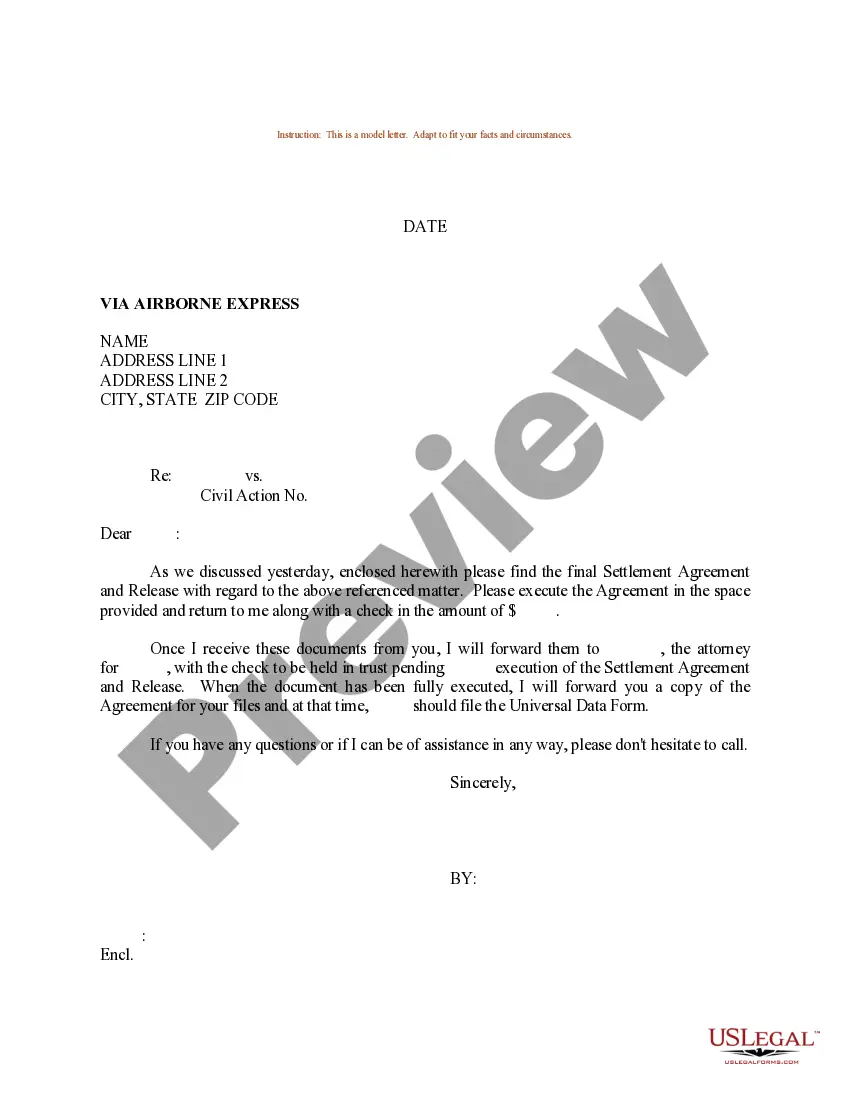
This form is useful in situations where two or more parties have disputes over a property agreement. You may need it when negotiating terms to settle any disagreements amicably or to formalize the terms of a settlement after reaching an agreement verbally. It can be used in various scenarios, such as landlord-tenant disputes, property boundary disagreements, or disputes between co-owners of a property.
Who needs this form
This form is ideal for:
- Property owners involved in a dispute
- Tenants seeking to settle disagreements with landlords
- Individuals looking to clarify terms in co-ownership scenarios
- Real estate professionals assisting clients with property disputes
How to prepare this document
Follow these steps to complete the Sample Letter for Property Agreement Settlement:
- Identify the parties involved and their addresses.
- Specify the date of the letter.
- Detail the property in question and summarize the terms of the settlement.
- Sign the letter to validate your agreement.
- Send the letter to the designated recipient.
Is notarization required?
This form does not typically require notarization unless specified by local law. Notarization can add an extra layer of credibility to the document, but it is generally not a legal requirement for a letter concerning property settlement agreements.
Get your form ready online
Our built-in tools help you complete, sign, share, and store your documents in one place.
Make edits, fill in missing information, and update formatting in US Legal Forms—just like you would in MS Word.
Download a copy, print it, send it by email, or mail it via USPS—whatever works best for your next step.
Sign and collect signatures with our SignNow integration. Send to multiple recipients, set reminders, and more. Go Premium to unlock E-Sign.
If this form requires notarization, complete it online through a secure video call—no need to meet a notary in person or wait for an appointment.
We protect your documents and personal data by following strict security and privacy standards.

Make edits, fill in missing information, and update formatting in US Legal Forms—just like you would in MS Word.

Download a copy, print it, send it by email, or mail it via USPS—whatever works best for your next step.

Sign and collect signatures with our SignNow integration. Send to multiple recipients, set reminders, and more. Go Premium to unlock E-Sign.

If this form requires notarization, complete it online through a secure video call—no need to meet a notary in person or wait for an appointment.

We protect your documents and personal data by following strict security and privacy standards.
Common mistakes to avoid
- Not including the correct date on the letter.
- Omitting important details about the property or terms of the agreement.
- Failing to provide clear contact information for the sender.
- Not signing the letter or missing the required signatures.
Why complete this form online
- Convenience of downloading and editing the template to fit your needs.
- Instant access to a professionally drafted document without the wait.
- Ensures compliance with legal standards through expert guidance.
- Allows you to customize the letter easily for your specific situation.
Legal use & context
- This letter acts as a documented proposal for settling a property dispute.
- A properly completed and signed letter may be enforceable in court, depending on state laws.
- Failure to adhere to any agreed terms documented may lead to further legal consequences.
Quick recap
- The Sample Letter for Property Agreement Settlement serves as a tool for formalizing property dispute resolutions.
- Using a clear and professional format can enhance communication between parties.
- Always ensure compliance with state-specific legal requirements when drafting the letter.
Looking for another form?
Form popularity
FAQ
The Sample Letter for Property Agreement Settlement - Draft is a template that helps parties draft a clear letter to settle disputes over a property agreement. It guides you to include the letter date, the recipient’s name and address, details about the property and the proposed settlement terms, and a signature line for the sender. It supports property owners, tenants, co-owners, and real estate professionals in negotiations.
To draft a settlement letter using this form, enter the date at the top, address the recipient with their name and address, describe the property involved and the proposed settlement terms in clear terms, and finish with a signature line for the sender. The template helps keep terms concise and records the agreement in writing.
This form is a letter template used to communicate terms; it is not by itself a binding contract. A separate property settlement agreement, executed and signed by the parties, would create a binding obligation. The letter can be used to push negotiations and be incorporated into a final agreement.
Common mistakes include vague terms, failing to clearly identify the property and dispute, omitting the date or signature line, not specifying acceptance deadline or next steps, and using incomplete or inconsistent terms. The form helps prevent these by requiring date, recipient details, property and terms, and a signature line.
Yes, a template like this can be used without a lawyer for straightforward settlements, but for complex disputes or enforceability considerations, consult a licensed attorney. This form provides a starting point but does not replace professional advice.
This draft letter is a settlement letter template meant to communicate terms and document negotiations. It includes a date, recipient name/address, property details, terms, and a signature line, but it does not itself create a binding contract. A full property settlement agreement would spell out complete terms and be binding when signed.