Ohio Amendment of Residential Lease
What this document covers
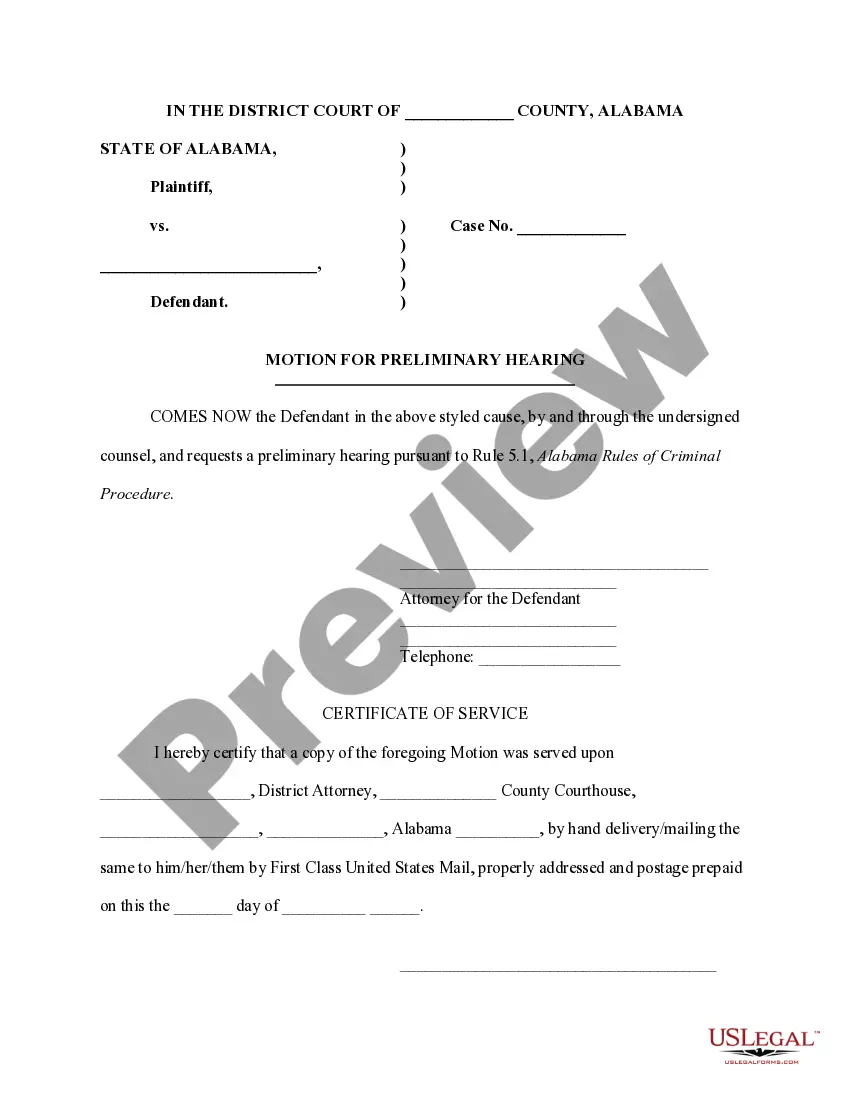
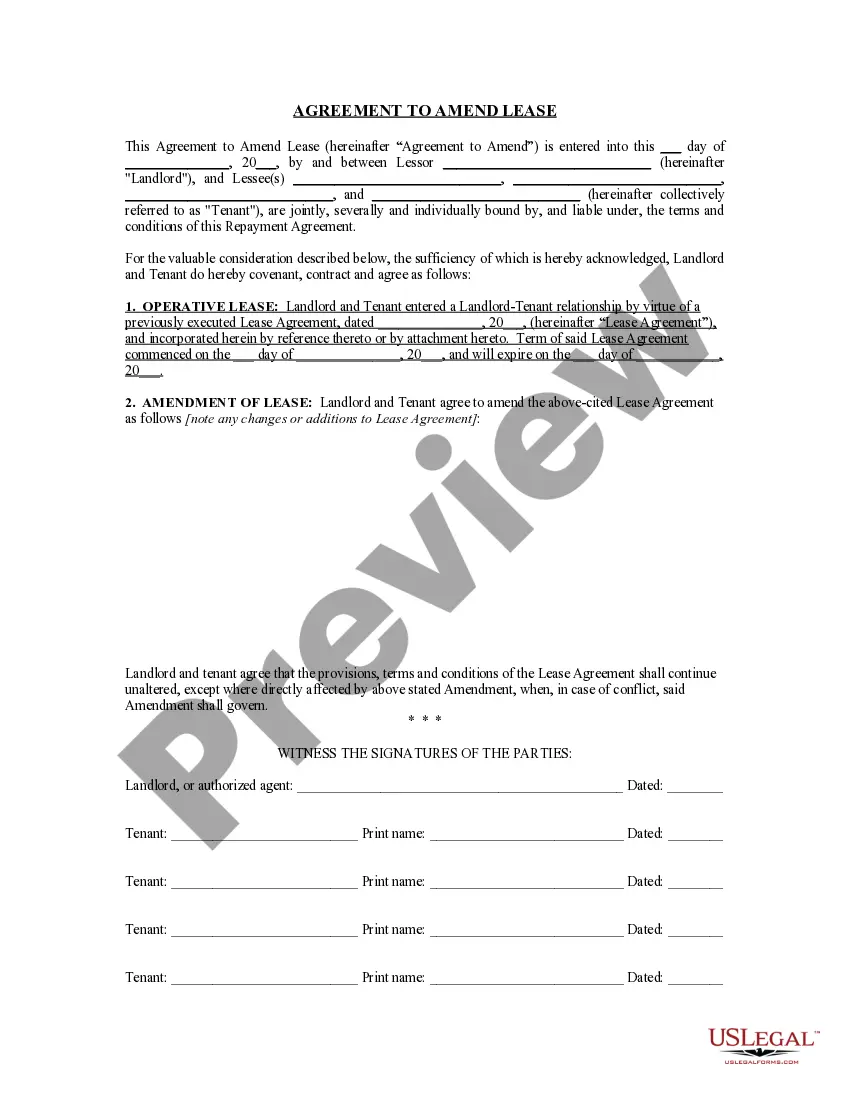
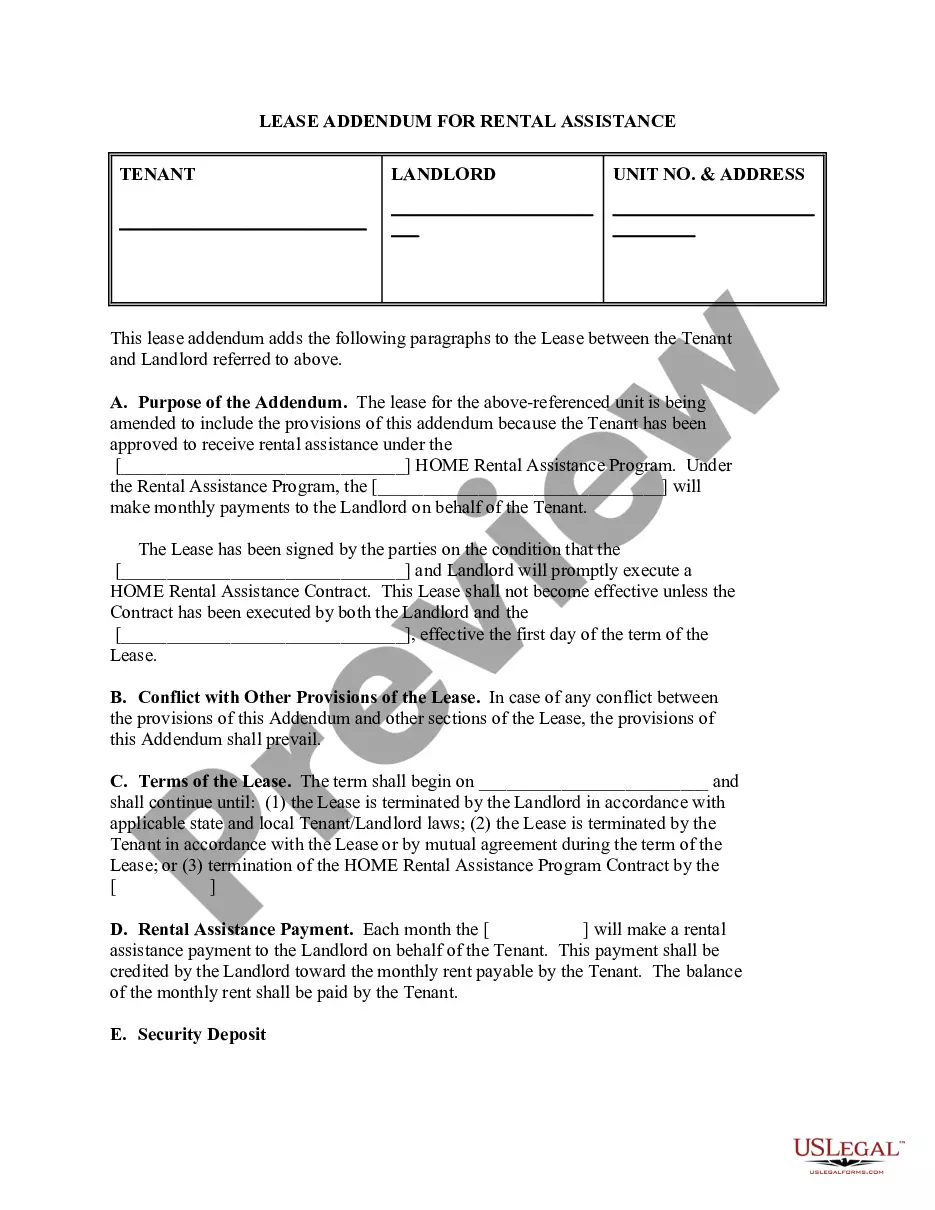
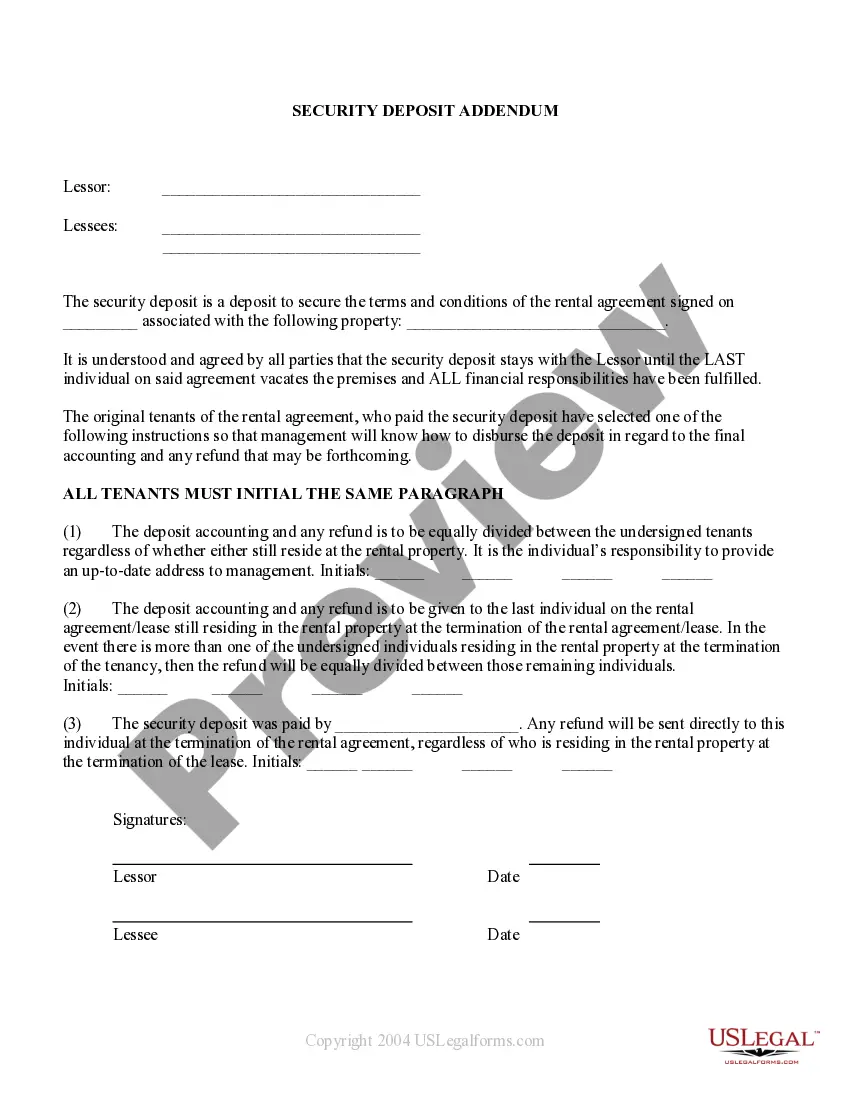
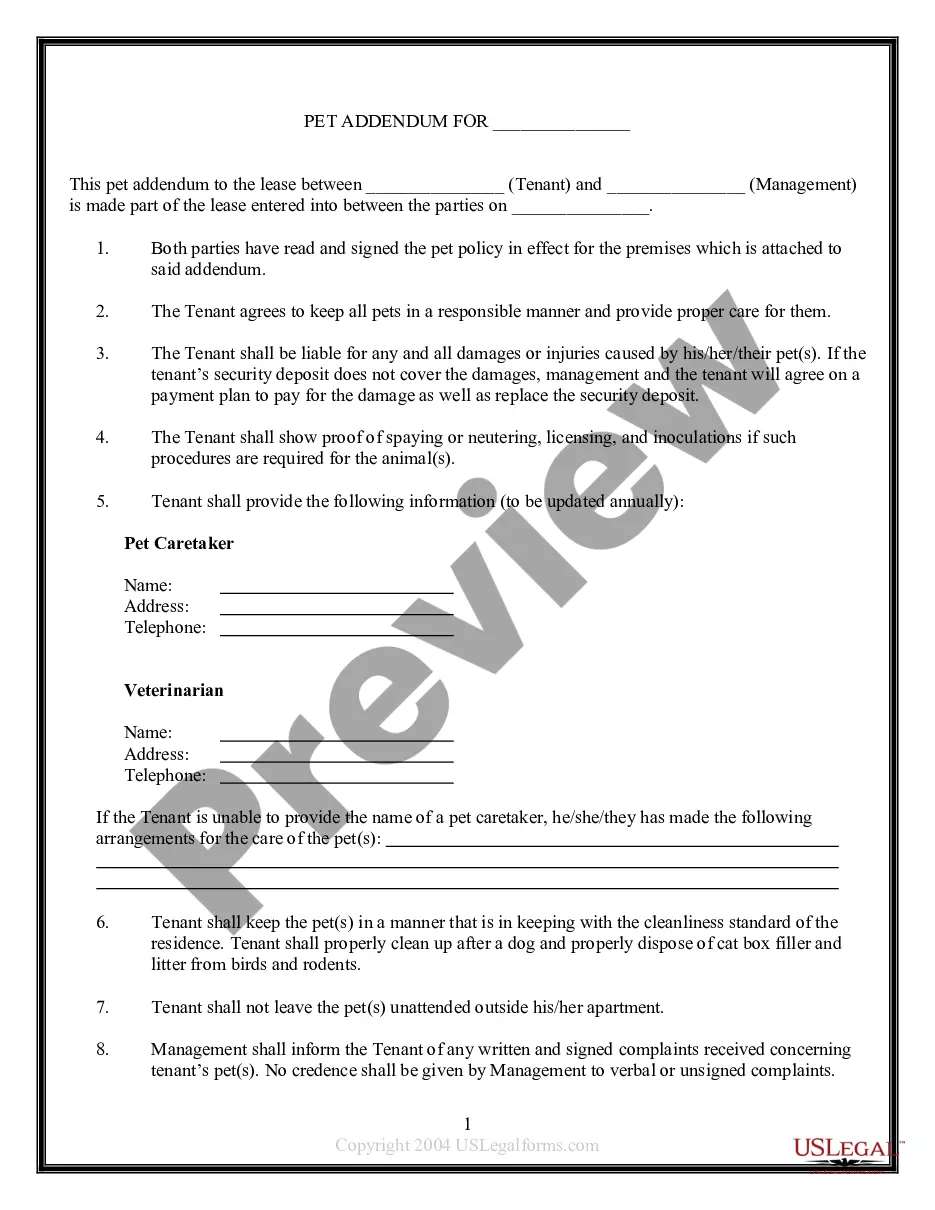
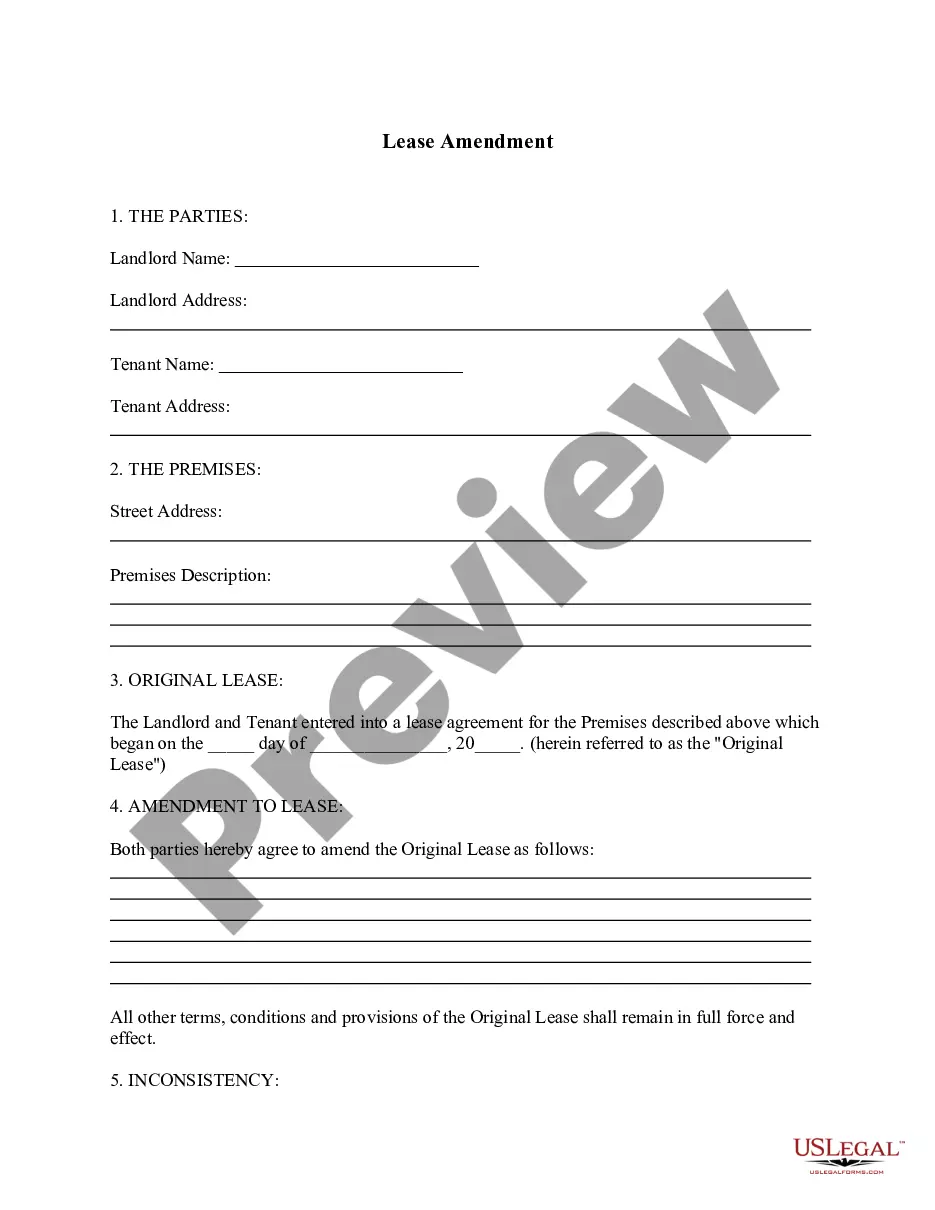
The Amendment of Residential Lease is a legal document that allows landlords and tenants to modify the terms of an existing lease agreement. This form specifically details the changes agreed upon by both parties and incorporates these amendments into the lease. By using this form, landlords and tenants can clarify any modifications to their rental agreement, helping to prevent disputes and ensuring compliance with state laws.
Key components of this form
- Identification of the parties involved: names and addresses of the landlord and tenants.
- Reference to the original lease agreement: date and details of the lease being amended.
- Specific amendments: detailed list of the changes being made to the lease terms, such as rent adjustments or lease term extensions.
- Signatures of all parties: to confirm agreement to the amendments.
- Effective date of amendments: when the changes will take effect.
When to use this form
This form should be used when there are changes that need to be officially documented in a residential lease. Common scenarios include adjusting the amount of rent, extending the lease term, or adding or removing tenant parties from the lease. It ensures that all parties agree to the modifications and that these changes are legally enforceable.
Who needs this form
- Landlords looking to make changes to an existing lease agreement.
- Tenants who want to negotiate modifications to their lease terms.
- Property managers seeking to document agreed amendments on behalf of property owners.
How to complete this form
- Identify the parties: fill in the names and addresses of the landlord and all tenants.
- Reference the original lease: document the date and details of the lease being modified.
- List amendments: clearly specify the changes to the lease agreement, including any new terms.
- Enter the effective date: indicate when the changes will take effect.
- Sign and date: ensure that all parties sign and date the amendment to acknowledge agreement.
Notarization requirements for this form
This form does not typically require notarization unless specified by local law. However, it is always recommended to check any state-specific requirements that may apply to your lease amendments.
Get your form ready online
Our built-in tools help you complete, sign, share, and store your documents in one place.
Make edits, fill in missing information, and update formatting in US Legal Forms—just like you would in MS Word.
Download a copy, print it, send it by email, or mail it via USPS—whatever works best for your next step.
Sign and collect signatures with our SignNow integration. Send to multiple recipients, set reminders, and more. Go Premium to unlock E-Sign.
If this form requires notarization, complete it online through a secure video call—no need to meet a notary in person or wait for an appointment.
We protect your documents and personal data by following strict security and privacy standards.

Make edits, fill in missing information, and update formatting in US Legal Forms—just like you would in MS Word.

Download a copy, print it, send it by email, or mail it via USPS—whatever works best for your next step.

Sign and collect signatures with our SignNow integration. Send to multiple recipients, set reminders, and more. Go Premium to unlock E-Sign.

If this form requires notarization, complete it online through a secure video call—no need to meet a notary in person or wait for an appointment.

We protect your documents and personal data by following strict security and privacy standards.
Mistakes to watch out for
- Failing to properly identify all parties involved in the lease.
- Not referencing the original lease accurately.
- Omitting signatures from all tenants and the landlord.
- Leaving the effective date blank or incorrectly filled in.
Benefits of completing this form online
- Convenience: download and complete the form at your own pace.
- Editability: easily modify details as needed before finalizing the agreement.
- Reliability: forms are drafted by licensed attorneys to ensure legality.
What to keep in mind
- The Amendment of Residential Lease is essential for legally modifying lease agreements.
- Accurate identification and clarity of changes prevent disputes between parties.
- Ensure all necessary parties sign and date the amendment for legal validity.
Looking for another form?

Form popularity
FAQ
Changing the tenancy agreement A tenancy agreement can normally only be changed if both you and your landlord agree. If you both agree, the change should be recorded in writing, either by drawing up a new written document setting out the terms of the tenancy or by amending the existing written tenancy agreement.
Military Members Can Often Break Their Lease Legally. Ohio Lease Termination Over Privacy Rights. Breaking Lease Due to Fear of Safety in Ohio. Constructive Eviction Means the Lease Is Already Broken. Get Everything in Writing. Take Photographs.
Changing the tenancy agreement A tenancy agreement can normally only be changed if both you and your landlord agree. If you both agree, the change should be recorded in writing, either by drawing up a new written document setting out the terms of the tenancy or by amending the existing written tenancy agreement.
An addendum must include the basic elements of any landlord/tenant agreement. You should include the date, the address of the rental property and the names of each party just as you would in the original lease.
A Lease Amendment is a handy tool for both landlords and tenants, making it simple for both parties to document an agreement to modify the terms of the original lease. Essentially, it allows you to change certain terms, while leaving the rest of the lease intact and in full effect.
Tenants in the state of Ohio are granted certain rights by the state's landlord-tenant code, including the right to fair housing, the right to a return of the security deposit, and the right to notice before landlord entry.
Your tenancy agreement should say how much notice you need to give your landlord before you leave the property. You're responsible for paying rent for your entire fixed-term tenancy. You can move out early without paying rent for the full tenancy if: there is a break clause in your tenancy agreement.
A landlord can evict a tenant in Ohio for not paying rent or violating the lease, among other reasons. Before evicting the tenant, the landlord must first terminate the tenancy and give the tenant notice asking the tenant to vacate the rental unit.
Your landlord can change a rental agreement at any time during the term of the agreement, with or without your consent. Changes must be made with adequate notice; notice periods are 30 days in most states. Changing a lease is harder because both parties must consent to almost any change.