Alabama Waiver of Notice
Overview of this form
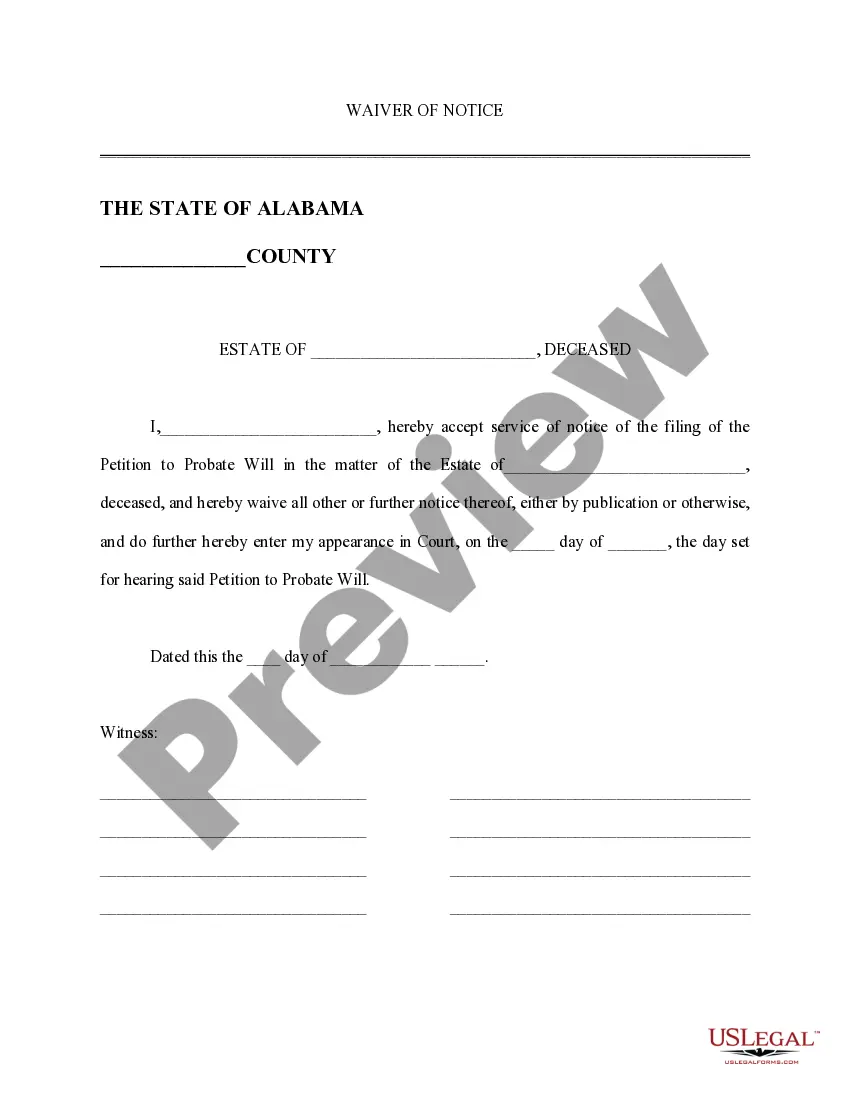
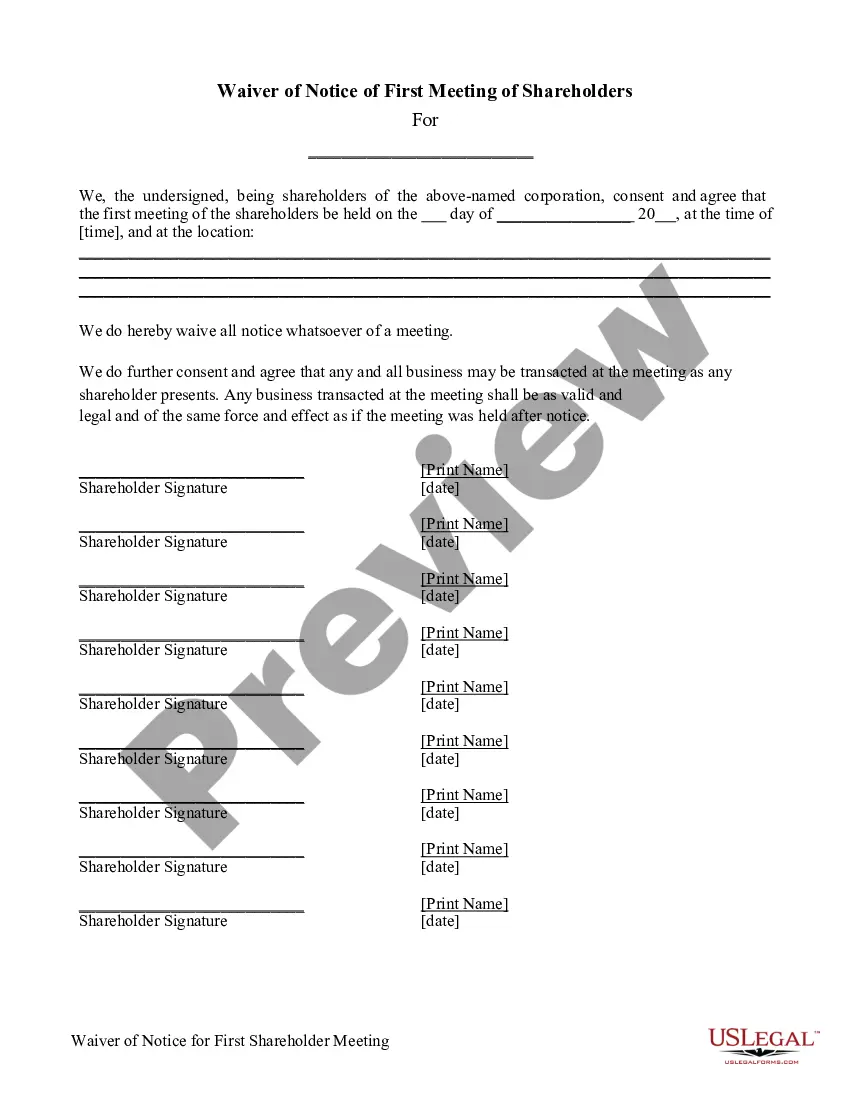
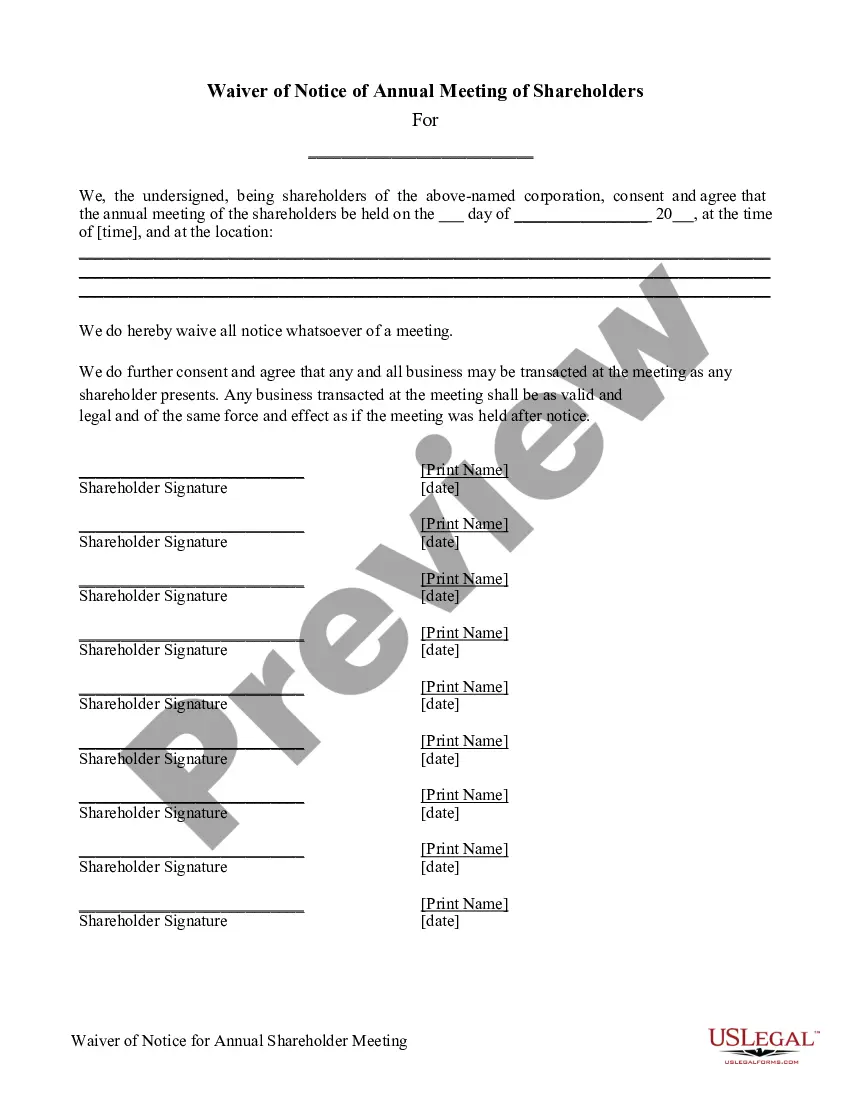
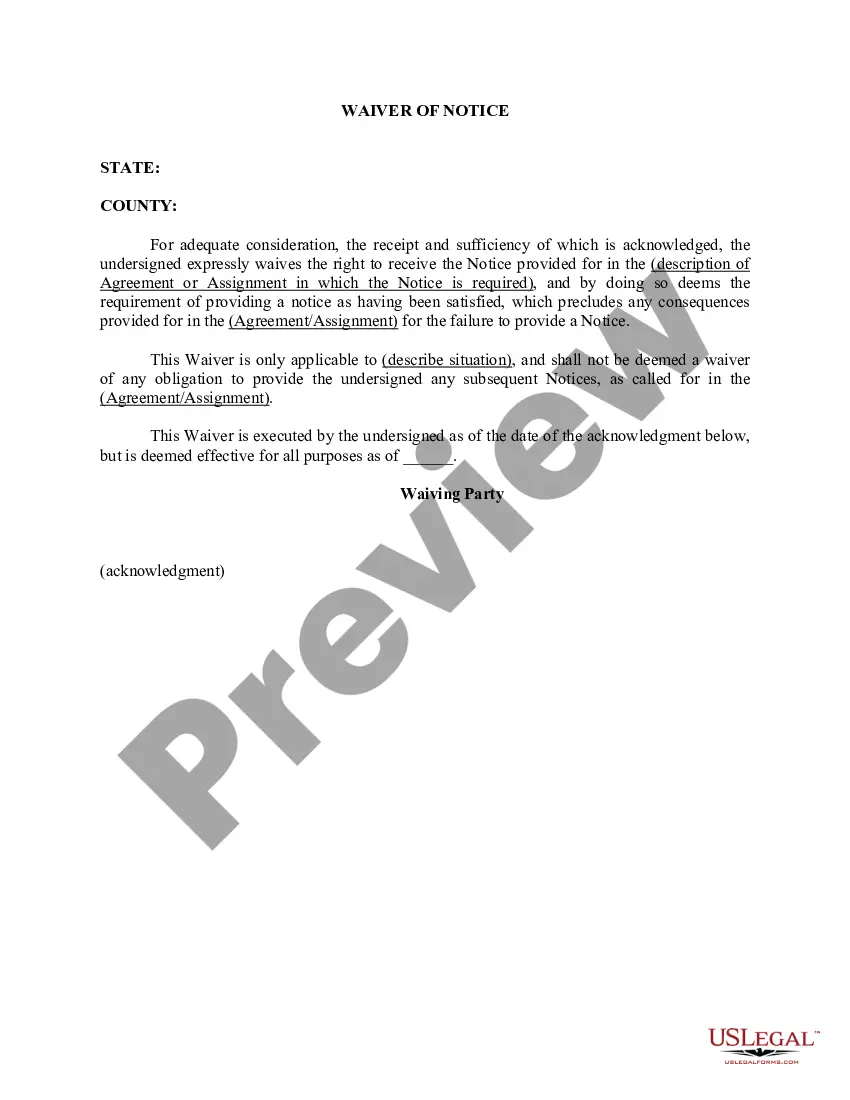
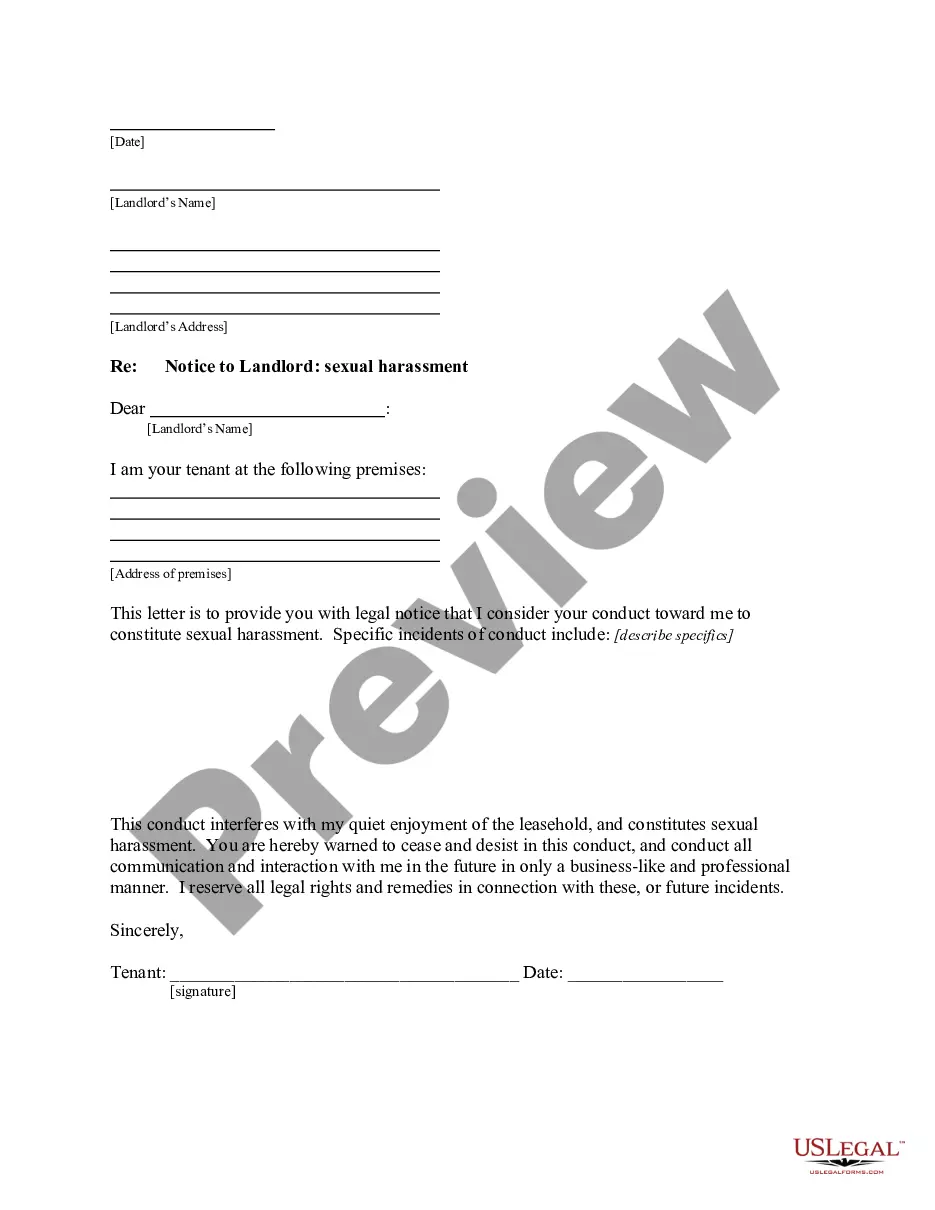
The Waiver of Notice is a legal document that allows an individual to voluntarily give up their right to receive formal notice when a will is being probated. This form simplifies the legal process by providing consent to the appointment of an executor or administrator without requiring notice of the hearing on the petition or the ability to contest the probate of the will. Unlike other legal notices that may require formal communications, this waiver streamlines the progression of probate proceedings.
Key components of this form
- Identification of the deceased's estate.
- Acceptance of service of notice for the filing of the Petition to Probate Will.
- Waiver of any additional notice by publication or otherwise.
- Entry of appearance in court for the specified hearing date.
- Signature fields for the party waiving notice and witness signatures.
When to use this document
This form is useful in scenarios where an interested party, such as an heir or beneficiary, wants to expedite the probate process by waiving their right to notice. This can occur when the party is aware of the petition to probate and wishes to avoid delays associated with formal notifications, thereby facilitating the timely appointment of the executor or administrator of the estate.
Intended users of this form
- Heirs or beneficiaries of the deceased's estate.
- Persons with a legal interest in the estate who seek to avoid formal notice.
- Individuals aiming to streamline probate proceedings.
Instructions for completing this form
- Provide the name of the deceased and the title of their estate.
- Indicate your name as the party waiving notice.
- Enter the date set for the court hearing regarding the probate petition.
- Sign and date the form to formally acknowledge the waiver.
- Include witness signatures if required by local law.
Notarization requirements for this form
This form does not typically require notarization unless specified by local law. Users should check their jurisdiction's requirements to ensure compliance.
Get your form ready online
Our built-in tools help you complete, sign, share, and store your documents in one place.
Make edits, fill in missing information, and update formatting in US Legal Forms—just like you would in MS Word.
Download a copy, print it, send it by email, or mail it via USPS—whatever works best for your next step.
Sign and collect signatures with our SignNow integration. Send to multiple recipients, set reminders, and more. Go Premium to unlock E-Sign.
If this form requires notarization, complete it online through a secure video call—no need to meet a notary in person or wait for an appointment.
We protect your documents and personal data by following strict security and privacy standards.

Make edits, fill in missing information, and update formatting in US Legal Forms—just like you would in MS Word.

Download a copy, print it, send it by email, or mail it via USPS—whatever works best for your next step.

Sign and collect signatures with our SignNow integration. Send to multiple recipients, set reminders, and more. Go Premium to unlock E-Sign.

If this form requires notarization, complete it online through a secure video call—no need to meet a notary in person or wait for an appointment.

We protect your documents and personal data by following strict security and privacy standards.
Mistakes to watch out for
- Failing to fill in all required fields accurately.
- Not signing the form before submission.
- Overlooking the necessity of witnesses if required.
- Missing the court date mentioned in the form.
Advantages of online completion
- Convenience of filling out the form from home.
- Editable fields allow for accurate and personalized information.
- Instant access to a legally vetted document, reducing delays.
- Secure download and storage of your completed form.
Legal use & context
- The Waiver of Notice is legally valid upon completion and signature.
- It is commonly used in probate cases to expedite processes.
- Waiving notice does not affect an individual's right to challenge a will later if they choose to do so.
Summary of main points
- The Waiver of Notice simplifies probate processes by allowing interested parties to forgo formal notices.
- Proper completion and submission expedite the appointment of an executor or administrator.
- It is important to understand local laws regarding the waiver and any potential necessity for notarization.
Looking for another form?

Form popularity
FAQ
Probate is the legal process through which property is transferred after a property owner's death. Generally speaking, probate calls for the gathering of all assets, paying off debts and distributing any remaining assets in accordance with an estate plan and the law.
If you are named in someone's will as an executor, you may have to apply for probate. This is a legal document which gives you the authority to share out the estate of the person who has died according to the instructions in the will. You do not always need probate to be able to deal with the estate.
Probate is a legal process that takes place after someone dies.proving in court that a deceased person's will is valid (usually a routine matter) identifying and inventorying the deceased person's property. having the property appraised. paying debts and taxes, and.
Probate may be required when a person has passed away and leaves behind certain kinds of assets. For example, if there is money in a bank account and the deceased was the sole account holder, the financial institution may ask for a grant of probate before they will release the funds to the executor.