Alabama Proof of Will - Self-Proving
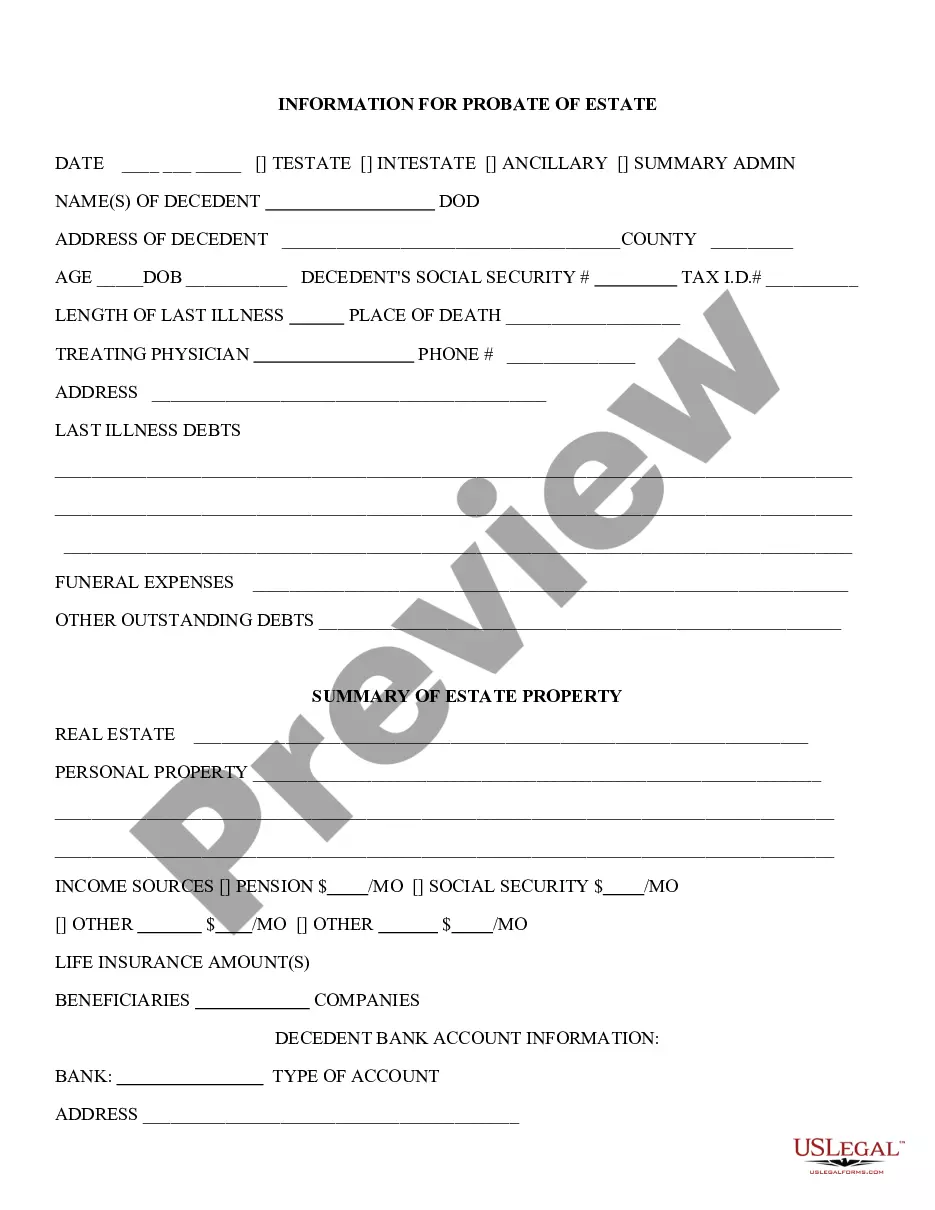
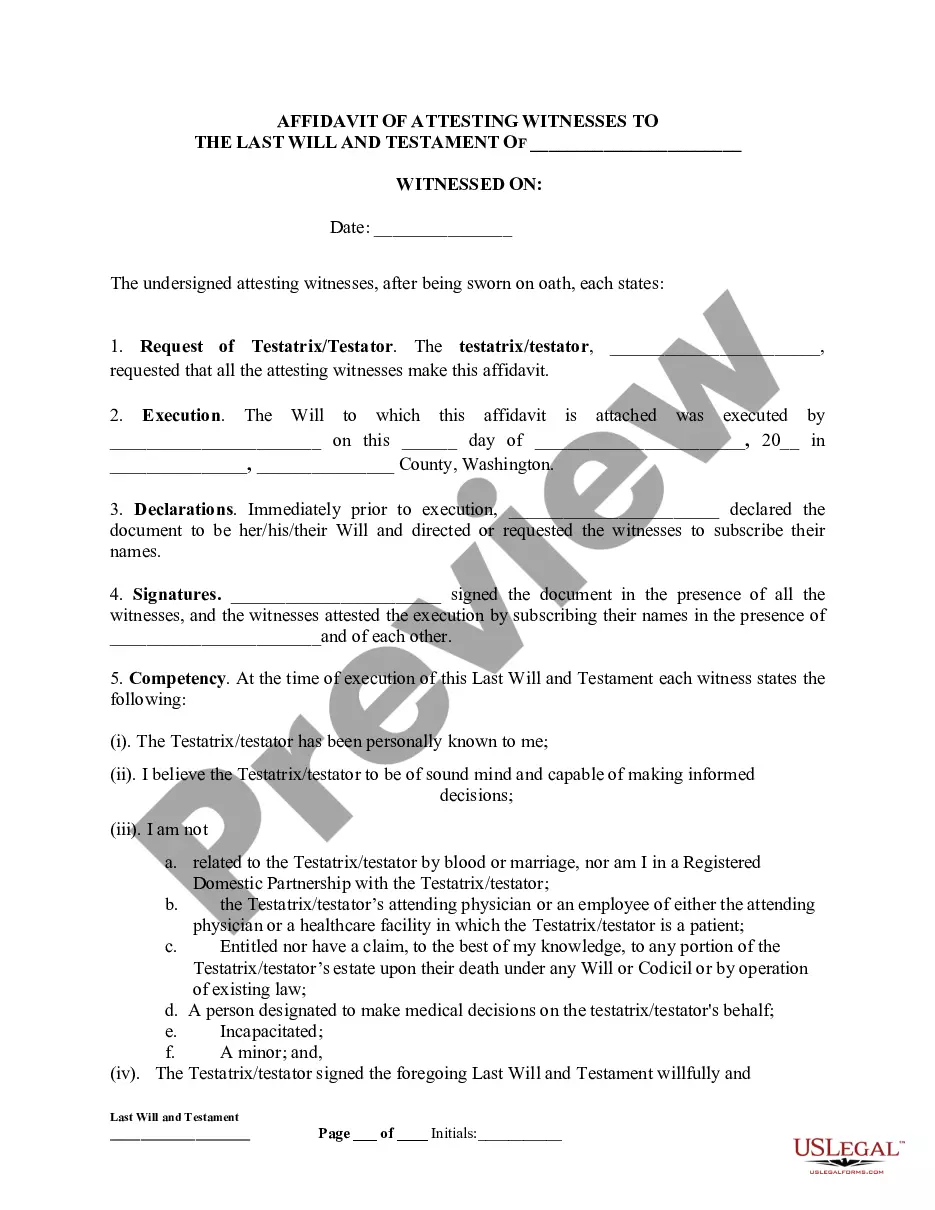
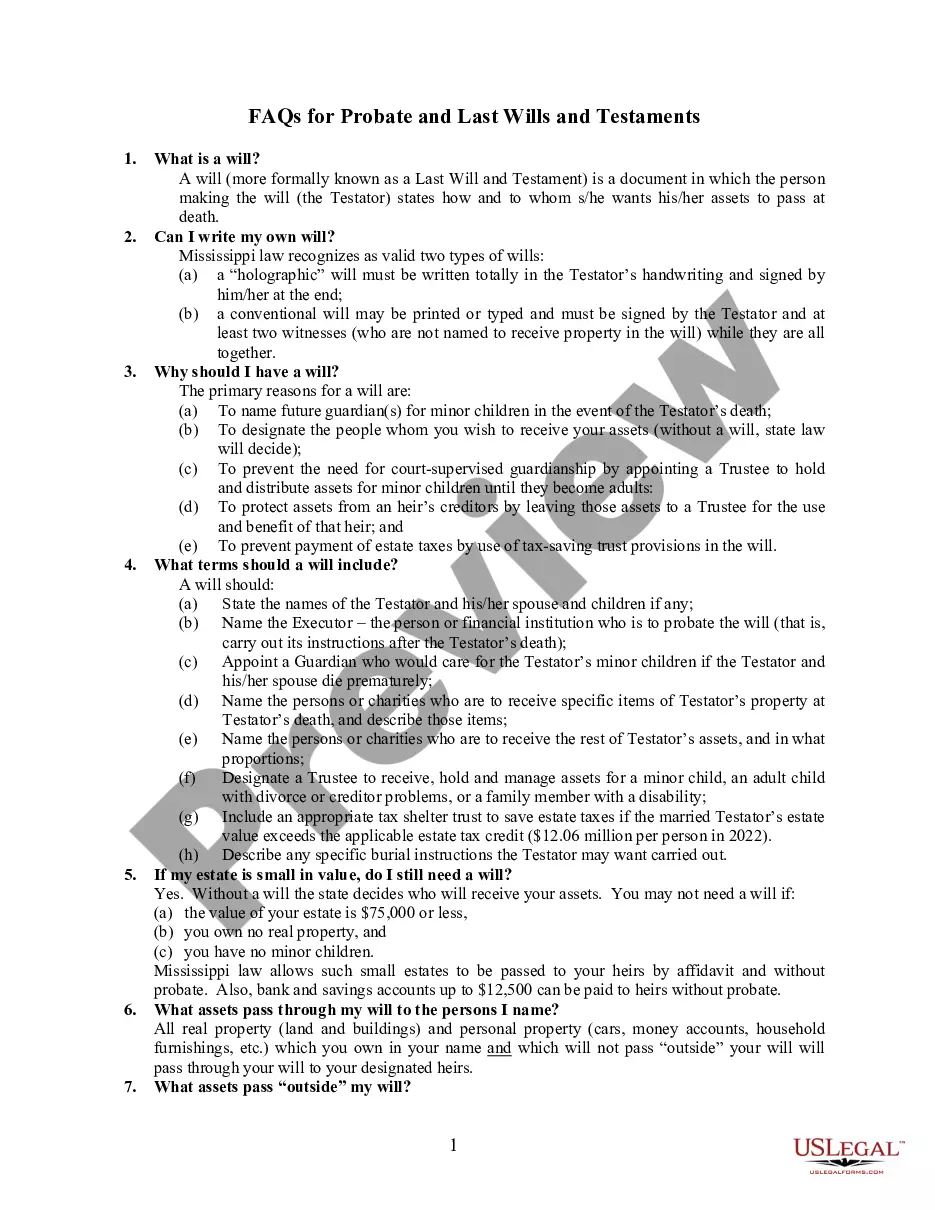
Understanding this form
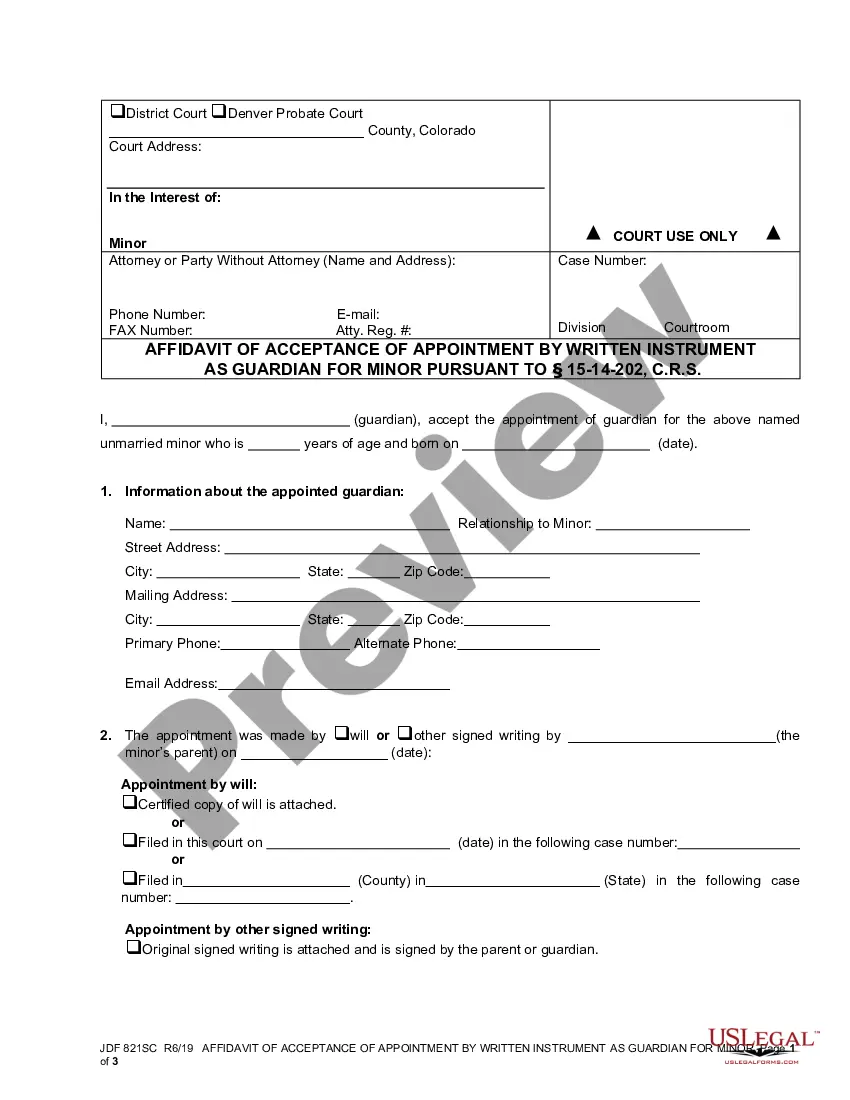
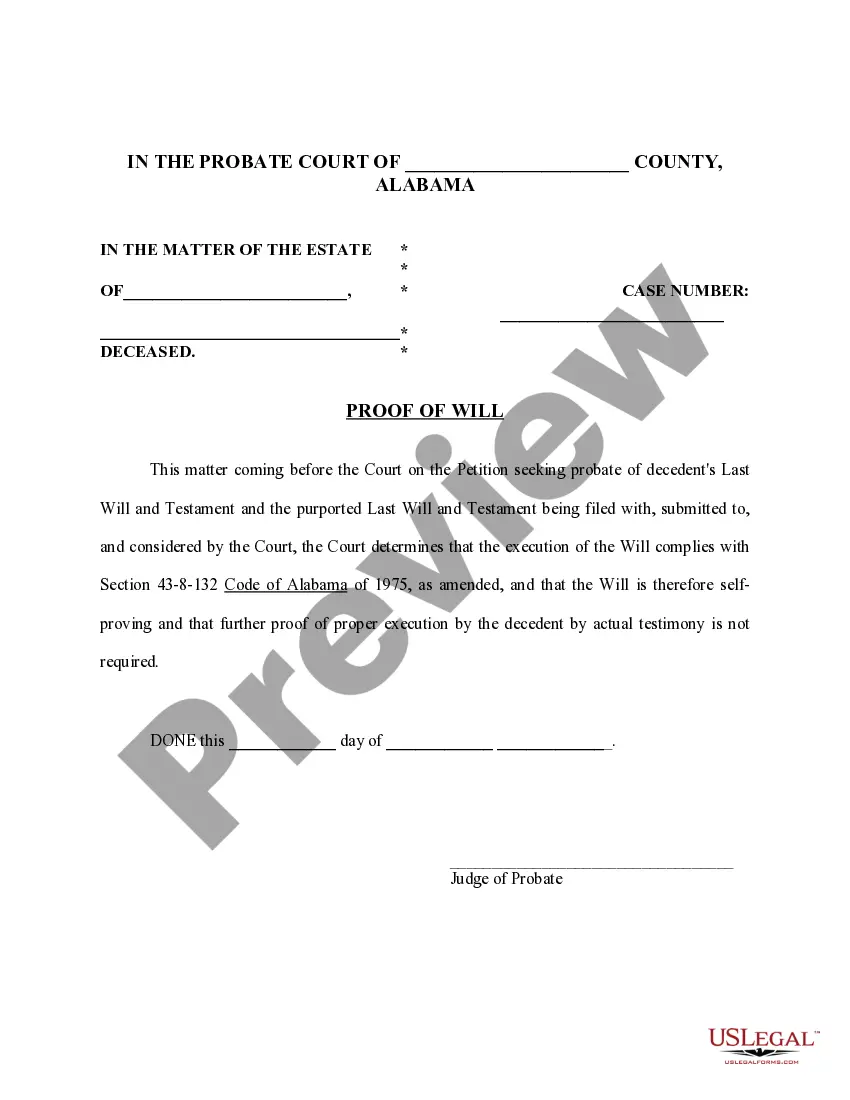
The Proof of Will - Self-Proving form is a legal document used in Alabama to establish that a will has been properly executed according to state law, specifically Section 43-8-132 of the Code of Alabama of 1975. This form confirms that a will is self-proving, meaning it does not require additional evidence or witness testimony to validate its execution. Utilizing this form can simplify the probate process by eliminating the need for court testimonies about the will's validity.
Form components explained
- The title identifying the purpose of the document as a proof of will.
- Details of the court where the will is being probated.
- The decedent's name, which the will pertains to.
- A declaration by the court confirming the will's compliance with legal requirements.
- The signature of the Judge of Probate to validate the document.
When to use this document
This form is essential when a decedent's will is submitted for probate in Alabama. It is used when the court establishes that the will has been executed in accordance with state law, thereby allowing it to be treated as a self-proving document. This form is typically used to expedite probate proceedings by removing the necessity for witness testimonies that can otherwise delay the process.
Who needs this form
- Executors or personal representatives of a deceased person's estate in Alabama.
- Family members or heirs looking to settle an estate without complications.
- Individuals who have a will that meets the requirements for being self-proving.
Steps to complete this form
- Begin by entering the name of the county where the probate court is located.
- Fill in the name of the decedent whose will is being probated.
- Provide the case number assigned to the probate matter.
- Complete the statement field indicating that the will complies with Alabama law.
- Sign and date the form in the designated area where the Judge of Probate will also sign.
Notarization guidance
This form does not typically require notarization unless specified by local law. Additionally, it is advisable to check with the probate court for any specific requirements related to notarization during the probate process.
Get your form ready online
Our built-in tools help you complete, sign, share, and store your documents in one place.
Make edits, fill in missing information, and update formatting in US Legal Forms—just like you would in MS Word.
Download a copy, print it, send it by email, or mail it via USPS—whatever works best for your next step.
Sign and collect signatures with our SignNow integration. Send to multiple recipients, set reminders, and more. Go Premium to unlock E-Sign.
If this form requires notarization, complete it online through a secure video call—no need to meet a notary in person or wait for an appointment.
We protect your documents and personal data by following strict security and privacy standards.

Make edits, fill in missing information, and update formatting in US Legal Forms—just like you would in MS Word.

Download a copy, print it, send it by email, or mail it via USPS—whatever works best for your next step.

Sign and collect signatures with our SignNow integration. Send to multiple recipients, set reminders, and more. Go Premium to unlock E-Sign.

If this form requires notarization, complete it online through a secure video call—no need to meet a notary in person or wait for an appointment.

We protect your documents and personal data by following strict security and privacy standards.
Common mistakes
- Failing to enter the correct county name where the will is being submitted.
- Not including the case number, which may delay probate proceedings.
- Missing the Judge's signature, which is necessary for the document to be valid.
Benefits of using this form online
- Convenient access to the form for immediate download and completion.
- Editability allows you to personalize the form based on specific details.
- Reliable guidance ensuring compliance with Alabama's legal standards.
Legal use & context
- The self-proving nature of this Will reduces the need for additional witness testimony during probate.
- It is important for ensuring that the Will is accepted by the probate court without complications.
What to keep in mind
- The Proof of Will - Self-Proving form streamlines the probate process in Alabama.
- This form is specifically designed to meet Alabama's legal requirements for self-proving Wills.
- Accurate completion is vital to avoid delays in probate proceedings.
Looking for another form?
Form popularity
FAQ
Write your will. You can work with a lawyer or use an online will kit like Fabric's to write your will. Grab the right self-proving affidavit form. Take your witnesses to a notary public. Sign the form. Store the affidavit with your will.
It must be in writing. Generally, of course, wills are composed on a computer and printed out. The person who made it must have signed and dated it. A will must be signed and dated by the person who made it. Two adult witnesses must have signed it. Witnesses are crucial.
A last will and testament in Alabama must be in writing and signed by the testator (the person writing the will), or at the testator's direction and in his or her presence. The will also has to be witnessed and signed by at least two people.
You can make your own will in Alabama, using Nolo's Quicken WillMaker & Trust. However, you may want to consult a lawyer in some situations. For example, if you think that your will might be contested or if you want to disinherit your spouse, you should talk with an attorney.
If a will does not meet all of the requirements for the valid creation and execution of a will laid out in California statute, the document will be considered invalid. If a will is deemed invalid, the deceased person's estate will become subject to the California laws of intestacy, as if there had not been a will.
A self-proving will is one that comes with a sworn statement from the testator, who acknowledges that the document is his last will and testament and that he or she is 18 years of age or older, of sound mind, and that he or she is executing the will voluntarily.
When a Will is written in the handwriting of a decedent, it is a valid Will even if there are NO witnesses.California law presumes that holographic Wills are valid because they are written by the decedent in the decedent's own handwriting.
A self-proving affidavit is a notarized document that helps prove a will's validity and speed up the probate process. It's signed by the testator (will writer) and two witnesses, who confirm under oath that they saw the testator sign the will without any undue influence.
A will that is created in a way that allows a probate court to easily accept it as the true will of the person who has died. In some states, a will is self-proving when two witnesses sign under penalty of perjury that they observed the willmaker sign it and that he told them it was his will.