Ohio Notice of Intent Not to Renew at End of Specified Term from Landlord to Tenant for Residential Property
About this form
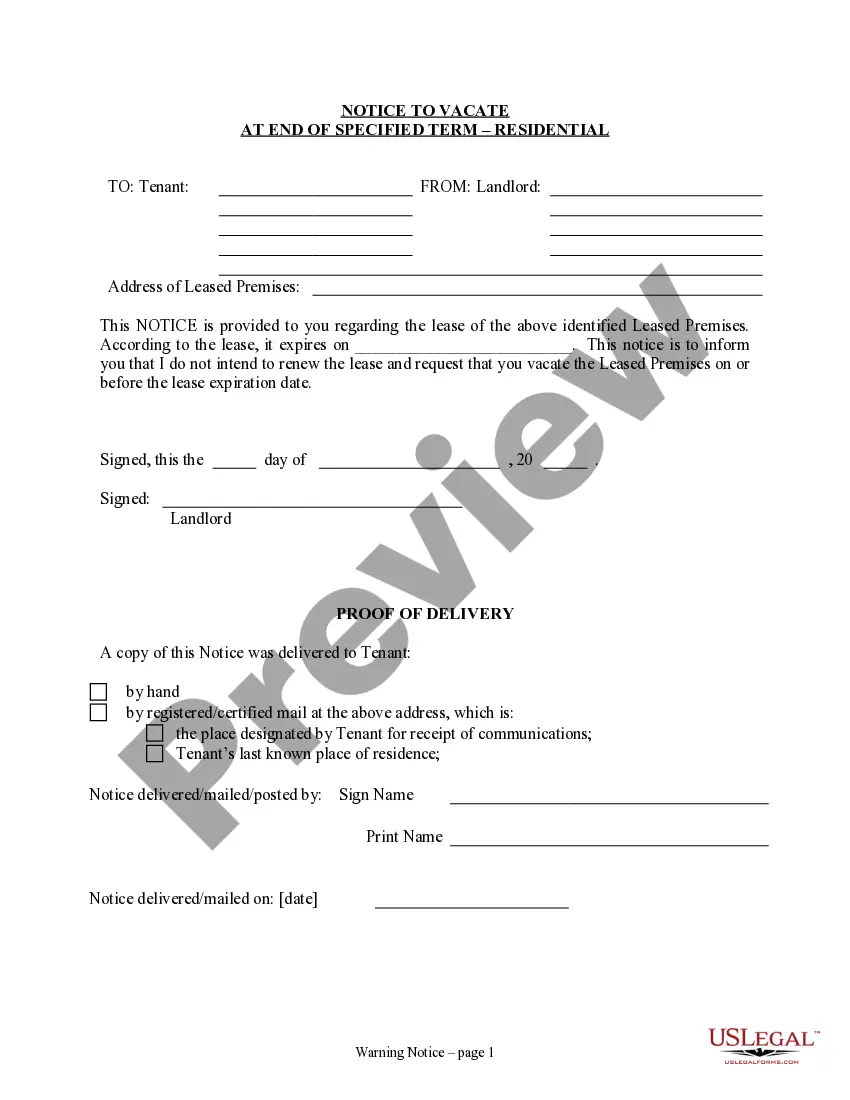
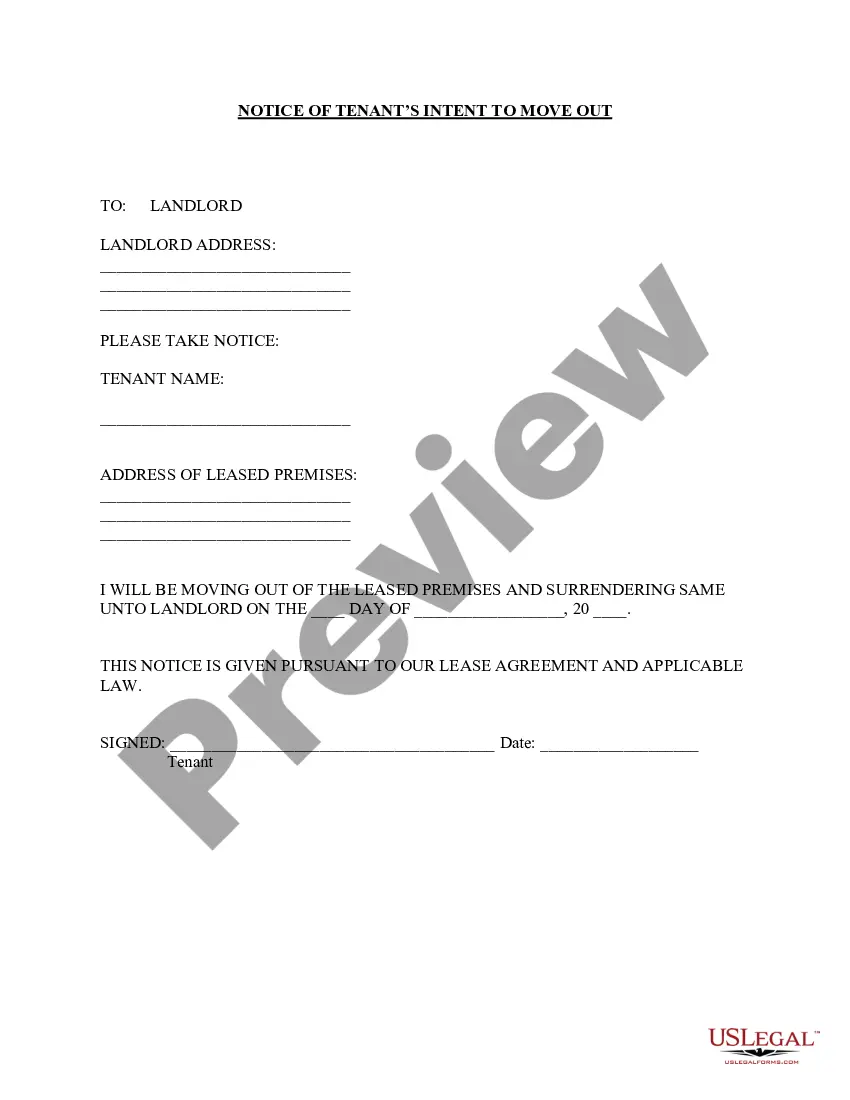
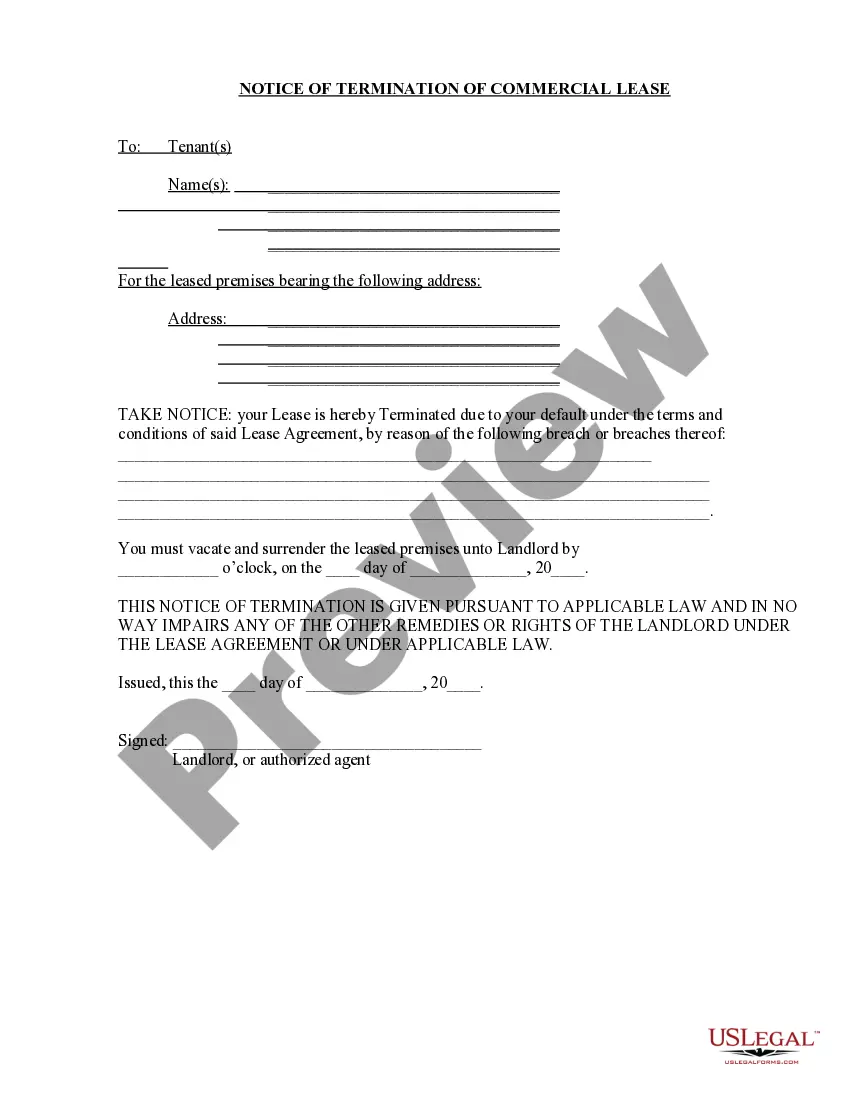
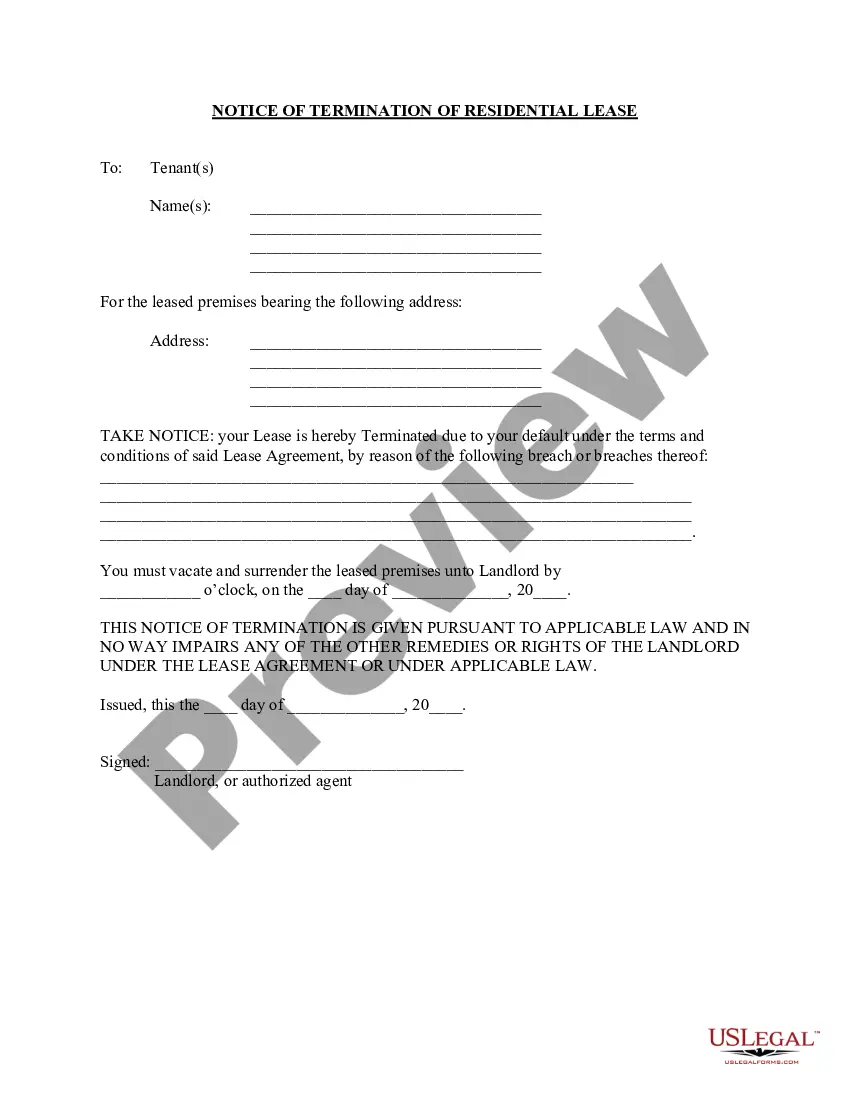
The Notice of Intent Not to Renew at End of Specified Term from Landlord to Tenant for Residential Property is a document used by landlords to formally inform tenants that their lease will not be renewed at the end of its specified term. Unlike a standard lease termination notice, which may require specific advance notice, this form is meant for use when the lease has a definite end date and clearly states the intention to not renew. This ensures that tenants are aware they need to vacate the property at the end of the lease term.
Key parts of this document
- Landlord's contact information
- Tenant's contact information
- Address of the leased premises
- Expiration date of the lease
- Declaration of non-renewal
- Signature of the landlord
- Proof of delivery section
When this form is needed
This form should be used when a landlord wishes to inform a tenant that their lease will not be renewed at the end of the lease term. Common situations for its use include:
- The lease is nearing its expiration date, and the landlord has decided not to extend it.
- There are plans for renovation or sale of the property that necessitate vacating.
- The landlord is unsatisfied with the tenant's performance or behavior during the lease term.
Intended users of this form
- Landlords of residential properties
- Property managers acting on behalf of landlords
- Real estate professionals involved in rental agreements
Steps to complete this form
- Identify the parties involved: Provide the names and addresses of both the landlord and tenant.
- Specify the property: Enter the address of the leased premises clearly.
- Enter the lease expiration date: Fill in the exact date when the lease ends.
- Include a statement of non-renewal: Clearly state that the landlord does not intend to renew the lease.
- Sign and date the notice: The landlord must sign the document and enter the date of signing.
- Document proof of delivery: Indicate how the tenant received the notice (e.g., by mail or in person).
Is notarization required?
This form usually doesn’t need to be notarized. However, local laws or specific transactions may require it. Our online notarization service, powered by Notarize, lets you complete it remotely through a secure video session, available 24/7.
Get your form ready online
Our built-in tools help you complete, sign, share, and store your documents in one place.
Make edits, fill in missing information, and update formatting in US Legal Forms—just like you would in MS Word.
Download a copy, print it, send it by email, or mail it via USPS—whatever works best for your next step.
Sign and collect signatures with our SignNow integration. Send to multiple recipients, set reminders, and more. Go Premium to unlock E-Sign.
If this form requires notarization, complete it online through a secure video call—no need to meet a notary in person or wait for an appointment.
We protect your documents and personal data by following strict security and privacy standards.
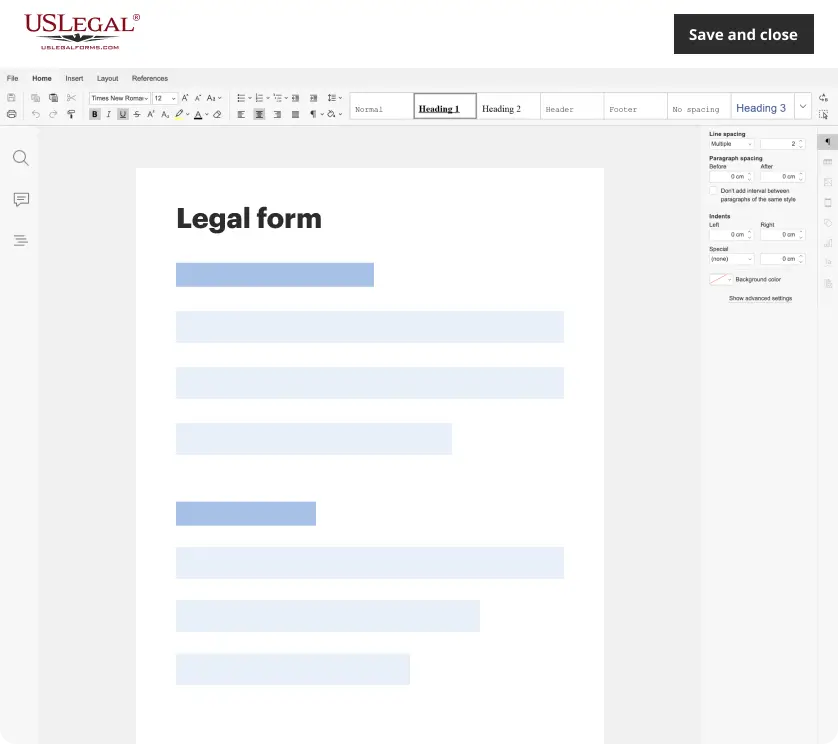
Make edits, fill in missing information, and update formatting in US Legal Forms—just like you would in MS Word.
Download a copy, print it, send it by email, or mail it via USPS—whatever works best for your next step.
Sign and collect signatures with our SignNow integration. Send to multiple recipients, set reminders, and more. Go Premium to unlock E-Sign.
If this form requires notarization, complete it online through a secure video call—no need to meet a notary in person or wait for an appointment.
We protect your documents and personal data by following strict security and privacy standards.
Avoid these common issues
- Failing to provide adequate notice as per state law.
- Not including the specific lease expiration date.
- Omitting the proof of delivery section, which is essential for legal compliance.
- Using unclear language that may confuse the tenant about expectations.
Why complete this form online
- Quick access: Download and complete the form from anywhere at any time.
- Editability: Easily customize the form to fit specific lease agreements.
- Reliability: Forms are vetted by licensed attorneys to ensure legal accuracy.
Legal use & context
- This form serves to protect both landlord and tenant rights by providing a clear and official communication regarding lease termination.
- It helps prevent potential disputes by documenting the landlord's intent not to renew the lease.
What to keep in mind
- The notice formally communicates a landlord's intent not to renew a lease.
- It provides clear notifications to tenants regarding their obligations to vacate.
- Proper completion and delivery are crucial for legal enforceability.
Looking for another form?
Form popularity
FAQ
Can An Apartment Refuse To Renew A Lease? In most states, it is up to the property owner and manager to determine whether or not they want to extend their lease agreement with a tenant. If they do not want to continue to rent to that tenant for some reason, it is within their rights to do so.
Depending on your state's laws, you may be entitled to remain in your apartment or rental home on a month-to-month basis after your lease expires, even if your landlord wants you out. If the landlord doesn't accept your decision, he'll have to go to court to evict you.
The Tenant Consistently Fails To Pay Rent or Pays Late. A tenant that cannot fulfill their obligation to pay rent on time may face non-renewal. Property Damage or Violations of Policy. Selling or Renovating the Property. Discrimination or Retaliation Are Unlawful.
A landlord can simply give you a written notice to move, allowing you 30 days (60 days if you've lived in the rental a year or more) as required by California law and specifying the date on which your tenancy will end.
At-will tenancy is subject to the will of both the tenant and the landlord (hence the name). In other words, the tenant can choose to leave and stop paying rent at any time, and the landlord can choose to stop accepting rent and ask the tenant to leave at any time.
While some jurisdictions may have provisions that allow consumers to change their minds with no consequences, generally there is no cooling-off period for leasing real property. Once the landlord and tenant sign a lease and a copy is delivered to the both parties, it becomes a valid contract.
A termination notice has to give the tenant 14 clear days before the tenant has to leave the residential premises. The day the notice is served on the tenant and the day the tenant moves out do not count as part of the 14 days.
To end a month-to-month tenancy, a landlord must give a tenant at least a 30-day written notice to move. The notice must state the date by which the tenant needs to be out of the rental unit.
Explain the Situation Tell your tenant in straightforward terms what the problem is, and explain that they cannot stay on the property any longer. Describe the Consequences Calmly explain that they will be evicted with necessary court orders if they remain on the property.