Alaska Notice to Quit Prior to Eviction - Nonresidential
Understanding this form
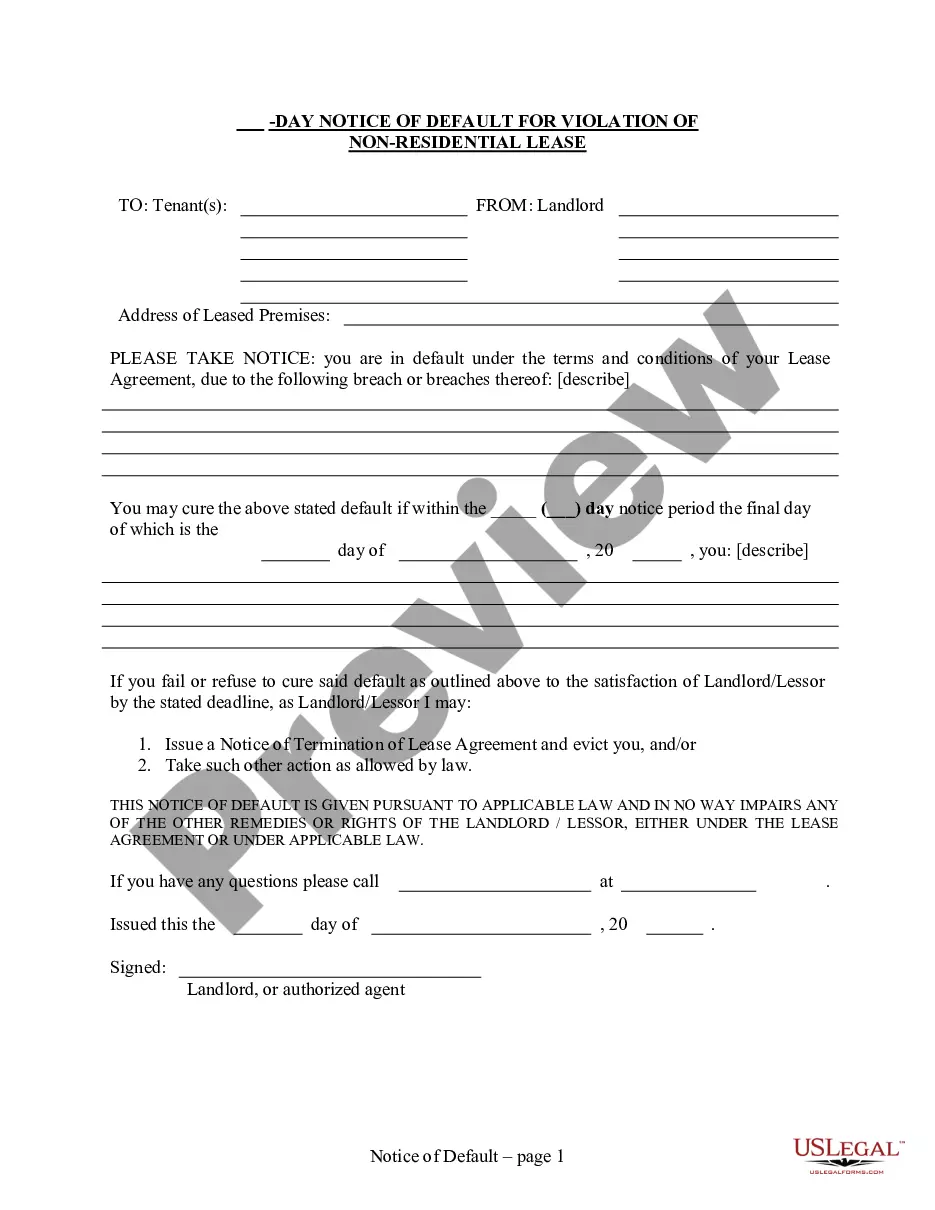
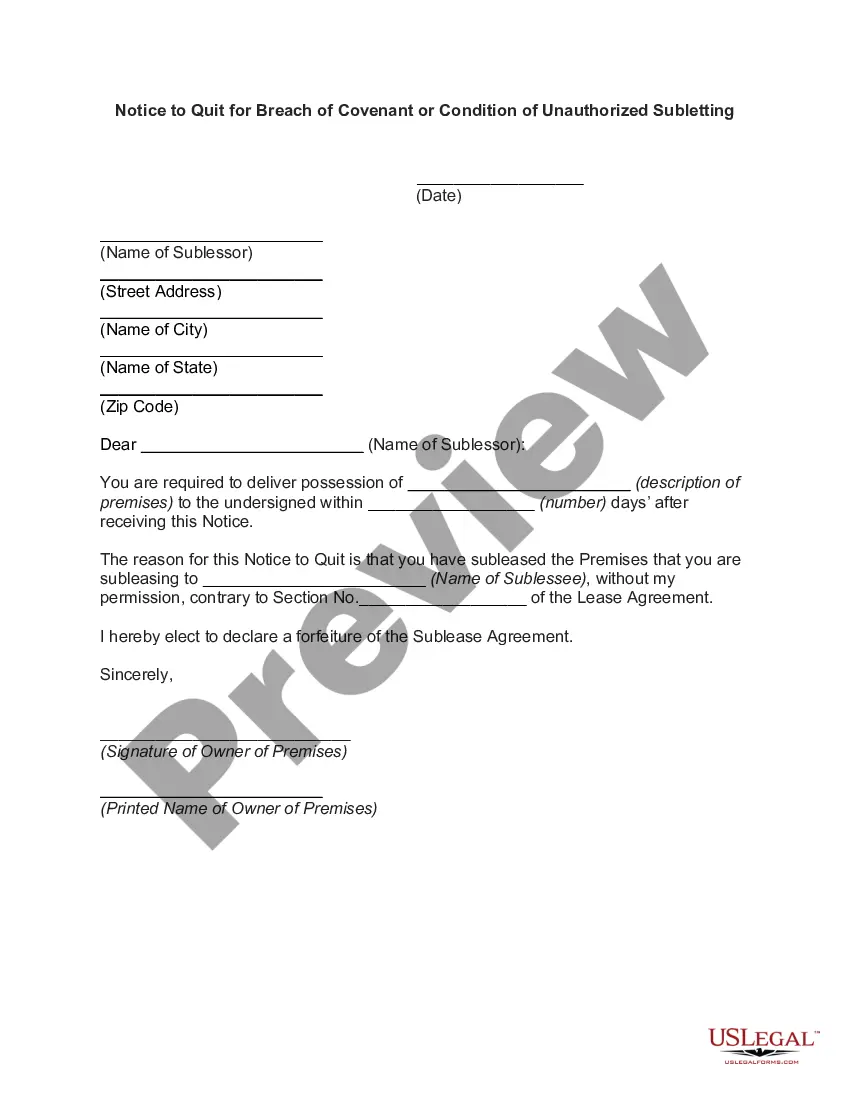
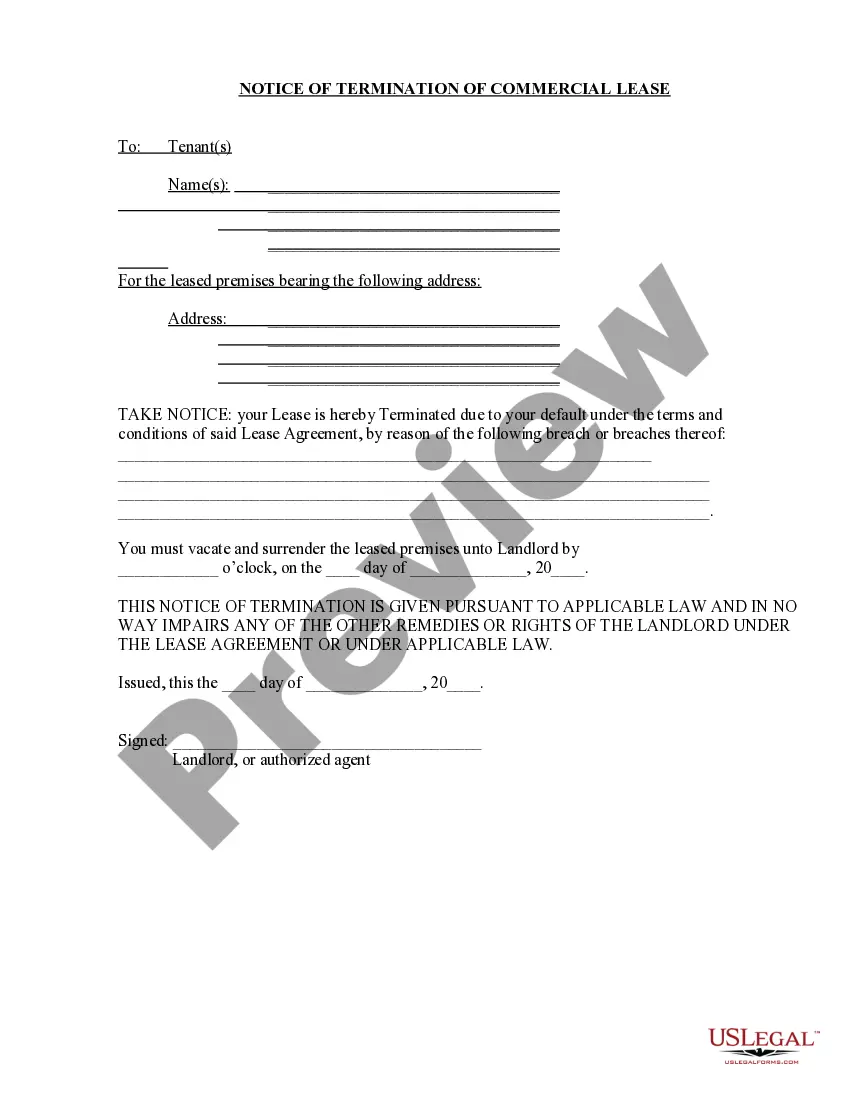
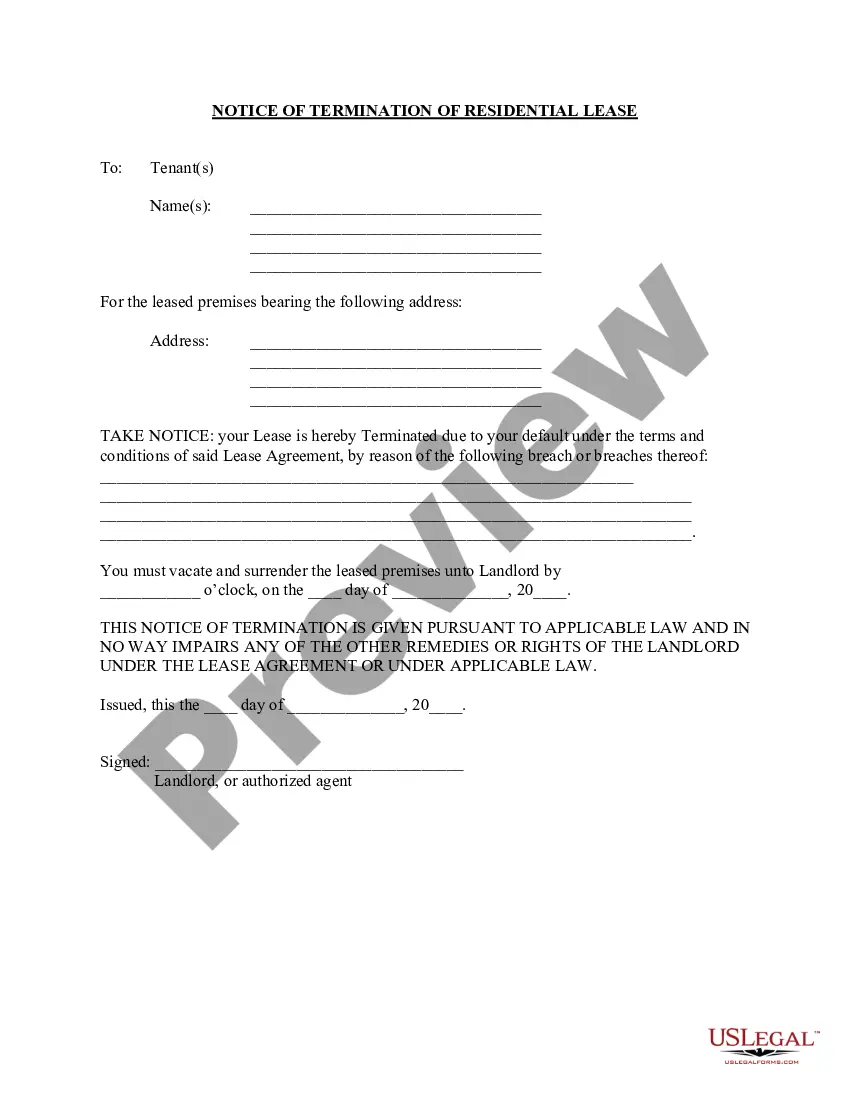
The Notice to Quit Prior to Eviction - Nonresidential form is a legal document used by landlords to terminate a lease when a tenant breaches its terms. This form gives the tenant an opportunity to fix the breach by taking specified actions within a set time frame. If the tenant does not rectify the situation by the deadline stated in the notice, the landlord may proceed with eviction. Unlike residential notices, this is specifically for nonresidential lease agreements, making it distinct in its application and implications.
Form components explained
- Details of the landlord and tenant, including addresses.
- A clear statement of the breach of the lease agreement.
- A deadline for the tenant to remedy the breach.
- A notice of termination of the lease agreement if the breach is not cured.
- Proof of delivery options for the notice to the tenant.

Common use cases
This form should be used when a tenant has violated the terms of a nonresidential lease agreement, such as failing to pay rent or not complying with lease conditions. It is essential for landlords to provide proper notice before initiating eviction proceedings. This form helps ensure that the tenant has a chance to correct the violation, which may help avoid further legal actions.
Who should use this form
- Landlords of nonresidential properties who have tenants in breach of their lease agreements.
- Property managers authorized to act on behalf of landlords in lease matters.
- Legal professionals assisting landlords with lease enforcement.
How to complete this form
- Identify the parties involved: fill in the names and addresses of the landlord and tenant.
- Describe the breach: detail the reason for the default according to the lease agreement.
- Specify the cure requirements: state what actions the tenant must take to remedy the breach and include the cure period.
- Enter the dates: fill in the date the notice is issued and the deadline for the tenant to comply.
- Sign the notice: ensure the landlord or their authorized agent signs the document.
Is notarization required?
This form does not typically require notarization unless specified by local law. Always check your state regulations to confirm if notarization is necessary for your notice.
Get your form ready online
Our built-in tools help you complete, sign, share, and store your documents in one place.
Make edits, fill in missing information, and update formatting in US Legal Forms—just like you would in MS Word.
Download a copy, print it, send it by email, or mail it via USPS—whatever works best for your next step.
Sign and collect signatures with our SignNow integration. Send to multiple recipients, set reminders, and more. Go Premium to unlock E-Sign.
If this form requires notarization, complete it online through a secure video call—no need to meet a notary in person or wait for an appointment.
We protect your documents and personal data by following strict security and privacy standards.

Make edits, fill in missing information, and update formatting in US Legal Forms—just like you would in MS Word.

Download a copy, print it, send it by email, or mail it via USPS—whatever works best for your next step.

Sign and collect signatures with our SignNow integration. Send to multiple recipients, set reminders, and more. Go Premium to unlock E-Sign.

If this form requires notarization, complete it online through a secure video call—no need to meet a notary in person or wait for an appointment.

We protect your documents and personal data by following strict security and privacy standards.
Mistakes to watch out for
- Not clearly specifying the breach of the lease.
- Failing to provide a reasonable cure period for the tenant.
- Not signing the form or having it signed by an authorized representative.
Benefits of using this form online
- Easy access: download the form anytime from anywhere.
- Editability: customize the form to meet specific needs and situations.
- Reliability: ensures the form is drafted by licensed attorneys and complies with legal standards.
Legal use & context
- This Notice to Quit form is legally recognized and can initiate the eviction process if needed.
- Using this form helps protect landlordsâ rights while ensuring tenants are informed of their obligations.
Looking for another form?


Form popularity
FAQ
Eviction notices When written by a landlord, a notice to vacate is commonly known as an "eviction notice," which tells the tenant they must move out of the rental property.
Unfortunately that is not the case. Once a break notice has been served is cannot be unilaterally withdrawn. Even if both parties agree that the notice is withdrawn, service of the notice terminates the existing lease and creates a new tenancy by implication. There are a number of consequences that flow from this.
A Notice to Vacate is a notice written by the landlord or property manager giving a notice to leave the premises within a specified time frame. This type of notice is typically given during the end of a lease period, or due to an infringement of the lease agreement.
There is no direct way to stop a landlord from serving an eviction notice. Although, there are indirect ways. One is through a public authority or agency. By filing a complaint with the local housing authority, a tenant may be able to stop eviction.
You should check that the notice to quit or notice seeking possession meets the right legal requirements. For example, it might need to contain certain information. If the notice isn't correct, this could stop or delay your landlord from taking further action.
A landlord cannot legally evict you without a court order, whether or not you have a lease.) How long does it take for a landlord to evict a tenant? A landlord can evict a tenant only by going through a formal eviction proceeding, which can take a few weeks from start to finish.
The court holds an eviction hearing within 15 days after the case is filed in court and at least 2 days after the summons is served on the tenant. At this hearing, the judge decides who gets possession of the property.