New York Palliative Care Services Agreement
Description
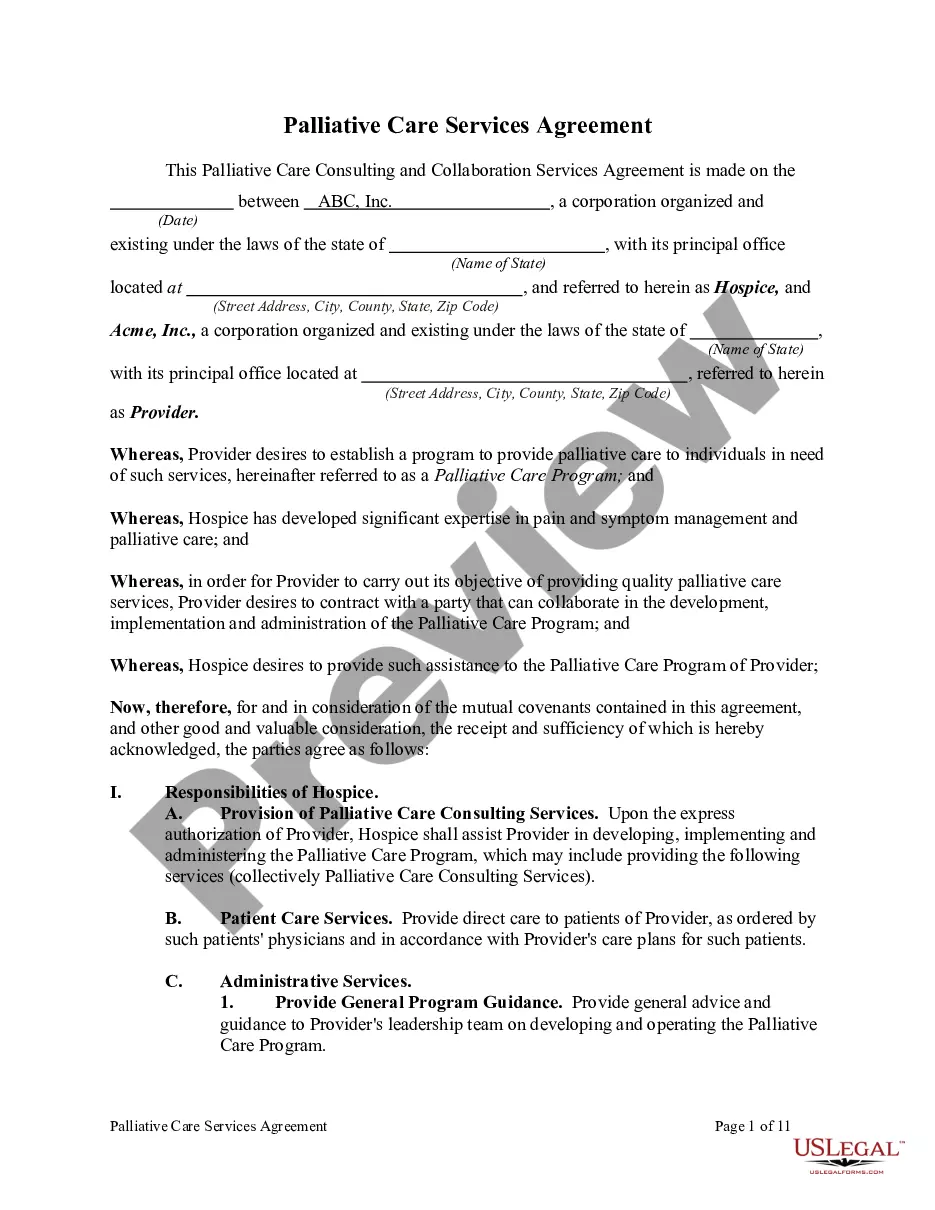
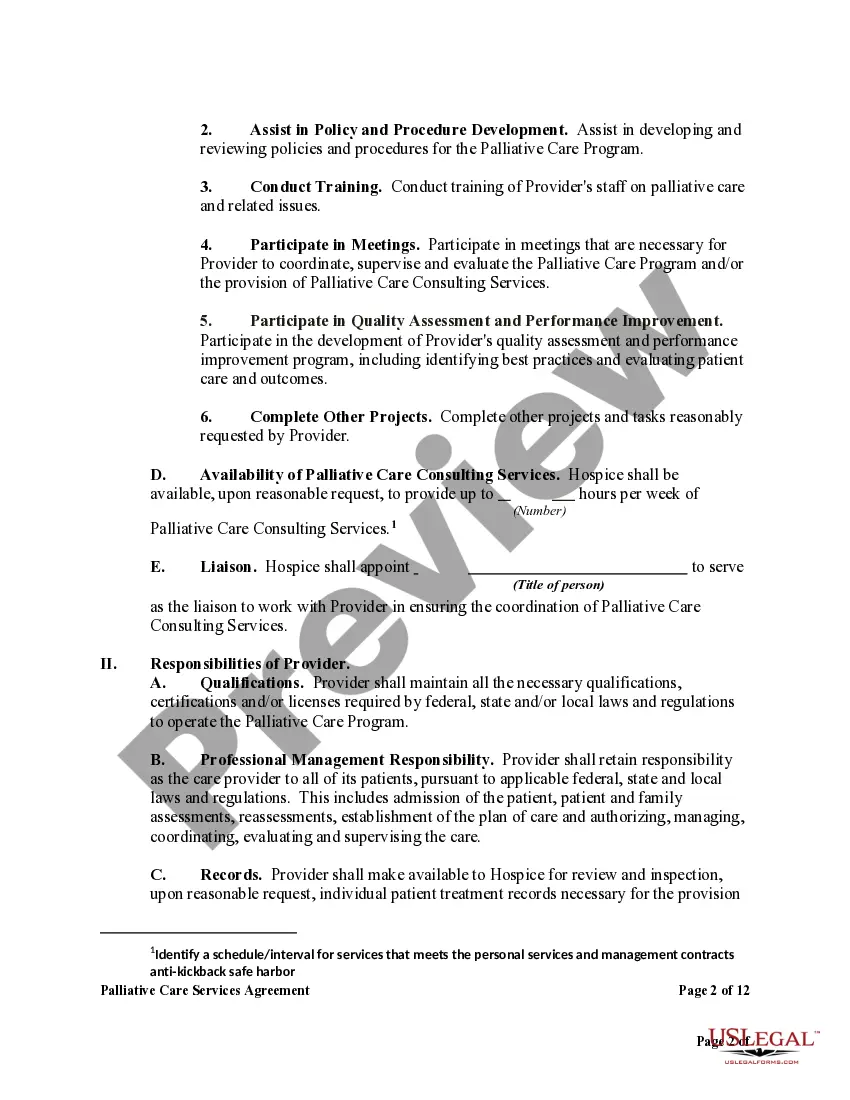
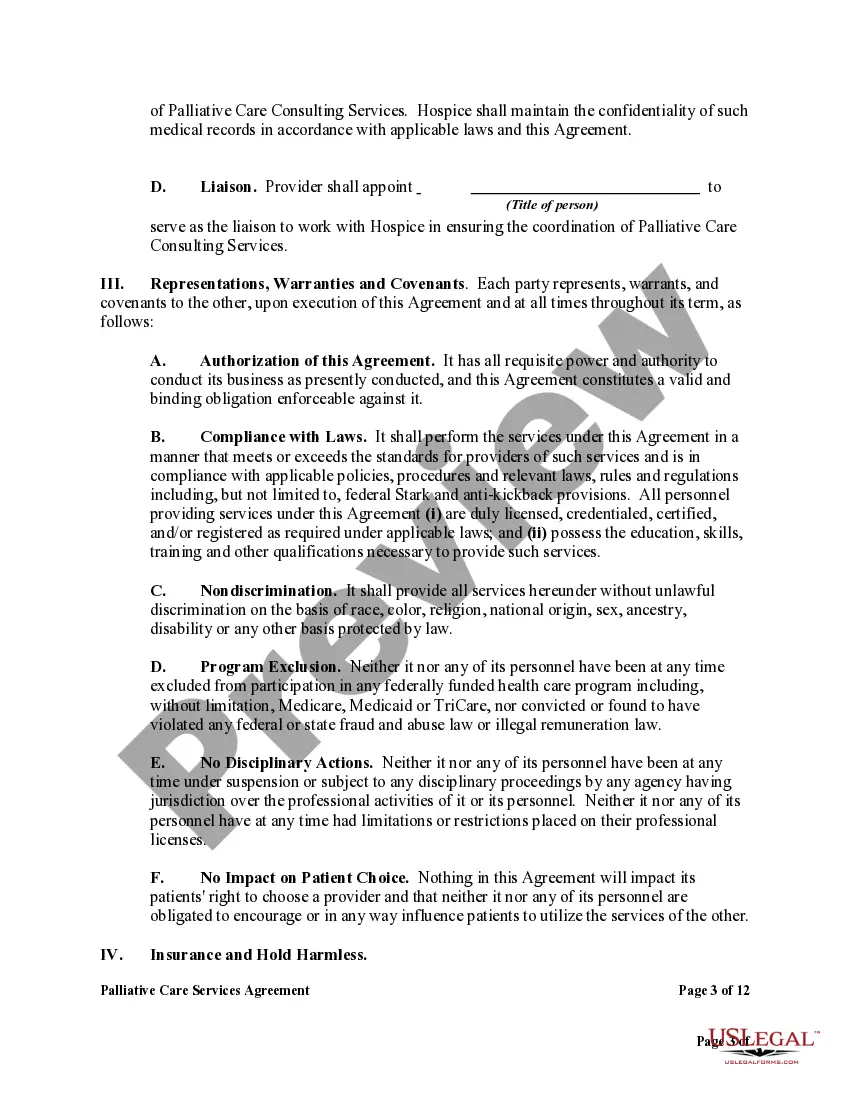
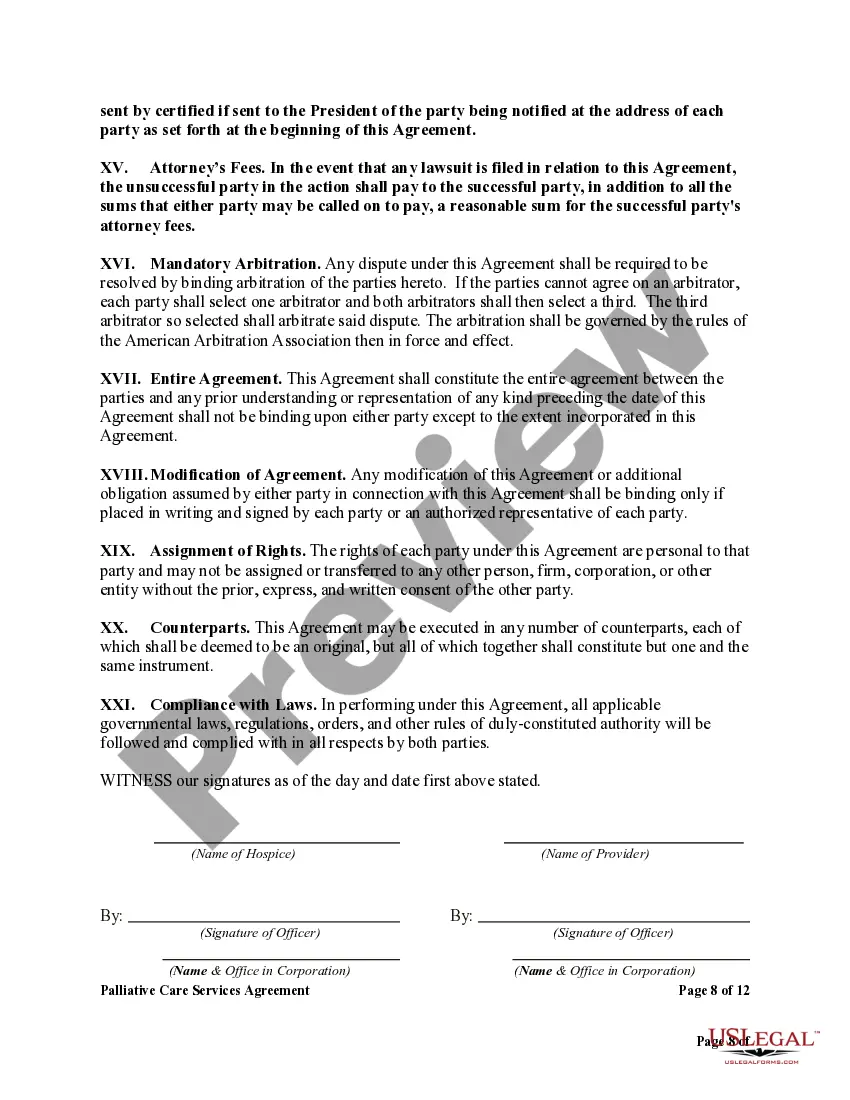

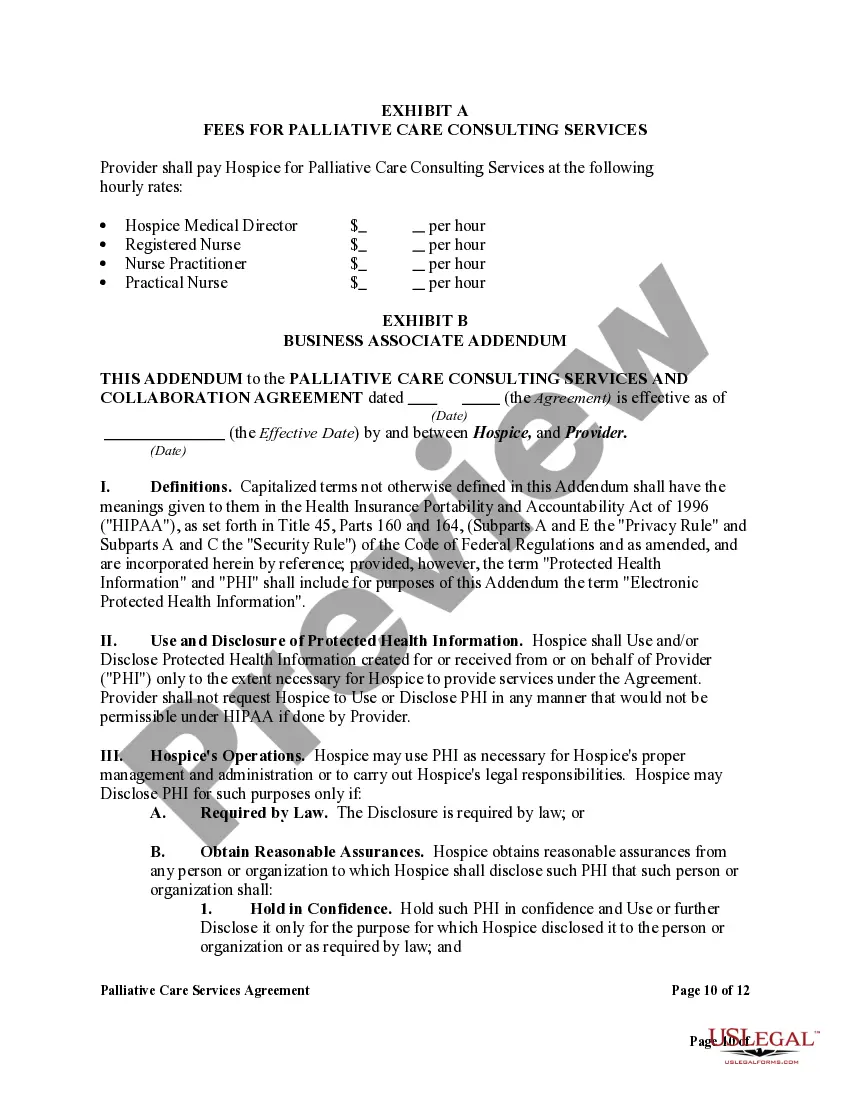





How to fill out Palliative Care Services Agreement?
If you need to acquire, download, or print legal document templates, utilize US Legal Forms, the largest collection of legal forms available online.
Take advantage of the site's straightforward and efficient search function to find the documents you require.
Different templates for business and personal purposes are organized by categories and states, or keywords.
Step 4. Once you find the form you need, click the Buy now button. Choose the pricing plan you prefer and enter your details to register for an account.
Step 5. Complete the transaction. You can use your credit card or PayPal account to finalize the transaction. Step 6. Choose the format of the legal document and download it to your device.
- Use US Legal Forms to secure the New York Palliative Care Services Agreement in just a few clicks.
- If you are already a US Legal Forms user, Log In to your account and click the Download button to retrieve the New York Palliative Care Services Agreement.
- You can also access forms you have previously downloaded in the My documents section of your account.
- If this is your first time using US Legal Forms, follow the instructions below.
- Step 1. Ensure that you have selected the form for the correct city/state.
- Step 2. Click on the Preview option to review the form's content. Remember to read the summary.
- Step 3. If you are unsatisfied with the document, use the Search field at the top of the screen to find alternative versions of the legal document template.
Form popularity
FAQ
The three forms of palliative care include inpatient care, outpatient care, and home-based care. Inpatient care occurs in hospitals, whereas outpatient care is provided in clinics or offices. Home-based palliative care allows you to receive support in a familiar environment, enhancing comfort. Each option focuses on providing relief from symptoms and stress of serious illness as part of the New York Palliative Care Services Agreement.
Under New York State law, palliative care must be offered when a patient is diagnosed with an advanced life-limiting illness. This approach is essential to start conversations about care preferences early in the disease process. It not only addresses symptom management but also supports families in making informed decisions. The New York Palliative Care Services Agreement reinforces this obligation, ensuring that patients receive timely access to necessary care.
The New York State Palliative Care Act enhances access to palliative care for patients facing serious health challenges. This law requires healthcare providers to offer palliative care and discuss it with patients diagnosed with serious illnesses. The aim is to ensure that patients are aware of their options under the New York Palliative Care Services Agreement. Understanding this act helps patients navigate their care choices more effectively.
Palliative care services focus on improving the quality of life for patients facing serious illnesses. These services often include pain management, emotional support, spiritual care, and assistance with treatment decisions. Under the New York Palliative Care Services Agreement, various provisions outline the approach to delivering comprehensive care tailored to individual patient needs. This ensures that patients and families receive the support they need during challenging times.
To gain admission to palliative care, patients need a referral from their healthcare provider who recognizes the need for specialized support. Your doctor will evaluate your medical condition and discuss suitable options with you. Utilizing resources like the New York Palliative Care Services Agreement can facilitate this process.
Eligibility for palliative care is determined by the presence of a serious illness and the impact it has on daily life. Patients must experience symptoms that greatly affect their well-being, such as chronic pain or emotional distress. The goal is to provide comfort and support, regardless of life expectancy.
Eligibility for palliative care typically includes patients diagnosed with serious illnesses at any stage of their treatment. This care is available for individuals in both hospital and home settings. The focus is on patients experiencing significant symptoms or requiring complex care management.
Medicare and Medicaid are the primary sources of reimbursement for palliative care services. These government programs recognize the importance of palliative care, allowing healthcare providers to bill for essential services. Additionally, private insurance plans may offer coverage based on their individual policies.
A candidate for palliative care includes anyone suffering from chronic or serious illnesses that cause pain or distress. This service is designed for patients who require relief from symptoms while continuing to seek curative treatment. The focus is on enhancing the quality of life through a coordinated care approach.
Approval for palliative care typically involves a referral from your healthcare provider. Your doctor will assess your condition and determine if palliative care is appropriate. If deemed suitable, a New York Palliative Care Services Agreement can streamline the process of accessing necessary support.