Colorado Assignment of Lien - Individual
About this form
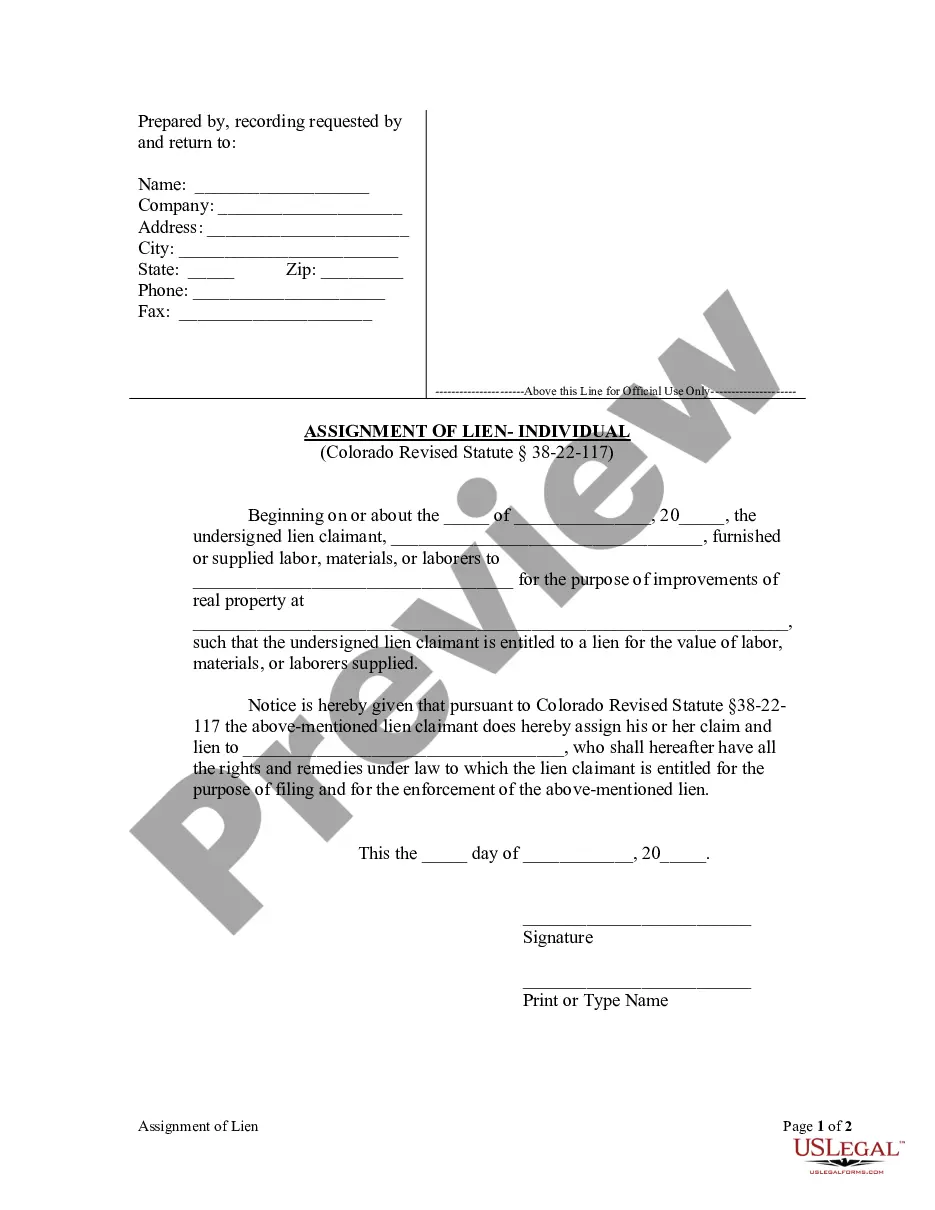
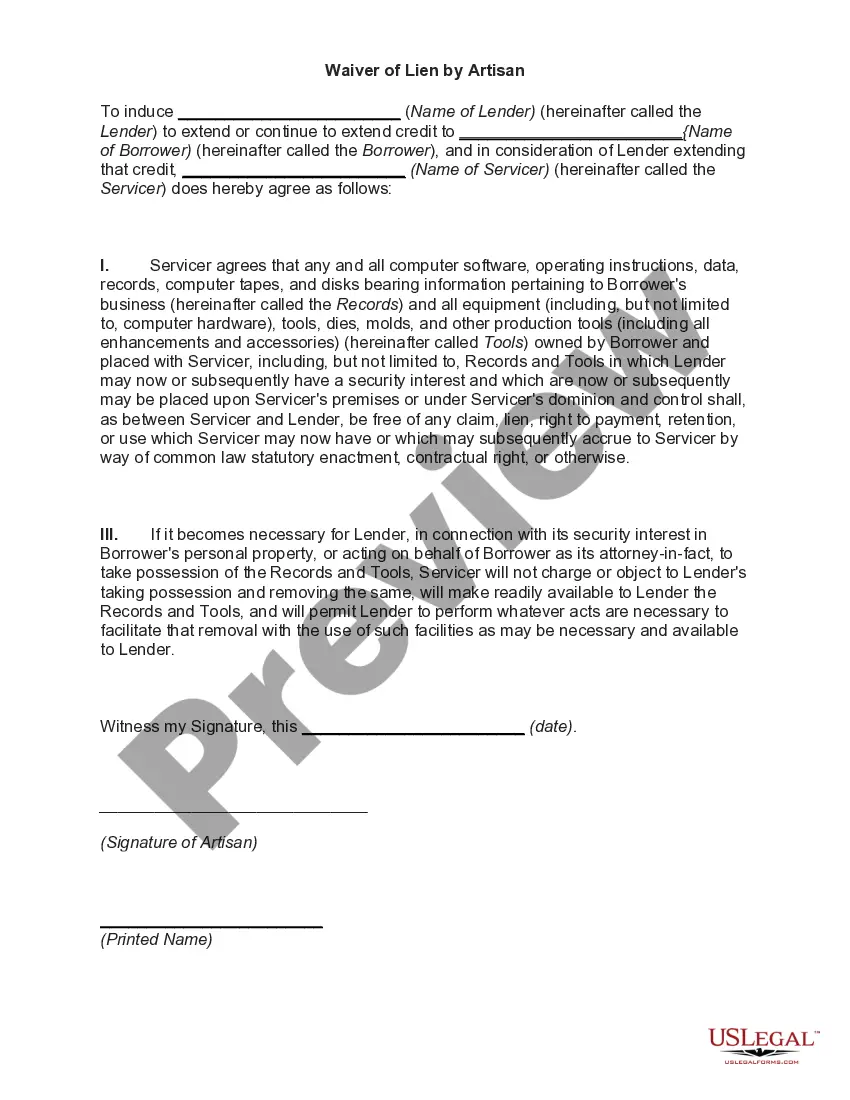
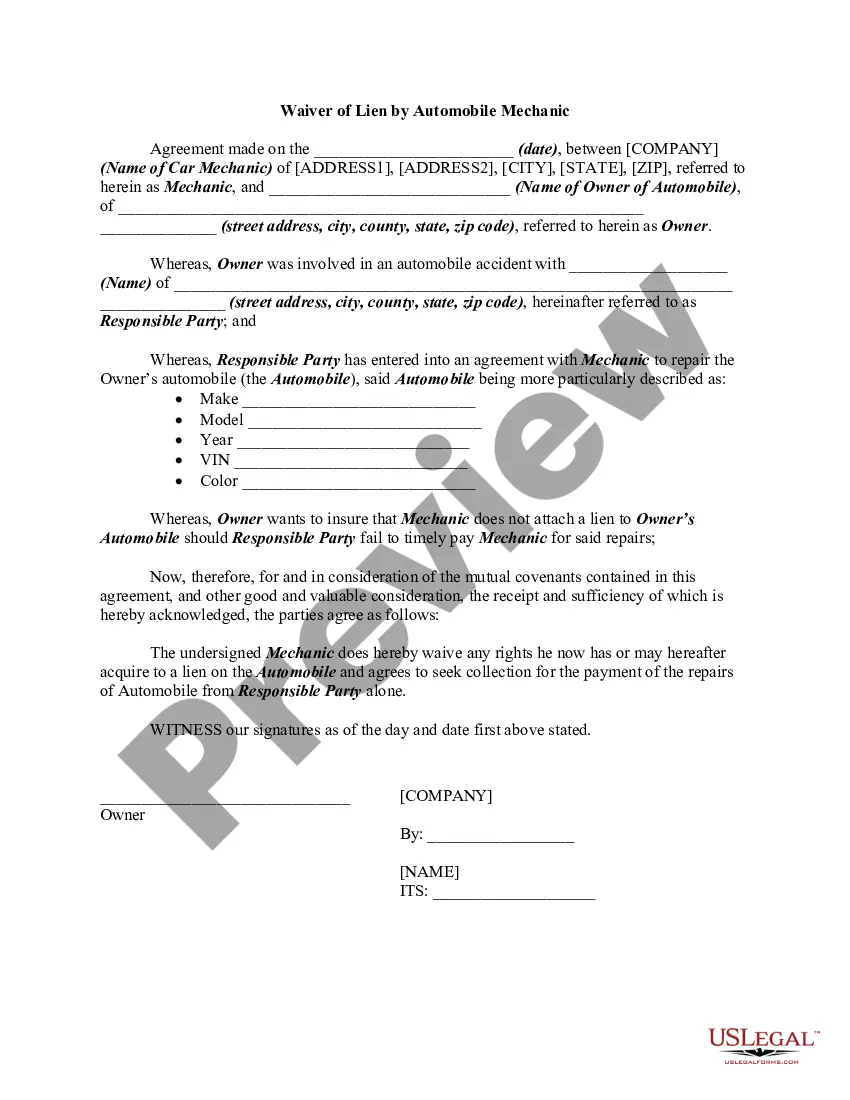
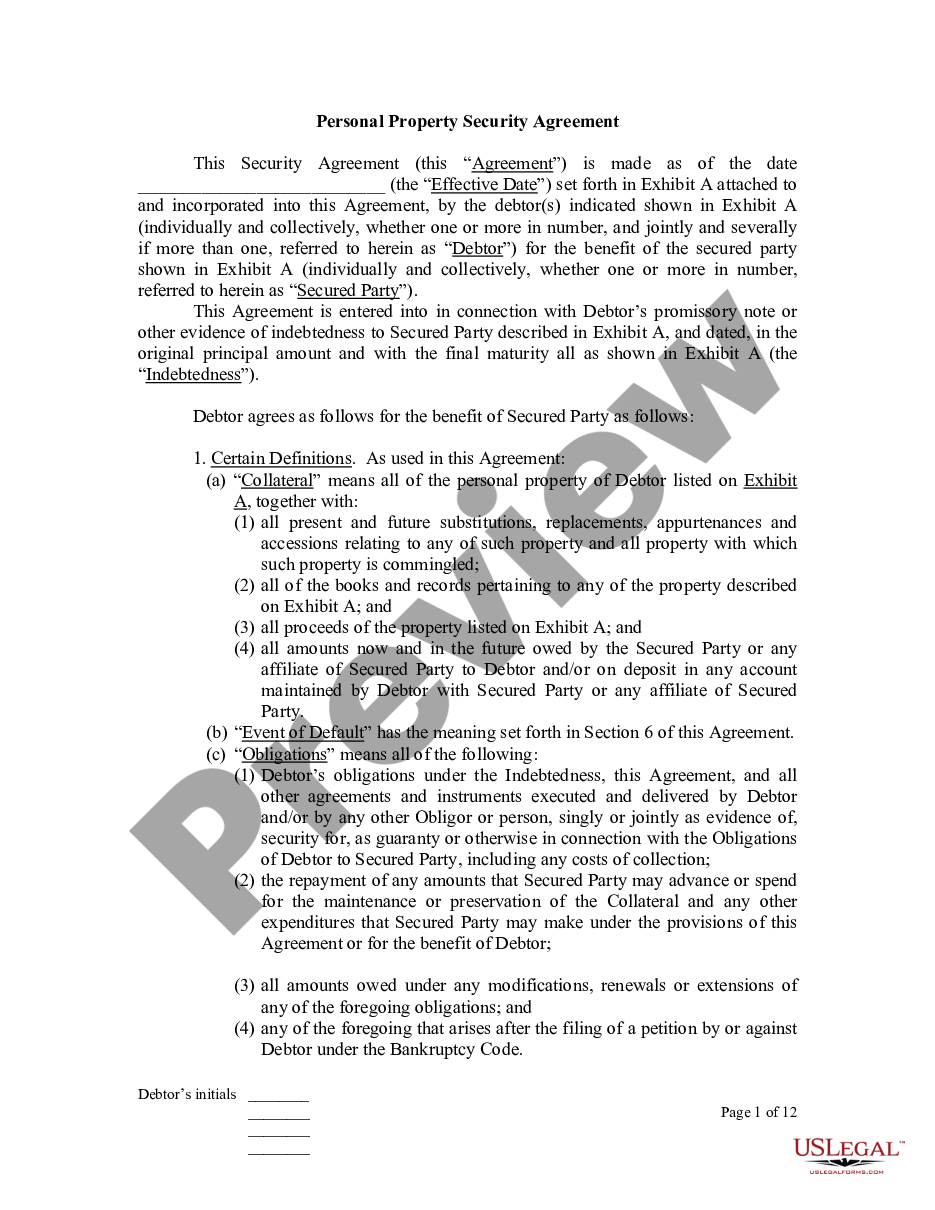
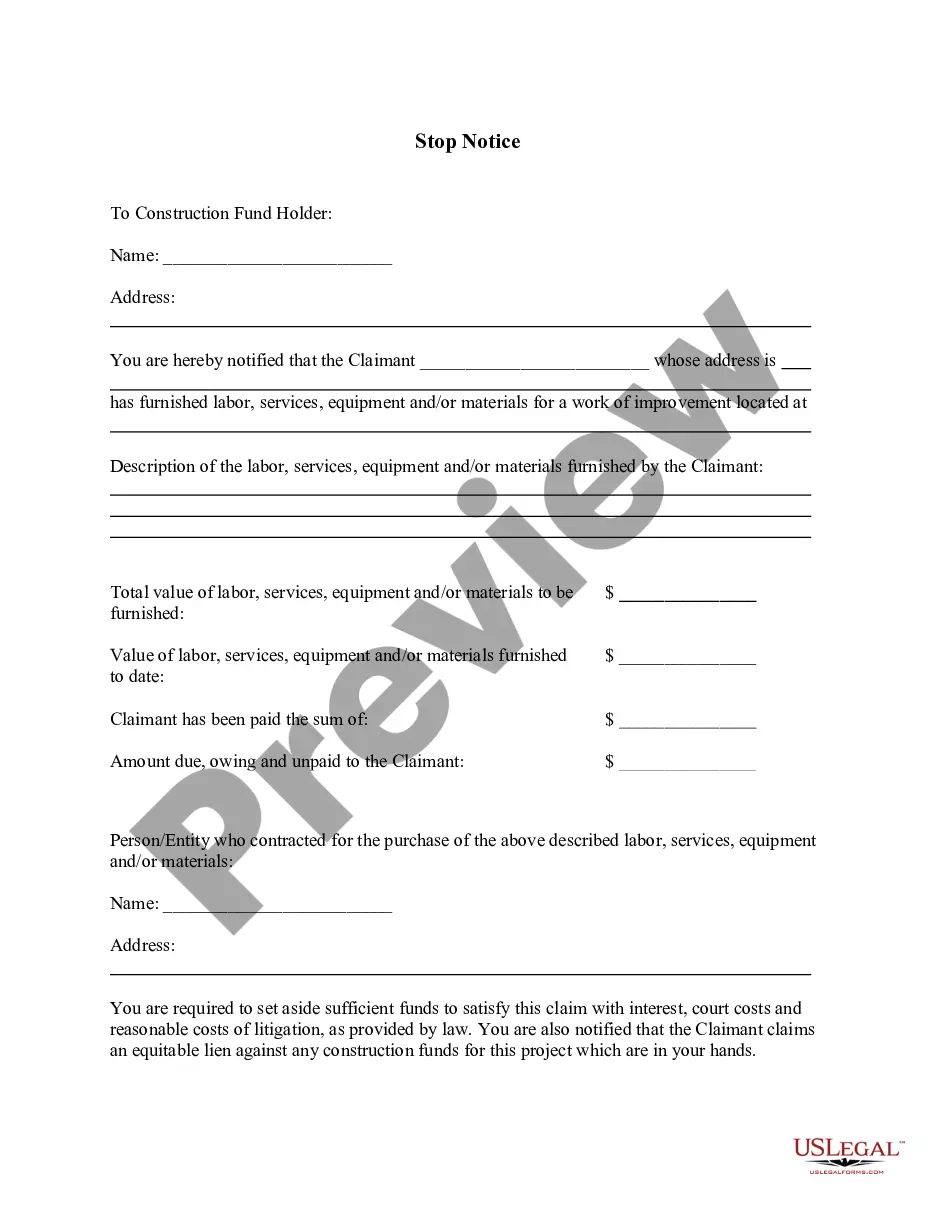
The Assignment of Lien - Individual is a legal document used in Colorado that allows a lien claimant to transfer their lien rights to another party. This form is essential for facilitating the assignment of a lien claim, which can occur either before or after the lien has been filed, ensuring the assignee has the same rights as the original claimant.
What’s included in this form
- Parties involved: Details about the original lien claimant and the assignee.
- Property description: Information on the property related to the lien.
- Statement of assignment: Declaration that the lien and claim are being assigned.
- Date of assignment: The effective date of the assignment.
- Signature section: Where the lien claimant must sign and provide their printed name.
- Notary acknowledgment: Area for notarization to validate the assignment.

When this form is needed
This form should be used when a lien claimant wishes to transfer their rights and remedies related to a lien on a property to another individual or entity. Typical scenarios include when a contractor sells their rights to collect payment for work performed, or a supplier assigns their lien for materials provided to a third party.
Who needs this form
- Individual lien claimants who want to transfer their lien rights.
- Contractors or construction suppliers looking to assign a lien to a buyer or another party.
- Attorneys or legal representatives assisting clients with lien assignments.
Completing this form step by step
- Identify the parties: Fill in the names of the original lien claimant and the assignee.
- Specify the property: Provide a detailed description of the property related to the lien.
- Enter relevant dates: Include the date the lien claimant provided services or materials.
- Sign and date the document: The original claimant should sign and print their name where indicated.
- Obtain notarization: Have the document notarized to ensure its validity.
Does this form need to be notarized?
Notarization is required for this form to take effect. Our online notarization service, powered by Notarize, lets you verify and sign documents remotely through an encrypted video session, available 24/7.
Get your form ready online
Our built-in tools help you complete, sign, share, and store your documents in one place.
Make edits, fill in missing information, and update formatting in US Legal Forms—just like you would in MS Word.
Download a copy, print it, send it by email, or mail it via USPS—whatever works best for your next step.
Sign and collect signatures with our SignNow integration. Send to multiple recipients, set reminders, and more. Go Premium to unlock E-Sign.
If this form requires notarization, complete it online through a secure video call—no need to meet a notary in person or wait for an appointment.
We protect your documents and personal data by following strict security and privacy standards.

Make edits, fill in missing information, and update formatting in US Legal Forms—just like you would in MS Word.

Download a copy, print it, send it by email, or mail it via USPS—whatever works best for your next step.

Sign and collect signatures with our SignNow integration. Send to multiple recipients, set reminders, and more. Go Premium to unlock E-Sign.

If this form requires notarization, complete it online through a secure video call—no need to meet a notary in person or wait for an appointment.

We protect your documents and personal data by following strict security and privacy standards.
Mistakes to watch out for
- Not providing a complete property description.
- Failing to sign the document before a notary.
- Leaving sections blank, particularly the assignee's information.
Why use this form online
- Convenience of downloading and saving the form for later use.
- Editability allows for customization to fit specific situations.
- Accessibility to legal forms at any time without the need for in-person visits.
Looking for another form?


Form popularity
FAQ
To get your lien released, you must follow specific steps that comply with Colorado law. First, ensure you have fulfilled all obligations related to the lien. Then, you can file a release of lien form with the appropriate county office in Colorado. If you need assistance in navigating this process, consider using the US Legal Forms platform, which offers tailored resources, including the Colorado Assignment of Lien - Individual documents to help streamline your experience.
Writing a letter of intent to lien involves clearly stating your intention to file a lien due to unpaid services or materials. Start with your contact information, followed by the recipient's details, and state the property involved. Include the nature of the debt, amount due, and a request for payment by a specified date. Utilizing uslegalforms can help you access templates that streamline this process, making it easier to draft a proper letter for your Colorado Assignment of Lien - Individual.
You typically have to file an intent to lien in Colorado within a specific period after work has been completed, generally within 60 days. Knowing this deadline is crucial for ensuring that your claim is valid and enforceable. Filing a Colorado Assignment of Lien - Individual promptly increases your chances of recovering any owed payments. If you have questions about the filing process, uslegalforms can provide tailored resources and support.
Yes, you can file a lien on your own property in Colorado, as long as you meet specific legal requirements. A Colorado Assignment of Lien - Individual enables you to secure your financial interests when you have not been compensated for work completed. However, it is advisable to understand the implications and processes involved, which can be facilitated through platforms like uslegalforms for a smoother experience.
In Colorado, the timeframe to file a lien typically depends on the type of lien you are pursuing. Generally, you should file a Colorado Assignment of Lien - Individual within six months after the completion of the work or services provided. It's crucial to keep this timeline in mind to protect your rights, and missing this window can lead to challenges in recovering owed amounts. Always consult local regulations or legal resources for specific requirements.
To file a lien with intent in Colorado, you need to prepare a document stating your intention to file a Colorado Assignment of Lien - Individual. This involves clearly outlining the reasons for the lien and identifying the property involved. You must then file this document with the appropriate county clerk's office, ensuring that you also provide any necessary supporting documentation. Additionally, you may want to consider using platforms like uslegalforms to simplify the process.
Yes, a lien can be placed against your business if there are unpaid debts tied to services or goods received. It is a legal way for creditors to secure their debt. The Colorado Assignment of Lien - Individual provides detailed procedures on how these liens can be managed to protect business owners.
Unfortunately, someone can place a lien on your home without your prior knowledge. However, there are legal notification requirements in place, and you may find out through formal documents. Being alert to the process of filing liens, as explained in the Colorado Assignment of Lien - Individual, can prepare you for such situations.
Yes, you can potentially place a lien on an asset you own, provided there is a legitimate debt tied to that asset. This action typically follows an unfavorable situation where payments are not made. The Colorado Assignment of Lien - Individual can offer guidance on how to file correctly and maintain your rights.
Yes, an individual can indeed be a lien holder in Colorado. This status usually arises when they have provided services or materials that remain unpaid. By understanding the nuances of the Colorado Assignment of Lien - Individual, you can assert your rights and ensure proper filing for your claims.