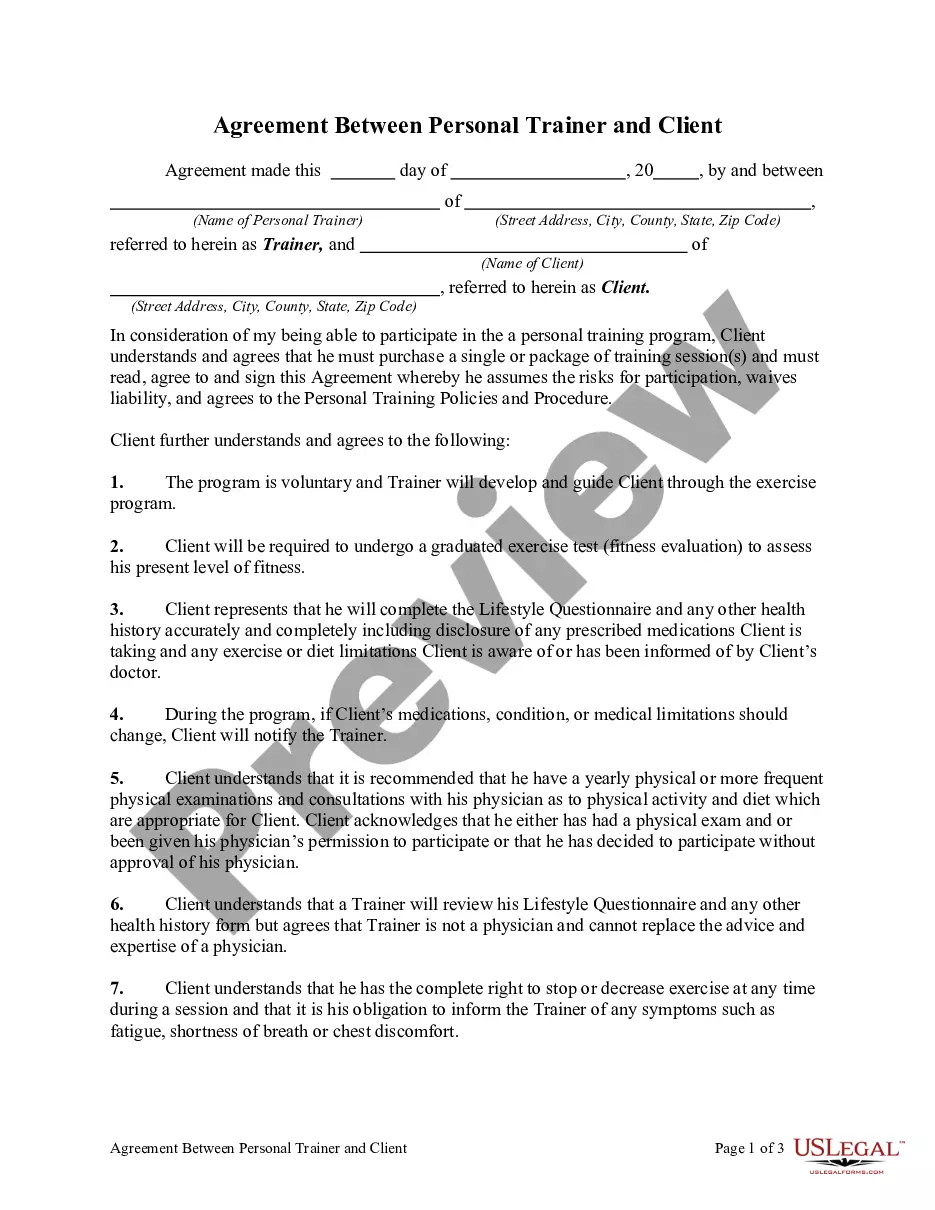
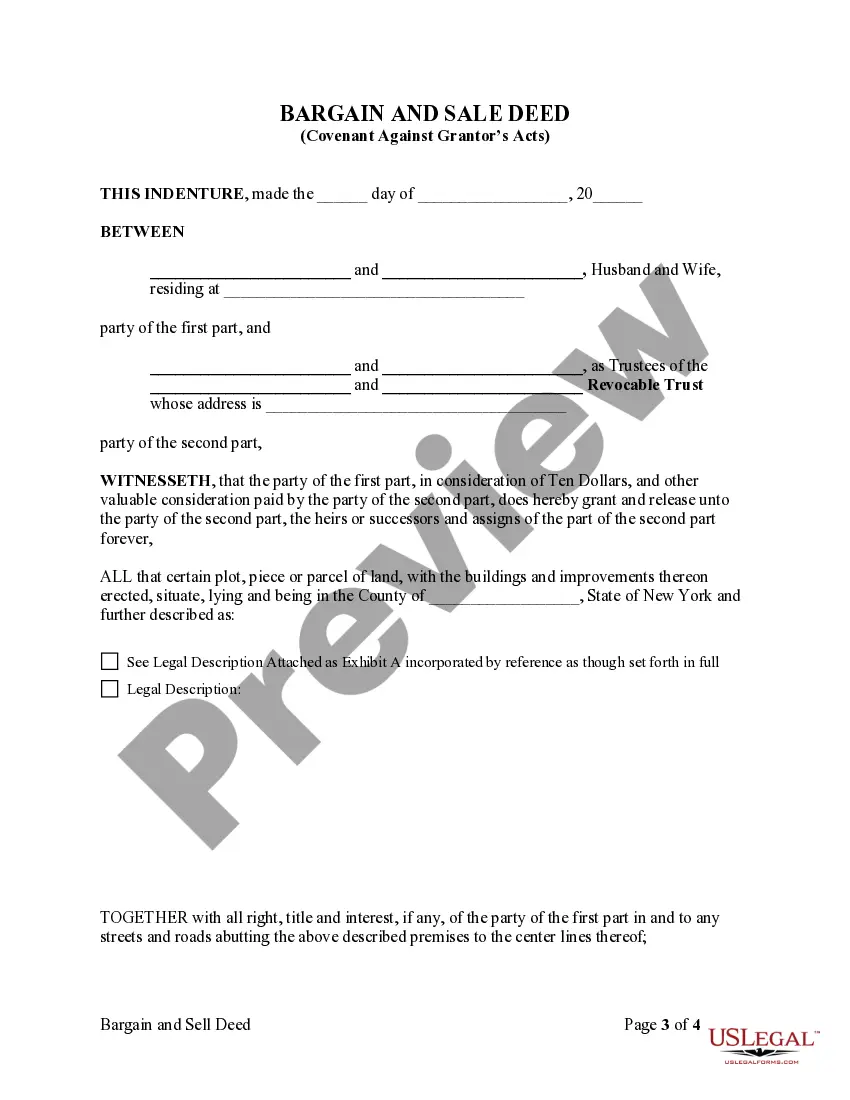
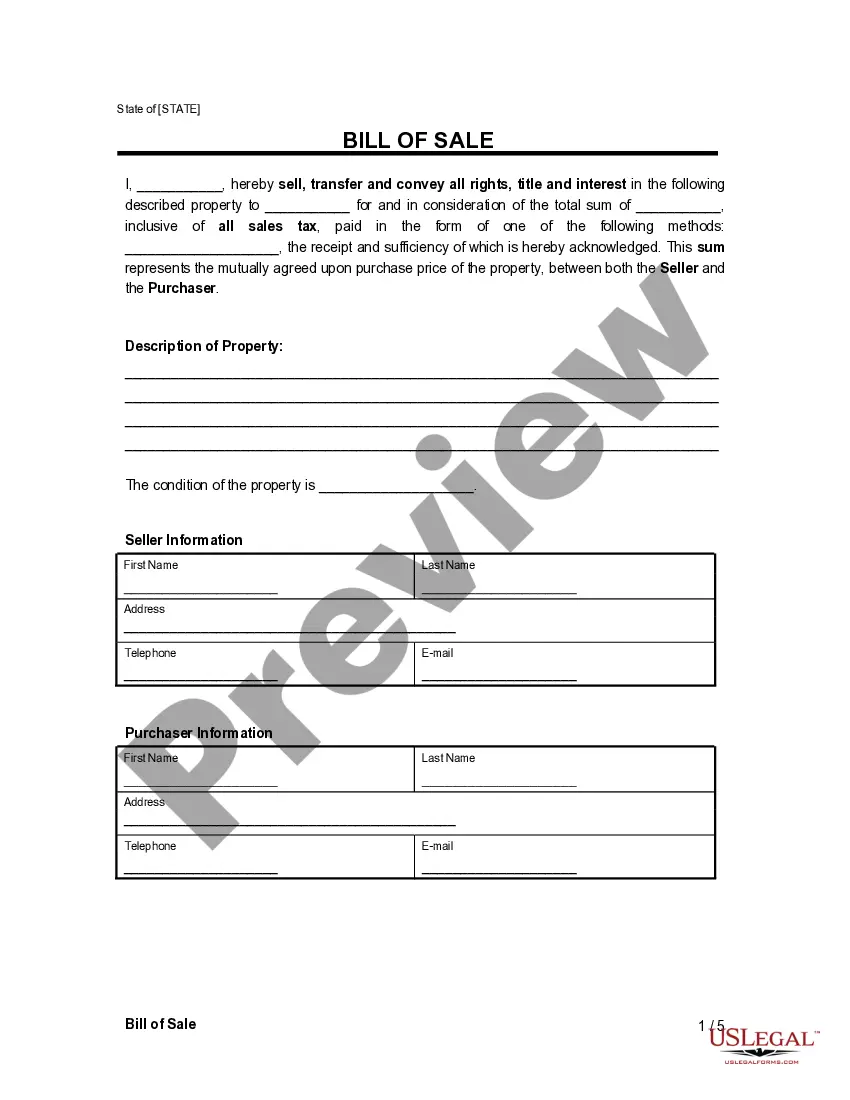
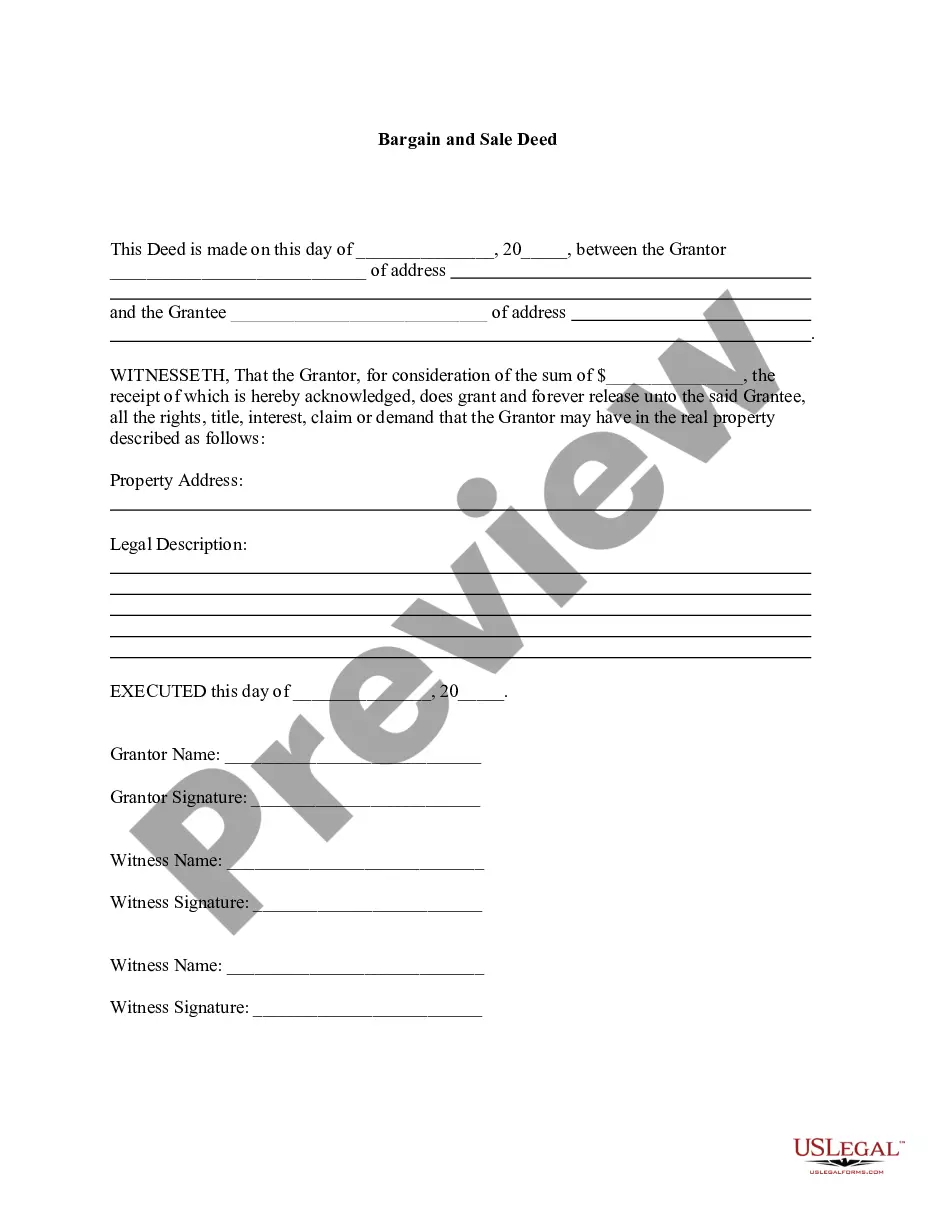
This form is a Bargain and Sale Deed with Covenants Against Grantor's Acts between Husband and Wife, party of the first part, and the Trustees of a Revocable Trust as party of the second part. This deed complies with all state statutory laws.
New York Bargain and Sale Deed with Covenant Against Grantors Acts - Husband and Wife to Trust
Category:
State:
New York
Control #:
NY-026-78
Format:
Word;
Rich Text
Instant download
Description
Free preview
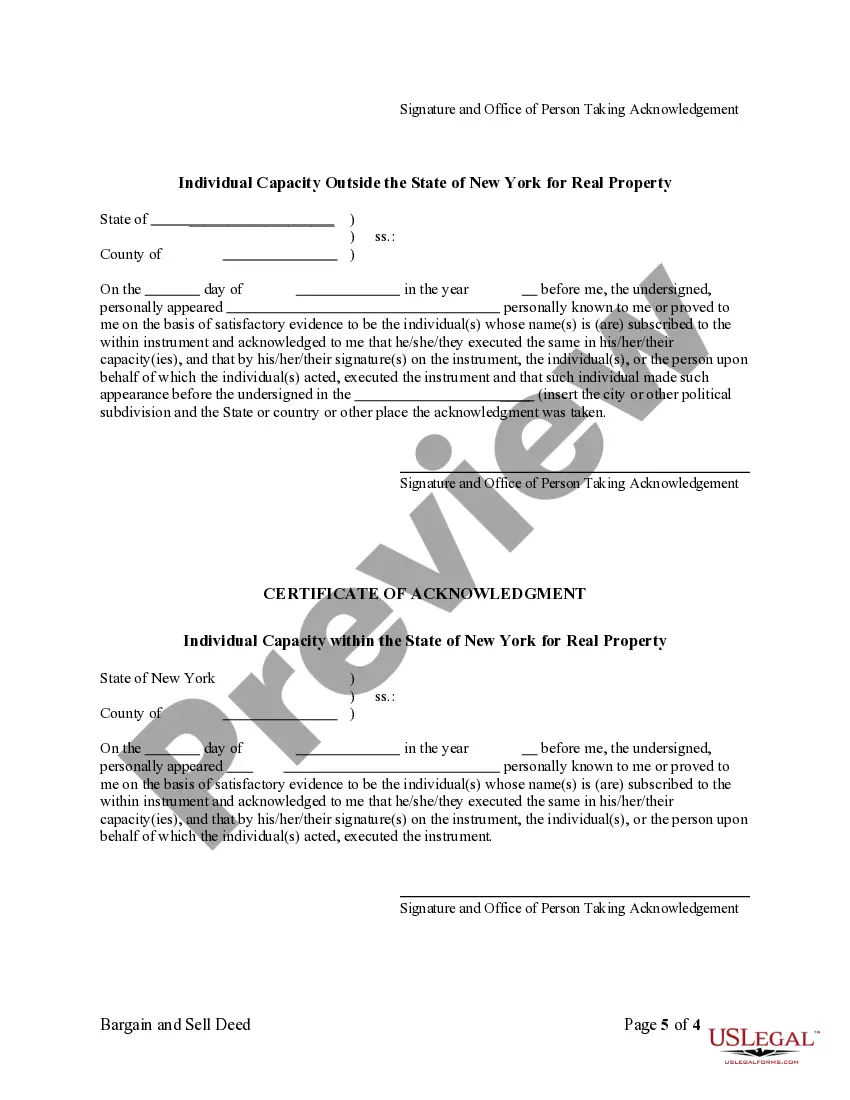
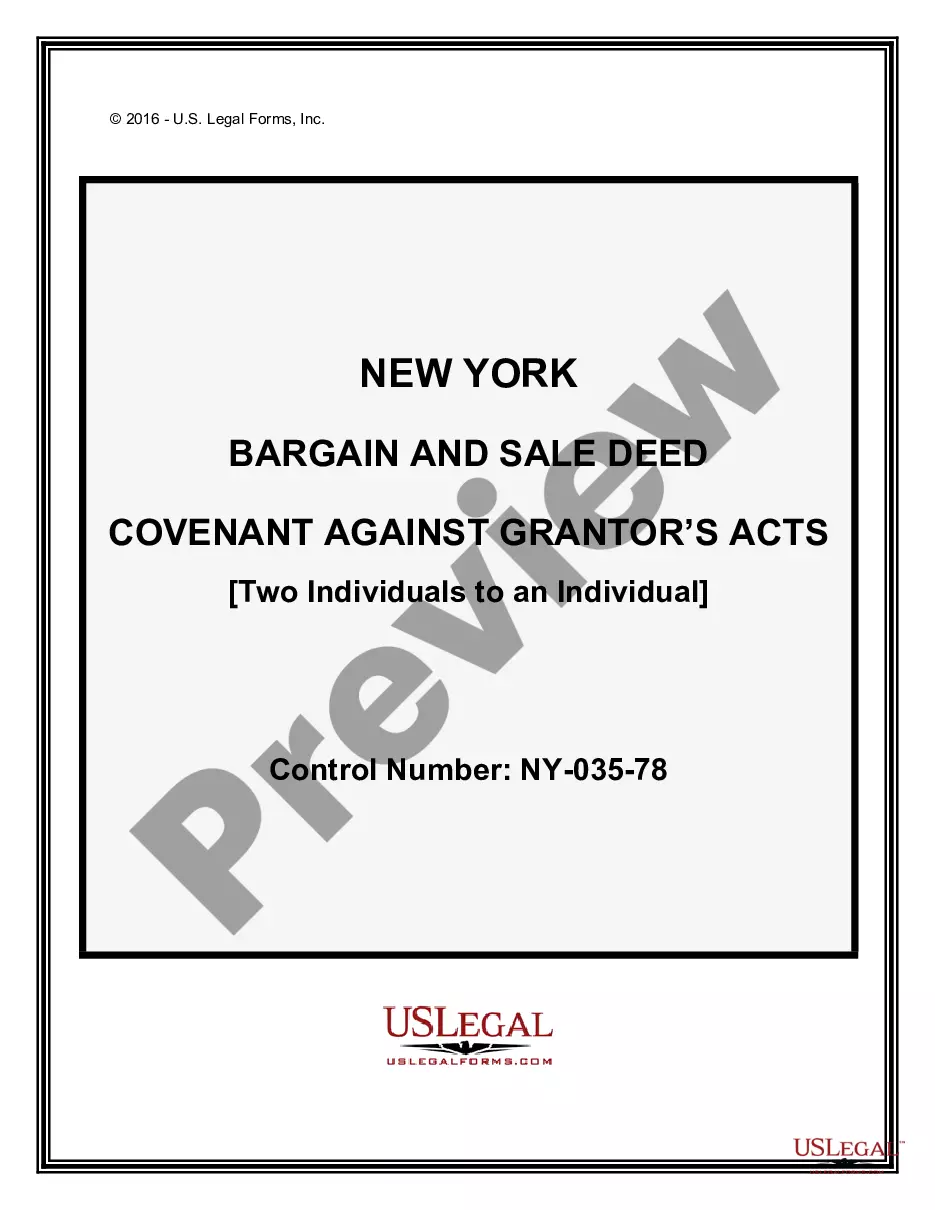


How to fill out New York Bargain And Sale Deed With Covenant Against Grantors Acts - Husband And Wife To Trust?
US Legal Forms is a unique system to find any legal or tax form for completing, including New York Bargain and Sale Deed with Covenant Against Grantors Acts - Husband and Wife to Trust. If you’re tired with wasting time seeking suitable examples and spending money on record preparation/attorney service fees, then US Legal Forms is precisely what you’re looking for.
To reap all of the service’s advantages, you don't have to install any application but simply choose a subscription plan and register an account. If you already have one, just log in and look for a suitable sample, download it, and fill it out. Downloaded documents are all kept in the My Forms folder.
If you don't have a subscription but need to have New York Bargain and Sale Deed with Covenant Against Grantors Acts - Husband and Wife to Trust, have a look at the recommendations below:
- check out the form you’re taking a look at is valid in the state you need it in.
- Preview the sample its description.
- Click Buy Now to get to the sign up page.
- Select a pricing plan and keep on signing up by providing some information.
- Decide on a payment method to complete the sign up.
- Save the file by choosing your preferred format (.docx or .pdf)
Now, fill out the file online or print out it. If you feel unsure about your New York Bargain and Sale Deed with Covenant Against Grantors Acts - Husband and Wife to Trust sample, contact a legal professional to check it before you decide to send out or file it. Get started hassle-free!
Form popularity
FAQ
A bargain and sale deed doesn't warrant against any encumbrances. It simply implies that the grantor holds title to the property.A bargain and sale deed is much like a quitclaim deed in this respect. It conveys property, but it makes no guarantees that no one else has a stake in that property.
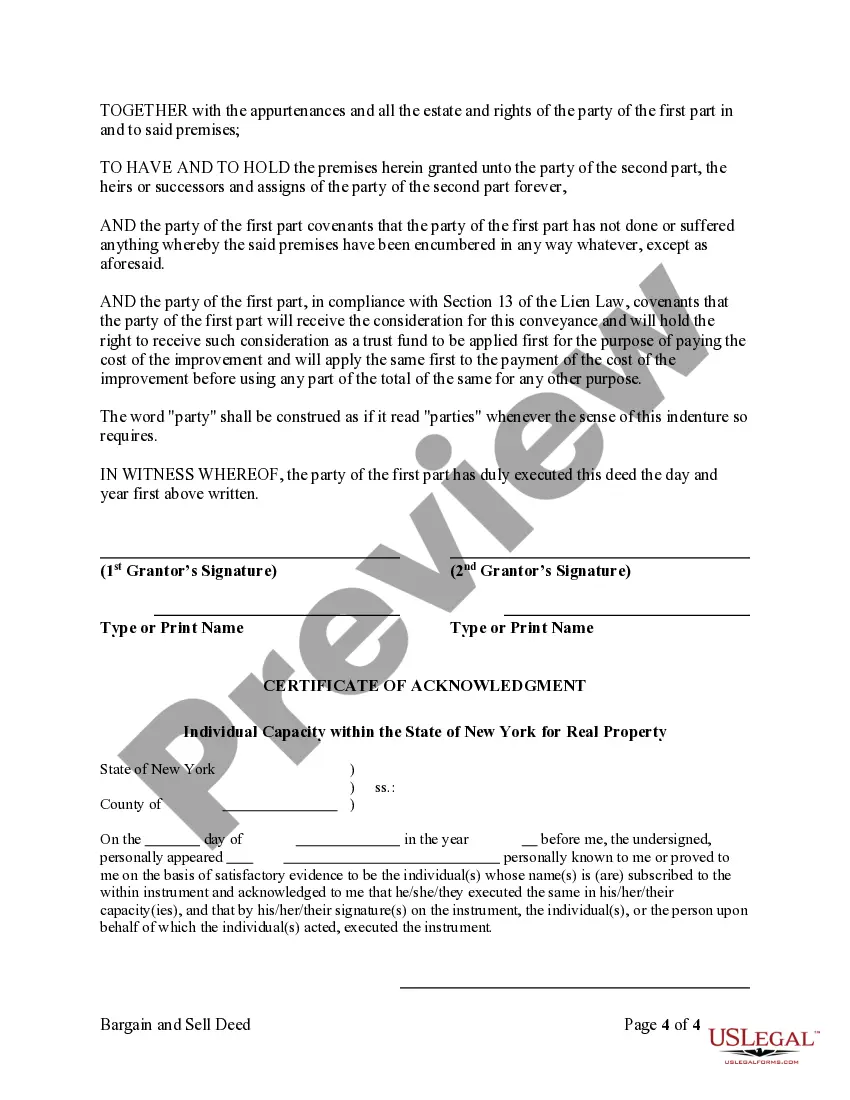
In New York, a bargain and sale deed with covenant against grantor's acts provides the grantee with a covenant that the grantor has not committed any act that would encumber title to the real property being conveyed and the covenant under Section 13 of the New York Lien Law.
Bargain and Sale With Covenants If a bargain and sale deed comes with expressly stated guarantees beyond simple ownership rights, it is known as a bargain and sale deed with covenants. The grantor of such a deed is guaranteeing the property against any possible claims expressly covered by the covenant.
Bargain and sale deeds are most often used when property is transferred pursuant to a foreclosure, tax sale, or settlement of the estate of a deceased person. They may also be used in the same situations as a quitclaim deed, although they give the grantee a little more protection.
A covenant deed is a less comprehensive warranty deed. It still conveys title but may contain any number or types of covenants. A covenant deed may contain restrictive covenants that prohibit the grantee from using the property in a certain way, or it may be tailored for a certain transaction.
The quitclaim deed provides no warranties; it conveys the interest the grantor had in the propertynothing more.The bargain and sale deed indicates that the grantor has title; but property might come with encumbrances and defects.
A bargain and sale with covenants against grantor's acts contains only one covenant or promise; that is, that the grantor has done nothing to encumber title with easements, liens, judgements and the like while owing the property.It does not run with the land. This type of deed is typically used in New Jersey.
Buying property with this type of deed is not necessarily a bad idea, but it is advisable to take some precautions. If possible, a title search should be conducted to look for any clouds on the title and to see how difficult it would be to release them.