Nevada Warranty Deed - Two Grantors to Three Grantees
About this form
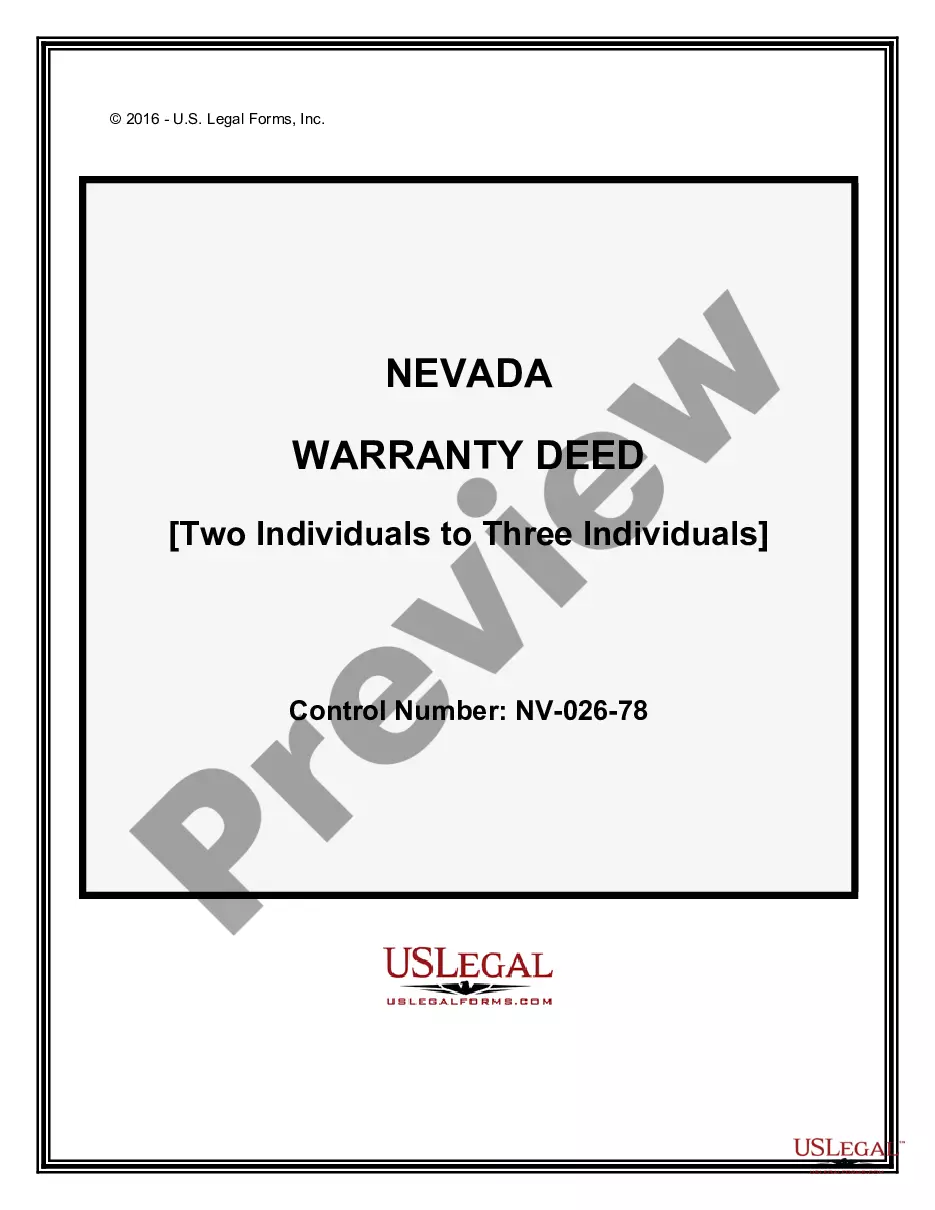
This Warranty Deed is a legal document in which two grantors (which can be individuals or a married couple) transfer property ownership to three grantees. The grantees can hold the property as joint tenants with the right of survivorship or as tenants in common. This deed ensures that the property is conveyed with warranty, meaning the grantors guarantee a clear title to the property, differing from other types of deeds that may not provide such assurances.
What’s included in this form
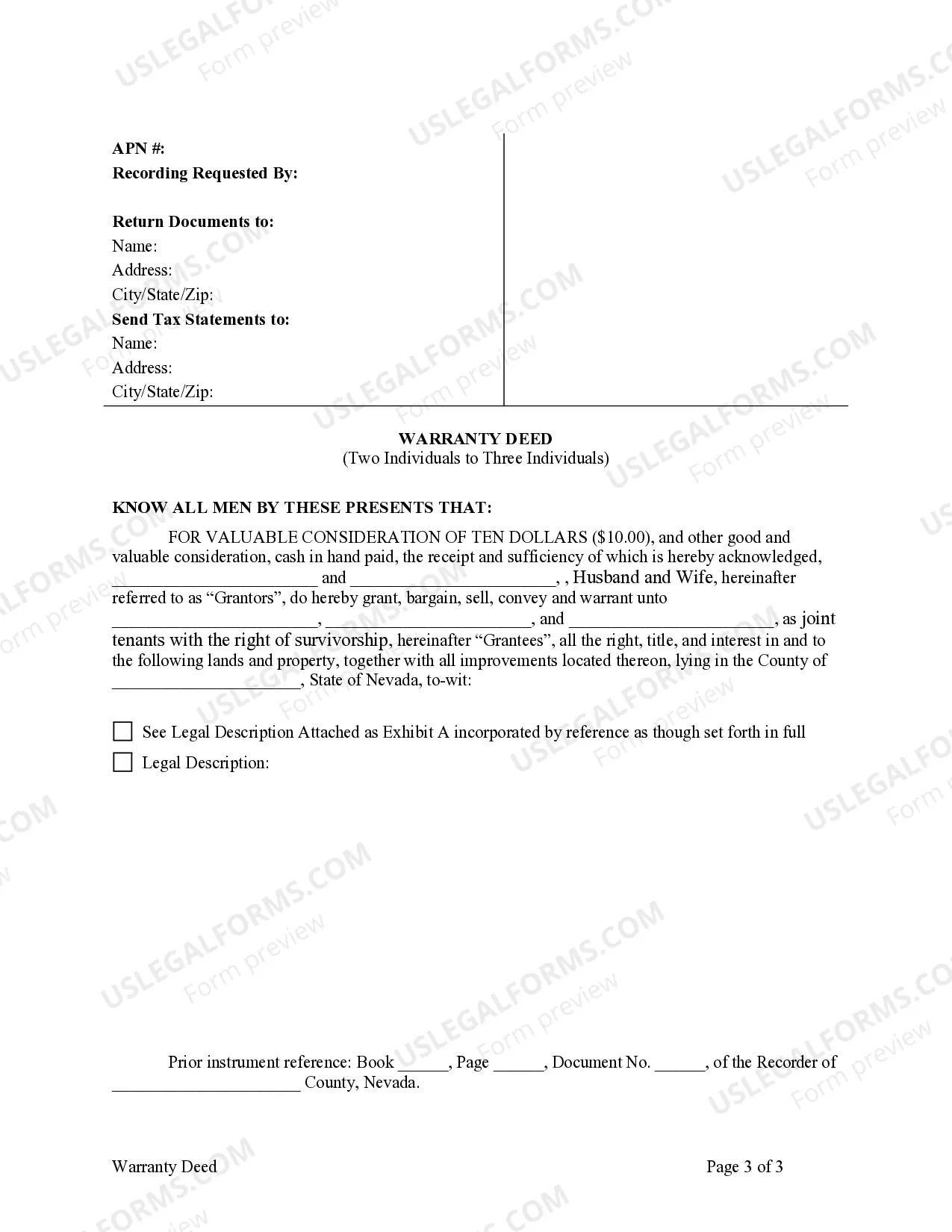
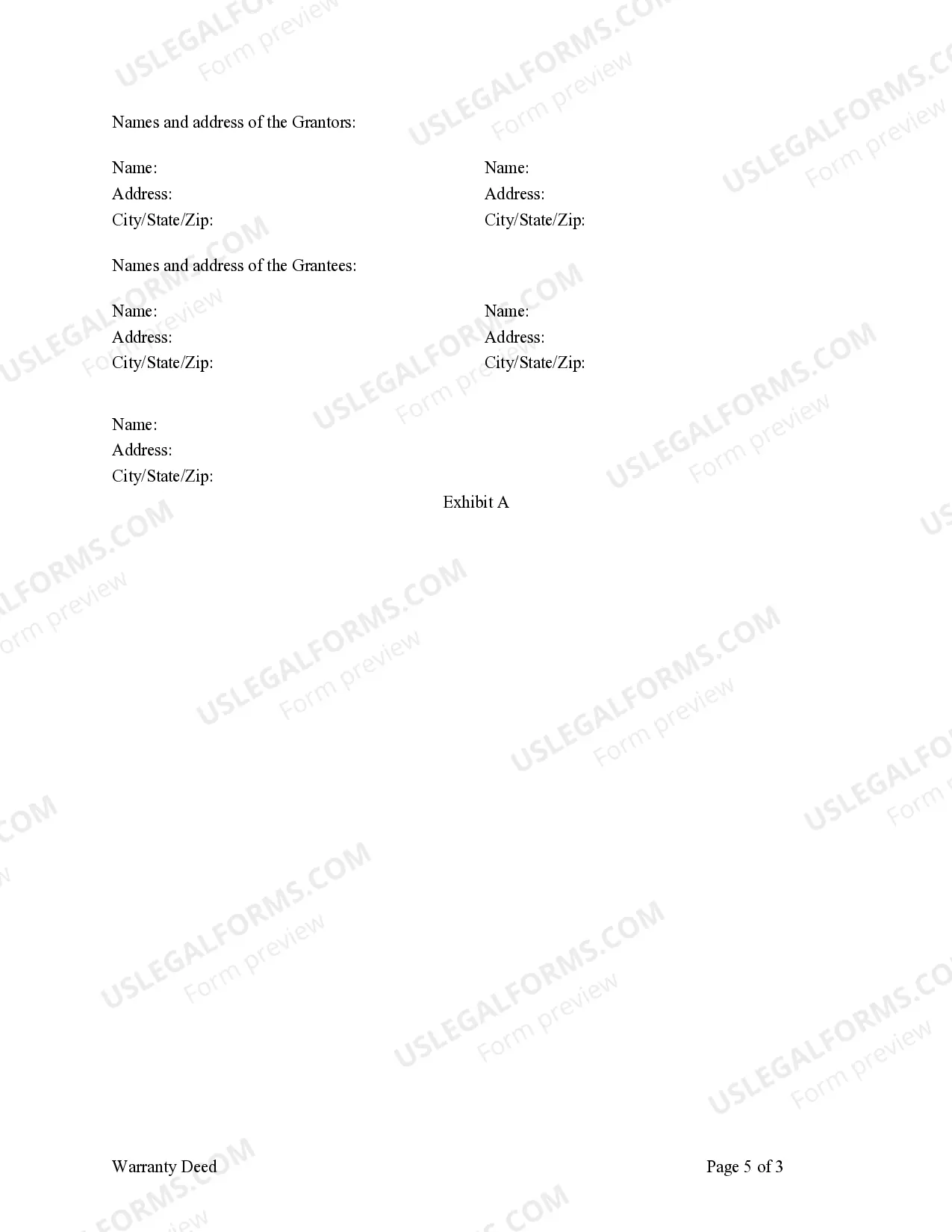
- Identification of the grantors and grantees involved in the property transfer.
- Detailed legal description of the property, including its location.
- Clauses specifying how the property will be held by the grantees (joint tenancy or tenants in common).
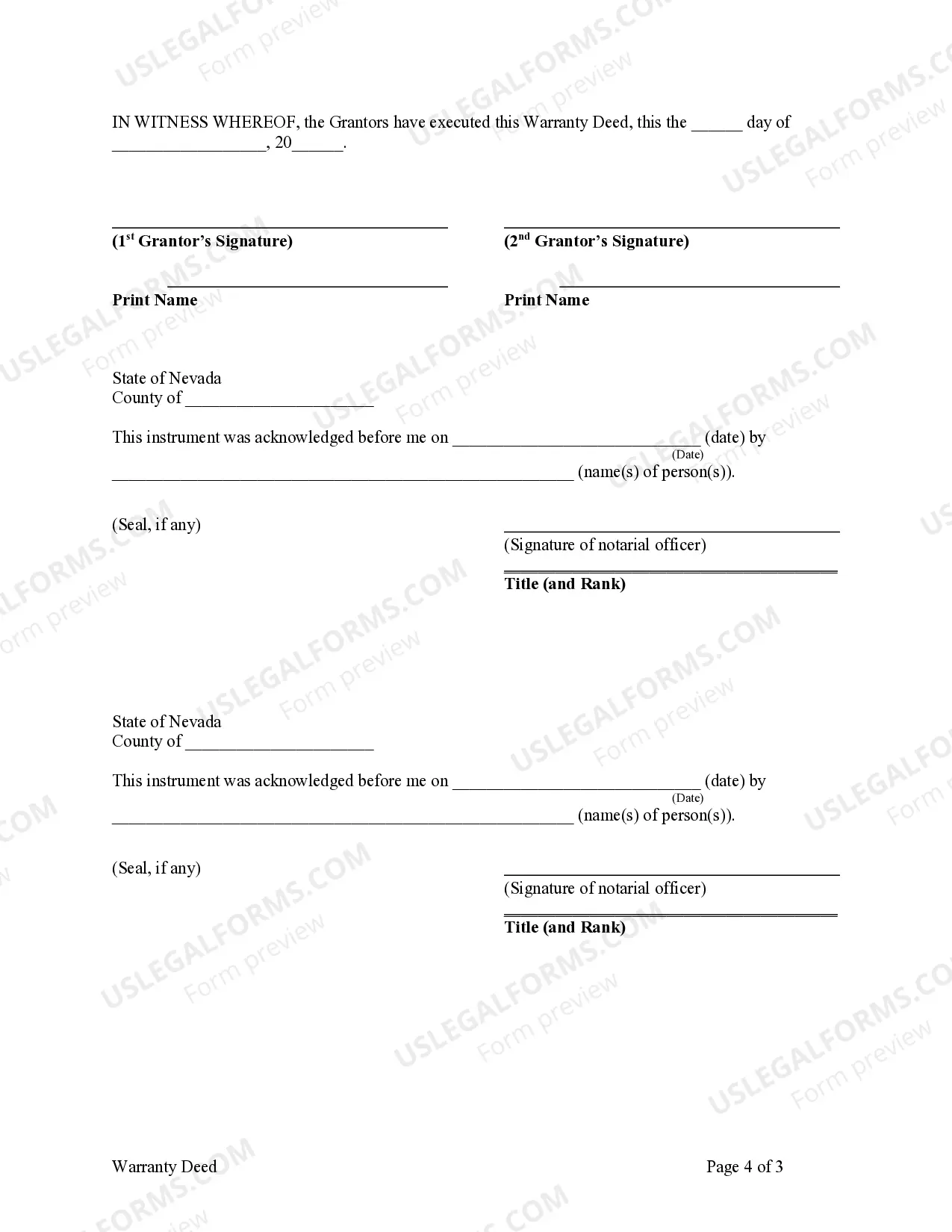
- Signatures of grantors, confirming the transfer aligns with legal requirements.







Situations where this form applies
This form is ideal for situations where two individuals or a couple wish to convey property to three parties. Common scenarios may include gifting property within a family, dividing ownership interests among heirs, or transferring property in a business partnership where multiple individuals are involved.
Who can use this document
- Individuals or couples acting as grantors who own property they wish to transfer.
- Family members who want to gift property to relatives.
- Friends or business partners seeking to jointly own property.
Instructions for completing this form
- Identify the full names of the grantors and the grantees involved in the transaction.
- Provide a detailed description of the property being conveyed, including any legal identifiers.
- Decide how the grantees will hold the property (joint tenants or tenants in common) and indicate this on the form.
- Have all grantors sign the form in the presence of a notary public if required.
- File the completed Warranty Deed with the appropriate local authority to maintain public records.
Is notarization required?
This form must be notarized to be legally valid. US Legal Forms provides secure online notarization powered by Notarize, allowing you to complete the process through a verified video call.
Get your form ready online
Our built-in tools help you complete, sign, share, and store your documents in one place.
Make edits, fill in missing information, and update formatting in US Legal Forms—just like you would in MS Word.
Download a copy, print it, send it by email, or mail it via USPS—whatever works best for your next step.
Sign and collect signatures with our SignNow integration. Send to multiple recipients, set reminders, and more. Go Premium to unlock E-Sign.
If this form requires notarization, complete it online through a secure video call—no need to meet a notary in person or wait for an appointment.
We protect your documents and personal data by following strict security and privacy standards.

Make edits, fill in missing information, and update formatting in US Legal Forms—just like you would in MS Word.

Download a copy, print it, send it by email, or mail it via USPS—whatever works best for your next step.

Sign and collect signatures with our SignNow integration. Send to multiple recipients, set reminders, and more. Go Premium to unlock E-Sign.

If this form requires notarization, complete it online through a secure video call—no need to meet a notary in person or wait for an appointment.

We protect your documents and personal data by following strict security and privacy standards.
Avoid these common issues
- Not including the legal description of the property properly.
- Failing to have the grantors sign the deed in front of a notary, if notarization is required.
- Not specifying the type of ownership structure chosen by the grantees.
Benefits of completing this form online
- Convenience of downloading and completing the form from home.
- Editability to easily make changes or corrections as needed.
- Access to templates drafted by licensed attorneys, ensuring compliance with legal standards.
Legal use & context
- This Warranty Deed ensures the grantors legally guarantee the property title being transferred.
- It is enforceable within the jurisdiction of Nevada, subject to adherence to local statutory requirements.
- Failure to accurately complete or record the deed may lead to disputes or challenges in ownership.
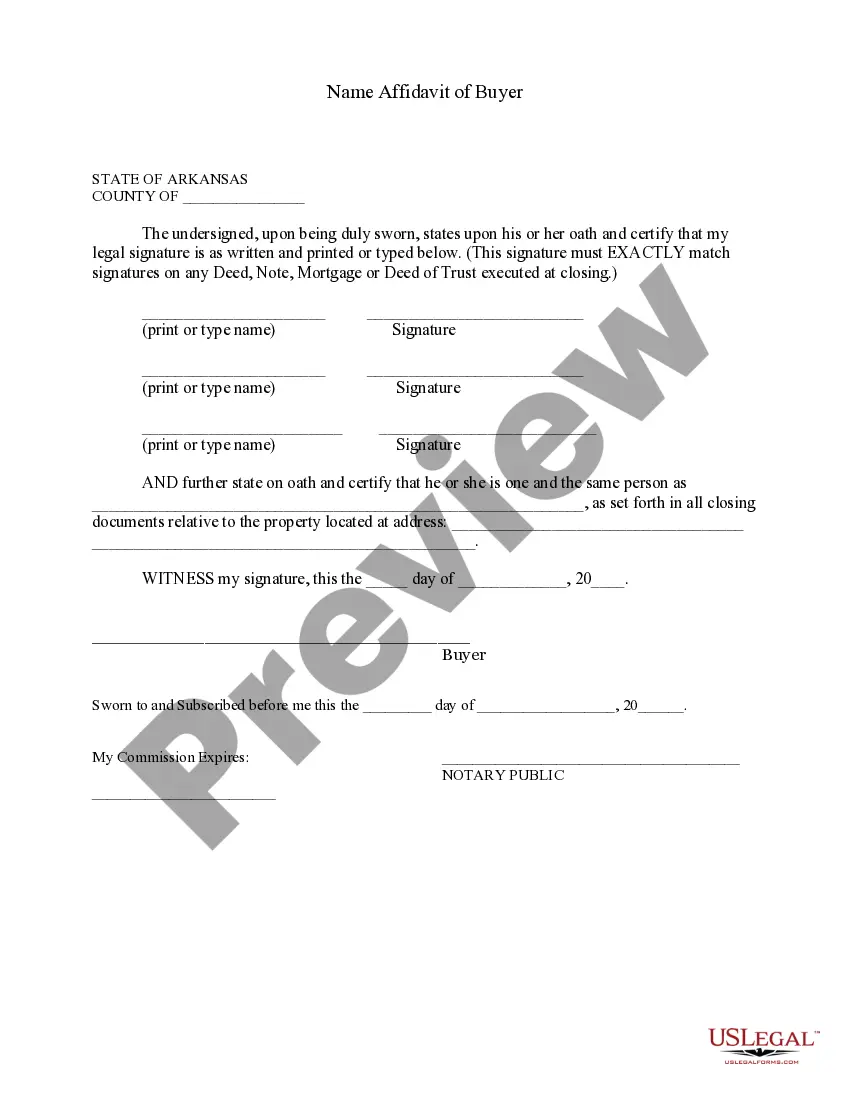
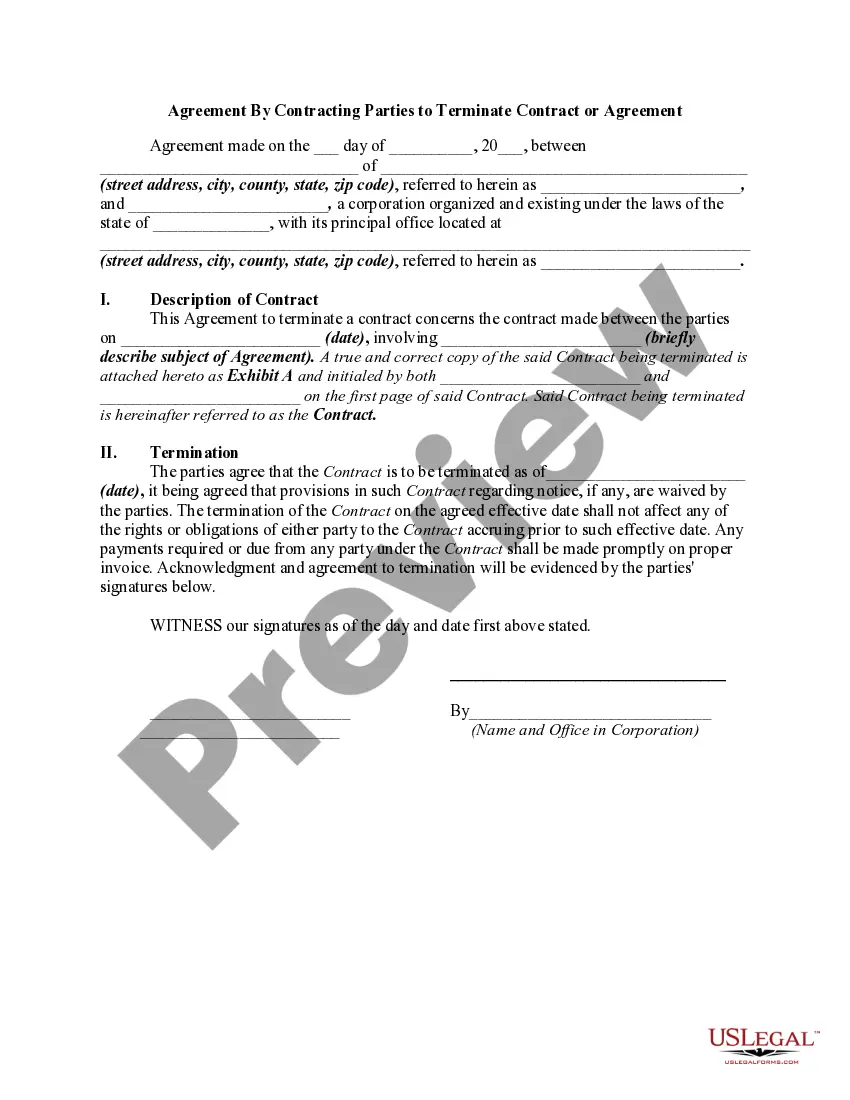
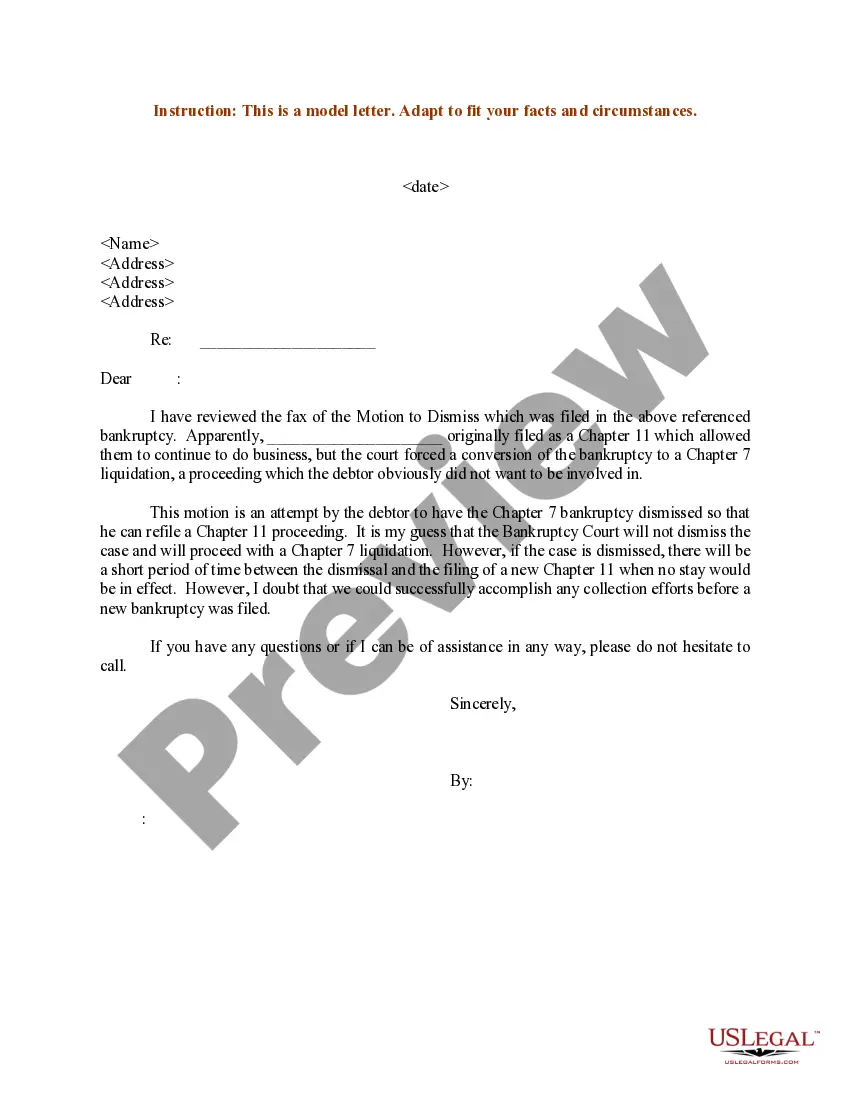
Looking for another form?
Form popularity
FAQ
The name and address of the seller (called the grantor) The name and address of the buyer (called the grantee) A legal description of the property (found on the previous deed) A statement that the grantor is transferring the property to the grantee.
The name and address of the seller (called the grantor) The name and address of the buyer (called the grantee) A legal description of the property (found on the previous deed) A statement that the grantor is transferring the property to the grantee.
A grantee is the recipient of a grant, scholarship, or some other asset such as real estate property. In contrast, a grantor is a person or entity that conveys ownership of an asset to another person or entity: the grantee.
Under the Grantor section of the deed, write the name of the person transferring title. Under Grantee, write the name of the person receiving title. Describe the parcel of land. Use the street address and include the North Carolina County where the land is located.
If you've recently married and already own a home or other real estate, you may want to add your new spouse to the deed for your property so the two of you own it jointly. To add a spouse to a deed, all you have to do is literally fill out, sign and record a new deed in your county recorder's office.
The deed must be signed by all grantors, in front of a qualified notary, and notarized by the notary to be complete. Contact the local county recorder's office to find out what type of notaries are allowed to notarize deeds and where the notaries are located.
To make the form legally binding, you must sign it in front of a notary public. You must then file your signed and notarized deed with the county office that's in charge of recording property documents. Once the grantee signs the warranty deed, he/she legally has ownership and claim to the property.
The answer is yes. Parties to a transaction are always free to prepare their own deeds. If you do so, be sure your deed measures up to your state's legal regulations, to help avert any legal challenge to the deed later.