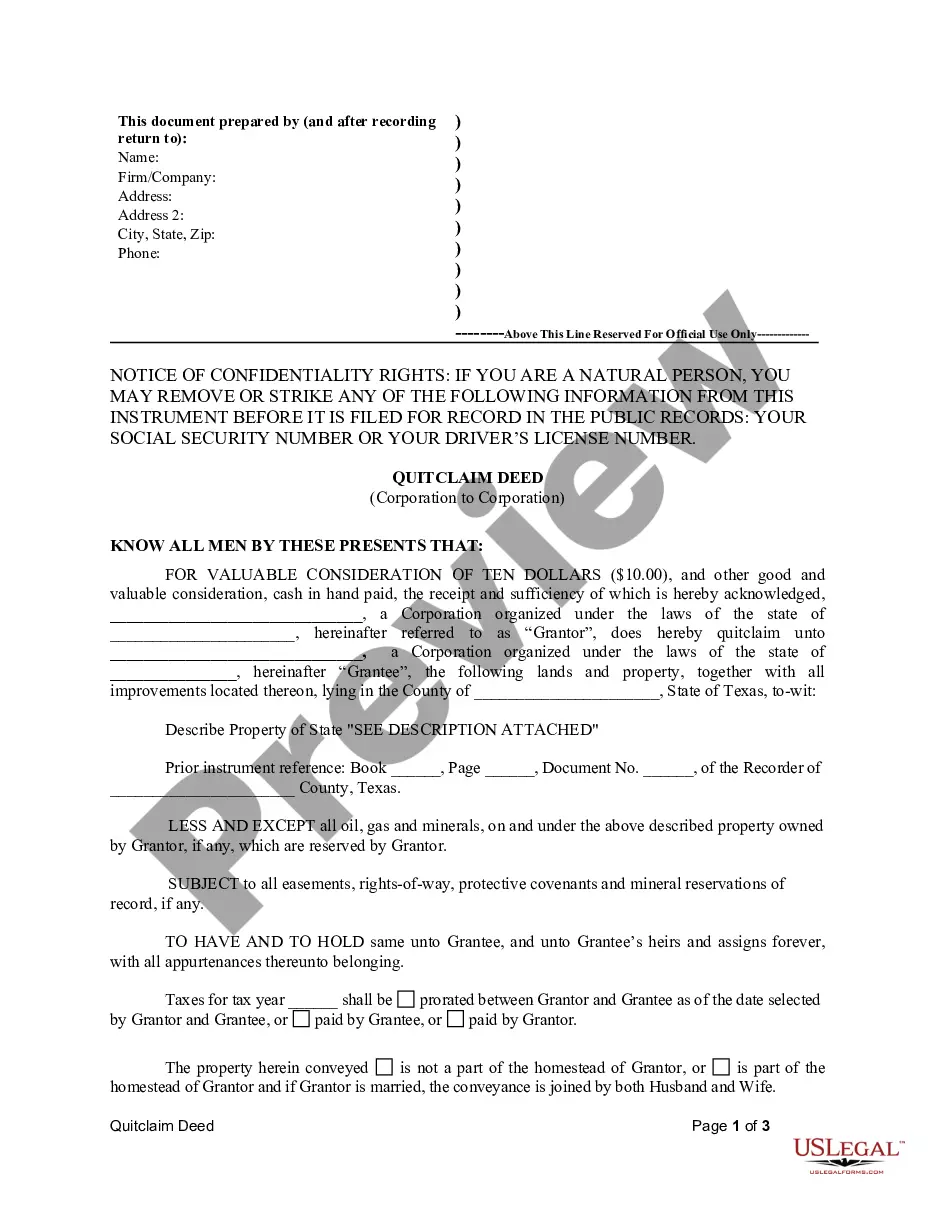
Texas Motion that Guardianship Order be Modified to Allow Ward to Vote
Understanding this form
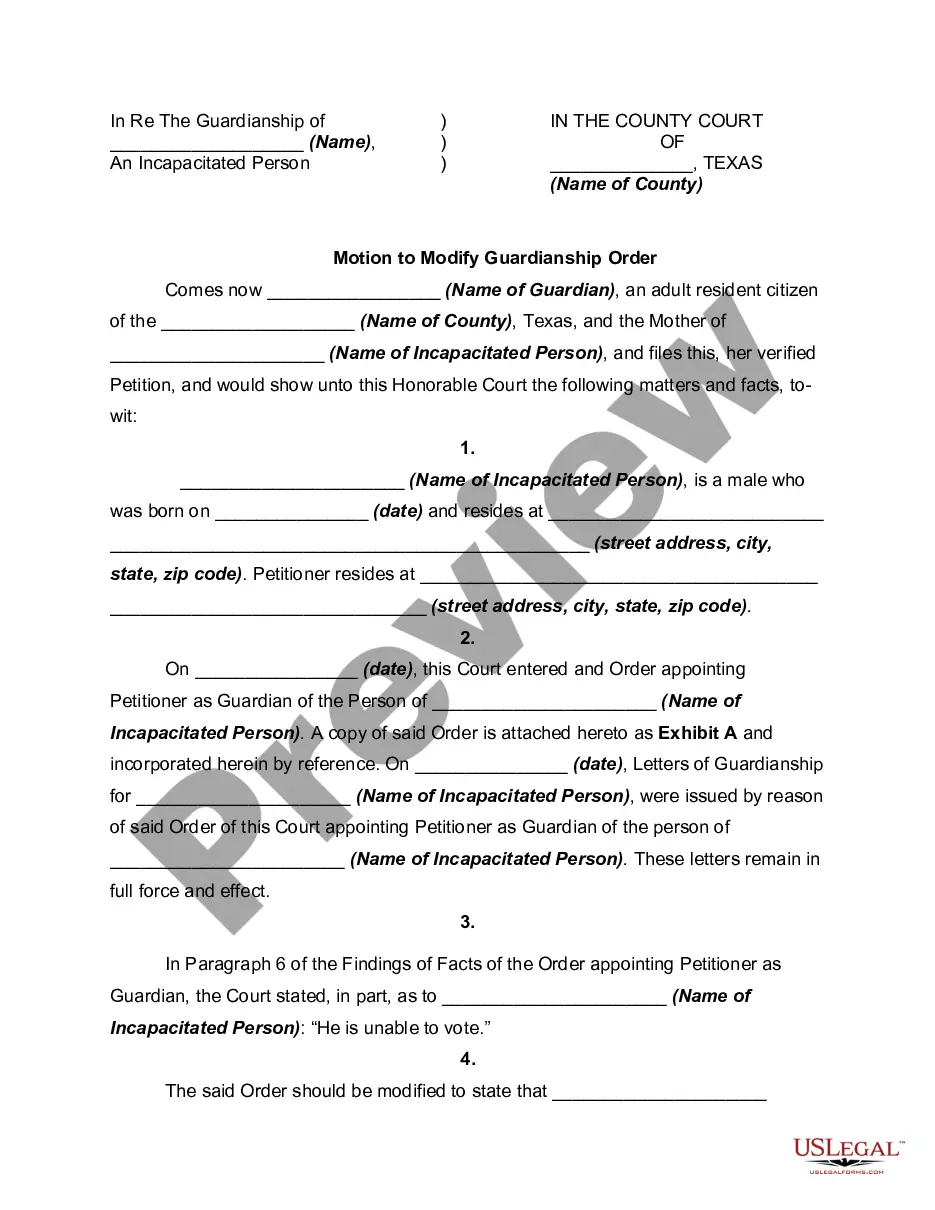
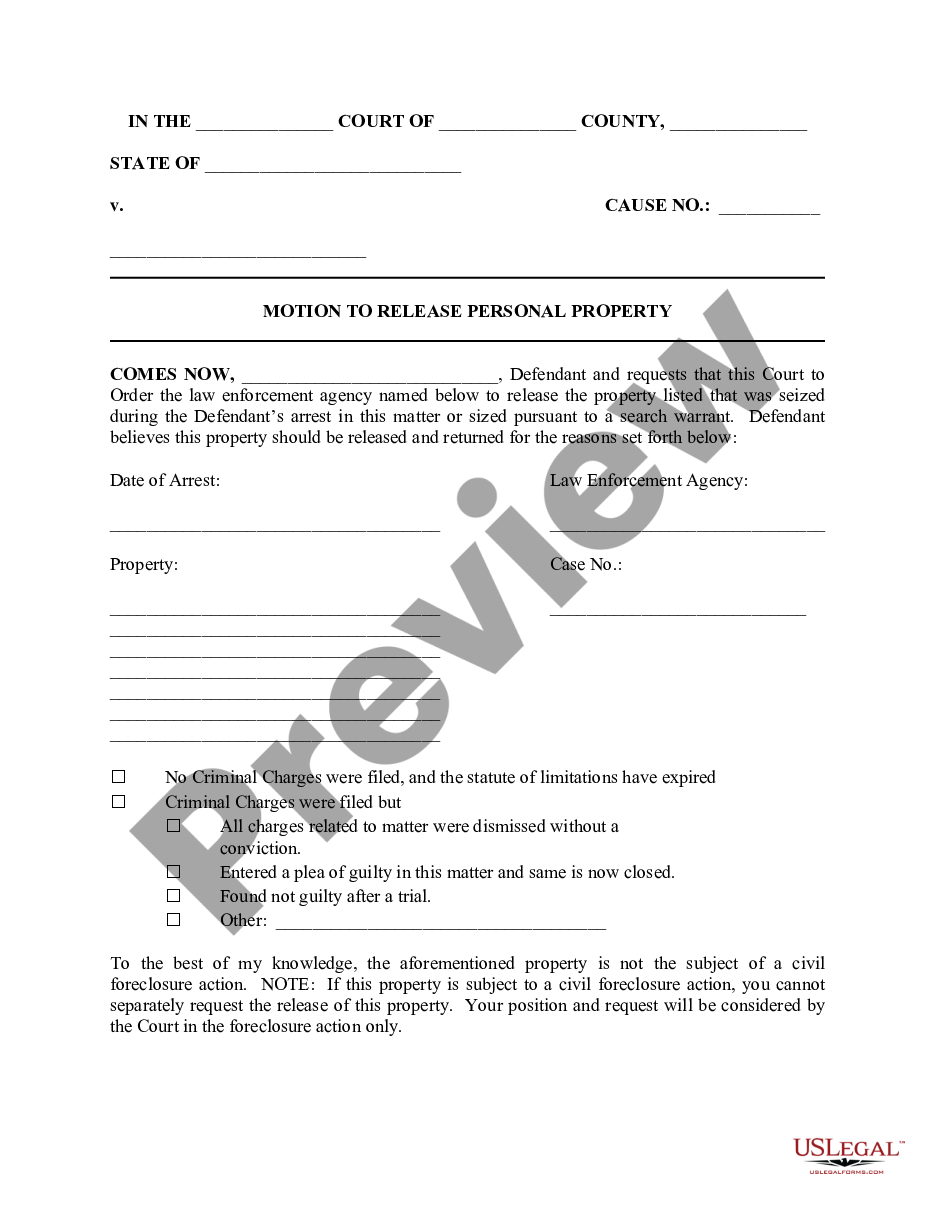
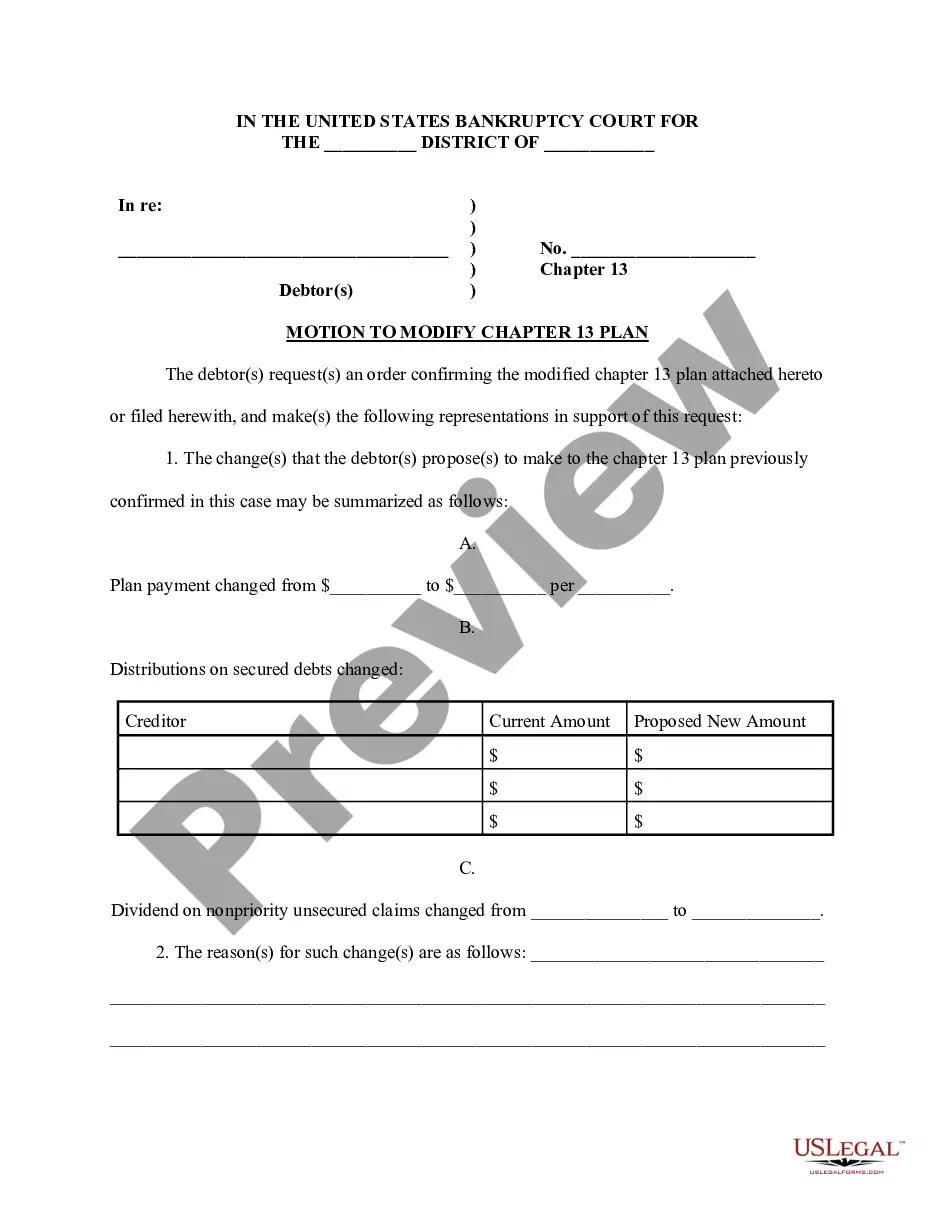
The Motion that Guardianship Order be Modified to Allow Ward to Vote is a legal document used to request changes to a guardianship order regarding a ward's voting rights. This form allows a guardian to present evidence to the court that the ward, previously deemed incapacitated, has regained the capacity to vote. This form is distinct from general guardianship documents because it focuses specifically on modifying the ward's voting rights.
Main sections of this form
- Name and details of the guardian and the ward.
- Date when the original guardianship order was issued.
- Reference to the court's findings about the ward's incapacity to vote.
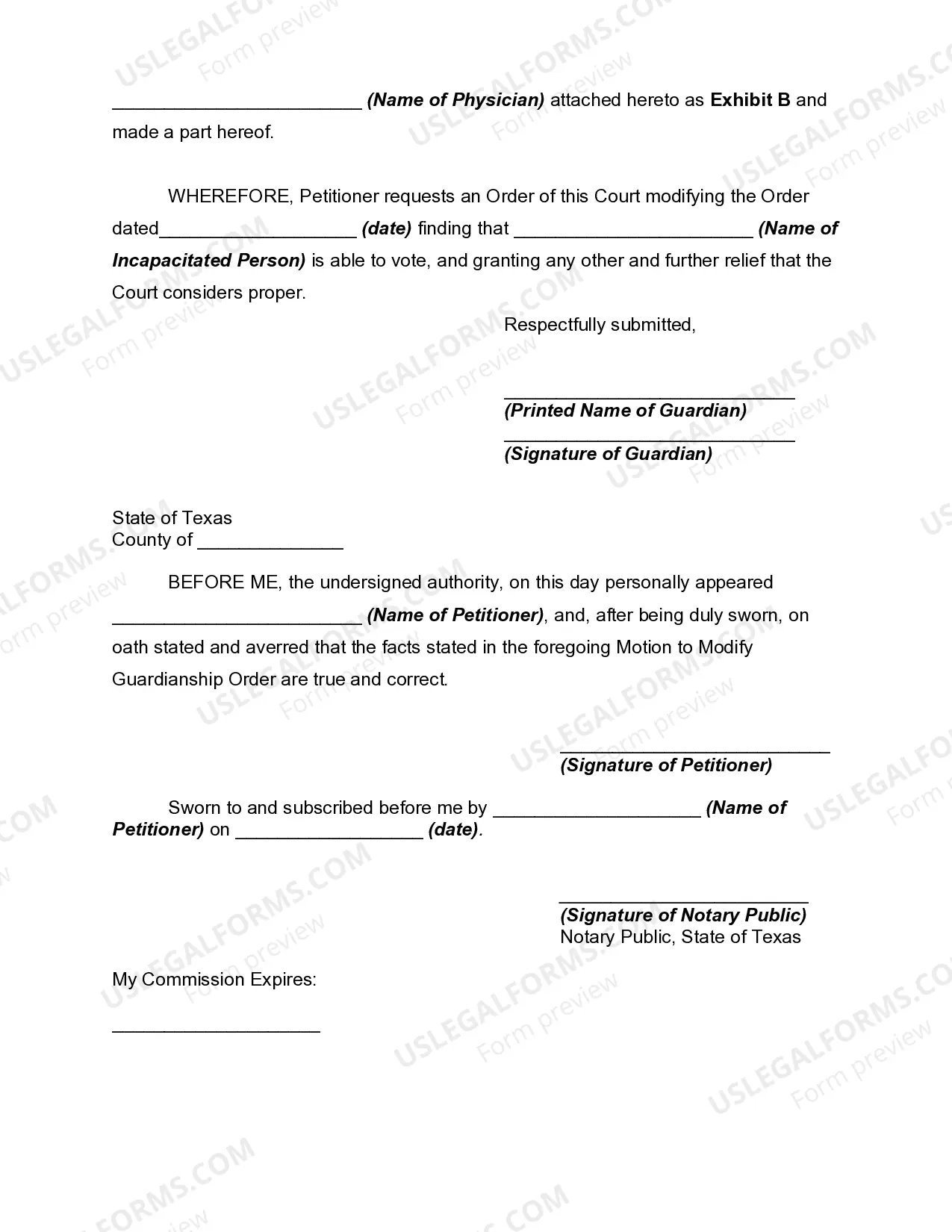
- Evidentiary support, such as a letter from a physician, asserting the ward's ability to vote.
- Request for modification of the guardianship order to permit voting rights.

When this form is needed
This form should be used when a guardian believes that the ward, previously deemed unable to vote, has regained sufficient mental and legal capacity to participate in elections. It may be relevant in situations such as improvement in the ward's health, successful medical treatment, or rehabilitation, which supports their ability to understand and engage in the voting process.
Who needs this form
This form is intended for:
- Guardians of incapacitated individuals who have shown signs of regaining capacity.
- Family members seeking to advocate for the voting rights of their loved ones under guardianship.
- Individuals interested in advocating for the rights of wards to participate in democratic processes.
How to prepare this document
- Identify the guardian and ward by entering their names and addresses.
- Include the date when the original guardianship order was issued.
- Summarize the court's previous finding about the ward's voting capability.
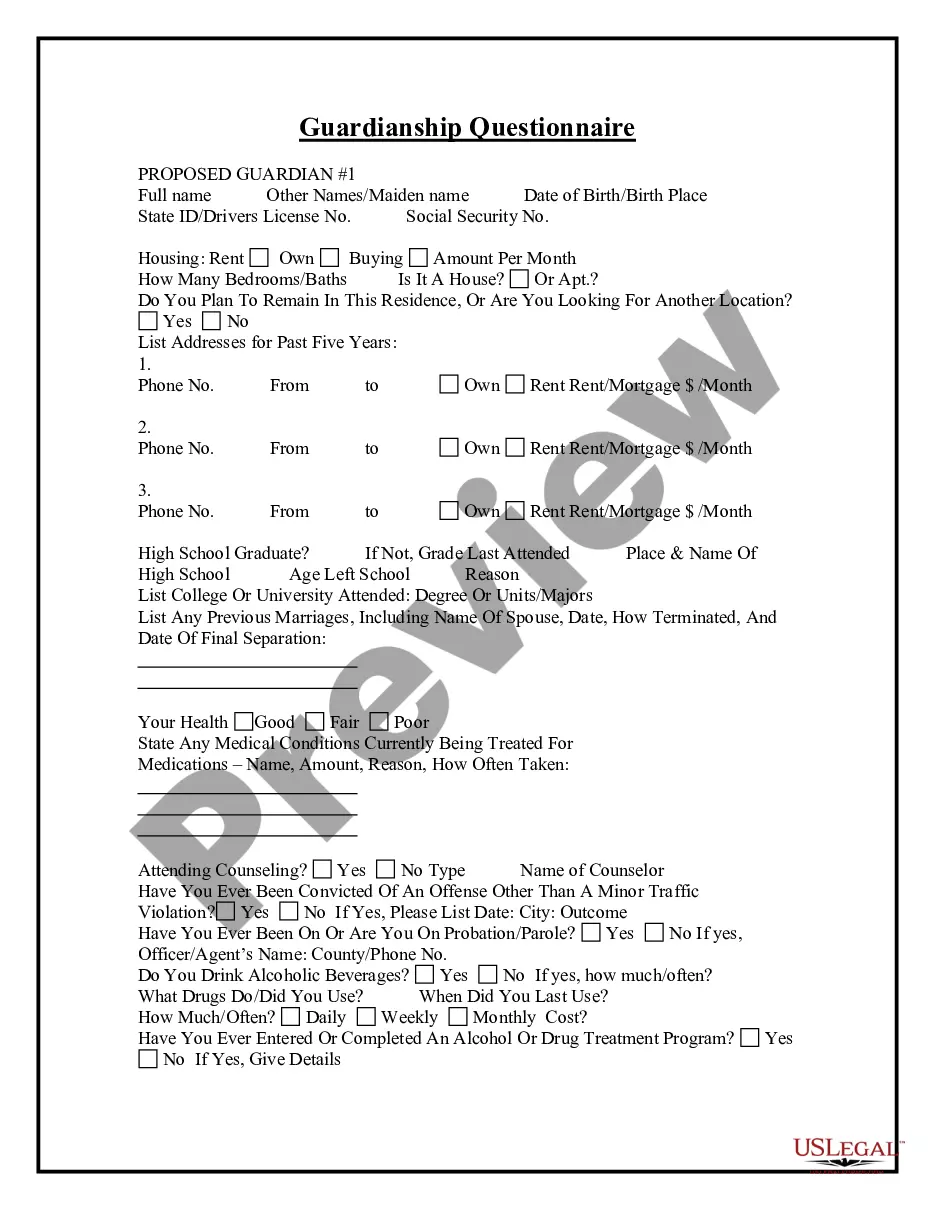
- Attach supportive evidence, such as a doctor's letter indicating the ward's ability to vote.
- Sign the form and ensure it is properly notarized if required.
Notarization guidance
Notarization is required for this form to take effect. Our online notarization service, powered by Notarize, lets you verify and sign documents remotely through an encrypted video session, available 24/7.
Get your form ready online
Our built-in tools help you complete, sign, share, and store your documents in one place.
Make edits, fill in missing information, and update formatting in US Legal Forms—just like you would in MS Word.
Download a copy, print it, send it by email, or mail it via USPS—whatever works best for your next step.
Sign and collect signatures with our SignNow integration. Send to multiple recipients, set reminders, and more. Go Premium to unlock E-Sign.
If this form requires notarization, complete it online through a secure video call—no need to meet a notary in person or wait for an appointment.
We protect your documents and personal data by following strict security and privacy standards.

Make edits, fill in missing information, and update formatting in US Legal Forms—just like you would in MS Word.

Download a copy, print it, send it by email, or mail it via USPS—whatever works best for your next step.

Sign and collect signatures with our SignNow integration. Send to multiple recipients, set reminders, and more. Go Premium to unlock E-Sign.

If this form requires notarization, complete it online through a secure video call—no need to meet a notary in person or wait for an appointment.

We protect your documents and personal data by following strict security and privacy standards.
Typical mistakes to avoid
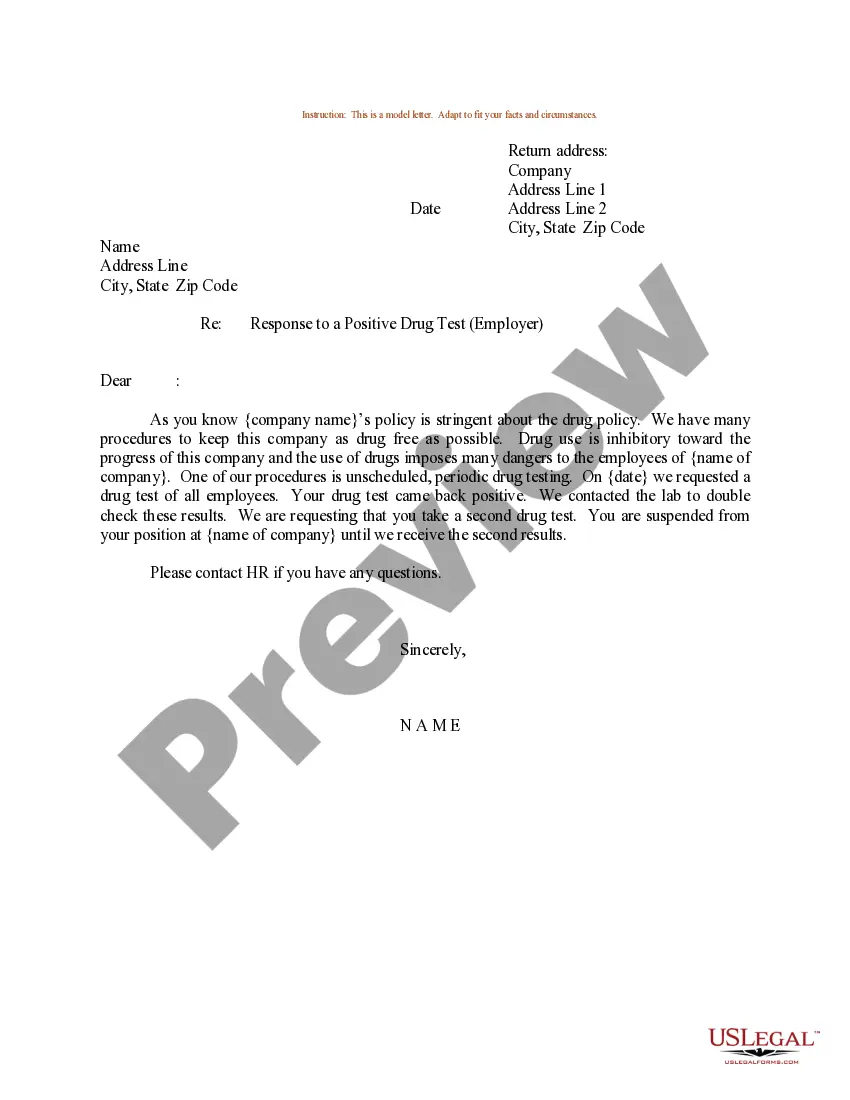
- Failing to provide adequate evidence of the ward's capacity to vote.
- Incorrectly filling in the guardian's or ward's information.
- Neglecting to sign and date the petition appropriately.
Why use this form online
- Convenient access to legal forms from anywhere, without the need for in-person visits.
- Editable templates allow for customization according to individual circumstances.
- Reliable and secure form that meets legal standards.
Looking for another form?
Form popularity
FAQ
A guardian is also prohibited from making gifts from the ward's estate. Generally, a guardian cannot tie up the ward's money by purchasing real estate, but can lend the money to someone else buying real estate if the property is sufficient security for the loan.
A power of attorney is a private way to decide who will have the legal authority to carry out your wishes if you can no longer speak or act for yourself. It is less costly than a guardianship, which is a public proceeding and the person appointed as your guardian may not be the person you would have chosen.
A guardianship is necessary when a person or minor is considered incapacitated.There are instances when a person is starting to lose the ability to make rational or prudent decisions but has designated a power of attorney.
In most cases, power of attorney is preferred to legal guardianship because more control is retained by the person being protected. However, if court supervision is needed, guardianship may be more appropriate.
Representative payee. Durable powers of attorney. Health care surrogacy. Living wills. Trusts. Community advocacy systems. Joint checking accounts. Case management.
There are two types of guardianships, a full guardianship and a limited guardianship.
If you disagree with the guardianship orders, you can appeal to the NCAT Appeal Panel or the Supreme Court of NSW. Appeals can only be lodged within a certain period of time from the date of the decision.
Spending or investing the protected person's money. The guardian can ask the court to approve a monthly budget to pay the protected person's monthly expenses. Selling the protected person's home or any real property. Making or changing the protected person's last will and testament, or change any beneficiaries.
Guardianship of the person. The legal guardian has the right to consent for the minor and make all decisions regarding the minor's health and education. A legal guardian will maintain custody of the minor until the minor reaches the age of eighteen, or until a judge determines that the minor no longer needs a guardian.