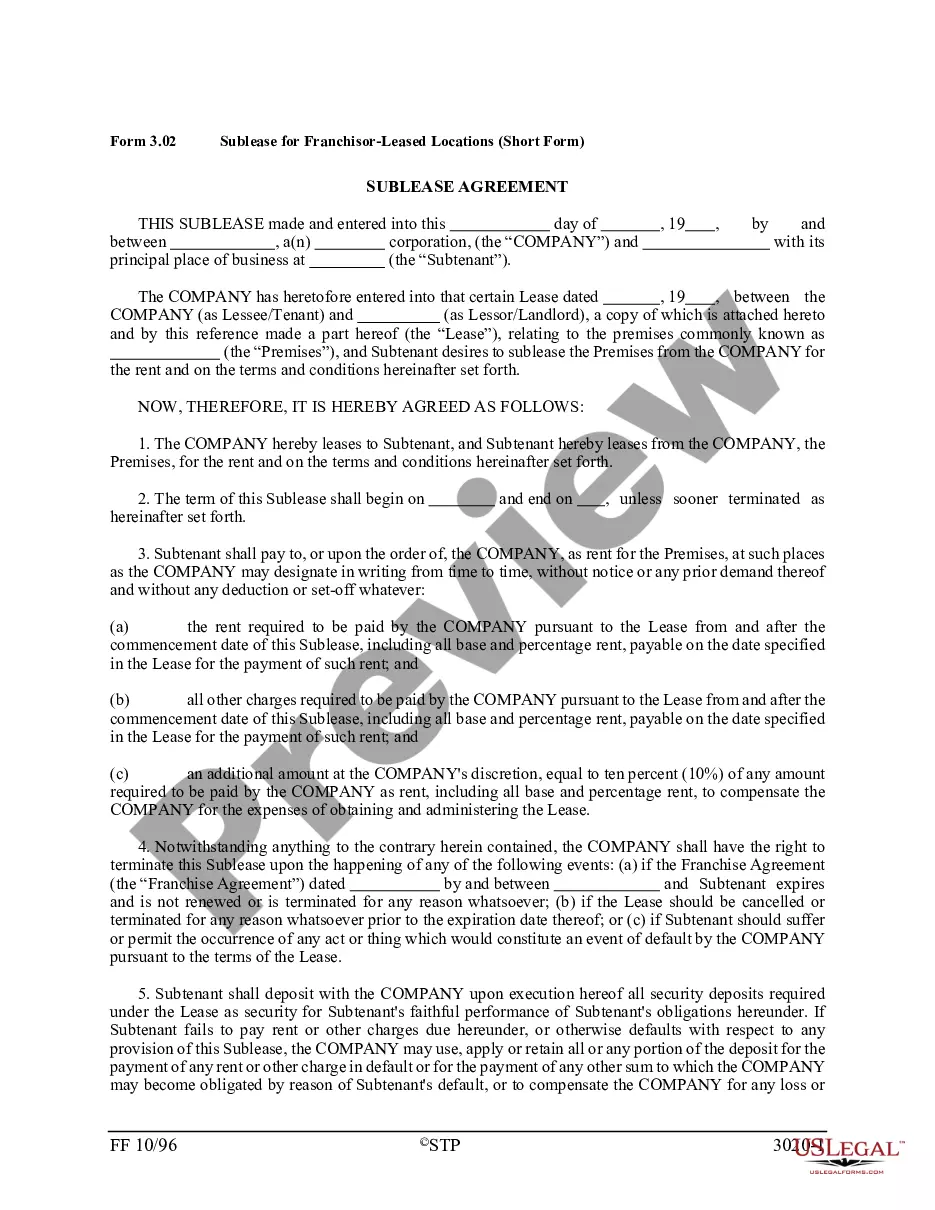
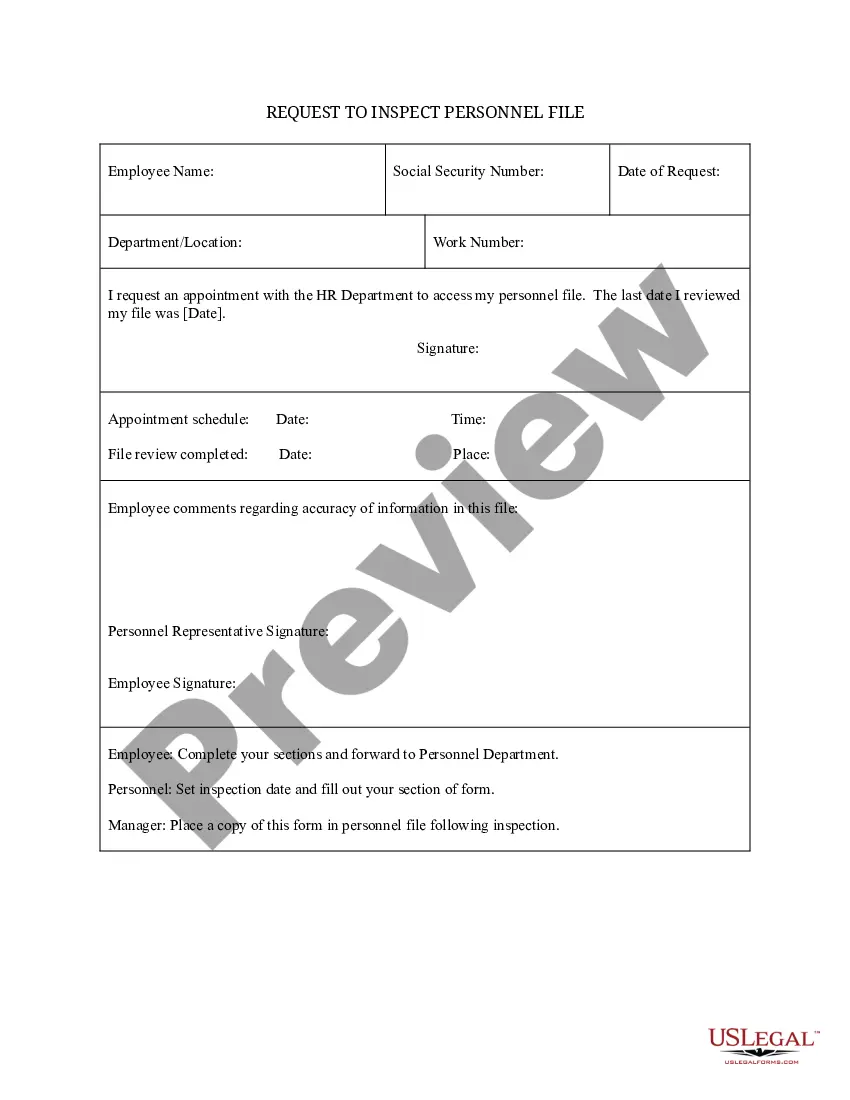
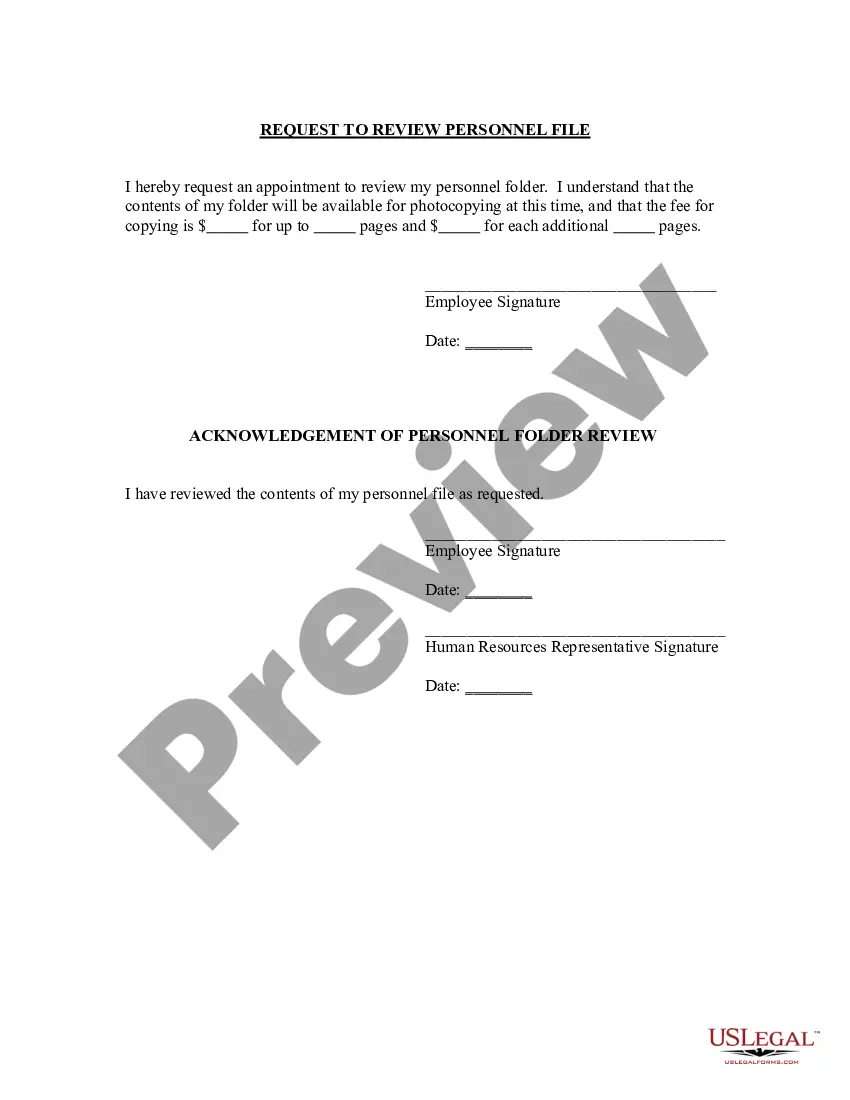
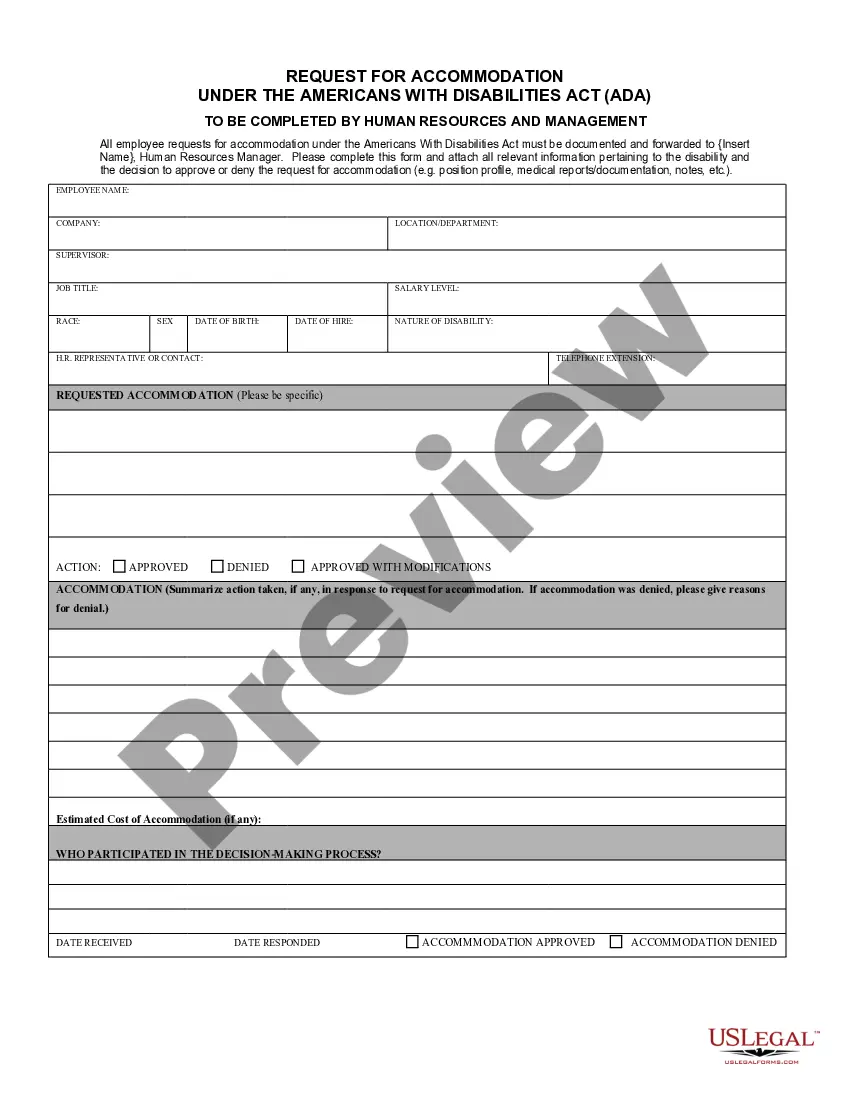
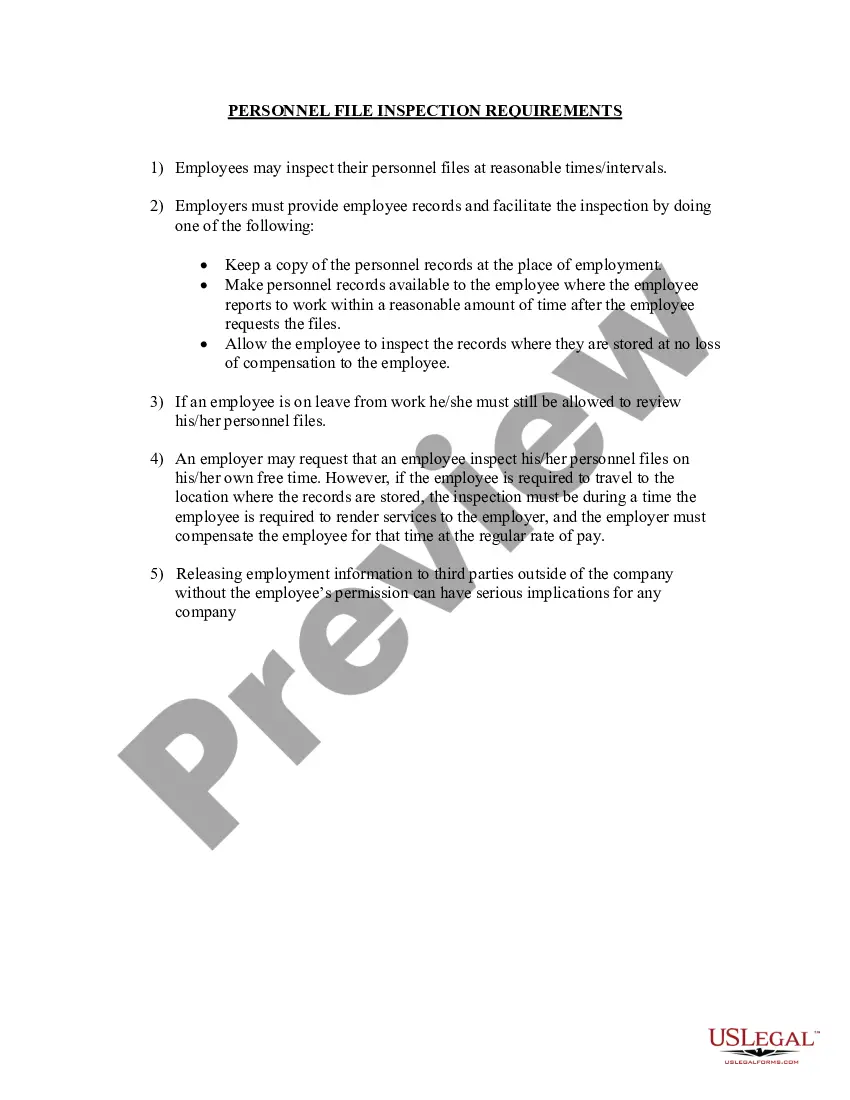
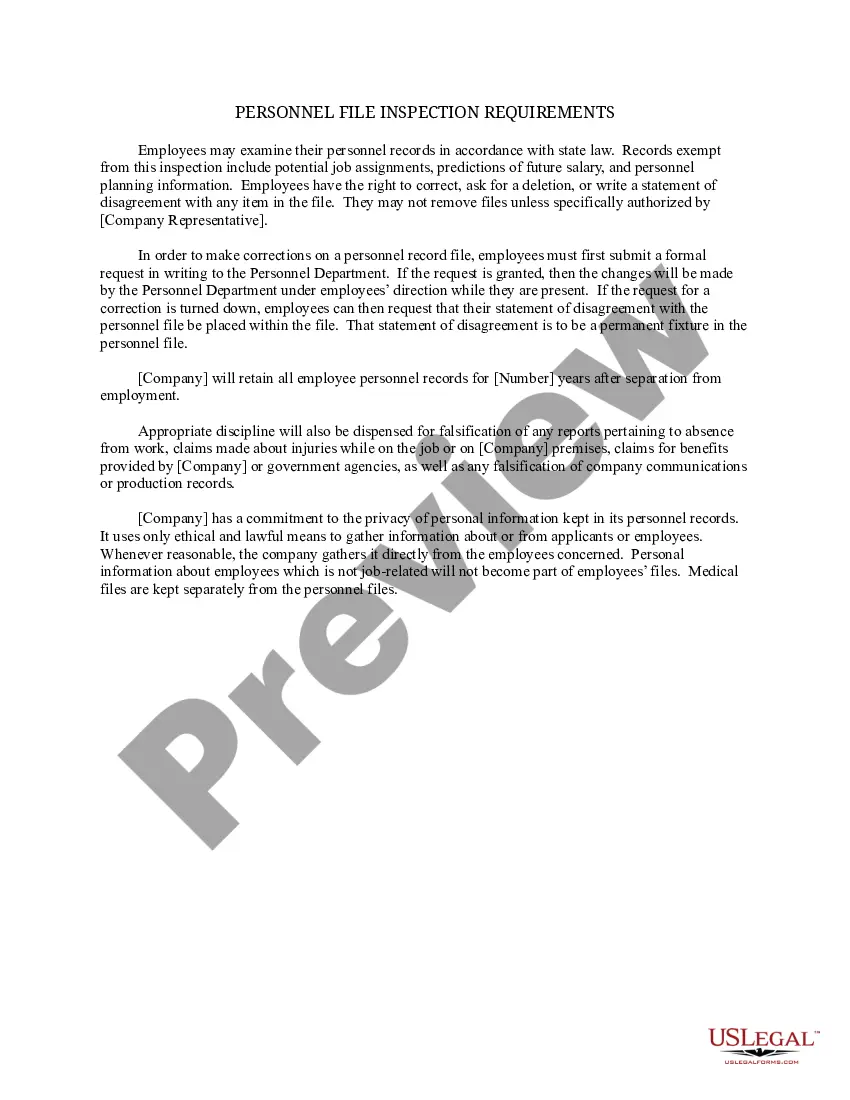
New Mexico Request to Inspect Personnel File
Description
Get your form ready online
Our built-in tools help you complete, sign, share, and store your documents in one place.
Make edits, fill in missing information, and update formatting in US Legal Forms—just like you would in MS Word.
Download a copy, print it, send it by email, or mail it via USPS—whatever works best for your next step.
Sign and collect signatures with our SignNow integration. Send to multiple recipients, set reminders, and more. Go Premium to unlock E-Sign.
If this form requires notarization, complete it online through a secure video call—no need to meet a notary in person or wait for an appointment.
We protect your documents and personal data by following strict security and privacy standards.

Make edits, fill in missing information, and update formatting in US Legal Forms—just like you would in MS Word.

Download a copy, print it, send it by email, or mail it via USPS—whatever works best for your next step.

Sign and collect signatures with our SignNow integration. Send to multiple recipients, set reminders, and more. Go Premium to unlock E-Sign.

If this form requires notarization, complete it online through a secure video call—no need to meet a notary in person or wait for an appointment.

We protect your documents and personal data by following strict security and privacy standards.
Looking for another form?





How to fill out Request To Inspect Personnel File?
You might spend hours online trying to locate the proper legal document template that meets the federal and state requirements you need.
US Legal Forms offers thousands of legal forms that have been reviewed by experts.
You can download or print the New Mexico Request to Inspect Personnel File from our platform.
If available, utilize the Review option to examine the document template as well. To find another version of the form, use the Search field to locate the template that suits your needs.
- If you already have a US Legal Forms account, you can Log In and select the Obtain option.
- Then, you can complete, modify, print, or sign the New Mexico Request to Inspect Personnel File.
- Every legal document template you purchase is yours forever.
- To retrieve another copy of an acquired form, visit the My documents tab and select the appropriate option.
- If you are using the US Legal Forms website for the first time, follow the simple instructions below.
- First, ensure you have chosen the correct document template for the county/city of your choice.
- Review the form details to make sure you have selected the correct one.
Form popularity
FAQ
Generally, an employer can disclose private information only if the disclosure is required by law or if there is a legitimate business need. Take, for example, an employer who has information about the dangerous mental state of one if its employees.
As an employee, do I have a right to see my personnel files? The short answer is 'yes'. You have a right to make a SAR to your employer, asking to see your personnel files, at any time. Your employer has the right to ask why you want to see your files, but must then provide all your records to you.
RecordsContact Information. Phone: 505-348-2020.Requesting Copies of Records. Your request must be in writing and can be made via email, mail, fax, or in person to the Records Section at the U.S. District Court Clerk's Office.Archived Records.Fees.Audio Files.Transcripts.Expungement of Record.
You have the right, under New Mexico law, to inspect and make copies of the public records of the Legislature, including its agencies. Email ipra@nmlegis.gov to make a request or if you have questions.
An employee's personnel file usually contains information related to their performance, salary, and any investigations of misconduct or medical issues. As a result, these records are generally considered private and can be accessed by only the employer and the employee.
Company Name employee files are maintained by the human resource (HR) department and are considered confidential. Managers and supervisors, other than the HR director and his or her subordinates, may only have access to personnel file information on a need-to-know basis.
Police reports in New Mexico are government information about an individual and are therefore public information. Police reports are the documents of the experience the arresting officer had when coming to an incident.
Under the law, information in a public employee's personnel file may be withheld only when the information sought by a request does not pertain to legitimate matters of public concern and is highly offensive to a reasonable person. A subsequent decision clarified that both prongs must be met to satisfy the exemption.
The Inspection of Public Records Act (IPRA) provides the public with access to information about governmental affairs. The law requires public access to most public records with a few exceptions.
The Inspection of Public Records Act (IPRA) is a New Mexico state law that provides the public and media access to public information. The law requires open access to almost all public records in state and local government, with few exceptions.