Sample Letter for Corporate Operation
About this form
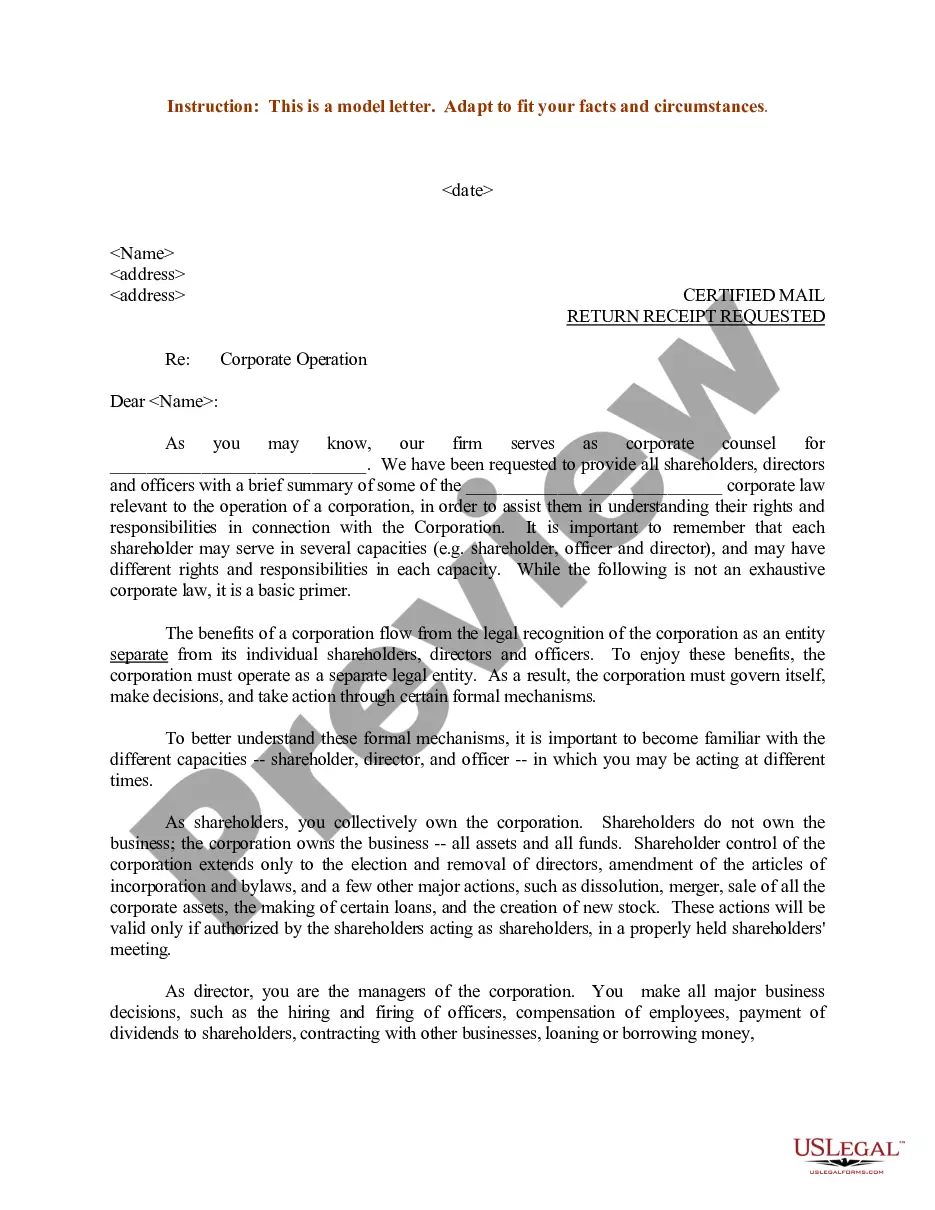
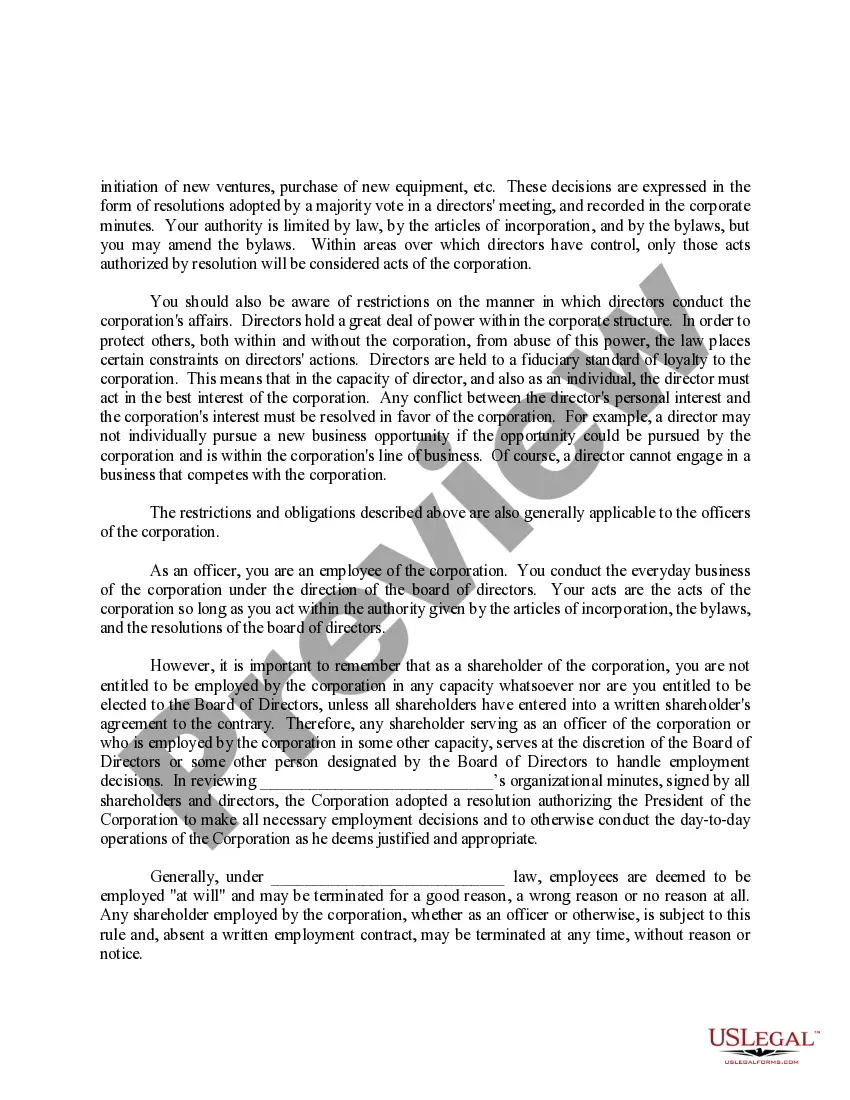
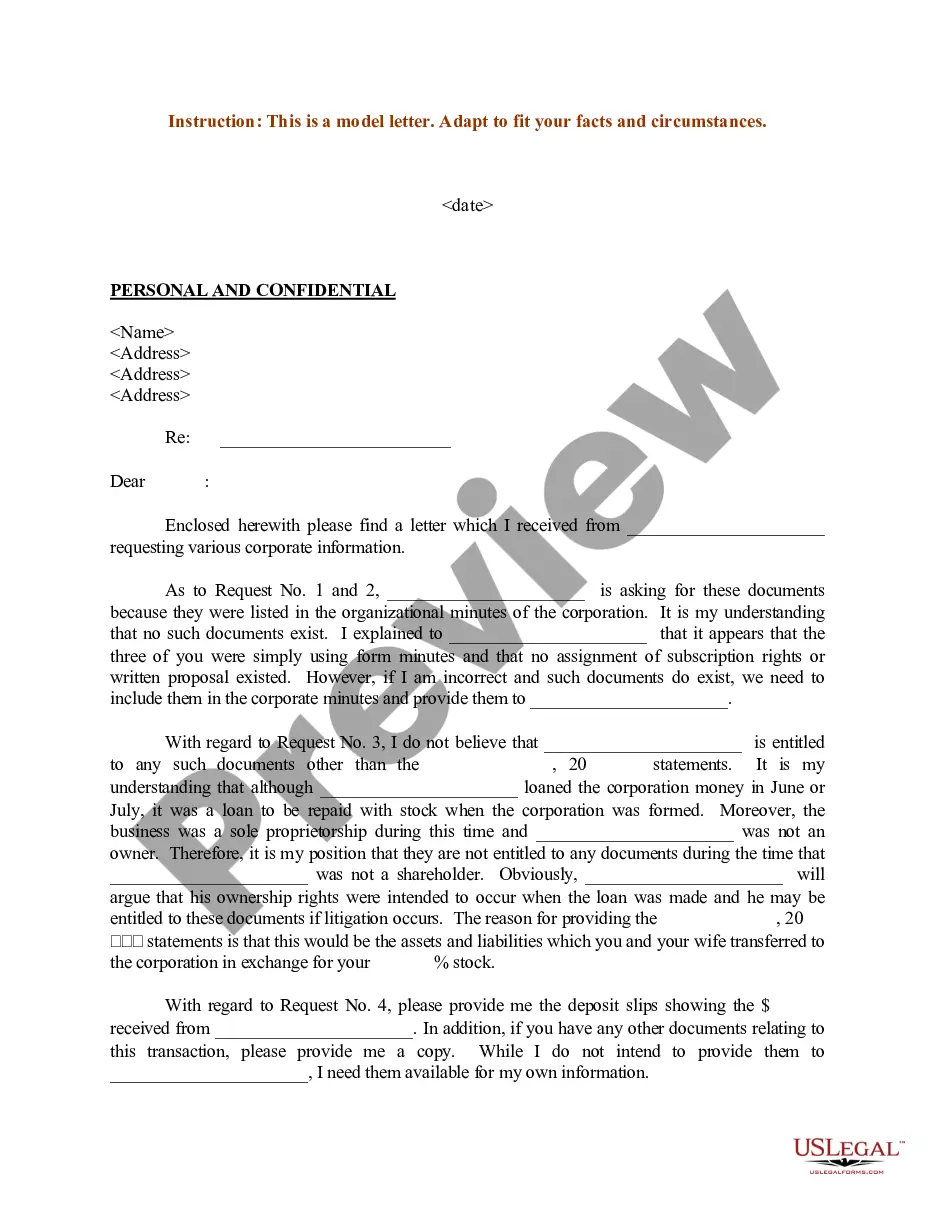
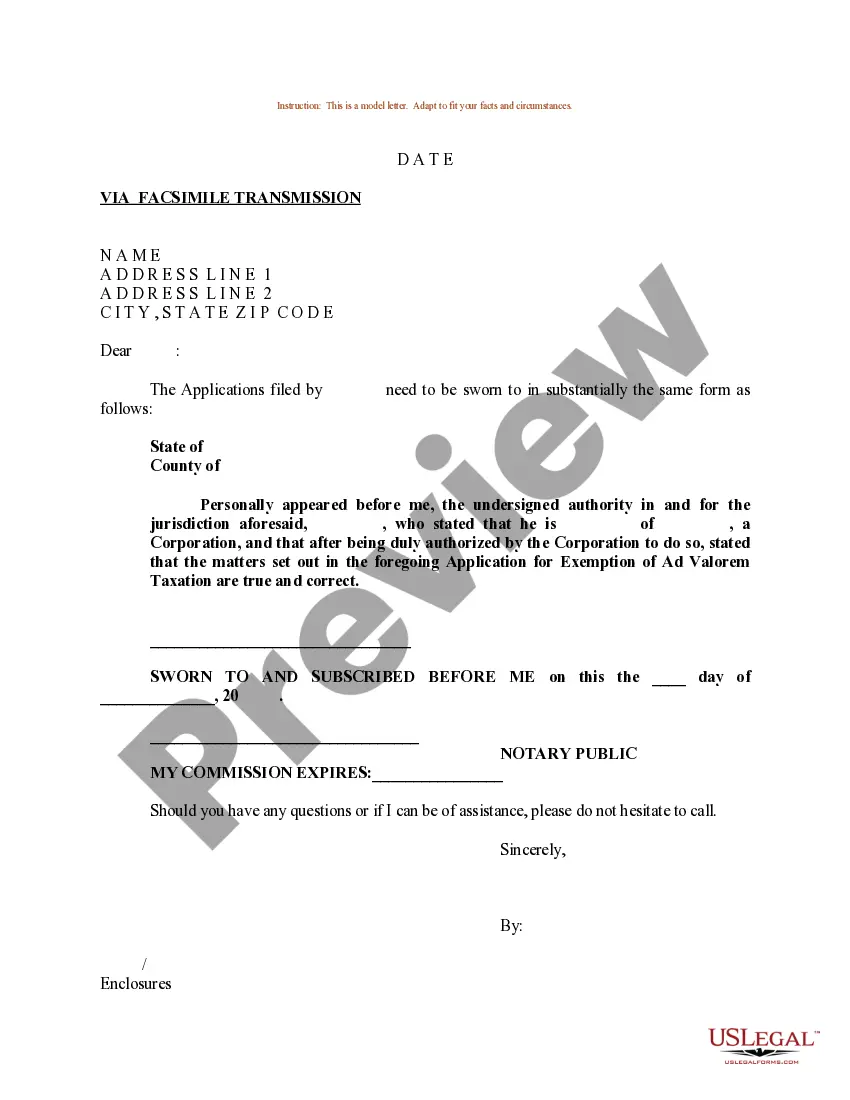
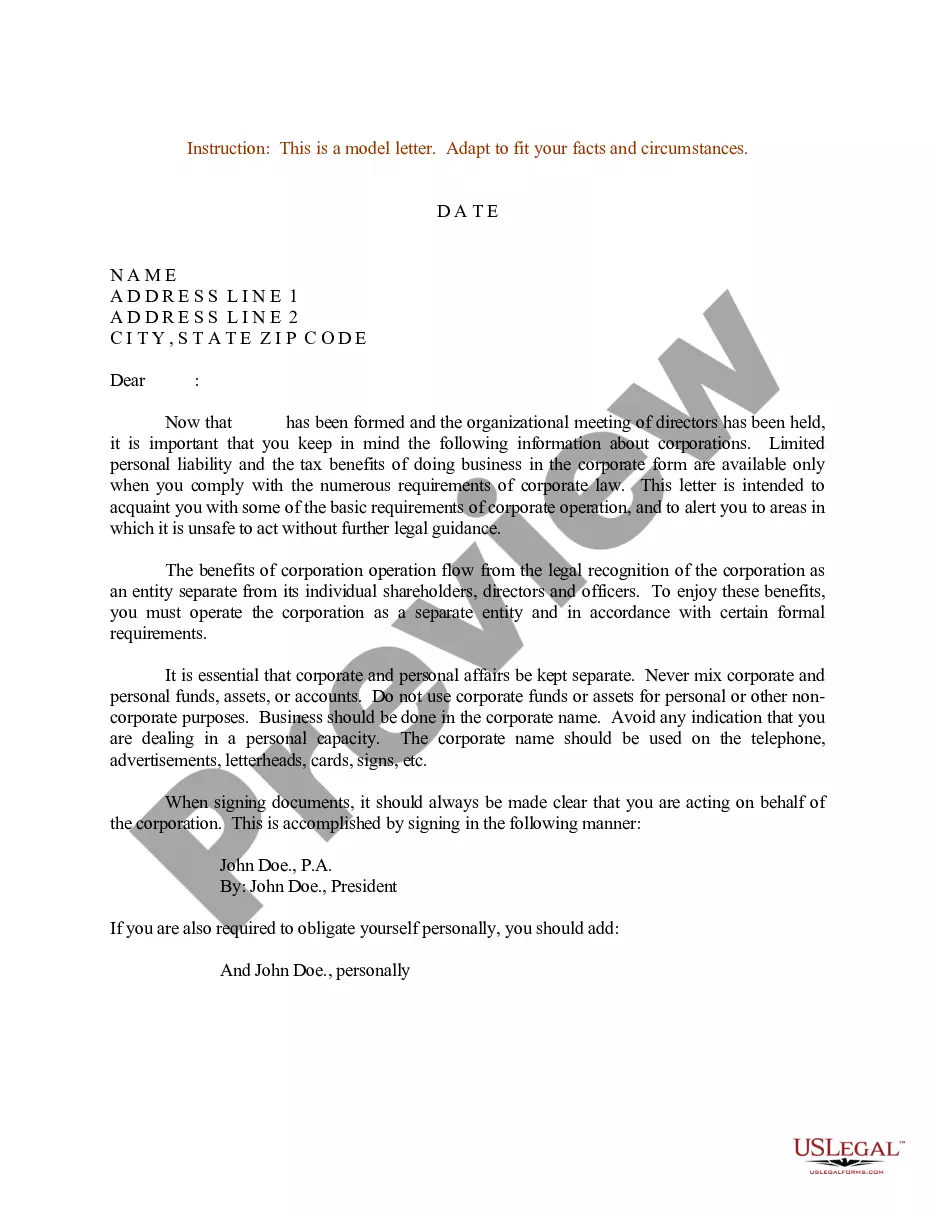
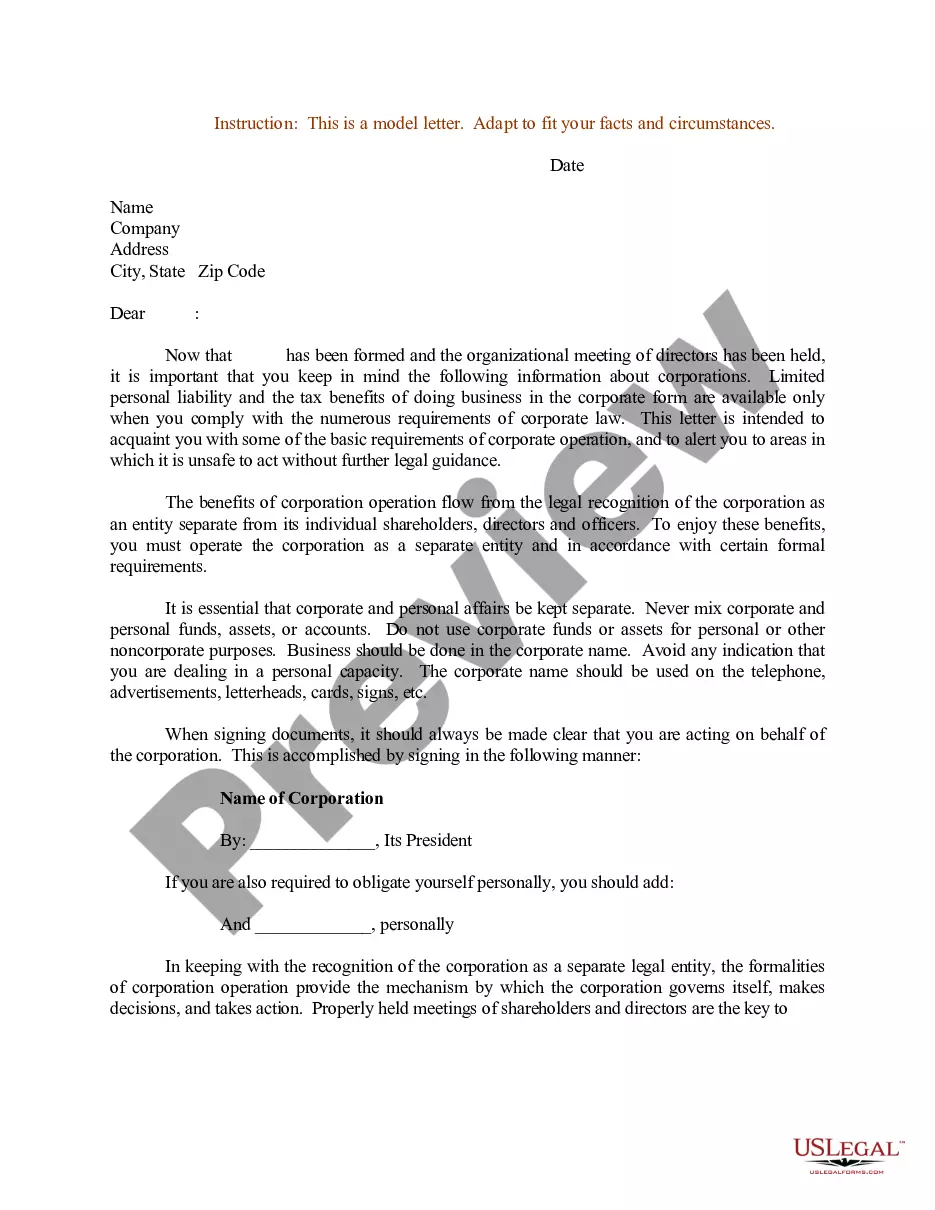
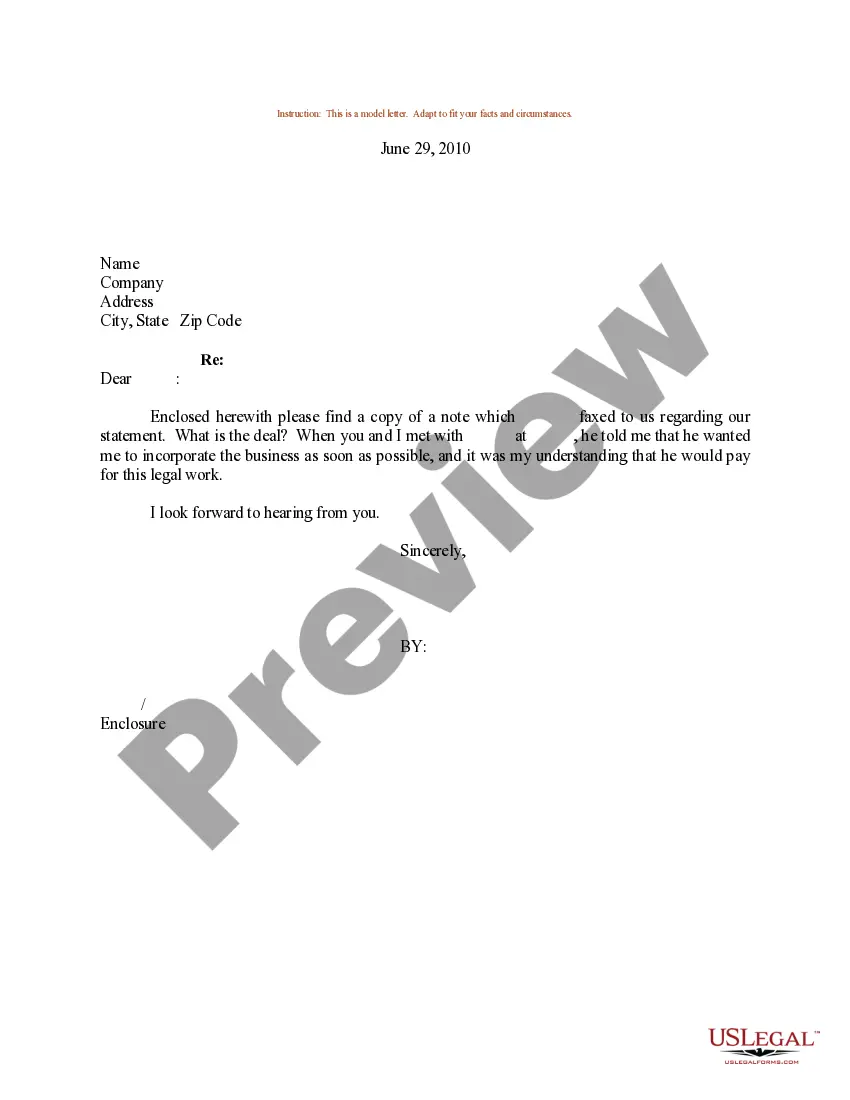
The Sample Letter for Corporate Operation is a document designed to communicate important corporate governance information to shareholders, directors, and officers of a corporation. This letter outlines their respective rights and responsibilities, ensuring they understand how the corporation operates and the formal procedures involved in decision-making. Unlike other corporate documents, this letter serves as a primer for stakeholders to comprehend their roles within the corporate structure.
Key components of this form
- Date: The date when the letter is issued.
- Recipient's Name and Address: Information to identify the individual receiving the letter.
- Overview of Corporate Structure: A summary outlining the roles of shareholders, directors, and officers.
- Corporate Governance Information: Key details concerning decision-making processes and formal mechanisms in the corporation.
- Fiduciary Responsibilities: An outline of directors' and officers' obligations to act in the corporation's best interest.
When to use this document
This letter should be used when a corporation wishes to inform its shareholders, directors, and officers about their respective roles and the corporation's operational requirements. It is particularly beneficial during times of organizational change, regular shareholder meetings, or when new shareholders join, ensuring all parties have a clear understanding of their legal obligations and corporate structure.
Who can use this document
This form is intended for:
- Shareholders of the corporation
- Corporate directors
- Corporate officers
- Legal professionals advising corporate clients
How to complete this form
- Identify the parties involved by entering the date, name, and address of the recipient.
- Provide a clear introduction stating the context of the letter.
- Summarize the corporate governance principles relevant to the audience.
- Include details on the rights and responsibilities of shareholders, directors, and officers.
- Conclude the letter with your name and title, and mention any enclosures if applicable.
Does this form need to be notarized?
In most cases, this form does not require notarization. However, some jurisdictions or signing circumstances might. US Legal Forms offers online notarization powered by Notarize, accessible 24/7 for a quick, remote process.
Get your form ready online
Our built-in tools help you complete, sign, share, and store your documents in one place.
Make edits, fill in missing information, and update formatting in US Legal Forms—just like you would in MS Word.
Download a copy, print it, send it by email, or mail it via USPS—whatever works best for your next step.
Sign and collect signatures with our SignNow integration. Send to multiple recipients, set reminders, and more. Go Premium to unlock E-Sign.
If this form requires notarization, complete it online through a secure video call—no need to meet a notary in person or wait for an appointment.
We protect your documents and personal data by following strict security and privacy standards.

Make edits, fill in missing information, and update formatting in US Legal Forms—just like you would in MS Word.

Download a copy, print it, send it by email, or mail it via USPS—whatever works best for your next step.

Sign and collect signatures with our SignNow integration. Send to multiple recipients, set reminders, and more. Go Premium to unlock E-Sign.

If this form requires notarization, complete it online through a secure video call—no need to meet a notary in person or wait for an appointment.

We protect your documents and personal data by following strict security and privacy standards.
Mistakes to watch out for
- Failing to specify the date of the letter.
- Not accurately addressing the recipient, leading to confusion.
- Omitting essential corporate governance details.
- Using ambiguous language that may mislead the recipients about their roles.
- Neglecting to include your name and title at the end of the letter.
Advantages of online completion
- Convenience: Easily download and fill out the form at your convenience.
- Editability: Modify the form to suit your corporation's specific needs.
- Reliability: Access templates crafted by licensed attorneys, ensuring legal accuracy.
- Time-saving: Quickly prepare important documents without lengthy legal consultations.
Key takeaways
- The Sample Letter for Corporate Operation informs stakeholders about their roles and responsibilities.
- Understanding corporate governance is crucial for effective participation in the corporation.
- Using the form helps promote transparency and clarity within the corporate structure.
Looking for another form?
Form popularity
FAQ
The Sample Letter for Corporate Operation is a governance communication intended for shareholders, directors, and officers. It outlines their rights and responsibilities and explains how the corporation operates and its formal decision-making procedures. The letter serves as a concise primer to help stakeholders understand roles within the corporate structure.
You should issue the Sample Letter for Corporate Operation when a corporation wants to inform shareholders, directors, and officers about their roles and the company’s operating procedures. It’s especially useful during organizational changes, before or after shareholder meetings, or when new shareholders join.
Key components include the date, recipient’s name and address, an overview of the corporate structure, governance information about decision-making processes, and a summary of fiduciary responsibilities. These elements ensure recipients understand who does what, how decisions are made, and the obligations of directors and officers.
Readers include shareholders, corporate directors, corporate officers, and legal professionals advising corporate clients. The letter is designed to communicate governance roles and procedures to these parties, helping align expectations and facilitate informed participation in meetings and corporate decisions across the organization.
Fiduciary responsibilities are summarized for directors and officers, highlighting their obligation to act in the corporation’s best interest. The letter helps clarify expectations for loyalty, care, and diligence, supporting compliant governance and informed decision-making within the company’s formal structures and processes.
It functions as a primer for stakeholders, not a binding governing instrument. The form explains the corporate structure, governance information, and fiduciary responsibilities to shareholders, directors, and officers, helping them understand roles and formal decision-making, rather than replacing bylaws, resolutions, or other formal documents.